905 - Cruise to Morocco on MSC Sinfonia
Mediterranean, 4/17/2027 – 4/29/2027

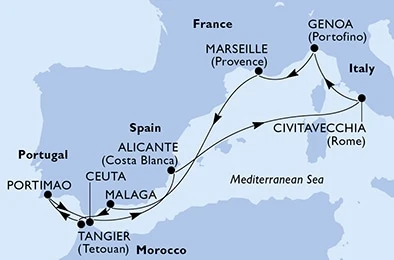


905 - Cruise to Morocco on MSC Sinfonia
Mediterranean , April 17, 2027 - April 29, 2027
Your cruise route
1. day
Departure by RIVIERA TOUR coach to the port. On the way, our delegate will introduce you to life on board MSC Cruises ships, organisational instructions and the tour programme. During the journey, we have a cold dinner, hot breakfast and refreshments ready for you.
Boarding points: Vsetín, Nový Jičín, Frýdek-Místek, Ostrava, Hranice, Olomouc, Prostějov, Vyškov, Brno, Bratislava. Feeder transfer (surcharge 990 CZK): Praha, Humpolec, Jihlava, Velké Meziříčí.

2. day
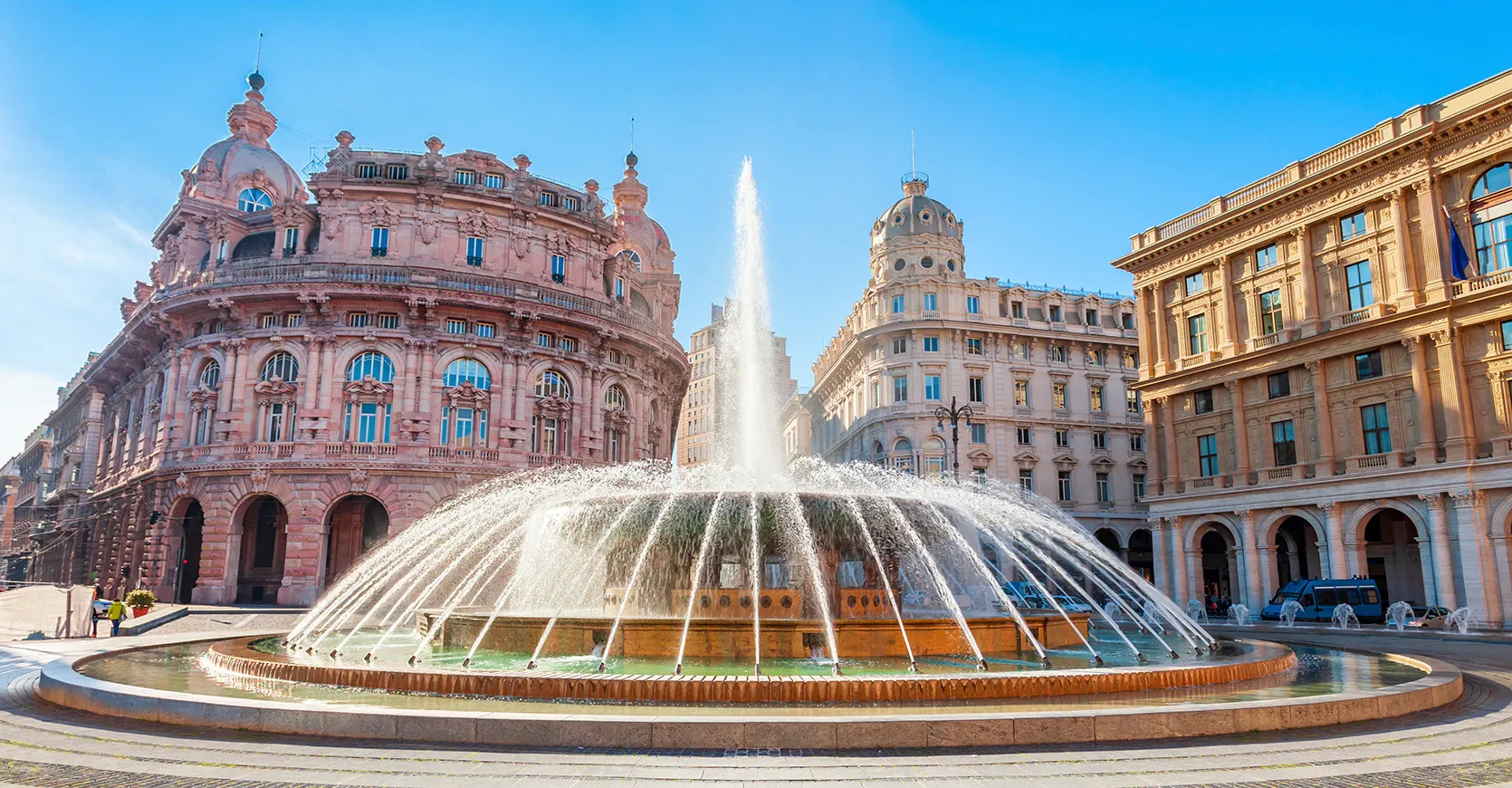
Upon arrival at the port, we will explore this magnificent ancient city, famous especially during the era of the Republic of Genoa and also linked to the birthplace of Christopher Columbus. Check-in and boarding follows. In the afternoon, a tour of the ship, accommodation and a safety drill before departure. Don't miss the first departure from the port. Also, don't miss the first served dinner to enjoy the superb Italian cuisine. After dinner, we will visit the ship's theatre and finish the evening with a drink at the bar.

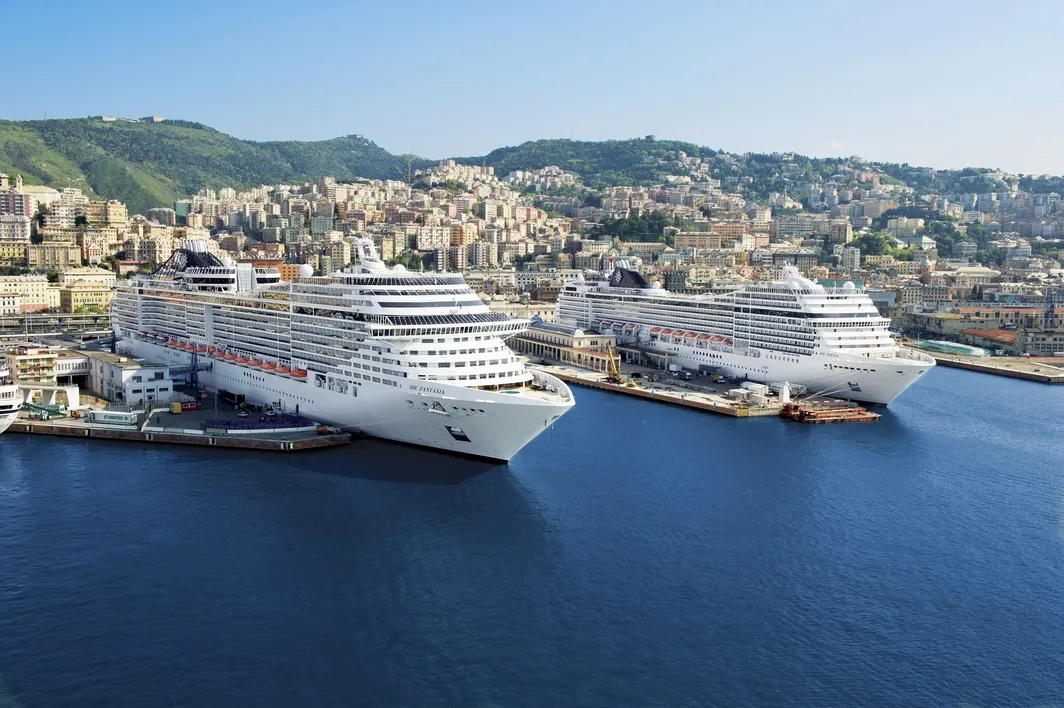


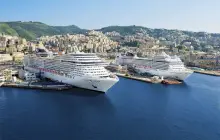
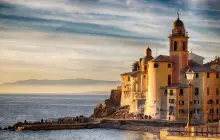

The Port of Genoa has a rich history that traces back to the Roman times, when it was established as a trade hub. However, its status of one of Europe's leading seaports was achieved in the Middle Ages, under the Genoese Republic. This bustling port city was a major player in the maritime trade routes, particularly with the East.
In the 19th century, the Port of Genoa underwent significant expansion under the Kingdom of Italy. Its geographical position and natural harbor made it a strategic point for commercial and military activities. Today, it continues to be a crucial port, serving as a major gateway for goods and passengers, and is considered one of the busiest ports in the Mediterranean Sea.
3. day
From the old port, we will head to the iconic Basilica of Notre-Dame de la Garde, which offers stunning views of the city and the world-famous Île d'If, where the hero of Alexandre Dumas's novel The Count of Monte Cristo was imprisoned. Marseille lies at your feet. The climb to the basilica with our delegate alone will be an unforgettable experience. You will see the locations where the film TAXI was shot, the old port with its fortresses and many other points of interest. We recommend the MSC Cruises transfer from the port to the city centre; in this destination it is truly essential (price approx. €17).
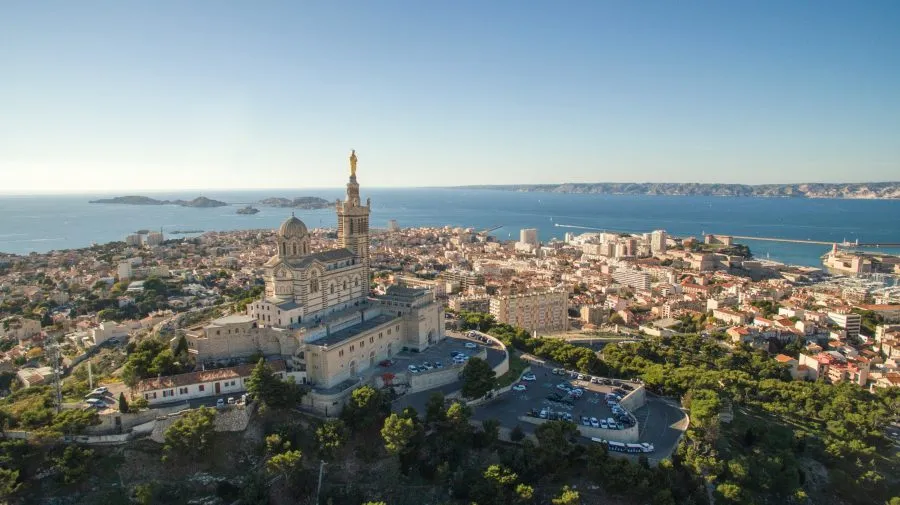
The port of Marseille, also known as the Old Port, is located in the heart of Marseille, France. Its history dates back to antiquity, around 600 BC, when it was founded by Greek mariners from Phocaea. Over the centuries, the port has played a significant role in the economic and cultural development of the region, serving as a major hub for trade and transportation.
In the Middle Ages, the port became an important center for the Mediterranean trade. Despite periods of decline, it continued to flourish, especially during the Renaissance when it was modernized and fortified. In the 19th century, the port underwent a massive expansion, solidifying its status as one of the world's leading maritime ports. Today, it remains a vital part of Marseille's identity and economy.
4. day at sea
5. day
Malaga is a charming Andalusian city on the Mediterranean coast that combines a rich history with the relaxed atmosphere of southern Spain. Visitors are drawn above all to the Moorish fortress of Alcazaba and Gibralfaro Castle with magnificent views over the city and port, the monumental La Manquita Cathedral in the historic centre, the Roman Theatre recalling the city's ancient roots, and the Pablo Picasso Museum, which pays tribute to its most famous native son.
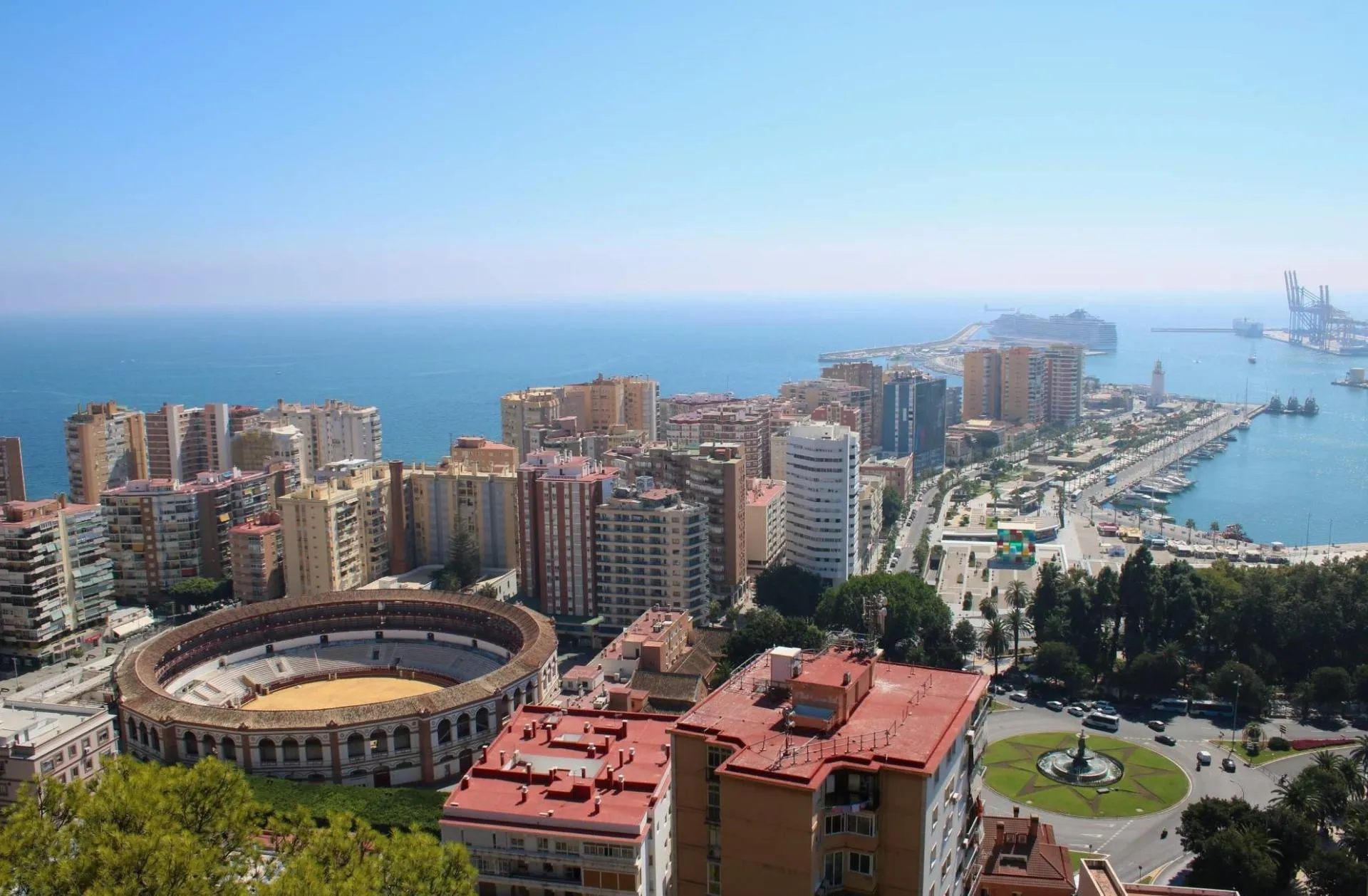
The port of Malaga, located in southern Spain, has a rich history that spans over 3000 years, making it one of the oldest ports in the world. It was founded by the Phoenicians in the 8th century BC and its strategic location on the Mediterranean Sea made it a significant maritime center for the Romans and the Moors.
In the 15th century, after the Reconquista, the port became a major hub for trade between Spain and its colonies in the Americas. The 19th century saw a decline in its importance due to the loss of the Spanish colonies, but it regained prominence in the 20th century as a major cruise ship destination and cargo port. Today, it's a key economic driver for the Andalusian region, serving both commercial and tourist traffic.
6. day
Tangier is Morocco's second most important port after Casablanca. Owing to its location on the Strait of Gibraltar, the area has been inhabited since ancient times. Many nations have passed through, leaving their cultural imprint on the city. Phoenicians, Berbers, Romans and Vandals all resided here; for roughly 100 years the area belonged to the Byzantine Empire, and after 700 AD the city served as the main Arab base for their expansion into Spain. On arrival by ship, the remnants of the port's fortifications catch the eye, followed by the new urban development. The main fortress is the Kasbah, which houses the former Sultan's Palace, Dar el Makhzen.
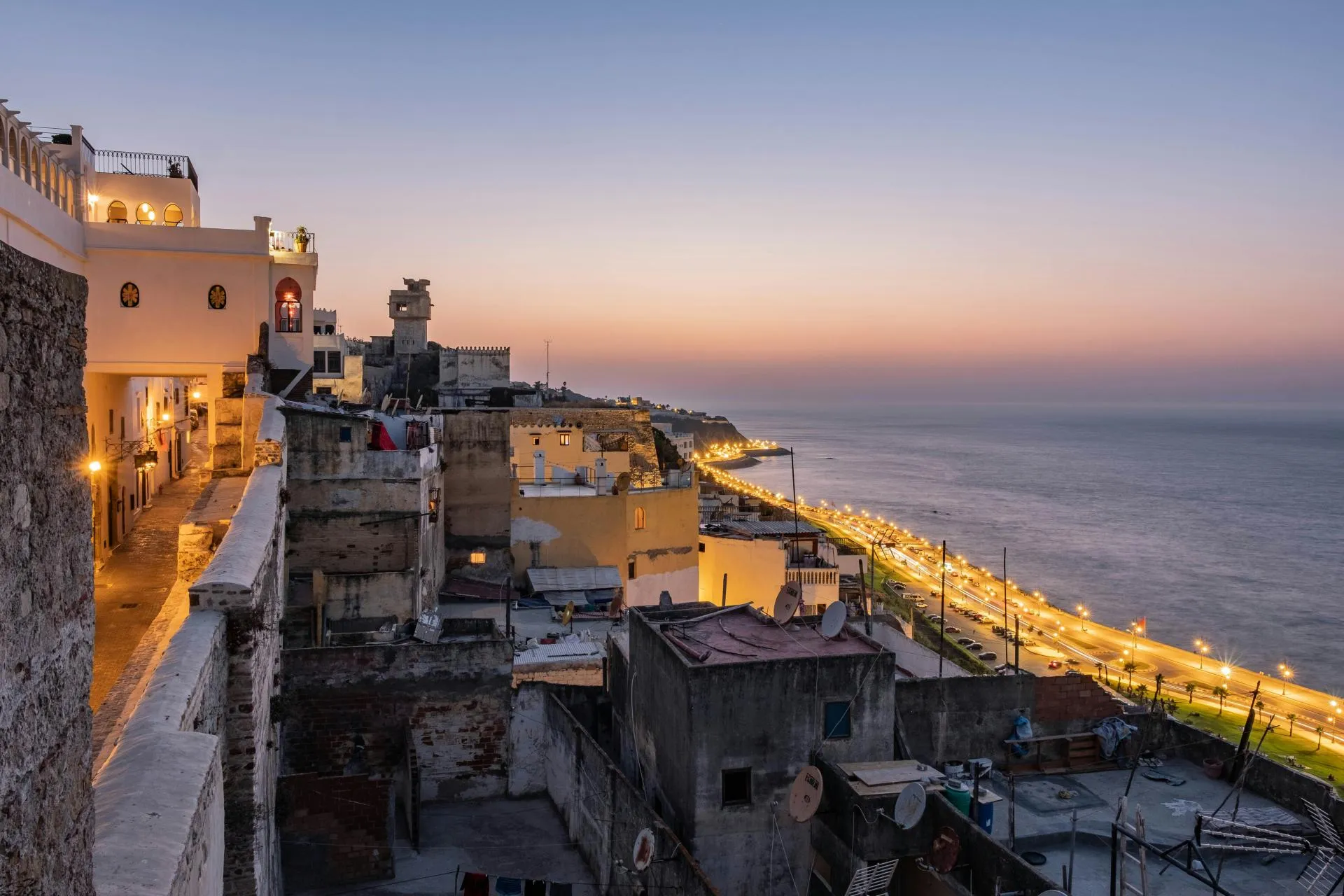
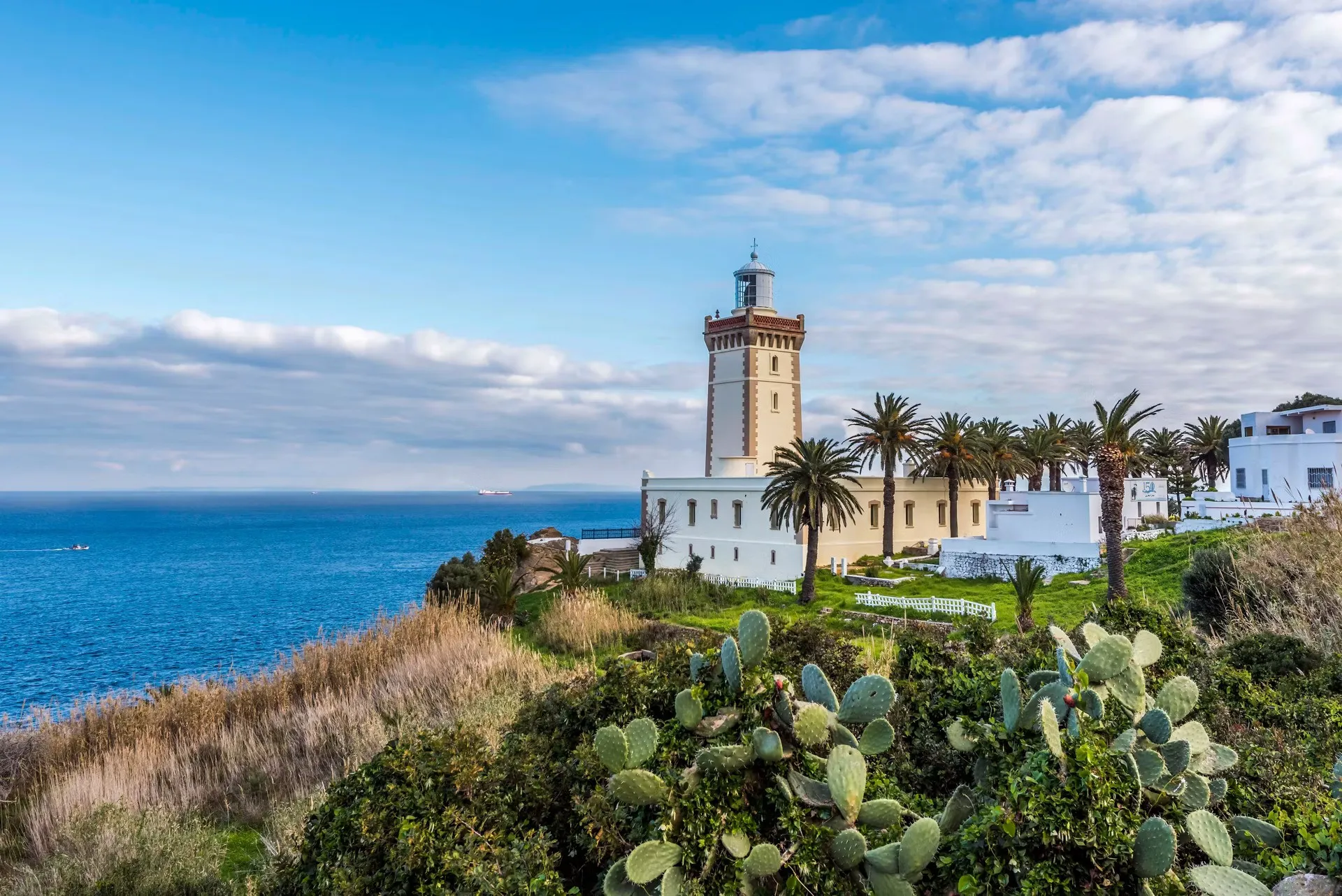
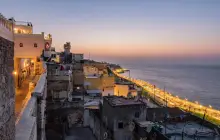
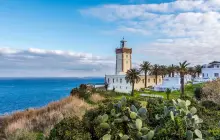
The port of Tangier in Morocco has a rich and diverse history, with its origins dating back to the Phoenicians in the 5th century BC. It was later controlled by the Romans, Vandals, Byzantines, and Arabs, each contributing to its development and strategic importance. The port, also known as the Tangier Med Port Complex, has been a significant commercial and military seaport throughout history due to its strategic location on the Strait of Gibraltar.
In the 17th century, Tangier was given to England as part of the dowry for the Portuguese Infanta Catherine of Braganza's marriage to King Charles II. During this time, the port was expanded and fortified, becoming a vital English naval base. However, maintaining the port became too expensive, and it was subsequently abandoned. In the 20th century, Tangier became an international zone, attracting artists, writers, and spies from around the world. The modernization and expansion of the port started in 2007, transforming it into one of the largest ports in Africa and the Mediterranean.
7. day
Portimão is the ideal starting point for discovering Portugal's most beautiful beaches, especially the nearby Praia da Rocha with its golden sand and imposing rock formations towering above the azure Atlantic. Just 15 minutes' drive from the port lies the world-famous Ponta da Piedade near Lagos, where you can admire breathtaking sea caves, natural arches and cliffs best accessed by kayak or boat. History lovers will appreciate a visit to the charming historic centre of Portimão with its traditional architecture, fish market and excellent restaurants serving fresh seafood, especially the famous sardines. For the adventurous, the surrounding area also offers trips to the dramatic cliffs of Cabo de São Vicente, the westernmost point of continental Europe.
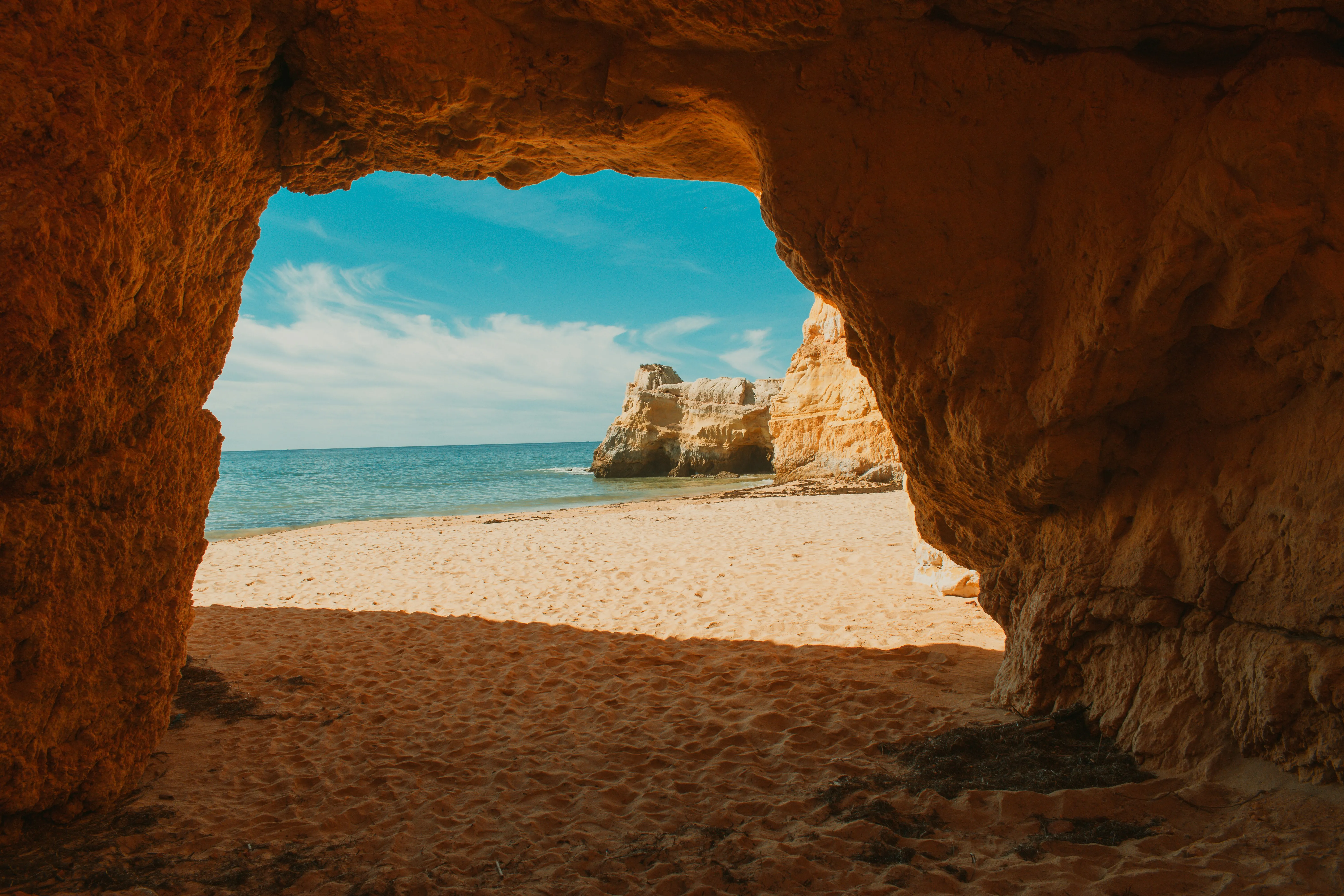
The history of the Portimão harbor in Portugal dates back to the Roman times when it served as an important hub for fish salting and the production of garum, a fermented fish sauce. The harbor's strategic location on the Arade river, which is easily navigable, made it a crucial port for trading goods across the Mediterranean.
In the 15th century, the harbor gained even more prominence during the Age of Discoveries. It was from this harbor that many Portuguese explorers set sail to discover new lands. During the 19th and 20th centuries, the harbor thrived on the fishing industry, particularly sardines. Today, the Portimão harbor stands as a symbol of the city's rich maritime heritage and is a major draw for tourists.
8. day
Ceuta, together with Melilla, is one of two Spanish exclaves on the coast of North Africa, situated on the northernmost tip of the Maghreb near the Strait of Gibraltar. The dominant feature is Monte Hacho, on whose summit sits a Spanish military base. According to Greek mythology, it was the southern of the so-called Pillars of Hercules (though some sources identify the Moroccan mountain Jebel Musa, west of Ceuta, instead). Ceuta lies on a promontory of seven hills, with the city itself at the end of a narrow cape. Like Melilla, Ceuta has an excellent natural harbour around which it grew. Ceuta's strategic position has made it a decisive point for many cultural, commercial and military events.
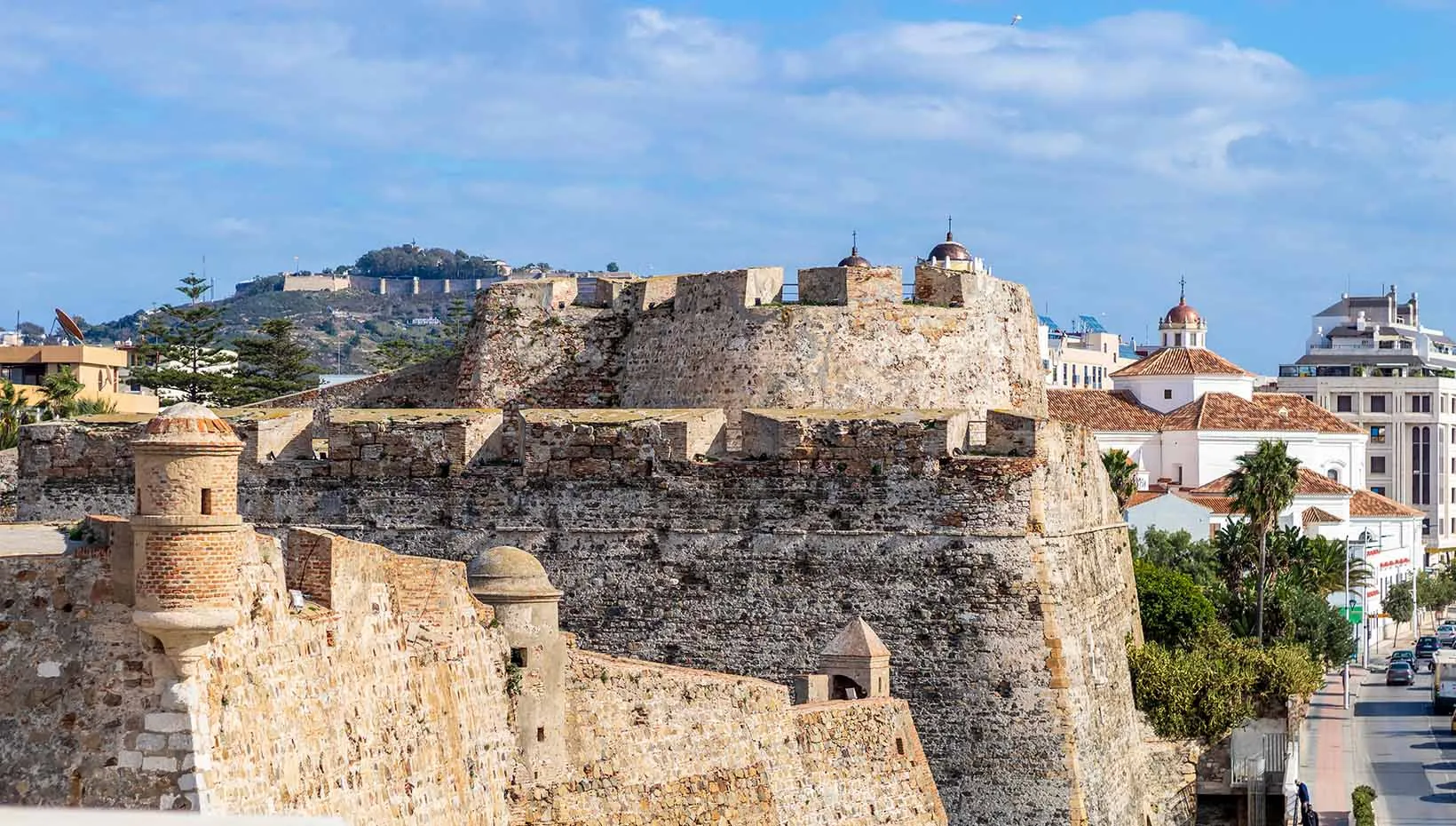


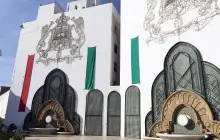
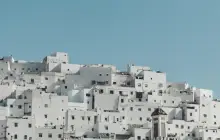
Ceuta, a Spanish autonomous city located on the northern coast of Africa, has a history that spans thousands of years and reflects its strategic position at the crossroads of the Mediterranean Sea and the Atlantic Ocean. Originally settled by the Phoenicians in antiquity, it became a critical trading post and was later controlled by the Carthaginians and then the Romans, who called it Septem Fratres. After the fall of the Roman Empire, Ceuta was ruled by the Byzantines and then the Visigoths before coming under Moorish control in the early 8th century during the Islamic expansion into North Africa. Under Moorish rule, Ceuta thrived as a center of trade, connecting Europe and Africa.
In 1415, Ceuta was captured by the Portuguese, marking it as the first overseas possession of Portugal’s Age of Exploration. The city later came under Spanish control in 1580, when the crowns of Spain and Portugal were briefly united under the Iberian Union, and remained part of Spain after the union dissolved in 1640. Today, Ceuta is a unique blend of cultures, reflecting its Moorish, Spanish, and Mediterranean influences. The city is known for its defensive structures, including the Royal Walls of Ceuta, and its location near the iconic Pillars of Hercules at the Strait of Gibraltar. Ceuta remains an important geopolitical and economic hub, offering a mix of historical significance and modern vitality as part of Spain while being geographically located in North Africa.
9. day
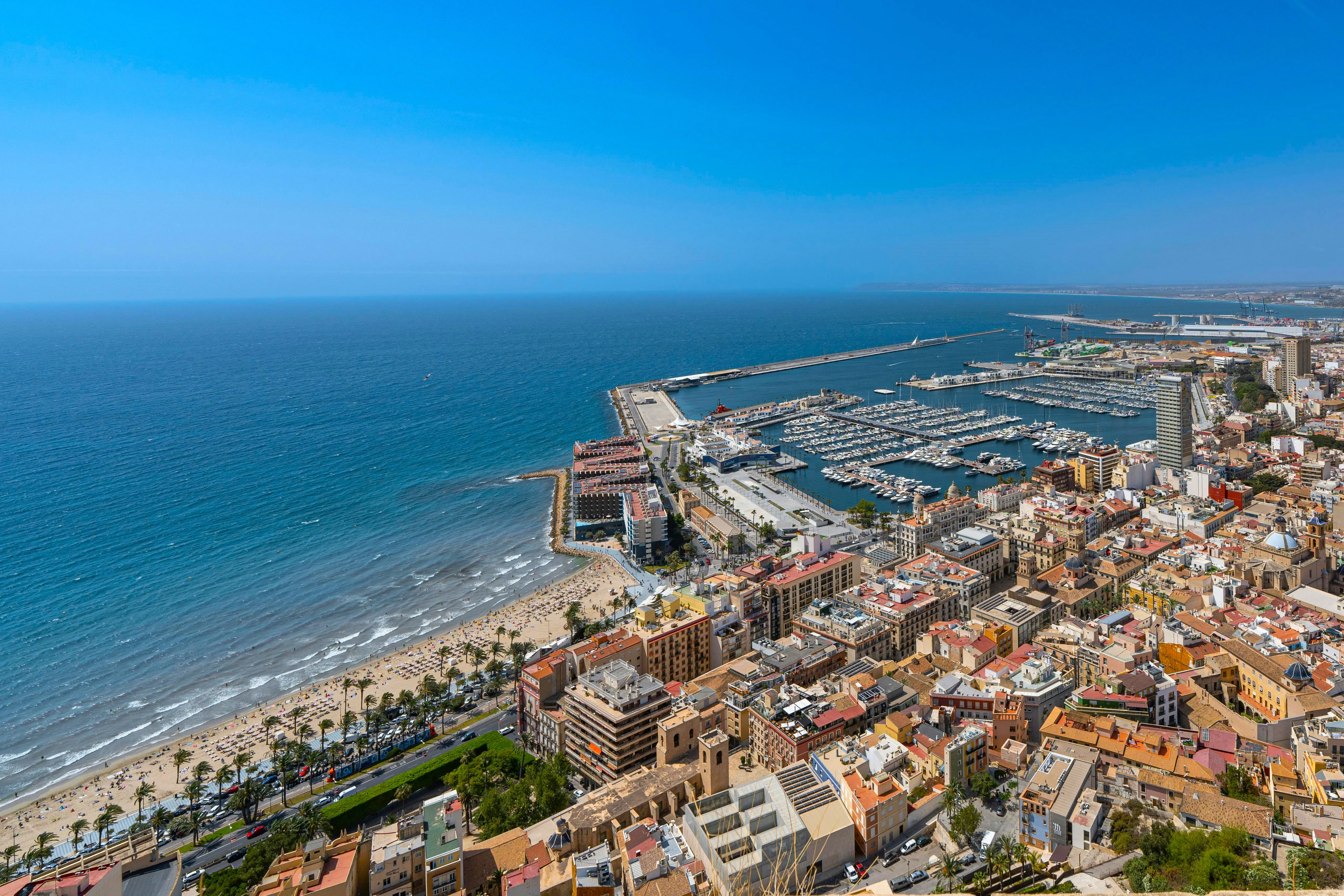
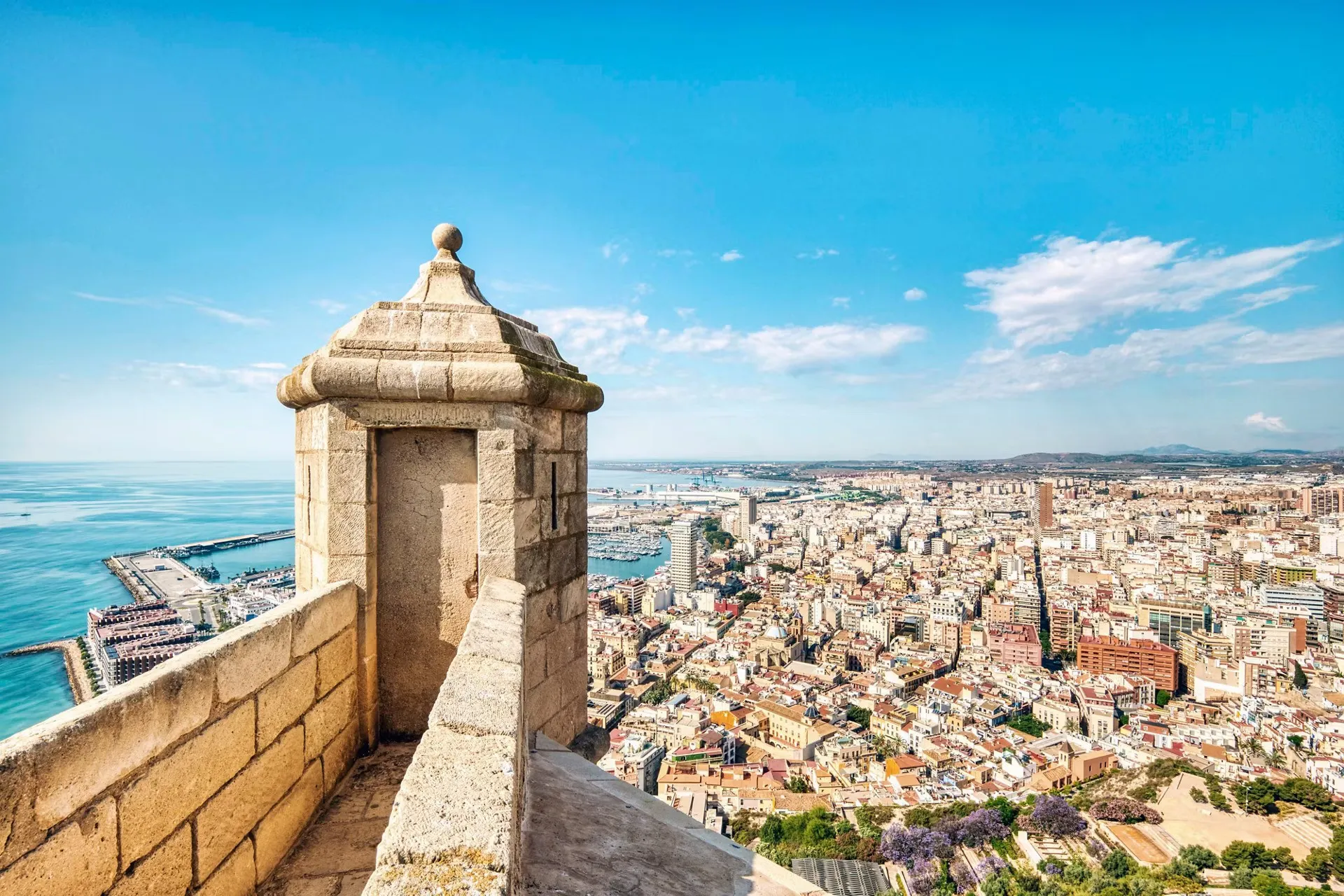
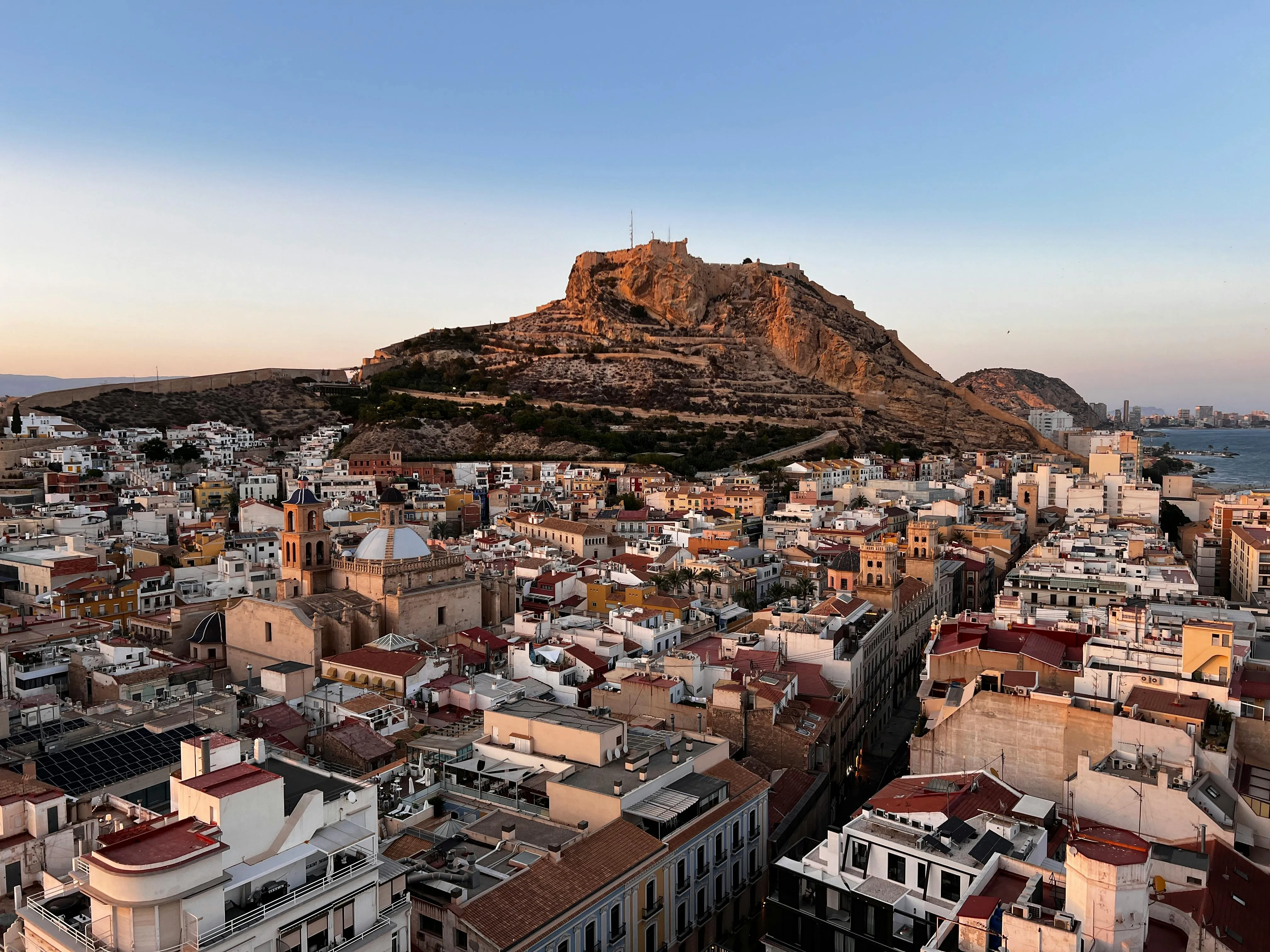
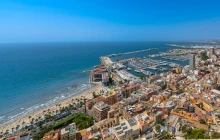
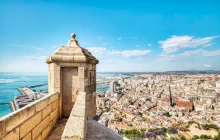
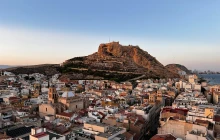
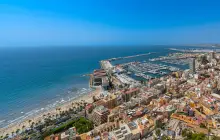
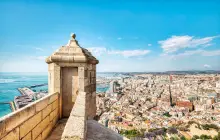
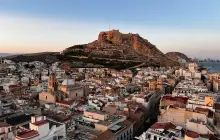
Alicante is a vibrant Mediterranean city on the Costa Blanca coast that captivates with its combination of history, beaches and a pleasant southern atmosphere. The most prominent landmark is Santa Bárbara Castle perched atop Mount Benacantil, offering breathtaking views of the city and sea, along with the historic El Barrio quarter with its narrow streets and colourful houses, the modern Explanada de España promenade lined with palm trees and marble mosaics, and the beautiful Postiguet Beach right in the city centre.
10. day at sea
11. day
In the early morning hours, we arrive in Civitavecchia, the main Roman port in the central Italian region of Lazio. It lies on the Tyrrhenian Sea, 80 km west-northwest of Rome. The area was already settled in the Etruscan period. Civitavecchia (Italian for "Old City") represents the prototype of a classic Italian settlement with roots in deep antiquity (it has been proven that it was inhabited as far back as Etruscan times), which over its more than thousand-year existence has undergone rich development and changes whose traces are still visible today. Since the Middle Ages, it has been the main Roman port, and to this day you can visit over a hundred churches here.


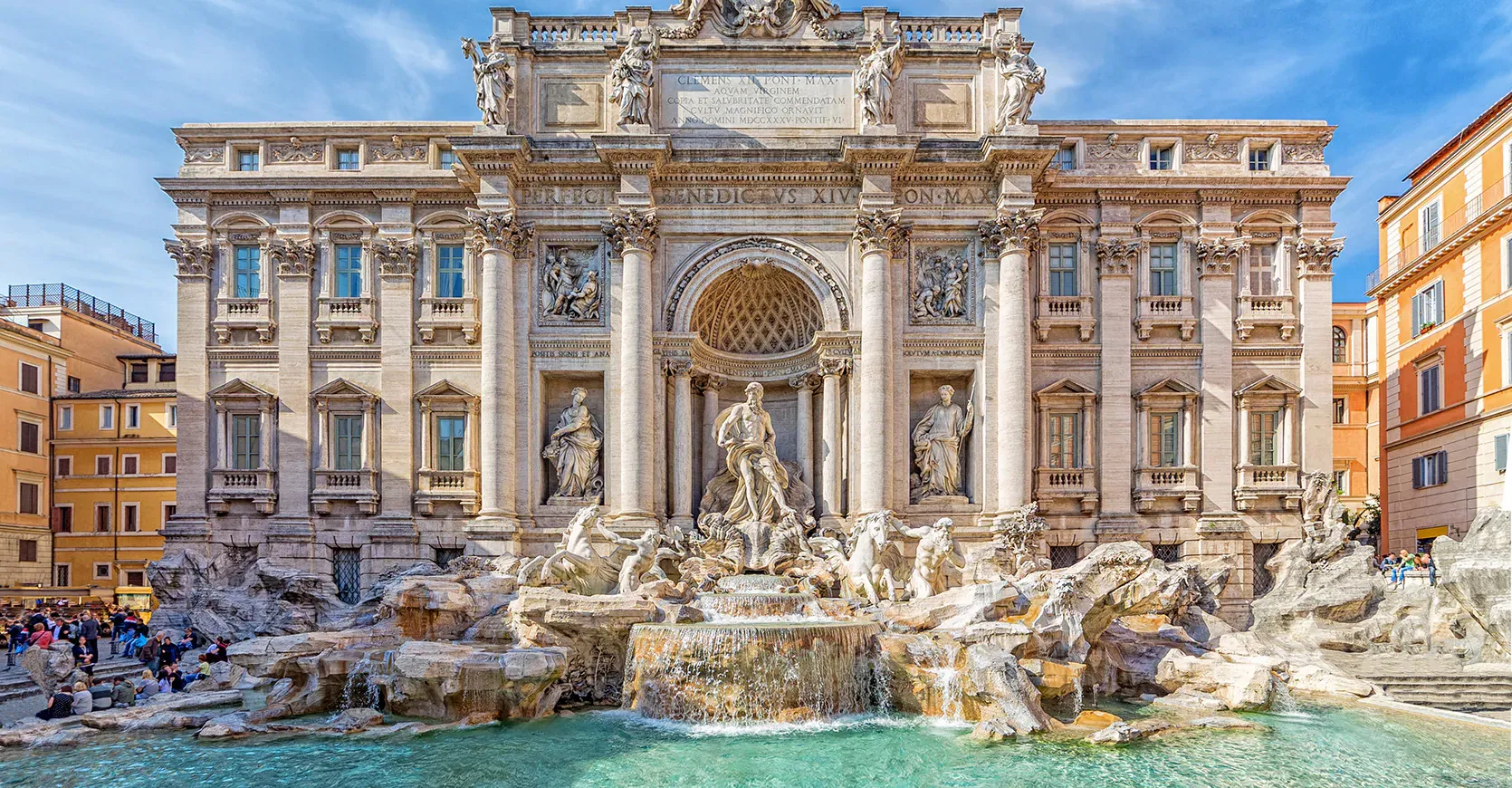


Civitavecchia, located on the western coast of Italy along the Tyrrhenian Sea, is a historic port city that has served as a vital gateway to Rome for centuries. Its name, meaning “ancient town” in Italian, reflects its origins, which date back to Etruscan times. However, it was during the Roman Empire that Civitavecchia gained prominence, when Emperor Trajan ordered the construction of the port in the early 2nd century CE to relieve congestion from Rome's main port at Ostia. The harbor, known as Centumcellae in ancient times, became an important hub for trade and naval operations. Remnants of this period, such as the Trajan's Arch and sections of the original Roman harbor, still exist today, showcasing the city’s deep historical roots.
Throughout the Middle Ages, Civitavecchia's strategic importance made it a contested site among various powers, including the Papal States, which controlled the city for much of its later history. It became heavily fortified, with landmarks such as the Forte Michelangelo, a formidable 16th-century fortress commissioned by Pope Julius II and partially designed by Michelangelo himself. In modern times, Civitavecchia remains a key port, serving as the main maritime link between Rome and the Mediterranean. It is also a popular departure point for cruises and ferries, connecting Italy to various islands and neighboring countries. With its rich history and ongoing role as a bustling port city, Civitavecchia continues to blend its ancient heritage with its modern significance.
12. day
Breakfast in the morning, then disembarkation and departure from the port back to the Czech Republic. During the return journey, you will learn about new ships and upcoming destinations. The return transport includes two hot snacks, coffee, tea, cappuccino and hot chocolate.
The Port of Genoa has a rich history that traces back to the Roman times, when it was established as a trade hub. However, its status of one of Europe's leading seaports was achieved in the Middle Ages, under the Genoese Republic. This bustling port city was a major player in the maritime trade routes, particularly with the East.
In the 19th century, the Port of Genoa underwent significant expansion under the Kingdom of Italy. Its geographical position and natural harbor made it a strategic point for commercial and military activities. Today, it continues to be a crucial port, serving as a major gateway for goods and passengers, and is considered one of the busiest ports in the Mediterranean Sea.
13. day
Arrival in the Czech Republic depending on the current traffic situation.


Tour description
Join us on a unique cruise through the Western Mediterranean with a Czech-speaking delegate from RIVIERA TOUR aboard MSC Sinfonia. Our journey begins with comfortable coach transport to the Italian port of Genoa, from where we set sail towards a vibrant mix of European and North African cultures, historic cities and sun-drenched coastlines. During the cruise, we will visit French Marseille with the opportunity to explore the old port, Andalusian Malaga – the birthplace of Pablo Picasso, the Spanish exclave of Ceuta in North Africa, the exotic Moroccan city of Tangier with its oriental atmosphere, Portuguese Portimão on the Algarve coast, Spanish Alicante with its beautiful promenade and Santa Bárbara Castle, and also the Italian port of Civitavecchia, from where you can take an excursion to the Eternal City of Rome. The tour price includes coach transport to and from the port and the services of a Czech-speaking delegate who will take care of you throughout the cruise.

Kateřina Kostková
My name is Kateřina and I have been working at the Riviera since 2019. Thanks to this job I have visited many beautiful places and met a lot of great people. I love travelling, good food and going to concerts. My favourite ships to go on are the smaller ones that have a friendlier atmosphere, some of my favourites are MSC Sinfonia and MSC Lirica.


DVD
Transport
Your cruise with Riviera Tour begins in the Czech Republic. Our modern, spacious coaches depart from major cities towards ports in the Mediterranean and the North Sea.
On board the coach, an experienced Czech delegate will take care of you, providing all the information you need about life on board and the places you will visit. Hot drinks, breakfast and snacks are included in the price of transport. Additional drinks can be purchased from our drivers at attractive prices.
Our aim is for you to enjoy your holiday from the very first moment. That is why we create a pleasant, family atmosphere already during the coach journey. Our delegate will make the trip more enjoyable with interesting stories from previous cruises and practical tips for your stay on board.
And as a bonus, a special "surprise" awaits you during the journey, one of the favourite hallmarks of Riviera Tour trips.
