918 - Cruise to Malta on MSC Seaview
Mediterranean, 6/28/2027 – 7/7/2027


918 - Cruise to Malta on MSC Seaview
Mediterranean , June 28, 2027 - July 7, 2027
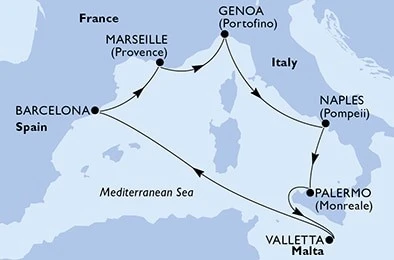
Your cruise route
1. day
Departure by RIVIERA TOUR coach to the port. On the way, our delegate will introduce you to life on board MSC Cruises ships, organisational instructions and the tour programme. During the journey, we have a cold dinner, hot breakfast and refreshments ready for you.
Boarding points: Vsetín, Nový Jičín, Frýdek-Místek, Ostrava, Hranice, Olomouc, Prostějov, Vyškov, Brno, Bratislava. Feeder transfer (surcharge 990 CZK): Praha, Humpolec, Jihlava, Velké Meziříčí.

2. day
Upon arrival at the port, we will explore this magnificent ancient city, famous especially during the era of the Republic of Genoa and also linked to the birthplace of Christopher Columbus. Check-in and boarding follow. In the afternoon, a tour of the ship, accommodation and a safety drill before departure. Don't miss the first departure from the port. Also, don't miss the first served dinner to enjoy the superb Italian cuisine. After dinner, we will visit the ship's theatre and finish the evening with a drink at the bar.

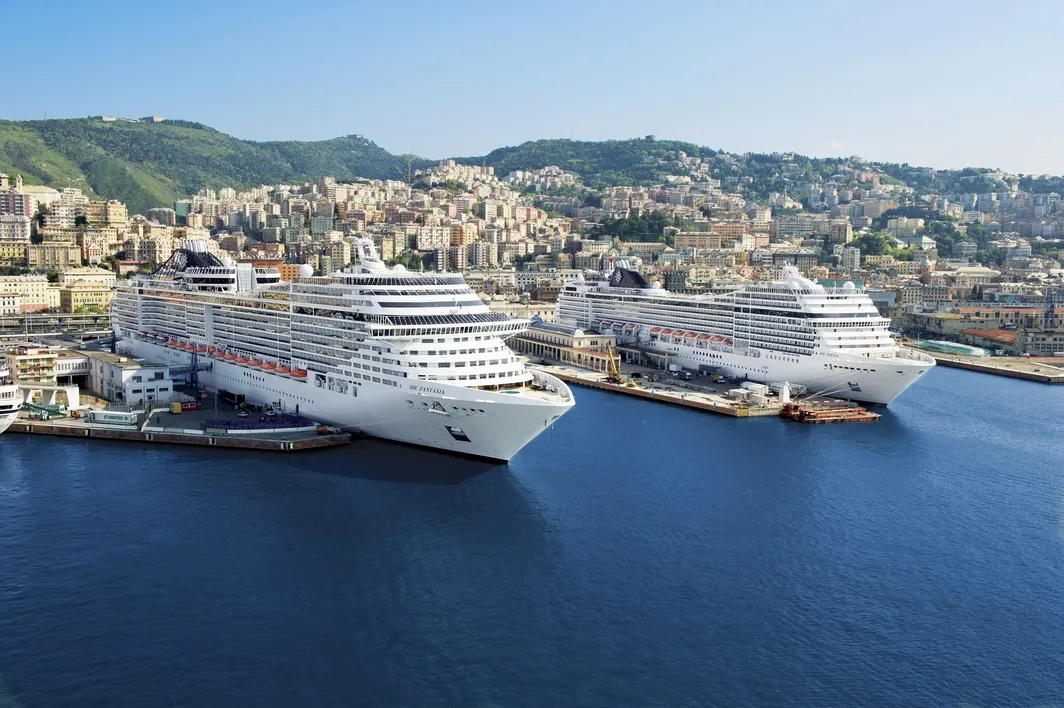


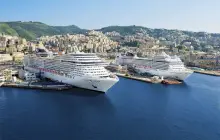
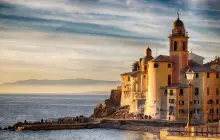

The Port of Genoa has a rich history that traces back to the Roman times, when it was established as a trade hub. However, its status of one of Europe's leading seaports was achieved in the Middle Ages, under the Genoese Republic. This bustling port city was a major player in the maritime trade routes, particularly with the East.
In the 19th century, the Port of Genoa underwent significant expansion under the Kingdom of Italy. Its geographical position and natural harbor made it a strategic point for commercial and military activities. Today, it continues to be a crucial port, serving as a major gateway for goods and passengers, and is considered one of the busiest ports in the Mediterranean Sea.
3. day
In the morning, we will set out to explore this amazing city. In the capital of Campania, we will take a walk through the historic centre, where you can shop for the latest fashion and, for the truly adventurous, visit the Spanish Quarter. You can also stop by the headquarters of MSC Cruises or take optional excursions to Vesuvius or Pompeii.

The Port of Naples, located in Naples, Italy, is one of the largest Italian seaports and one of the largest seaports in the Mediterranean Sea basin having an annual traffic capacity of around 25 million tons of cargo. This harbor's history dates back to the 8th century BC when it was first established by Greeks, which makes it one of the oldest operated ports in the world.
Over the centuries, the Port of Naples has seen various rulers and has been a significant maritime hub for different empires. In the Roman era, it served as a critical commercial port, facilitating trade across the empire. During the World War II, the port was severely damaged but was quickly rebuilt and expanded. Today, it not only serves as a crucial cargo terminal, but also as a vital ferry port, connecting numerous destinations across the Mediterranean.
4. day
A stroll through this beautiful port will leave you with a feeling of a clean, laid-back and authentic Sicilian metropolis. Don't forget to buy the famous local pistachio ice cream, visit the fish markets and the local cathedral. You can try Arancini – stuffed rice balls fried in breadcrumbs – or Cannoli – another quintessentially Sicilian treat that has spread throughout Italy and is also beloved by the Italian community in America. These are crispy fried pastry tubes filled with sweetened ricotta cheese, often with candied fruit or chocolate chips.

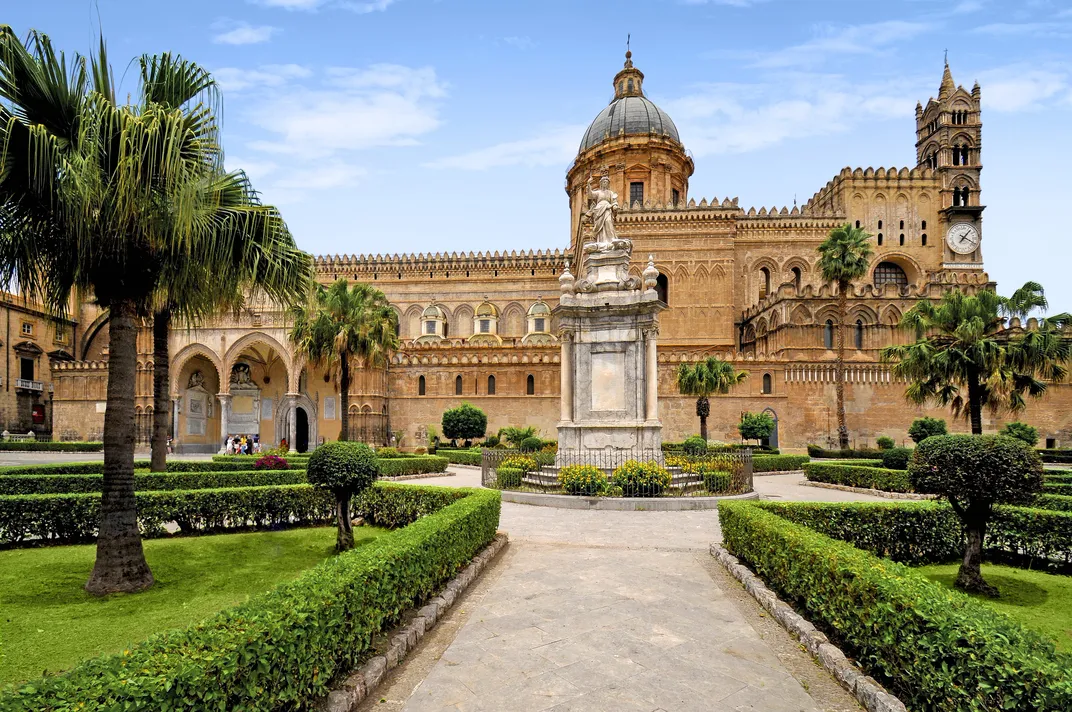



The port of Palermo is one of the oldest in Italy and the Mediterranean, with its history reaching back to the 8th century BC. It was founded by the Phoenicians under the name of Ziz. Over the centuries, the port has been under the control of various empires, including the Romans, the Byzantines, and the Arabs, each leaving their mark on the port's development.
During the middle ages, under the control of the Normans and then the Swabians, Palermo port became a key trade center connecting Europe, Africa, and Asia. This period marked the height of Palermo's influence and wealth. In the modern era, the port remains a crucial hub for commercial and passenger traffic, highlighting its enduring importance in the Mediterranean region.
5. day
Valletta, the capital of Malta, covers an area of just 1 kilometre by 600 metres, making it one of the smallest capital cities in the world. Only just over 6,000 people live here permanently, and according to UNESCO, they reside in the city with the highest concentration of monuments in the world. Valletta is predominantly made up of buildings constructed in the 16th century during the rule of the Knights of St John of Jerusalem (St John the Baptist), also known as the Hospitallers. They settled in Malta after being expelled from the Greek island of Rhodes and subsequently changed their name to the Knights of Malta. Valletta is a vibrant city that, in addition to its many splendid palaces, churches and museums, also offers more worldly pleasures.
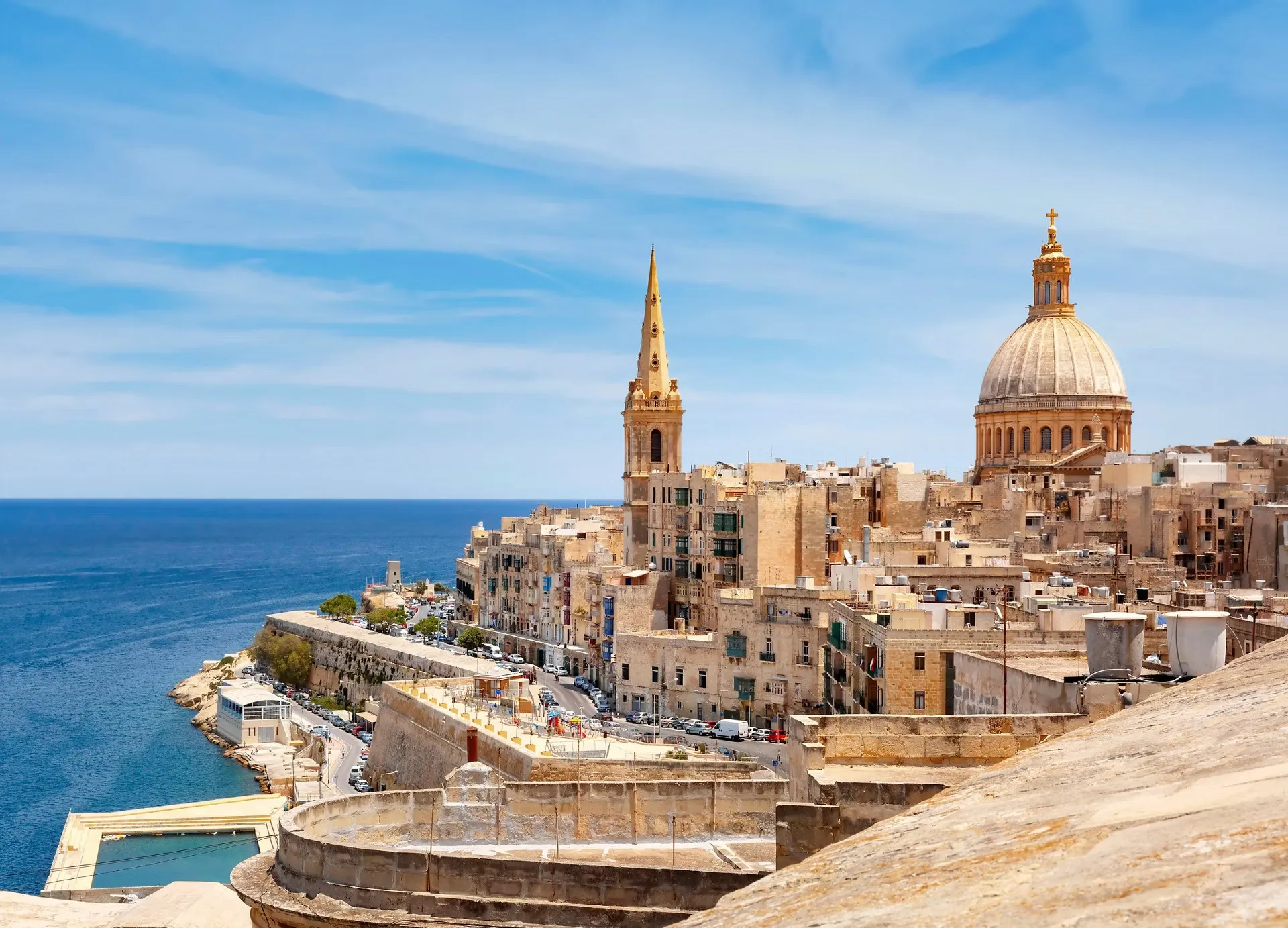
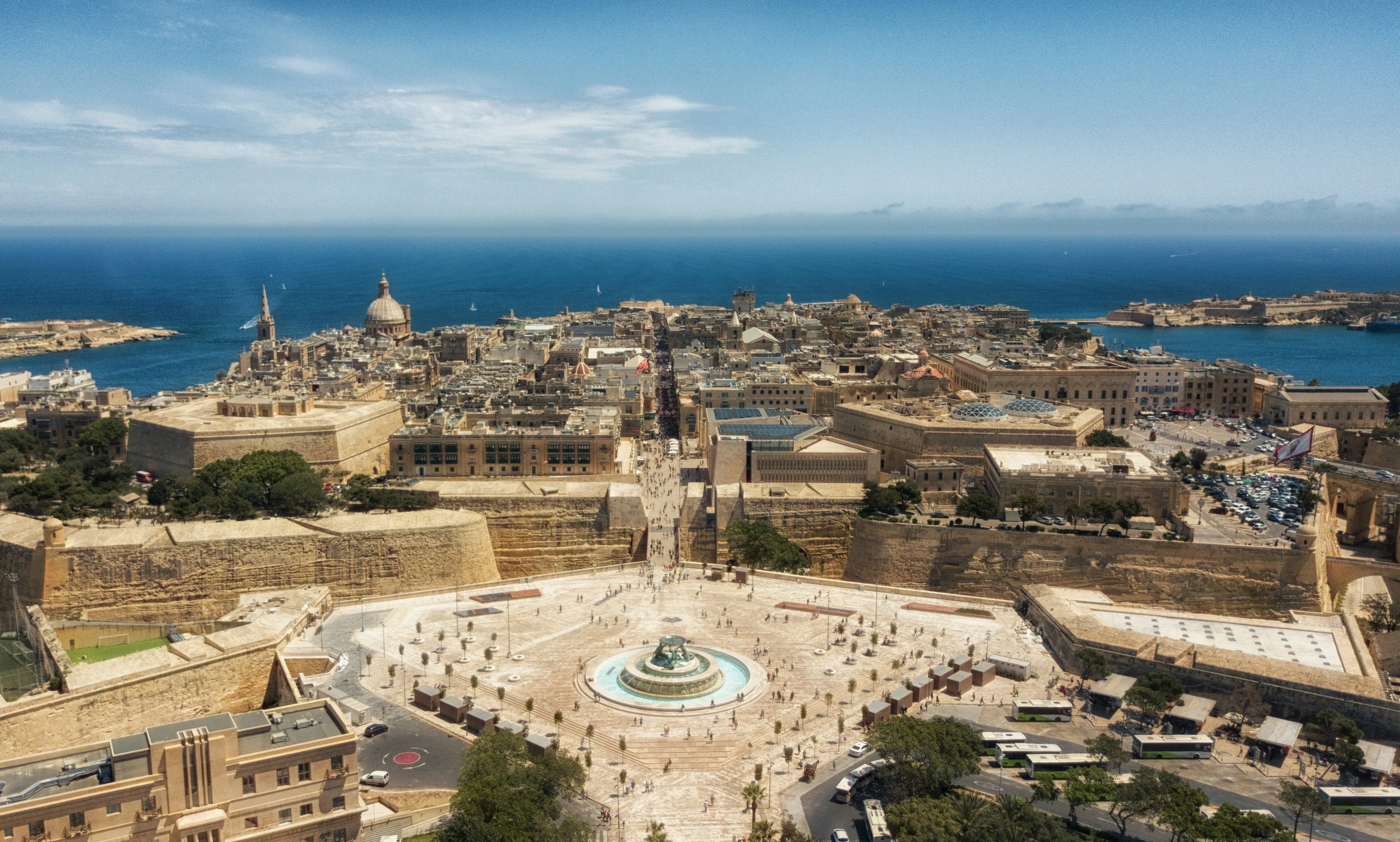
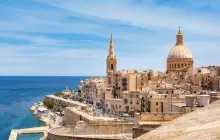
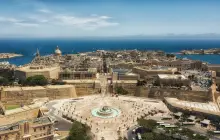
The very first historical record of a harbor in Valletta dates back to Punic and Roman times. However, the port gained significant prominence during the rule of the Knights of St. John in the 16th century. It was Grand Master Jean Parisot de La Valette who initiated the construction of the city and the port in 1566, after the Great Siege of Malta.
The harbor witnessed a considerable transformation in the 19th century under the British rule. The British exploited the strategic location of Malta in the Mediterranean, and used the port as a naval base during both World Wars. The city of Valletta and its port were declared a UNESCO World Heritage site in 1980, acknowledging their historical and cultural significance.
6. day at sea
7. day
In Barcelona, history blends with modern life, culture mingles with exquisite food, and every alleyway hides a story waiting to be heard. Don't miss the chance to experience Barcelona in all its glory – from Gothic quarters to world-famous landmarks such as the Sagrada Familia and Gaudí's houses, from sun-kissed beaches to gourmet experiences that will pamper your taste buds. We recommend the MSC Cruises transfer from the port to the city; in this destination it is truly essential (approx. €12).

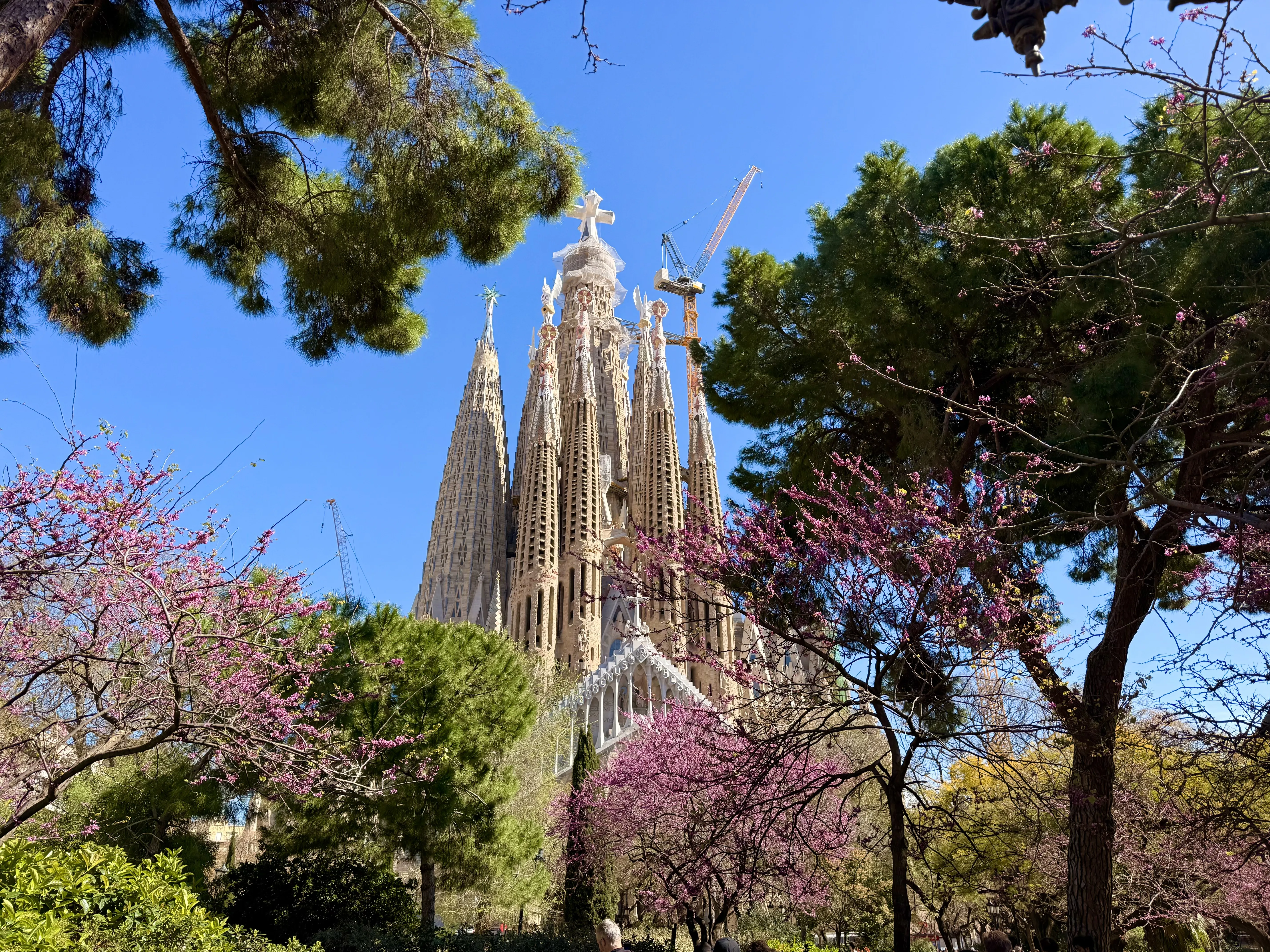
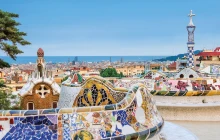
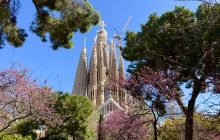


Barcelona, the capital of Catalonia, boasts a history that dates back over two millennia. Founded as a Roman colony called Barcino in the 1st century BCE, its early development is still visible in remnants such as Roman walls and structures in the Gothic Quarter. During the Middle Ages, Barcelona flourished as a major maritime power within the Crown of Aragon, becoming a vital center for trade and culture. The city's medieval landmarks, like the Barcelona Cathedral, reflect this period of growth and significance. However, political upheavals in later centuries, including the decline of Catalonia's independence, temporarily slowed its development.
The 19th century marked Barcelona’s cultural and architectural renaissance. The Catalan Renaissance and the Modernisme movement brought artists and architects like Antoni Gaudí, whose works, including Sagrada Família and Casa Batlló, transformed the city into a showcase of creativity. The 1992 Olympics further revitalized Barcelona, modernizing its infrastructure and boosting its global profile. Today, Barcelona is a thriving cultural, economic, and tourist hub, blending its rich history with modern urban life. Its iconic landmarks, Mediterranean coastline, and vibrant Catalan identity make it one of the world’s most beloved cities.
8. day
From the old port, we will head to the iconic Basilica of Notre-Dame de la Garde, which offers stunning views of the city and the world-famous Île d'If, where the hero of Alexandre Dumas's novel, the Count of Monte Cristo, was imprisoned. Marseille will be spread out before you. The climb to the basilica with our delegate alone will be an unforgettable experience. You will see locations where the film TAXI was shot, the old port with its fortresses and many other points of interest. We recommend the MSC Cruises transfer from the port to the city; in this destination it is truly essential (approx. €17).
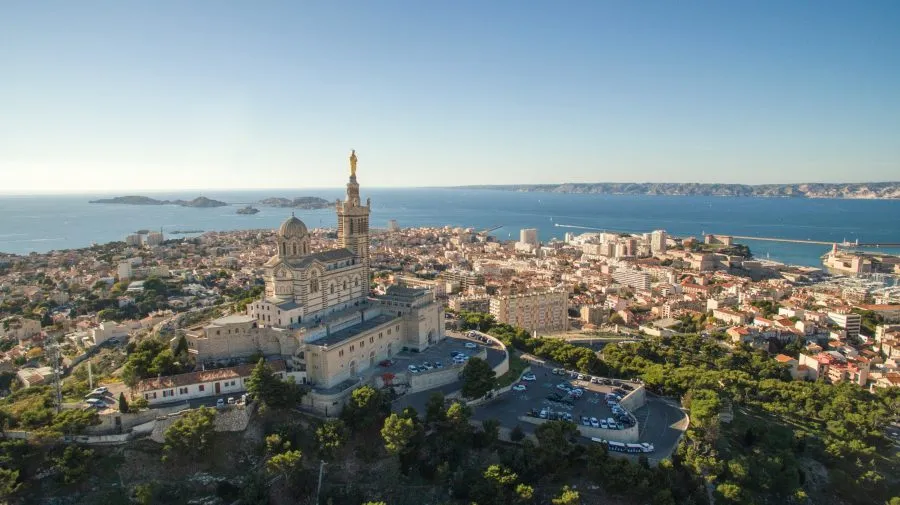
The port of Marseille, also known as the Old Port, is located in the heart of Marseille, France. Its history dates back to antiquity, around 600 BC, when it was founded by Greek mariners from Phocaea. Over the centuries, the port has played a significant role in the economic and cultural development of the region, serving as a major hub for trade and transportation.
In the Middle Ages, the port became an important center for the Mediterranean trade. Despite periods of decline, it continued to flourish, especially during the Renaissance when it was modernized and fortified. In the 19th century, the port underwent a massive expansion, solidifying its status as one of the world's leading maritime ports. Today, it remains a vital part of Marseille's identity and economy.
9. day
Breakfast in the morning, then disembarkation and departure from the port back to the Czech Republic. During the return journey, you will learn about new ships and upcoming destinations. The return transport includes two hot snacks, coffee, tea, cappuccino and hot chocolate.
The Port of Genoa has a rich history that traces back to the Roman times, when it was established as a trade hub. However, its status of one of Europe's leading seaports was achieved in the Middle Ages, under the Genoese Republic. This bustling port city was a major player in the maritime trade routes, particularly with the East.
In the 19th century, the Port of Genoa underwent significant expansion under the Kingdom of Italy. Its geographical position and natural harbor made it a strategic point for commercial and military activities. Today, it continues to be a crucial port, serving as a major gateway for goods and passengers, and is considered one of the busiest ports in the Mediterranean Sea.
10. day
Arrival in the Czech Republic depending on the current traffic situation. Brno approx. 00:01, Olomouc 01:30, Ostrava 03:00.

Tour description
Join us on an enchanting May cruise through the Western Mediterranean to Malta with a Riviera Tour delegate on board the elegant cruise ship MSC Seaview. During the voyage, we will visit Sicilian Palermo, medieval Malta, vibrant Barcelona, the French port of Marseille and historic Genoa in Italy. The tour price includes coach transport with sightseeing tours of Pisa and Lucca, and the services of a Czech-speaking delegate who will take care of you throughout the entire cruise.


DVD
Transport
Your cruise with Riviera Tour begins in the Czech Republic. Our modern, spacious coaches depart from major cities towards ports in the Mediterranean and the North Sea.
On board the coach, an experienced Czech delegate will take care of you, providing all the information you need about life on board and the places you will visit. Hot drinks, breakfast and snacks are included in the price of transport. Additional drinks can be purchased from our drivers at attractive prices.
Our aim is for you to enjoy your holiday from the very first moment. That is why we create a pleasant, family atmosphere already during the coach journey. Our delegate will make the trip more enjoyable with interesting stories from previous cruises and practical tips for your stay on board.
And as a bonus, a special "surprise" awaits you during the journey, one of the favourite hallmarks of Riviera Tour trips.
