925 - Západní Středomoří přes Pisu a Florencii
Mediterranean, 7/5/2027 – 7/14/2027

925 - Západní Středomoří přes Pisu a Florencii
Mediterranean , July 5, 2027 - July 14, 2027
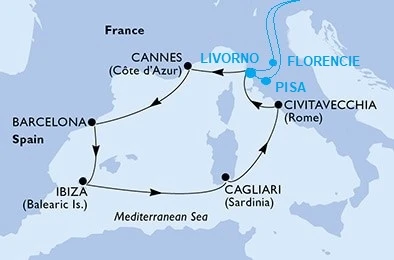
Your cruise route
1. day
Odjezd autobusem CK RIVIERA TOUR do přístavu. Cestou do přístavu Vás náš delegát seznámí s životem na palubě lodí MSC Cruises, organizačními pokyny a programem zájezdu. V průběhu přejezdu pro Vás máme připravenu studenou večeři, teplou snídani a občerstvení.
Nástupní místa: Humpolec, Střechov, Praha, Beroun, Plzeň, Rozvadov

2. day
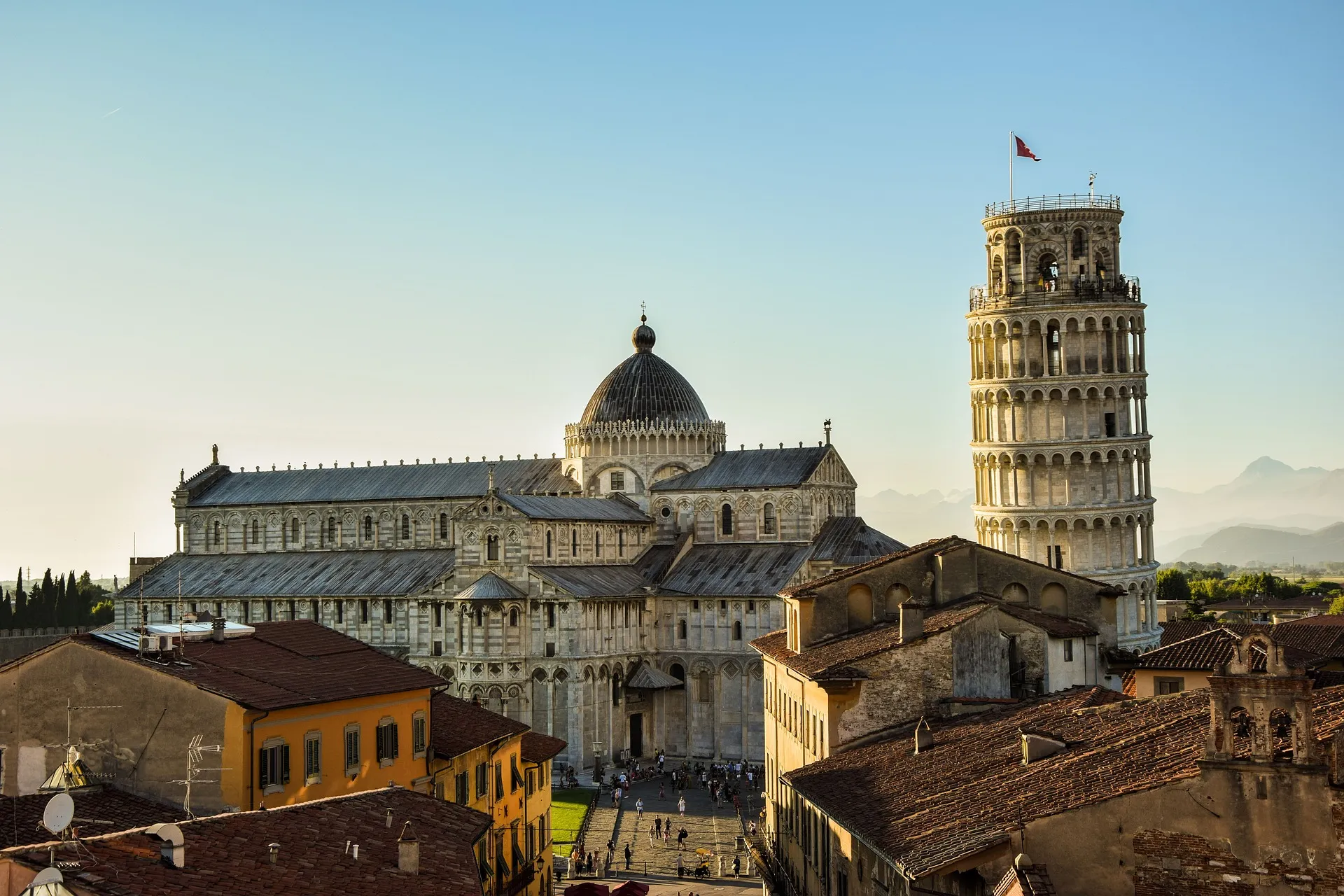
Pisa je známá po celém světě svou Šikmou věží (Torre Pendente) a dalšími románskými budovami na náměstí Piazza dei Miracoli („Náměstí zázraků“). Pisa byla založena v ústí řeky Arno pravděpodobně Řeky. Podle latinských spisovatelů vznikla ve 13. století př. n. l., 550 let před založením Říma. Dočasně patřila Etruskům, v roce 1991 byla během archeologických vykopávek na území Garibaldiho arény zdokumentována zdejší etruská nekropole. Za starověkého Říma byla Pisa jedním z center vlády nad Středozemním mořem. Ve středověku byla fakticky nezávislá Pisánská republika důležitým obchodním přístavem a jednou z námořních republik.
2. day
Po příjezdu do přístavu následuje registrace a odbavení na loď. V odpoledních hodinách prohlídka lodi, ubytování a bezpečnostní nácvik před vyplutím. Rozhodně si nenechte ujít první vyplutí z přístavu. Také u první servírované večeře nesmíte chybět a užít si tak skvělou italskou gastronomii. Po večeři zavítáme do lodního divadla a večer zakončíme skleničkou na baru.

The port of Livorno, located in the region of Tuscany, Italy, has a rich history dating back to the Roman times when it was known as Portus Pisanus. In the late 16th century, under the Medici family's rule, the port was extensively developed and became an important hub for trade and commerce. The Medici Port, as it came to be known, attracted merchants from all over Europe.
In the 17th and 18th centuries, Livorno became a "free port", attracting a diverse population of people, including Greeks, Jews, Armenians and others who contributed to its cultural and economic growth. The port was heavily bombed during World War II, causing significant damage. However, it was rebuilt and today, it continues to be one of the major seaports in Italy, handling a wide range of cargo including oil, coal, and container traffic.
3. day
Překrásné letovisko na Francouzské riviéře. A kousek od přístavu – místo, kam míří tisíce turistů. Zejména milovníci filmů dobře znají světový festival filmů v Cannes. S delegátem se projdete městem kolem tržnice a k červenému koberci, kudy přicházejí filmové hvězdy. Ale pozor, Cannes je opravdu živé město – a poměrně drahé. Zavítáme i do míst, kde jsou nákupy vhodné snad jen pohledem, ceny Vás totiž omráčí. Můžete se také projet vyhlídkovým vláčkem nebo navštívit místní citadelu.
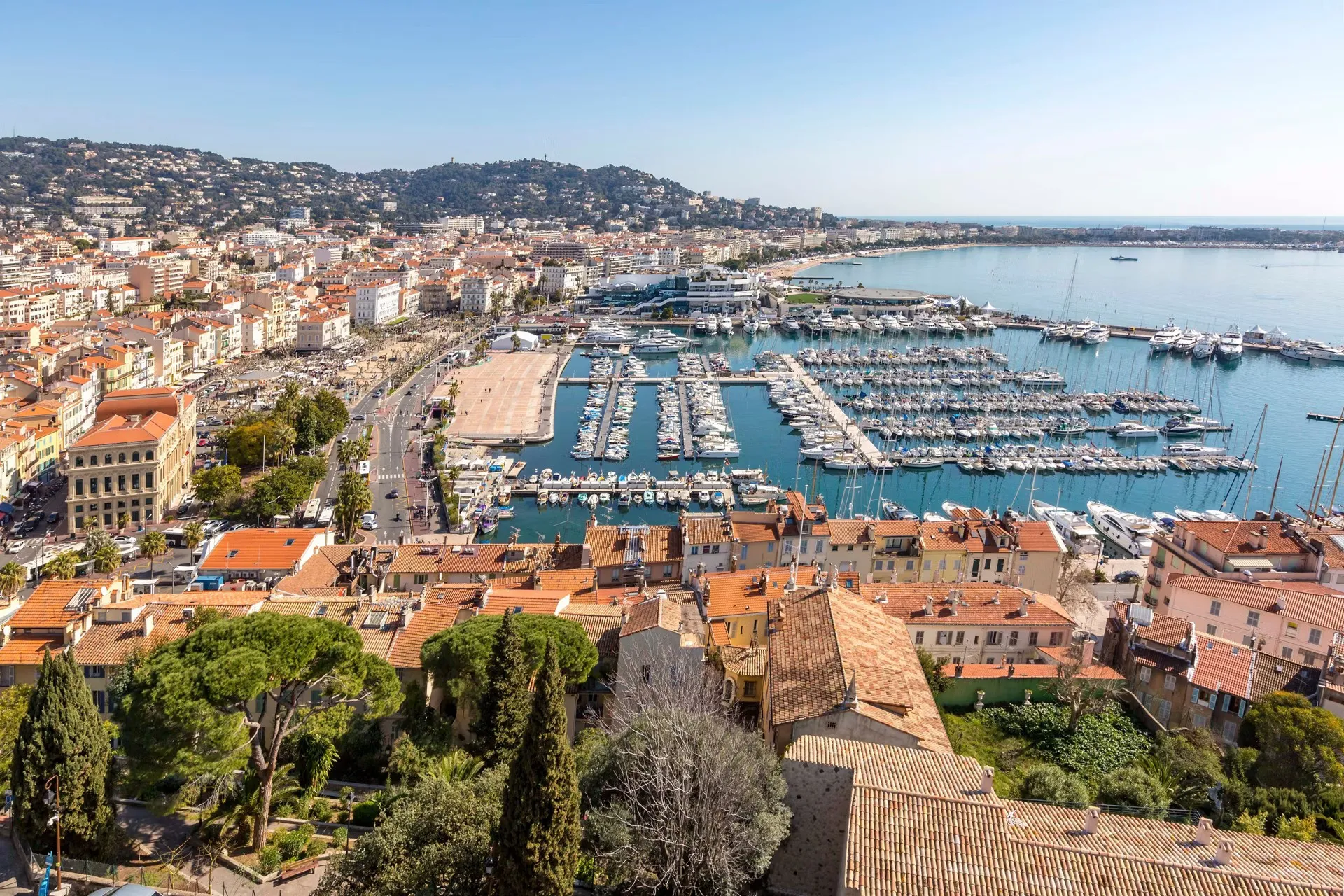


Cannes, located on the French Riviera, has a rich history that stretches back over two millennia. The area was first settled by the Ligurians and later became part of the Roman Empire. By the 5th century, the nearby Îles de Lérins played a significant role in the region's development, with the establishment of the Lérins Abbey, which brought religious and cultural influence to Cannes. During the Middle Ages, the town remained a small fishing village under the control of the monks of the abbey. Cannes endured centuries of relative obscurity and turbulence, including pirate invasions, until the modern period transformed its fortunes.
The turning point for Cannes came in the 19th century, when Lord Brougham, a British aristocrat, visited the area in 1834. Enthralled by its beauty, he built a holiday villa and inspired other wealthy Europeans to do the same, turning Cannes into a glamorous winter retreat for the elite. Over the following decades, Cannes grew into a world-famous resort town, particularly after the launch of the Cannes Film Festival in 1946. The festival cemented Cannes’ status as an international symbol of luxury, culture, and celebrity. Today, while celebrated for its glitz and glamour, Cannes retains remnants of its past, such as the Le Suquet old town and the historic abbey on Île Saint-Honorat, offering visitors a blend of history and modern sophistication.
4. day
V Barceloně se historie snoubí s moderním životem, kultura se mísí s vynikajícím jídlem a každá ulička skrývá příběh čekající na to, až si ho poslechnete. Nenechte si ujít šanci zažít Barcelonu v celé její kráse - od gotických čtvrtí až po světoznámé památky jako je Sagrada Familia nebo Gaudího domy, od slunných pláží po gurmánské zážitky, které rozmazlí Vaše chuťové buňky. Doporučujeme transfer MSC Cruises z přístavu do města, v této destinaci je opravdu nutný (cena cca 12€).
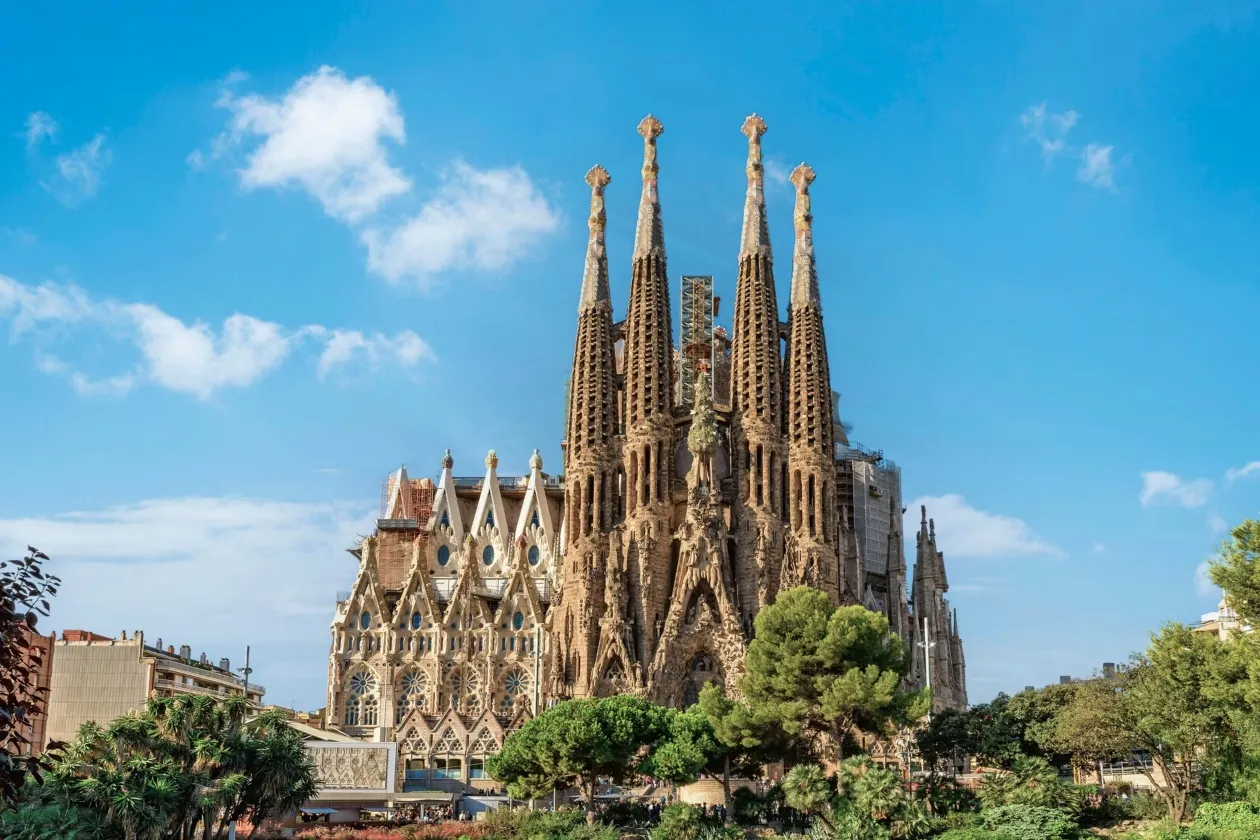


Barcelona, the capital of Catalonia, boasts a history that dates back over two millennia. Founded as a Roman colony called Barcino in the 1st century BCE, its early development is still visible in remnants such as Roman walls and structures in the Gothic Quarter. During the Middle Ages, Barcelona flourished as a major maritime power within the Crown of Aragon, becoming a vital center for trade and culture. The city's medieval landmarks, like the Barcelona Cathedral, reflect this period of growth and significance. However, political upheavals in later centuries, including the decline of Catalonia's independence, temporarily slowed its development.
The 19th century marked Barcelona’s cultural and architectural renaissance. The Catalan Renaissance and the Modernisme movement brought artists and architects like Antoni Gaudí, whose works, including Sagrada Família and Casa Batlló, transformed the city into a showcase of creativity. The 1992 Olympics further revitalized Barcelona, modernizing its infrastructure and boosting its global profile. Today, Barcelona is a thriving cultural, economic, and tourist hub, blending its rich history with modern urban life. Its iconic landmarks, Mediterranean coastline, and vibrant Catalan identity make it one of the world’s most beloved cities.
5. day
Taneční párty se světovými DJ - to je Ibiza. Výběr je jen na Vás. Kromě pulzující klubové scény nabízí ostrov také klidnější tvář s nádhernými plážemi s tyrkysovou vodou, malebnou bělostnou architekturou, romantickými západy slunce a duchovní atmosférou, která přitahuje jogíny a hledače klidu. Historické centrum hlavního města Ibiza Town, známé jako Dalt Vila, je opevněné město zapsané na seznamu UNESCO. Doporučujeme transfer MSC Cruises z přístavu do města (cena cca 12€).

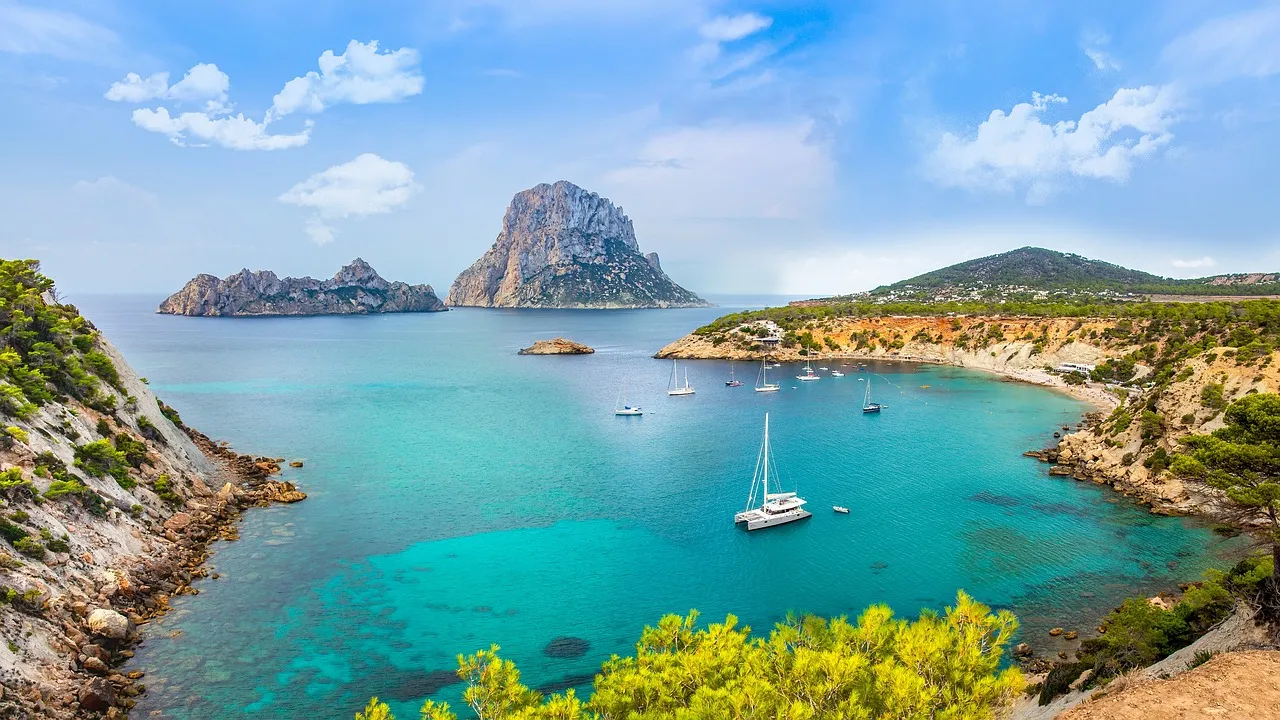
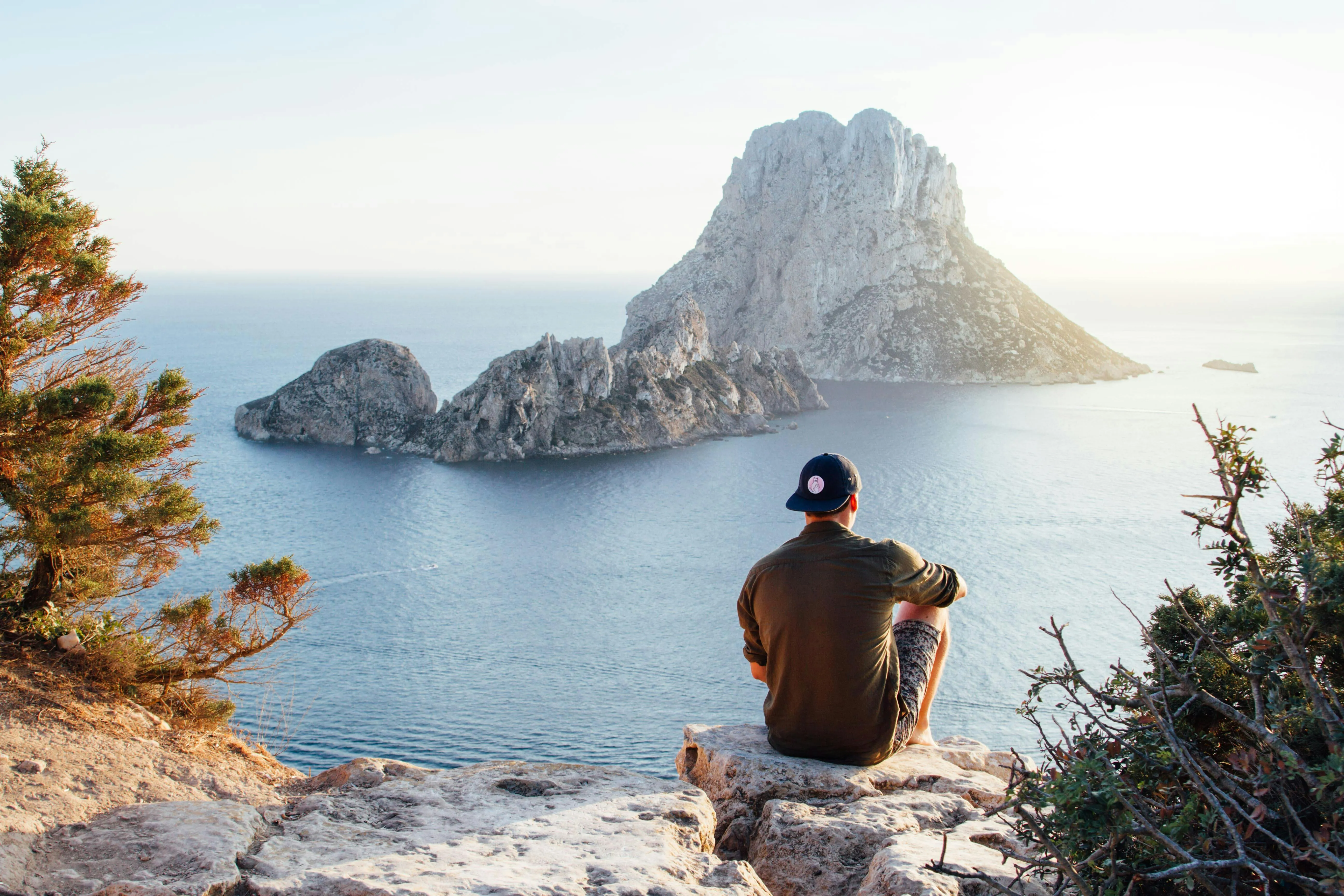
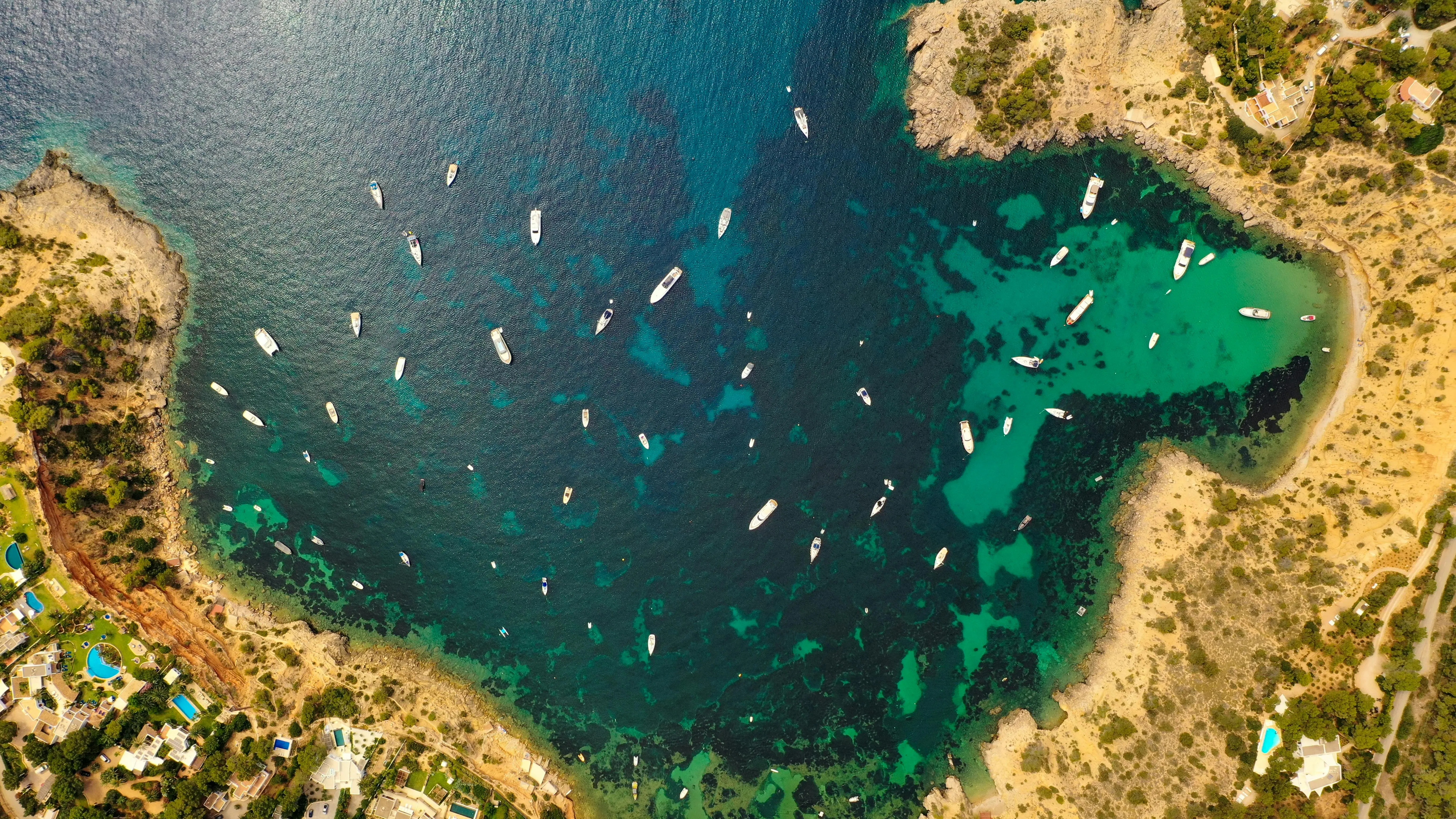
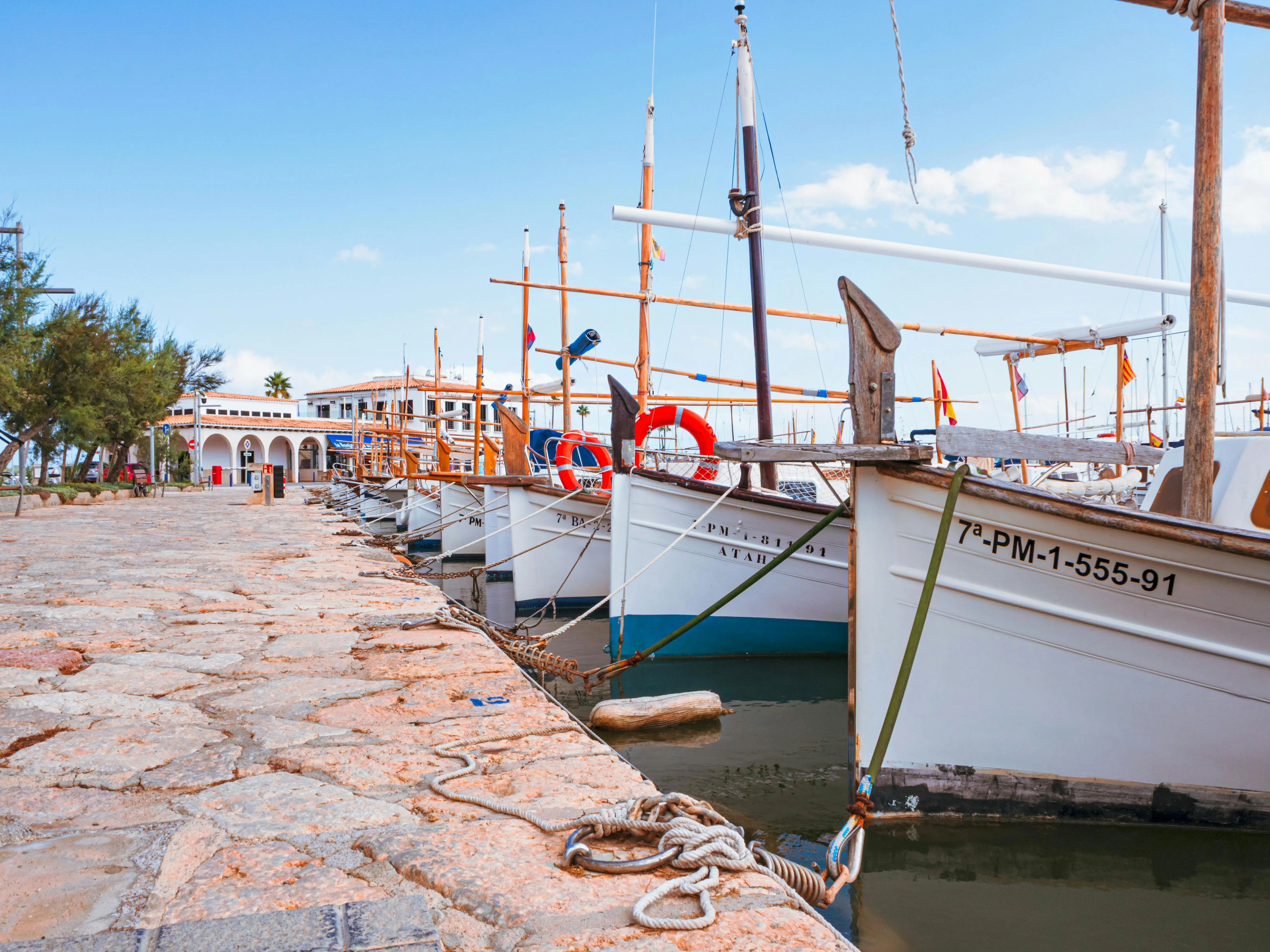
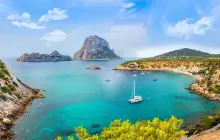
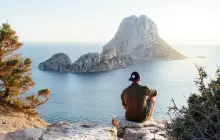
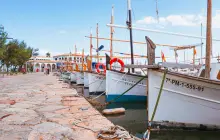
Ibiza's rich history stretches back to 654 BC, when Phoenician traders founded the settlement of Ibossim, making it one of the Mediterranean's oldest cities. The Carthaginians later developed it into a major port, and the island's Puig des Molins necropolis contains thousands of ancient tombs. After Roman conquest in 123 BC, Ibiza became part of the empire, followed by periods under Byzantine, Moorish, and Catalan rule.
The Crown of Aragon conquered Ibiza in 1235 under James I, and the magnificent fortifications of Dalt Vila were built in the 16th century to protect against pirate raids. In the 1960s, Ibiza transformed dramatically when international hippies discovered its beauty, establishing a bohemian culture that still thrives today. This counterculture movement eventually evolved into the island's world-renowned electronic music scene, making Ibiza a global clubbing capital while preserving its ancient heritage.
6. day at sea
7. day
Město Cagliari se rozkládá mezi dvěma zátokami mořského zálivu, má zajímavé středověké jádro, nádhernou pláž Poetto a slaná jezera s růžovými plameňáky. Atmosféra tohoto města je strhující. Pulzující život, hlučná doprava, historie – v Cagliari se člověk necítí jako turista, tady zažívá typický sardinský den každý. Antické město Carialis zde už téměř zcela pohltila pozdější zástavba, zachovaly se jen zbytky římské arény z 2. století n. l. Milá je procházka po středověké čtvrti mezi pisánskými hradbami s věžemi Torre di San Pancrazio (na Piazza Indipendenza) a v baště Santa Catarina. V centru města se zachovaly gotické kostely a některé kostely – především katedrála Santa Cecilia (dokončena v roce 1312) se zajímavou románskou kazatelnou.
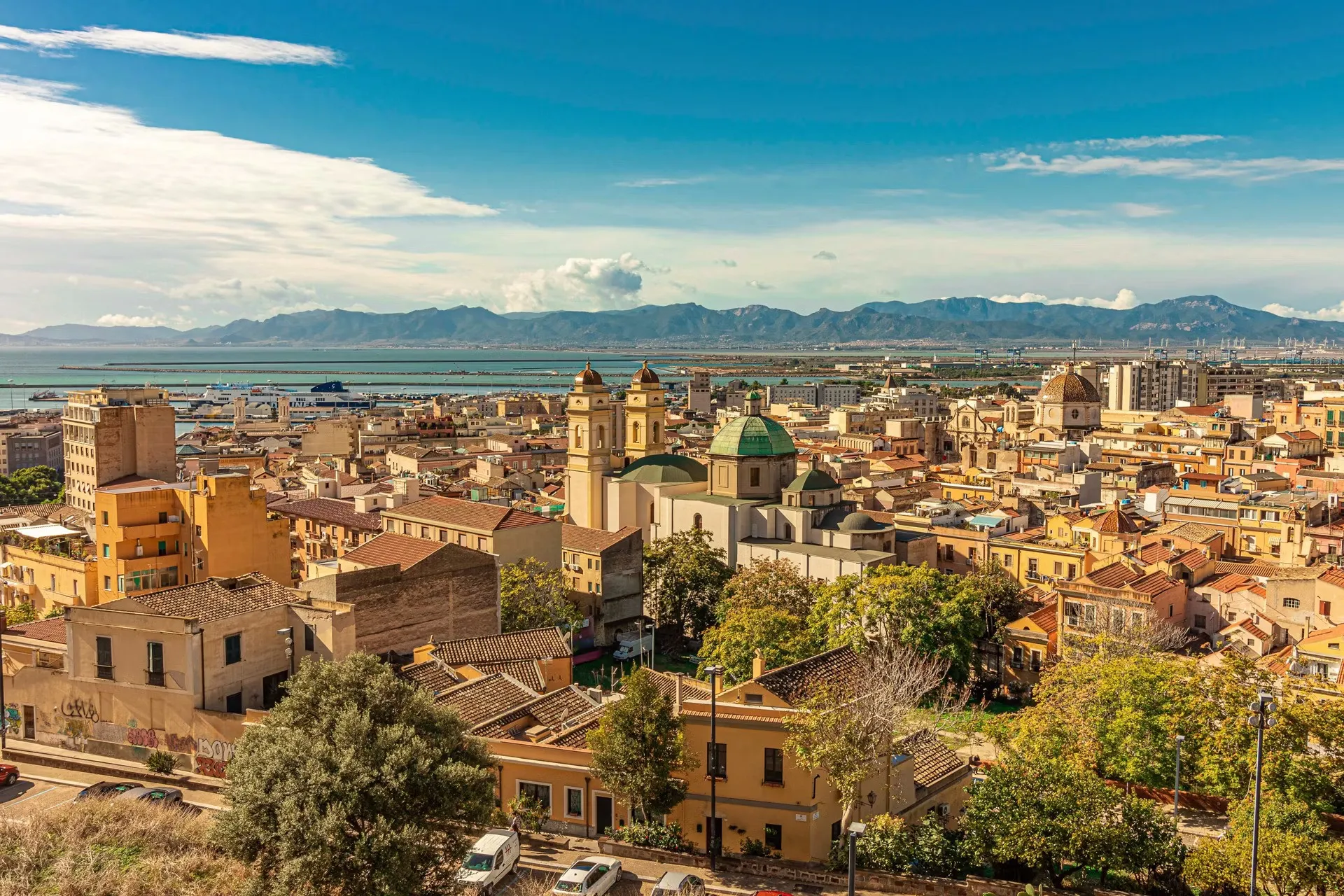

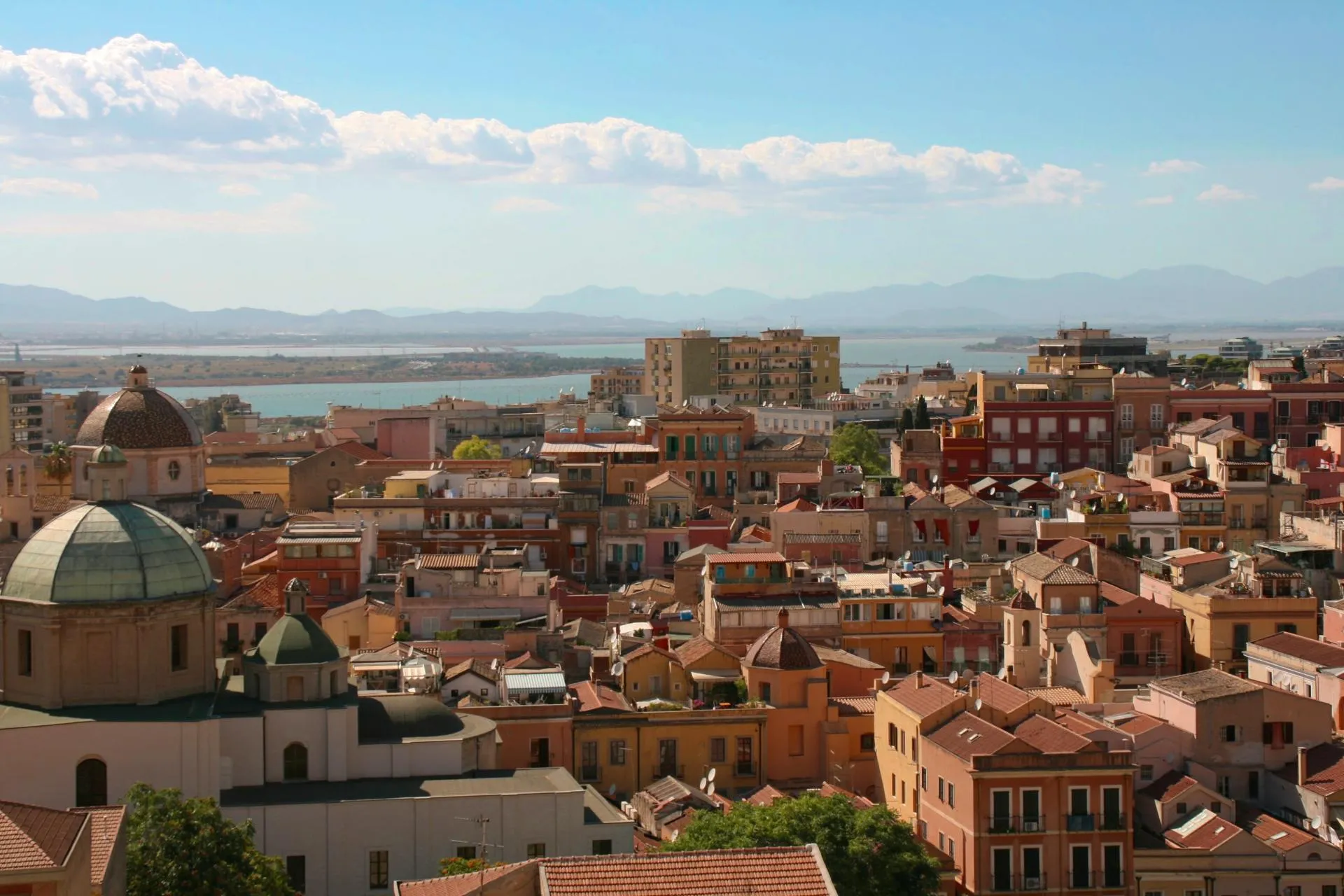




Cagliari, the capital of Sardinia, boasts a history stretching back thousands of years. Its origins lie with the Nuragic civilization, Sardinia's ancient inhabitants, who left behind distinctive stone towers called nuraghi. Later, in the 8th century BCE, the Phoenicians established a settlement due to its strategic location in the Mediterranean. Known as Karalis during the Carthaginian period, the city flourished as a trading post and military base. After the First Punic War, the Romans took control in 238 BCE, and Cagliari became an important urban center with infrastructure such as roads, aqueducts, and a still-standing amphitheater. Following the fall of Rome, the city experienced various rulers, including the Byzantines, Vandals, and Pisans, who fortified it with walls and towers in the medieval era.
Under Spanish rule in the 14th century, Cagliari became the administrative center of Sardinia under the Crown of Aragon, leaving a lasting imprint on its culture and architecture. In the 18th century, it shifted to Savoyard rule, solidifying its role as the island's political and cultural hub. The city faced destruction during World War II due to Allied bombings but was rebuilt in the postwar years. Today, Cagliari is a thriving blend of ancient and modern, with landmarks such as the Castello district, Bastione di Saint Remy, and Roman amphitheater showcasing its layered history. It remains a vibrant cultural and economic center, attracting visitors with its historical charm and Mediterranean beauty.
8. day
V časných ranních hodinách připlujeme do Civitavecchie, hlavního římského přístavu v centrální italské oblasti Lazio. Nalézá se u Tyrhénského moře, 80 km západoseverozápadně od hlavního města Říma. Oblast byla osídlena už v etruském období. Civitavecchia (česky „Staré město“) představuje prototyp klasického italského sídla s kořeny v dávném starověku (bylo prokázáno, že bylo osídleno již za dob Etrusků), jež za svou více než tisíciletou existencí prošlo bohatým rozvojem a změnami, jejichž stopy jsou dodnes patrné. Od středověku je hlavním římským přístavem a dodnes zde můžete navštívit přes stovku kostelů.


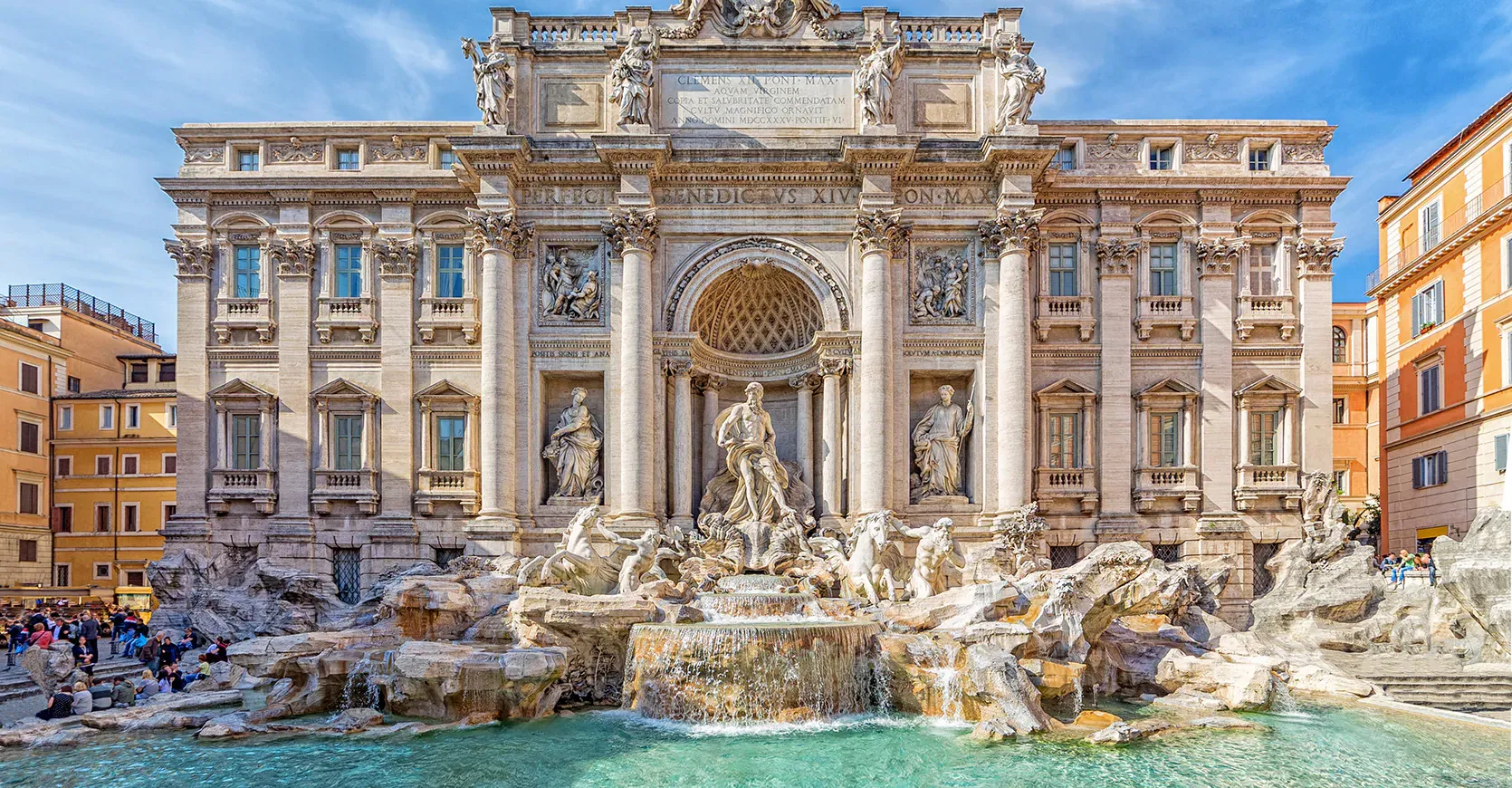


Civitavecchia, located on the western coast of Italy along the Tyrrhenian Sea, is a historic port city that has served as a vital gateway to Rome for centuries. Its name, meaning “ancient town” in Italian, reflects its origins, which date back to Etruscan times. However, it was during the Roman Empire that Civitavecchia gained prominence, when Emperor Trajan ordered the construction of the port in the early 2nd century CE to relieve congestion from Rome's main port at Ostia. The harbor, known as Centumcellae in ancient times, became an important hub for trade and naval operations. Remnants of this period, such as the Trajan's Arch and sections of the original Roman harbor, still exist today, showcasing the city’s deep historical roots.
Throughout the Middle Ages, Civitavecchia's strategic importance made it a contested site among various powers, including the Papal States, which controlled the city for much of its later history. It became heavily fortified, with landmarks such as the Forte Michelangelo, a formidable 16th-century fortress commissioned by Pope Julius II and partially designed by Michelangelo himself. In modern times, Civitavecchia remains a key port, serving as the main maritime link between Rome and the Mediterranean. It is also a popular departure point for cruises and ferries, connecting Italy to various islands and neighboring countries. With its rich history and ongoing role as a bustling port city, Civitavecchia continues to blend its ancient heritage with its modern significance.
9. day
Ráno po snídani se vylodíme a vyrazíme za poznáním dalších krásných míst ve vnitrozemí Itálie. Zájezd totiž ještě nekončí.
The port of Livorno, located in the region of Tuscany, Italy, has a rich history dating back to the Roman times when it was known as Portus Pisanus. In the late 16th century, under the Medici family's rule, the port was extensively developed and became an important hub for trade and commerce. The Medici Port, as it came to be known, attracted merchants from all over Europe.
In the 17th and 18th centuries, Livorno became a "free port", attracting a diverse population of people, including Greeks, Jews, Armenians and others who contributed to its cultural and economic growth. The port was heavily bombed during World War II, causing significant damage. However, it was rebuilt and today, it continues to be one of the major seaports in Italy, handling a wide range of cargo including oil, coal, and container traffic.
9. day
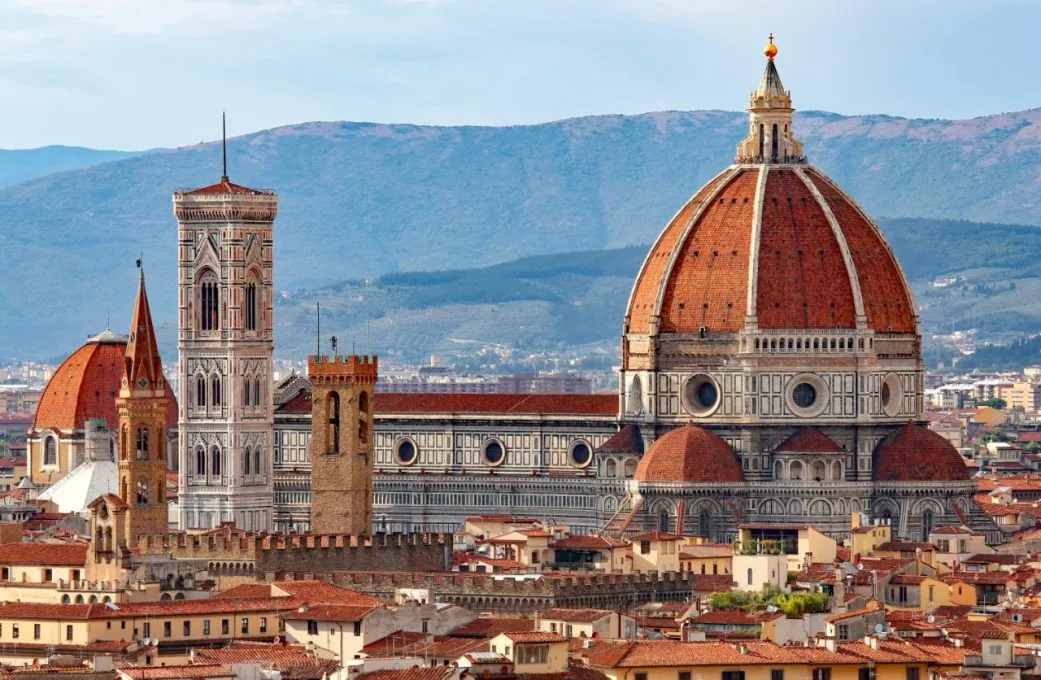
Florencie, jedno z nejromantičtějších měst světa, láká miliony turistů ročně hlavně na své středověké a renesanční architektonické památky a významné umělecké sbírky. Říká se, že dokonce jedna třetina všech uměleckých pokladů Itálie se nachází právě ve florentských muzeích, galeriích a kostelech.
V ceně zájezdu je také závěrečná večeře v tradiční toskánské restauraci v centru Florencie.
10. day
Příjezd do ČR dle aktuální dopravní situace.

Tour description

Zažijte jedinečné dobrodružství na plavbě západním Středomořím na Ibizu na palubě luxusní lodi MSC Fantasia. Cestou do přístavu navštívíme historická města Pisu a cestou nazpět Luccu, kde si užijete atmosféru Toskánska. Na palubě lodi objevíte krásy proslulého Cannes, okouzlující Barcelony, slunné Ibizy, půvabného Cagliari a historické Civitavecchie. V ceně je zahrnuta doprava do přístavu a zpět i služby českého delegáta, který Vám bude k dispozici po celou dobu zájezdu.
Objevujte Středomoří s Riviera Tour!


DVD
Transport
Your cruise with Riviera Tour begins in the Czech Republic. Our modern, spacious coaches depart from major cities towards ports in the Mediterranean and the North Sea.
On board the coach, an experienced Czech delegate will take care of you, providing all the information you need about life on board and the places you will visit. Hot drinks, breakfast and snacks are included in the price of transport. Additional drinks can be purchased from our drivers at attractive prices.
Our aim is for you to enjoy your holiday from the very first moment. That is why we create a pleasant, family atmosphere already during the coach journey. Our delegate will make the trip more enjoyable with interesting stories from previous cruises and practical tips for your stay on board.
And as a bonus, a special "surprise" awaits you during the journey, one of the favourite hallmarks of Riviera Tour trips.
