977 - Cruise Through the Most Beautiful Greek Islands
Mediterranean, 10/7/2027 – 10/18/2027


977 - Cruise Through the Most Beautiful Greek Islands
Mediterranean , October 7, 2027 - October 18, 2027
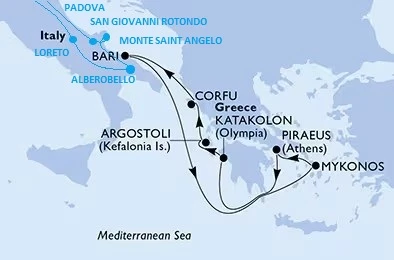
Your cruise route
1. day
Departure by RIVIERA TOUR coach to the port. On the way, our delegate will introduce you to life on board MSC Cruises ships, organizational instructions and the tour programme. During the journey, we have a cold dinner, hot breakfast and refreshments ready for you.
Boarding points: Vsetín, Nový Jičín, Frýdek-Místek, Ostrava, Hranice, Olomouc, Prostějov, Vyškov, Brno, Bratislava. Shuttle transfer (surcharge 990 CZK): Praha, Humpolec, Jihlava, Velké Meziříčí.

2. day
After breakfast in the morning, a truly remarkable experience awaits you. The town of Monte Sant'Angelo was founded in the 11th century. Between 1081 and 1103, it served as the capital of a vast Norman domain under Count Henry, a vassal of the Byzantine Empire. At first glance an unassuming little town, it captivates visitors upon entering its sanctuary. In the cave housing the Shrine of Saint Michael the Archangel, legend holds that the Archangel Michael appeared in the years 490, 492 and 493. The events associated with the last of the three apparitions gave rise to the celebration of 29 September as the principal Feast of Saint Michael. It is one of the most important pilgrimage sites in Europe. In 1987, the shrine was visited by Pope John Paul II.

2. - 3. day
Upon arrival, check-in at the hotel, a visit to the pilgrimage site and free time. The small town of San Giovanni Rotondo is famous for the Monastery of Santa Maria delle Grazie, where the Capuchin friar Padre Pio lived and served. He was canonised by Pope John Paul II in June 2002. Padre Pio bore the stigmata on his hands and miraculously healed many people. His body rests in the crypt, and every year numerous believers come to pay their respects. The Capuchin monastery, together with the new church, is now the second-largest Catholic pilgrimage site in the world, after Guadalupe in Mexico. Accommodation at the hotel, dinner, overnight stay.

3. day
After breakfast, departure to Bari, followed by check-in and boarding. In the afternoon, a tour of the ship, accommodation and a safety drill before departure. Don't miss the first departure from the port. Also, don't miss the first served dinner to enjoy the superb Italian cuisine. After dinner, we will visit the ship's theatre and finish the evening with a drink at the bar.
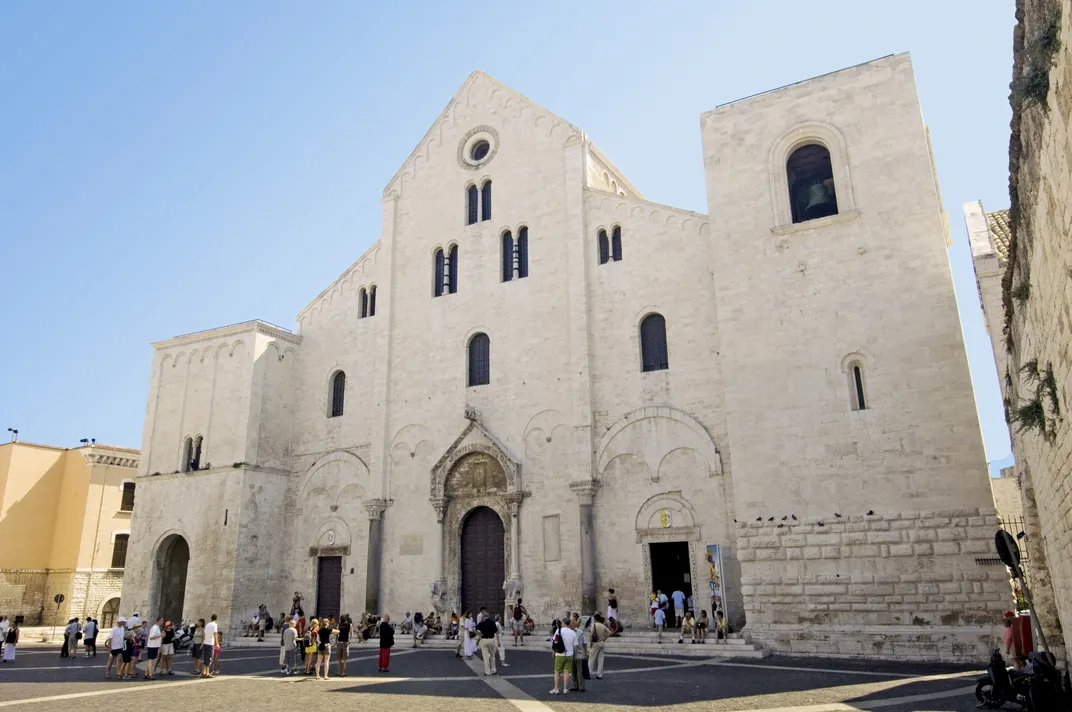

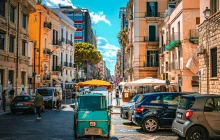
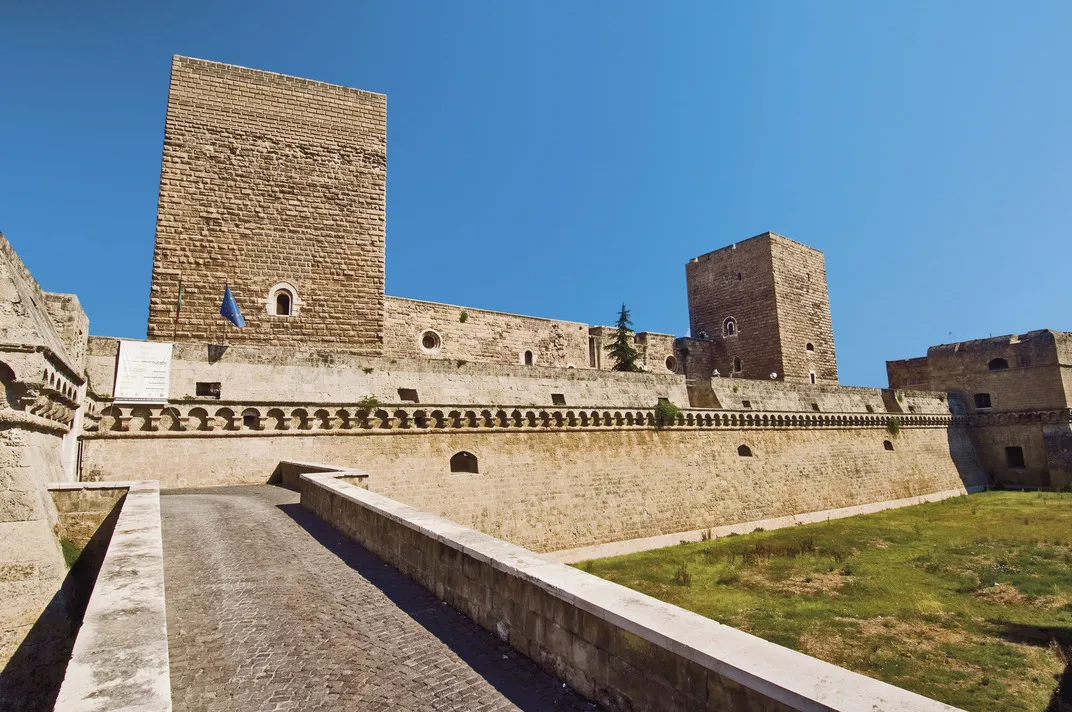

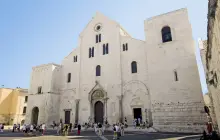


Bari, the capital of the Apulia (Puglia) region in southern Italy, has a history that dates back over 2,000 years. Originally a settlement of the Peucetians, an ancient Italic tribe, it later became a key Roman port and trading hub due to its strategic location on the Adriatic Sea. After the fall of the Roman Empire, Bari was ruled by the Byzantines, Lombards, and Arabs, who all left their mark on the city. During the Middle Ages, Bari flourished under Norman and then Swabian rule, with landmarks such as the Basilica of Saint Nicholas—built to house the relics of Saint Nicholas—becoming a major pilgrimage destination for both Roman Catholic and Orthodox Christians.
In the 19th century, Bari experienced significant growth and modernization, particularly under the Kingdom of Italy. Its port was expanded, and the city became a major center for trade and commerce in southern Italy. During World War II, Bari suffered heavy bombing but was rebuilt in the postwar years. Today, Bari is a vibrant city that blends its rich history with modern life. Its picturesque old town (Bari Vecchia), historic churches, bustling port, and lively cultural scene make it a key destination in the Mediterranean.
4. day at sea
5. day
In Greek mythology, Mykonos was the scene of battles between Zeus and the Giants, and the island itself was named after Apollo's grandson Mykonos. Today it is one of the most popular Greek islands, primarily thanks to its vibrant nightlife. The island is renowned for its many well-preserved windmills scattered across the landscape. Along the southern coast, there are also numerous sun-drenched beaches. However, it is above all the nightlife that has made the island so popular. By day, the picturesque and quaint streets of the town transform every evening during the tourist season into a conglomerate of tavernas, pubs, bars and clubs that attract throngs of visitors from around the world. Thanks not only to its romantic corners and beautiful architecture, but above all to its wild party spirit, Mykonos is often dubbed the "Greek Ibiza". We depart late at night, so you can experience it for yourself. MSC Cruises transfer from the port to the centre required (approx. €12)
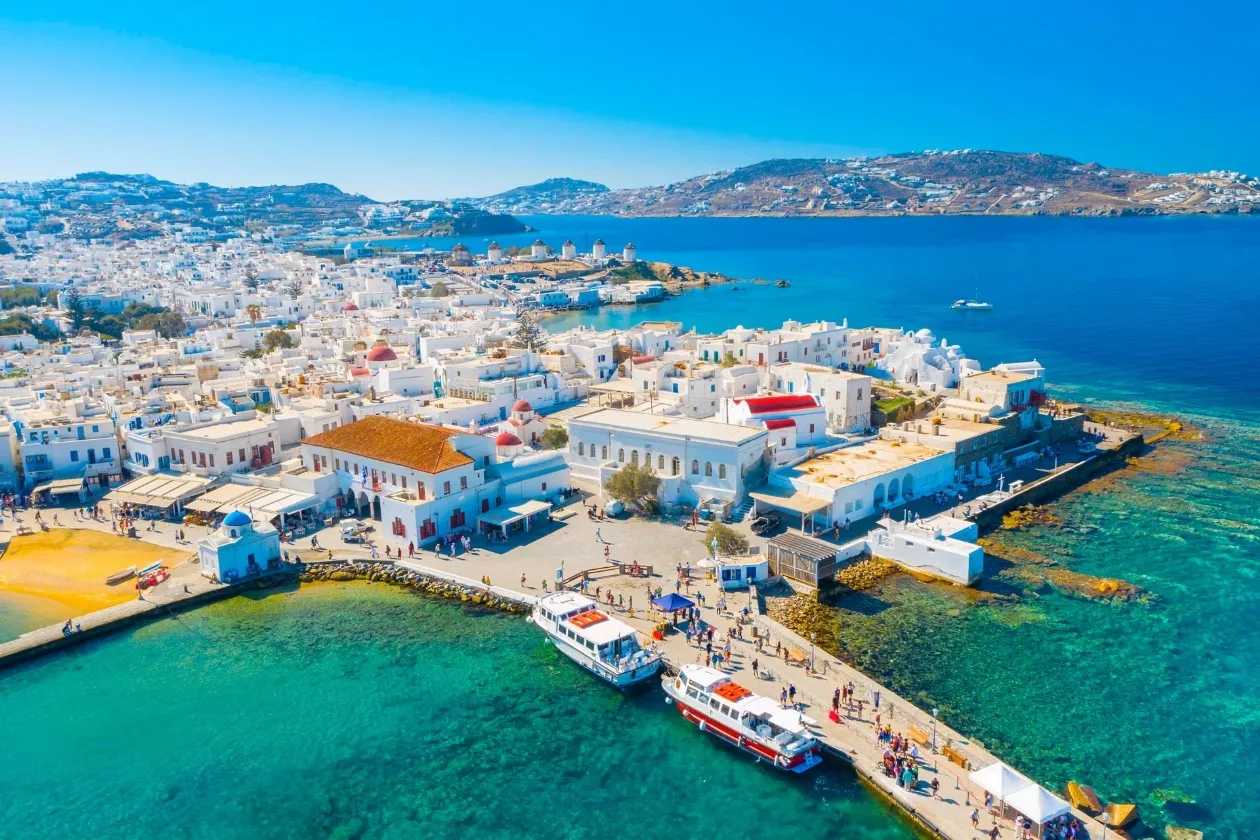
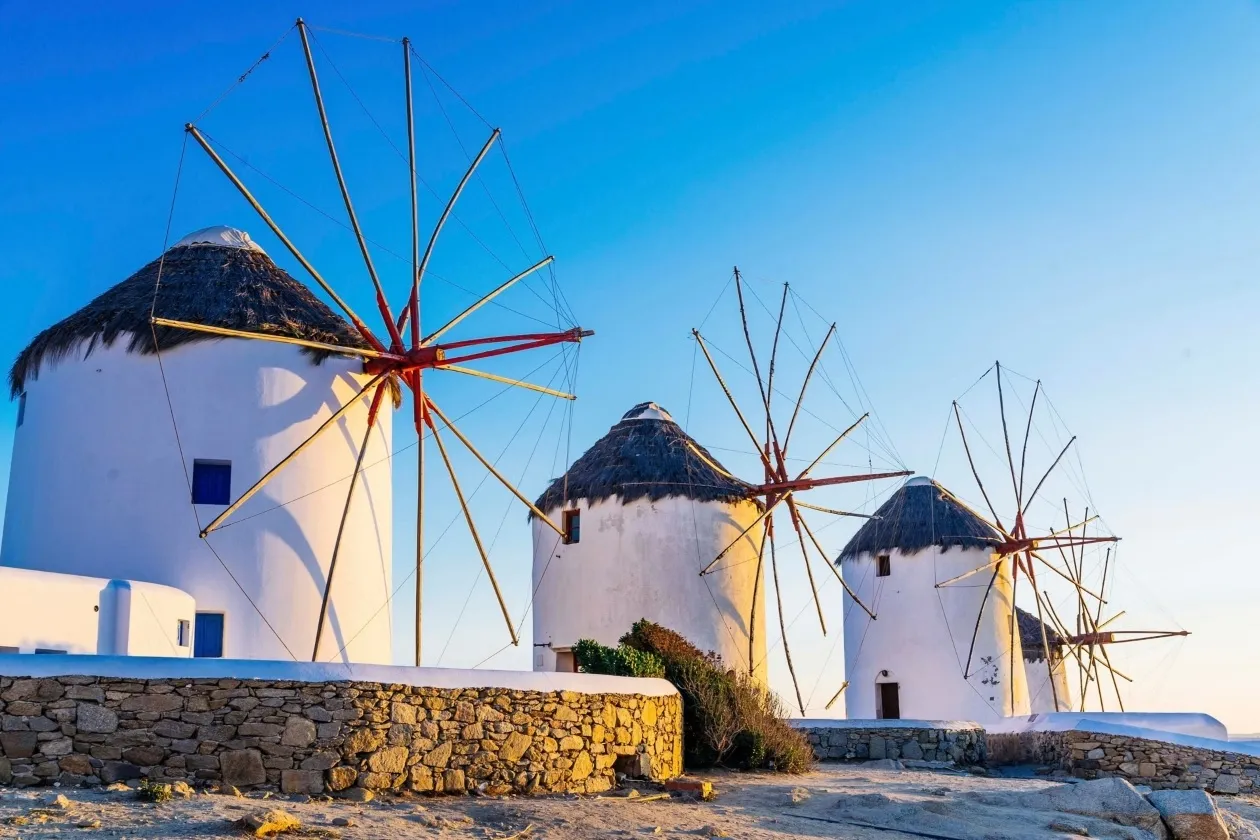
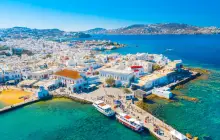
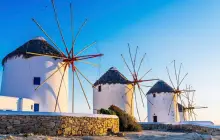
The port of Mykonos, also known as the Old Port, has a rich history that dates back to the 5th century BC. It was a significant naval base during the Greco-Persian wars, contributing to the economic and military strength of Ancient Greece. The port's strategic location in the Aegean Sea made it an important hub for trade and navigation.
In the 20th century, the port of Mykonos transformed into a bustling tourist destination. Thanks to its picturesque views, vibrant nightlife, and beautiful beaches, it attracted visitors from around the world. Today, it continues to be a popular stop for cruise ships and private yachts, bearing testament to its enduring appeal and historical significance.
6. day
In the early morning, we dock at the port of Piraeus. We leave the ship and head by coach to the centre of Athens, learning about its history along the way. Upon arrival, we admire the famous Athenian Acropolis, museums, the Arch of Constantine, stroll past the Temple of Olympian Zeus to the Olympic Stadium, and watch the changing of the guard at the Presidential Palace and Parliament. We also visit Plaka, where you can buy souvenirs and enjoy refreshments at a café. If interested, you can visit the Acropolis individually (admission approx. €25). Excursion price approx. 990 CZK.
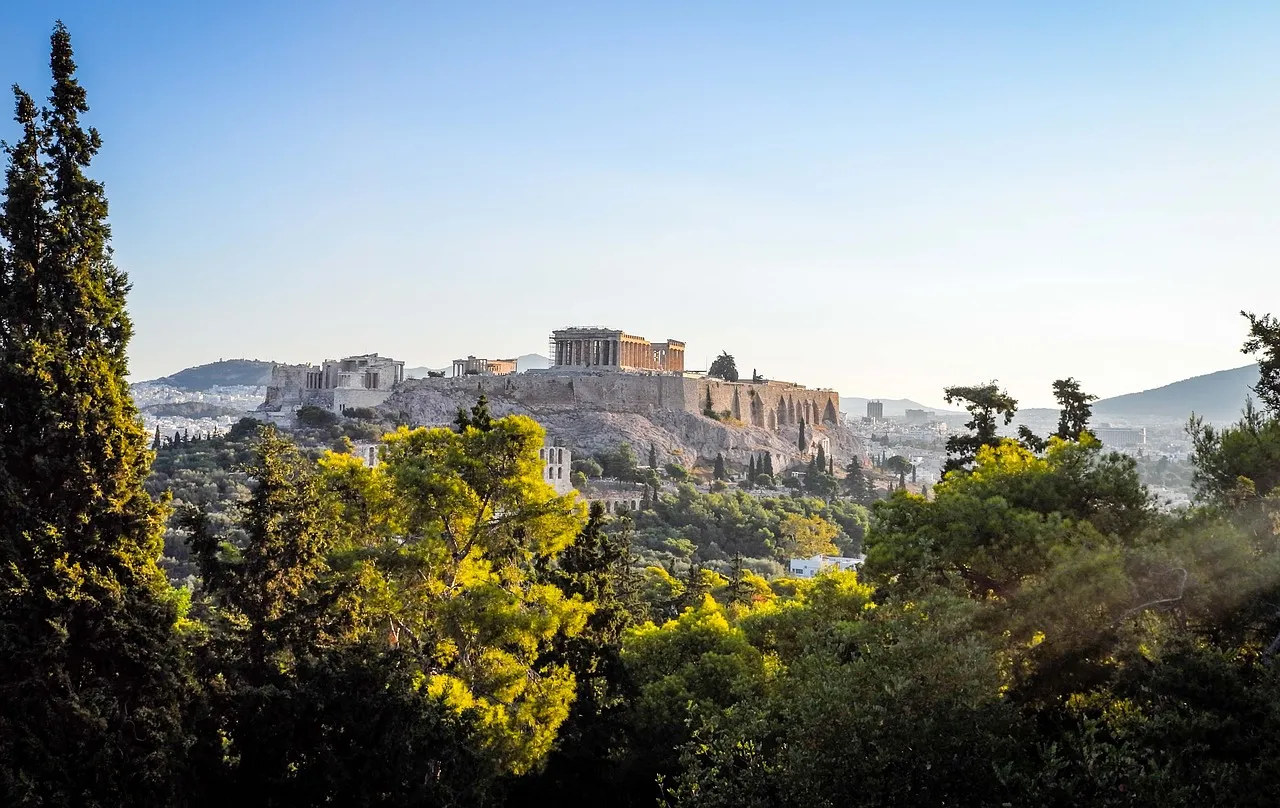
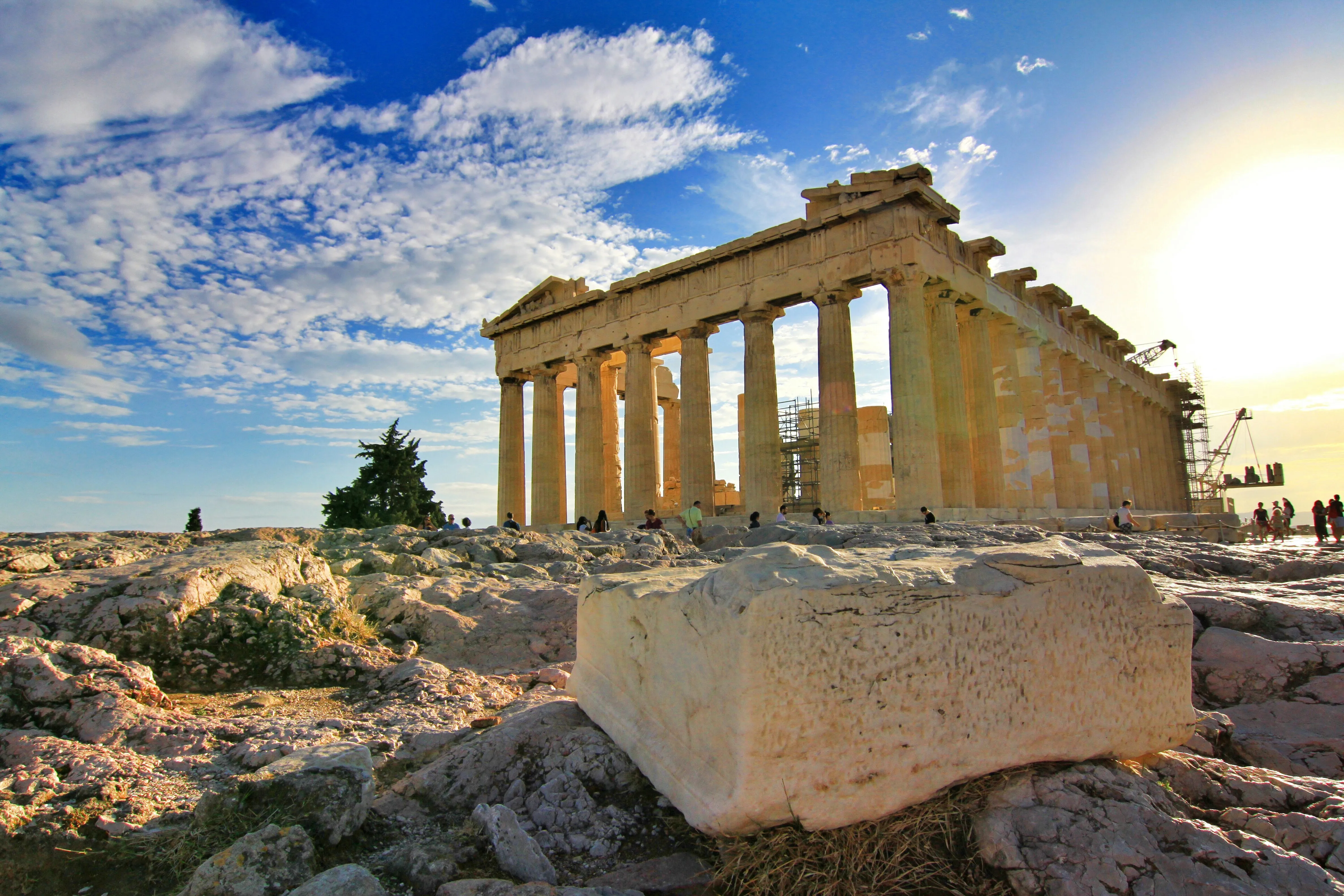
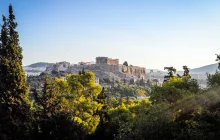
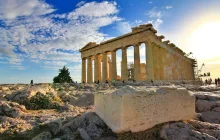
The port of Piraeus has a rich history that dates back to ancient Greece. Established in the early 5th century BC, it became the chief port of the powerful city-state of Athens. Its strategic location made it a crucial hub for maritime trade and naval warfare, playing a key role in Athens' economic and military strength.
Over the centuries, Piraeus has undergone numerous transformations. It was destroyed during the invasion of the Romans and later rebuilt, only to be devastated again by the invasions of Slavs and Saracens in the middle ages. In the modern era, it has been revitalized and is currently the largest port in Greece, and one of the largest in the Mediterranean Sea.
7. day
During the morning, we dock at the tiny village of Katakolon. However, our main interest lies in Olympia. This is where the Olympic flames were lit and where the first stadium stood. And this is exactly where you can join us on an optional excursion. Come and wander through history with us. Olympia was a sanctuary of ancient Greece, east of Pyrgos. It became widely known as the site of the ancient Olympic Games. During the 19th and 20th centuries, its remains were excavated and the site opened to the public. In 1961, the International Olympic Academy complex was opened at the eastern foot of Kronos Hill. The beginnings of settlement date back to the mid-2nd millennium BC, and religious festivals in honour of Zeus, the supreme Greek god, were probably held here as early as around 1000 BC. In 776 BC, the first recorded Olympic Games took place here. They were then held regularly every four years until Roman Emperor Theodosius I banned them in 394 AD. After visiting Olympia, return to the port and free time. Excursion price with delegate approx. 990 CZK (does not include admission to the site and museums – approx. €15–20).
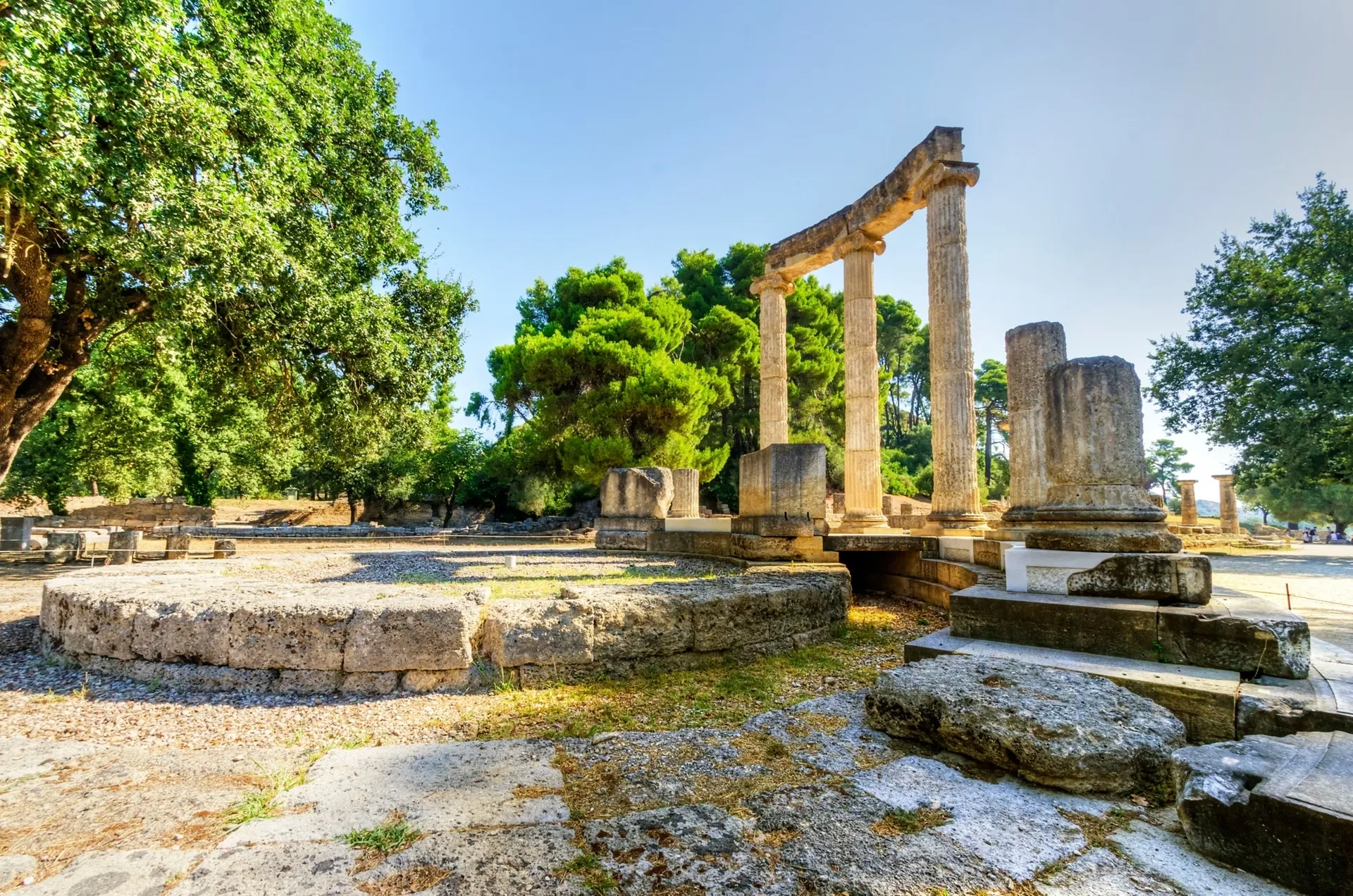
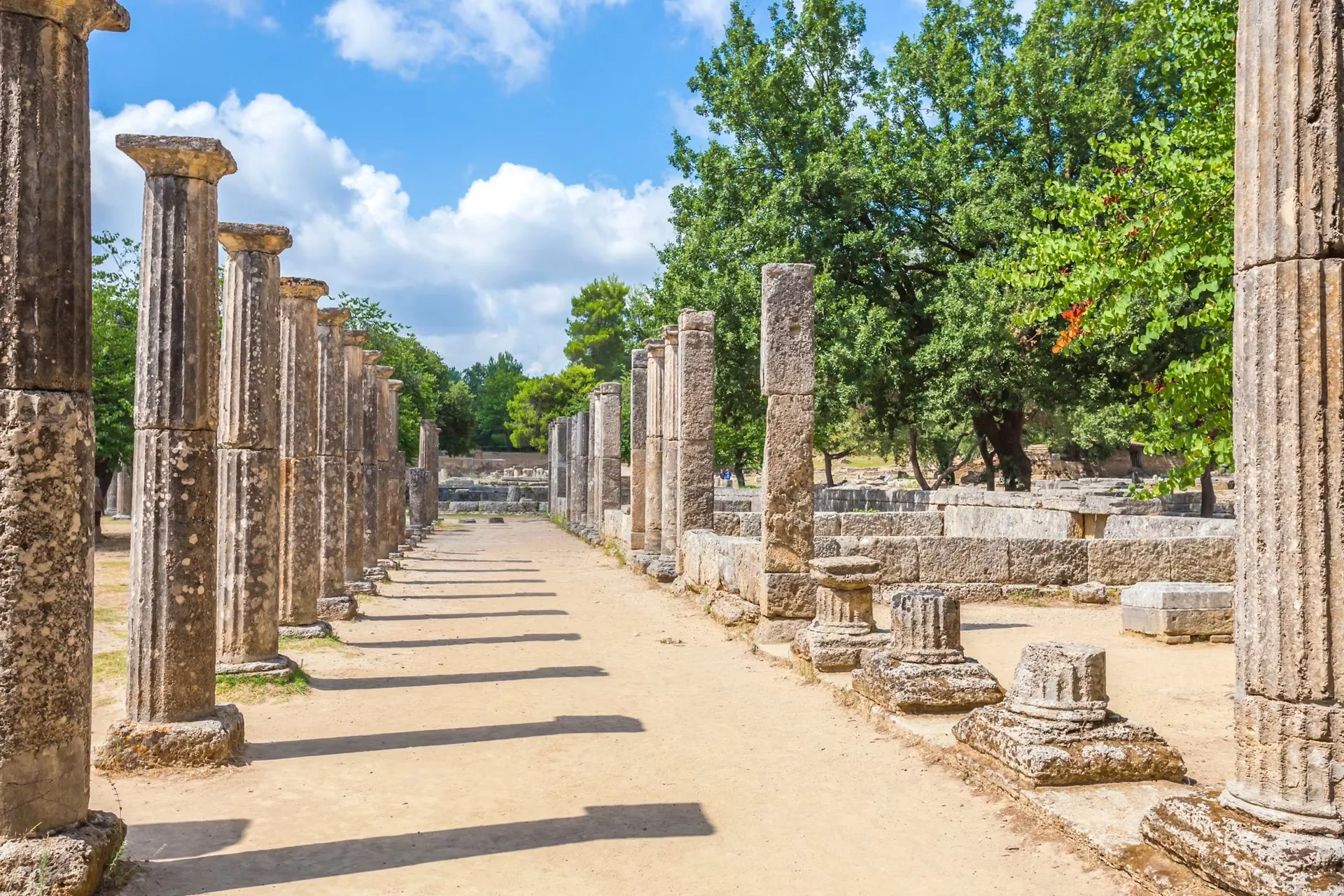
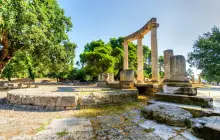
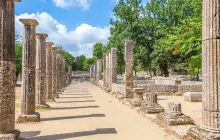
The Greek port of Katakolon has a rich history dating back to ancient times when it served as the port of Olympia. During the Hellenistic period, it was known as Pheia, an important naval base during the Peloponnesian War. The city was later submerged due to successive earthquakes and Katakolon took its place as the main port.
In the 19th century, Katakolon played a pivotal role in the export of currants, which was the main product of the region. This led to the construction of the railway line to Olympia in 1882, further increasing the port's importance. Today, Katakolon is a popular stopover for cruise ships, offering tourists easy access to the archaeological site of Olympia.
8. day
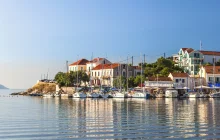
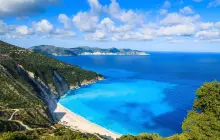
The port of Argostoli on the Greek island of Kefalonia offers visitors a stunning combination of natural beauty and historical landmarks. The main attraction along the harbour promenade are the loggerhead sea turtles (caretta caretta), which regularly swim up to the fishing boats and can be observed right from the waterfront. Near the town stands the monumental De Bosset Bridge, nearly 690 metres long, dating from the 19th century, with an obelisk symbolising freedom at its centre. On the northern edge of the harbour stands the iconic Lighthouse of Saint Theodore with its elegant Doric columns, offering magnificent views of the sea and sunset. The town is also an excellent starting point for excursions to the famous Drogarati and Melissani caves or to the charming Myrtos Beach, making it an ideal destination for lovers of nature and history alike.




9. day
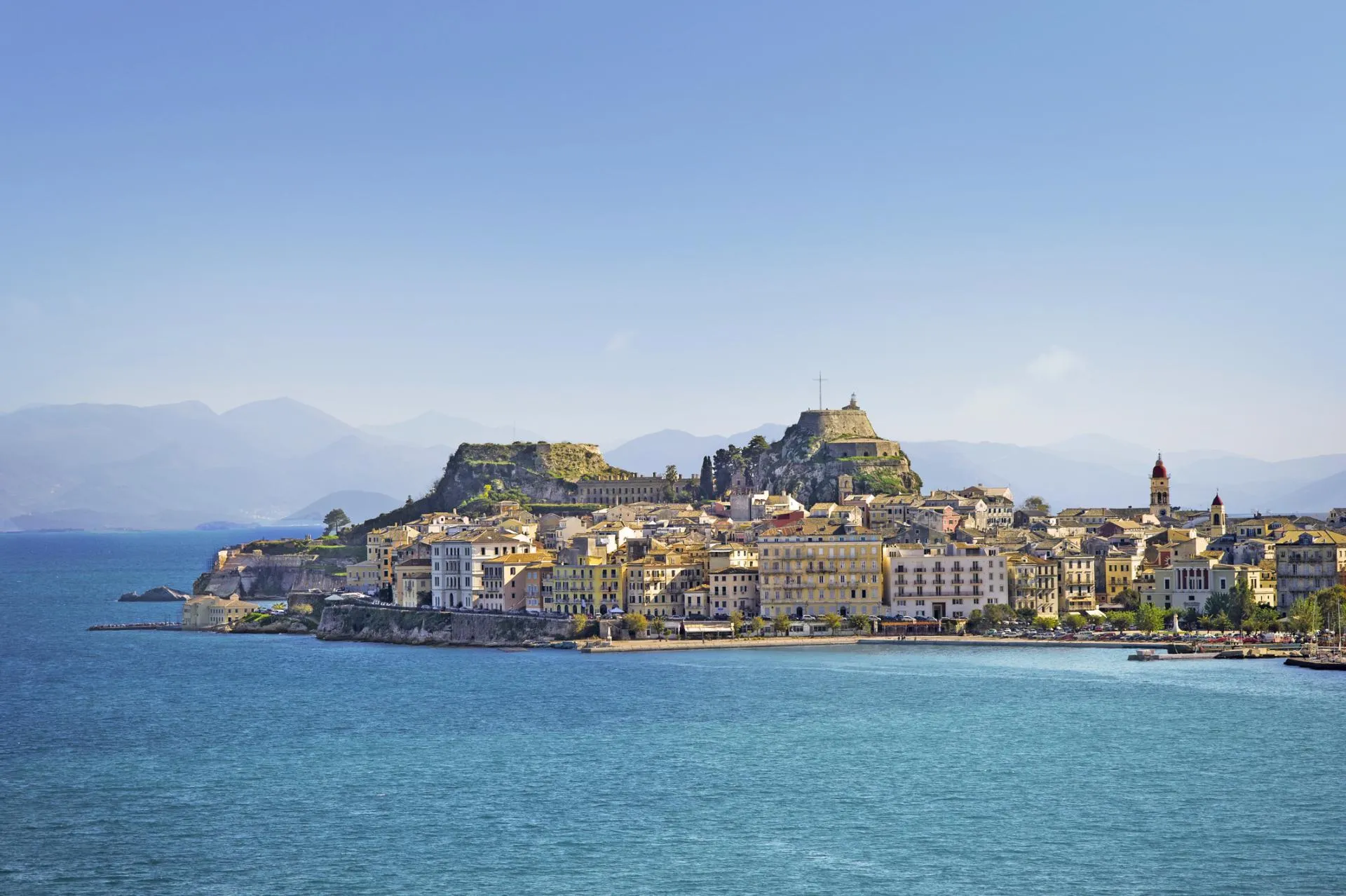
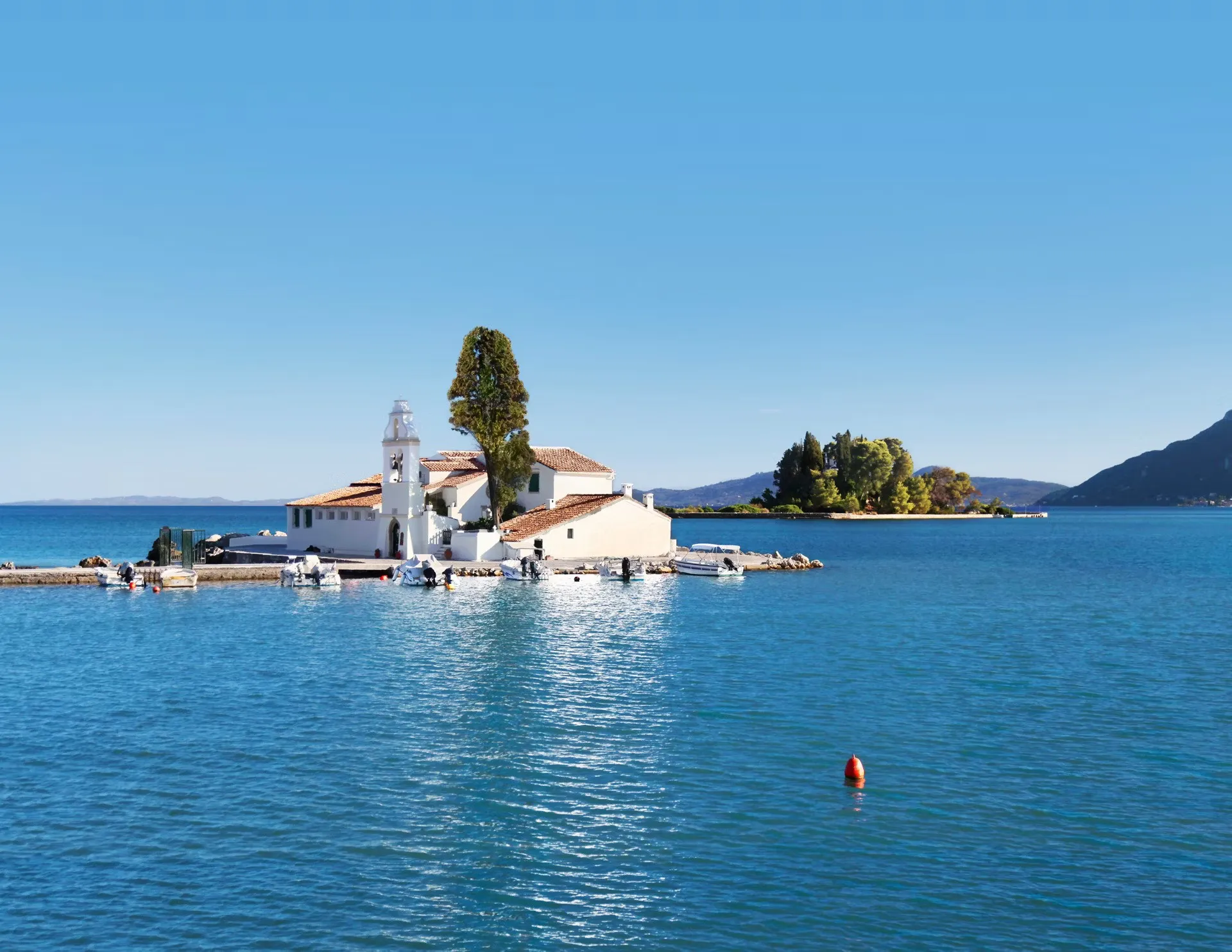
On the island of Corfu lies the capital city of the same name, also often called Kerkyra. The most visited part of the city is the historic centre, known as "Corfu Old Town". The monumental Esplanade promenade provides a striking contrast to the surrounding narrow lanes and is lined with a number of interesting buildings. Beyond this promenade lies the city centre, spanning roughly 0.5 × 0.5 km. At the opposite end of the square, a cliff drops into the Ionian Sea, upon which the Venetian fortress of Palaio Frourio – the Old Fortress – was built in centuries past. MSC Cruises transfer from the port to the city centre required (approx. €9).
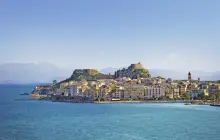
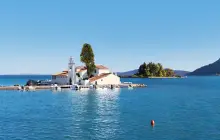
The port of Corfu, also known as Kerkira, has a rich and varied history that dates back to ancient times. It has been a pivotal maritime hub in the Mediterranean due to its strategic location, serving as a gateway between the east and the west. The port has been under the rule of various powers including the Byzantine Empire, the Venetians, the French, and the British.
During the Venetian rule (1386–1797), the port of Corfu was significantly fortified and its infrastructure was greatly enhanced. The Old Fortress, one of the most notable landmarks in Corfu, was built around the port during this period. In the 19th century, under British rule, the port was further developed and modernized. Today, the port of Corfu continues to be a major hub for trade, tourism, and transportation in the Ionian Sea.
10. day
After disembarkation in the morning, a leisurely tour of "the real Italy" awaits. Everything changes as we head to southern Italy, where unexpected places and fascinating architectural gems lie in store. In Bari, we must not miss the Basilica of Saint Nicholas. Its construction began in 1087 to mark the acquisition of the relics of Saint Nicholas, and the church was consecrated in 1197. We will also make sure to enjoy a coffee and buy the famous local pasta.
Bari, the capital of the Apulia (Puglia) region in southern Italy, has a history that dates back over 2,000 years. Originally a settlement of the Peucetians, an ancient Italic tribe, it later became a key Roman port and trading hub due to its strategic location on the Adriatic Sea. After the fall of the Roman Empire, Bari was ruled by the Byzantines, Lombards, and Arabs, who all left their mark on the city. During the Middle Ages, Bari flourished under Norman and then Swabian rule, with landmarks such as the Basilica of Saint Nicholas—built to house the relics of Saint Nicholas—becoming a major pilgrimage destination for both Roman Catholic and Orthodox Christians.
In the 19th century, Bari experienced significant growth and modernization, particularly under the Kingdom of Italy. Its port was expanded, and the city became a major center for trade and commerce in southern Italy. During World War II, Bari suffered heavy bombing but was rebuilt in the postwar years. Today, Bari is a vibrant city that blends its rich history with modern life. Its picturesque old town (Bari Vecchia), historic churches, bustling port, and lively cultural scene make it a key destination in the Mediterranean.
10. day
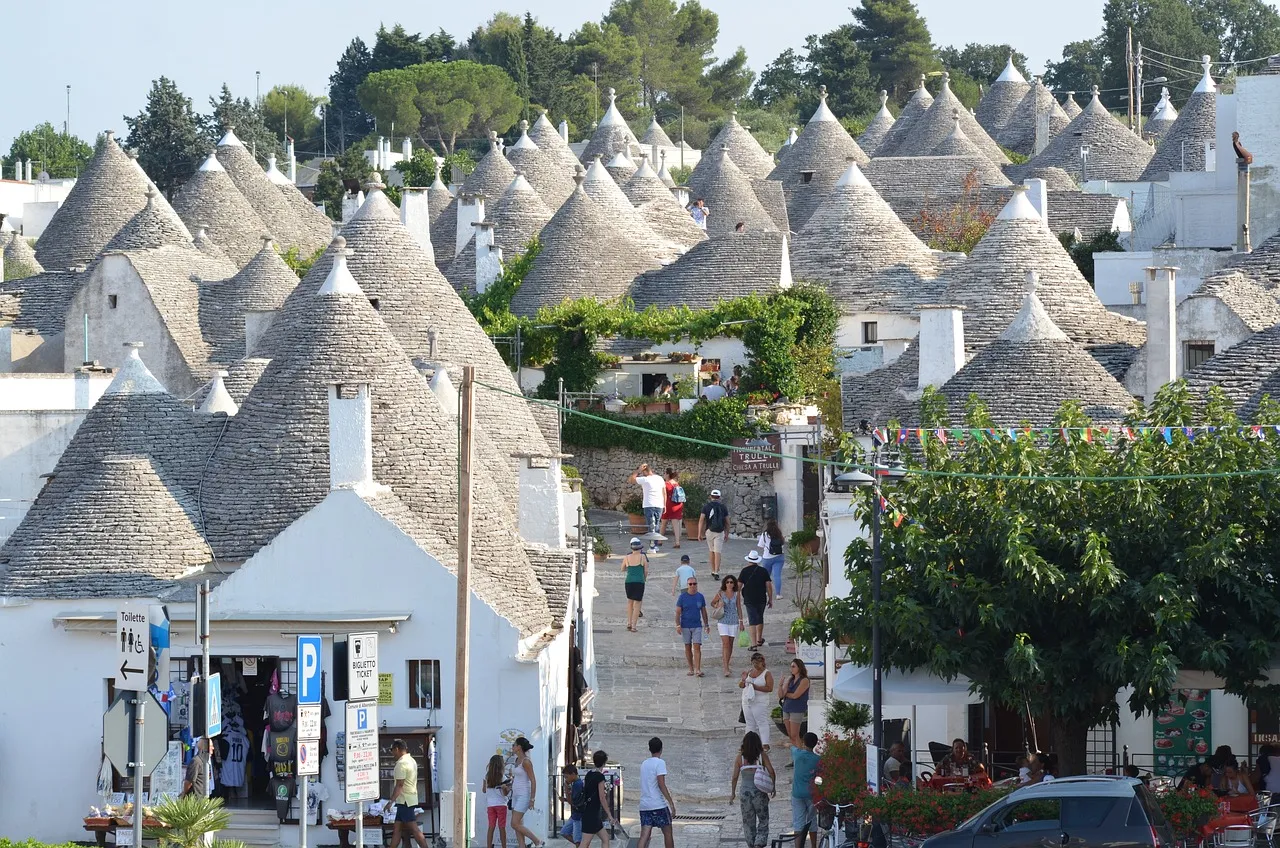
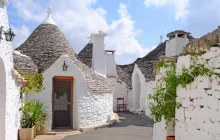
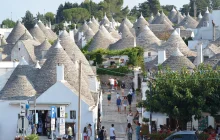
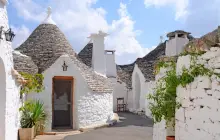
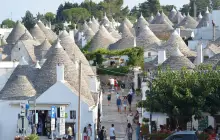
In the 17th century, the local feudal lord decided not to pay property tax for his subjects. In the Kingdom of Naples at the time, a law exempted any house that was not yet completed from taxation. Since the roofs of the houses, made of stacked flat stones, could be quickly dismantled whenever tax collectors arrived, the local ruler ordered that only this type of house be built. While we are in the Apulia region, we simply cannot miss a visit to this extraordinary place. Bring your blue caps – the visit to "Smurf Village" will be fantastic. After the tour, during the transfer to Matera, coffee and pastries are served on the coach. In the afternoon, departure to the hotel, dinner, accommodation.

11. day
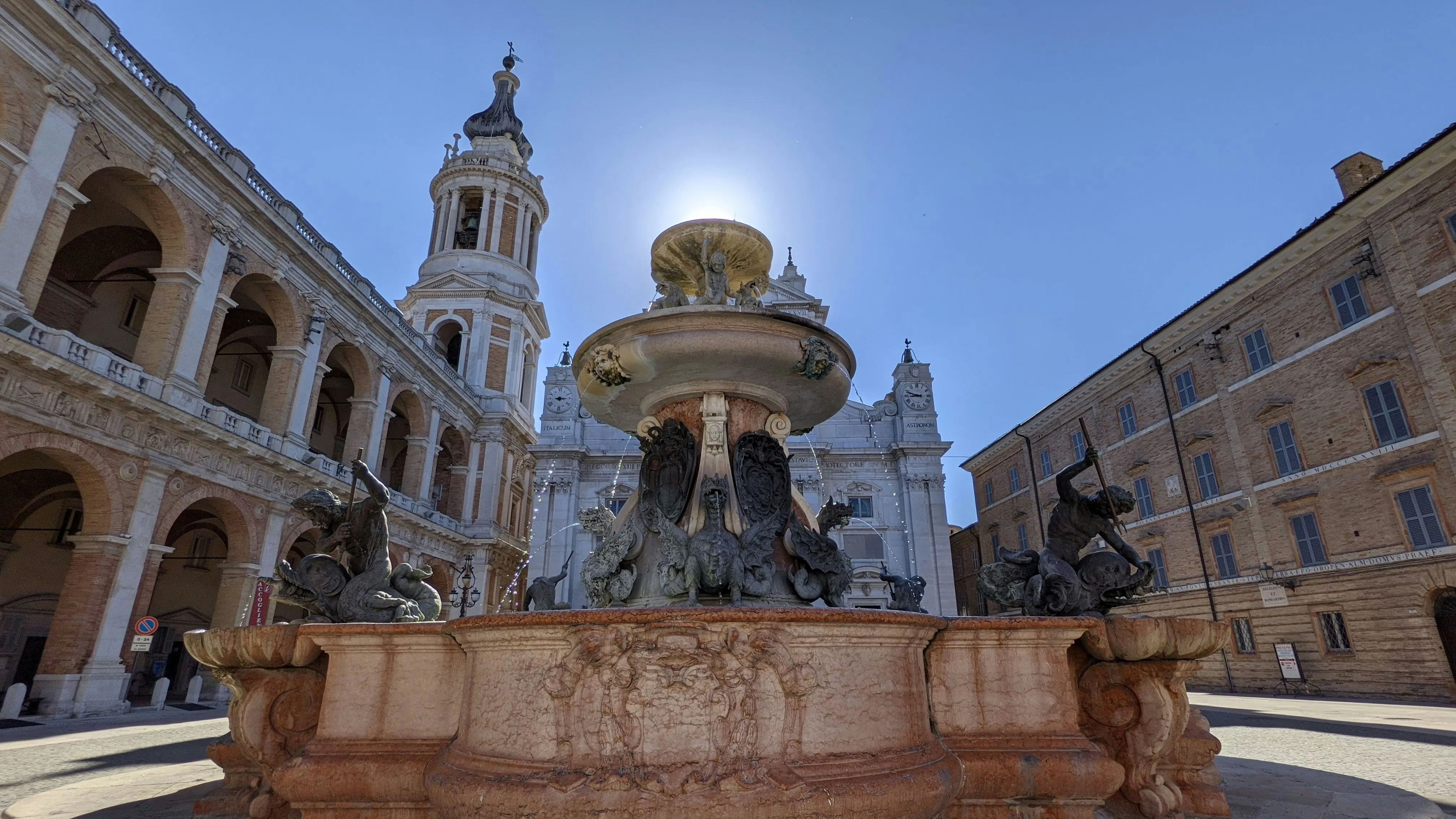
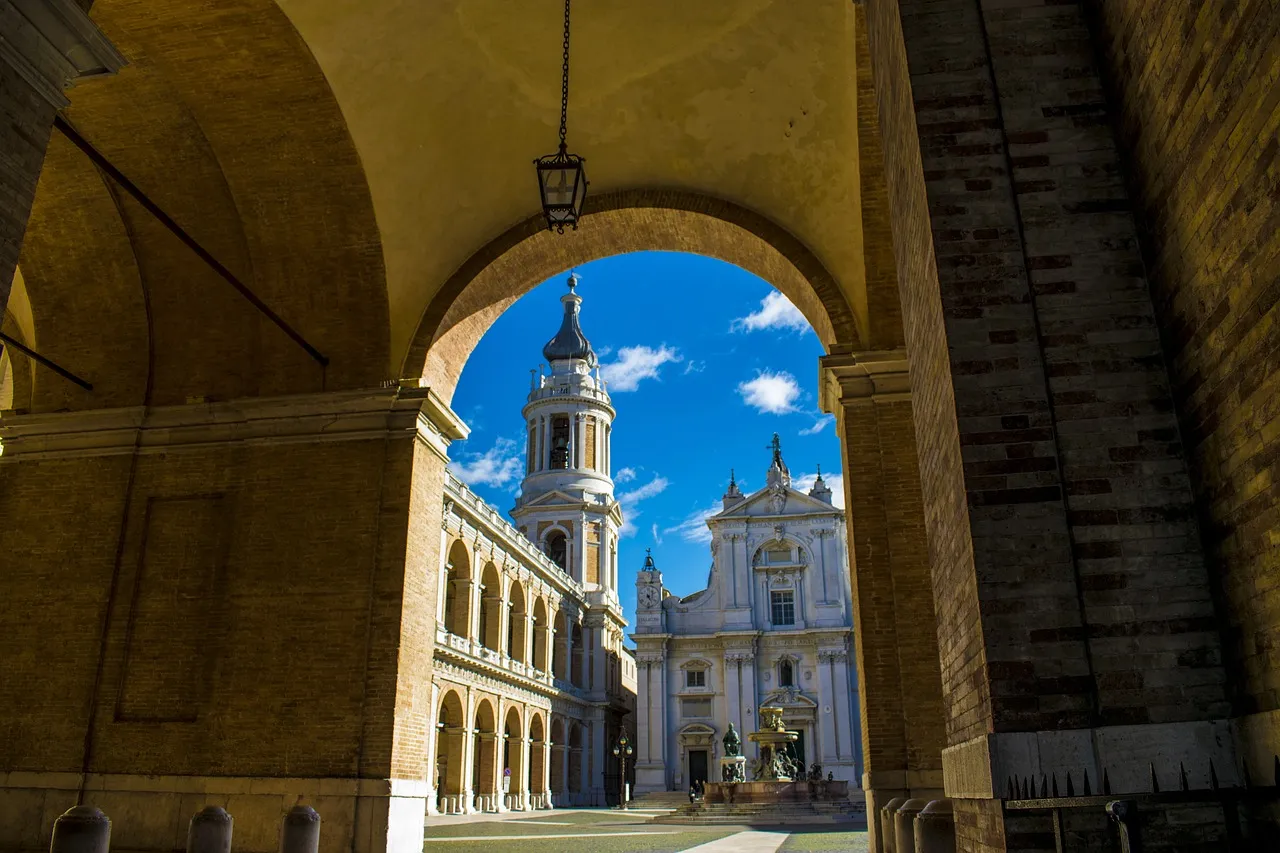
Loreto is a Catholic pilgrimage site in the Marche region. It is a town of approximately 11,000 inhabitants, situated on a hill near the Adriatic coast, 20 km south-east of Ancona. After Rome, Loreto is the second most important pilgrimage site in Italy, attracting around 3 million pilgrims annually. It is home to the Loreto Sanctuary, a complex of buildings surrounding the Holy House (Casa Santa), the most prominent feature of which is a late Gothic three-nave basilica (Chiesa della Casa Santa) from the second half of the 15th century. In the very centre of the church stands the Holy House itself, enclosed in a richly decorated Renaissance marble casing in the shape of a rectangular block, designed by Donato Bramante in 1509. In the Middle Ages, this site became so renowned that replicas of the small shrine were built all over the world – including the Prague Loreto.
11. day
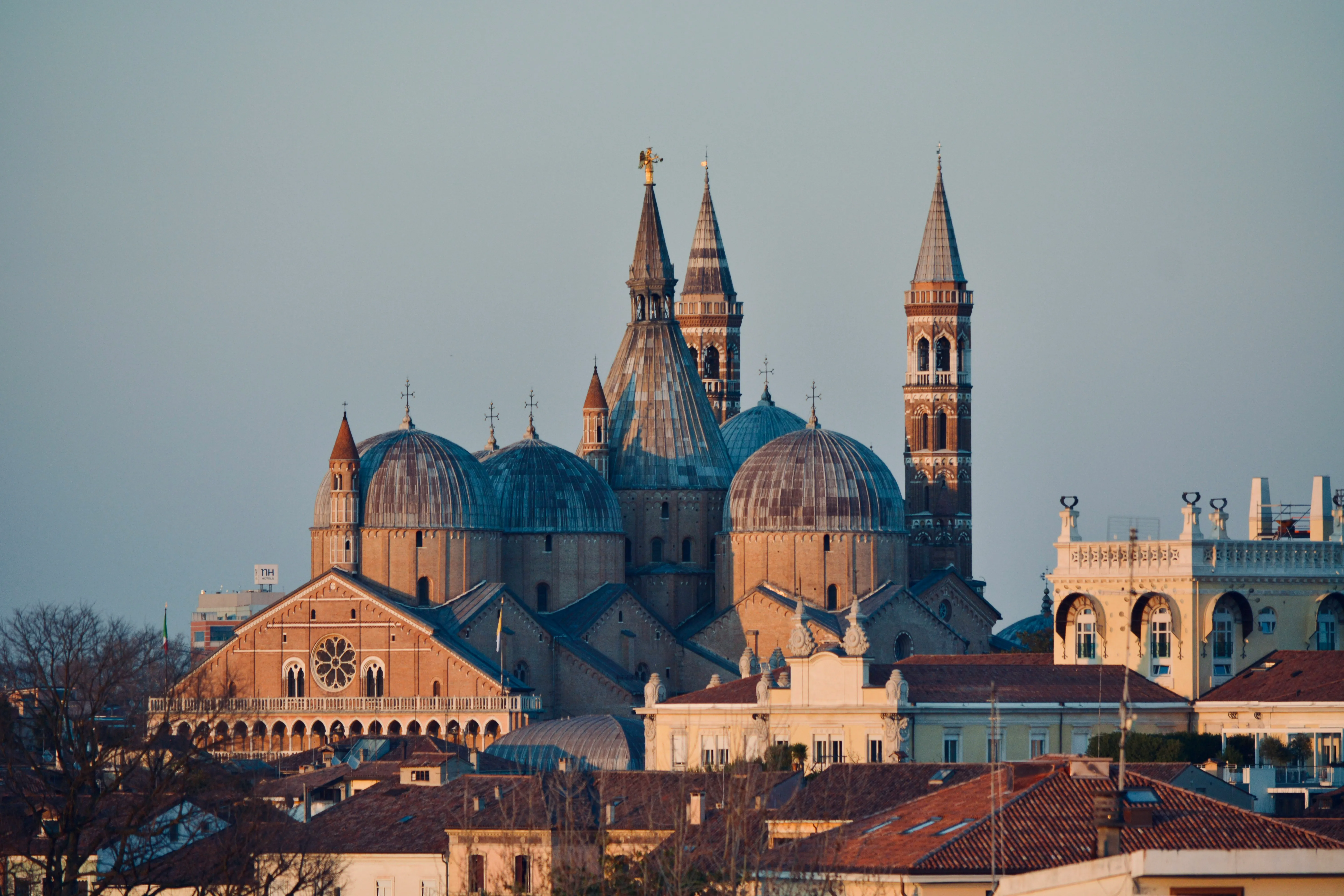
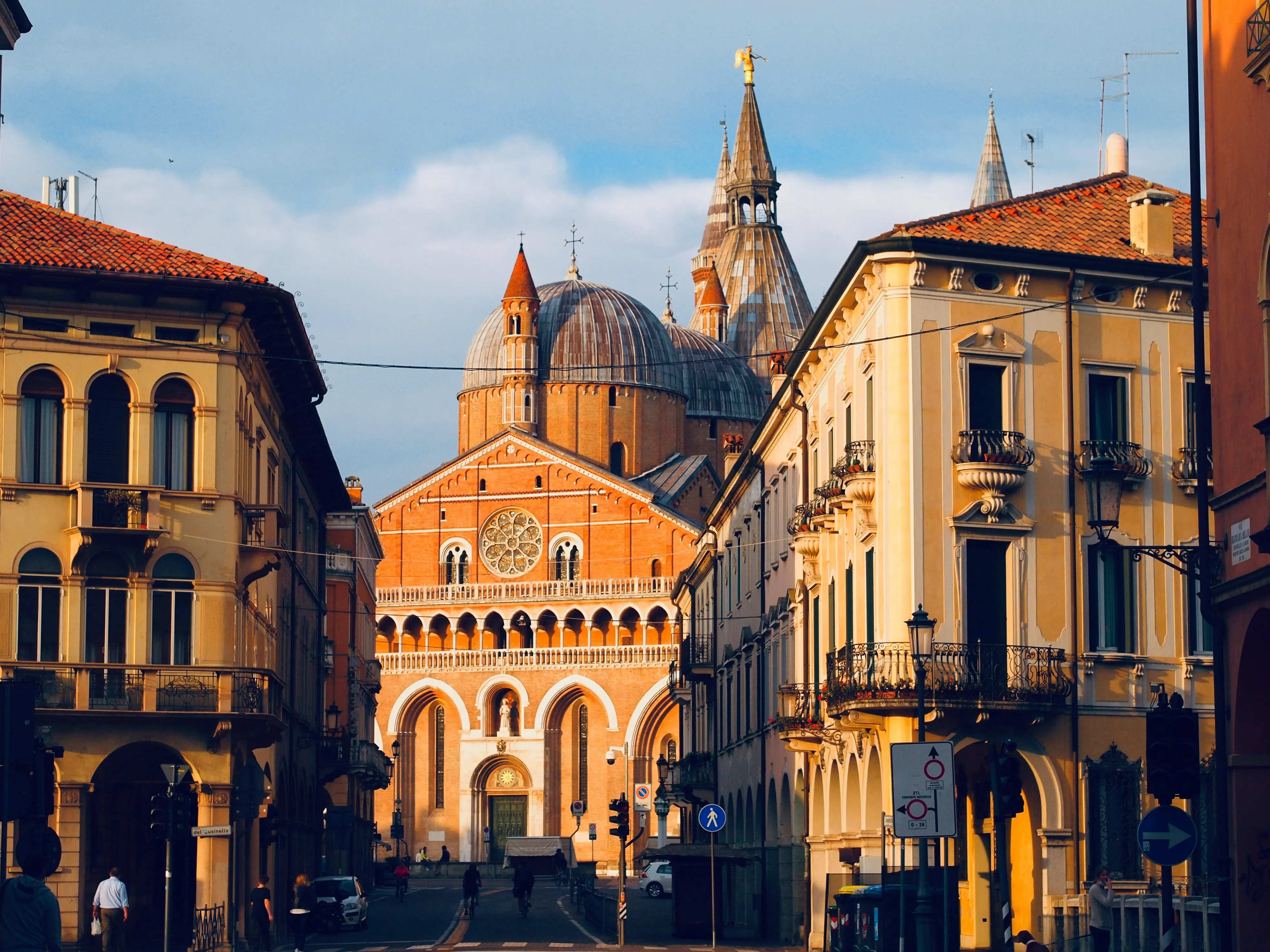
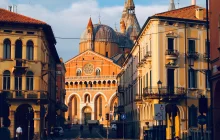
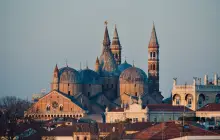
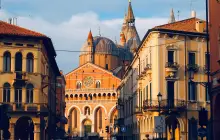
Padova, a historic Italian city in the Veneto region, is a true treasure trove of art with a rich tradition dating back to antiquity. The city is home to the University of Padova, founded in 1222, one of the oldest in the world, where the famous Galileo Galilei once lectured. The main landmark is the Basilica of Saint Anthony (Basilica di Sant'Antonio), an imposing pilgrimage site with Byzantine domes, where the relics of the city's patron saint rest. An absolute artistic masterpiece is the Cappella degli Scrovegni with frescoes by Giotto di Bondone from the early 14th century, considered masterworks of Renaissance art. Padova also enchants visitors with its elegant arcaded squares, especially Prato della Valle – one of the largest squares in Europe, surrounded by 78 statues of famous figures.
12. day
Arrival in the Czech Republic around midday, depending on the traffic situation.

Tour description


DVD
Transport
Your cruise with Riviera Tour begins in the Czech Republic. Our modern, spacious coaches depart from major cities towards ports in the Mediterranean and the North Sea.
On board the coach, an experienced Czech delegate will take care of you, providing all the information you need about life on board and the places you will visit. Hot drinks, breakfast and snacks are included in the price of transport. Additional drinks can be purchased from our drivers at attractive prices.
Our aim is for you to enjoy your holiday from the very first moment. That is why we create a pleasant, family atmosphere already during the coach journey. Our delegate will make the trip more enjoyable with interesting stories from previous cruises and practical tips for your stay on board.
And as a bonus, a special "surprise" awaits you during the journey, one of the favourite hallmarks of Riviera Tour trips.
