
Port Aarhus


Aarhus features a friendly layout where the vibrant city center (Downtown) is concentrated around a picturesque canal lined with cafes and outdoor restaurants. The relaxed Danish lifestyle revolves around the concept of hygge, which is particularly evident in the historic district Latinerkvarteret with its cobblestone streets and independent boutiques. A walk through the city reveals iconic cultural landmarks such as the art museum ARoS Aarhus Art Museum with its rainbow panoramic roof and the futuristic waterfront district Aarhus Ø.
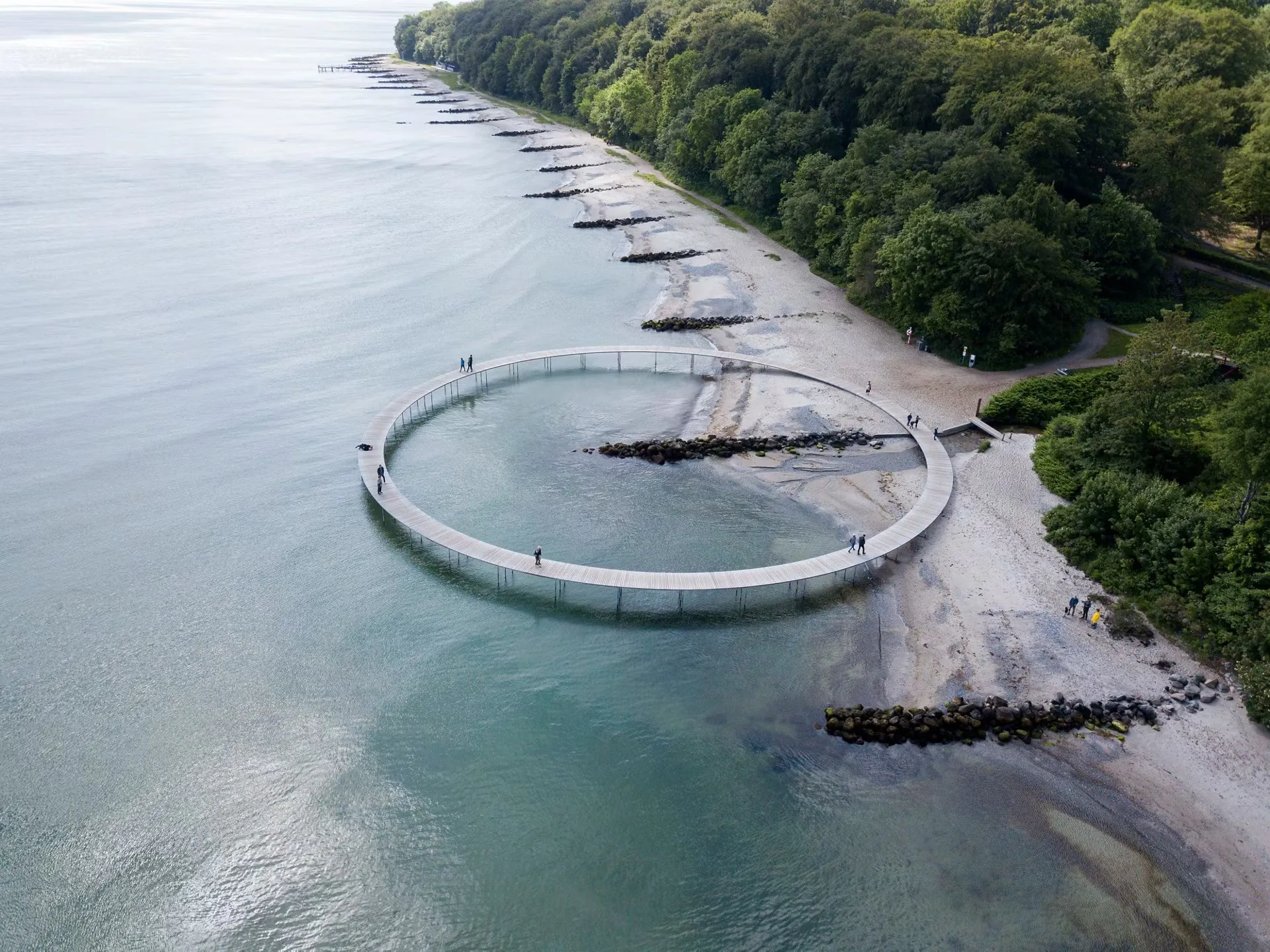
The local lifestyle places great emphasis on sustainability, top-notch gastronomy, and proximity to nature. The heart of shopping and social life is the pedestrian zone Strøget, while just a short distance from the center offers a tranquil retreat of vast beaches and Danish forests. Aarhus boasts a diverse culinary scene from traditional street food to Michelin-starred restaurants, perfectly combining the laid-back atmosphere of a coastal city with the dynamic spirit of modern Scandinavian culture.
History
The history of Aarhus (originally Aros, which translates to 'river mouth') dates back to the 8th century, when it was founded as a fortified Viking settlement at the mouth of the Aarhus Å river. Due to its sheltered location in the bay, the city quickly became a key trading hub for the entire Baltic and North Sea, which was solidified in 948 with the establishment of the local bishopric. A unique insight into this era is offered by the Viking Museum (Vikingemuseet), located underground directly beneath the bank building at Sankt Clemens Torv square, where the original Viking walls and houses were discovered.
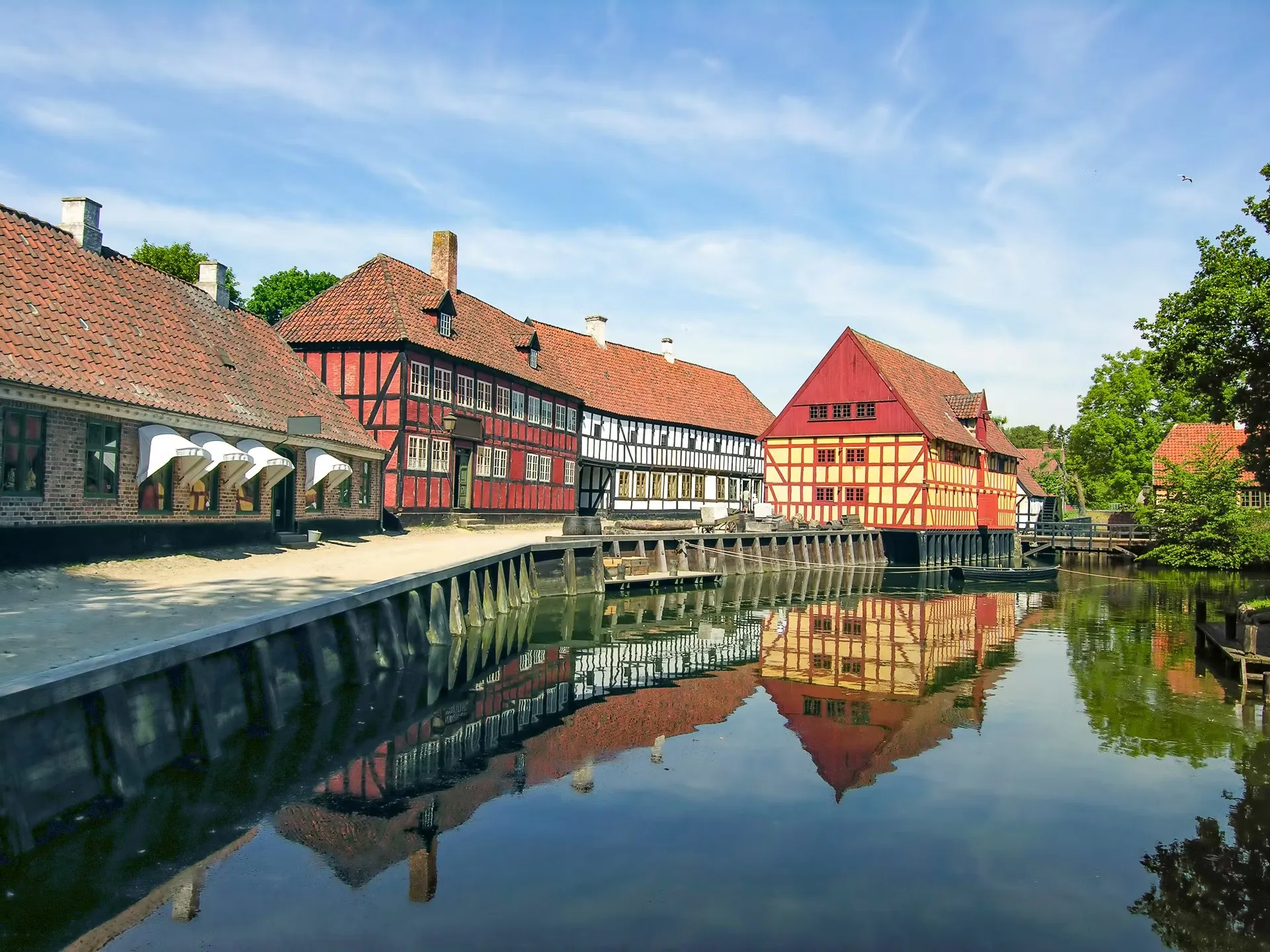
During the Middle Ages and early modern period, Aarhus experienced both flourishing times and severe trials, including plague outbreaks and war conflicts with Sweden. A significant transformation into a modern industrial center occurred in the 19th century with the construction of a new large port and railway, which sparked massive population growth. A vibrant reminder of this urban history is the open-air museum Den Gamle By (The Old Town), where over 75 historical buildings from all over Denmark were transported to create an authentic picture of life in past centuries. Today, Aarhus is a modern European metropolis that has managed to transform its industrial past into a sustainable future focused on innovation and design.
Tips for excursions in Aarhus
Open-air museum Den Gamle By: A fascinating trip into the past at a unique living museum under the open sky, located on the outskirts of the center. The excursion features meticulously reconstructed historic timber-framed houses, period shops, and workshops that bring visitors closer to everyday life in Denmark from the 18th century to the 1970s.
Rosenholm Castle and the Djursland countryside: A picturesque journey to the Danish countryside to one of the oldest and best-preserved Renaissance castles in the country. The tour includes a visit to the grand castle interiors with valuable tapestries, a stroll through the baroque gardens and views of the surrounding rolling landscape full of historic manors.
Mols Bjerge National Park: A natural escape to the protected area of the Djursland, known for its wild glacial landscape, deep forests, and sandy dunes. The trip offers hiking to scenic viewpoints with panoramic sea views and a visit to the romantic ruins of the medieval castle Kalø, accessible via an ancient stone causeway.