
Port Hong Kong
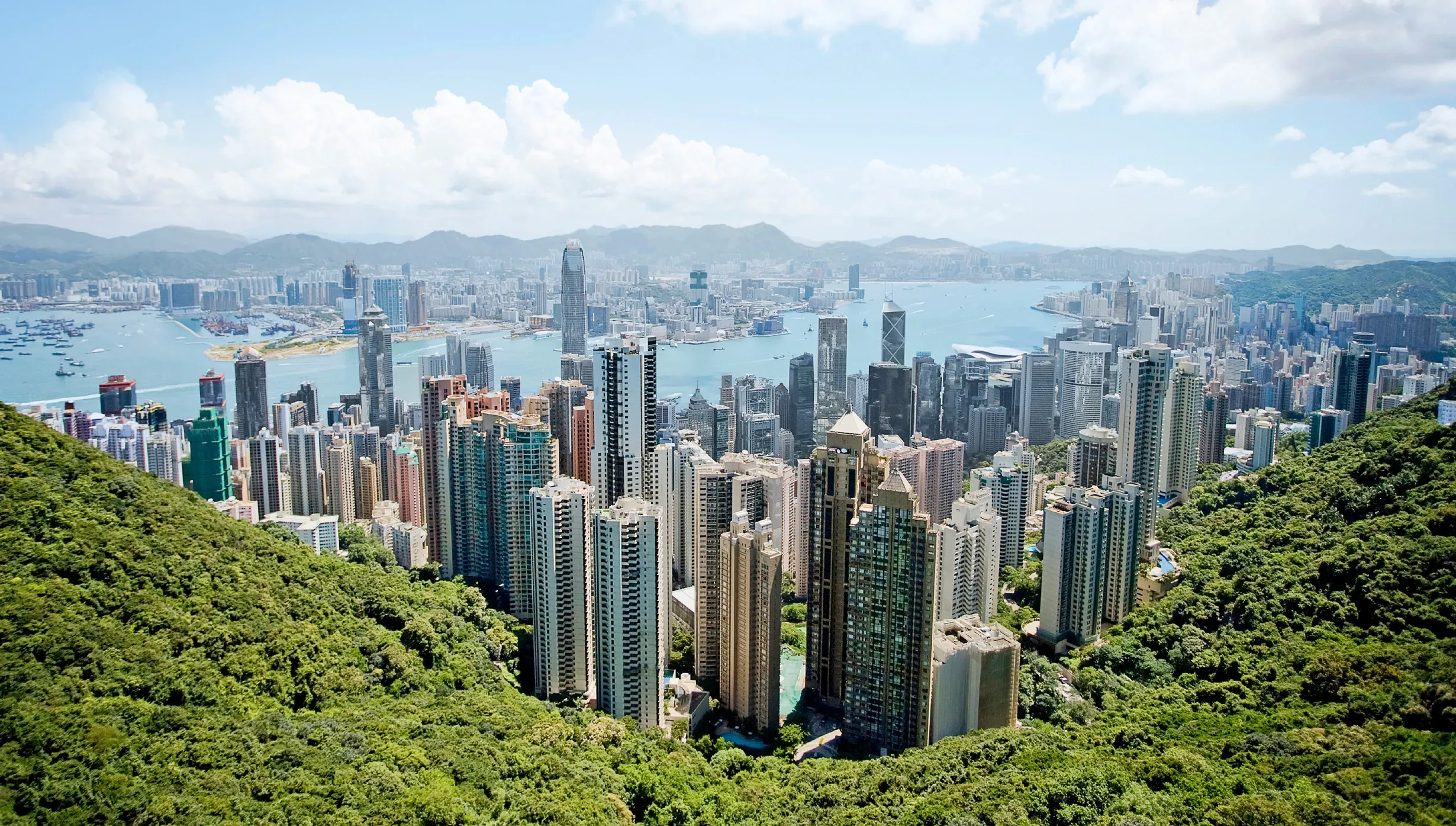
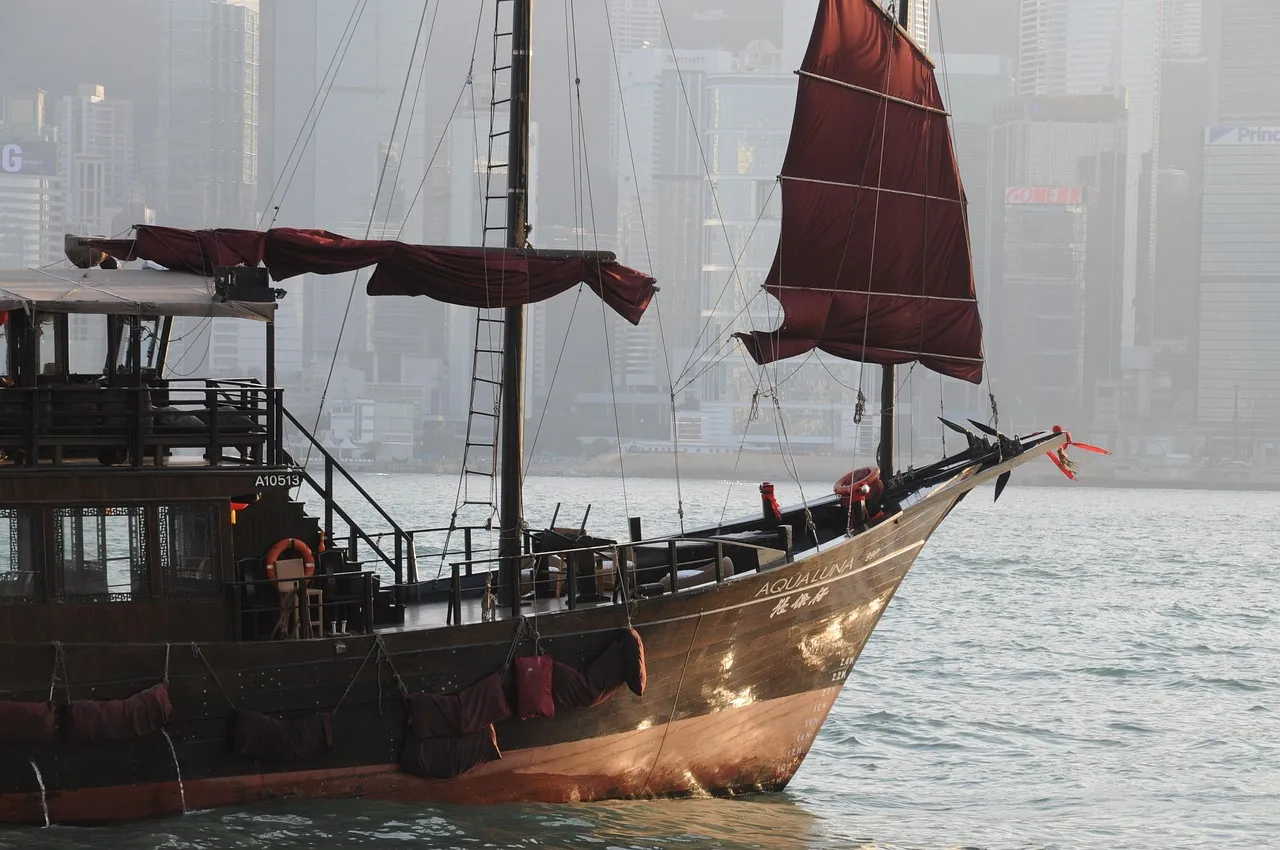
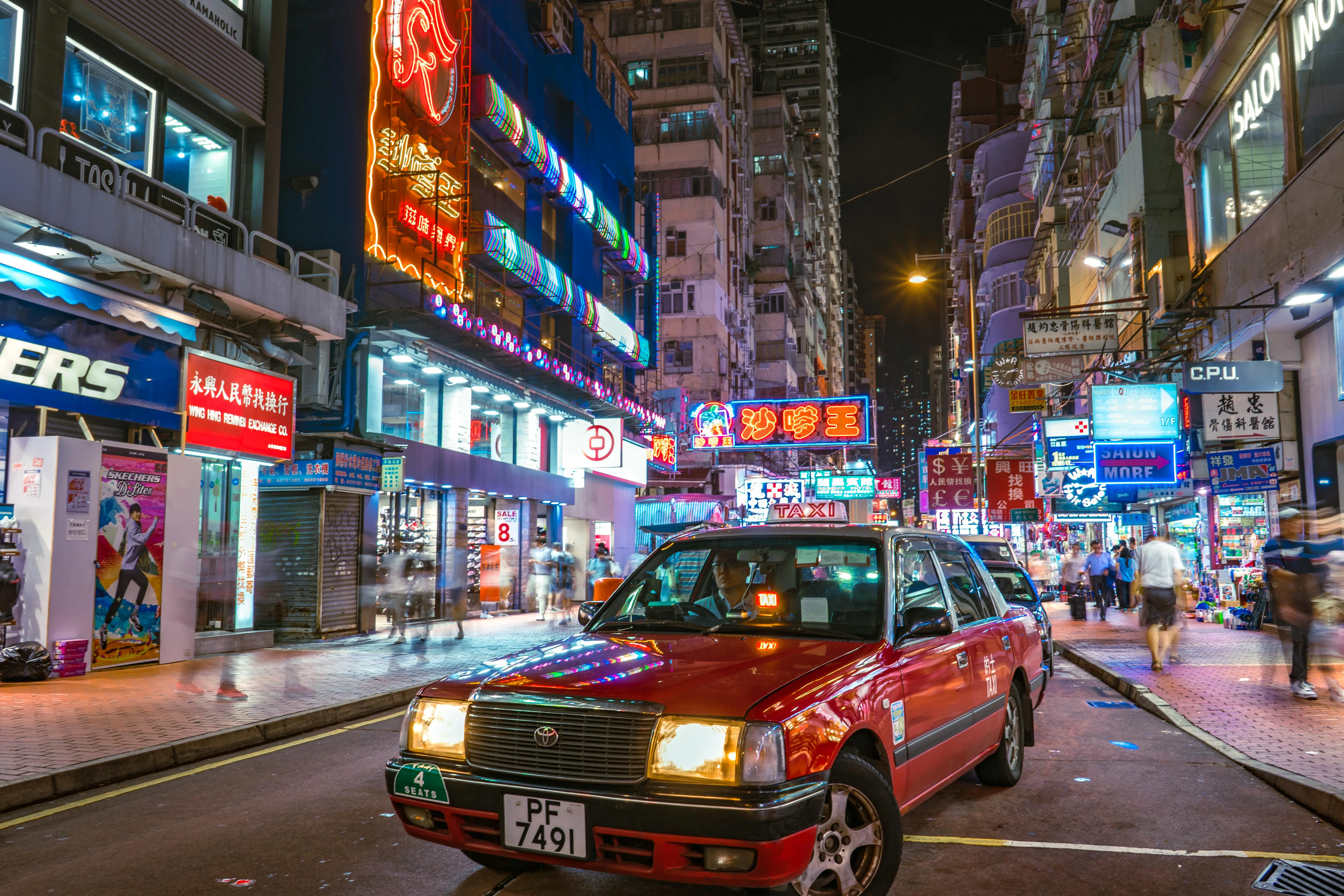
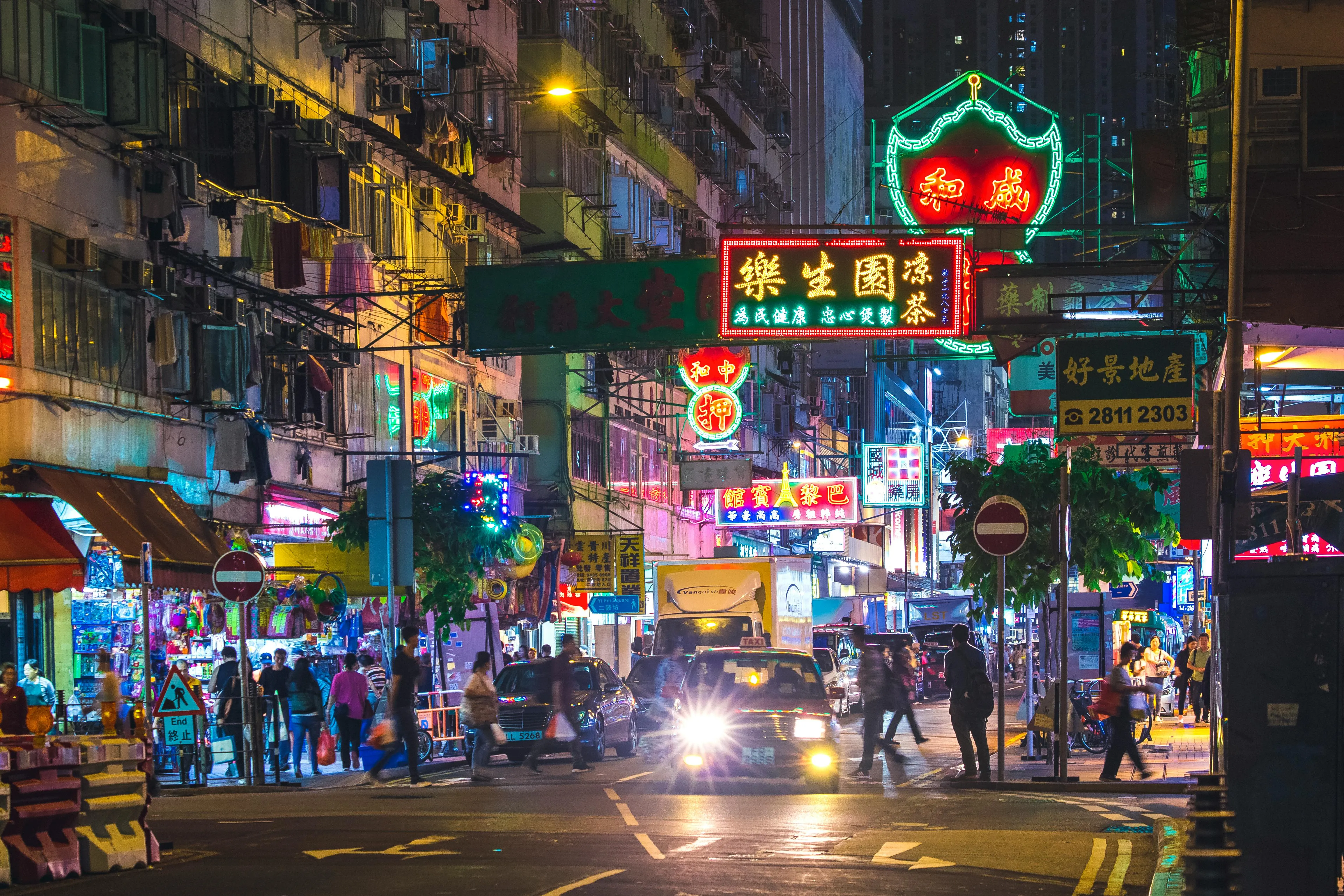
Hong Kong is a dynamic metropolis known for its stunning skyline, bustling harbor, and unique blend of Eastern and Western cultures. Situated on the southern coast of China, Hong Kong is a Special Administrative Region that offers a rich tapestry of experiences, from modern urban life to traditional cultural practices. The city is renowned for its impressive architectural feats, including the iconic Victoria Harbour, which provides breathtaking views of the skyline, especially during the nightly Symphony of Lights show.
In addition to its urban attractions, Hong Kong boasts a wealth of natural beauty and outdoor activities. The region is home to numerous hiking trails, such as the Dragon's Back, offering panoramic views of the coastline and lush landscapes. For a taste of local culture, visitors can explore vibrant markets like the Temple Street Night Market or visit the tranquil Chi Lin Nunnery and Nan Lian Garden. Hong Kong is also famous for its culinary scene, with a diverse array of dining options ranging from street food stalls to high-end restaurants offering international and Cantonese cuisine. This vibrant city truly embodies a unique blend of tradition and modernity, making it a captivating destination for travelers from around the world.
History
Hong Kong has a complex and dynamic history that reflects its unique position as a bridge between East and West. Originally a collection of small fishing villages, Hong Kong's history as a global hub began in earnest in the mid-19th century. In 1842, following the First Opium War, the Treaty of Nanking ceded Hong Kong Island to the British, marking the beginning of its transformation into a major port and commercial center. The British expanded their control over the region in subsequent years, acquiring the Kowloon Peninsula and the New Territories.
Under British rule, Hong Kong developed rapidly, becoming a bustling center of trade and finance, attracting immigrants and businesses from around the world. The city's economy thrived on industries such as textiles, shipping, and banking, which continued to grow throughout the 20th century. In 1997, Hong Kong was handed back to China under the principle of "one country, two systems," allowing it to maintain a degree of autonomy and preserve its capitalist economy for 50 years. Since the handover, Hong Kong has continued to be a vibrant global city known for its skyline, deep natural harbor, and as a major financial center, though it has also faced challenges related to political tensions and demands for greater democratic freedoms.