
Port Apia
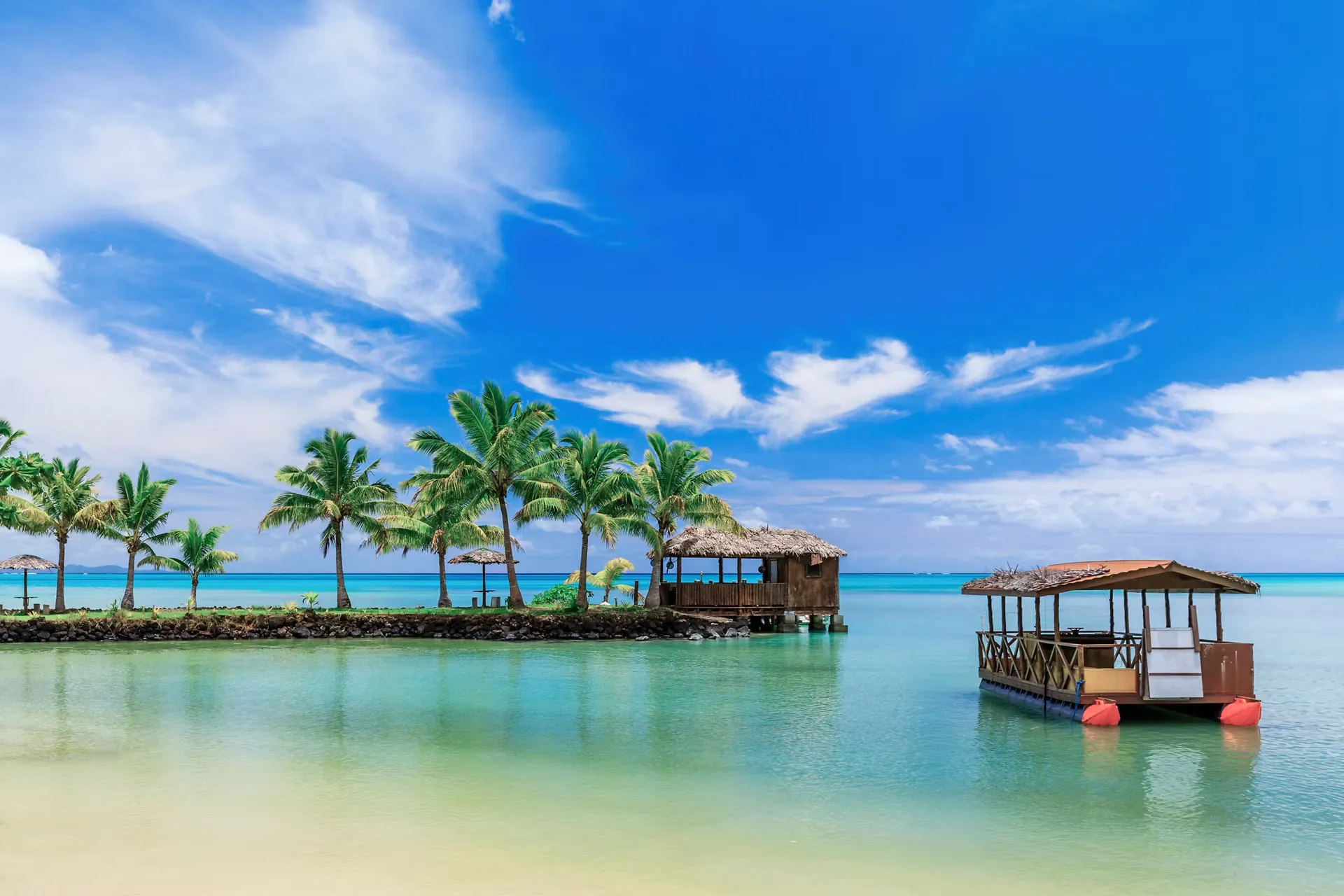
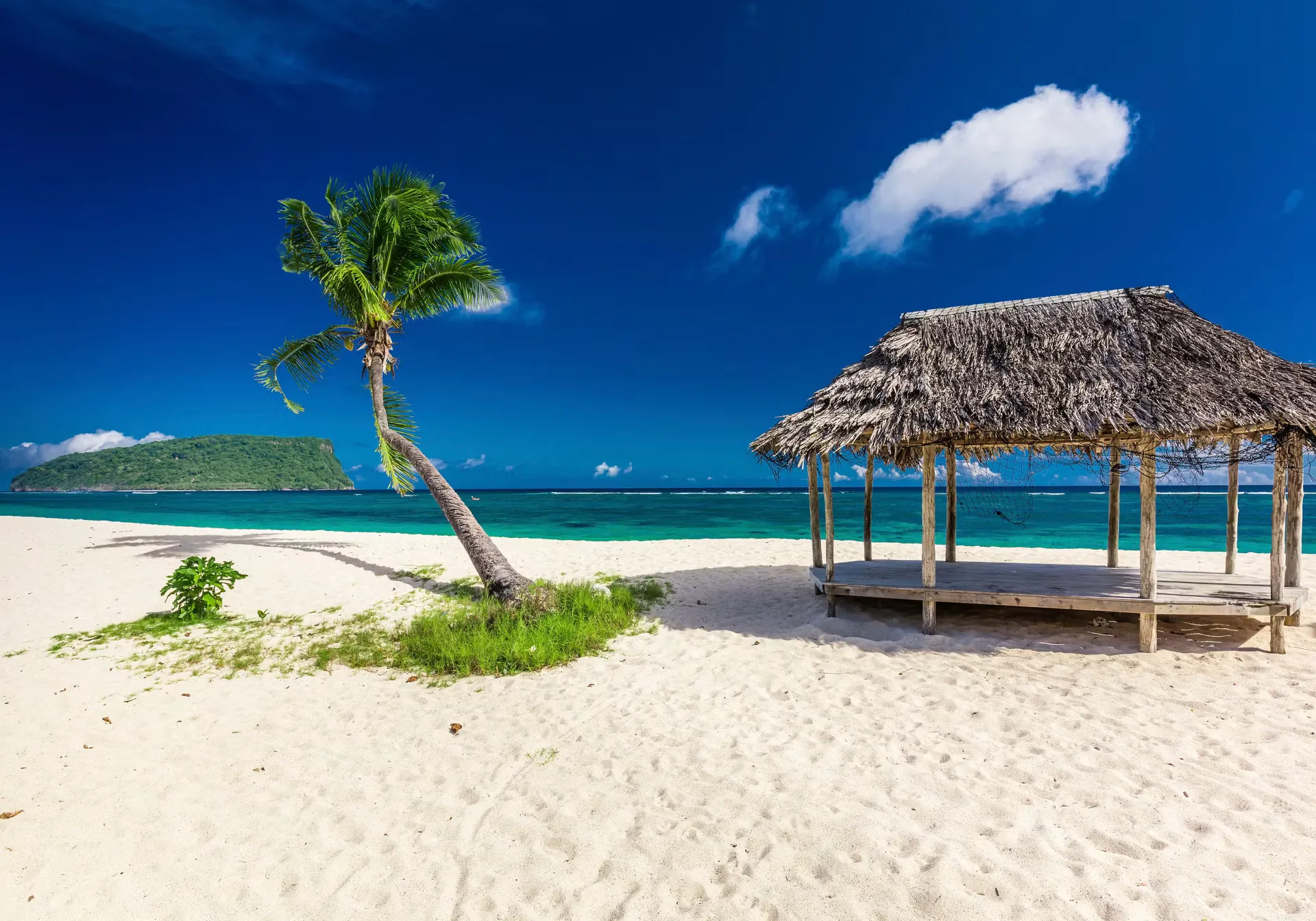


Apia, the capital and only city of the island nation of Samoa, lies on the northern coast of the volcanic island of Upolu. Upon disembarking from the ocean liner you are immediately enveloped by the hot, humid Pacific air, the scent of hibiscus, and the omnipresent sound of ocean waves. The city stretches along a wide bay, and its skyline is formed by low buildings, among which stand out traditional oval thatched huts without walls called fale. The main waterfront street Beach Road connects the port with government buildings, colorful markets, and historic churches made of white coral stone.
The local lifestyle strictly follows a centuries-old unchanging code of Fa'a Samoa (the Samoan way), which emphasizes family, respect for elders, and deep spirituality. In the alleys and at the famous market Flea Market you will meet smiling locals in traditional wrap skirts lava-lava and with proud tattoos tatau. The local cuisine is driven by fresh coconut milk, fish marinated in lime oka, roasted taro root, and pork cooked in an earth oven umu. Passengers can experience authentic Polynesian dance siva, swim in deep limestone pools, or explore nearby coral reefs within a few hours.
History
The history of Apia has been written for centuries by tribal chiefs and brave Polynesian navigators. Europeans first significantly intervened in the city's affairs in the first half of the 19th century when a modest indigenous village became a key port for whaling ships and copra traders. A pivotal milestone that dramatically influenced the fate of the entire region at the end of the 19th century was the colonial rivalry between Great Britain, the USA, and Germany, which was paradoxically ended in 1889 by a devastating cyclone that sank the warships of the rival powers in the harbor.
Samoa subsequently became a German colony and after World War I came under the administration of New Zealand. In the year 1962 Samoa became the first Pacific island nation to gain full independence, and Apia became its proud capital. The city is also indelibly linked to the name of the famous Scottish writer Robert Louis Stevenson (author of Treasure Island), who spent the last years of his life here and whom the locals esteemed so much that they gave him the honorary name Tusitala (Teller of Tales).
Tips for excursions in Apia
In the footsteps of the writer and the Robert Louis Stevenson Museum: A trip to the foothills of Mount Vaea to the beautiful colonial residence Vailima, where the famous writer lived. You will see his personal belongings, preserved interiors amidst tropical gardens, and more adventurous travelers can hike to his tomb at the top of the mountain with an ocean view.
Natural swimming at Piula Cave Pool and Falefa Waterfalls: An excursion along the scenic eastern coast to the unique freshwater pool Piula, which was formed in a lava cave directly beneath the historic church. The journey continues to the roaring Falefa waterfalls surrounded by lush jungle.
Cultural village of Samoa and Maketi Fou market: A walking tour of the heart of Apia focused on traditions. In the cultural village, you will experience demonstrations of traditional tattooing, canoe carving, weaving mats from palm leaves, and the ceremony of drinking the sacred beverage kava, which concludes with shopping for exotic fruits at the central market.