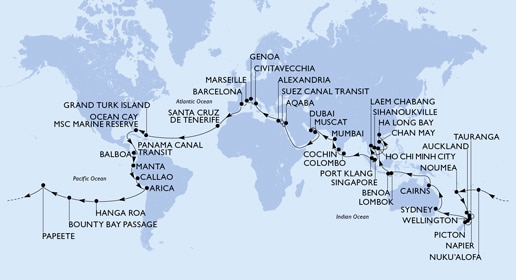
Port Mumbai (Bombai)
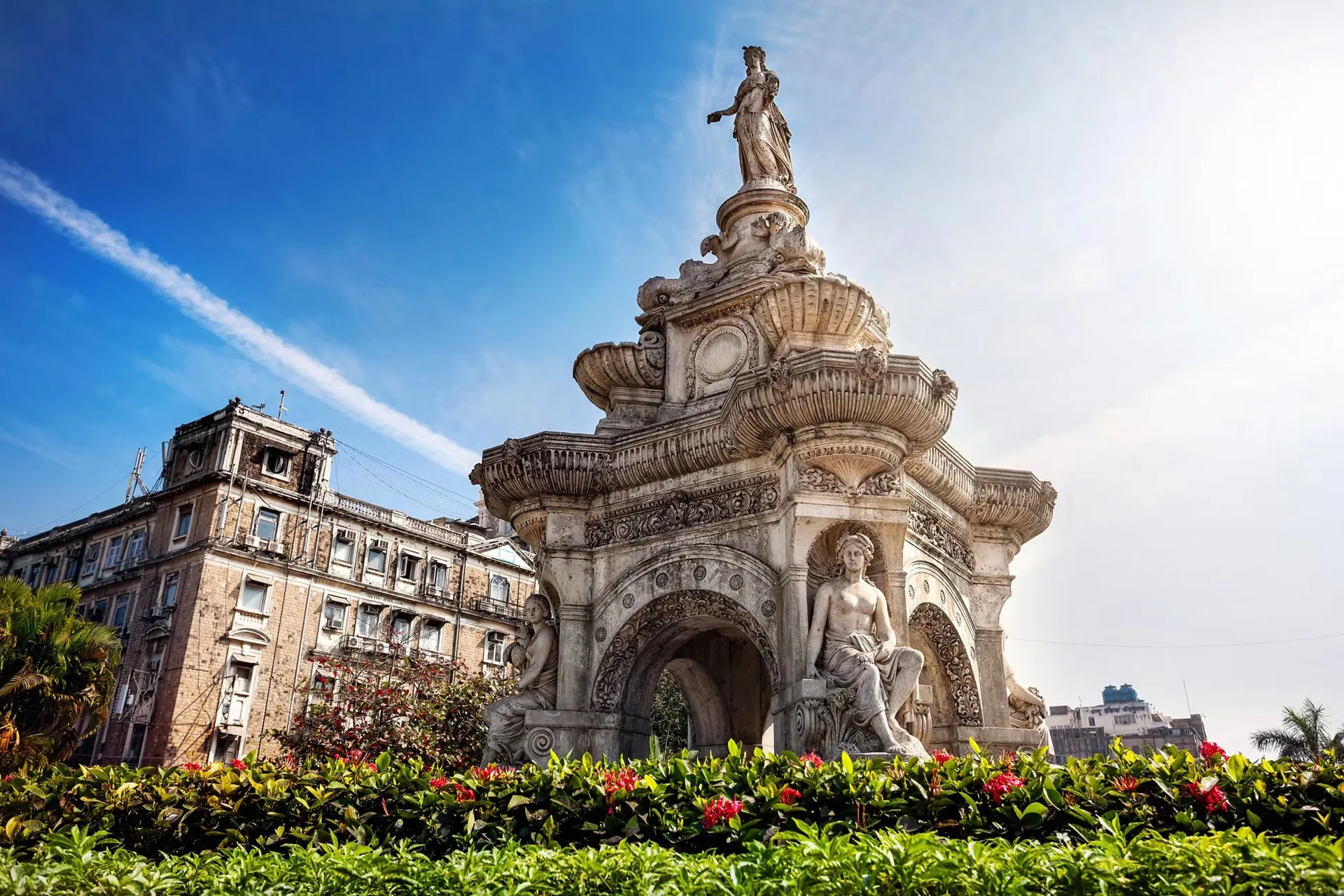
Cruise ships in Mumbai, India, play a significant role in contributing to the growth of the city's tourism sector. As the city is gifted with a natural deep-water harbor, it serves as an ideal location for cruise tourism. Mumbai's port handles over 200 cruise ships annually, attracting tourists from different parts of the world. This has positively impacted the city's economy, creating jobs and bringing in additional revenue.
There are several activities associated with cruise ships in Mumbai. Primarily, they offer luxurious amenities such as spa services, fine dining, theater shows, and more to their passengers while cruising. Additionally, they organize on-shore excursions that provide tourists with the opportunity to explore the city's rich culture and history. Some of the popular destinations include the Gateway of India, Elephanta Caves, and Chhatrapati Shivaji Maharaj Vastu Sangrahalaya Museum. These activities make cruise tourism an exciting and fulfilling experience in Mumbai.
History
The history of the Port of Mumbai (formerly known as Bombay Port) began in the 17th century when the British East India Company chose the natural deep-water harbor for their operations. Initially, the harbor was used for trading of cotton and opium, but its strategic location and deep waters made it an ideal choice for maritime activities and gradually it became the gateway to India.
In 1873, the Bombay Port Trust was established to manage the port. Under British rule, the port saw significant expansion and development, with the construction of the Prince's Dock in 1885 and the Victoria Dock and the Mazgaon Dock in 1891. The port played a crucial role during World War II as a base for Allied Forces. Post-Independence, the Bombay Port Trust continued to manage the port until it was renamed as the Mumbai Port Trust in 1996.