Port Hobart
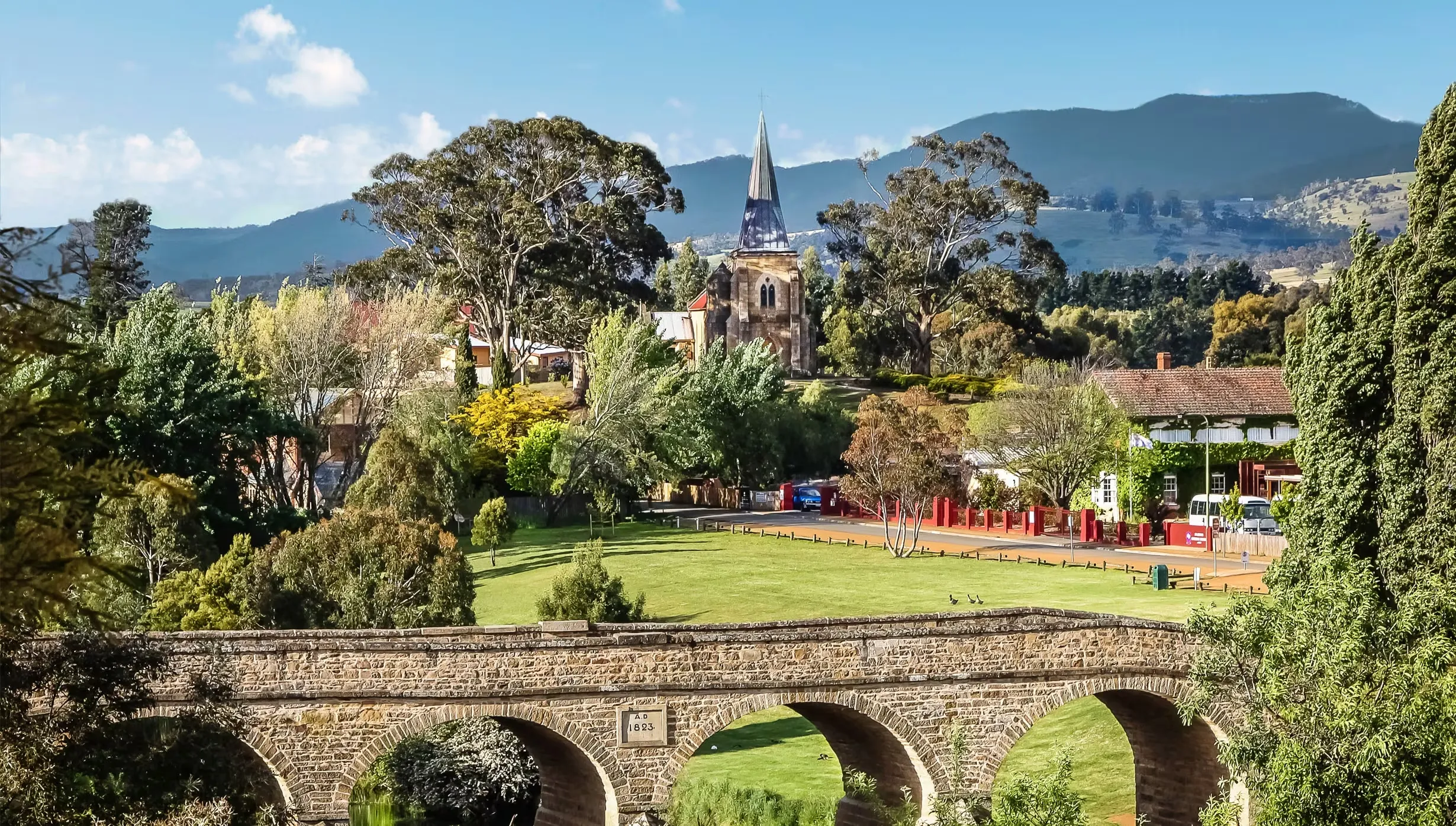
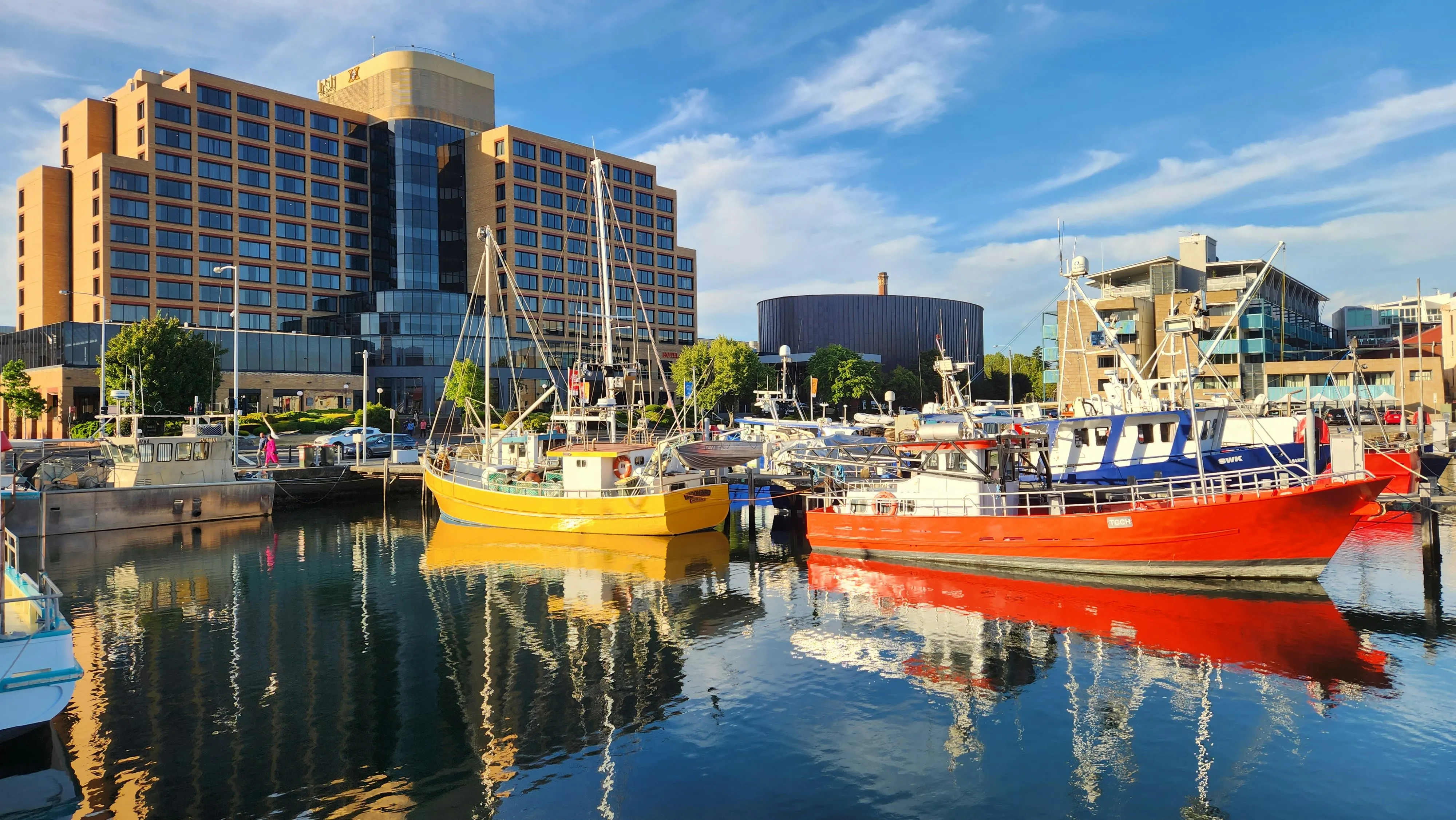
Hobart, the capital of Tasmania, is a captivating city that combines a rich history with stunning natural beauty. Nestled along the River Derwent and overlooked by the majestic kunanyi/Mount Wellington, Hobart is known for its charming blend of heritage architecture, contemporary art, and vibrant culinary scene. The city’s waterfront, particularly the historic Salamanca Place, is a bustling area lined with Georgian-era warehouses that have been converted into lively cafes, galleries, and shops. The Salamanca Market, held every Saturday, is a highlight for both locals and visitors, offering a diverse array of local produce, crafts, and artisanal products.
Hobart is also a gateway to exploring Tasmania's natural attractions. The nearby Mount Wellington provides panoramic views of the city and surrounding landscapes, with numerous walking and cycling trails for outdoor enthusiasts. The city is home to the Museum of Old and New Art (MONA), one of Australia’s most innovative and provocative art museums, attracting art lovers from around the world. With its blend of historic charm, cultural vibrancy, and access to breathtaking natural environments, Hobart offers a unique and enriching experience for travelers seeking both adventure and relaxation.
History
Hobart, the capital city of Tasmania, Australia, has a rich history that dates back to its founding in 1804 as a British penal colony. Originally established as a defensive outpost against French explorers, Hobart quickly grew due to its strategic location and natural deep-water harbor. The city's early economy was driven largely by the whaling and sealing industries, as well as agriculture and shipbuilding, which attracted free settlers and convicts alike. As one of Australia's oldest cities, Hobart retains much of its colonial charm, with well-preserved Georgian and Victorian architecture, such as the historic Salamanca Place.
Throughout the 19th and 20th centuries, Hobart continued to expand, benefiting from Tasmania's rich natural resources and growing tourism industry. Its picturesque setting at the foot of Mount Wellington and along the Derwent River made it a desirable location for visitors and residents. In recent years, Hobart has gained international recognition for its vibrant arts scene, highlighted by the establishment of the Museum of Old and New Art (MONA), which has become a major cultural attraction. Today, Hobart is known for its blend of history, culture, and natural beauty, making it a popular destination for tourists and an appealing city for those seeking a relaxed lifestyle.