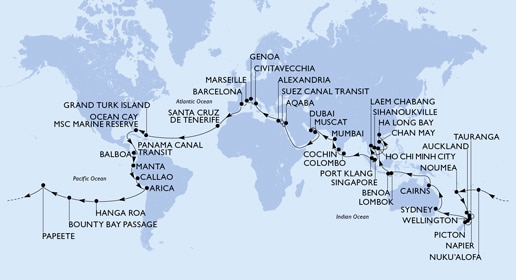
Port Manta
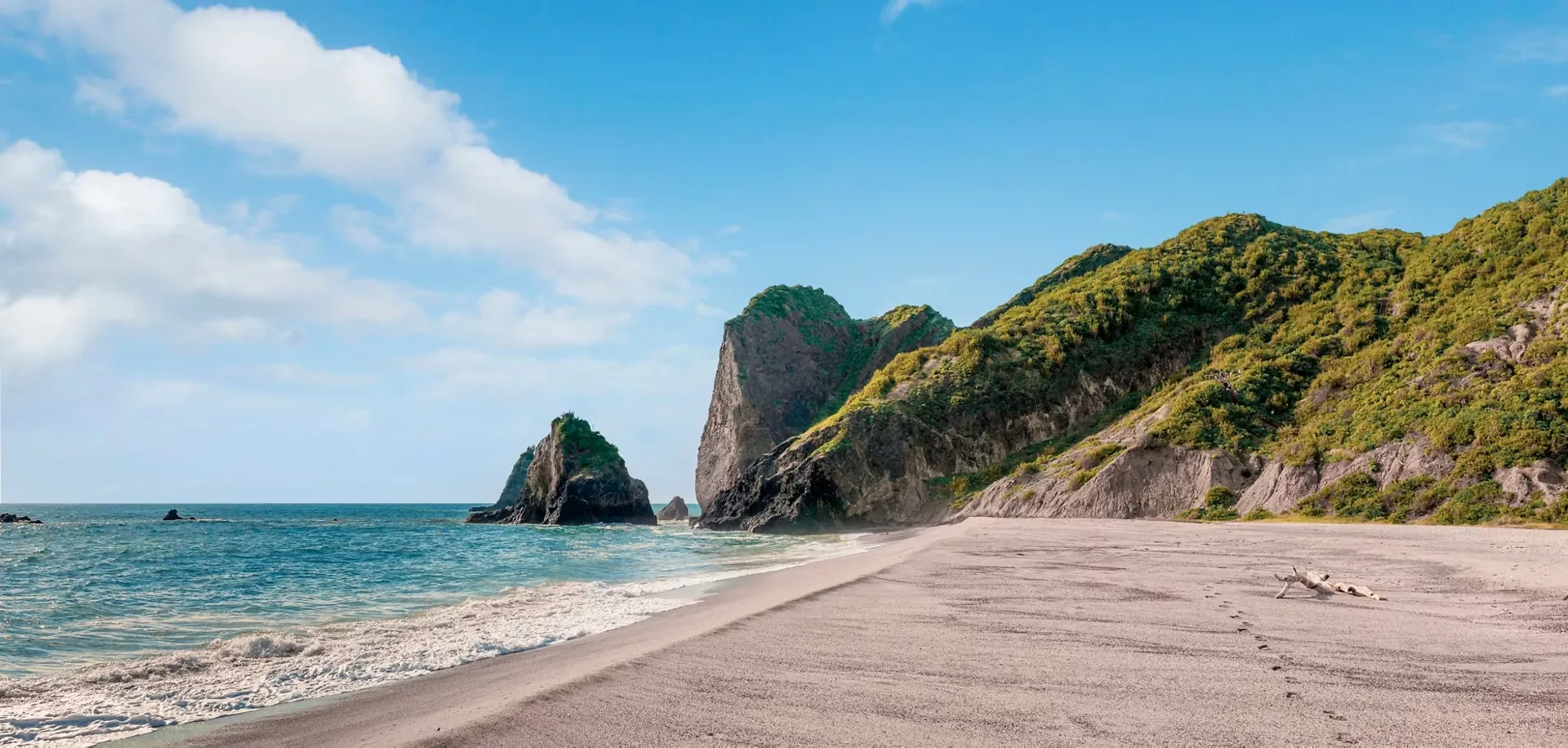
The city of Manta, located in Ecuador, is a significant port of call for many cruise ships traveling along the Pacific coast. Its geographical location offers a gateway to fascinating Ecuadorian destinations, thus making it a strategic stop for cruise liners. The port's facilities are capable of accommodating large vessels, which contributes to Manta's growing importance in the cruise industry.
Cruise ship passengers in Manta have the opportunity to engage in a variety of activities during their visit. The city is famous for its beautiful beaches, delicious seafood, and vibrant craft markets. Passengers can also explore the fascinating pre-Colombian history at the nearby Museo del Banco Central. These activities provide a snapshot of the rich Ecuadorian culture and natural beauty, making Manta a memorable stop for cruise ship passengers.
History
The Port of Manta, located in the city of Manta, Ecuador, is one of the most historically significant ports in South America. It is believed to have been established by the Manta civilization, a pre-Columbian culture that thrived in the region before the Spanish conquest. The Manta people were skilled sailors and artisans, and they used the port for trade and fishing.
Over the centuries, the Port of Manta has continued to play a crucial role in the economy of Ecuador. It became particularly significant during the 19th century, when it served as a major hub for the export of goods such as coffee, cacao, and tagua (vegetable ivory). More recently, in the 20th and 21st centuries, the port has expanded significantly, becoming one of the largest and busiest in the country. It now handles a wide range of cargo, including petroleum, minerals, and seafood.