
Port Halifax
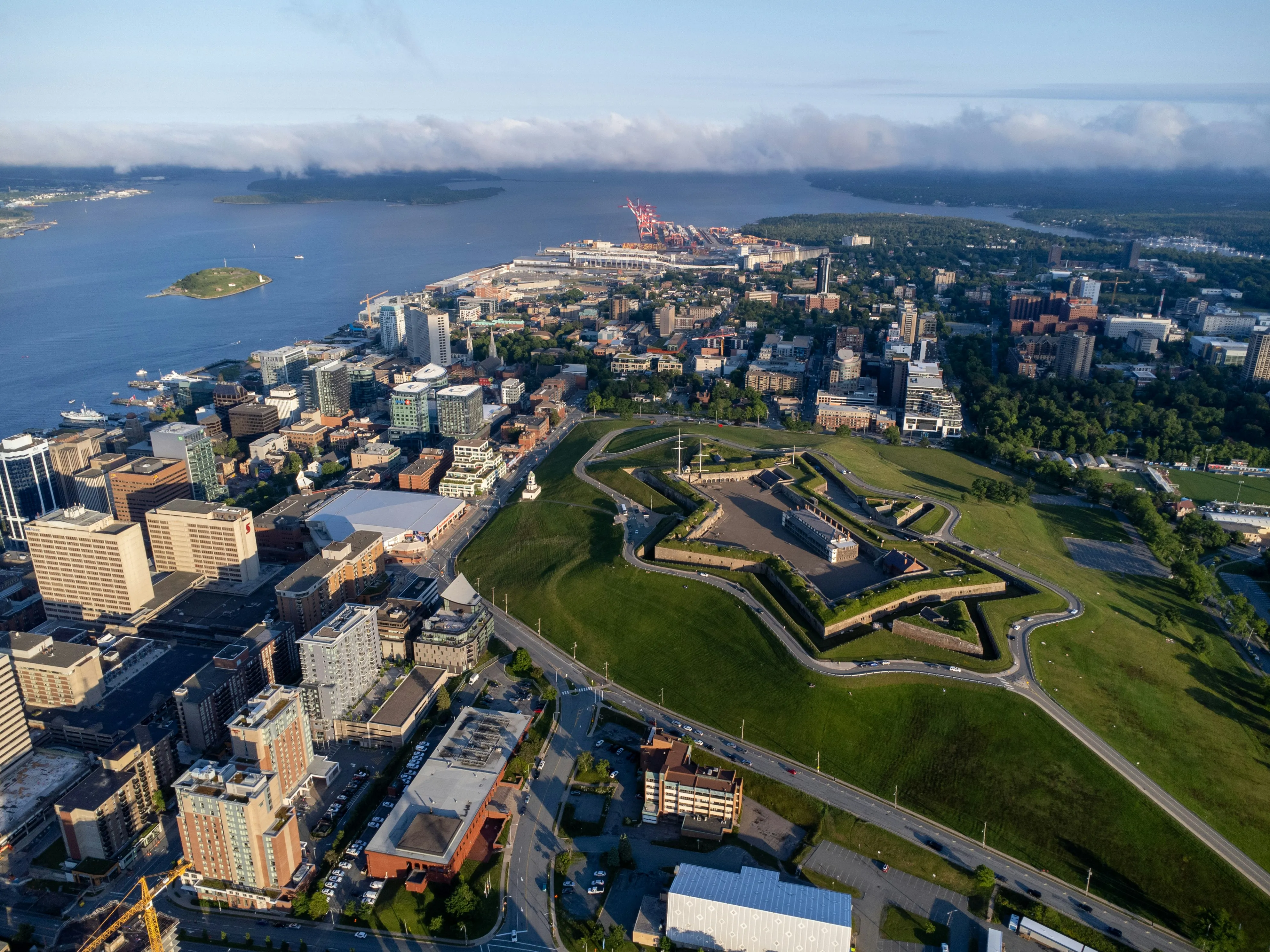
Halifax, the capital city of Nova Scotia, Canada, is a vibrant coastal city known for its rich maritime history and lively cultural scene. The city is home to the Halifax Citadel National Historic Site, a star-shaped fortress offering a glimpse into the city's military past and providing panoramic views of the bustling harbor. Halifax is also recognized for its role in maritime history, which can be explored at the Maritime Museum of the Atlantic, where visitors can learn about the city's connection to the Titanic and other significant naval events.
In addition to its historical significance, Halifax boasts a thriving arts and culinary scene. The city's waterfront is a hub of activity, featuring a boardwalk lined with shops, restaurants, and attractions that offer fresh seafood and local delicacies. Halifax is also known for its vibrant festivals, such as the Halifax International Busker Festival and the Halifax Pop Explosion, celebrating music, art, and culture. Surrounded by natural beauty, including beaches and parks, Halifax offers both residents and visitors a dynamic blend of urban and outdoor experiences, making it a captivating destination in Atlantic Canada.
History
Halifax was founded in 1749 by British authorities as a strategic naval base against the French in North America. Recognizing the advantages of its deep, ice-free harbor, Halifax quickly developed into a military and economic stronghold. During the Seven Years' War and subsequent conflicts, including the American Revolutionary War and the War of 1812, Halifax served as a crucial naval outpost for the British, facilitating troop movements and supply chains. Its military importance continued through the 19th century, underscored by the construction of fortifications such as the Citadel Hill, which stands today as a national historic site.
A pivotal moment in the city's history was the Halifax Explosion on December 6, 1917. This catastrophic event occurred when the SS Mont-Blanc, a French cargo ship loaded with explosives, collided with the SS Imo in the harbor. The resulting explosion was one of the largest non-nuclear detonations ever recorded, devastating much of the city and killing approximately 2,000 people. In the aftermath, Halifax was rebuilt with significant contributions from both local and international communities. The city subsequently played a vital role in World War II as a key port for the assembly of Allied convoys. Today, Halifax balances its rich historical legacy with its status as a cultural and economic center in Atlantic Canada.