
Port Hilo
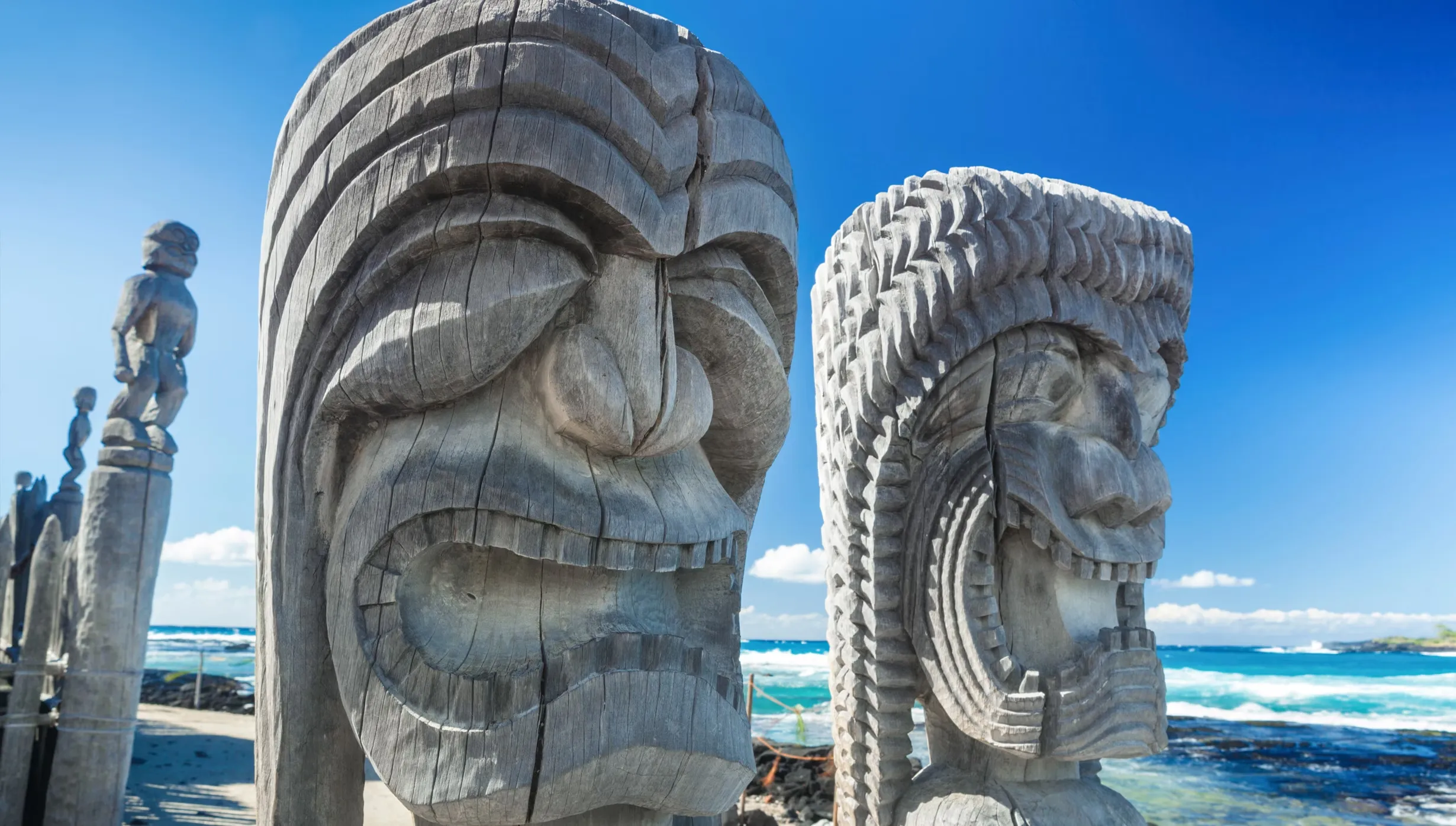
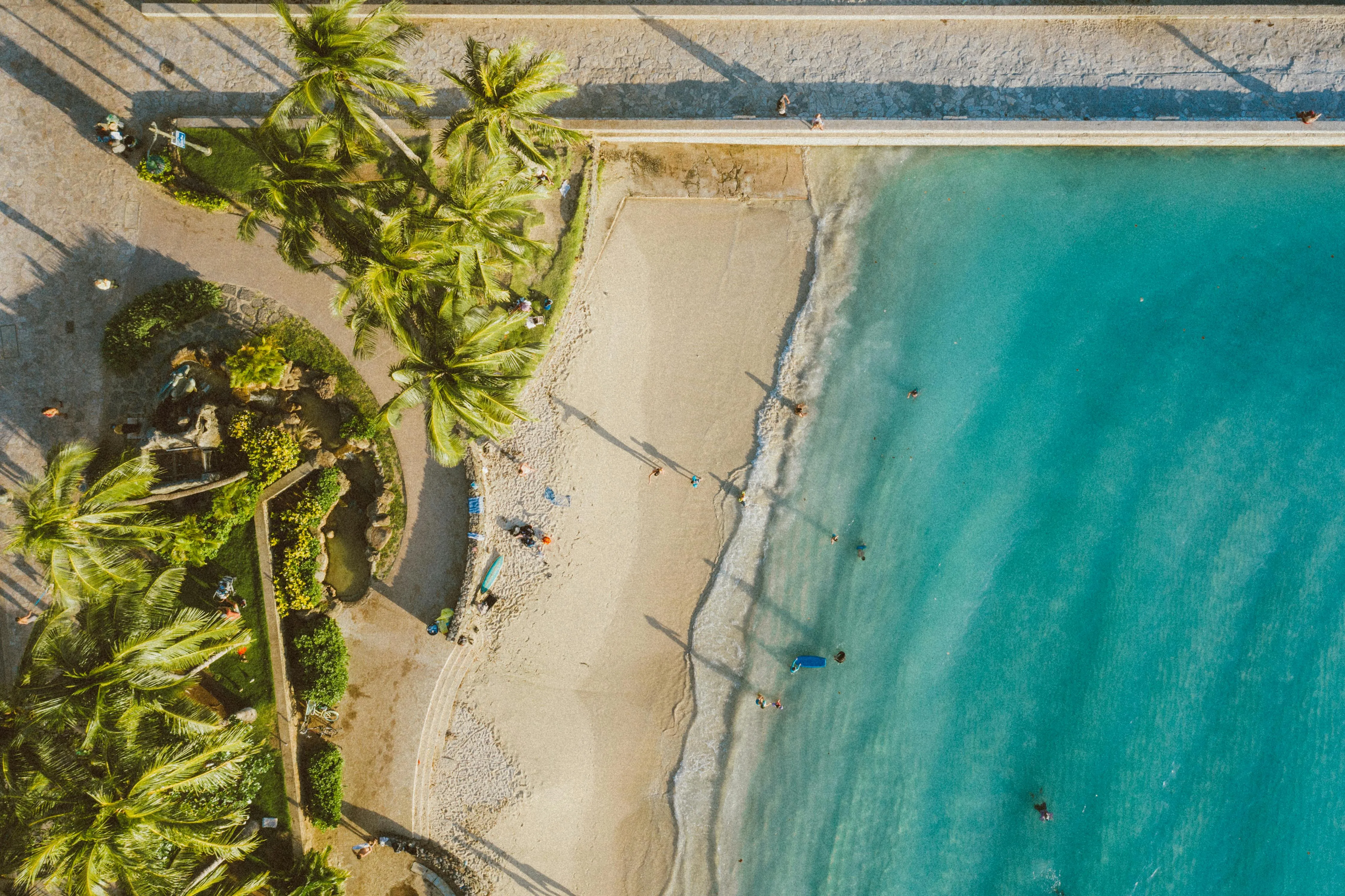
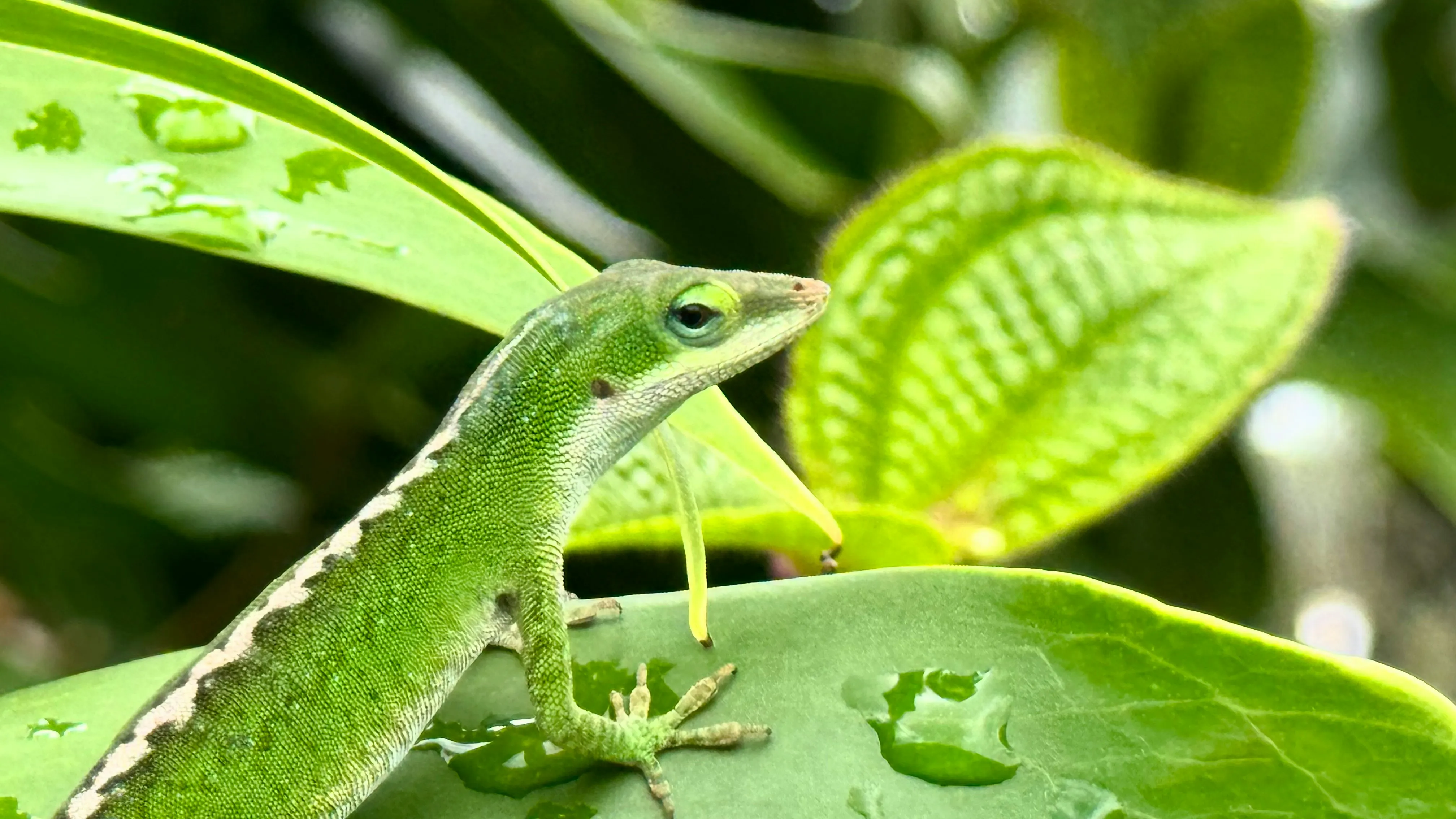

Hilo is a charming town located on the northeastern side of the Big Island of Hawaii. Known for its lush landscapes and vibrant culture, Hilo serves as the island's largest settlement and a gateway to exploring its natural wonders. The town is famous for its beautiful gardens, such as the Liliʻuokalani Gardens, a serene Japanese garden offering picturesque views and a tranquil atmosphere. Nearby, the Wailuku River State Park features the stunning Rainbow Falls, a popular spot for both locals and visitors.
Hilo is also a cultural hub, with attractions like the Pacific Tsunami Museum and the Imiloa Astronomy Center, which highlight the region's unique natural history and connection to the stars. The town's historic downtown area is filled with quaint shops, local eateries, and the renowned Hilo Farmers Market, where visitors can experience the flavors and crafts of Hawaii. Additionally, Hilo's proximity to Hawaii Volcanoes National Park makes it an ideal base for exploring the island's volcanic landscapes, including the active Kilauea and Mauna Loa volcanoes. With its blend of natural beauty, cultural richness, and access to the island's diverse attractions, Hilo offers a unique and immersive Hawaiian experience.
History
Hilo, located on the eastern coast of the Big Island of Hawaii, has a rich historical tapestry that reflects both its indigenous roots and its development through various economic phases. Originally inhabited by the native Hawaiian people, Hilo has long been an area of settlement due to its fertile lands and abundant natural resources. The town's name is thought to have originated from a Hawaiian word meaning "to twist," possibly referring to the twisting of the threads used in traditional Hawaiian mats.
In the late 19th and early 20th centuries, Hilo became a bustling center for Hawaii's sugar industry, which attracted a diverse influx of immigrants, including workers from Japan, China, Portugal, and the Philippines. This period marked a significant transformation in Hilo's demographic and cultural landscape, contributing to the vibrant multicultural community it is known for today. Hilo also faced significant natural challenges, such as the devastating tsunamis of 1946 and 1960, which reshaped its waterfront and led to the development of the Pacific Tsunami Warning Center to help prevent future disasters. Despite these challenges, Hilo has maintained its historical charm and continues to celebrate its heritage through cultural festivals and preservation of historic sites, making it a vital link to understanding the broader history of Hawaii.