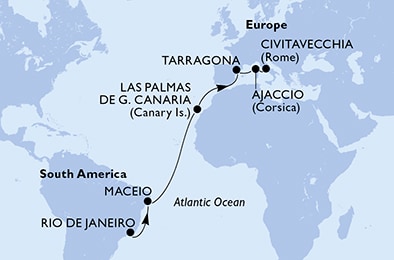
Port Ajaccio


Ajaccio features a friendly layout where the vibrant downtown seamlessly transitions from bustling, palm-lined boulevards to enchanting historic quarters. The laid-back Mediterranean lifestyle revolves around the lively square Place Foch, where a colorful market takes place daily, filled with aromatic Corsican cheeses, cured meats, and fresh local fruits. A stroll through the narrow, sun-bleached streets of the old town reveals magnificent cultural landmarks, such as the imperial museum Palais Fesch, which houses an exceptional collection of Italian paintings, and the elegant cathedral in Ajaccio, where the most famous native of the city was baptized.
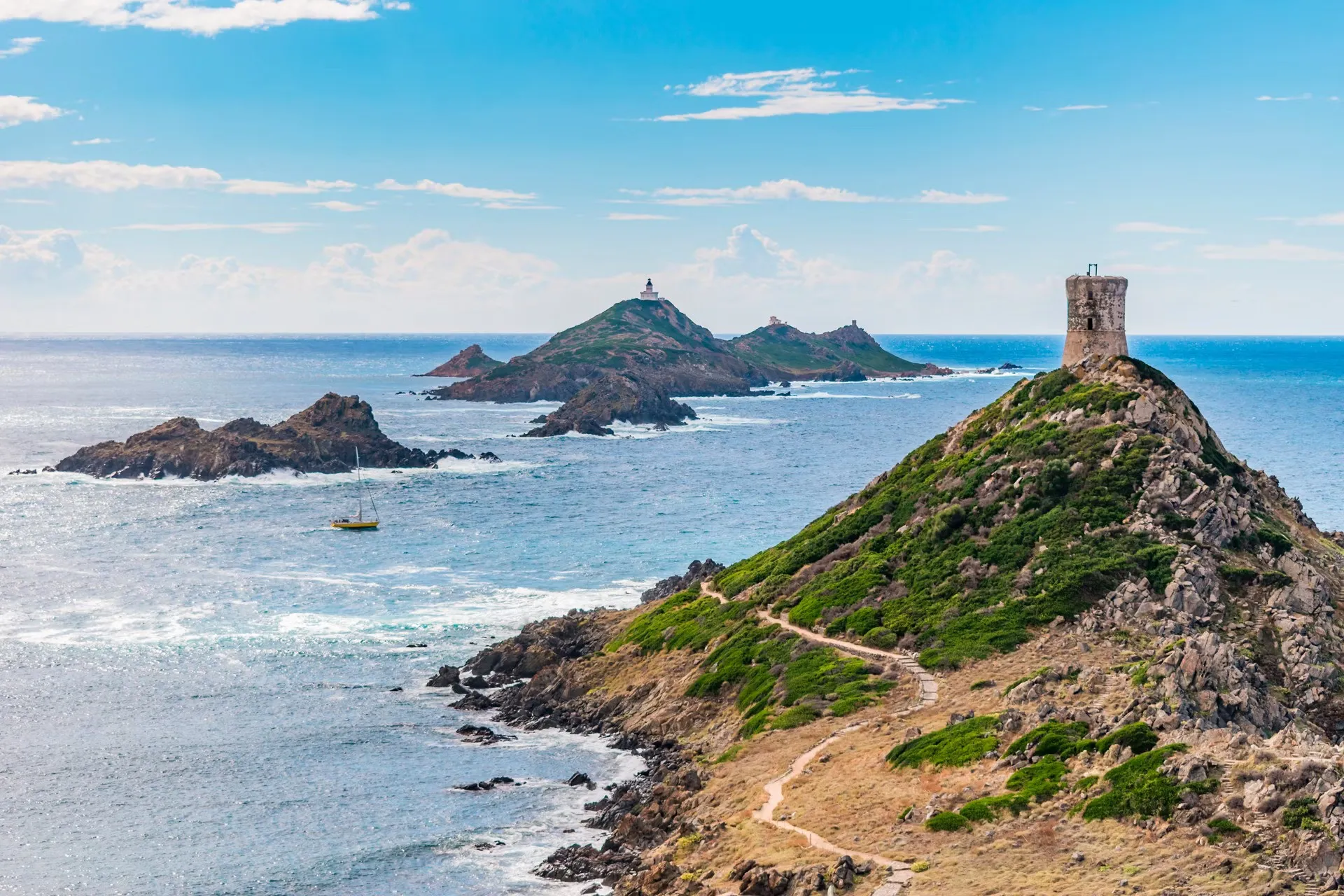
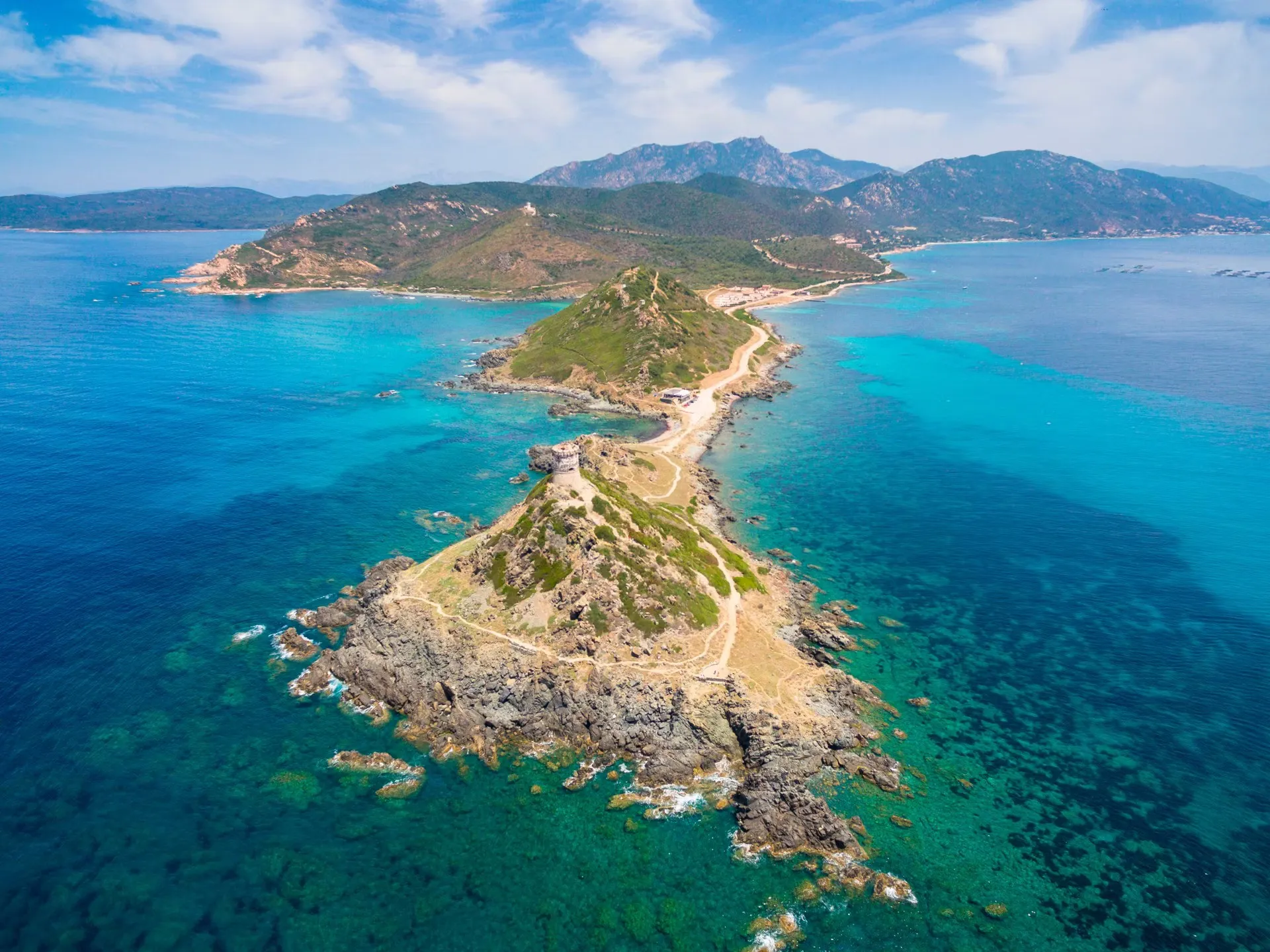
The local lifestyle places great emphasis on outdoor relaxation, maritime traditions and stunning coastal landscapes. The iconic waterfront promenade Route des Sanguinaires stretches west of the center and leads to pristine sandy beaches and dramatic rocky viewpoints. Ajaccio offers a diverse culinary scene shaped by authentic Corsican flavors and fresh seafood, perfectly balancing sophisticated French island culture with a relaxed, sun-soaked atmosphere.
History
The history of Ajaccio began as a modest settlement under Genoese rule, with the modern city officially founded in 1492 as a strategic fortified base in the Mediterranean. For centuries, it served as a key fortress of the Republic of Genoa, developing a distinctive architectural style and a maritime economy heavily influenced by Italian traditions. A pivotal turning point was the year 1768, when Genoa ceded Corsica to France, forever changing the political and cultural fate of the island.
Just a year later, in 1769, the historic core of the city became the birthplace of Napoleon Bonaparte, a monumental figure who became the French emperor and rewrote the history of Europe. During the reign of his nephew, Napoleon III, the city center underwent a significant transformation into an elegant winter resort for European aristocracy, giving rise to wide boulevards and grand hotels. Today, Ajaccio is a thriving metropolis that celebrates its French and Italian heritage while carefully preserving its historic citadel and proud Corsican identity.
Tip for a trip in Ajaccio
Prunelli Gorge and mountain villages: A picturesque trip into the rugged Corsican interior, winding around dramatic red granite canyons, the Tolla dam, and lush chestnut forests. The route leads to traditional mountain villages where you can experience authentic island life and taste artisanal cured meats and cheeses.
Cruise to the Blood Islands (Îles Sanguinaires): A popular sea route along the bay to the untamed archipelago Sanguinaires, which is a protected nature reserve and got its name from the deep red hue the rocks take on at sunset. The trip includes a stop at the historic Alata lighthouse and the opportunity to observe seabirds or dolphins.
Turtle park and nature walk in the Gravona valley: An engaging nature trip heading inland to the turtle reserve A Cupulatta, which is the largest park of its kind in Europe and is dedicated to the breeding and protection of turtles from around the world. The day ends with a scenic ride through the green valley of the Gravona river.