
Port Haifa
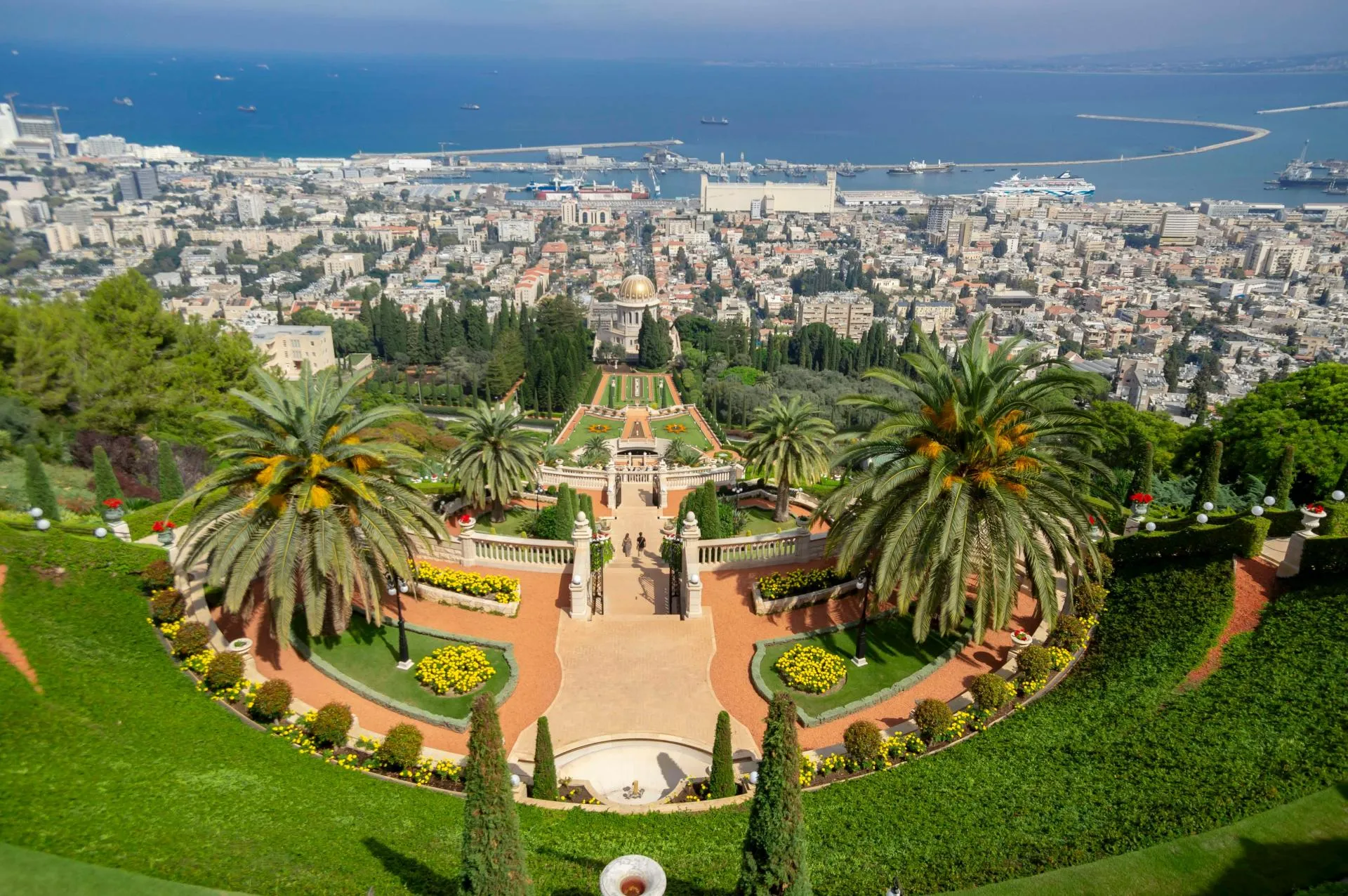
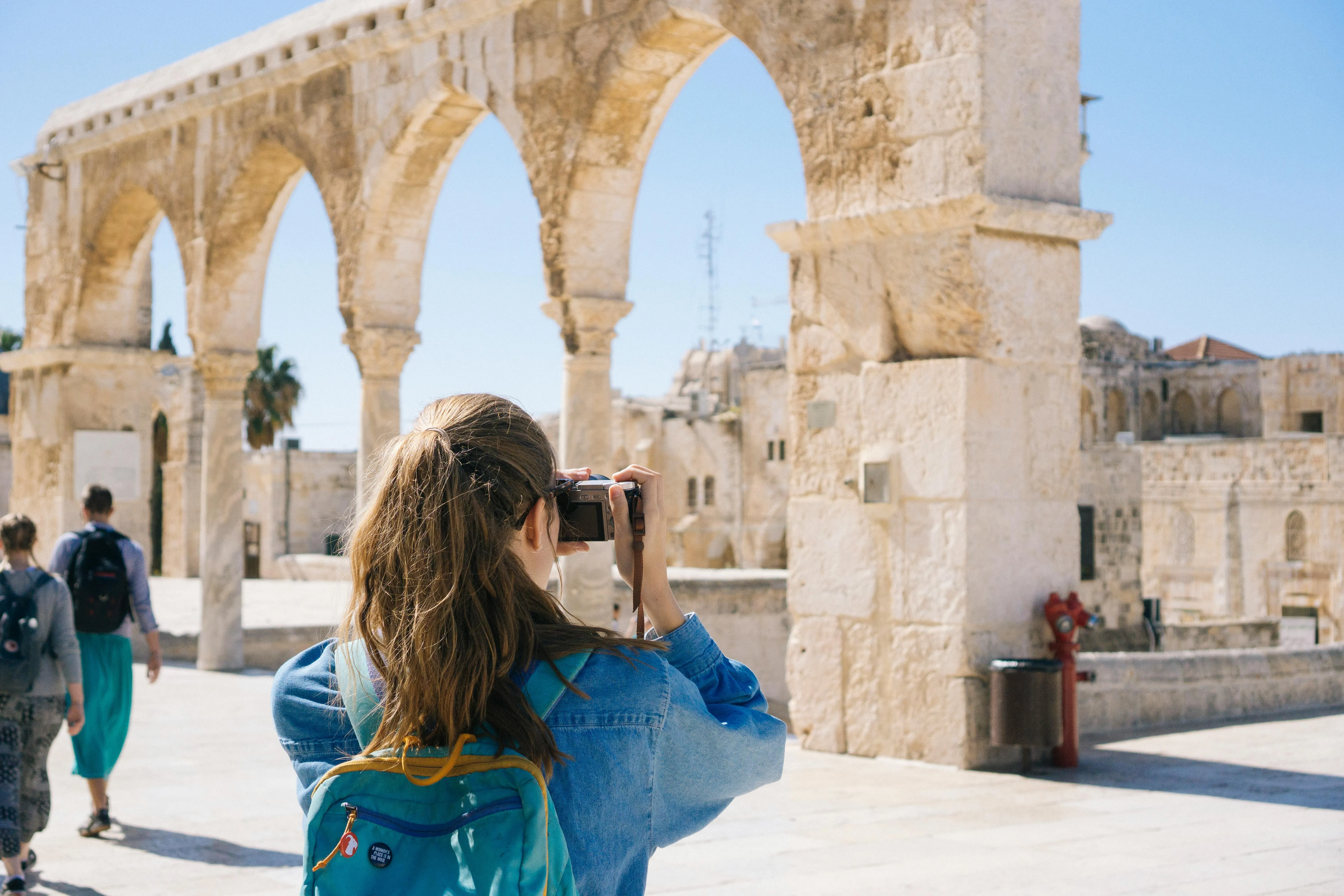
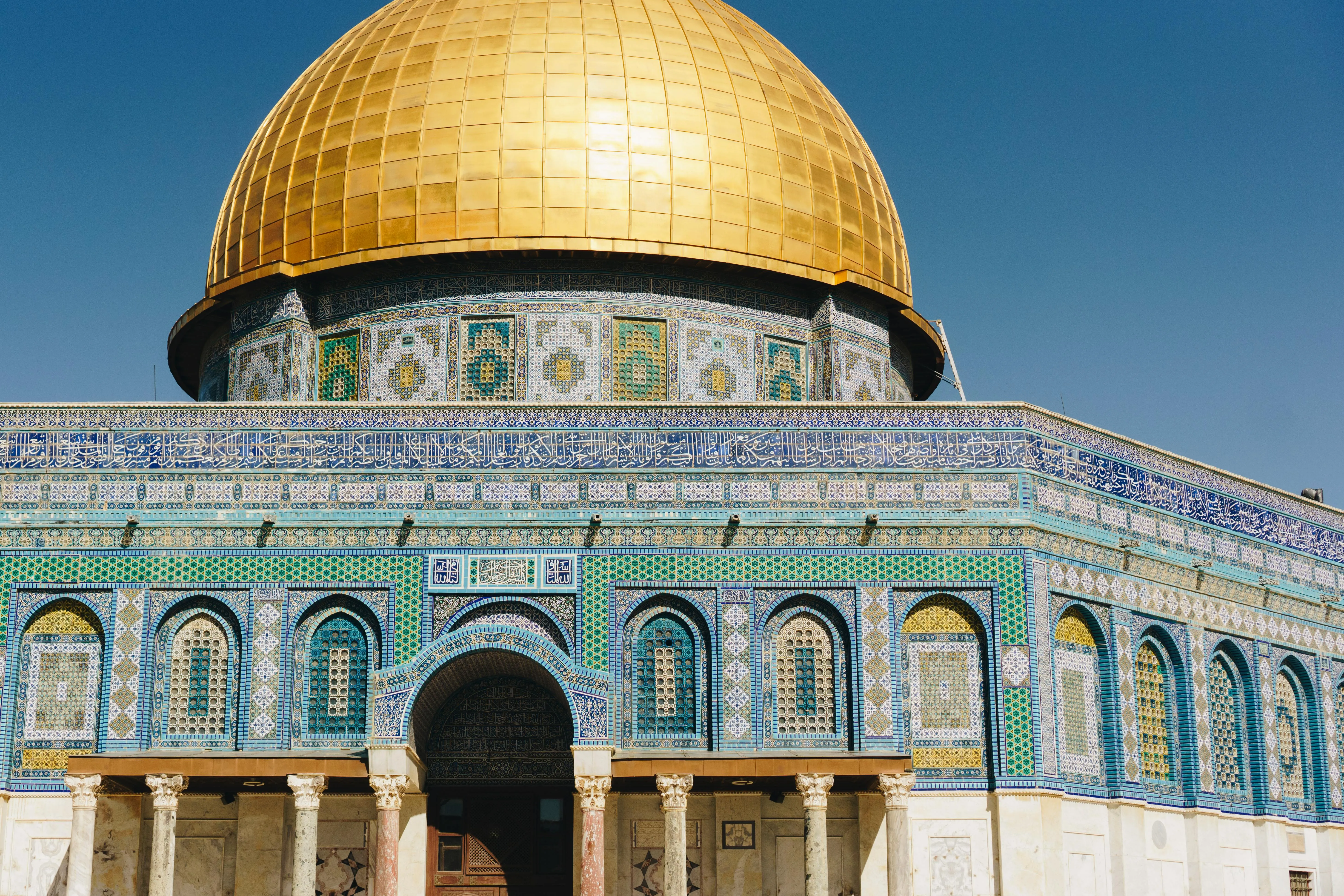
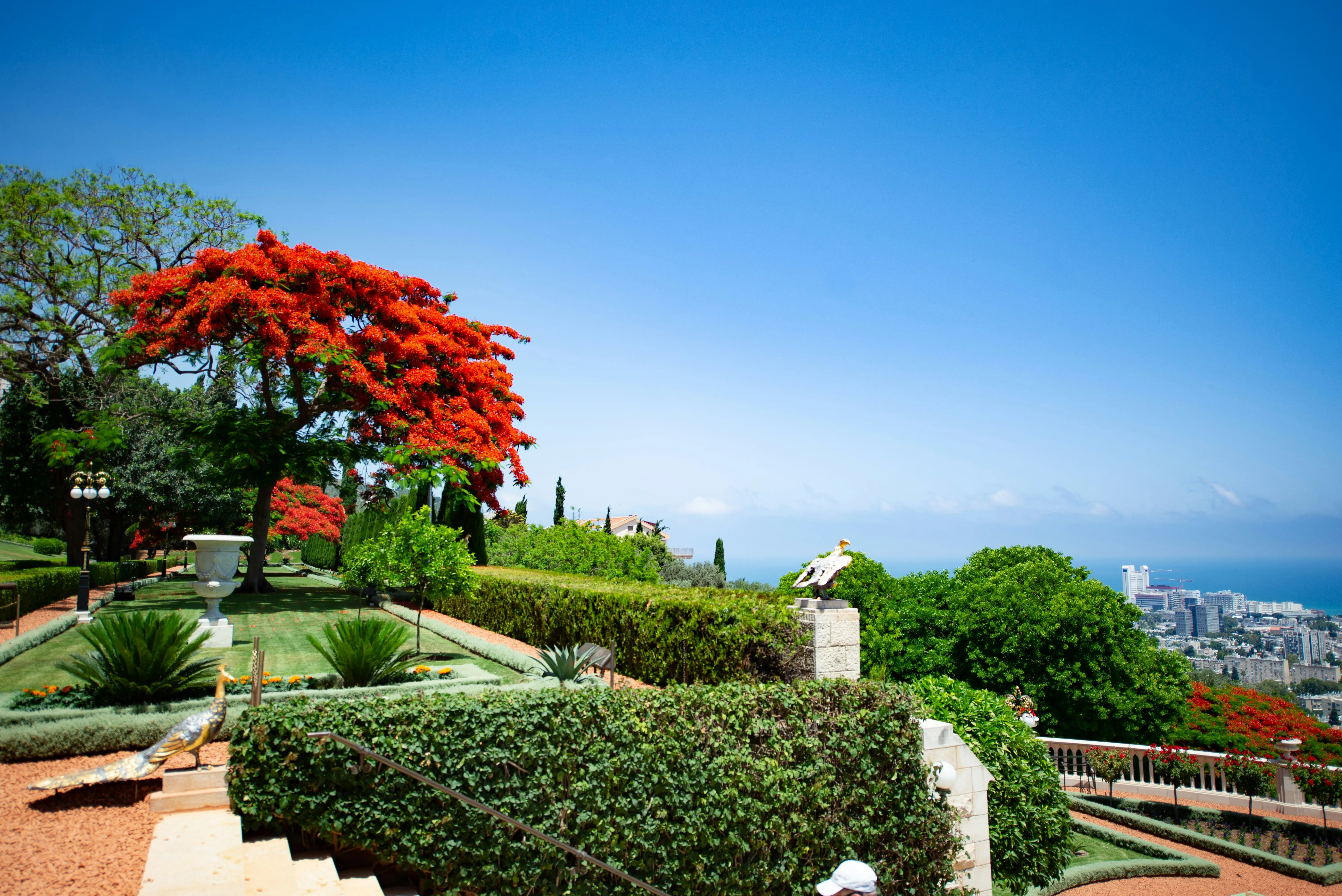
Haifa, the third-largest city in Israel, is a vibrant port city renowned for its stunning location on the slopes of Mount Carmel, with sweeping views of the Mediterranean Sea. It is famous for the magnificent Baha'i Gardens, a UNESCO World Heritage site, which attracts visitors from around the world. The city serves as a cultural and religious hub with a rich history, home to a diverse population that exemplifies the coexistence of various cultures and religions. In addition to its historical significance, Haifa offers a wealth of cultural experiences, including numerous museums and galleries, providing insight into both its ancient and modern heritage.
Beyond its cultural and historical richness, Haifa is a thriving center of industry and technology. It hosts several research institutions and high-tech companies, marking its prominence as a hub for innovation and economic activity in the region. The city is also noted for its beautiful beaches and natural parks, like the sprawling Carmel National Park, which offer plenty of outdoor activities and scenic beauty. Haifa's blend of natural allure, cultural diversity, and economic vitality makes it a key city in Israel, offering a unique and enriching experience to all who visit or reside there.
History
Haifa has a rich and diverse history that reflects its strategic location and cultural significance. The city's origins can be traced back to ancient times, with evidence of settlement by the Canaanites around the 14th century BCE. Over the centuries, Haifa has been influenced by a multitude of civilizations, including the Phoenicians, Romans, and Byzantines. During the Crusader period, the city became a fortified coastal town, playing a key role in the Crusaders' efforts in the Holy Land. The subsequent Mamluk and Ottoman periods saw Haifa evolve from a small fishing village into a modest but important port city.
The modern development of Haifa began in the late 19th and early 20th centuries, particularly under Ottoman rule and later under the British Mandate. The construction of the Hejaz Railway and the expansion of the port facilitated Haifa's growth as a major industrial and transportation hub. During the British Mandate, the city’s population expanded significantly, with a mix of Jewish and Arab communities contributing to its cultural diversity. After the establishment of the State of Israel in 1948, Haifa became an important center for industry, education, and technology. Today, it is known not only for its economic significance but also for landmarks such as the Bahá'í Gardens, a UNESCO World Heritage site, and its reputation for coexistence among its diverse population.