Port Helsinki
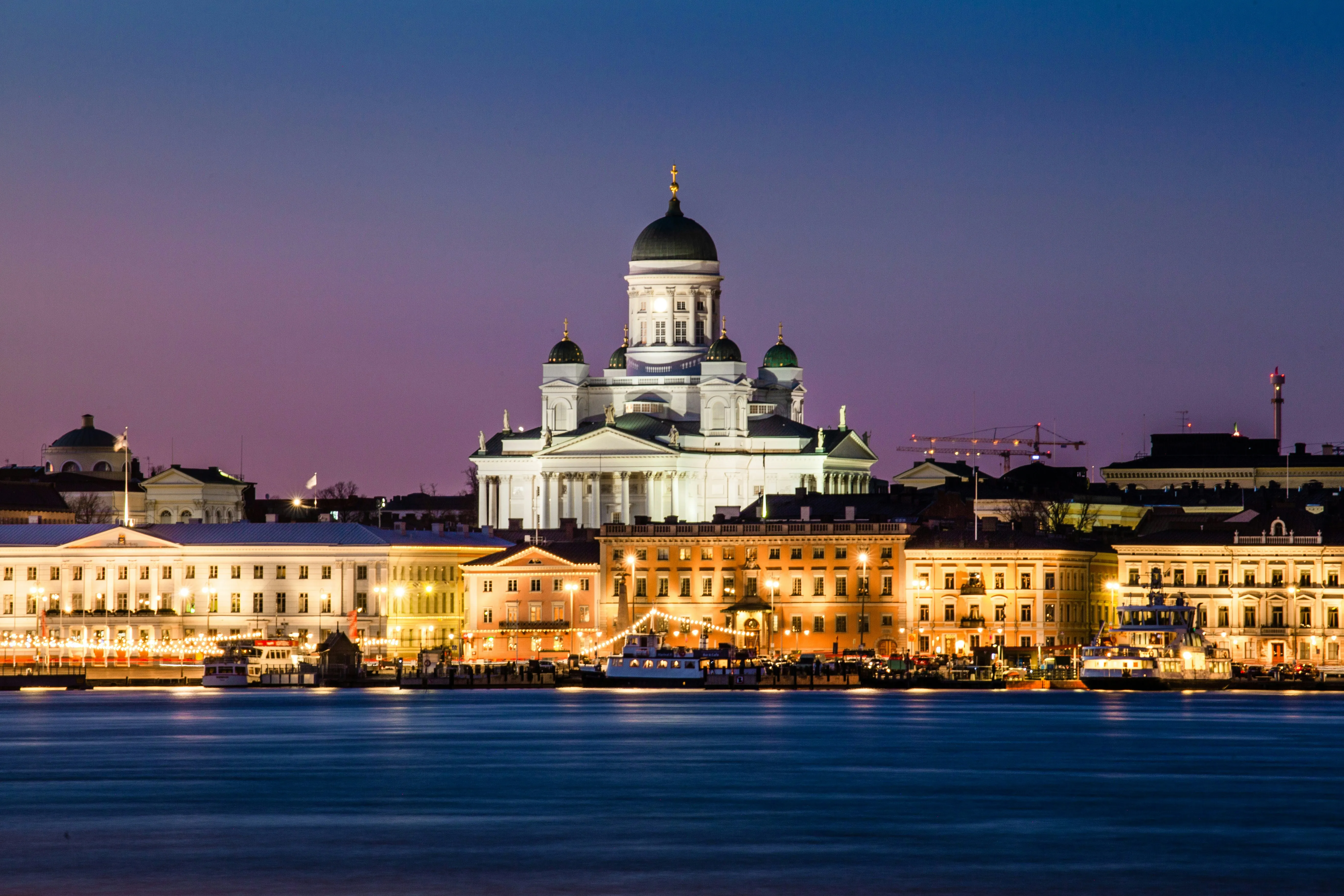
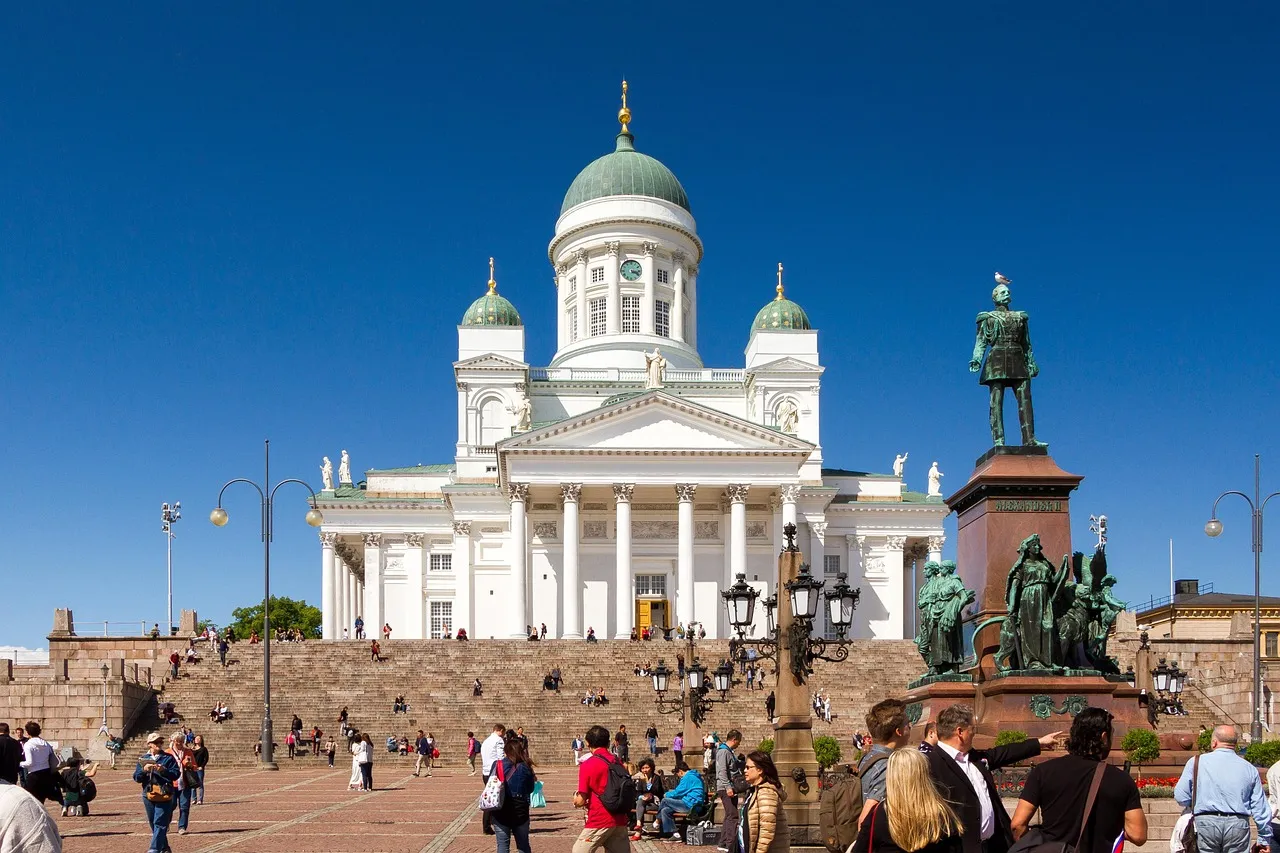
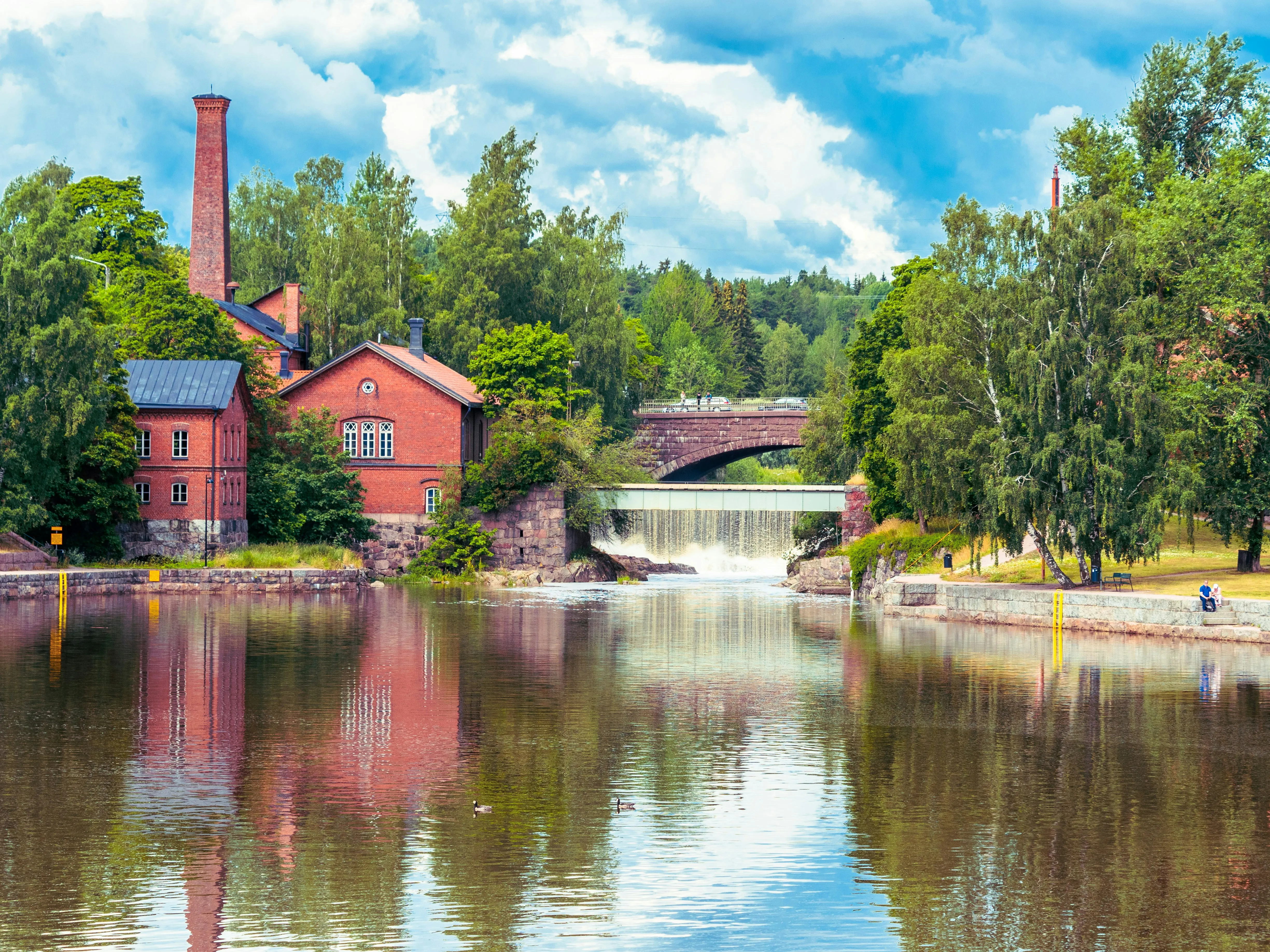
Helsinki, the capital of Finland, is a vibrant city known for its stunning architecture, rich cultural scene, and beautiful coastal setting. Located on the shores of the Gulf of Finland, Helsinki offers a unique blend of modern urban life and pristine natural beauty. The city's architecture is a mix of neoclassical, art nouveau, and contemporary styles, with iconic landmarks such as the Helsinki Cathedral, the Temppeliaukio Church (Rock Church), and the Sibelius Monument.
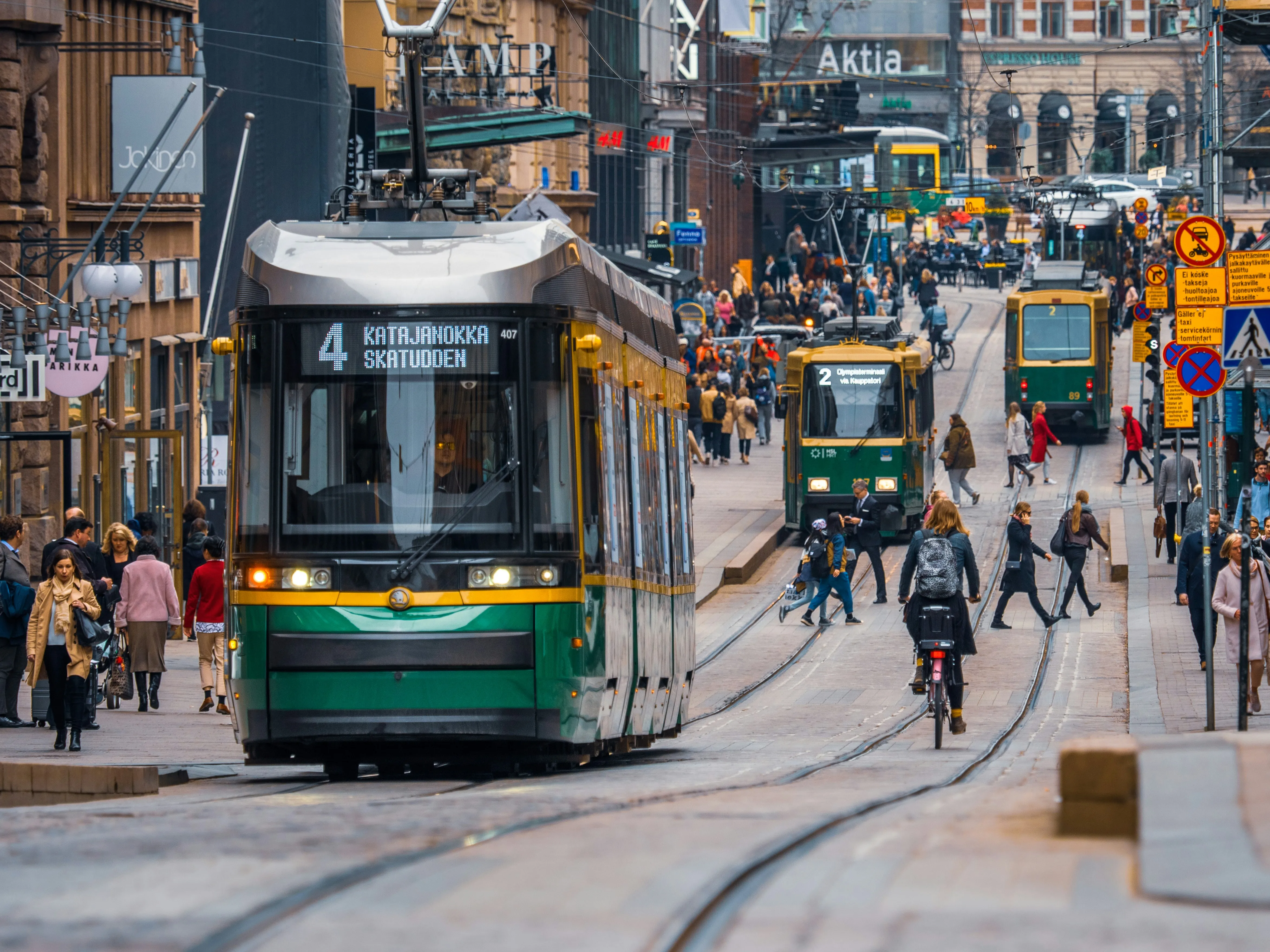
Helsinki is also renowned for its thriving cultural scene, hosting numerous museums, galleries, and theaters. The Ateneum Art Museum and the Kiasma Museum of Contemporary Art are among the top attractions for art enthusiasts. The city is famous for its design district, showcasing Finland's world-renowned design heritage. Additionally, Helsinki offers a range of outdoor activities, with its numerous parks, islands, and waterfront areas perfect for exploring on foot or by bike. The city's efficient public transport system makes it easy to explore the diverse neighborhoods, each offering unique experiences and local flavors. With its dynamic blend of culture, design, and natural beauty, Helsinki is a captivating destination for travelers.
History
Helsinki, the capital of Finland, is a dynamic and cosmopolitan city situated on the northern coast of the Gulf of Finland. It was founded in 1550 by King Gustav I of Sweden to serve as a trading post meant to rival Tallinn. Despite its early establishment, Helsinki remained relatively small until the early 19th century. A pivotal moment in its history occurred in 1809 when Finland was ceded from Sweden to Russia, becoming an autonomous Grand Duchy under the Russian Empire. In 1812, the capital was moved from Turku to Helsinki by the Russians to curb Swedish influence and to bring the Finnish capital closer to Saint Petersburg. This decision catalyzed Helsinki's growth, and the city was extensively redesigned in a neoclassical style by architect Carl Ludvig Engel, giving it much of the architectural identity it retains today.
Throughout the 20th century, Helsinki evolved into Finland's political, economic, and cultural heart. The city withstood the challenges of World War II, enduring significant bombings but managing to recover swiftly in the post-war period. Hosting the 1952 Summer Olympics marked Helsinki’s emergence on the global stage, showcasing its resilience and modernity. Today, Helsinki is renowned for its high quality of life, innovative urban design, and vibrant cultural scene. It serves as a center for education, technology, and the arts, attracting visitors and residents with its unique blend of historical charm and contemporary Finnish design.