952 - Spring cruise through Japan and South Korea
Japan and Asia, 4/6/2027 – 4/21/2027




952 - Spring cruise through Japan and South Korea
Japan and Asia , April 6, 2027 - April 21, 2027
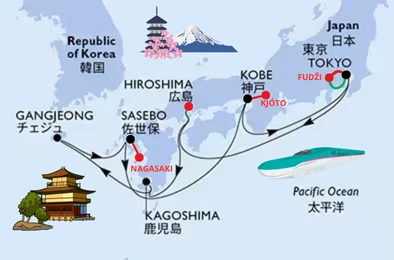
Your cruise route
1. day
Riviera Tour transfer (for an additional fee of CZK 1,390) on the route Frýdek-Místek - Ostrava - Olomouc - Vyškov - Brno to Prague Airport. Gathering of the whole group, check-in and departure to Japan with transfer.

2. - 3. day
Arrival to Tokyo, transfer to hotel, accommodation and overnight stay (transfer and accommodation included in tour price).
On the first day after breakfast at the hotel day trip with a local Czech-speaking guide around Tokyo (included in the price of the tour). Visit the symbol of the city, the famous Tokyo Tower, combined with a visit to a nearby Buddhist shrine with the opportunity to buy scented sticks (climb the tower on your own). Stop at a traditional fish market with lunch. Imperial Palace and Ginza, the most expensive district in Japan. In the evening, Shibuya district with the statue of Hachiko the dog and a view of the legendary crossroads. Individual dinner.
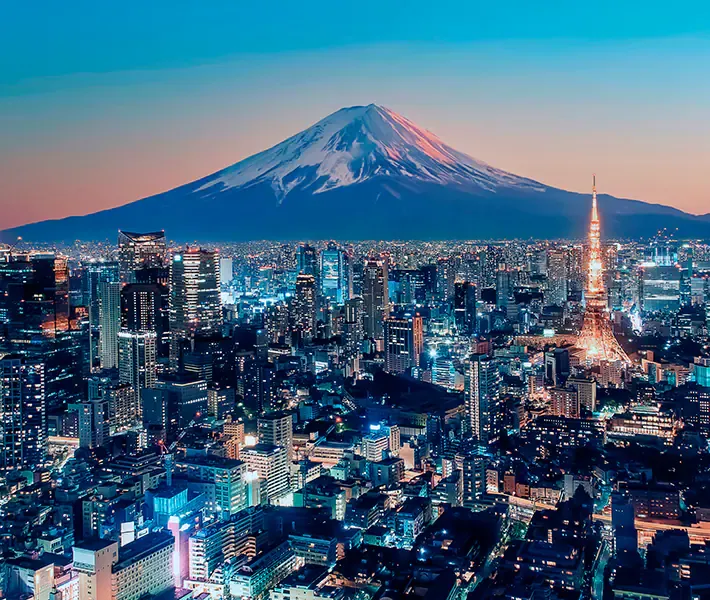
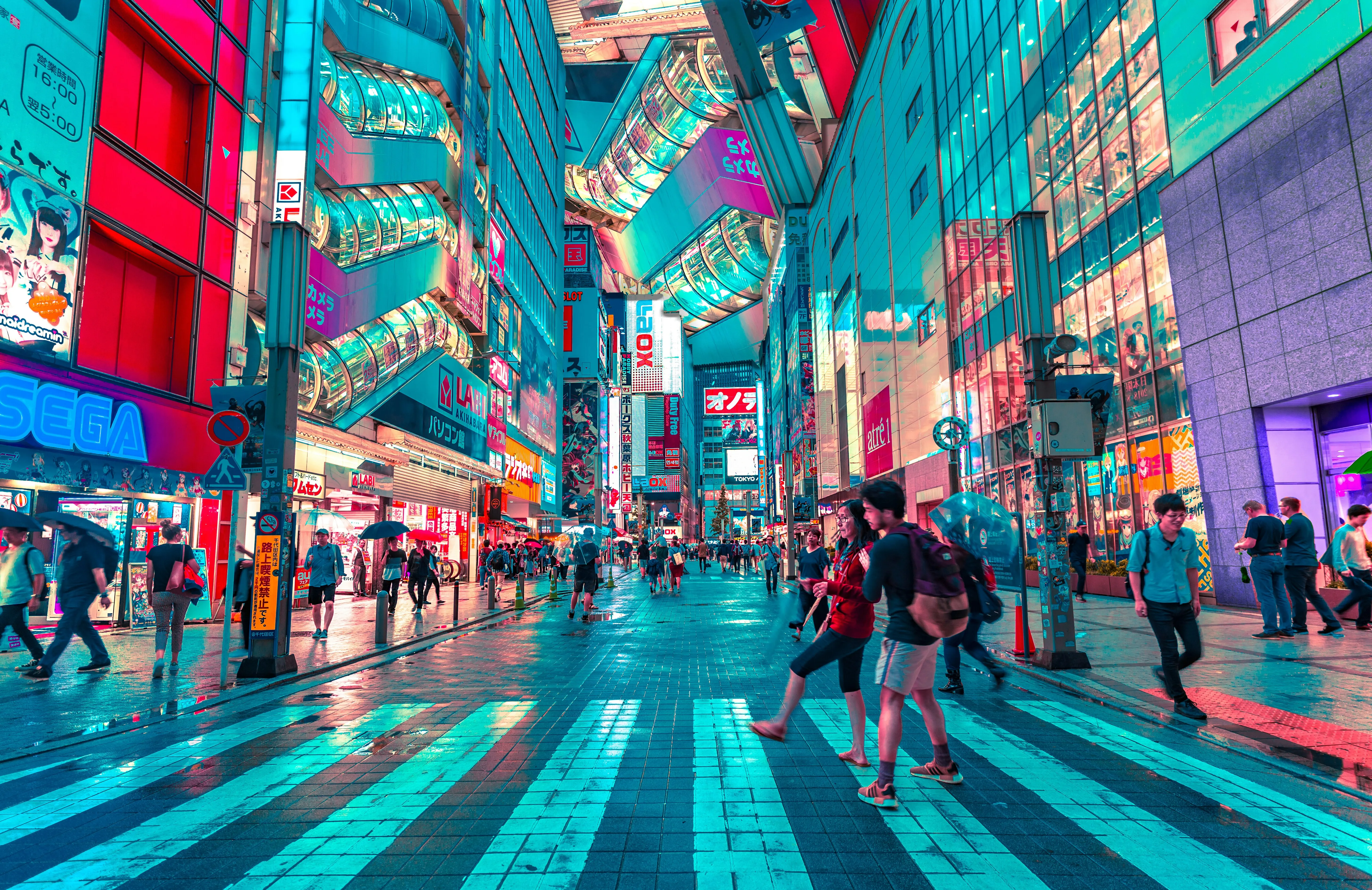


Tokyo's history is a fascinating story of transformation and resilience. Originally a small fishing village known as Edo, it became the seat of the Tokugawa Shogunate in the 17th century, beginning its journey to greatness. Under the rule of the shoguns, Edo developed into one of the world's greatest cities, filled with samurai, merchants and artists. This period, known as the Edo era, left the city with a rich cultural heritage that can still be admired today in historic districts such as Asakusa or in traditional gardens hidden among the skyscrapers.
In 1868, with the onset of the Meiji period and the transfer of the imperial seat from Kyoto, Edo was renamed Tokyo - "Eastern Capital". This era began the rapid modernization and westernization of Japan, of which Tokyo became the center. Despite the devastating earthquake of 1923 and the bombings of World War II, the city has always managed to rebuild itself, stronger than ever. This indomitability is evident in every aspect of modern Tokyo, which has become a symbol of Japanese innovation and progress without losing touch with its rich past. A walk through the streets of Tokyo is thus a time travel, where every corner tells the story of a city that is unafraid of change, yet honoring its roots.




Tokyo area: recommended to visit
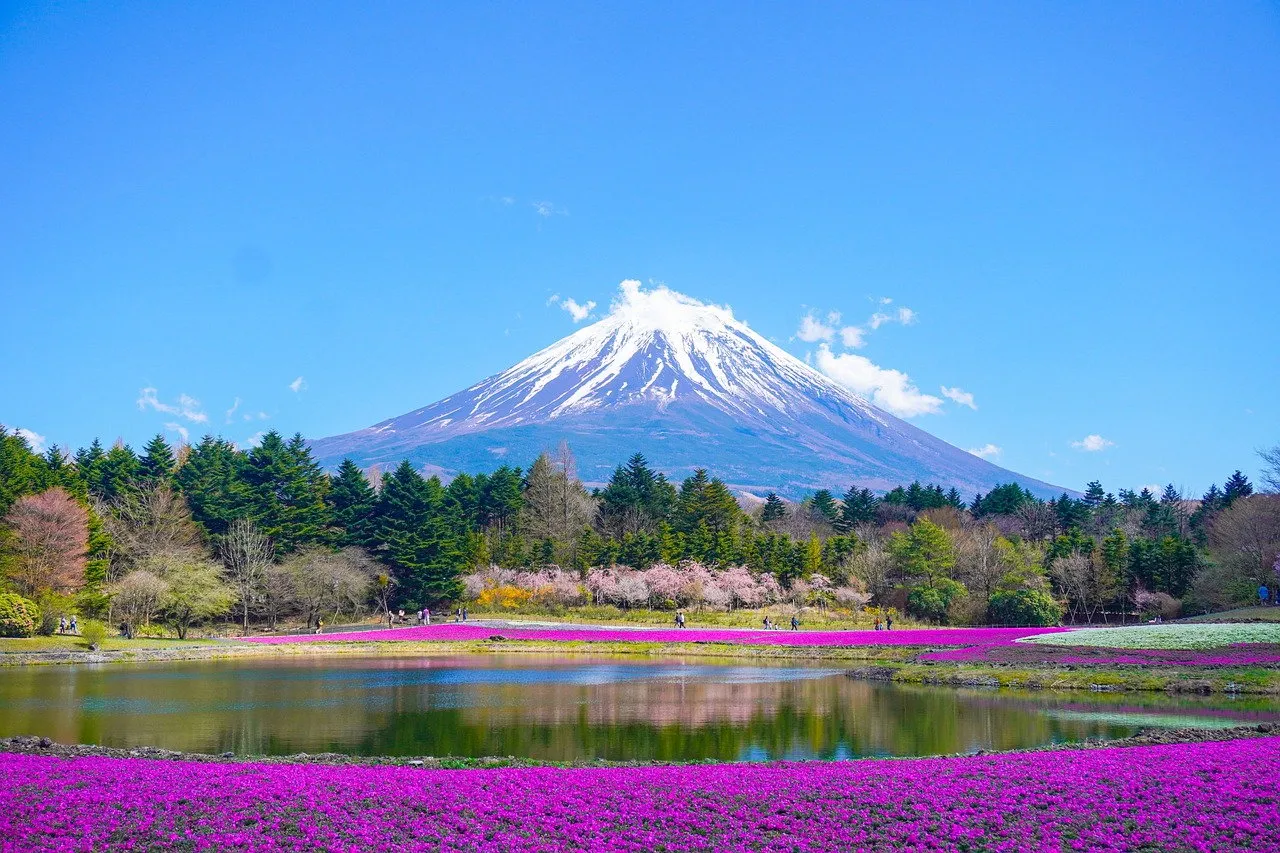
Mount Fuji
Fuji-Hakone-Izu National Park is a natural wonder that will take your breath away. The park is dominated by the majestic Mount Fuji, a sacred symbol of Japan whose perfect curves have inspired artists for centuries. In the Hakone area, you will discover the magical world of hot springs, where you can relax and recharge at the traditional onsen baths. A cruise on Lake Ashi will offer you breathtaking views of Mt. Fuji, while trails lead through dense forests beckoning you to explore. Whether you're looking for a spiritual experience, an active vacation or just an escape into nature, this park offers an unforgettable experience for every visitor.
Kamakura Historical Town
Kamakura, the former capital of medieval Japan, will enchant you with its rich history and peaceful atmosphere. Just an hour away from bustling Tokyo, you'll find yourself in a world of majestic temples, quiet gardens and imposing statues. Gaze at the iconic bronze statue of the Great Buddha, stroll through the bamboo grove at Hōkoku-ji Temple and enjoy the fresh sea air on the beaches lining the coast. Kamakura is the perfect place for those who want to experience the magic of traditional Japan.
4. day
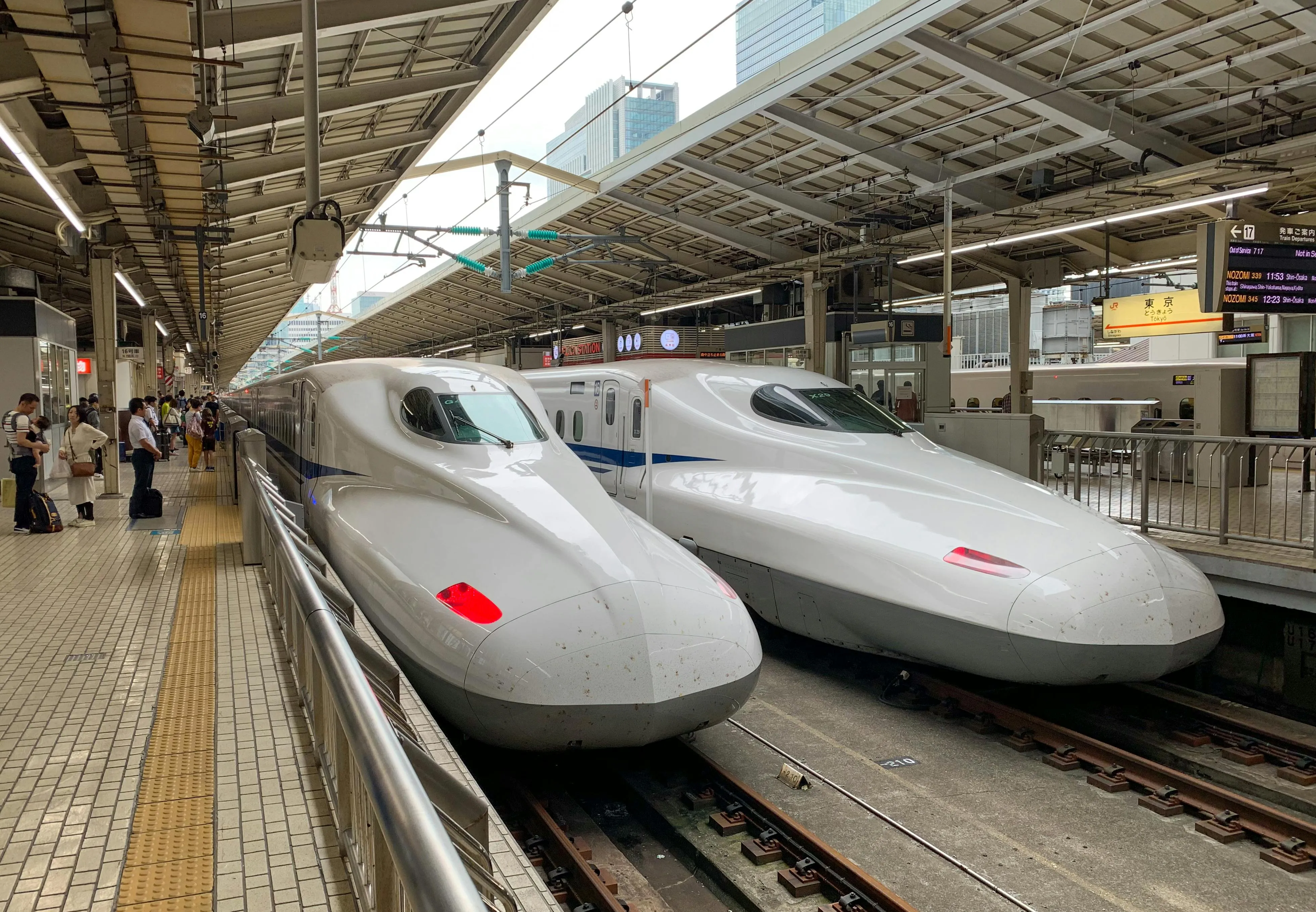
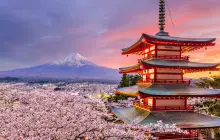
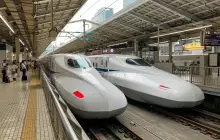
Second day in Tokyo after breakfast at the hotel day trip with a guide to Mount Fuji and shinkanzen train (included in the tour price). Bus trip to the area around the sacred volcano Mount Fuji, the symbol and highest mountain in Japan (3,776 meters). Japanese lunch (included) and return to Tokyo on the shinkanzen high-speed train, which reaches speeds of up to 320 km/h and is renowned for its reliability and safety. Return to hotel and individual dinner.
5. day
On the third day in Tokyo, breakfast, transfer to the port, loading and late lunch. Ship tour with delegate, safety drill, dinner and personal free time.
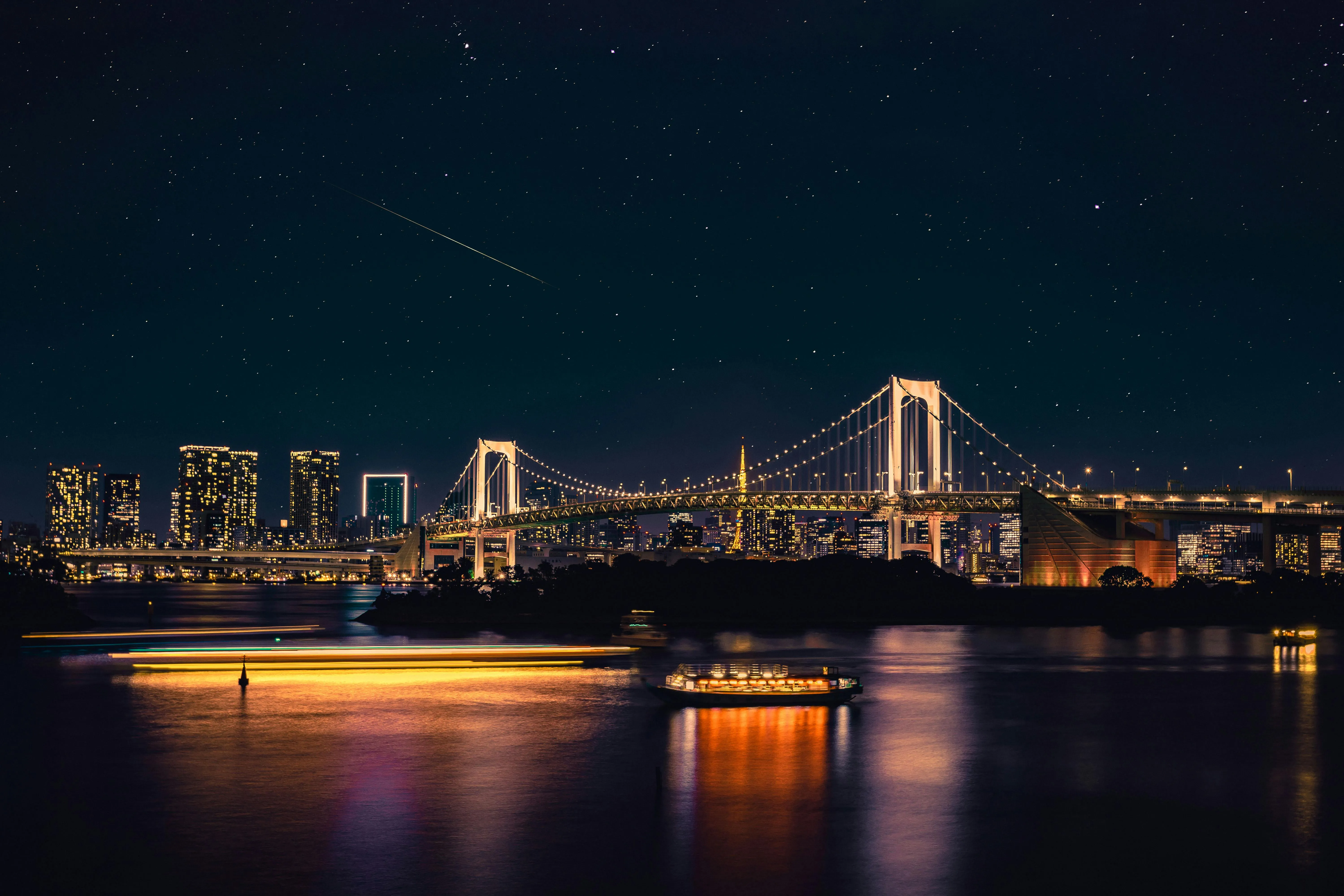
Tokyo's history is a fascinating story of transformation and resilience. Originally a small fishing village known as Edo, it became the seat of the Tokugawa Shogunate in the 17th century, beginning its journey to greatness. Under the rule of the shoguns, Edo developed into one of the world's greatest cities, filled with samurai, merchants and artists. This period, known as the Edo era, left the city with a rich cultural heritage that can still be admired today in historic districts such as Asakusa or in traditional gardens hidden among the skyscrapers.
In 1868, with the onset of the Meiji period and the transfer of the imperial seat from Kyoto, Edo was renamed Tokyo - "Eastern Capital". This era began the rapid modernization and westernization of Japan, of which Tokyo became the center. Despite the devastating earthquake of 1923 and the bombings of World War II, the city has always managed to rebuild itself, stronger than ever. This indomitability is evident in every aspect of modern Tokyo, which has become a symbol of Japanese innovation and progress without losing touch with its rich past. A walk through the streets of Tokyo is thus a time travel, where every corner tells the story of a city that is unafraid of change, yet honoring its roots.
Tokyo area: recommended to visit
Mount Fuji
Fuji-Hakone-Izu National Park is a natural wonder that will take your breath away. The park is dominated by the majestic Mount Fuji, a sacred symbol of Japan whose perfect curves have inspired artists for centuries. In the Hakone area, you will discover the magical world of hot springs, where you can relax and recharge at the traditional onsen baths. A cruise on Lake Ashi will offer you breathtaking views of Mt. Fuji, while trails lead through dense forests beckoning you to explore. Whether you're looking for a spiritual experience, an active vacation or just an escape into nature, this park offers an unforgettable experience for every visitor.
Kamakura Historical Town
Kamakura, the former capital of medieval Japan, will enchant you with its rich history and peaceful atmosphere. Just an hour away from bustling Tokyo, you'll find yourself in a world of majestic temples, quiet gardens and imposing statues. Gaze at the iconic bronze statue of the Great Buddha, stroll through the bamboo grove at Hōkoku-ji Temple and enjoy the fresh sea air on the beaches lining the coast. Kamakura is the perfect place for those who want to experience the magic of traditional Japan.
6. day at sea
7. day
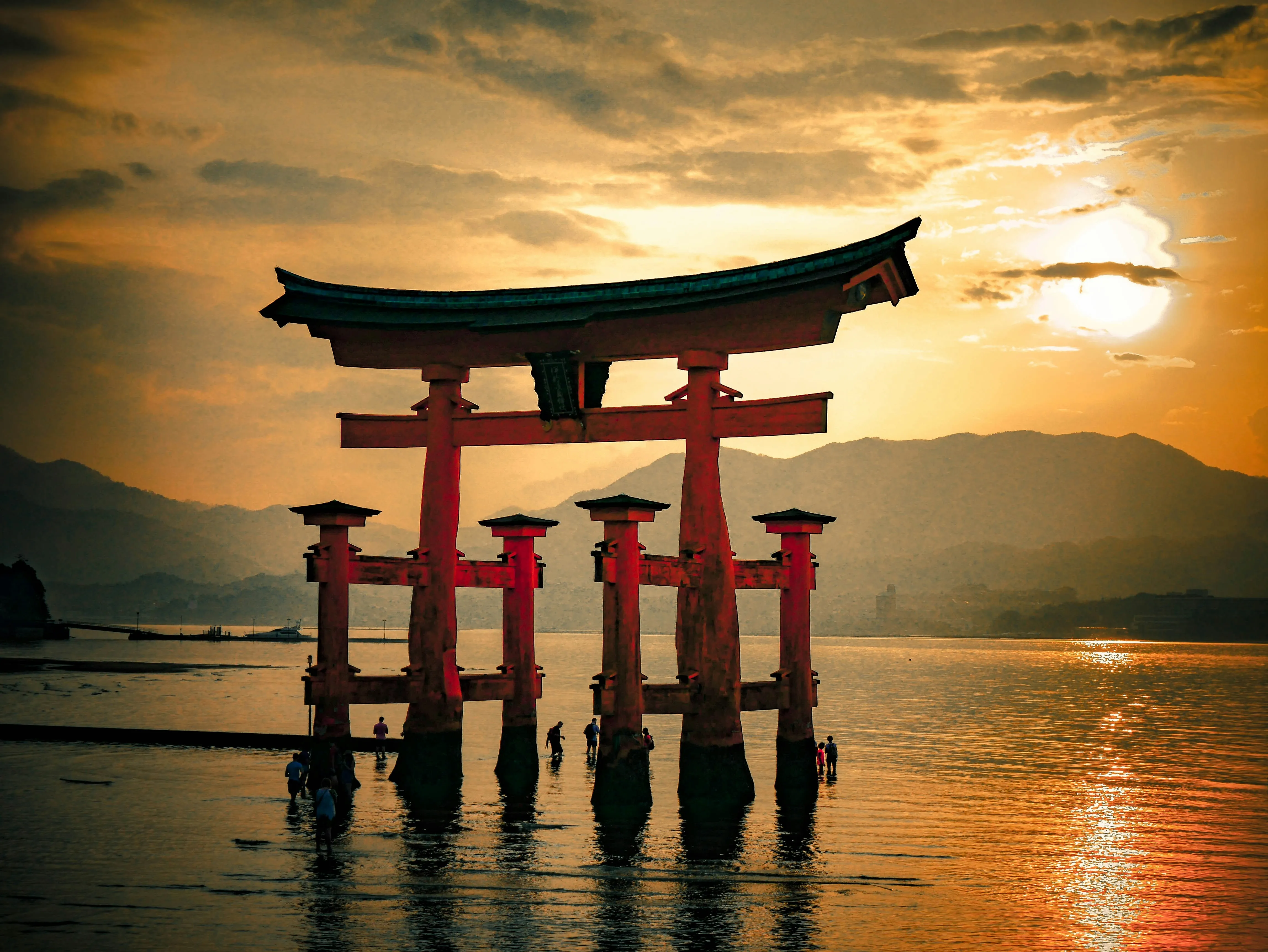
Hiroshima, a city in the southwest of Japan, captivates with its history, culture and natural beauty. The biggest attractions are the Hiroshima Peace Memorial (Atomic Bomb Dome) and the Peace Park with its museum commemorating the events of 1945. Nature lovers should not miss Mijajima Island with the famous Floating Gate Torii of the Itsukushima Shrine. In addition, you can enjoy a local specialty, the traditional okonomiyaki pancake. Visit Hiroshima and experience its unique spirit!
Included in the price of the tour is a day trip to Hiroshima with a local Czech-speaking guide.
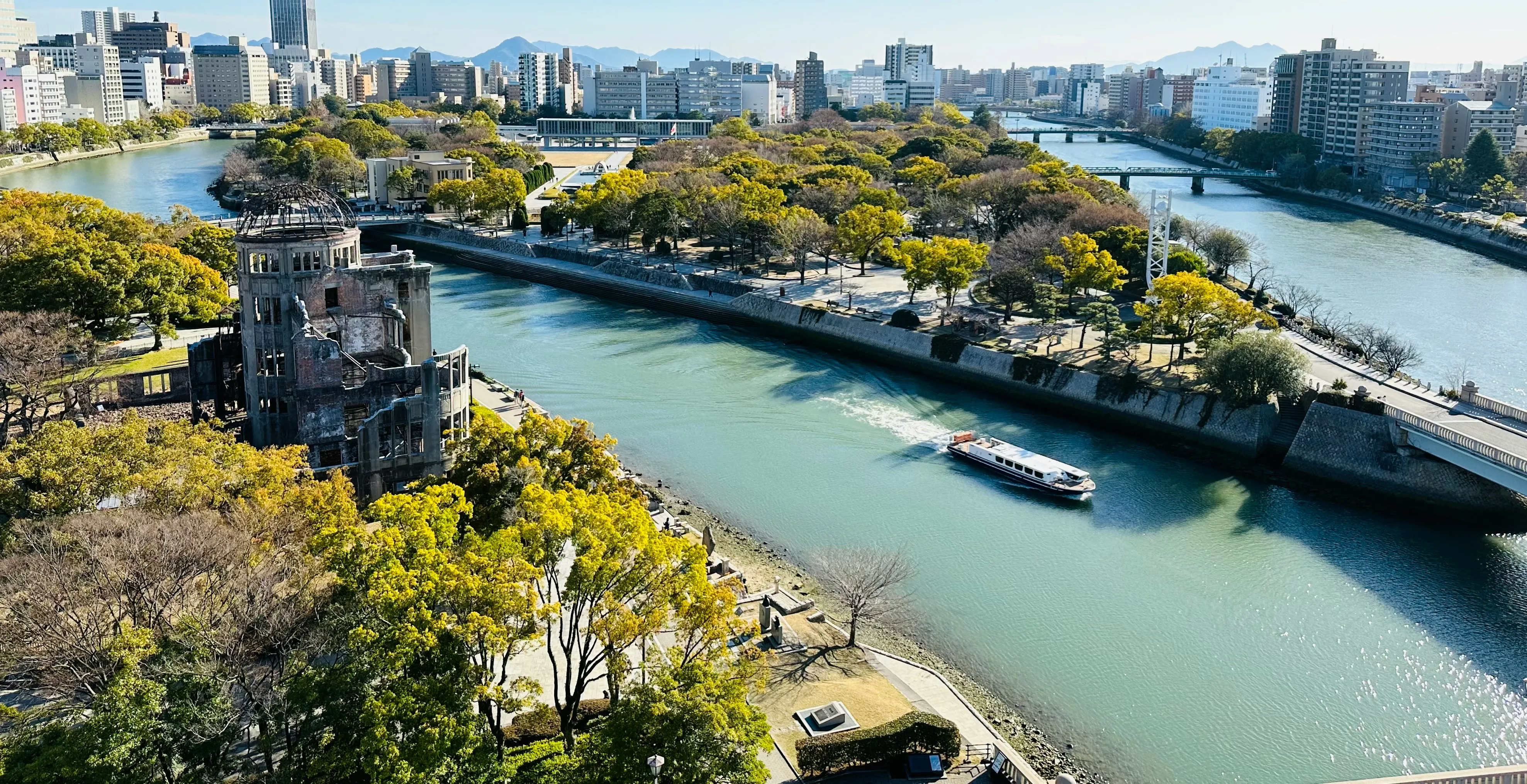
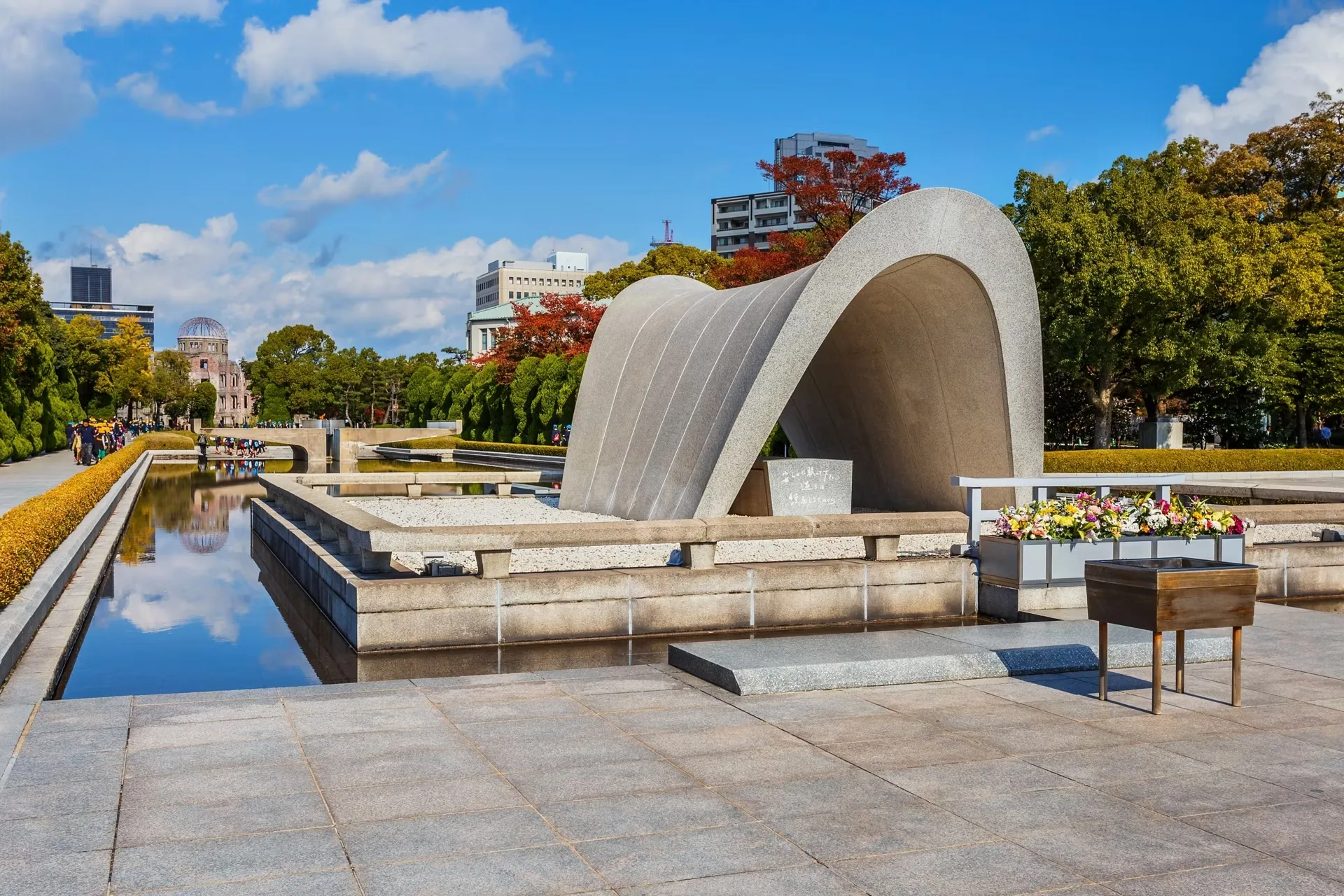
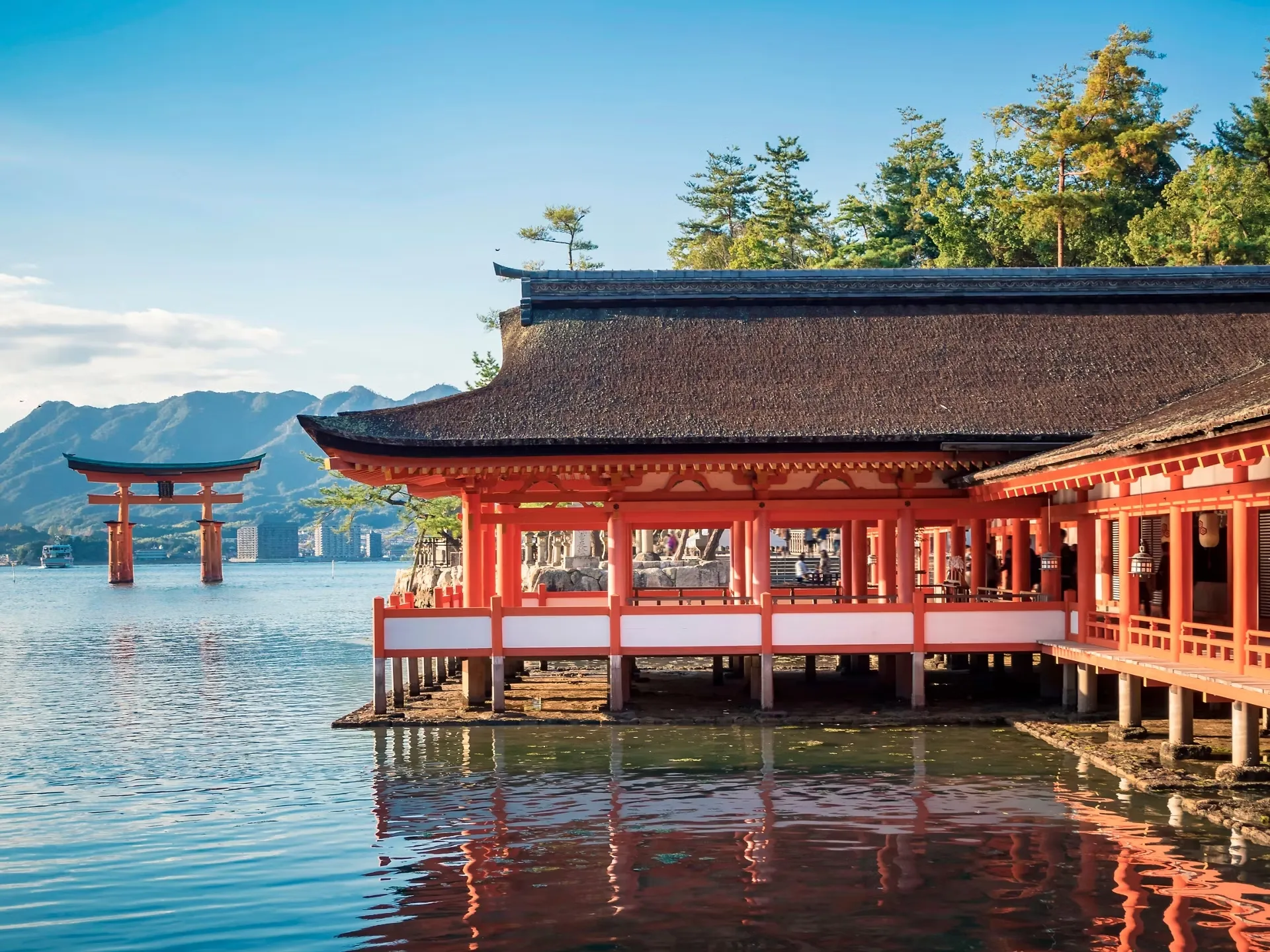
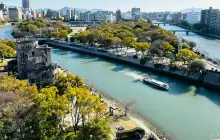
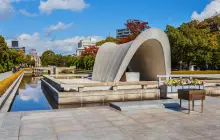
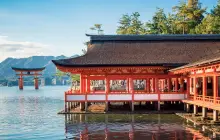
Hiroshima was originally founded as a castle town in 1589 by Mori Terumoto, a prominent feudal lord of the time. The city's strategic location on the delta of the Ota River helped it grow into a vital center for commerce and governance during the Edo period. As Japan modernized during the Meiji Restoration, Hiroshima expanded its industrial base, becoming a key military supply and logistics hub. Its prosperity continued into the 20th century, making it one of Japan's major urban centers.
The course of Hiroshima's history changed dramatically on August 6, 1945, when it became the first city to endure an atomic bombing, marking a pivotal moment in World War II and global military history. The immediate impact was catastrophic, with tens of thousands killed instantly and many more suffering the effects of radiation. In the aftermath, Hiroshima dedicated itself to peace and recovery, symbolized by the creation of the Hiroshima Peace Memorial Park. The park includes the Atomic Bomb Dome—a UNESCO World Heritage Site—and serves as a poignant reminder of the past while promoting a future of peace and nuclear disarmament. Hiroshima's transformation and resilience have made it an enduring symbol of hope and recovery.
8. day
Kagoshima in southern Japan is known for its fascinating nature and volcanic landscape. The biggest attraction is the active volcano Sakurajima majestically dominating the local skyline, which has given the city the nickname "the Naples of Japan". The city also offers the quiet gardens of Sengan-en with views of the volcano and the rich history of the samurai era. Lovers of traditional cuisine will appreciate the local specialty kurobuta - tender meat from black pigs. Kagoshima combines natural beauty, history and unique flavours.
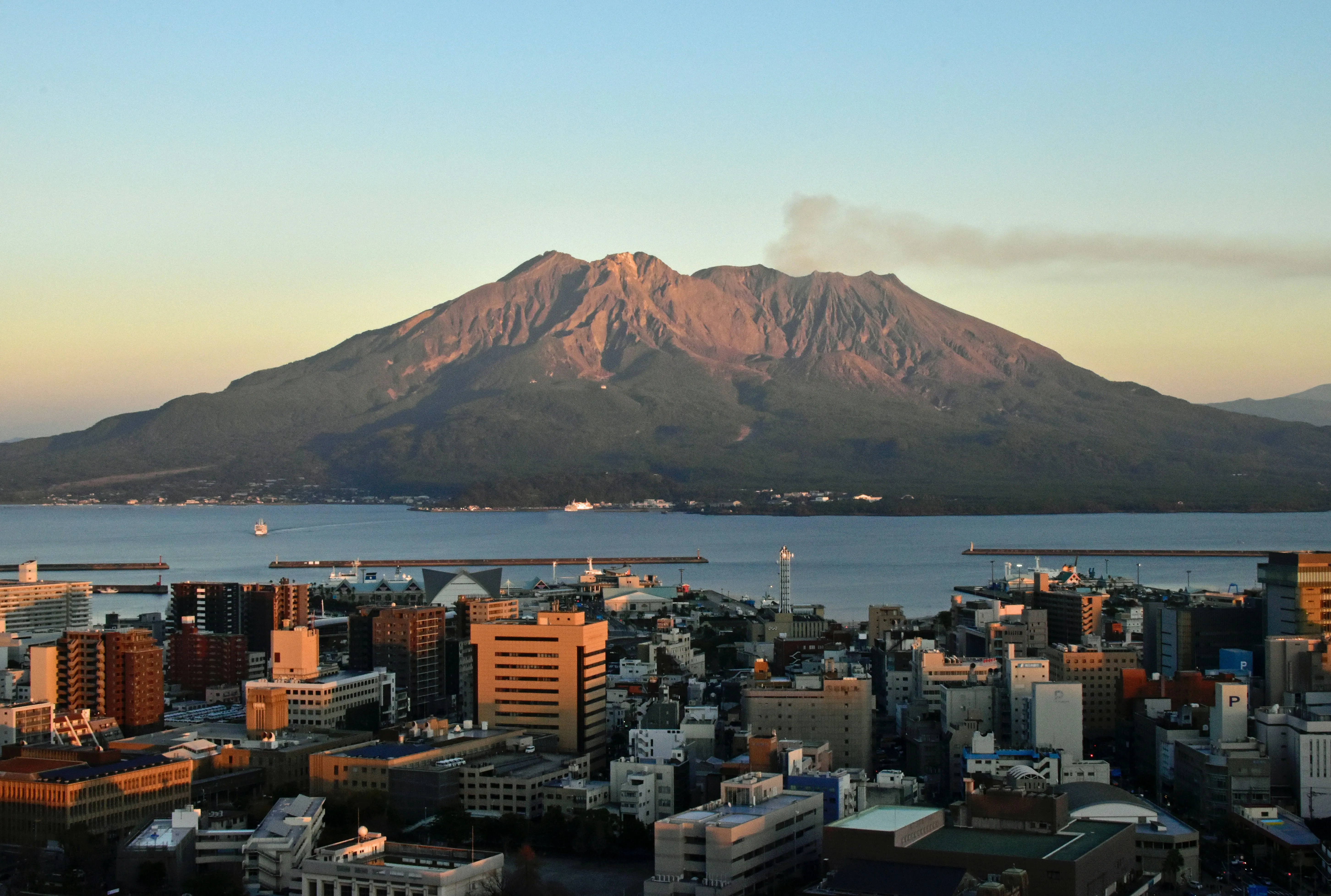
The port of Kagoshima, located in the southwestern corner of Kyushu, has a rich history that dates back to the 7th century. Known as the "Naples of the Eastern world" due to its bay location and scenic backdrop of an active volcano, Kagoshima was a significant naval base during the Sengoku period under the Shimazu clan. It was also a major center for Western learning and modernization during the Meiji period.
In 1549, the port was visited by Francis Xavier, a Roman Catholic missionary, marking the start of Christianity in Japan. Kagoshima's international influence grew when it opened as a foreign trade port in 1859. This allowed goods such as Satsuma ware (a type of pottery), Satsuma oranges, and shochu (a type of distilled alcohol) to be exported. In the late 19th century, it played a crucial role in the Meiji Restoration, a period of rapid modernization and westernization in Japan.
9. day
Jeju, South Korea's largest island, is known for its volcanic landscape and rich culture. The island is dominated by Halasan volcano, South Korea's highest mountain, surrounded by a beautiful national park. The town of Gangjeong, where we anchor, offers a unique insight into the life of local fishermen and traditional culture. The island is also famous for fame tunnels, such as Manjanggul, and breathtaking waterfalls, such as Cheonjeyeon. Food lovers will appreciate the local specialities, such as fresh seafood and dishes made from mandarin oranges, which are the island's symbol. Jeju combines natural beauty, cultural richness and culinary experiences.
The delegate will take part in an optional MSC Cruises excursion in this port.


Gangjeong, a small village located on Jeju Island, South Korea, is known for its cultural, ecological, and political significance. Situated along the southern coast of Jeju, near the city of Seogwipo, Gangjeong has historically been a peaceful farming and fishing community, deeply connected to Jeju's traditions and natural environment. The village is particularly notable for its proximity to the Gangjeong Stream (Gangjeongcheon), which flows into the ocean, and for its lush farmland and biodiversity. Jeju Island itself, often referred to as the "Island of Peace", is a UNESCO World Heritage site, recognized for its volcanic landscapes, unique ecosystems, and cultural heritage.
Gangjeong gained international attention in the early 2000s due to its residents' and activists' opposition to the construction of a naval base in the village. The South Korean government initiated the project, claiming it was necessary for national security and regional stability. However, many locals and environmental activists resisted, citing concerns about its impact on the village's natural environment, culture, and way of life. The base's construction threatened areas like Gureombi Rock, a unique volcanic rock formation along the coastline, as well as local marine ecosystems. Despite years of protests and legal battles, the naval base was completed in 2016, but Gangjeong remains a symbol of grassroots activism and environmental advocacy. Today, the village continues to draw attention for its commitment to peace and environmental conservation, reflecting the broader cultural and ecological significance of Jeju Island.
10. day
Sasebo, a port city in southwestern Japan, attracts visitors with its beautiful nature and cultural atmosphere. The main attraction is Kyokushima, an archipelago with dozens of picturesque islands that can be viewed from sightseeing boats. Nearby is the town of Nagasaki, famous for its history and landmarks such as the Monument of Peace. Sasebo also offers a taste of local specialties, such as the famous Sasebo burgers. Combining natural beauty, history and gastronomy, Sasebo is an ideal base for exploring the region.
Included in the price of the tour is a day trip to Hiroshima with a local Czech-speaking guide.

The port of Sasebo has a rich history, with its origins dating back to 1889 when it was established as a naval port. Its strategic location in the Nagasaki prefecture made it a critical base for the Imperial Japanese Navy during World War II. Post-war, the United States Navy took control of the port and it remains an important part of the U.S. Fleet Activities Sasebo today.
In recent years, Sasebo has been transformed into a commercial and tourist hub. It is known for its beautiful natural features, including the nearby Kujukushima Islands. The port also serves as a gateway to the Saikai National Park. Furthermore, it has become a popular port of call for international cruise ships, fostering global cultural exchanges and contributing to the local economy.
11. day at sea
12. - 13. day
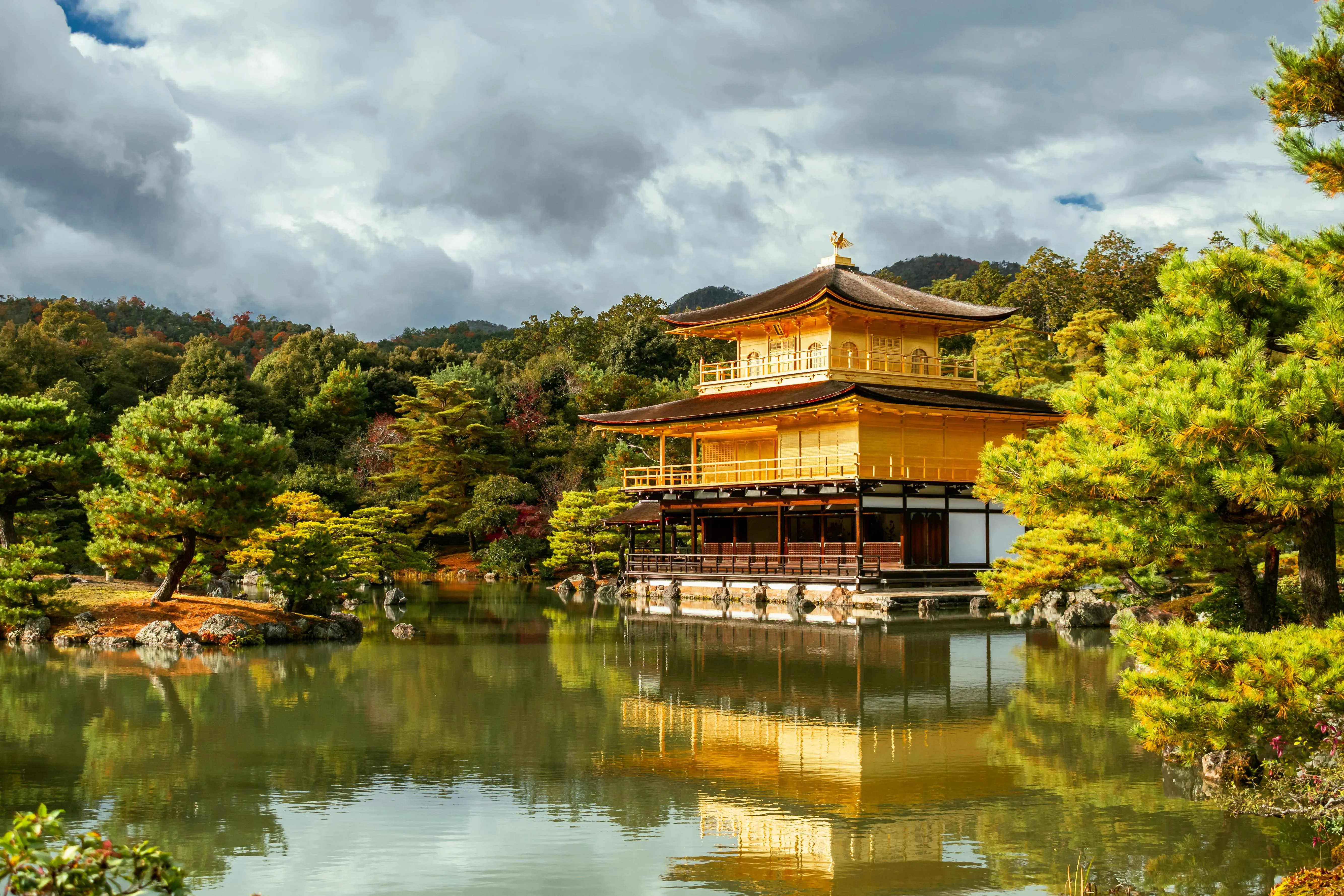
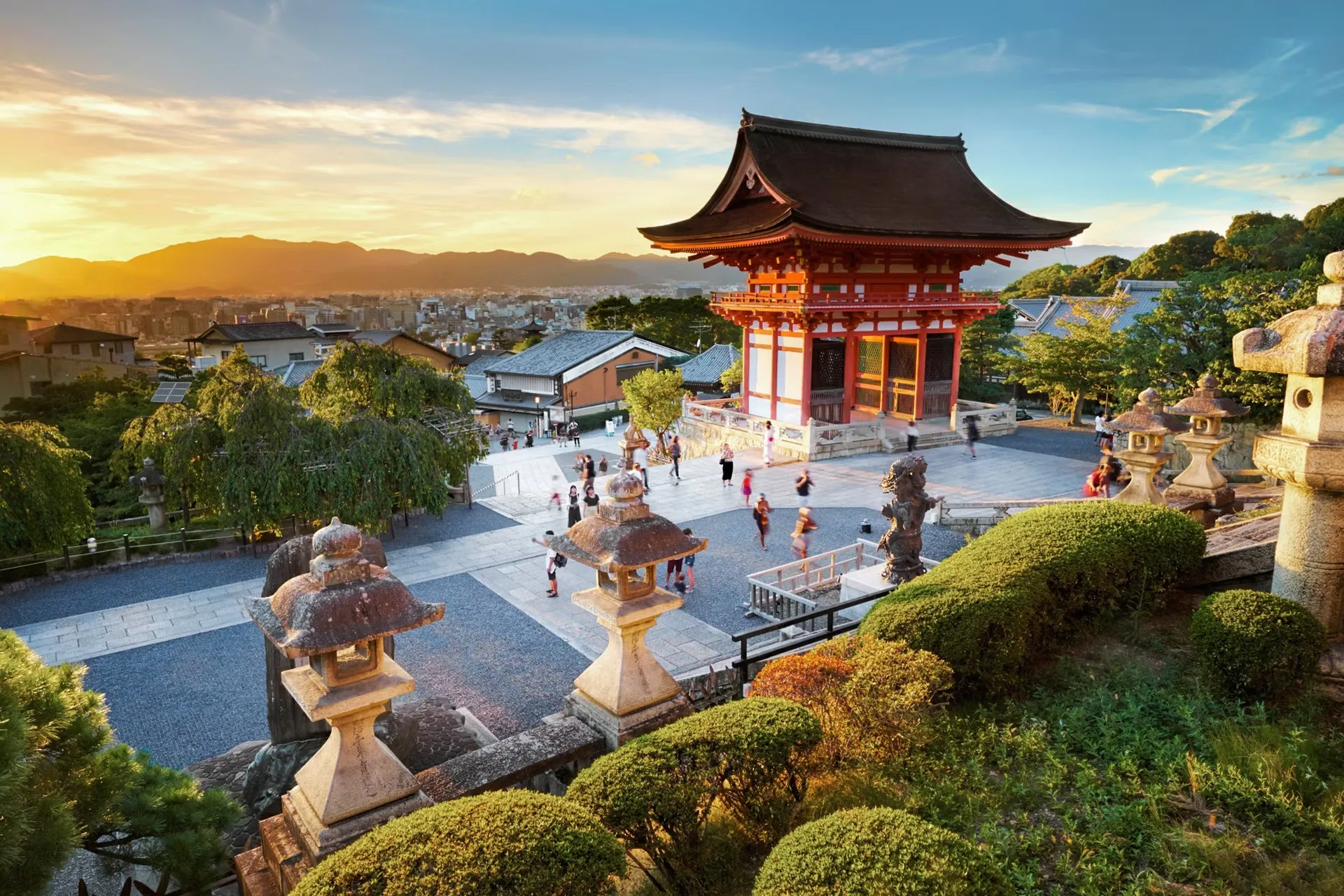
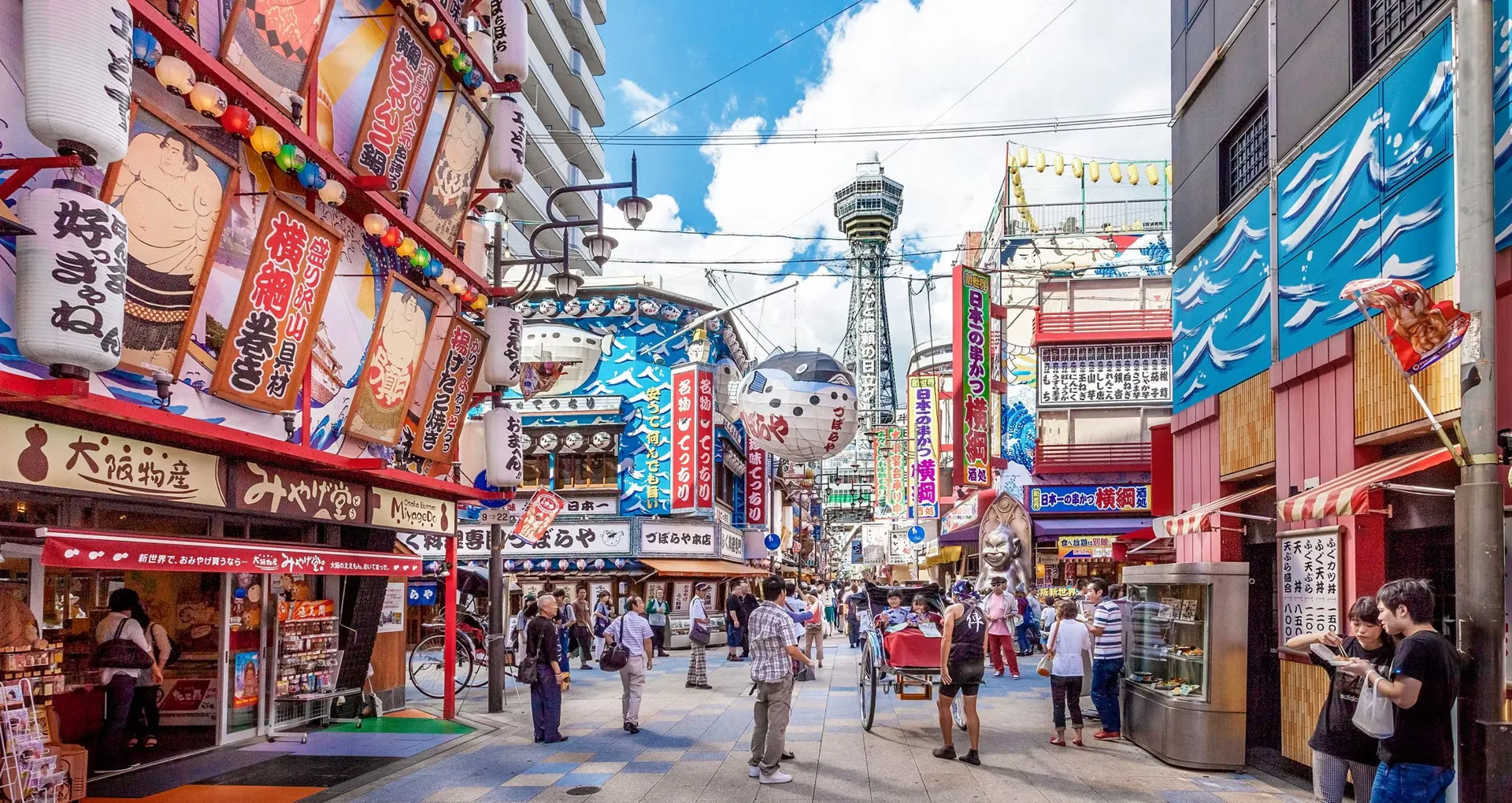
Two-day stop in the port of Kobe, famous for its international atmosphere and renowned Kobe beef. Kobe combines modern city life with the opportunity to explore traditional Japan in nearby Kyoto. The tour also includes a day trip with a local guide to the nearby historic city of Kyoto, considered the cultural heart of Japan. Kyoto offers iconic sights such as the Kinkakuji Golden Pavilion, Fushimi Inari Temple with its famous thousand red torii gates, and Kijomizu-dera Temple on the mountain above the city. Afterwards, visit the local market with lunch option.
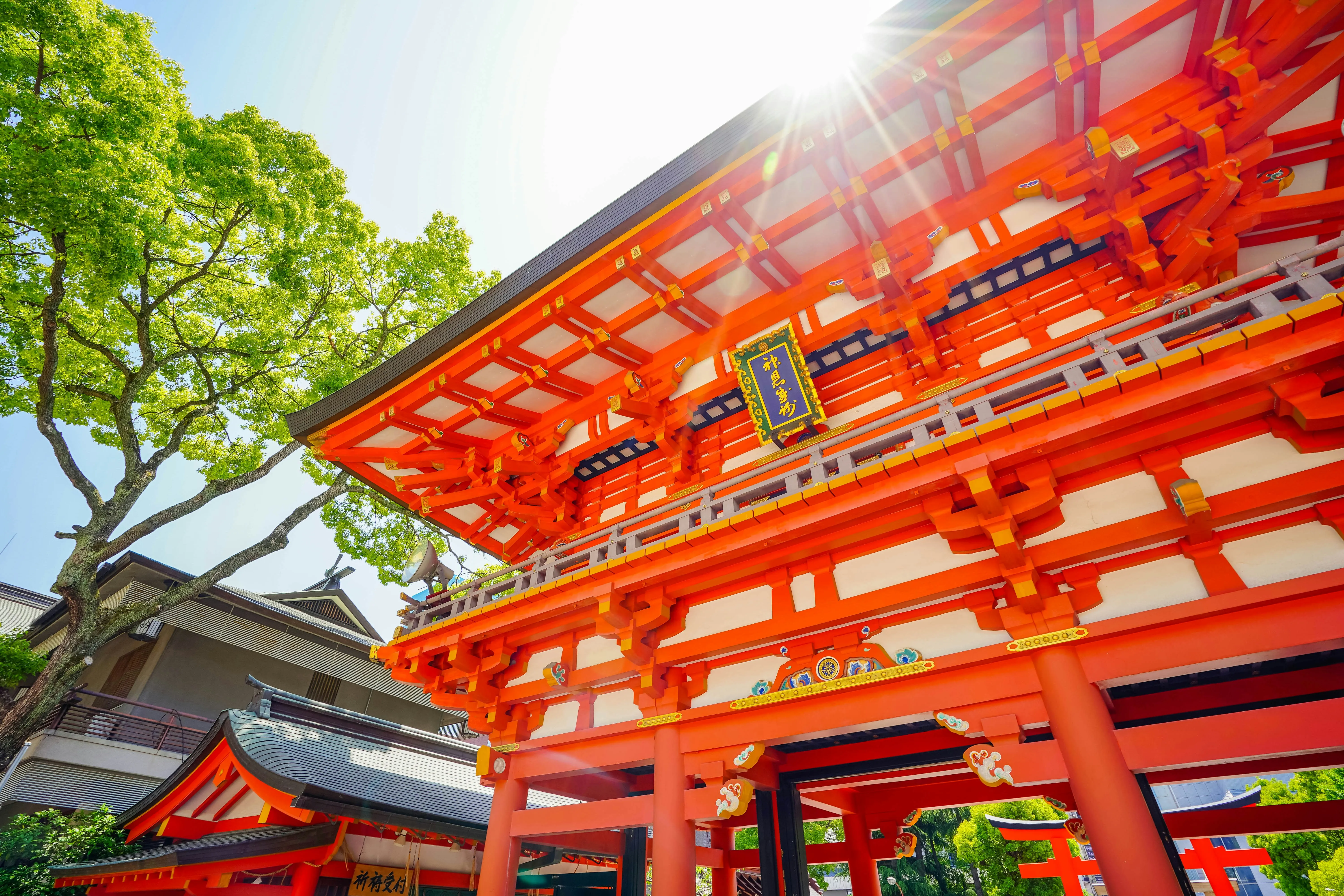
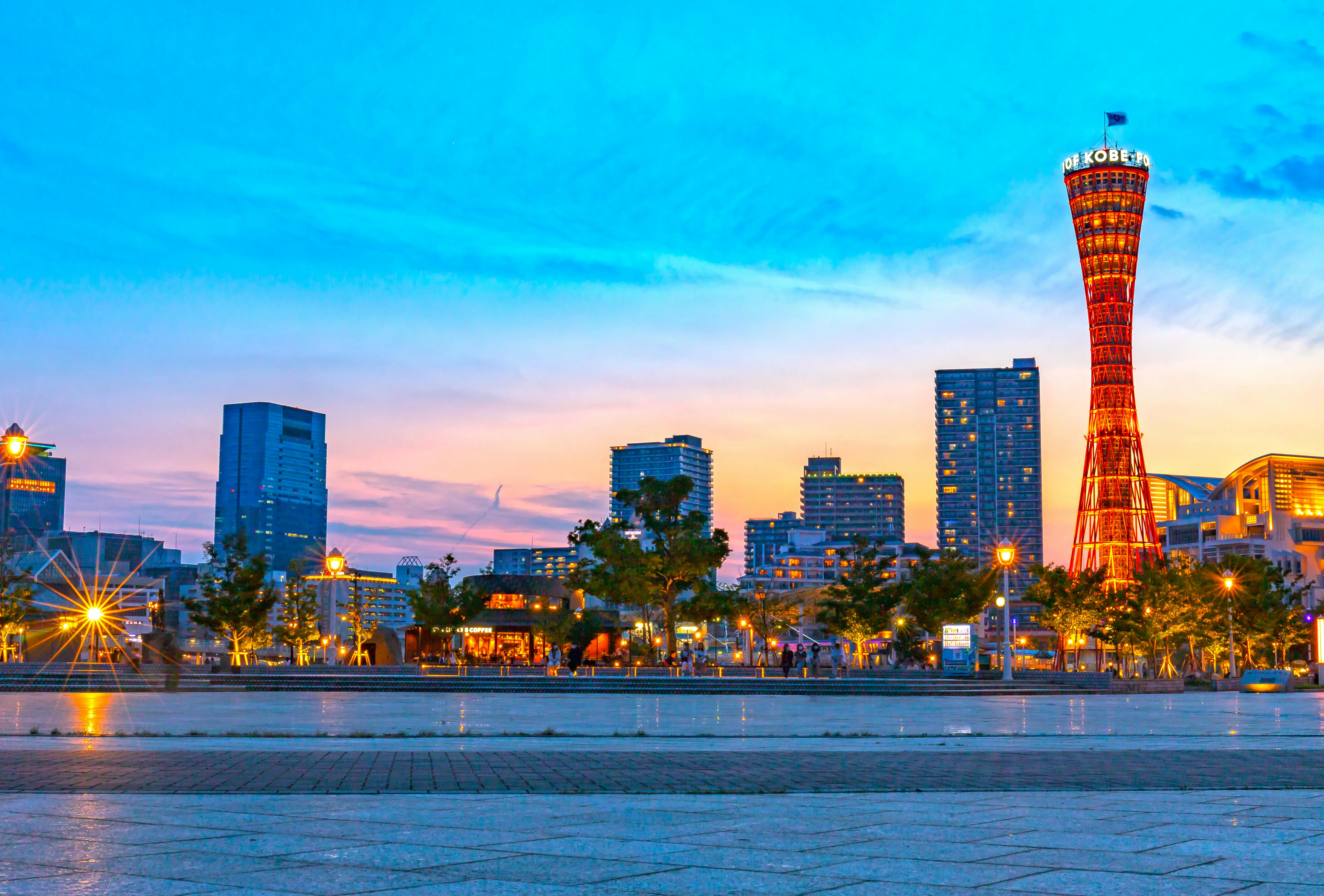
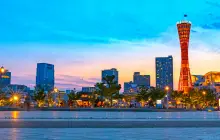
Kobe's natural harbor attracted settlers for millennia, but the city's modern character emerged in 1868 when it became one of Japan's first ports opened to foreign trade after centuries of isolation. European and American merchants established residences in Kitano-chō, transforming Kobe into a cosmopolitan hub where East met West. The city flourished through shipbuilding, steel production, and international commerce under the Meiji era's rapid modernization.
The devastating Great Hanshin Earthquake of January 17, 1995, measuring 7.3 magnitude, claimed over 6,400 lives and destroyed much of the city's infrastructure in just 20 seconds. Yet Kobe's spirit proved unbreakable—through extraordinary community effort and resilience, the city rebuilt itself within a decade, emerging stronger and more unified. Today's modern skyline, efficient infrastructure, and thriving culture stand as testament to Kobe's determination, while memorials ensure the lessons of 1995 guide future generations in this beautiful, resilient port city.
14. day at sea
15. day
After disembarkation, we will take a day tour of Tokyo with a local guide (included in the tour price). We will visit Ueno Park, famous for its sakura trees and panda zoo. We will visit the oldest part of Tokyo, the Asakusu district and its Buddhist temple Sensoji, where there will be an opportunity to shop for souvenirs in the adjacent alleys. Time permitting, we will also visit the Shopping Mall and the Tokyo Sky Tree Tower, which at 634 meters is the tallest tower of its kind and the third tallest structure in the world. Afterwards, transfer to the airport and fly home with a transfer.

Tokyo's history is a fascinating story of transformation and resilience. Originally a small fishing village known as Edo, it became the seat of the Tokugawa Shogunate in the 17th century, beginning its journey to greatness. Under the rule of the shoguns, Edo developed into one of the world's greatest cities, filled with samurai, merchants and artists. This period, known as the Edo era, left the city with a rich cultural heritage that can still be admired today in historic districts such as Asakusa or in traditional gardens hidden among the skyscrapers.
In 1868, with the onset of the Meiji period and the transfer of the imperial seat from Kyoto, Edo was renamed Tokyo - "Eastern Capital". This era began the rapid modernization and westernization of Japan, of which Tokyo became the center. Despite the devastating earthquake of 1923 and the bombings of World War II, the city has always managed to rebuild itself, stronger than ever. This indomitability is evident in every aspect of modern Tokyo, which has become a symbol of Japanese innovation and progress without losing touch with its rich past. A walk through the streets of Tokyo is thus a time travel, where every corner tells the story of a city that is unafraid of change, yet honoring its roots.
Tokyo area: recommended to visit
Mount Fuji
Fuji-Hakone-Izu National Park is a natural wonder that will take your breath away. The park is dominated by the majestic Mount Fuji, a sacred symbol of Japan whose perfect curves have inspired artists for centuries. In the Hakone area, you will discover the magical world of hot springs, where you can relax and recharge at the traditional onsen baths. A cruise on Lake Ashi will offer you breathtaking views of Mt. Fuji, while trails lead through dense forests beckoning you to explore. Whether you're looking for a spiritual experience, an active vacation or just an escape into nature, this park offers an unforgettable experience for every visitor.
Kamakura Historical Town
Kamakura, the former capital of medieval Japan, will enchant you with its rich history and peaceful atmosphere. Just an hour away from bustling Tokyo, you'll find yourself in a world of majestic temples, quiet gardens and imposing statues. Gaze at the iconic bronze statue of the Great Buddha, stroll through the bamboo grove at Hōkoku-ji Temple and enjoy the fresh sea air on the beaches lining the coast. Kamakura is the perfect place for those who want to experience the magic of traditional Japan.
16. day
Arrival from Japan at the airport and departure to your homes.

Tour description


Join Riviera Tour on a unique Japan and South Korea cruise aboard MSC Bellissima with fascinating inland excursions to the Japanese islands. You will visit fascinating destinations such as Tokyo, Kobe with a trip to Kyoto, the world-famous Hiroshima or Cheju Island, nicknamed the "Hawaii of South Korea".
Included are air transportation to and from the port, day trip to Mt. Fuji with return train shinkanzen to Tokyo, two day trips in Tokyo, day trip in Hiroshima and Sasebo and trip from Kobe to Kyoto.
All this in the time of the EXPECTED BLOOM OF SAKUR! Discover the beauty of Japan and South Korea like never before with the Riviera Tour!
NOW ONLY 10 000 CZK deposit on the cruise when you sign the travel contract! Second deposit 50% of the price until 30 September 2026, balance due 55 days before departure.

Petra Kubáčková
I am friendly, outgoing, fun and very communicative. I like teamwork and I like working in a team. I am an animal lover especially dogs and dolphins and my big dream is to see a killer whale in person. My favorite color is pink and turquoise blue. I love the sea and the sunshine which gives me positive energy. I love travelling, exploring new places, countries, cultures.
My favourite thing to do on my travels is to have direct contact with the locals and collect unforgettable experiences from my travels. I love airports, the hustle and bustle and the excitement of new adventures fills me with undying energy. I am very happy to be a part of Riviera tour because I can realize myself, learn new things, discover new places, communicate with people and accompany them on their travels and be a part of their journey to experience, which is often the fulfillment of their dreams.
And that's what I enjoy the most. My motto: S everything goes BETTER with a smile :-)





Michaela Matušincová