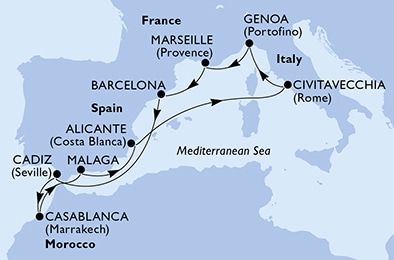
Port Alicante
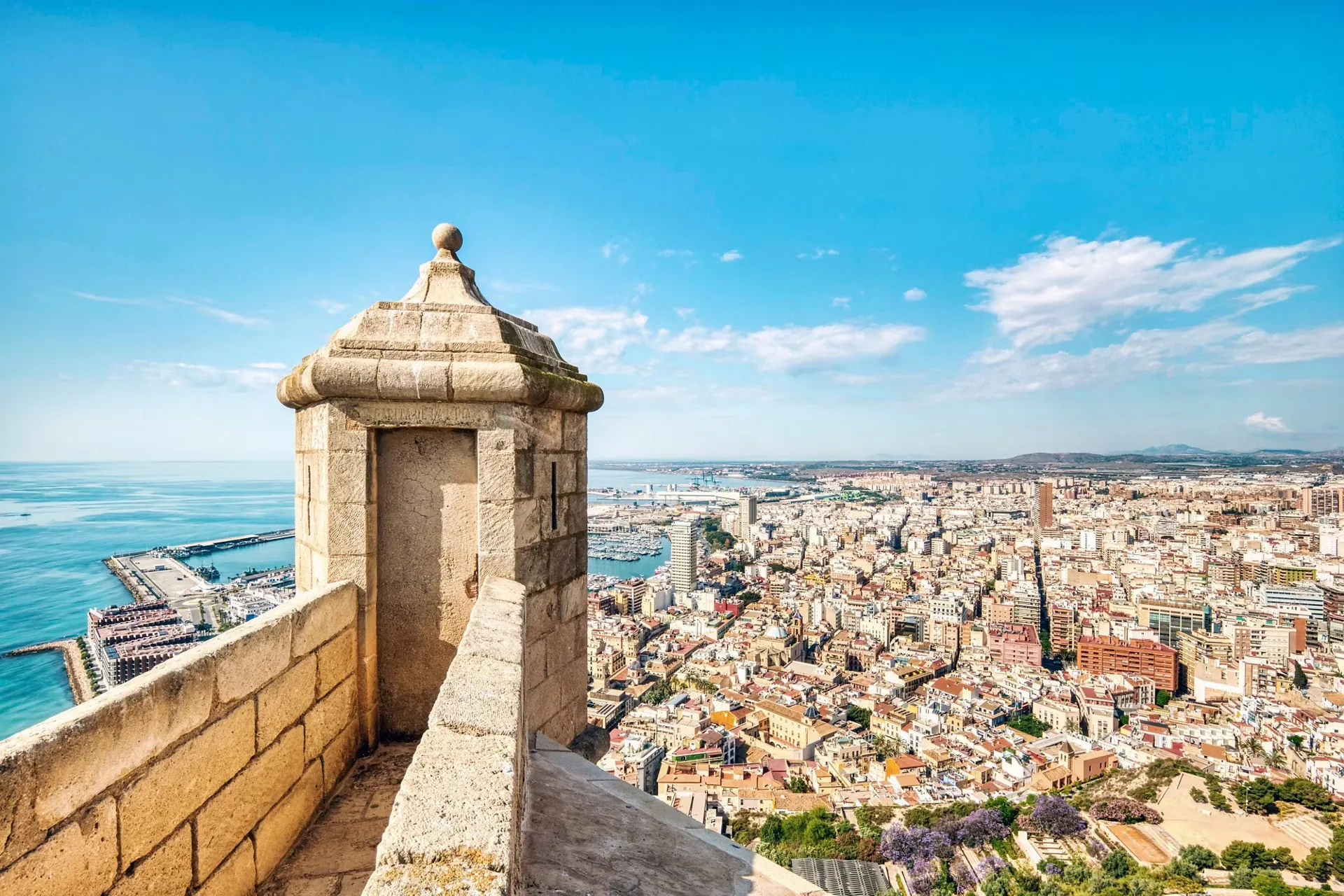
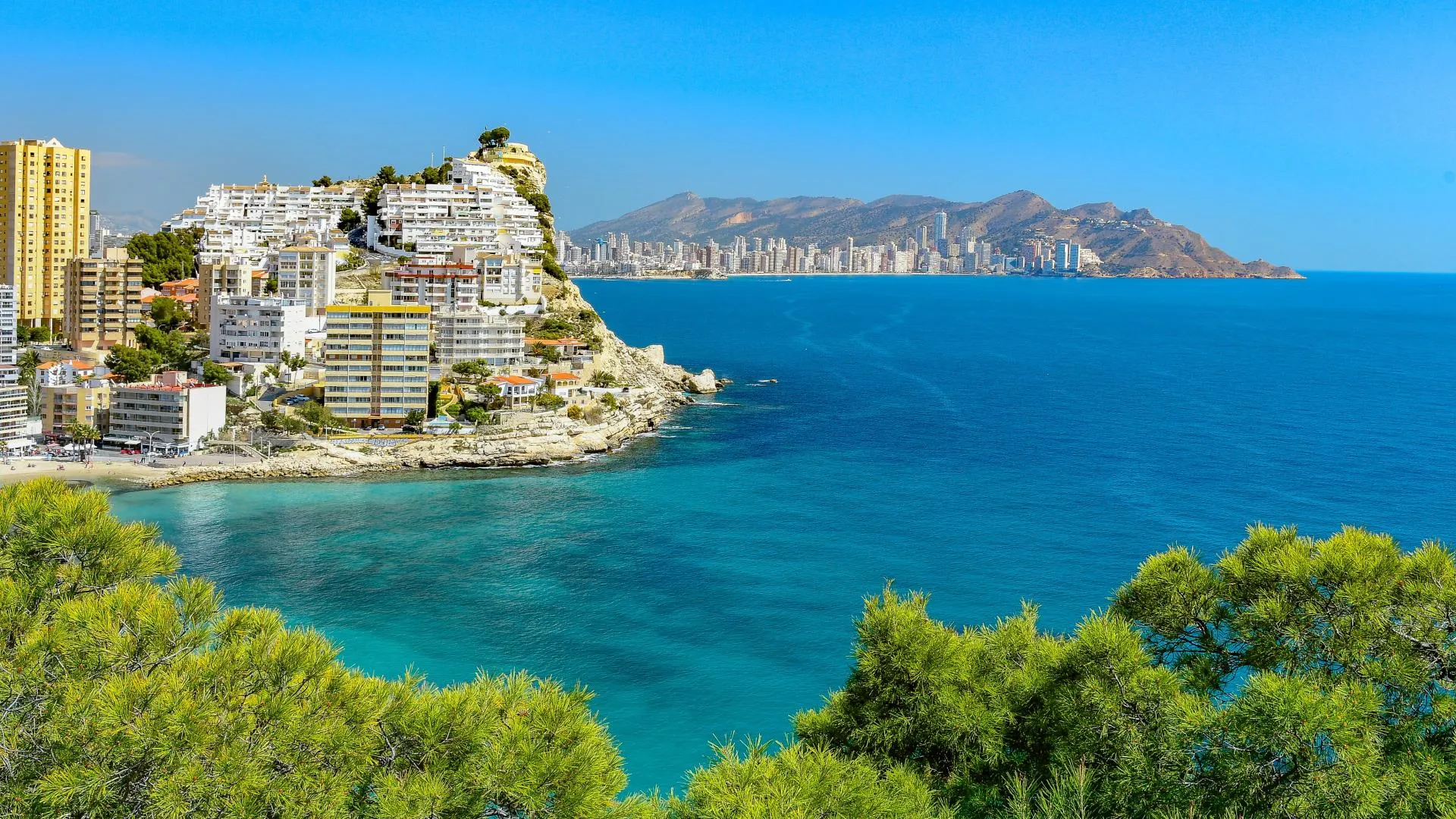
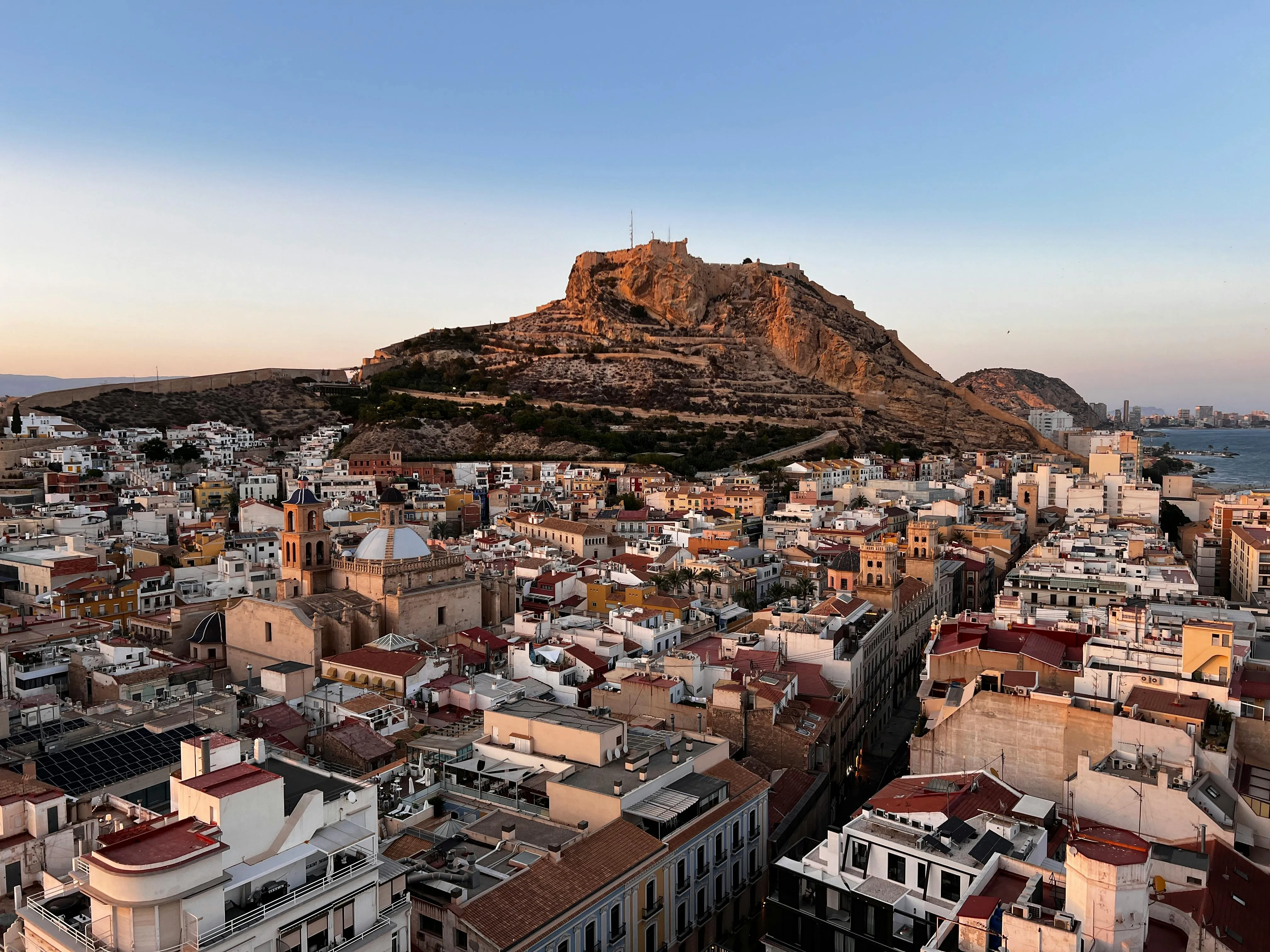
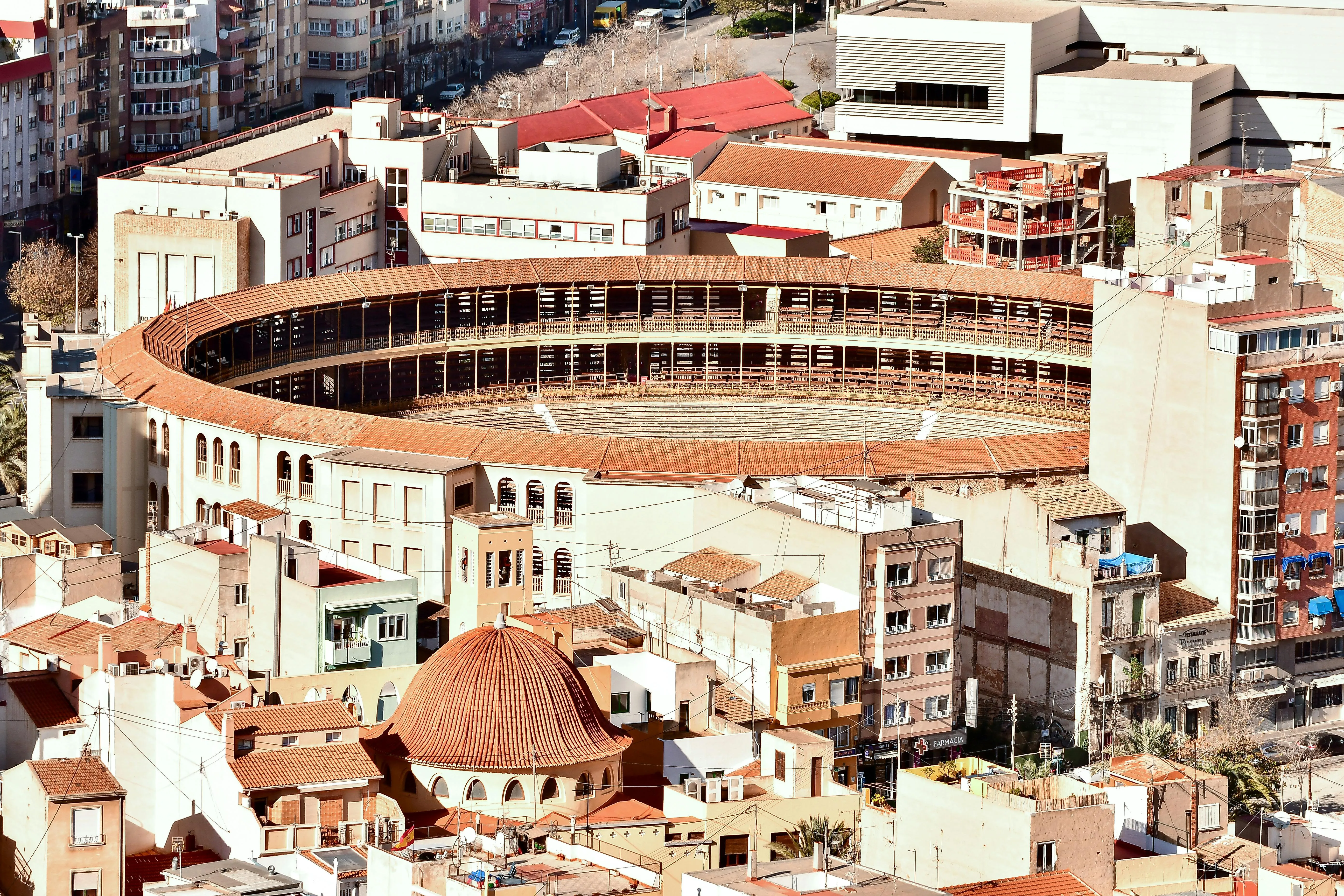
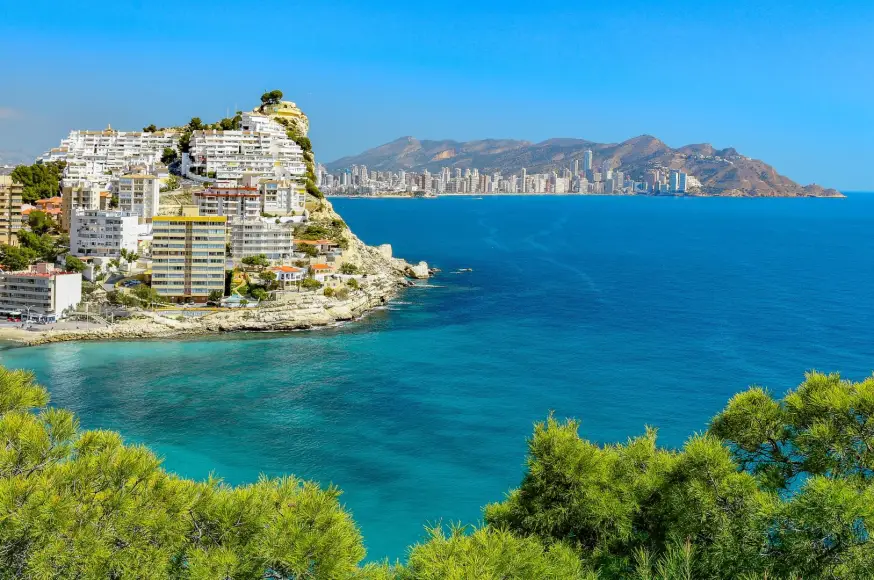
Alicante, a vibrant city on the Spanish Costa Blanca, is famous for its sunny Mediterranean climate, beautiful beaches, and rich cultural heritage. The iconic landmark of the city, Santa Bárbara Castle, which towers atop Mount Benacantil, offers stunning panoramic views of the coast and a glimpse into the history of Alicante. The bustling Explanada de España, a picturesque promenade lined with palm trees and colorful mosaics, is perfect for leisurely seaside strolls. Alicante also boasts beautiful sandy beaches, such as Playa del Postiguet, ideal for sunbathing, swimming, or water sports.
In addition to its natural beauty, Alicante features a lively atmosphere filled with cultural and gastronomic experiences. The historic old town, known as El Barrio, enchants visitors with its narrow streets, traditional Spanish architecture, and vibrant nightlife. Food lovers can enjoy excellent Mediterranean cuisine in many city restaurants and tapas bars, from fresh seafood to local specialties like paella. Throughout the year, Alicante hosts various festivals, including the famous Hogueras de San Juan, a grand celebration of fire and traditions. With a combination of culture, relaxation, and entertainment, Alicante is a fantastic destination for all types of travelers.
History
The history of Alicante is over 7,000 years old and evidence of early settlement can be found in its surroundings. The city was originally founded as a settlement by the Iberians and later became a Roman colony known as "Lucentum", which was an important trading center during Roman rule. In the 8th century, the area was conquered by the Moors , who renamed it "Al-Laqant" and transformed it into a thriving center of trade and agriculture. The Moorish influence is still evident in some parts of the architecture and cultural heritage of Alicante.
In 1247, Alicante was recaptured by Christian forces during the Reconquista and became part of the Kingdom of Valencia under the Aragonese crown. Its port gained significance throughout the Middle Ages and early modern period, making Alicante one of the key trading cities in the Mediterranean. In the 20th century, Alicante evolved into a dynamic urban center and a major tourist destination, known for its sandy beaches, lively festivals like Hogueras de San Juan, and historical landmarks such as Santa Bárbara Castle. Today, Alicante is a thriving mix of historical heritage and modern development.
Tips for excursions in Alicante
Majestic Santa Bárbara Castle and the old town: Take the lift or bus ride to the top of Mount Benacantil, where one of Spain's largest medieval fortresses – Santa Bárbara Castle. The walls offer breathtaking views of the harbor. Follow with a walk through the historic district El Barrio.
Historic Elche and the palm grove: An excursion to the nearby city of Elche, famous for the largest palm grove in Europe (a UNESCO site). You will visit the picturesque historic center, the priest's garden Huerto del Cura, and explore the unique system of Arab irrigation.
Fairy-tale village of Guadalest and rock gorges: A trip inland to the foothills of the mountains, where you will visit the stunning village of Guadalest built on a rocky outcrop. The trip offers magnificent views of the turquoise reservoir, a visit to an ancient castle, and an exploration of the wild nature of the Costa Blanca region.
 With bus transport to the port