Brazil and Argentina - Day 2: Rio de Janeiro - Christ the Saviour statue, favelas and Santa Teresa district
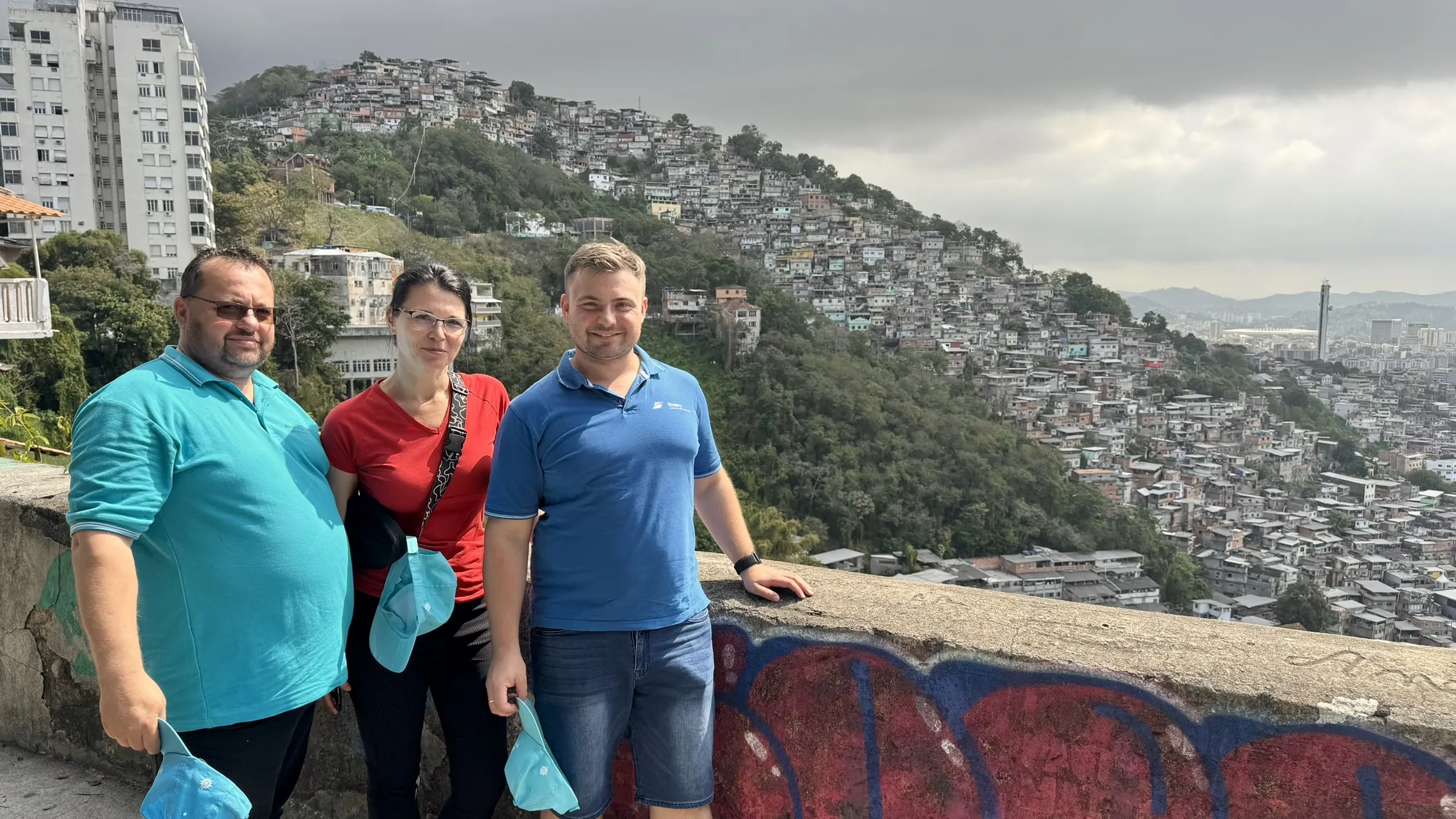
In the second part of our series on our journey through Brazil and Argentina, we take you to three of Brazil's five most famous symbols - the statue of Christ the Saviour on Mount Corcovado, the shanty town favelas and the colourful staircase of the Escadaria Selarón. The other half of the symbols of Rio and Brazil will be presented in the next article. In addition, you can visit these places with us on our February cruise through Brazil and Argentina with RIVIERA TOUR.
Mount Corcovado and the Statue of Christ the Saviour
Morning service at the hotel surprises me. Luxurious breakfast, incredibly helpful waiters. I feel like Alice in Wonderland and we discuss all morning that the locals are very nice and helpful people.
Our guide Cristiano picks us up at the hotel around 9:00 and we head to the main landmark of Rio. Yes, you know it too. The statue of Christ the Saviour, one of the most iconic symbols not only of Brazil but of the whole world. This majestic statue, which towers atop Mount Corcovado, measures an impressive 30 metres, with its outstretched arms reaching up to 28 metres wide. It stands on an eight-metre high pedestal that also serves as a chapel.
And we have to get up there somehow. But how?
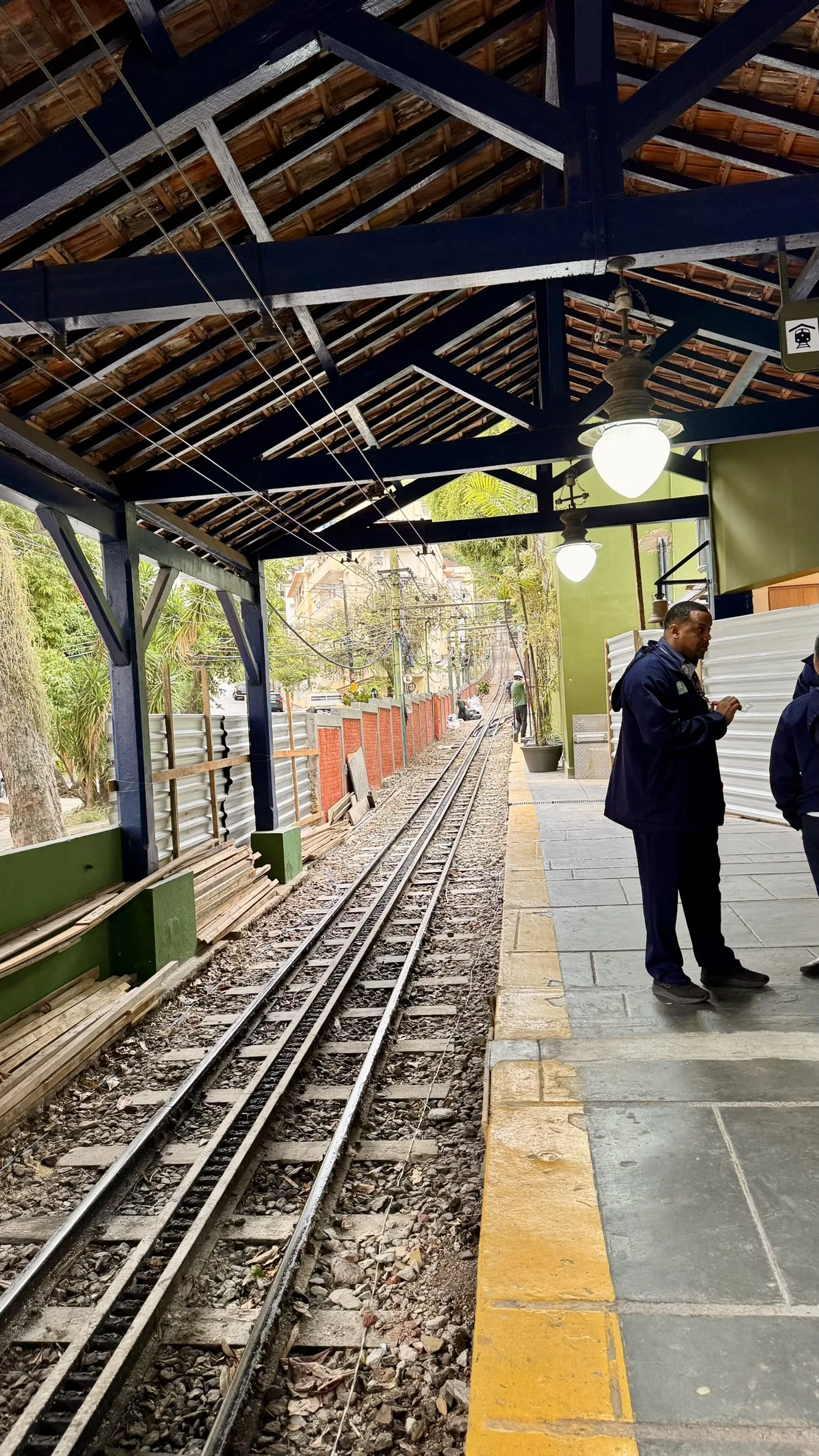
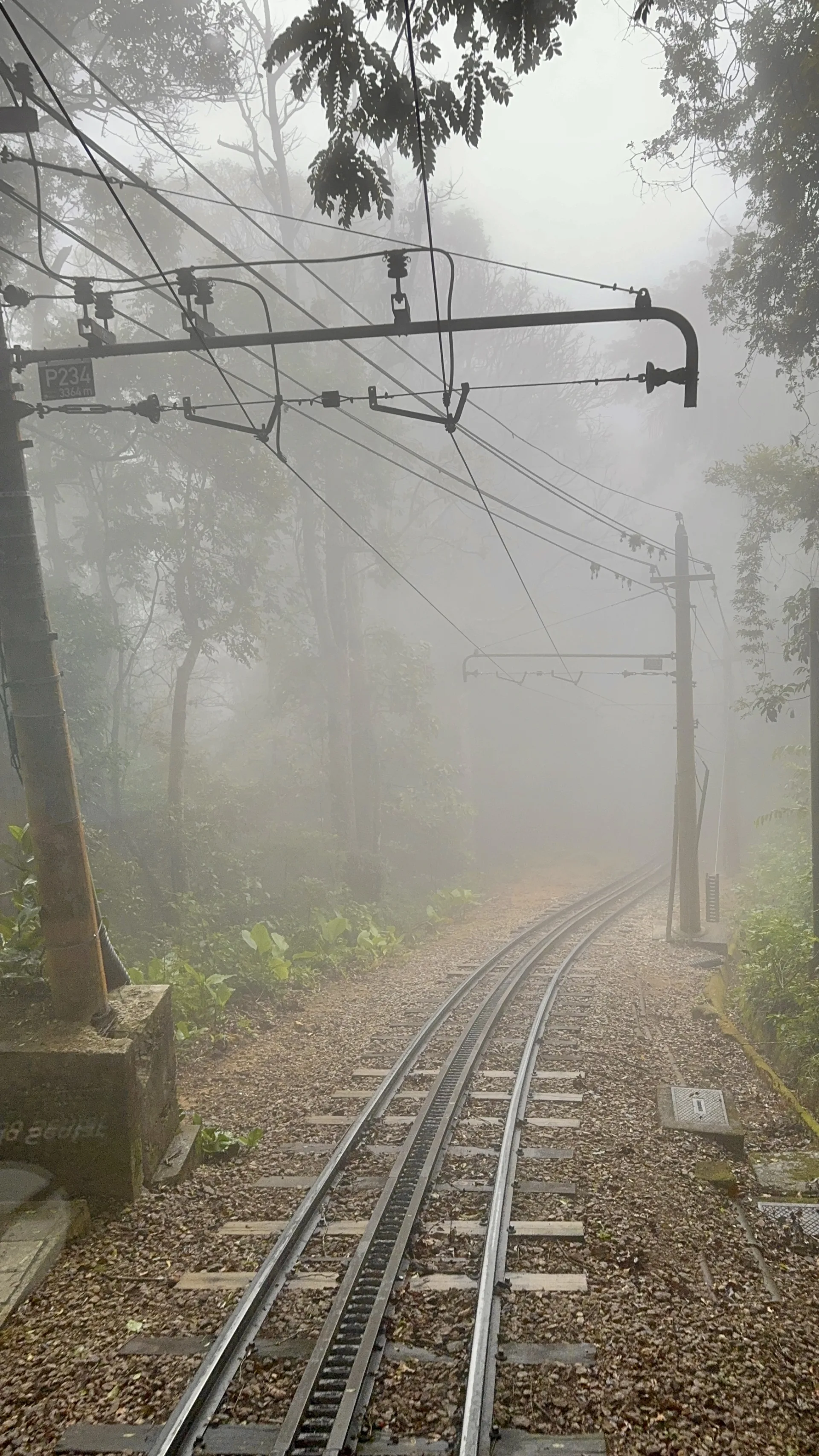
The train ride to the statue of Christ the Saviour in Rio de Janeiro is an unforgettable experience that should not be missing from the itinerary of any visitor to this stunning city. Known as the Trem do Corcovado, the historic cog railway takes you to the top of Corcovado Mountain, where the statue of Christ the Saviour stands majestically. It's a blast.
This train, which has been in operation since 1884, offers passengers a unique opportunity to travel through the tropical forest of Tijuca, one of the largest urban forests in the world. During the 20-minute ride, gaze at the spectacular views of the surrounding landscape, the lush vegetation and occasionally catch a glimpse of the local fauna.
As a trained engineer I'm thinking about the runway drive, the braking system, and I really don't get it because sometimes the gradient exceeds 17 degrees and that's crazy. A technical marvel. And they built the track here in 1884. How smart people were back then, and what they could build...
The train route is not only a technical achievement of its time, but also a opportunity to immerse yourself in the tranquillity of nature before arriving at one of Brazil's most famous symbols.
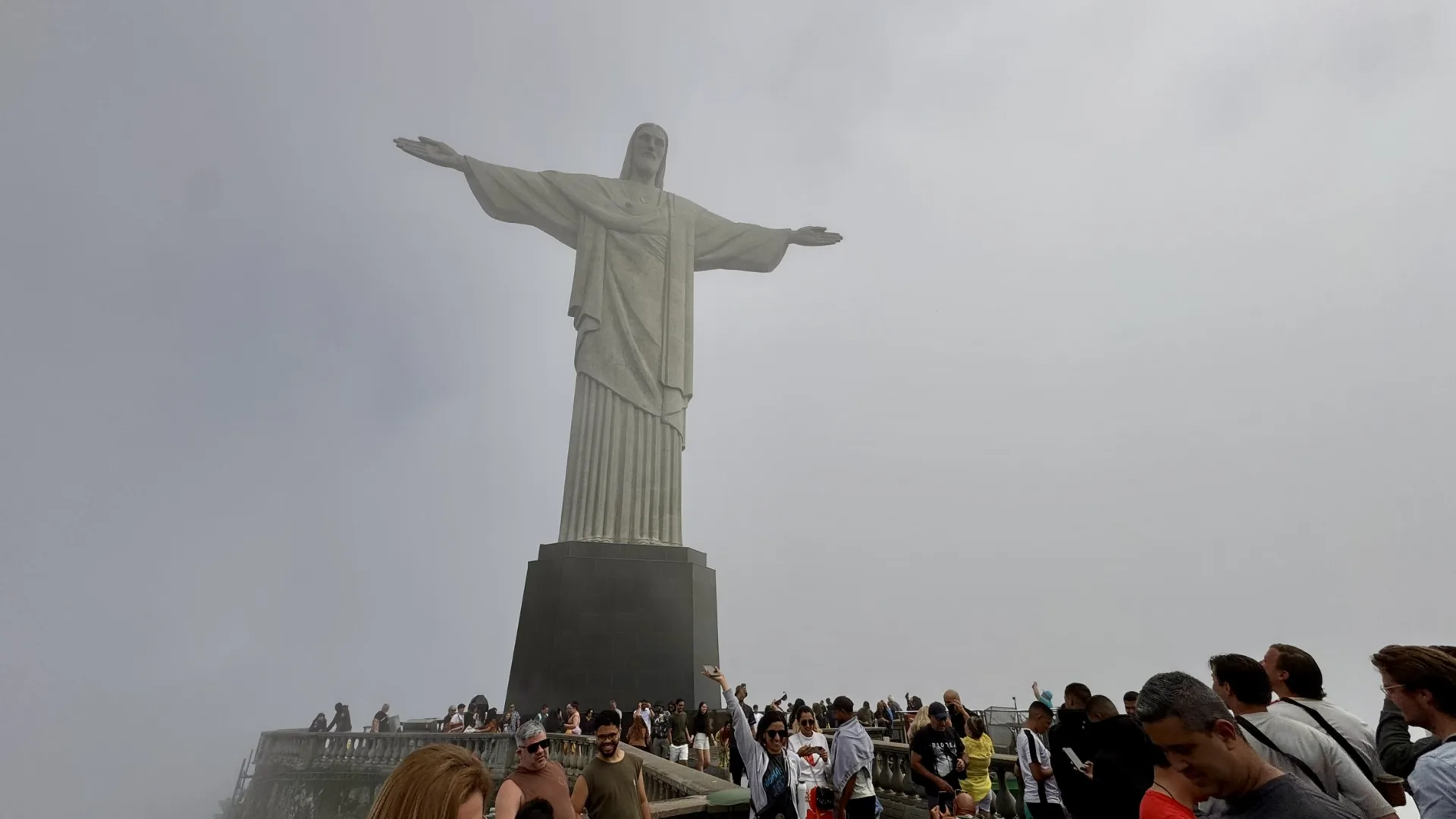
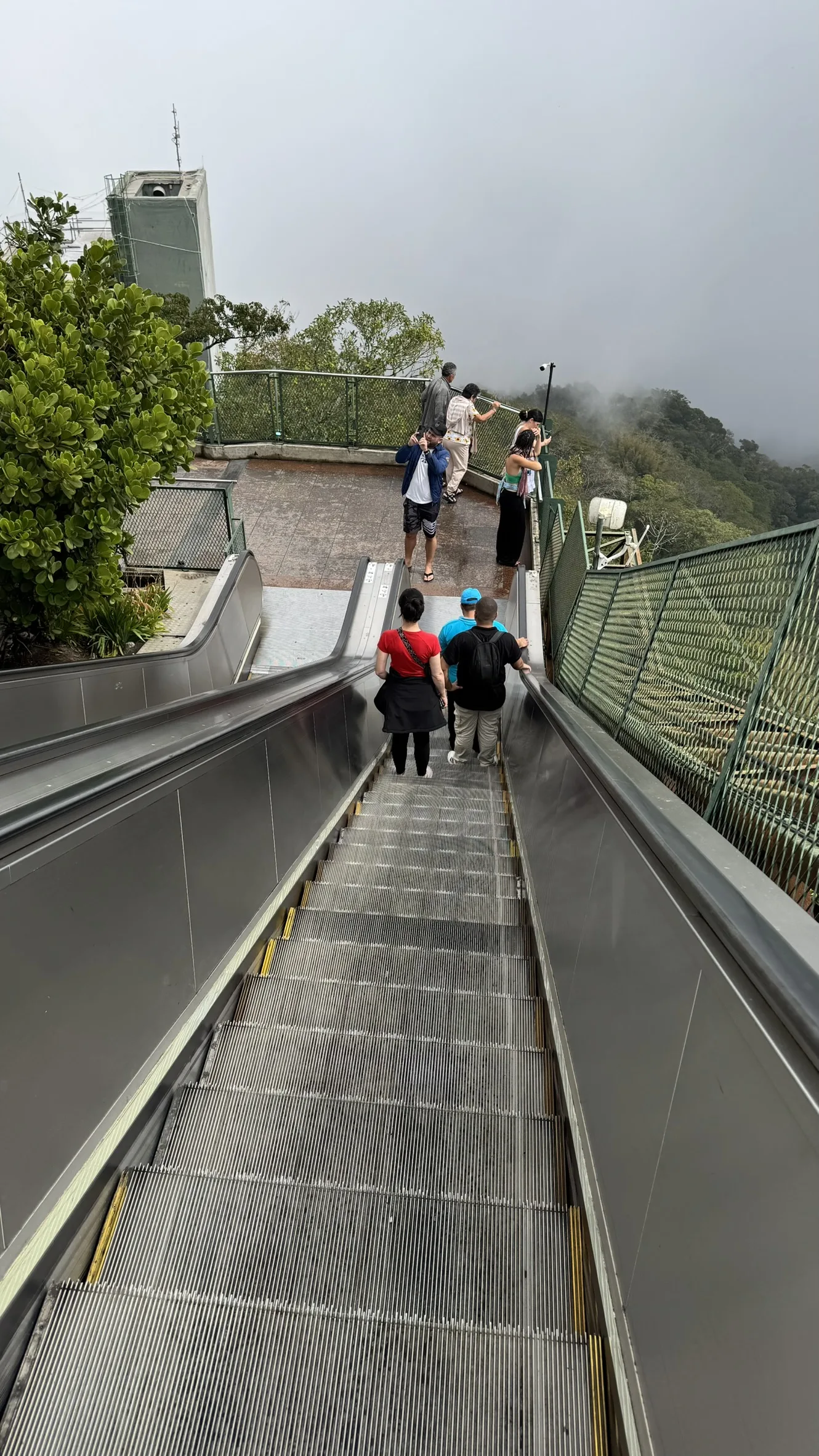
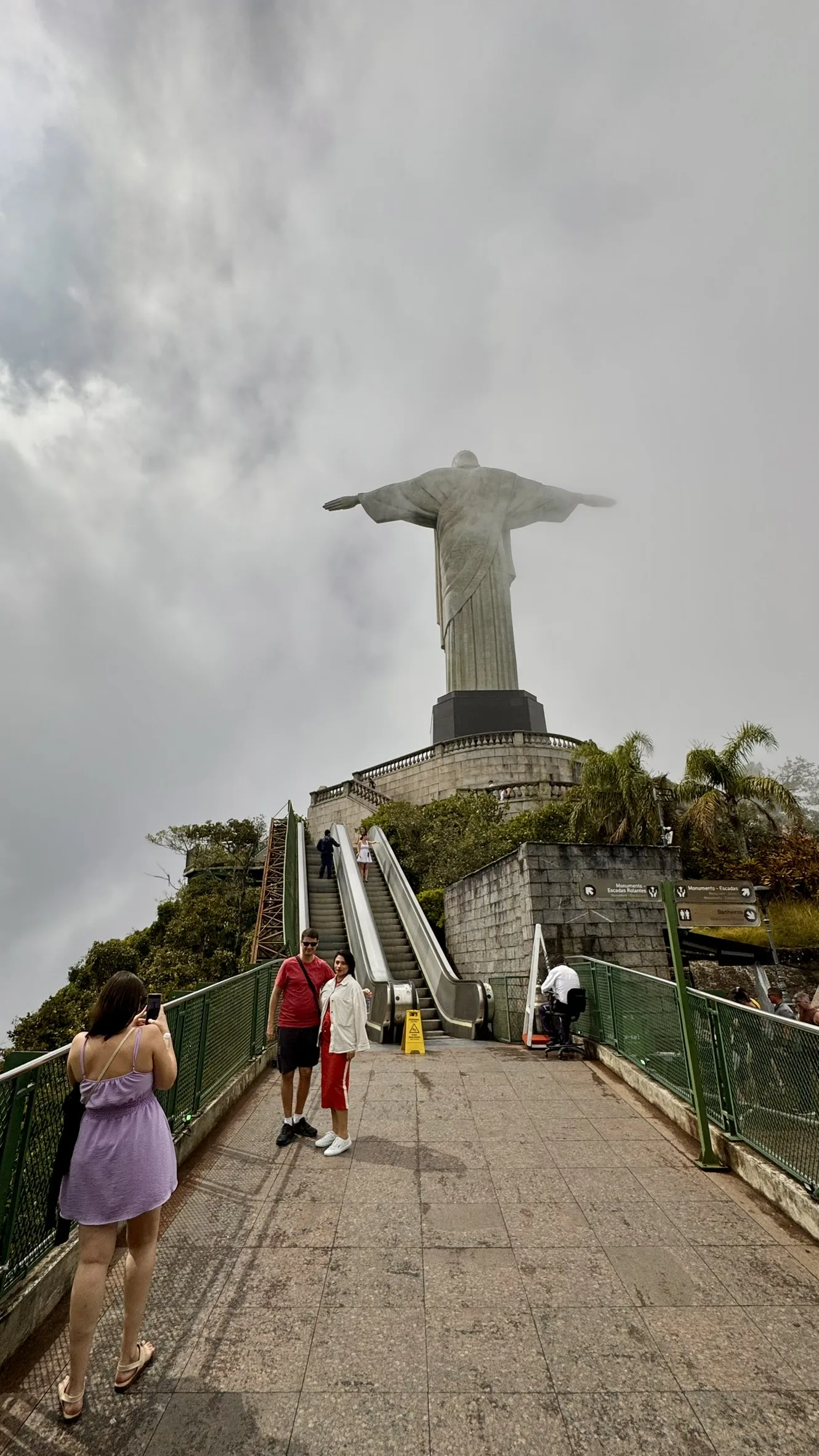
We are at the top, but the weather is not favourable, the fog is so great that although we are standing right next to the statue, we cannot see it. Our guide tells us to trust that it is there and we will see it. We see nothing, here and there a hint of a figure. We're about to wrap it up, but the guide knows, he knows. Have a coffee, wait. And so we wait, and just as we're about to leave, a miracle comes. A huge statue emerged from the mist to the cheers of hundreds of tourists and pilgrims. The joy, as if Christ the Lord had truly appeared to us. We take pictures and it's such an interesting feeling. Like, you're taking pictures of Christ the Lord....
The statue of Christ the Saviour was completed in 1931 and since then it has become one of the modern wonders of the world. Its construction was technically demanding, both because of its size and because of its location on top of the mountain. Its construction used a reinforced concrete structure covered with soapstone slabs, which gives it its characteristic shine.
The uniqueness of this work lies not only in its architectural and technical perfection, but also in its symbolism. The outstretched arms of Christ seem to embrace the whole city and the newcomers, conveying a message of peace and acceptance. For many visitors, it is a place of contemplation and spiritual enrichment.
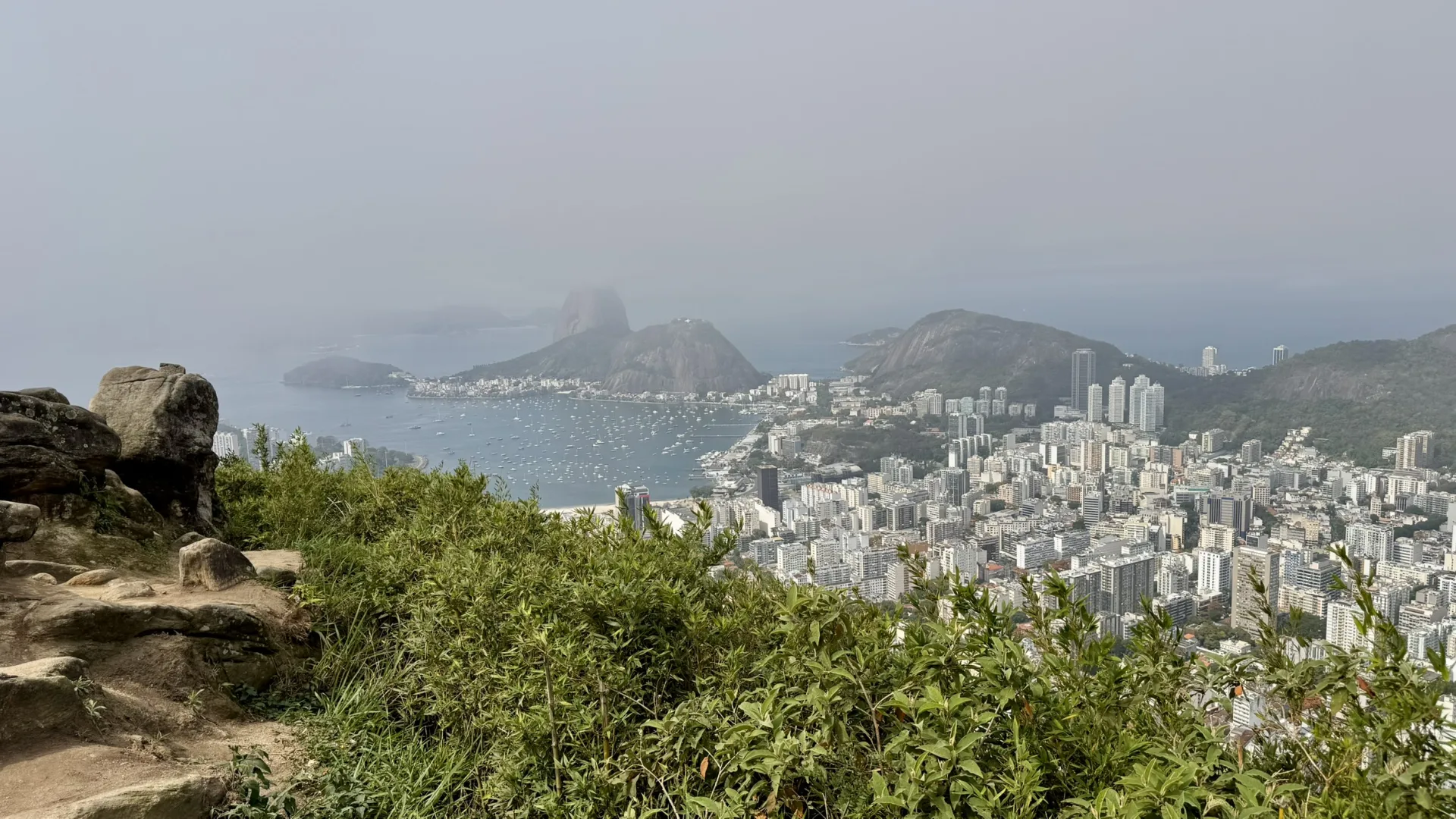
The view from Corcovado Mountain is truly breathtaking. Visitors can enjoy a panoramic view of Rio de Janeiro, including its famous beaches, Maracanã Stadium and botanical gardens. We didn't get many photos, with haze and fog spoiling the experience. So our guide Cristiano takes us to the "secret", lower vantage point below cloud level, where the views are better...
Visiting the statue of Christ the Saviour is an experience that will remain in the heart of anyone who decides to explore the beauty of Brazil. On the February cruise through Brazil and Argentina with
Favely - the slum heart of Rio de Janeiro
We must not forget them. Our guide Cristiano showed us a few during the trip. The favelas in Rio de Janeiro represent a unique and complex aspect of this Brazilian city. They are informal urban districts characterized by dense buildings, often built on hills overlooking the city. The favelas were created in the late 19th century, when people seeking work and better living conditions began moving here. Today they are home to millions of Rio residents and form an integral part of the urban environment.
Living in favelas is often associated with challenges such as lack of infrastructure, limited access to basic services, and higher crime rates. However, favelas are also places of strong community, creativity, and cultural richness. Residents of these neighborhoods often create their own initiatives and projects to improve living conditions and promote positive change.
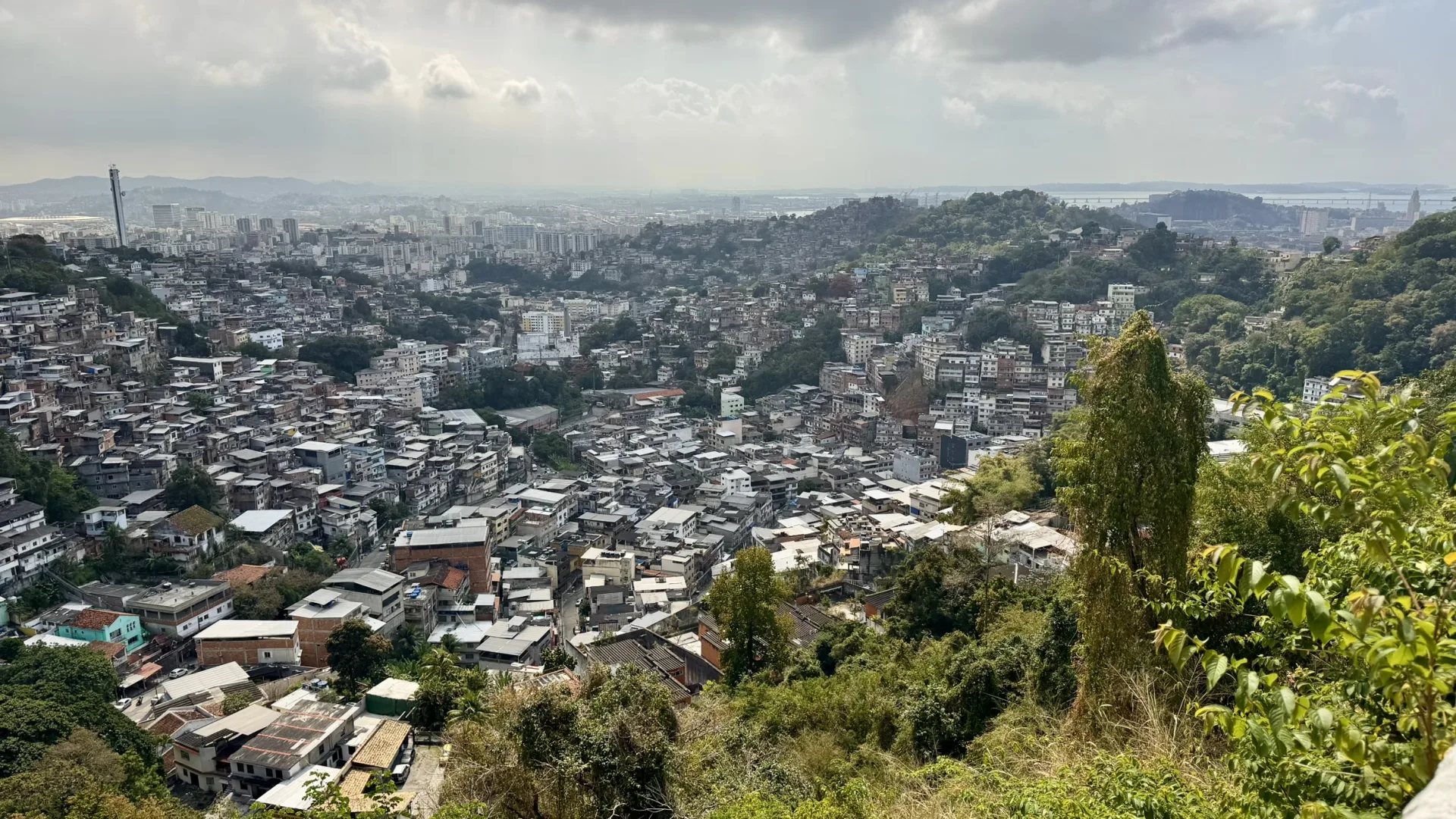
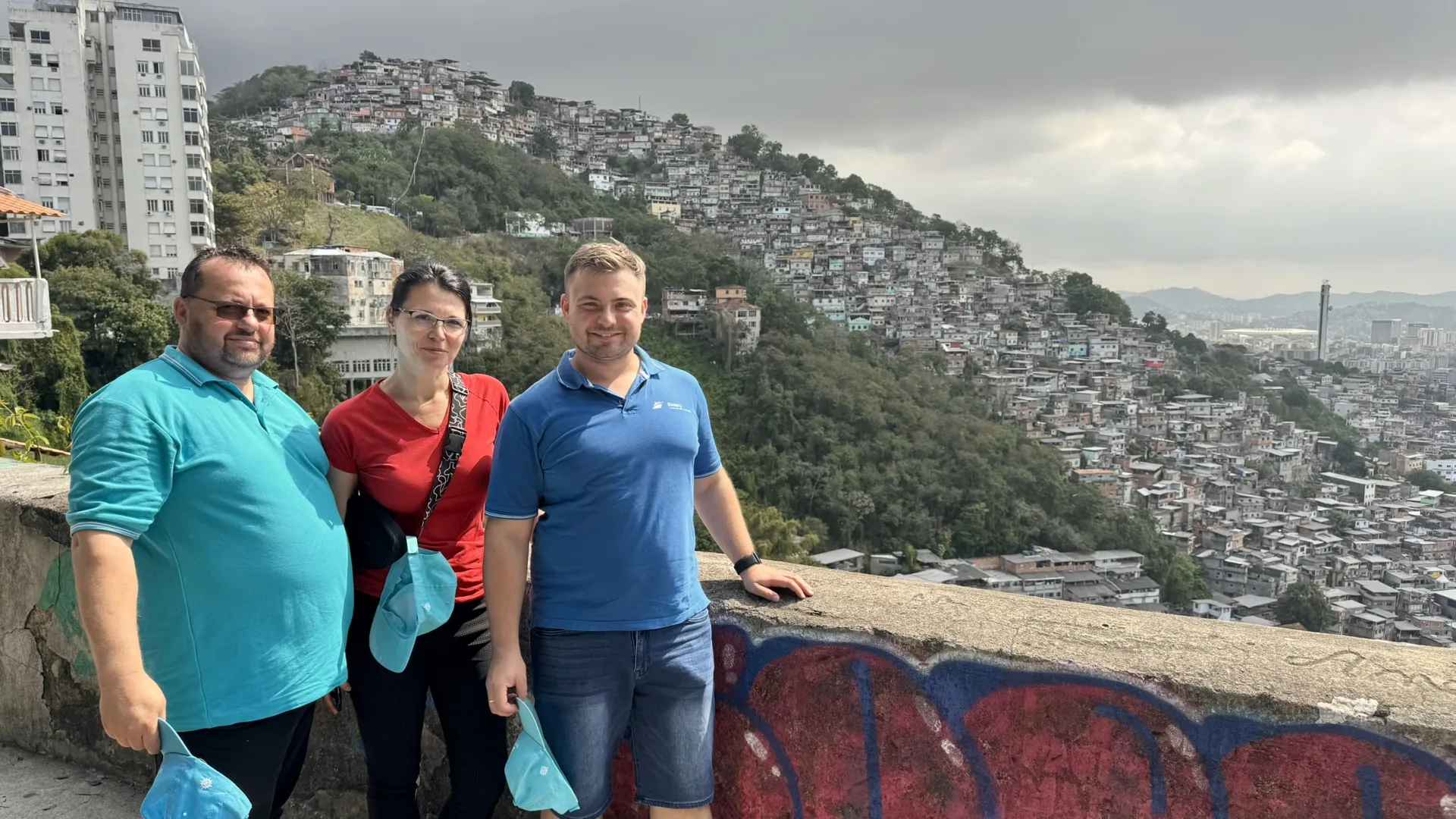
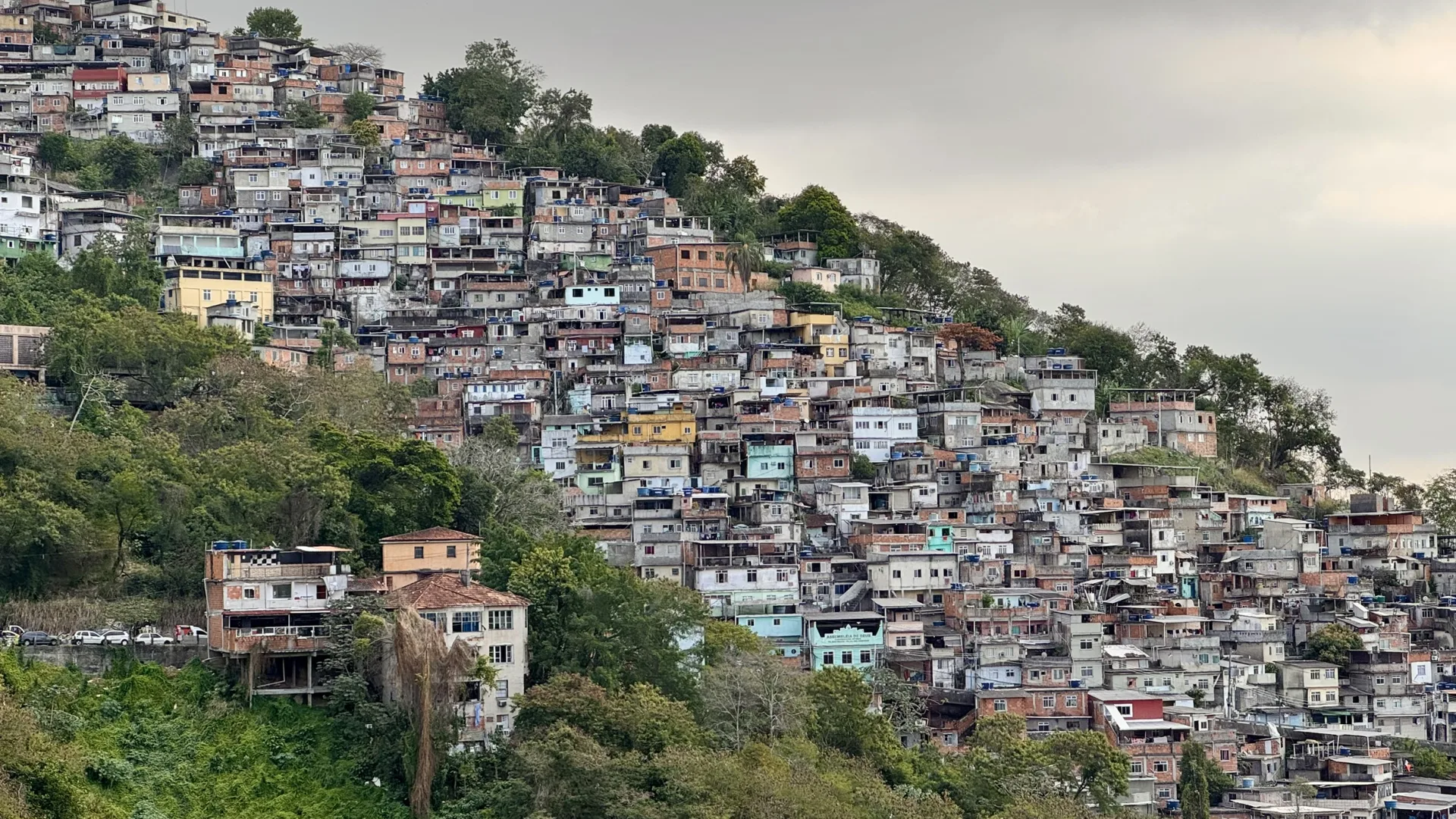
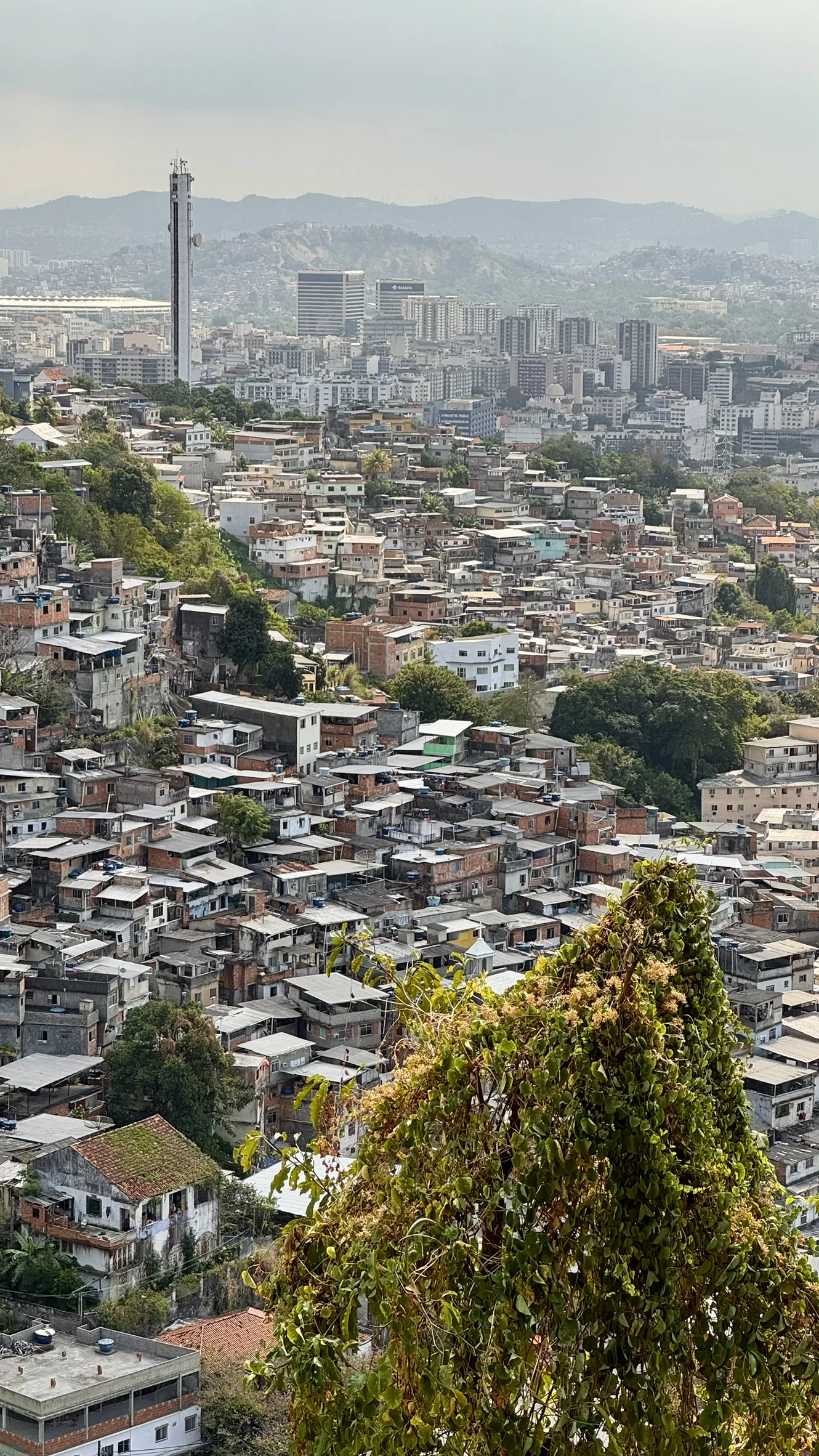
Favelas is known for its vibrant culture, including music, dance and art. Samba, one of Brazil's most iconic musical styles, has its roots in these neighborhoods. Many favelas are also centers for street art and graffiti, which often carry social and political messages. Favela tourism, known as "favela tours," is growing in popularity, giving visitors the opportunity to experience an authentic side of Rio de Janeiro and support local communities. These tours often include visits to local businesses, art projects and interviews with residents.
Although the favelas face many challenges, they are also a symbol of the resilience and spirit of the people who live here. They represent a dynamic, albeit complex environment, which mirrors a wide range of human experiences and aspirations. Safety in Rio de Janeiro's favelas is often associated with higher crime rates, a consequence of many factors, including social inequality, poverty and the lack of presence of state institutions.
In some favelas organised criminal groups operate, which can affect the daily lives of the inhabitants. This creates an environment where problems of drug trafficking and violence are common. However, it is important to note that the situation is not the same in all favelas and many are relatively safe, mainly due to the efforts of local communities.
In short, the local gangs can keep order in the favelas and protect their property and their community. Not so much the tourist or the local.
Santa Teresa - views and trams
In Rio de Janeiro, this picturesque area is a real gem. Situated on a hill in the heart of the city, it is known for its narrow cobbled streets, colonial architecture and an art scene that comes alive at every turn.
Our minibus proves the limits of the possibility of driving on inclines and elevation, and when driving uphill, we don't even say a word, we just listen to Cristiano's explanation. Santa Teresa is a paradise for art lovers. The streets are lined with galleries, studios and art workshops where you can admire the works of local artists. The annual "Arte de Portas Abertas" art festival attracts visitors from all over the world who want to experience the creative energy of the neighborhood.
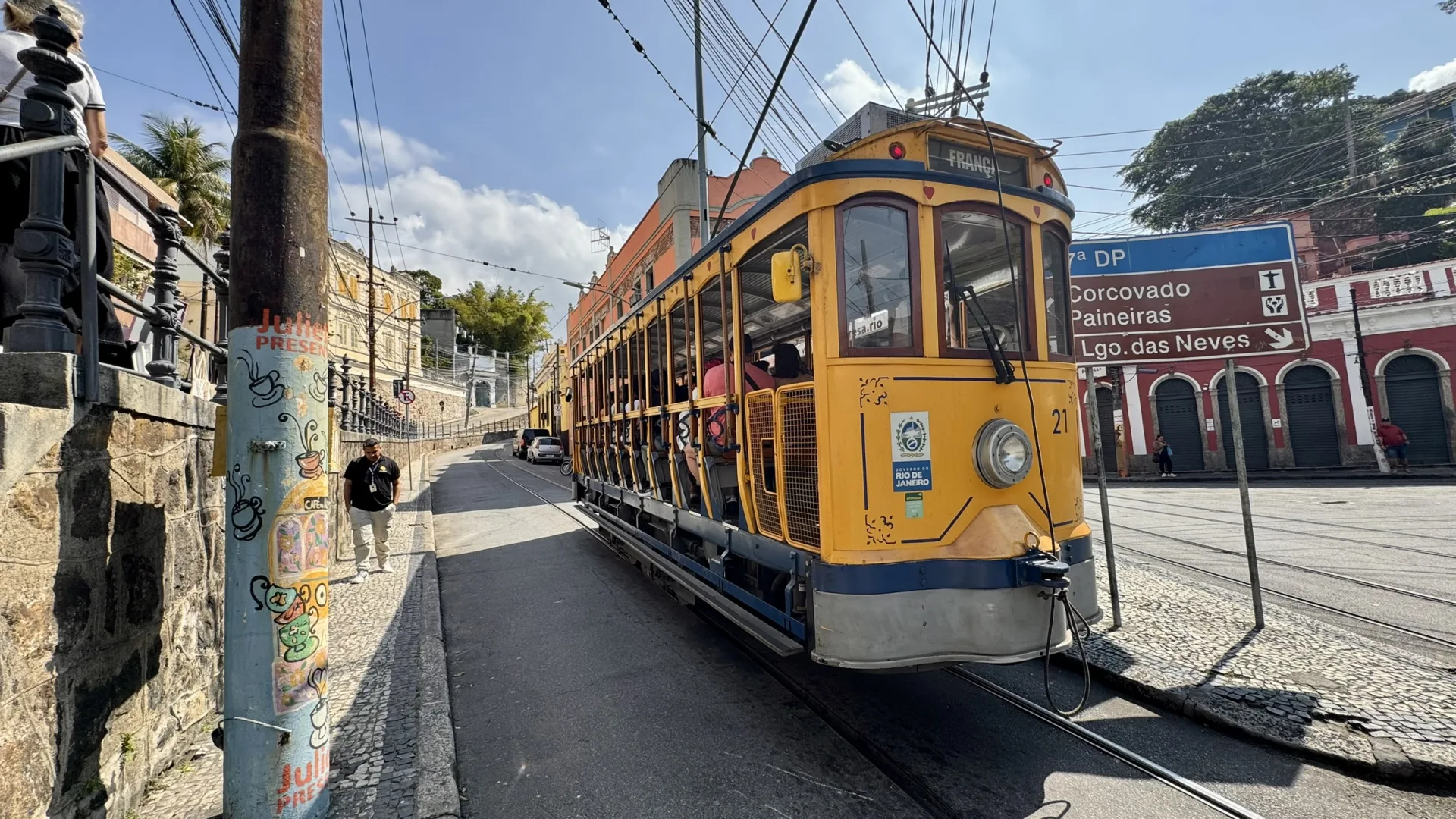
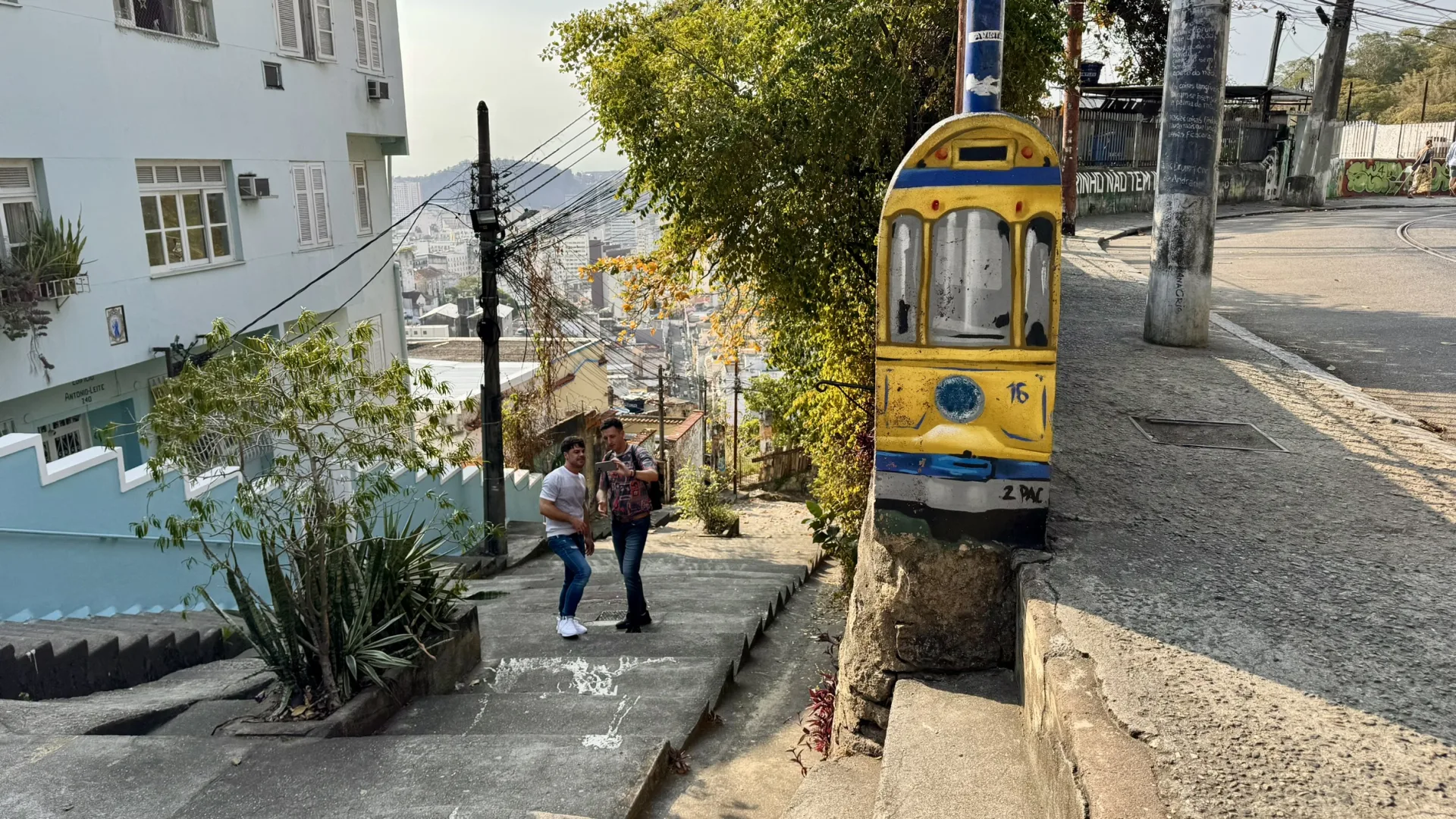
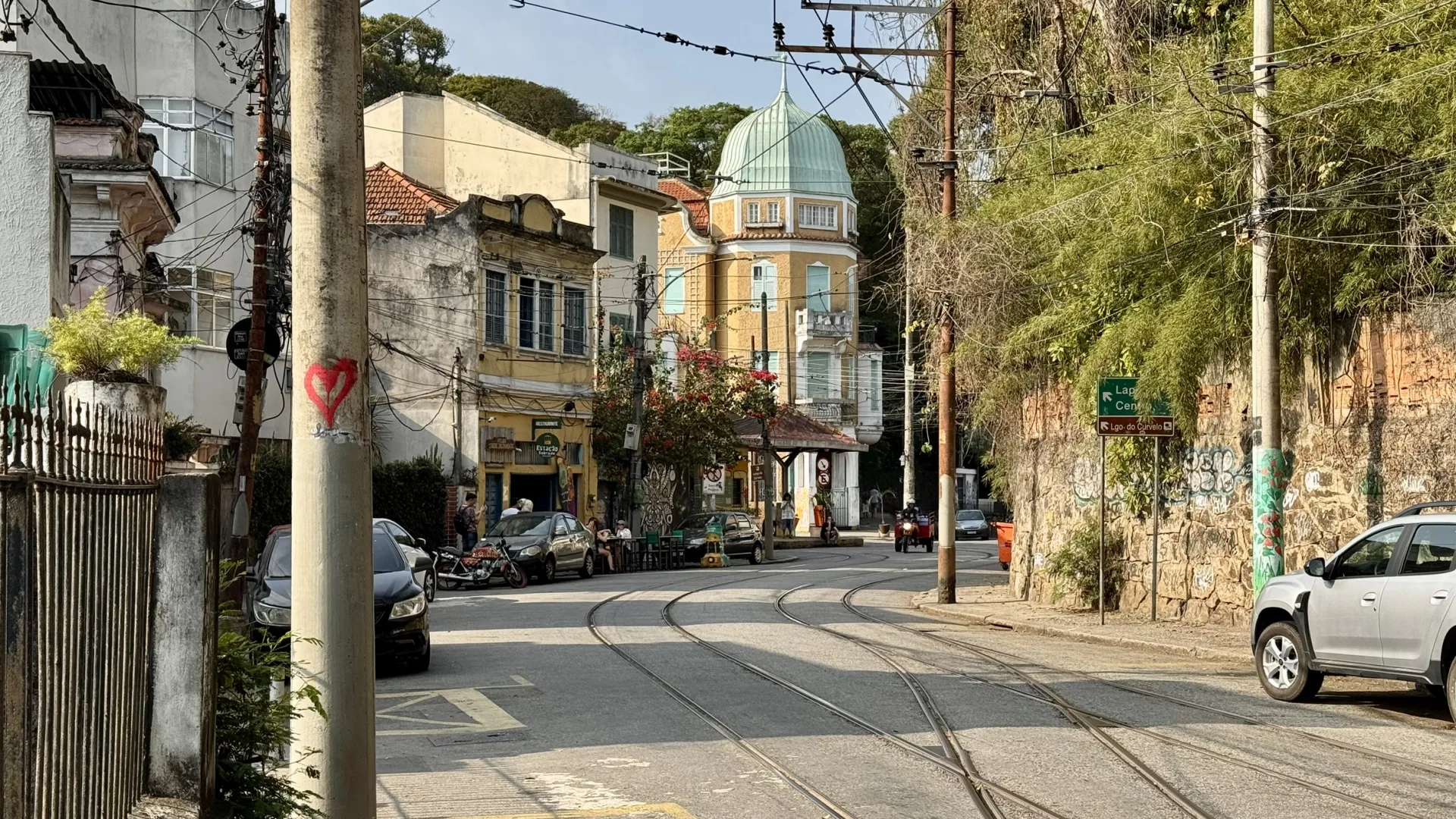
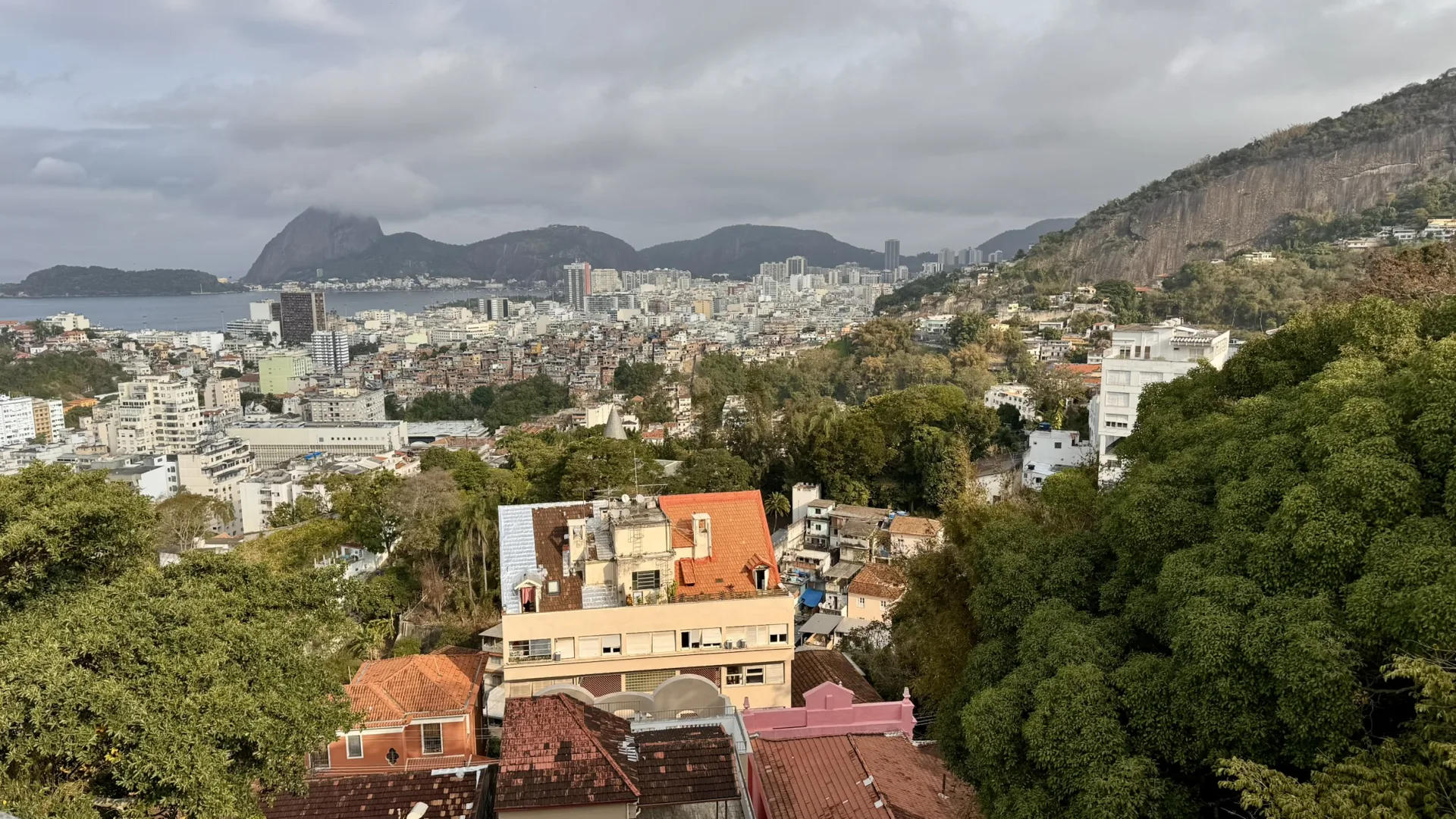
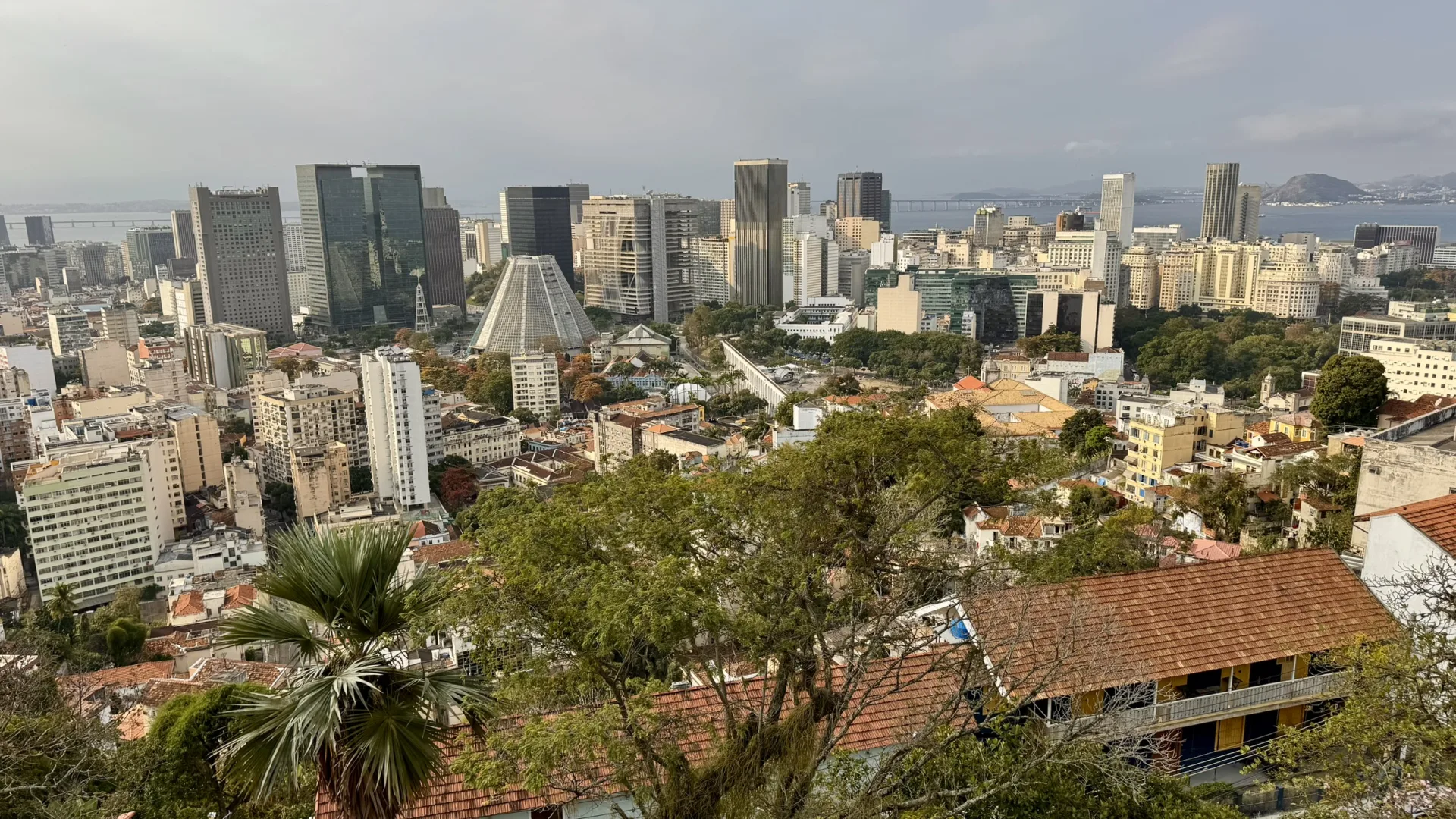
The history of Santa Teresa dates back to the 18th century, when the area was inhabited by wealthy Rio residents. Today, you can discover the well-preserved historic buildings and enjoy breathtaking views of the city from the lookout points located at the top of the hill. And that's just it. The views from Santa Teresa have made up for the previous bad weather, the cameras are clicking and taking hundreds of photos for catalogues and promotional material, it's like a fairy tale.
On the way back we met trams, sometimes I think I am in Lisbon. But no, the "Bonde" tram, one of the last remnants of traditional urban transport, offers a nostalgic ride overlooking the city scenery that is intrinsic to Rio De Janiero.
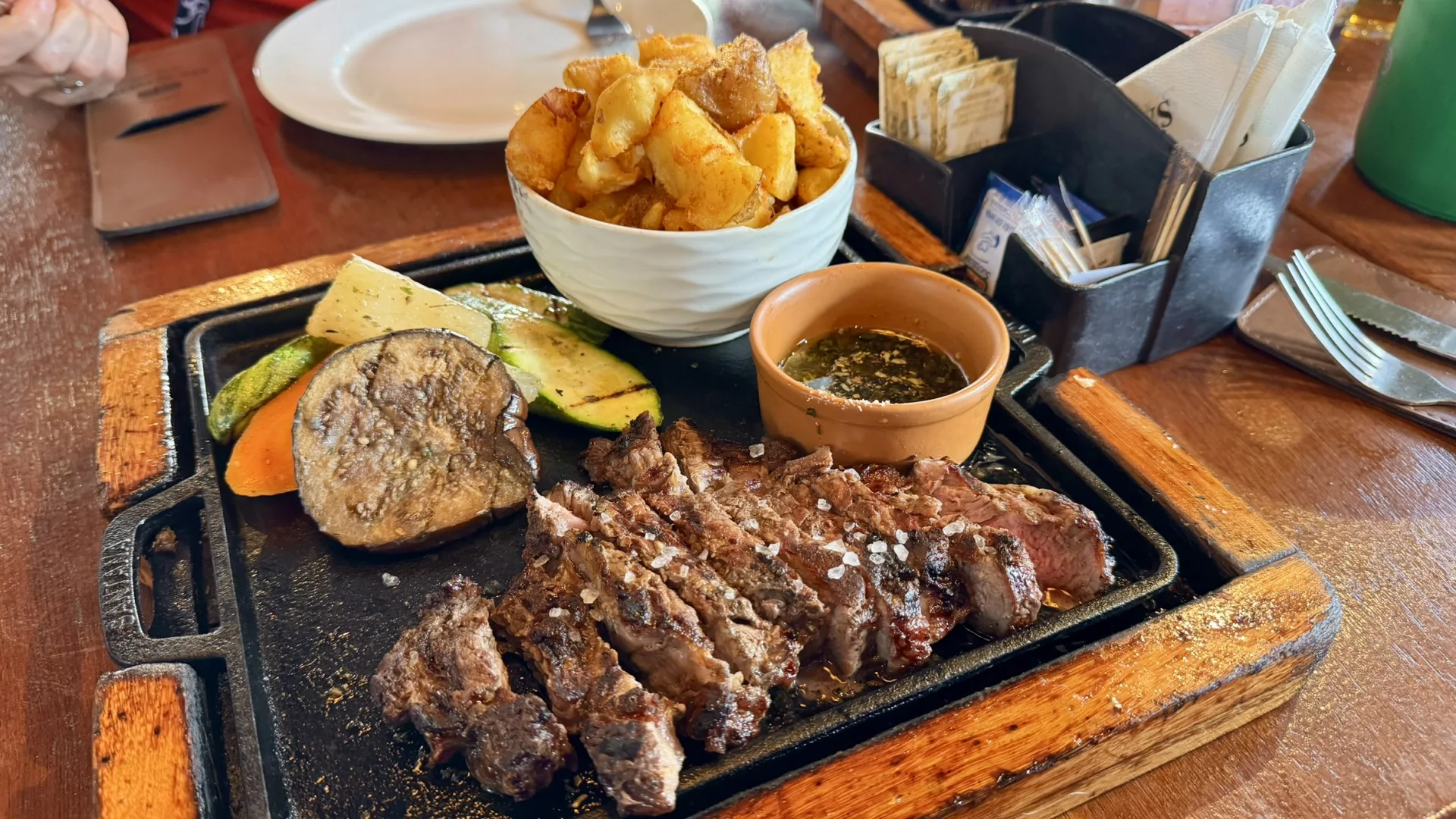
Local food? One of the most famous dishes is "feijoada", a rich stew of black beans and various meats, often served with rice, cabbage and orange slices. This dish is particularly popular on Fridays and Saturdays, when Rio residents enjoy it with family and friends. Another specialty is "moqueca," a fish or shrimp ragout that is cooked in coconut milk with tomatoes, onions and peppers. It is a dish that will enchant you with its exotic taste and aroma. For those with a sweet tooth, there is "brigadeiro," which are small chocolate balls coated in colourful sprinkles, and "quindim," a delicious coconut dessert with a silky texture. You'll also find plenty of stalls on the streets of Rio selling "pão de queijo," small cheese loaves, which are the perfect snack while strolling through the city.
Escadaria Selarón - an iconic staircase pieced together from around the world
Well, I almost forgot the iconic staircase Escadaría Selarón located in Rio de Janeiro, which connects the districts of Santa Teresa and Lapa. This colourful staircase is the work of Chilean artist Jorge Selarón, who worked on its decoration from 1990 until his death in 2013. The staircase is covered with thousands of tiles from more than 60 countries, making it a unique work of art and a popular tourist attraction.
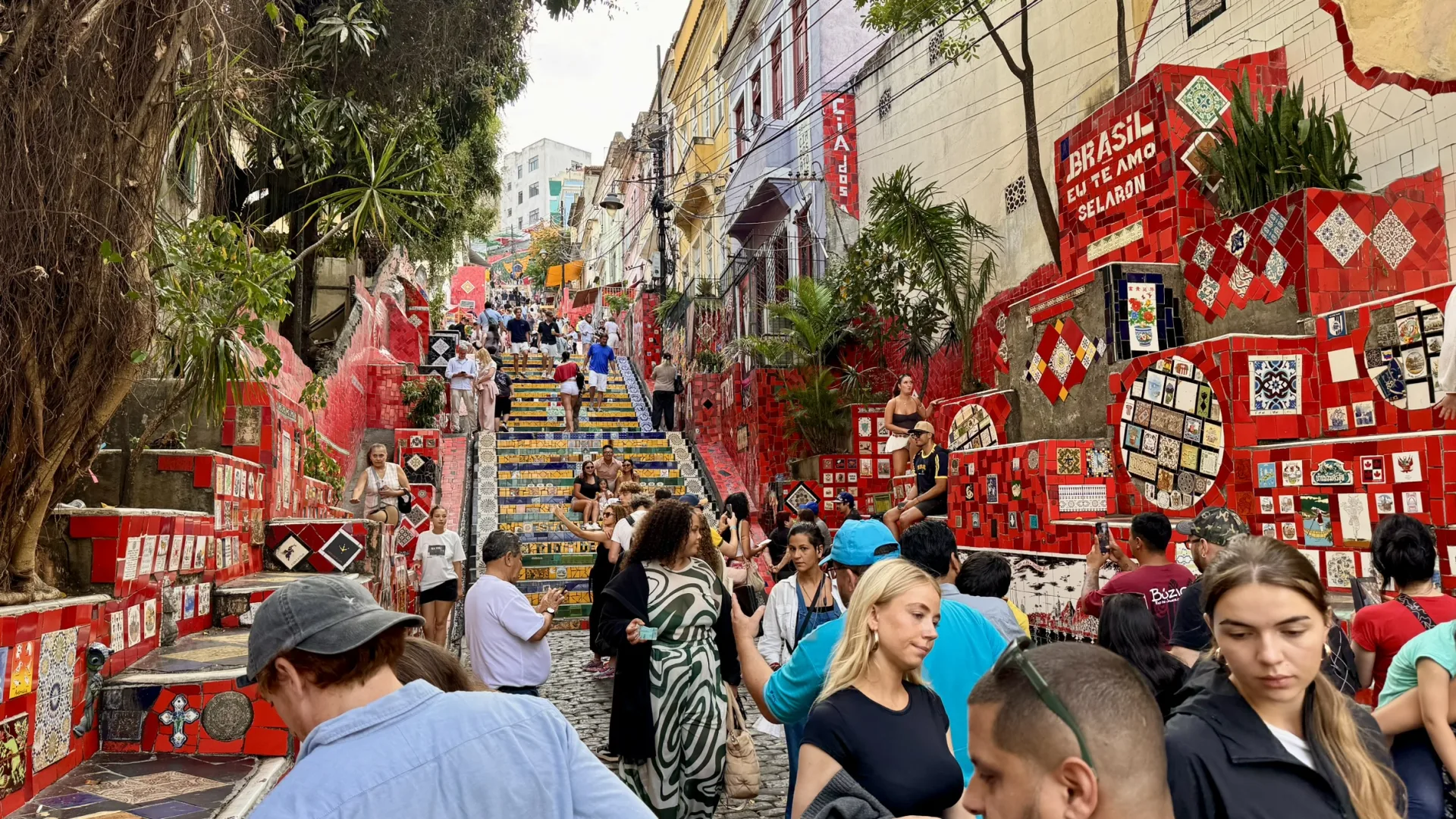
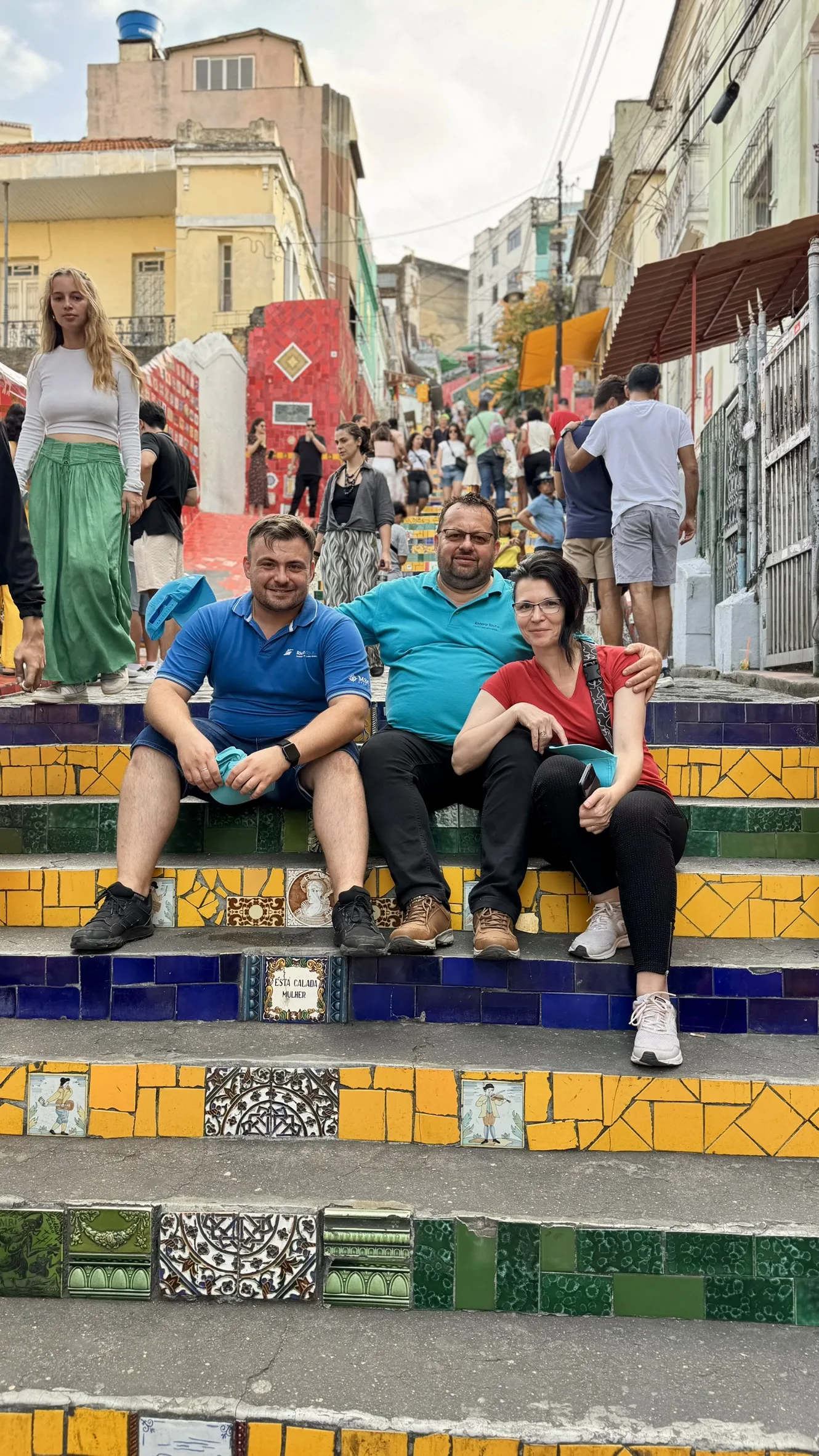
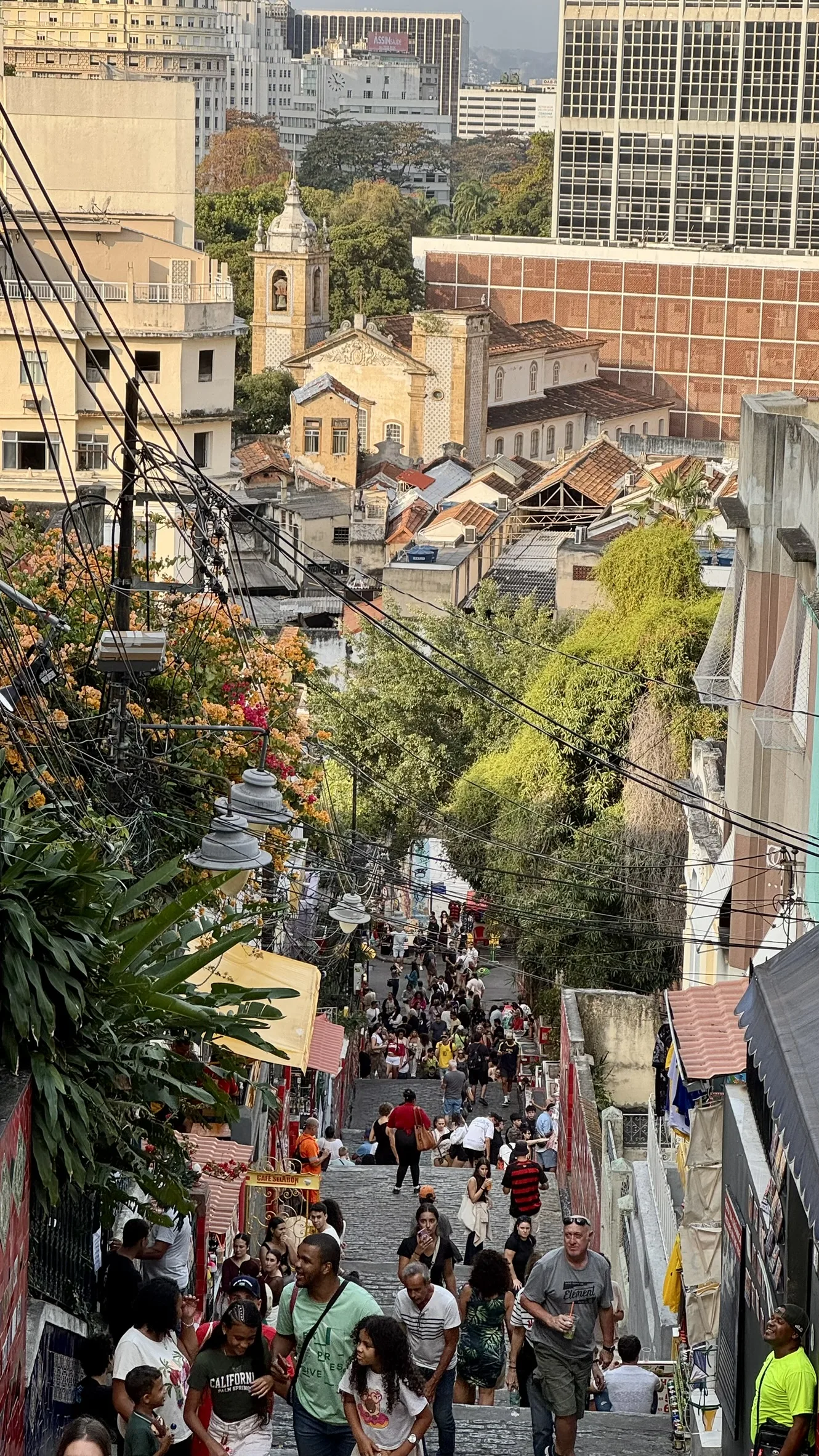
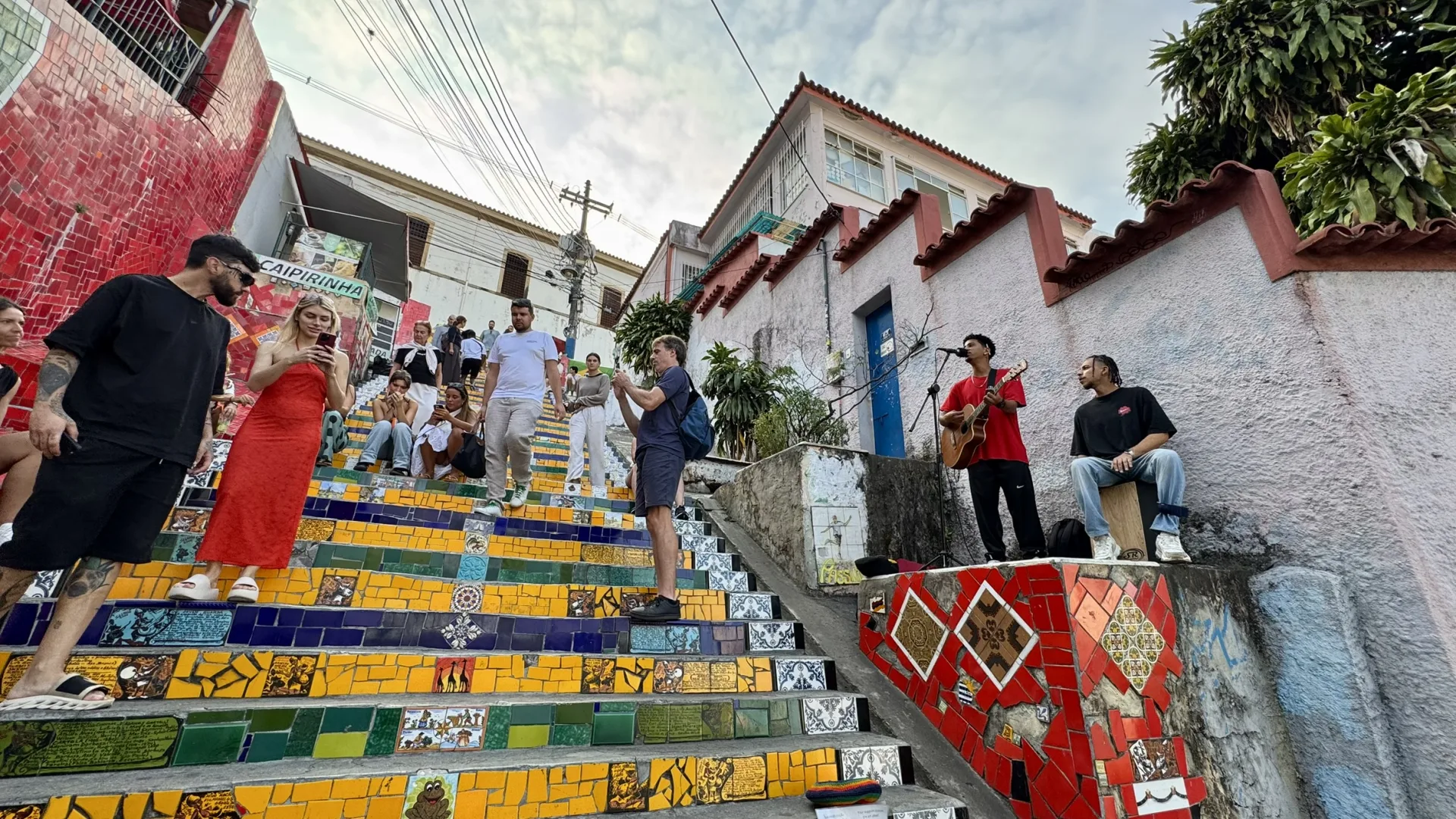
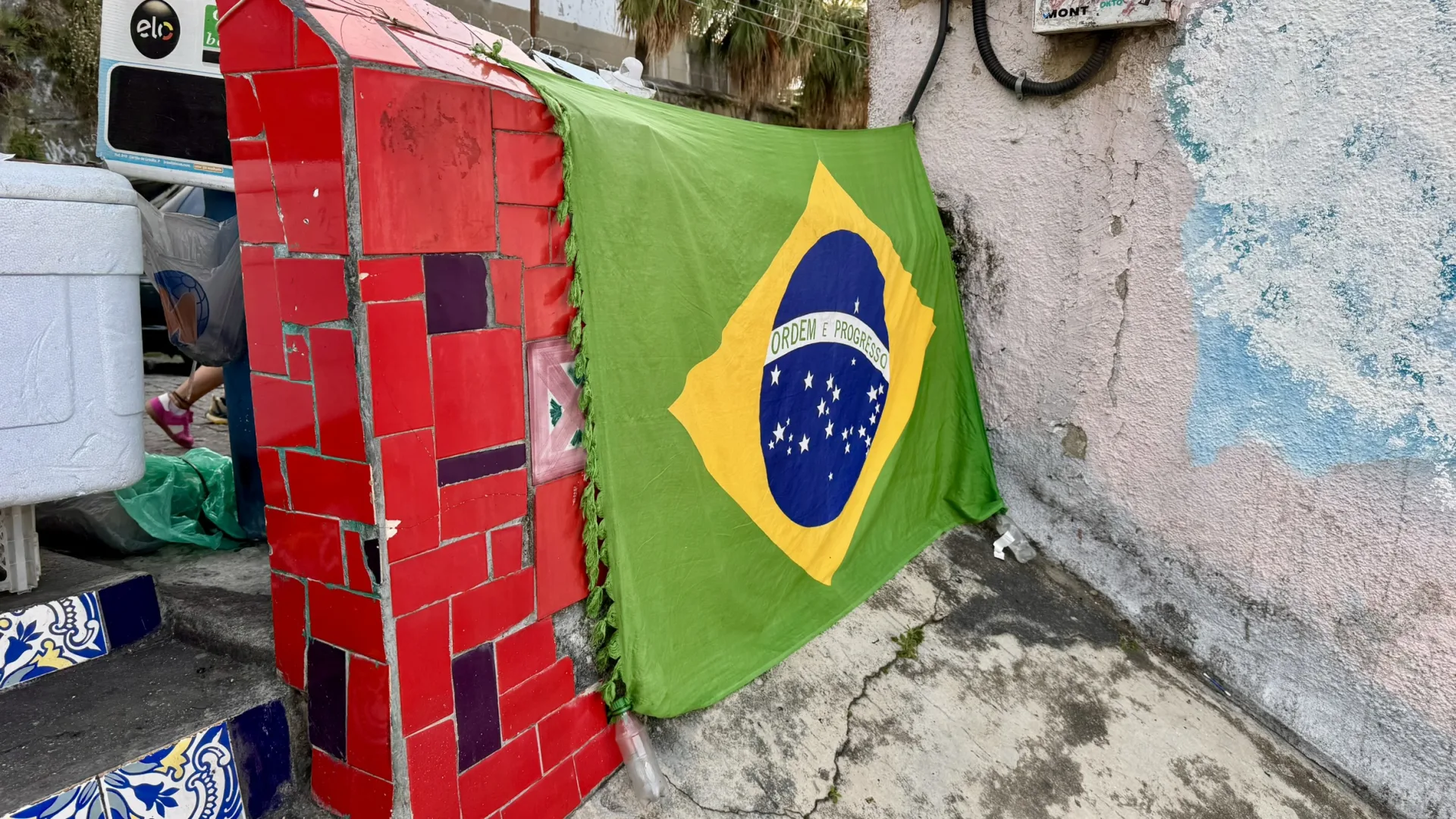
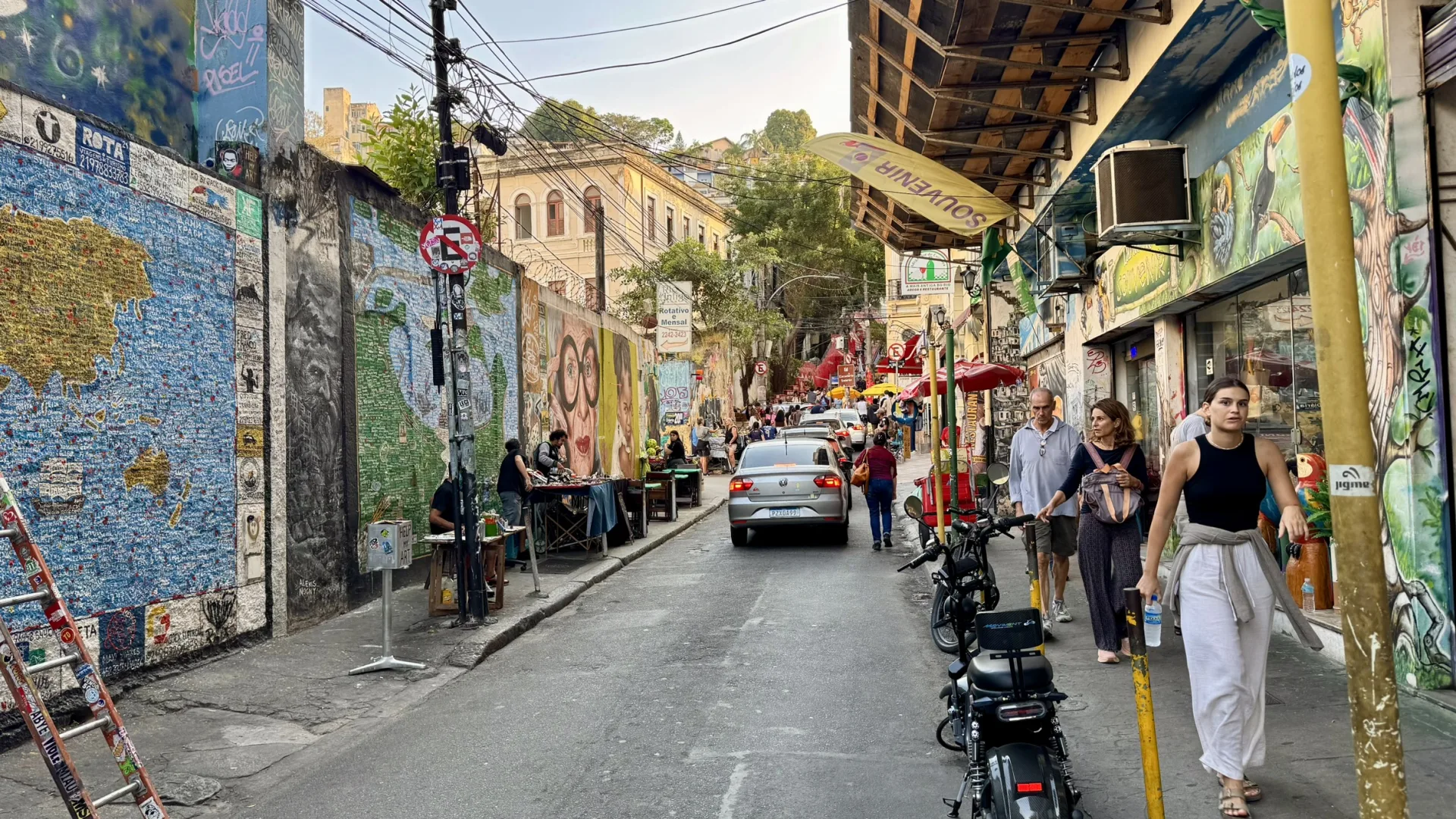
Escadaria Selarón is not only a selected place for photography, but also a symbol of cultural connection and creativity. But mostly you know what makes it interesting, it's supposedly the cheapest place in Rio and I'd say in the whole world, so maybe souvenirs are a fááááct a buck and drinks are too. Like, you can't buy a mojito for a buck...
Continued tomorrow. You can read yesterday's post about the flight to Brazil here.
782 - Carnival Brazil and Argentina🦜💃🏽
Date: February 5 - February 18, 2026
Price: see link