Brazil and Argentina - Day 5: Buenos Aires - In the footsteps of Maradona, Pope Francis and Evita
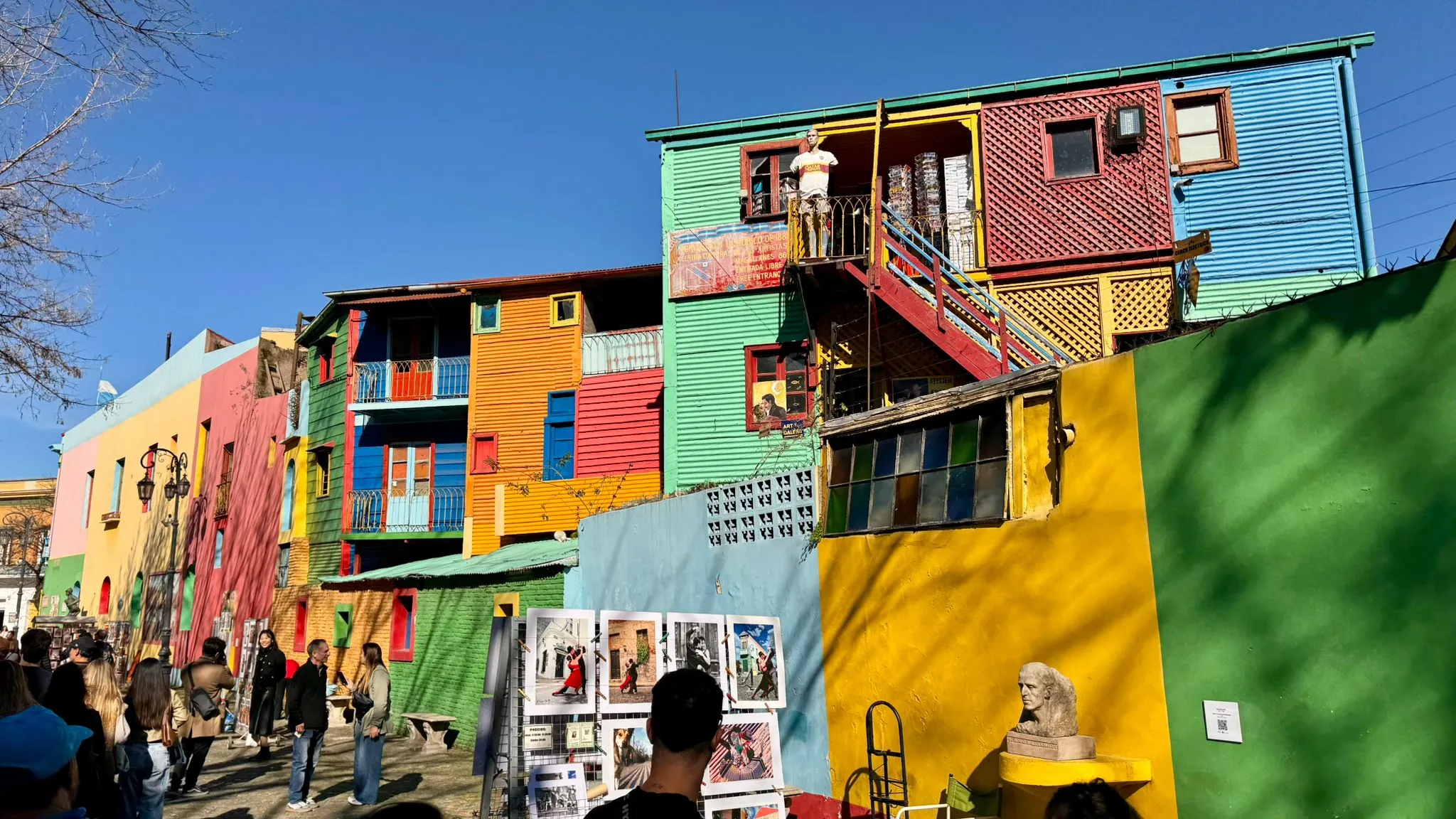
Buenos Aires is the city that gave the world these two extraordinary personalities, a place full of passion, culture and history. Both Maradona and Pope Francis and Evita are proof that this metropolis can produce people who can change the world with their talent, faith and determination.
All three, albeit in different fields, have left a lasting legacy that inspires and connects people around the world. Their memories remain vivid and remind us of the strength of the human spirit and the ability to overcome obstacles. We have traveled in the footsteps of all three personalities and it must be admitted that both, although each one is completely different, are intertwined and are really TOP for the people of Argentina. And this is Argentina, these are unrepeatable cruises with RIVIERA TOUR.
In the footsteps of Pope Francis
Pope Francis, born Jorge Mario Bergoglio, was born on 17 December 1936 in the Flores district of Buenos Aires, the capital of Argentina. Flores is a traditional and densely populated neighborhood located west of the city center. The bus ride is about 25 minutes from our hotel in the center.
Buenos Aires is one of the largest cities in Latin America and is known for its rich culture, architecture and history. At the time of Bergoglio's birth, the Flores district was predominantly inhabited by a community of Italian and Spanish immigrants, which had a significant impact on its cultural atmosphere. Jorge Bergoglio's family themselves came from Italian roots, which was very common in the area at the time.
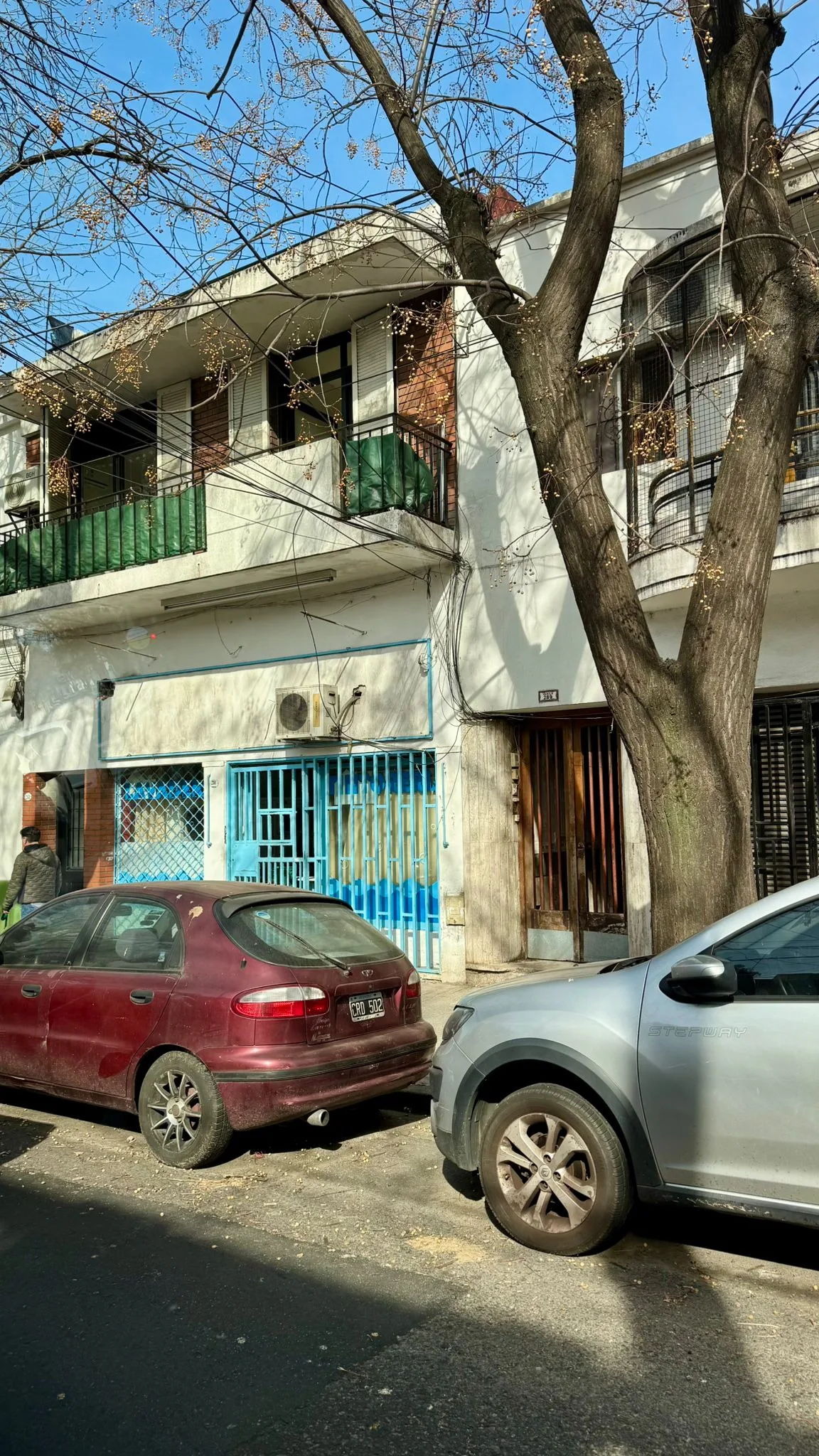
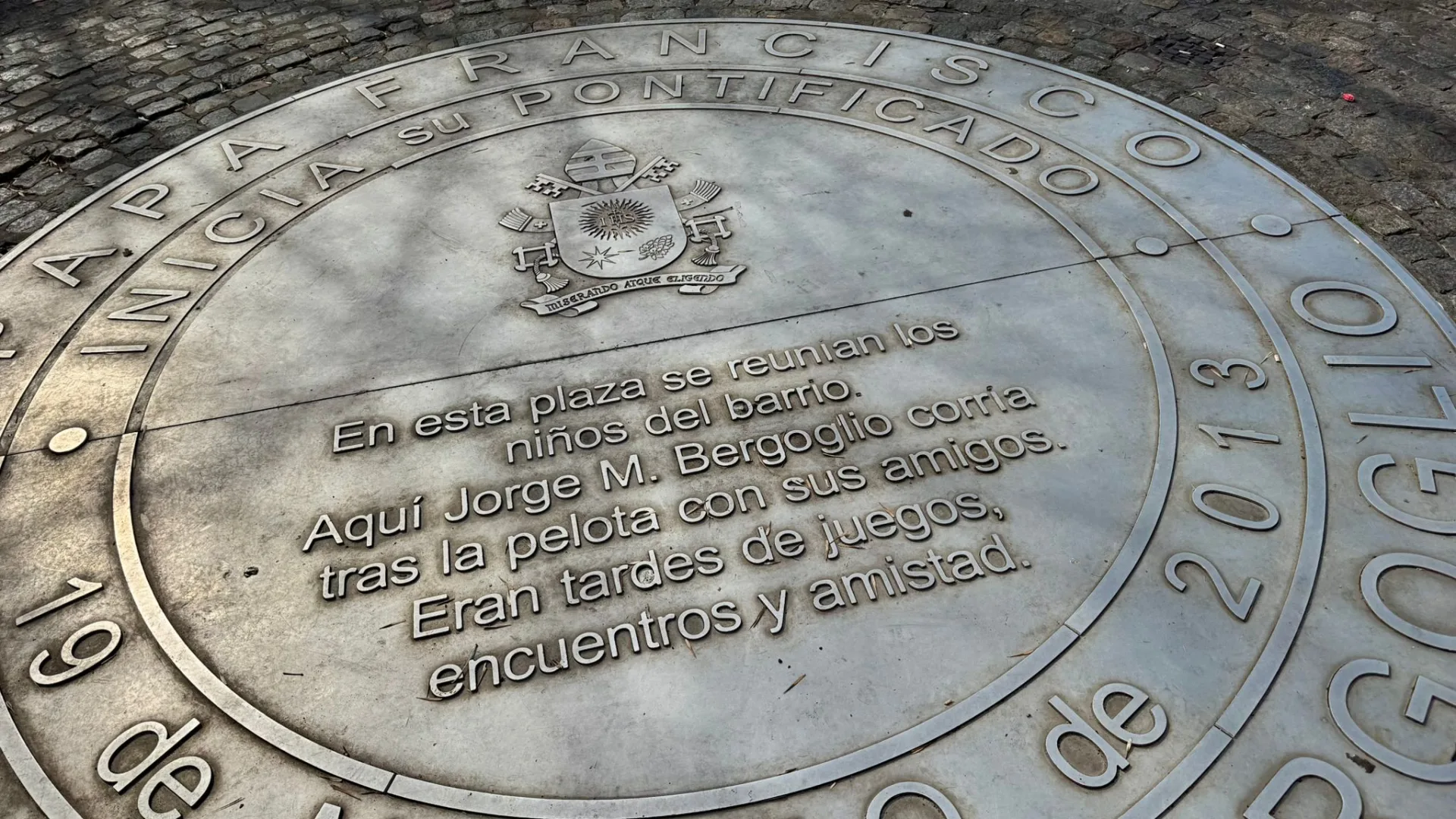
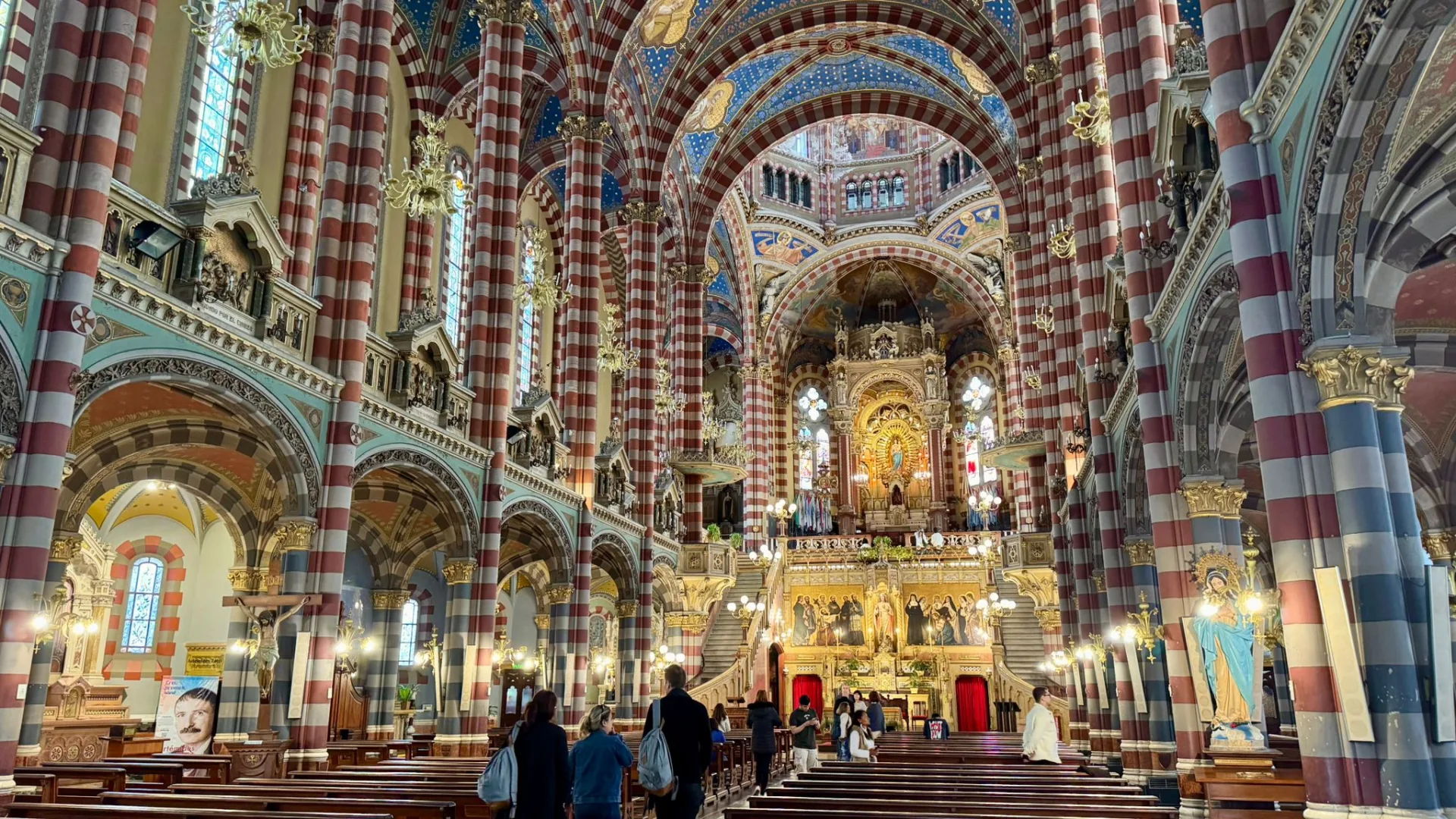
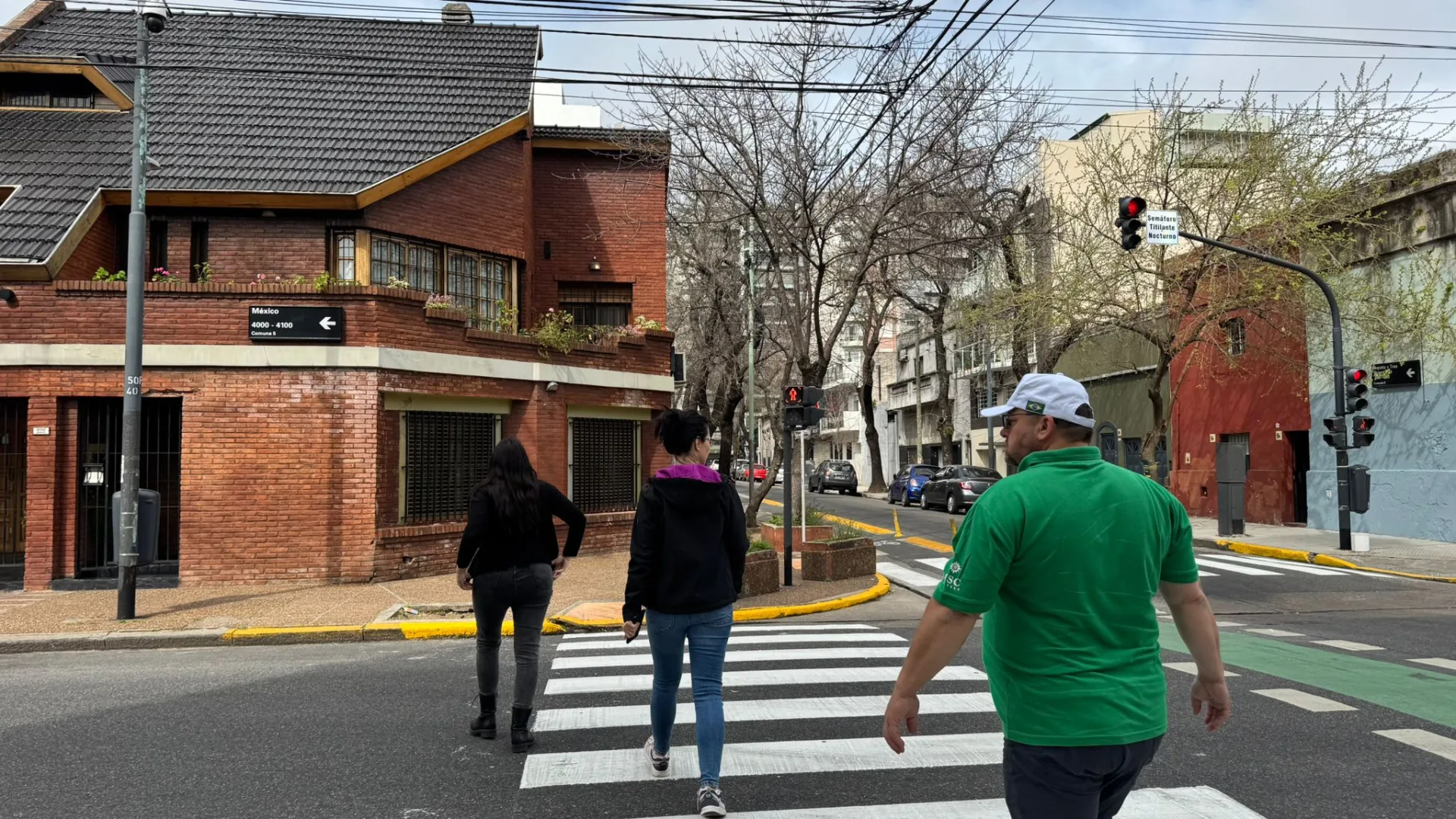
Bergoglio spent his childhood and youth in Flores. He grew up in a traditional Catholic family, which profoundly influenced his future life path. He attended local schools and later decided to enter the seminary, which led to his future career in the Catholic Church. And we get to see it all, the family home, the school, the plaza where Francis played as a child or the house where they later moved.
Today, Flores is a place that attracts the attention of visitors who want to get to know better the roots of Pope Francis and his early life. This neighbourhood, with its rich traditions and history, remains an important part of the identity of Buenos Aires and of Argentina's overall cultural heritage.
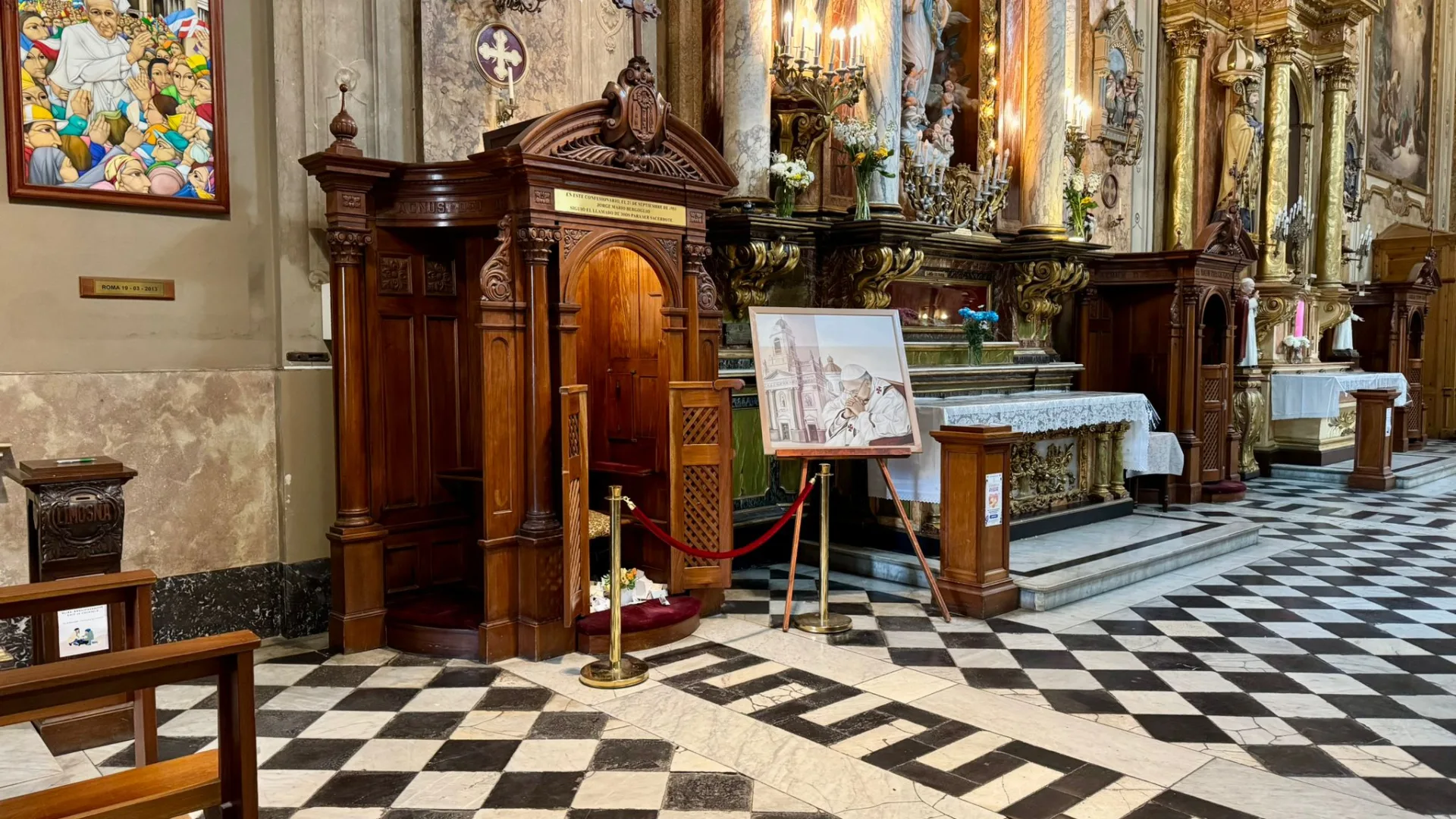
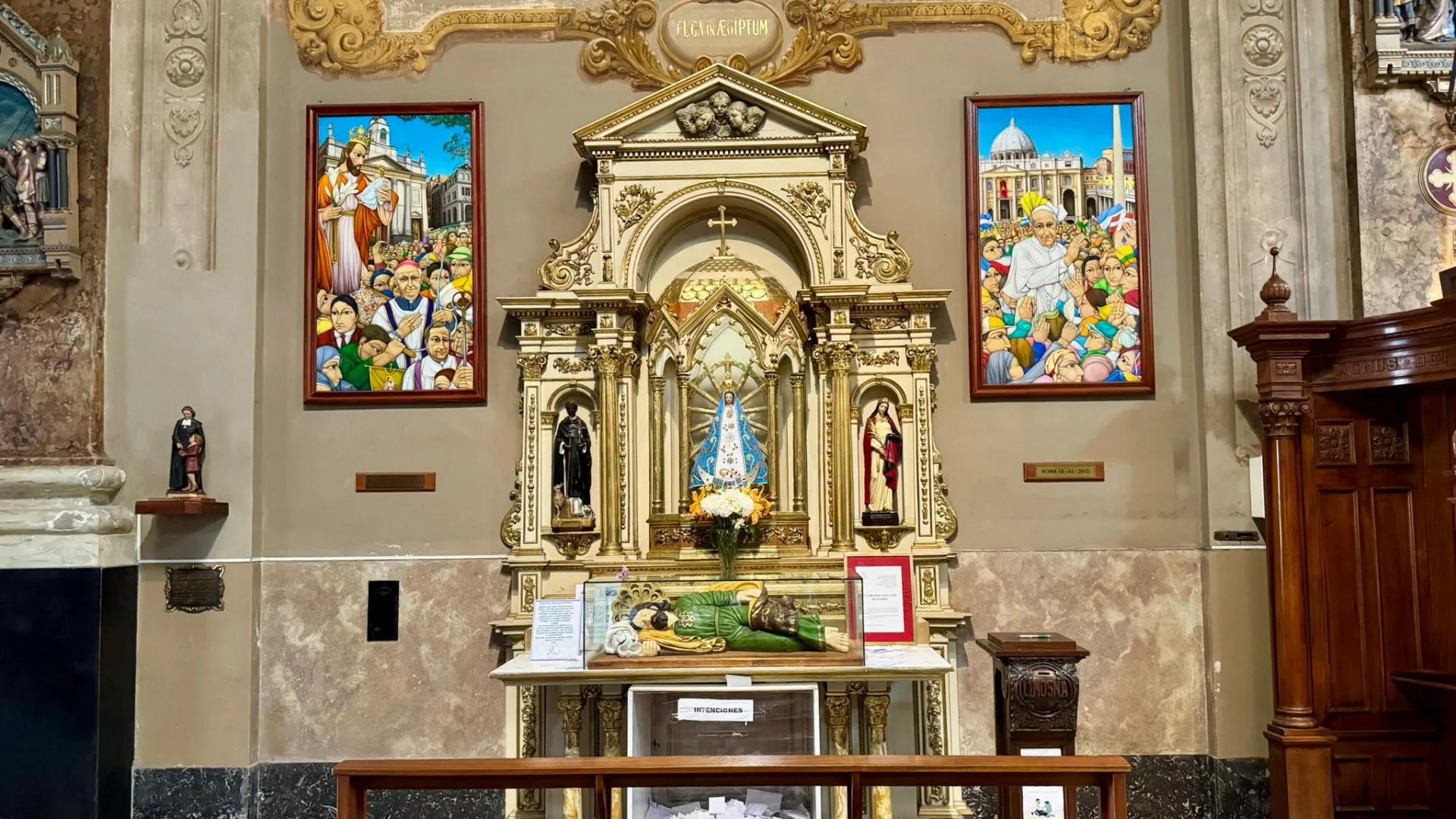
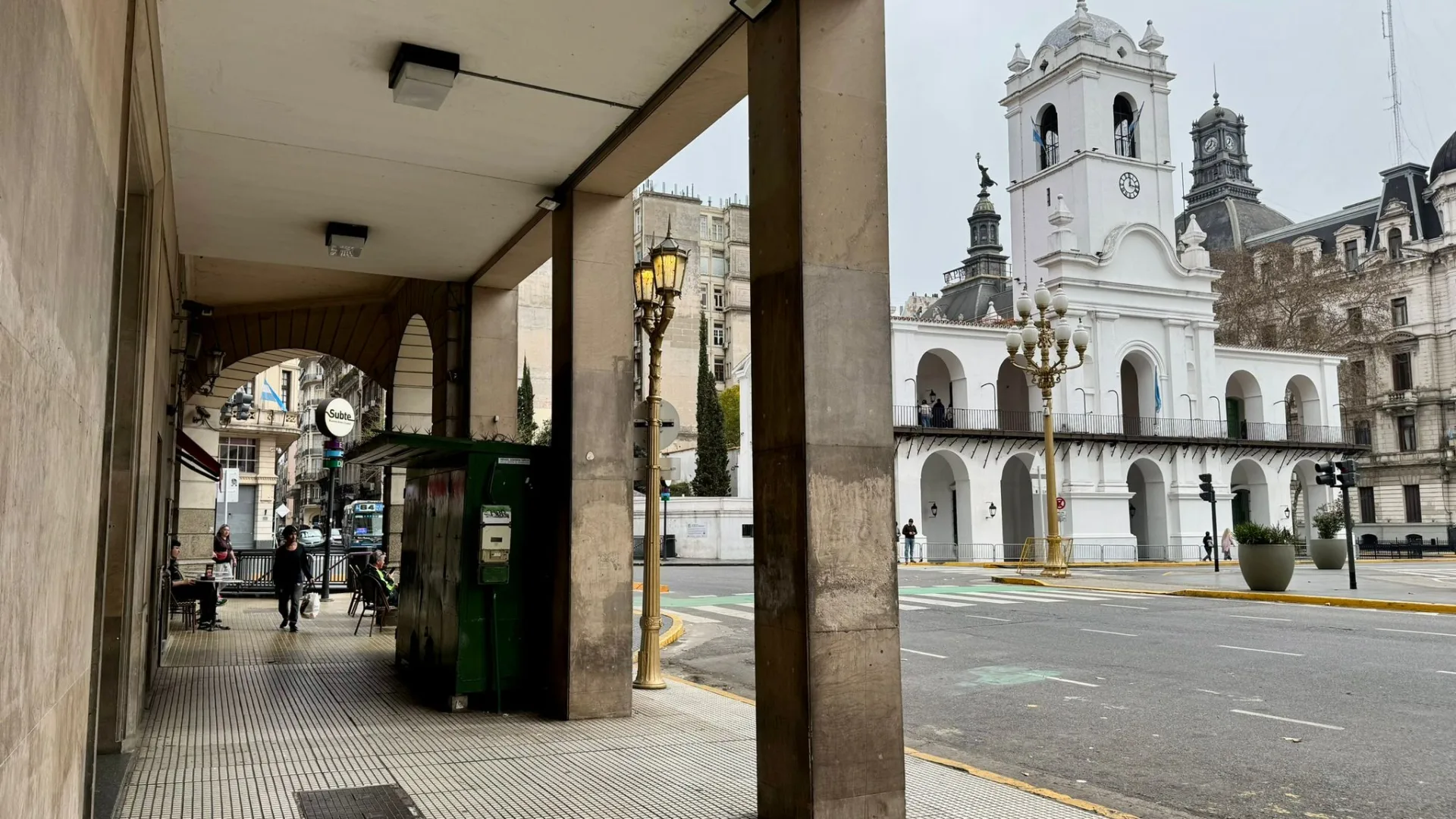
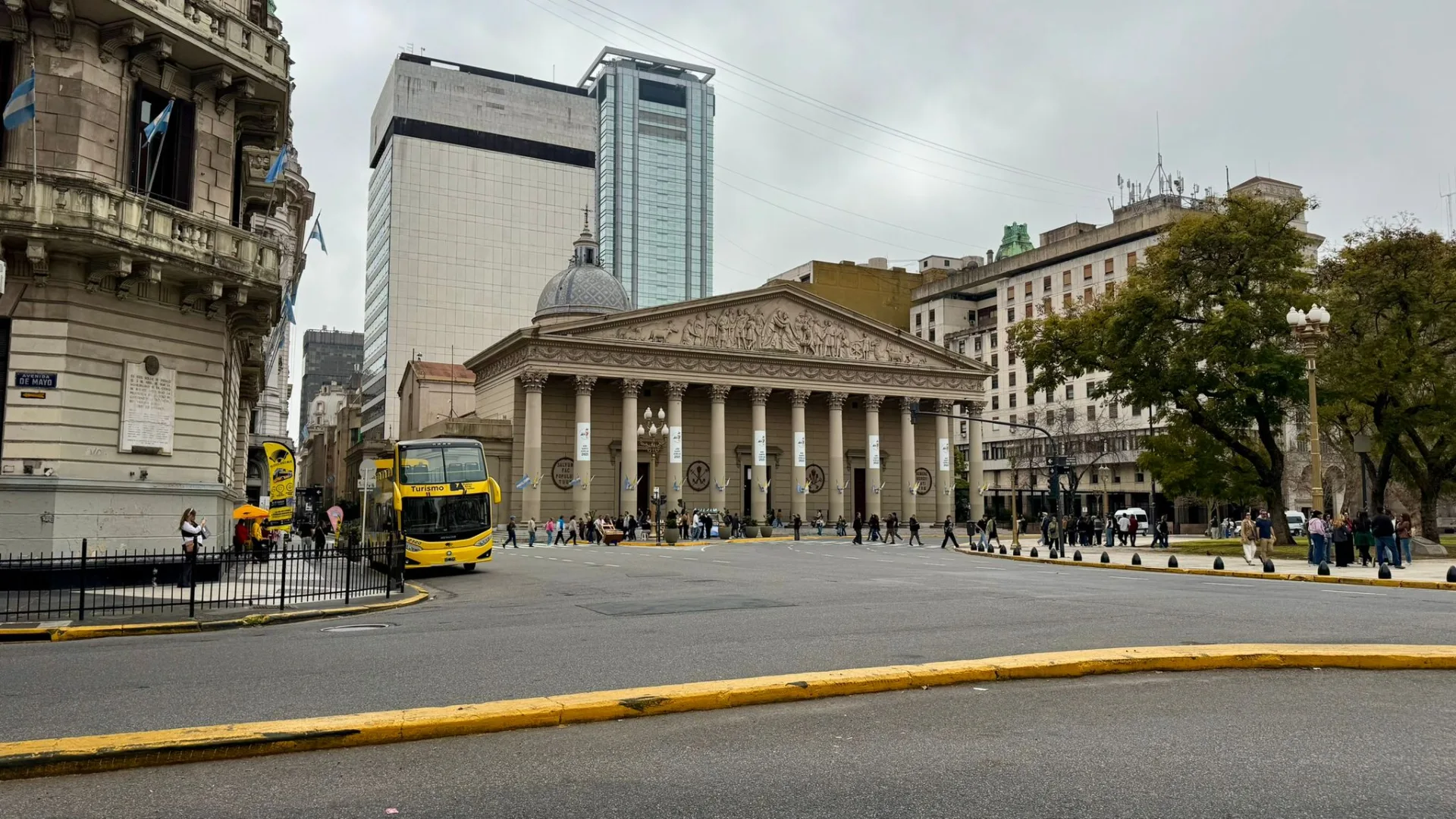
Pope Francis, elected in 2013 as the first Latin American Pope, has become a symbol of humility, compassion and openness of the Church to the modern challenges of the world. His work has been characterised by an emphasis on social justice, environmental protection and interfaith dialogue. Francis is known for his efforts to bring the Church closer to ordinary people and to emphasize her role in helping those in need. And we were lucky enough to see the Pope's birthplace, the school he went to or the playground where he used to play. The basilicas and churches where he worked were really incredibly impressive.
Diego Maradona's Hand of God
In the second part of the trip, after a great lunch, we visit the stadium where Diego Maradona started playing great football.
The Alberto J. Armando Stadium, known as La Bombonera (Bonboniéra), is a major football stadium in Buenos Aires. It is located in the La Boca district, which is part of the city. This stadium is home to the CA Boca Juniors club, where Diego Maradona began his professional career and where the Argentine national team plays its matches from time to time.
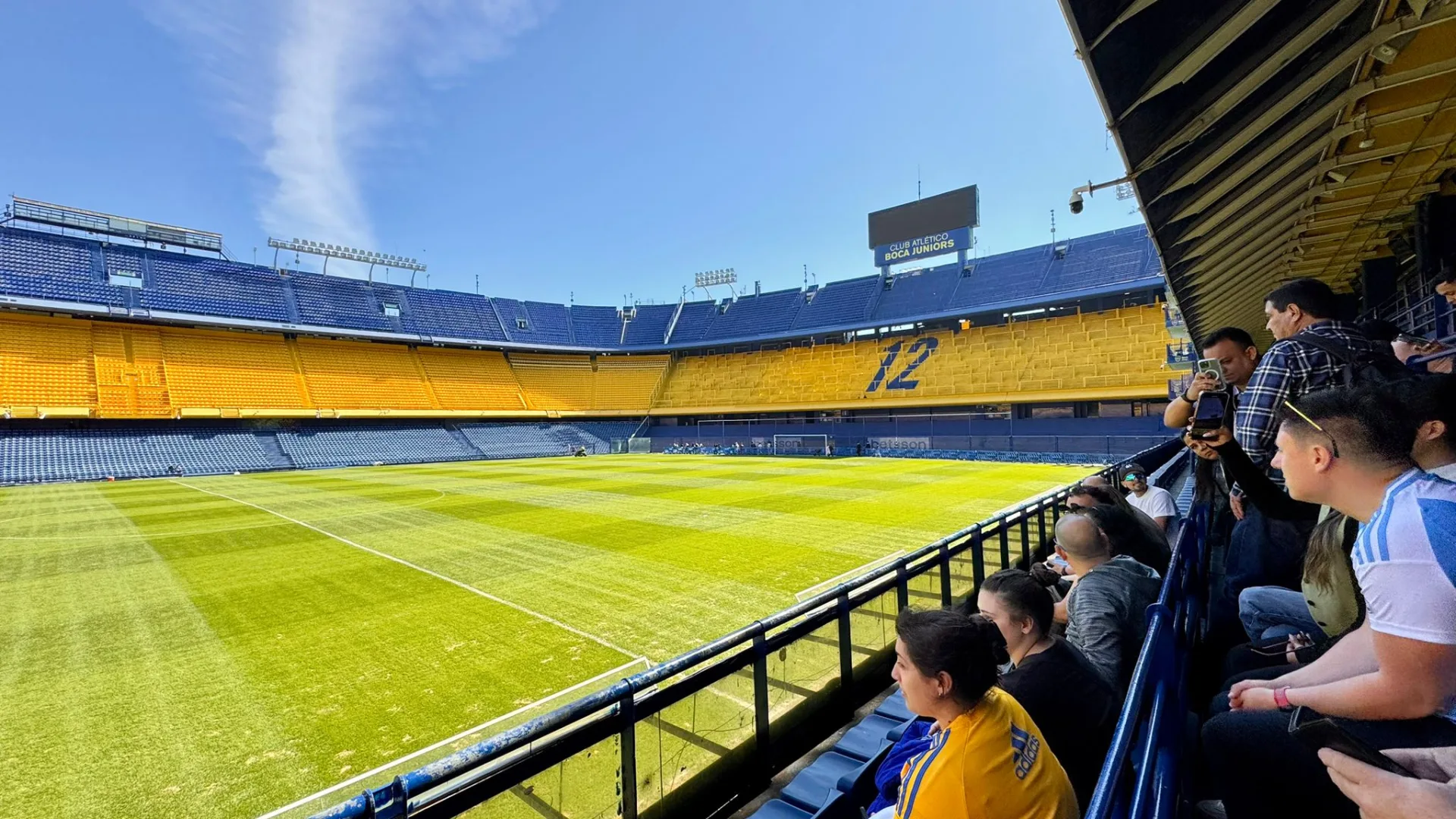
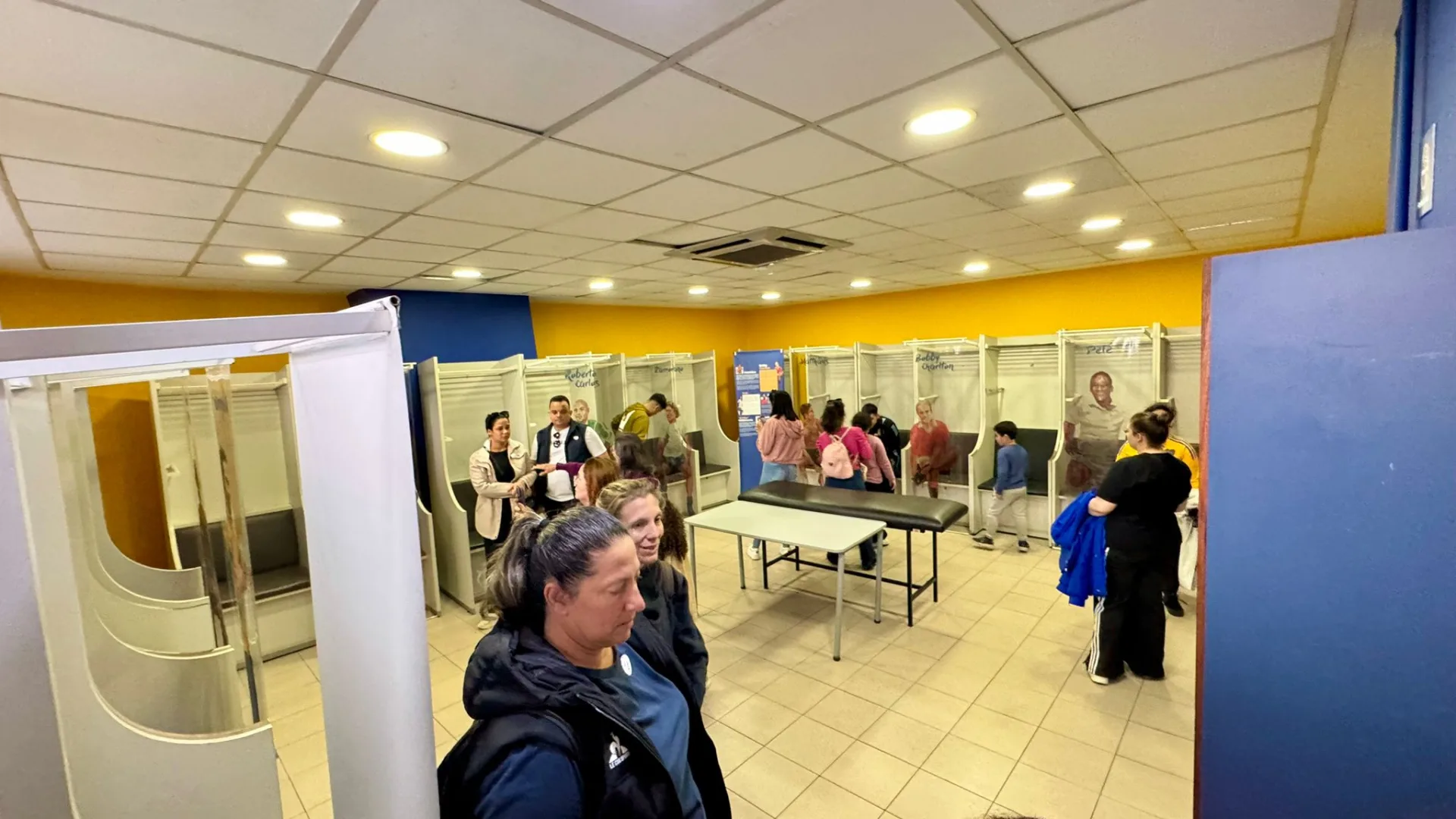
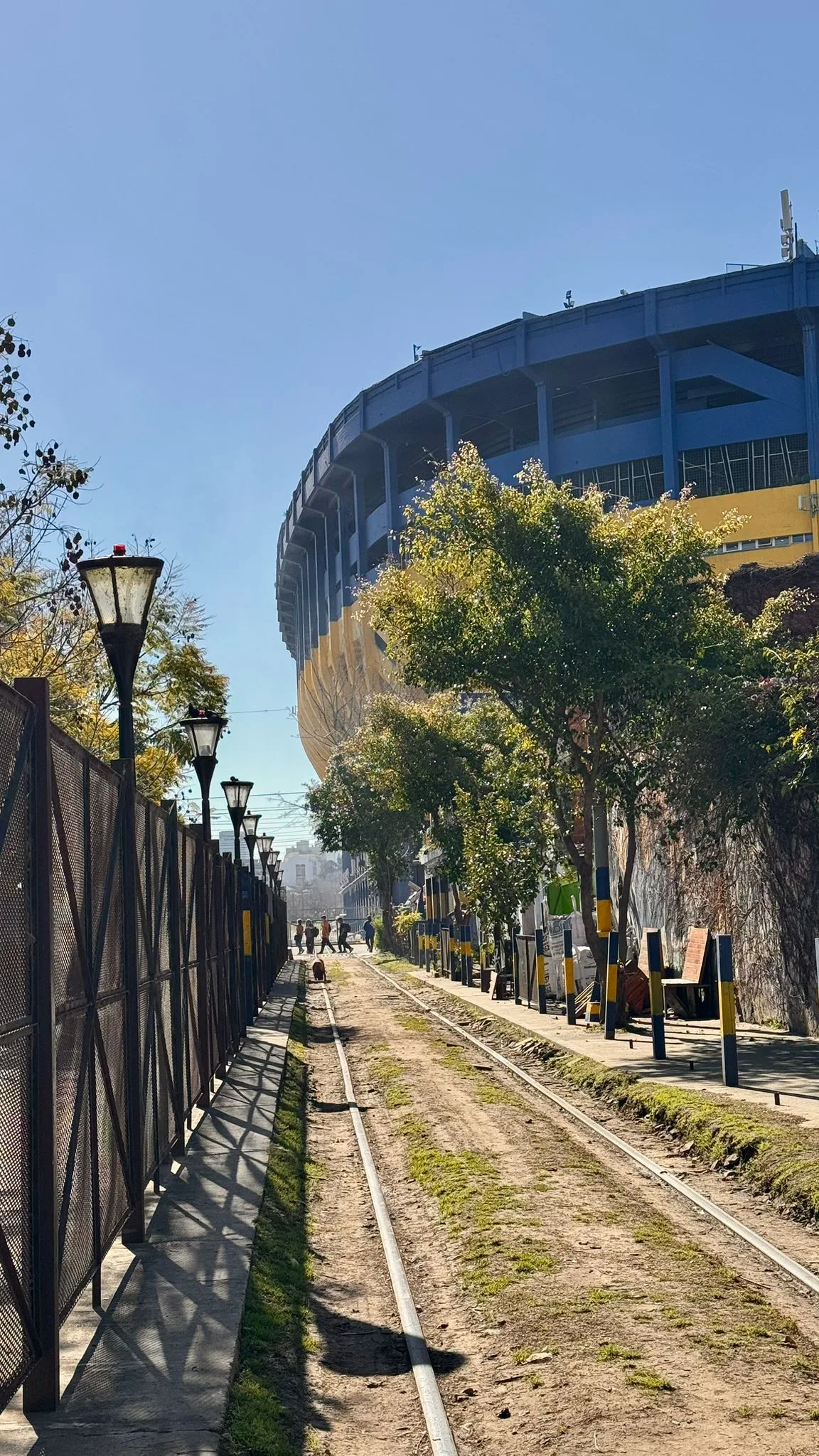
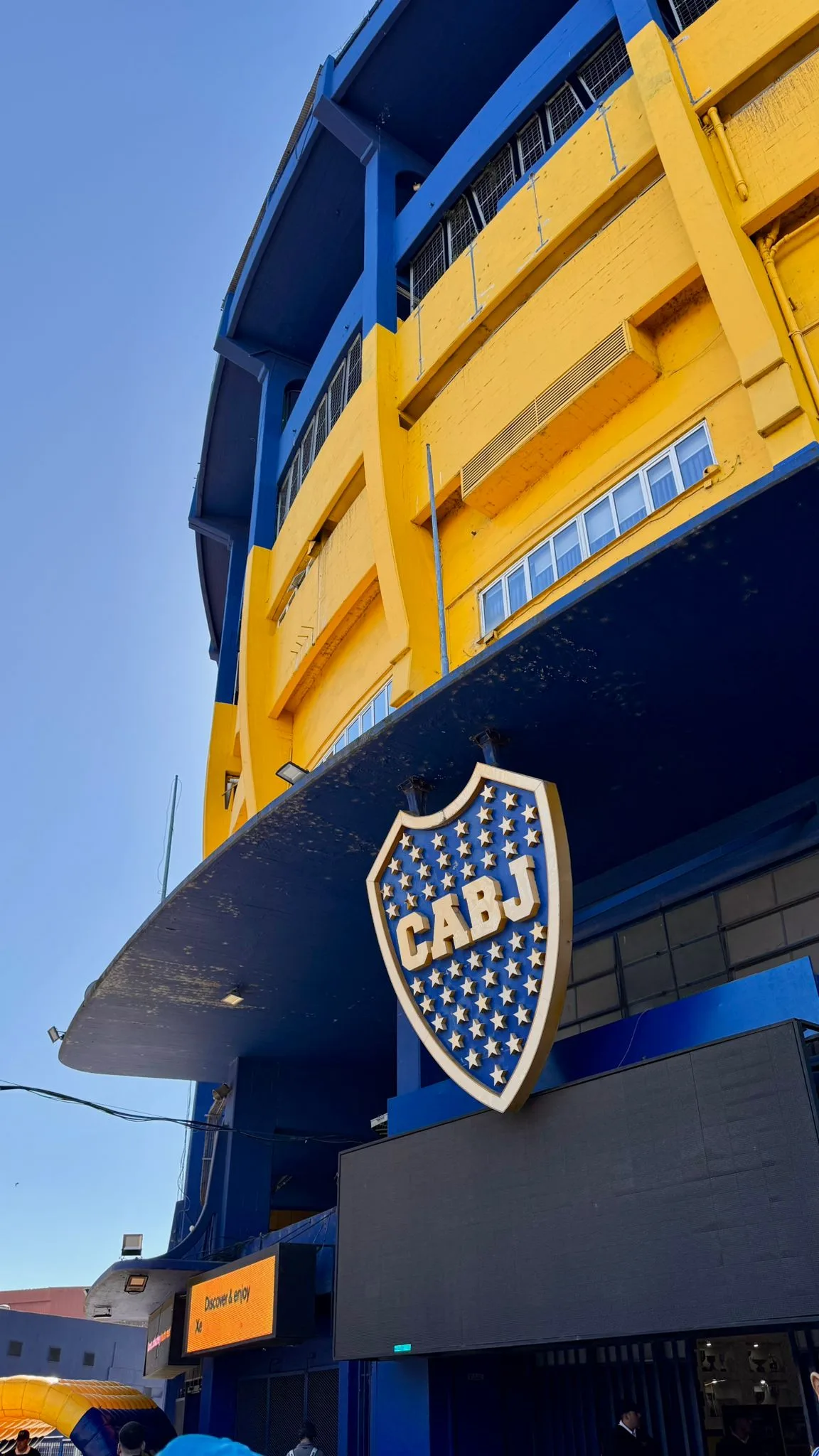
And we'll visit him, head to the dressing rooms where Diego was and prepared for the match, walk the whole stadium and you can touch the local "green stubble". There's a really special atmosphere around the stadium, lots of little shops and a statue of the Pope and Maradona in the balcony. Hey, you can't make this stuff up. It's Argentina.
Diego Maradona, born in 1960 in Buenos Aires, is considered one of the greatest footballers of all time. His career began at Argentinos Juniors and he soon became world famous for his extraordinary ability with the ball. The highlight of his career was the 1986 World Cup, where he led the Argentine team to victory. His legendary 'Hand of God' and the magnificent goal against England remain unforgettable moments in football history. Maradona has become a symbol of Argentina's passion for football and his influence has transcended sport, impacting culture and society. He died in 2020, but his legacy lives on. Just visit the stadium you visit with RIVIERA TOUR on cruises, the surrounding streets are simply a must-see, the atmosphere, the football.
Eva Perón - an icon of Argentine history
Our visit to Argentina would not be complete if we forgot the third important figure associated with this country. Eva Perón, but mainly known as Evita, is one of the most important and controversial figures in Argentine history. She was born on 7 May 1919 in the small village of Los Toldos in Argentina. She came from a poor background and moved to Buenos Aires at a young age with the aim of becoming an actress.
In 1944 she met Juan Domingo Perón, an influential politician and officer, whom she married a year later. When Juan Perón became President of Argentina in 1946, Eva became First Lady and became active in social programs aimed at helping the poor and working class. She established a foundation that provided financial support to poor families, building schools, hospitals and homes for the elderly.
Evita was popular among the common people who worshipped her as the "spiritual leader of the nation". She was known for her charismatic personality, passion and commitment to social justice. Her role in the women's movement was also significant; she was instrumental in the push for women's suffrage, which was introduced in Argentina in 1947.
Despite her popularity, she faced criticism and opposition from some elites and the opposition, who considered her a controversial figure because of her rapid rise and influence in politics.
Eva's life journey was unfortunately short. She died of cancer at the age of only 33 on July 26, 1952. Her funeral became a national event, attended by millions of mourners. Evita remains a symbol of the fight for the rights of the poor and oppressed, and her life has inspired many books, films and musicals, including the famous musical and film "Evita". Her legacy is still alive and well in Argentina today and continues to evoke strong emotions.
La Boca - the colourful neighbourhood of the poor
La Boca is one of the most famous and colourful neighbourhoods in Buenos Aires. This neighbourhood is famous for its bohemian atmosphere, colourful houses and artwork on the streets. La Boca was originally home to many immigrants, mostly from Italy, which is reflected in its architecture and culture.
The most famous street in La Boca is Caminito, a pedestrianised area full of street artists, painters and tango dancers. La Boca is also famous for its La Bombonera soccer stadium, home to Boca Juniors, one of the most successful and popular soccer clubs in Argentina. Diego Maradona played for Boca Juniors and his association with the club further strengthened his myth in Argentine football.
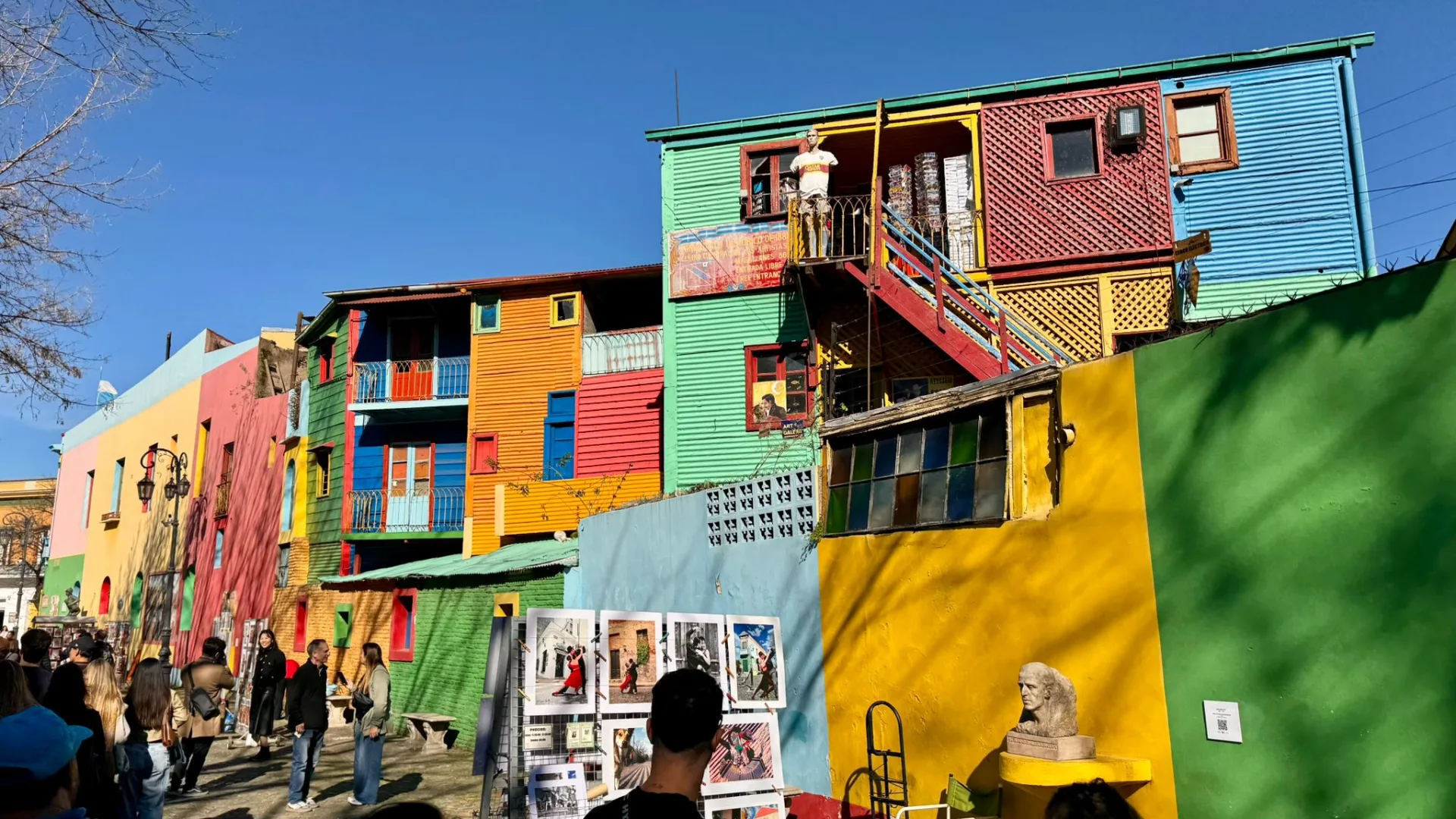
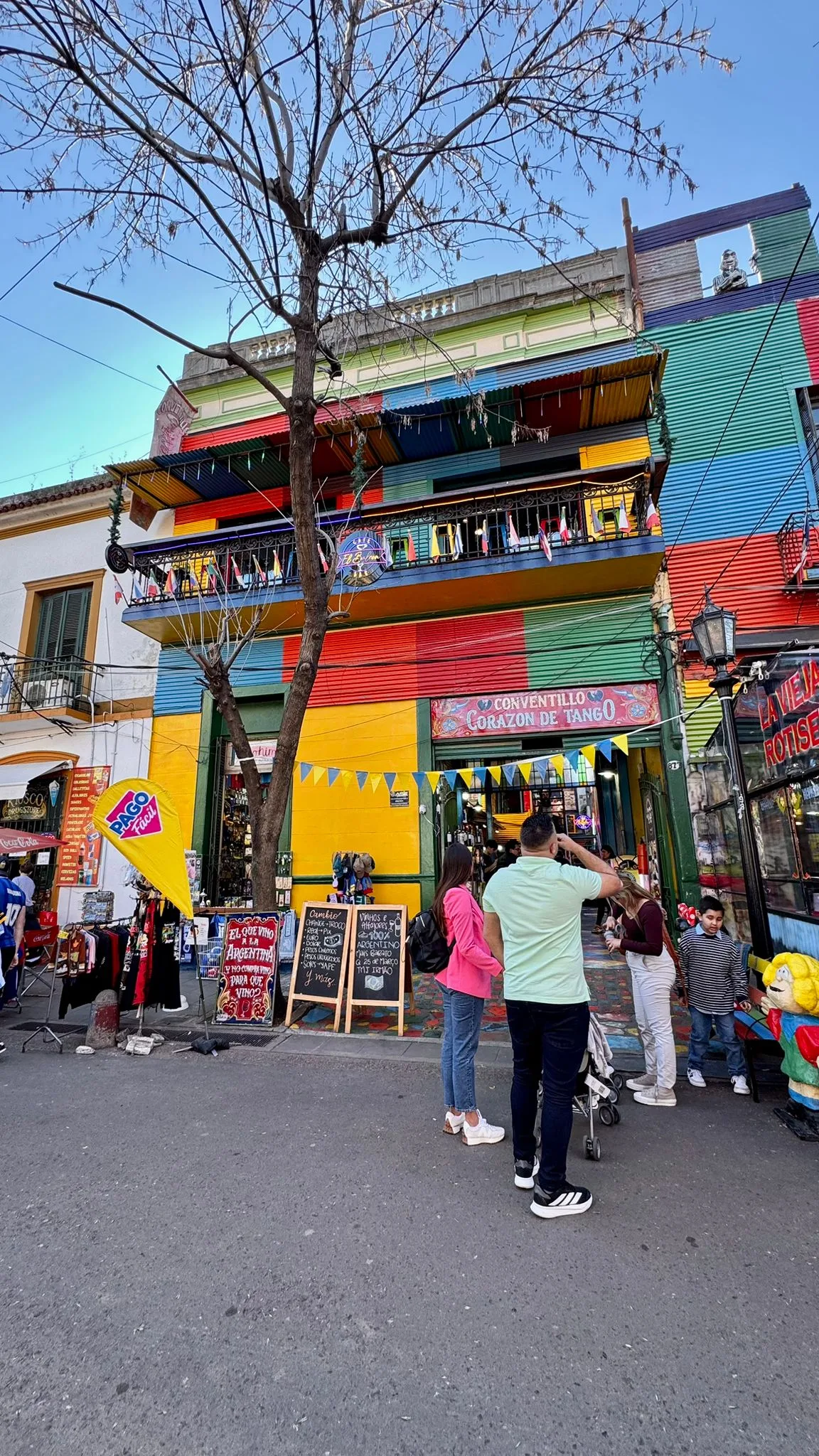
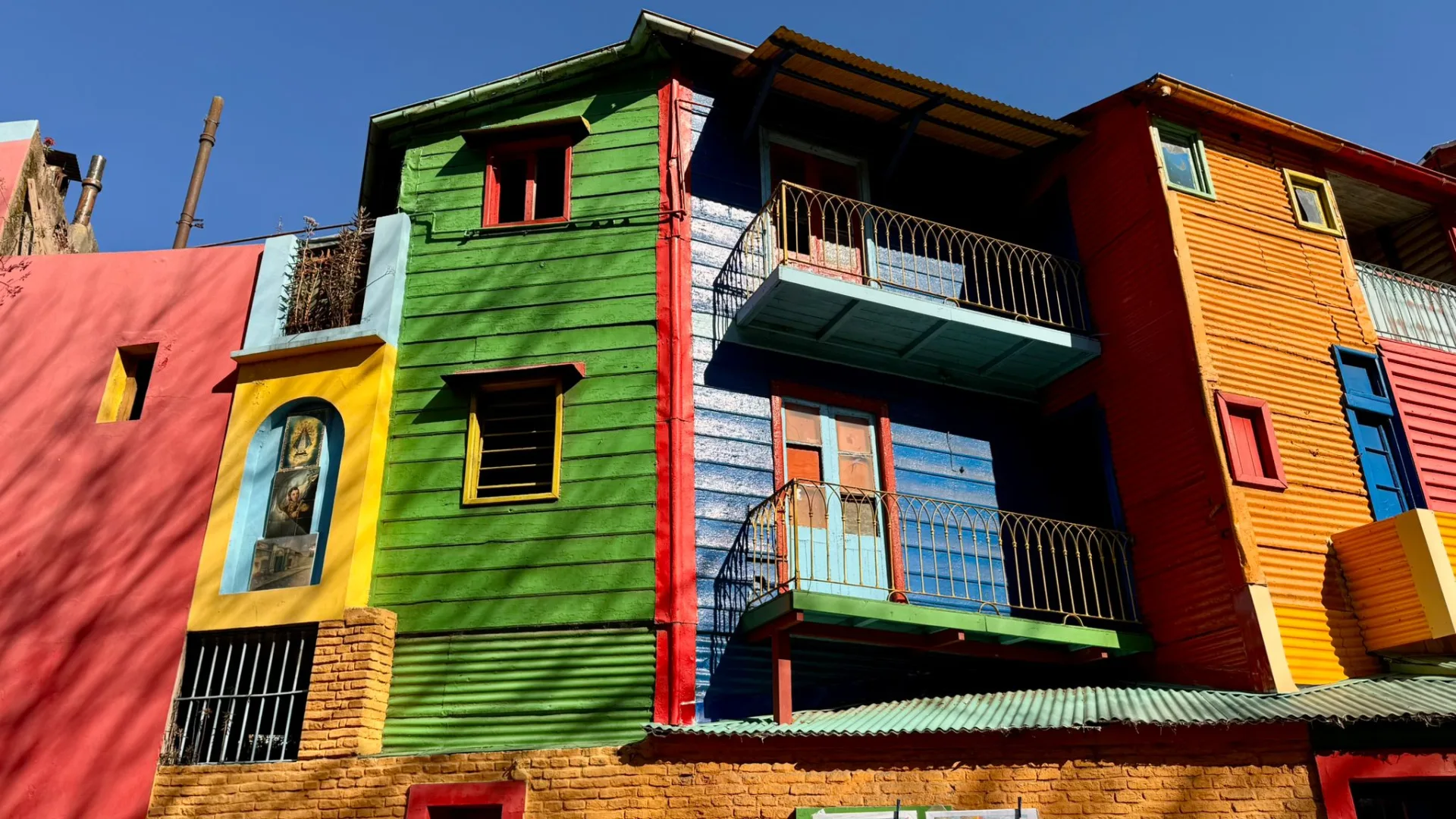
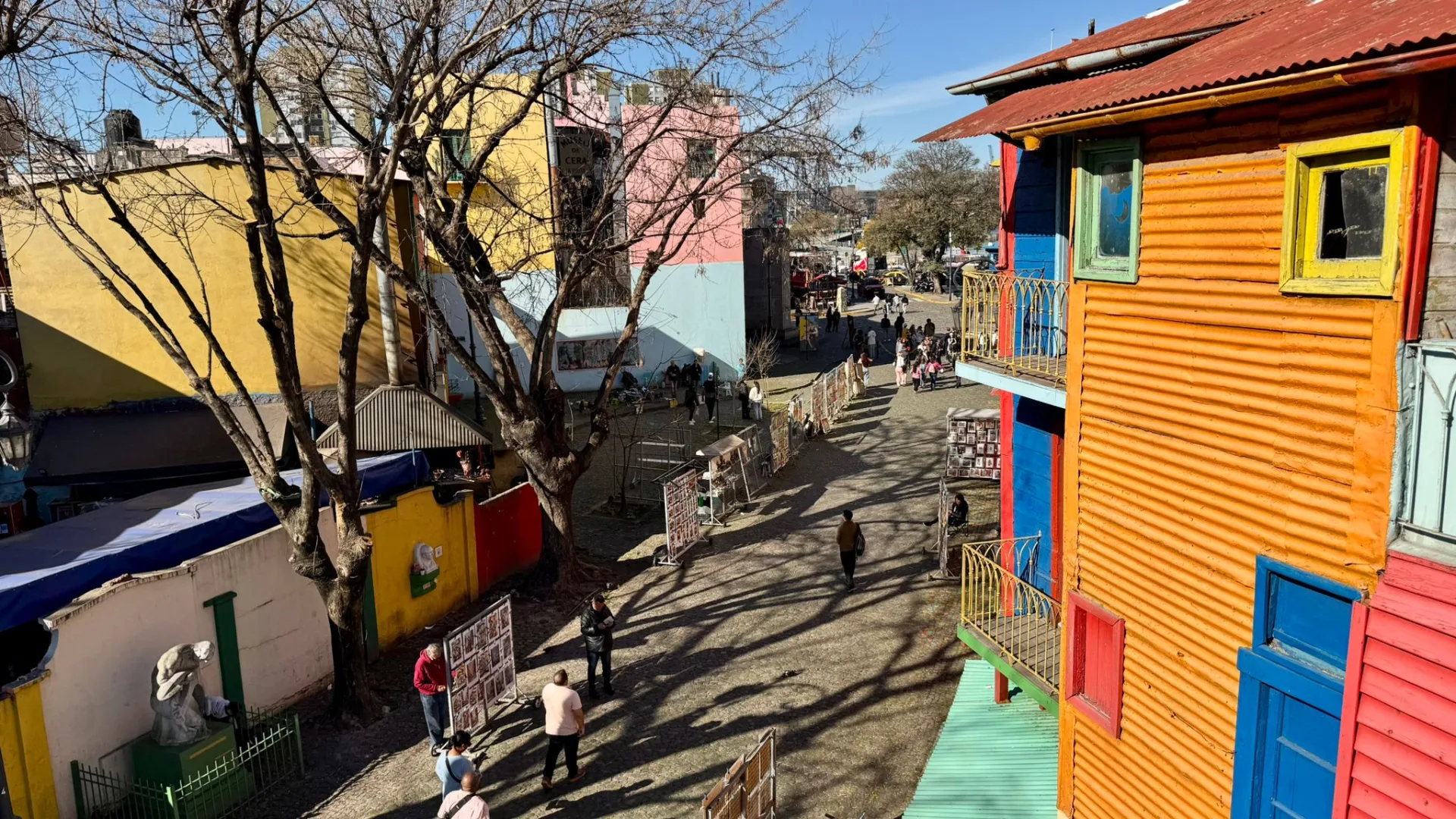
La Boca is a popular tourist destination and offers visitors not only a glimpse into the history and culture of Buenos Aires, but also an authentic experience of Argentine football, art and music. We buy some tea and souvenirs and head to the hotel. We have had a wonderful day in Buenos Aires.
A journey halfway around the world
I look at the 6-lane highway that leads to the airport, thinking about the collapse of Argentina as a country. Travel is more than just seeing new places; it is a process of discovery that helps us figure out who we really are, and how we relate to others in this world.
When we expand our horizons, we also expand our hearts and minds. And that is why I would like to encourage everyone: travel, discover and be surprised by the world that awaits you beyond your comfort zone. Because in the end, it is travel that gives us the greatest riches - the experiences and wisdom that stay with us for a lifetime.
Lord God, thank you for the gift, the gift of travel, exploration and new knowledge and insights.
Continued tomorrow. You can read a previous post about visiting Buenos Aires here.
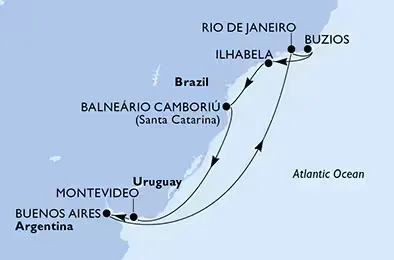
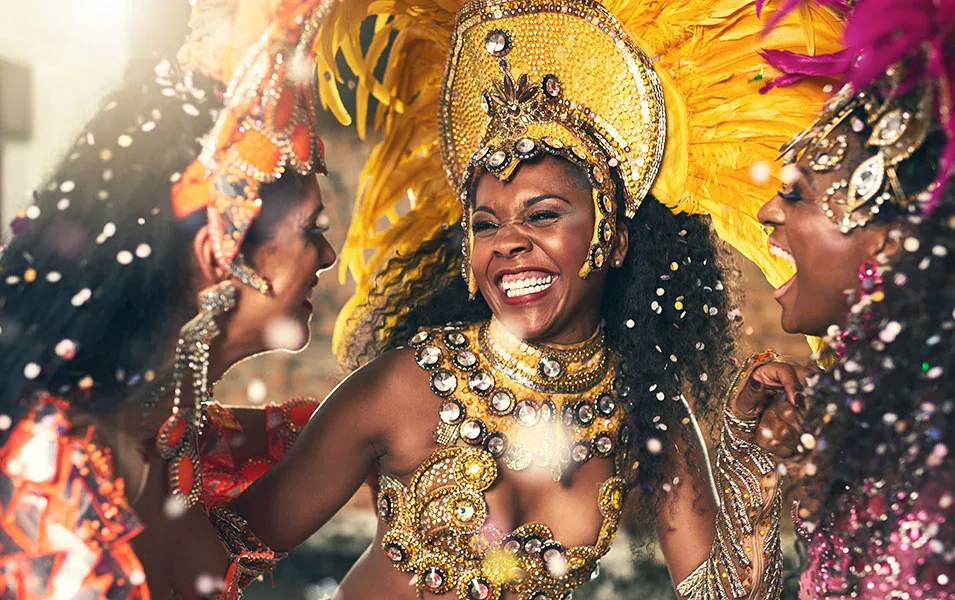
782 - Carnival Brazil and Argentina🦜💃🏽
Date: February 5 - February 18, 2026