951 - Cruise to Panama in the Caribbean
Caribbean and Antilles, 1/22/2027 – 2/5/2027



951 - Cruise to Panama in the Caribbean
Caribbean and Antilles , January 22, 2027 - February 5, 2027
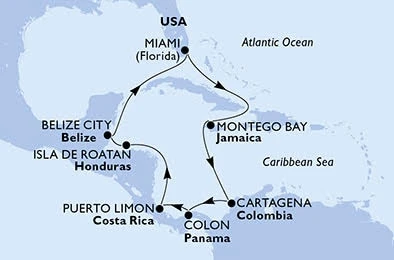
Your cruise route
1. day
Transfer service by RIVIERA TOUR (for an additional fee of 1390 CZK) on the route Frýdek-Místek – Ostrava – Olomouc – Vyškov – Brno and to the airport. In the morning, the whole group meets at the airport, check-in, and departure to Miami. In the evening, arrival in Miami, immigration procedures, and transfer to a 3* hotel, overnight stay. The delegate flies with the group. In the evening, depending on time availability, a walk with the delegate through downtown Miami, individual dinner.

2. - 3. day
On the first day in the morning after breakfast, which is included in the trip price, we will set off for a sightseeing tour of Miami by sightseeing bus, during which we will see Miami Beach, Downtown, the Cuban neighborhood, and the port area. Half-day trip around Miami. Overnight stay. No meals. Accommodation in a hotel in Miami Beach, about 150 m from the beach and 500 m from the Spanish neighborhood. There is a shop in front of the hotel and accessible bus connections around Miami.
On the second day breakfast, transfer to the port in Miami, boarding, and late lunch. Tour of the ship with the delegate. Accommodation and personal free time.

The Port of Miami, often referred to as the "Cruise Capital of the World," has a rich history that dates back to the early 20th century. The Port was officially opened in 1915, with dredging operations, completed in 1916, making it a deepwater port. It was initially used for shipping, particularly for the transportation of fruits and vegetables.
It wasn't until 1968 that the Port of Miami began to transform into the cruise capital we know today. The Miami-Dade County Board of Commissioners approved a resolution to build a modern passenger terminal, signifying a shift in the port's function. Today, the Port of Miami serves millions of passengers each year, making it one of the busiest cruise ports in the world.
4. day at sea
5. day
Montego Baythe pulsating heart of Jamaica, fascinates with a history dating back to Christopher Columbus and the colonial era when the port became famous for exporting sugar cane. Today, this Caribbean pearl is a renowned paradise for luxury relaxation, dominated by the iconic beach Doctor's Cave Beachwith crystal-clear water and white sand. The biggest attractions are the historic square Sam Sharpe Square, the mysterious colonial estate Rose Hall Great Houseand the unique opportunity to swap beaches for a romantic cruise on traditional bamboo rafts in the surrounding tropical jungle.
The delegate will participate in an optional excursion to Dunn's Falls (for an additional fee of 2,690 CZK).
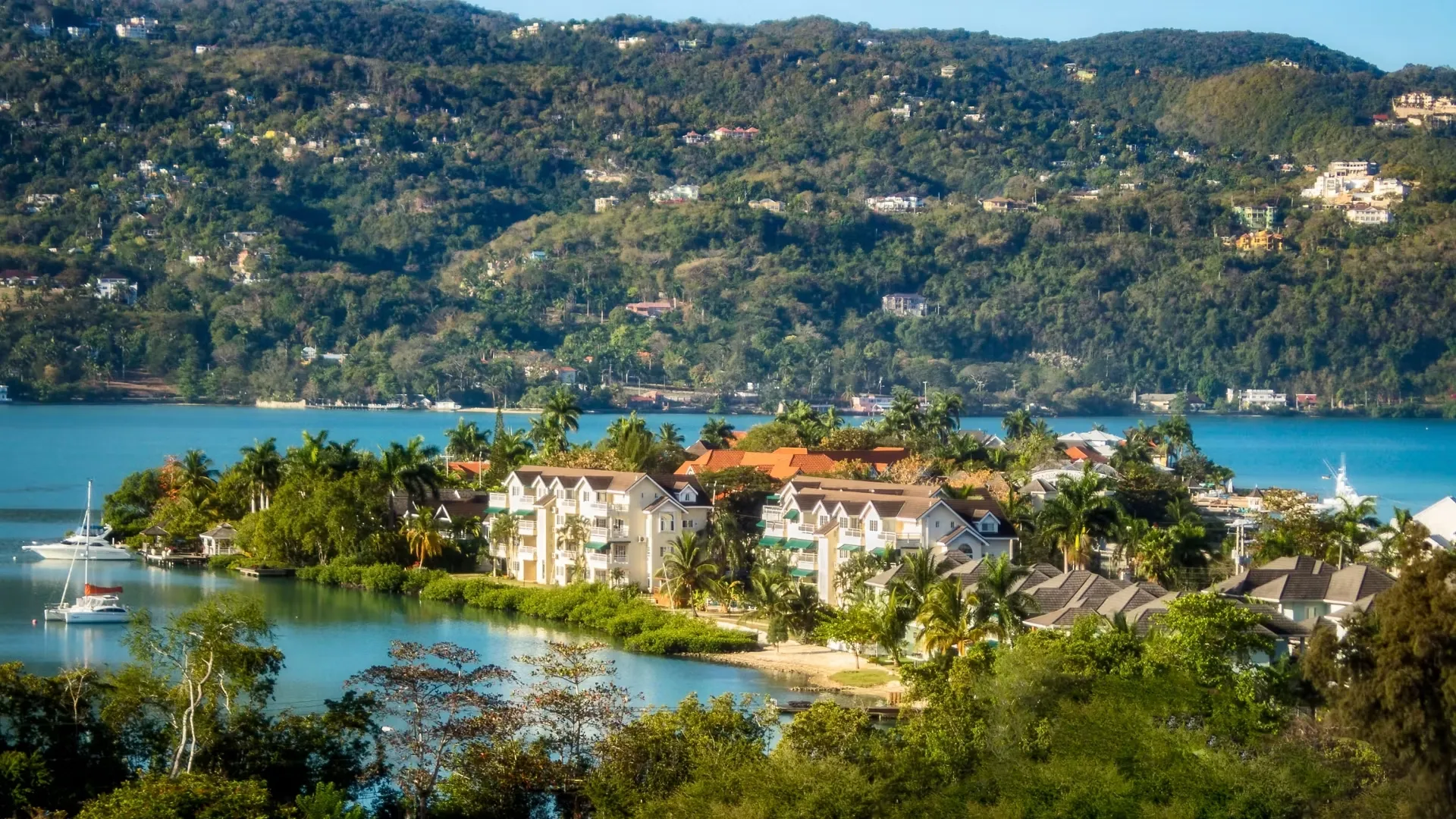
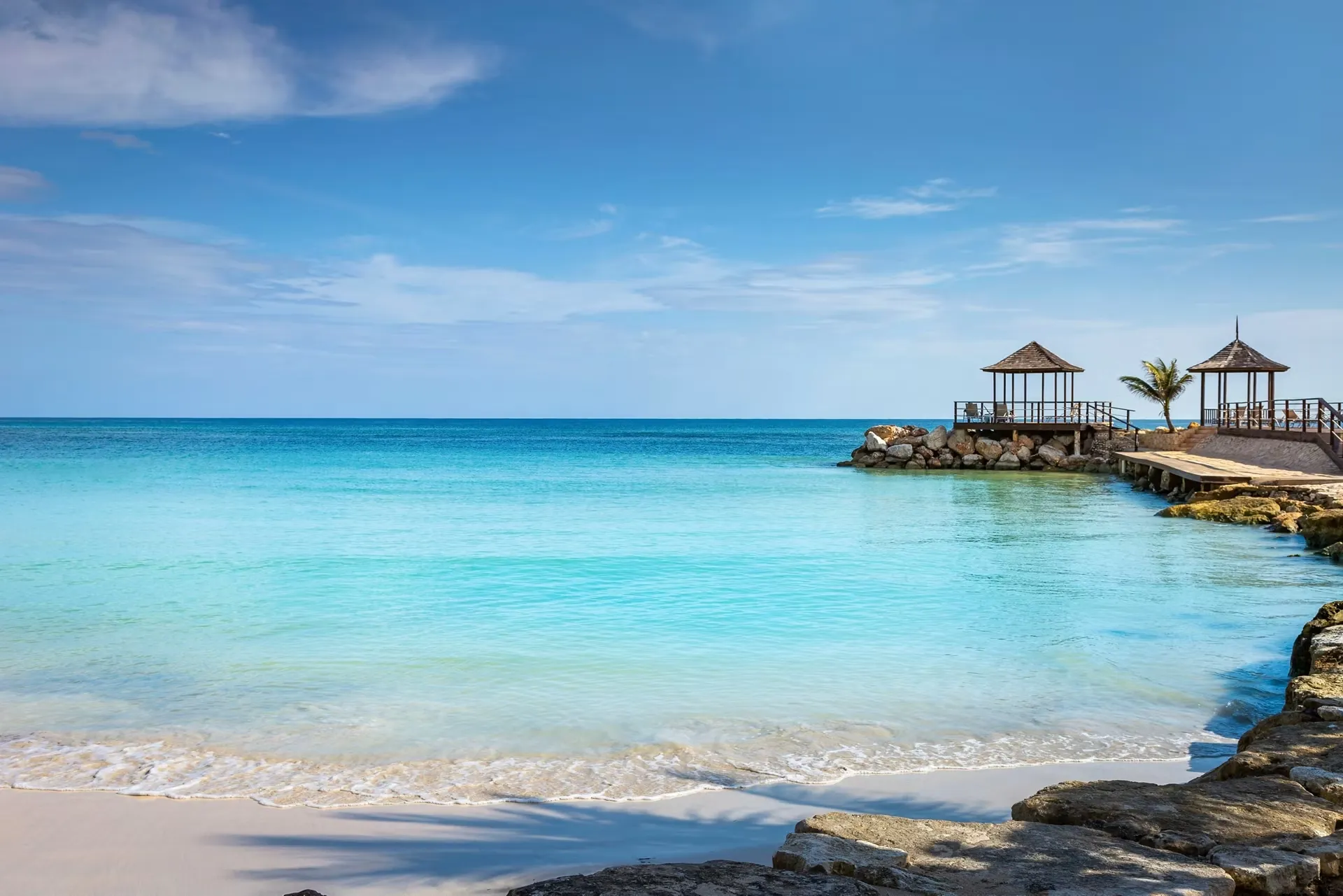
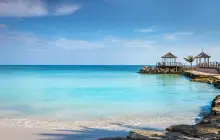
The history of Montego Bay port in Jamaica is rich and dates back to the era of Christopher Columbus. In 1494, Columbus discovered this bay and named it "El Golfo de Buen Tiempo" (The Gulf of Good Weather). Later, the Spanish used it as a point for exporting lard, which was obtained from the wild hogs in the surrounding hills. This led to the bay being renamed as "Bahia de Manteca" (Bay of Lard), and eventually anglicized to its present name Montego Bay.
In the late 17th century, after the British conquered Jamaica, Montego Bay became a major port for the transatlantic slave trade. It was also a significant sugar-exporting harbor during the 18th and 19th centuries. The port played an essential role in the development of the city and the region's economy. Today, Montego Bay is one of the most important ports in the Caribbean, serving as a major hub for cruise ships and cargo vessels.
6. day at sea
7. day
Our first stop on the South American continent. Cartagena is a city in the northern part of Colombia on the Caribbean coast. This port city is the fifth largest city in Colombia. It has a tropical climate - the average annual temperature is 28°C and humidity reaches up to 90%. Here you can explore the historic fortified city, visit the famous San Felipe castle, and taste local cuisine in many restaurants.


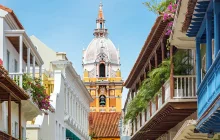


Cartagena, located on the northern coast of Colombia along the Caribbean Sea, boasts a rich and storied history stretching back thousands of years. Before the arrival of Europeans, the region was inhabited by Indigenous peoples, including the Calamarí and Puerto Hormiga cultures, who thrived on fishing and agriculture. The city was officially founded in 1533 by the Spanish conquistador Pedro de Heredia, who named it after Cartagena, Spain. Its natural harbor made it a critical port for the Spanish Empire, serving as a key hub for trade and the shipment of gold and other treasures extracted from South America. However, its wealth and strategic importance also made it a target for pirates and foreign invaders, leading to repeated attacks, including notorious raids by Sir Francis Drake in 1586.
To protect the city, the Spanish built extensive fortifications, including the Castillo San Felipe de Barajas, one of the most impressive colonial military structures in Latin America, and an elaborate system of walls that still surround the Old Town today. These defenses helped Cartagena become one of Spain’s most secure and vital strongholds in the Americas. Cartagena also played a significant role in Colombia’s fight for independence in the early 19th century, earning the title "La Heroica" ("The Heroic City") for its resistance against Spanish forces. Today, Cartagena is a UNESCO World Heritage Site, celebrated for its beautifully preserved colonial architecture, vibrant Afro-Caribbean culture, and rich historical legacy, making it one of South America’s most iconic and visited cities.
8. day
Colón is a city and port on the Caribbean coast of Panama, the capital of the province of the same name. In 2010, it had a population of 206,553. It lies at the Atlantic entrance to the Panama Canal. About 10 km southwest of the city is the dam of Gatun Lake and locks for shipping.
Optional excursion to cruise the Panama Canal with the delegate.
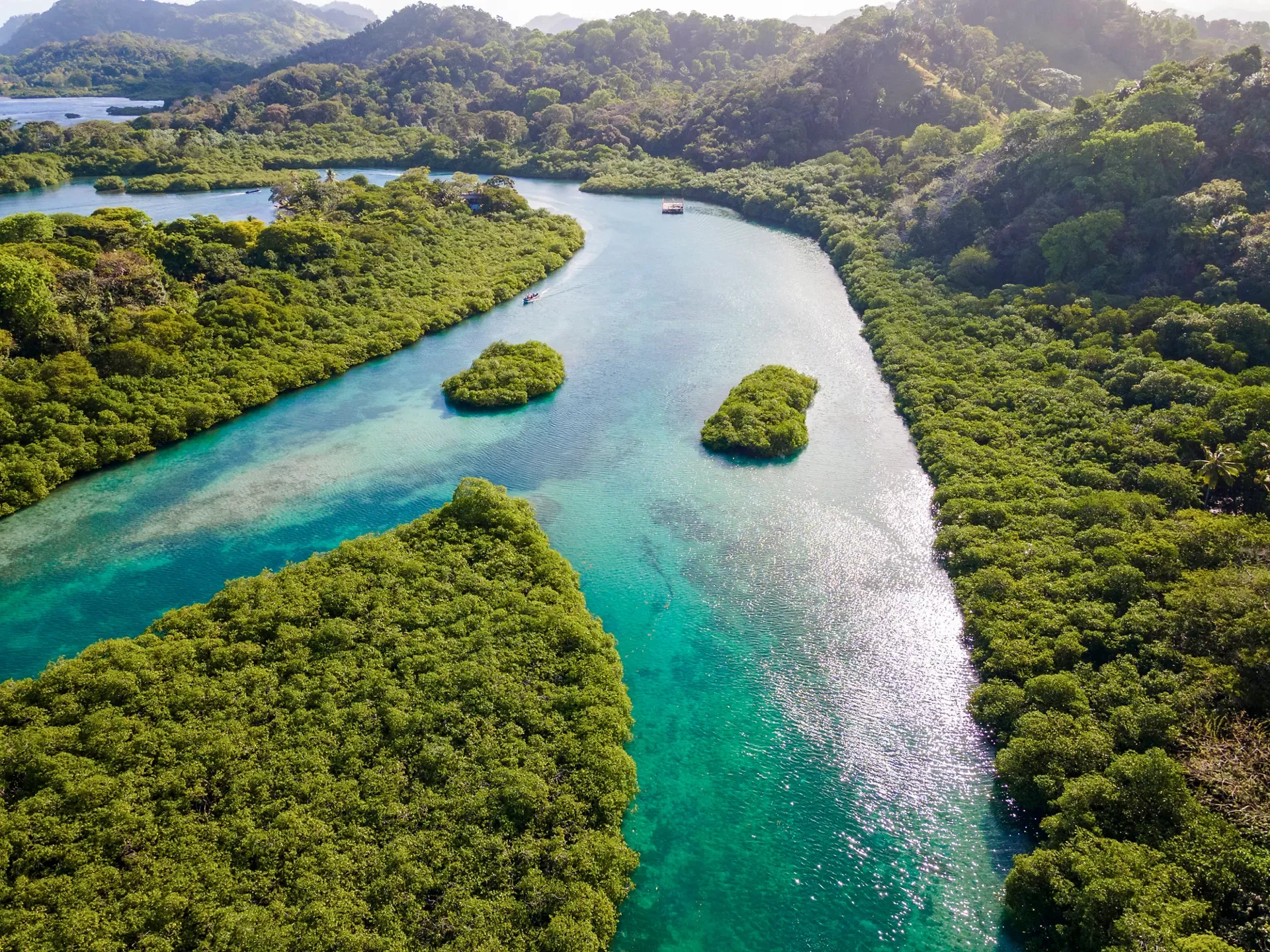


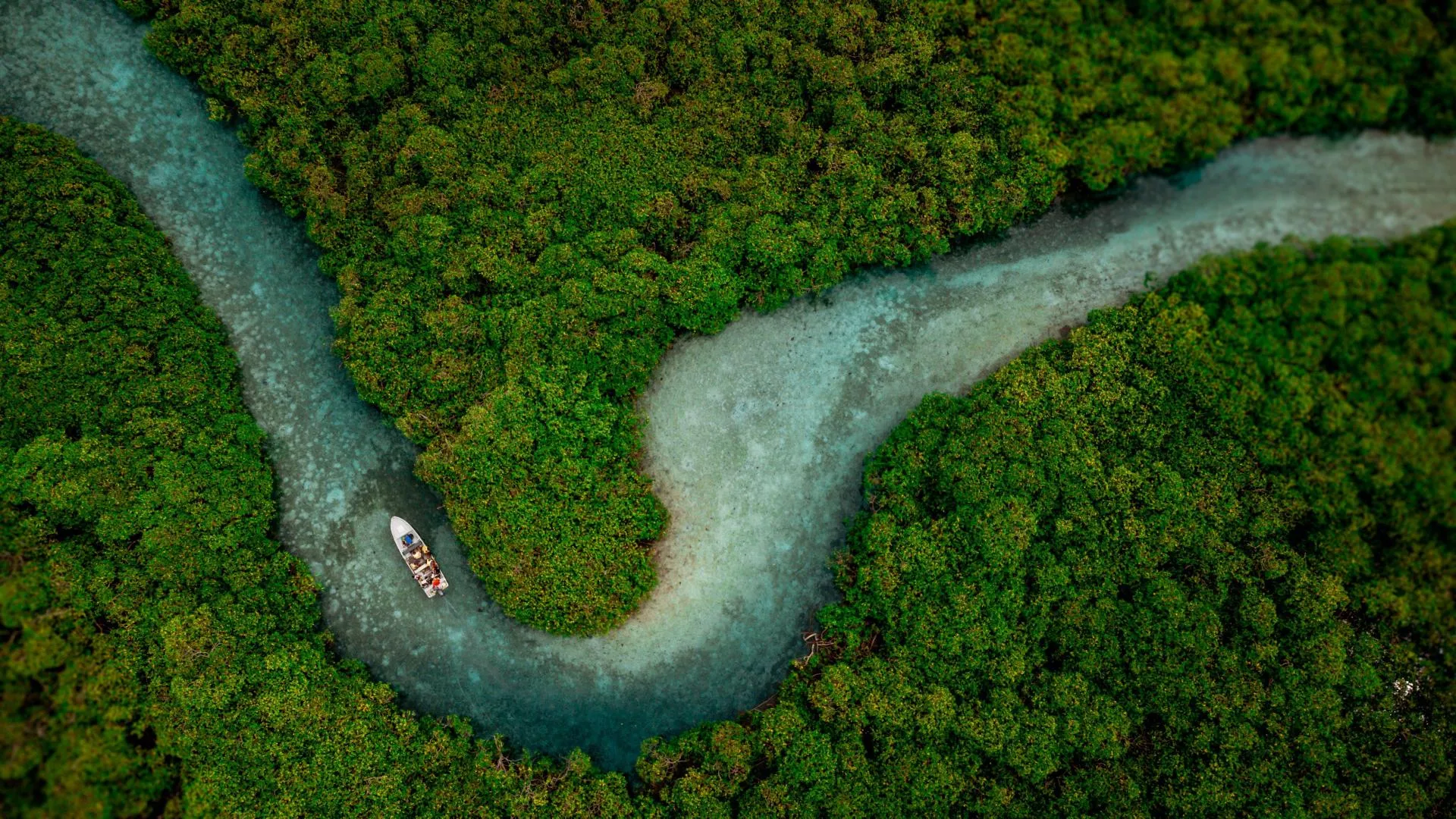


Colón, a major port city on the Caribbean coast of Panama, has a history shaped by its strategic location and role in global trade. Founded in 1850 during the construction of the Panama Railroad, the city was established to connect the Atlantic and Pacific Oceans, facilitating efficient trade routes. The name "Colón", the Spanish form of "Columbus", honors the explorer Christopher Columbus. The city’s significance grew exponentially after the opening of the Panama Canal in 1914, solidifying its position as a vital hub in international maritime commerce.
Today, Colón is home to the Colón Free Zone, one of the largest duty-free zones in the world, attracting businesses and traders from across the globe. Despite its economic importance, the city has faced challenges, including periods of decline and socioeconomic struggles. Colón is rich in cultural and historical heritage, with landmarks such as the San Lorenzo Fort, a UNESCO World Heritage Site, showcasing its colonial past. The city’s vibrant Afro-Caribbean culture is evident in its music, cuisine, and festivals, adding depth to its dynamic identity. While ongoing revitalization efforts aim to address its challenges, Colón remains a crucial gateway for trade and a symbol of Panama’s enduring importance in global commerce.
9. day
Puerto Limón, commonly known as Limón, is the capital and main center of the province of Limón, county of Limón in Costa Rica. The city was officially founded in 1854 by Philippe Valentini under government supervision. The port of Limón was struck by a major earthquake in 1991, affecting the landscape of the city and the coast. Historically, we are definitely intrigued by the legends of pirates, especially from the year 1866. And of course, we must not forget that Christopher Columbus first anchored in Costa Rica in 1502 at Isla Uvita, just a short distance from the coast of Limón. Otherwise, we are on an island that is a significant supplier of coffee to the whole world. Again, a reason to visit this place. The delegate will participate in an optional excursion with MSC CRUISES. Please note that the optional excursion must be ordered when signing the travel contract—it cannot be purchased on the ship.

The history of Port Puerto Limon in Costa Rica is deeply intertwined with the development of the country's infrastructure. The port was established in the 19th century, specifically in 1871, with the primary intention of supporting the export of coffee and bananas, two of the country's main products. Over the years, it became an essential hub for international trade.
In 1890, the port was connected to the capital, San Jose, via a railroad, further bolstering its significance in Costa Rica's economic growth. The United Fruit Company, a major American corporation, played a crucial role in the development of Puerto Limon. They not only influenced the port's growth but also significantly impacted the social, economic, and political landscape of the region.
10. day at sea
11. day
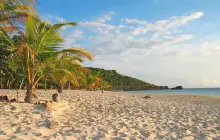
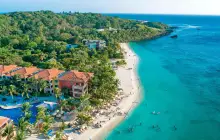
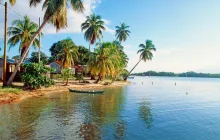
Roatán is the largest island of the Honduran archipelago Islas de la Bahía and lies less than 50 km off the coast of Honduras. The island is hidden behind a huge mountain range of mainland Honduras, rising from the sea to a height of 2,400 meters. This location makes Roatán very resistant to any natural disasters. About 15% of the area of Roatán is built up, the rest consists of tropical forests. The coastline is sandy, with beautiful beaches and turquoise waters. For most of the year, there is a pleasant tropical climate with oceanic influence and an average temperature of 27-30°C with a fresh breeze from the sea. There are extensive marine areas with coral reefs that are part of the Mesoamerican Barrier Reef, the second-largest coral reef in the world. There is much to look forward to.
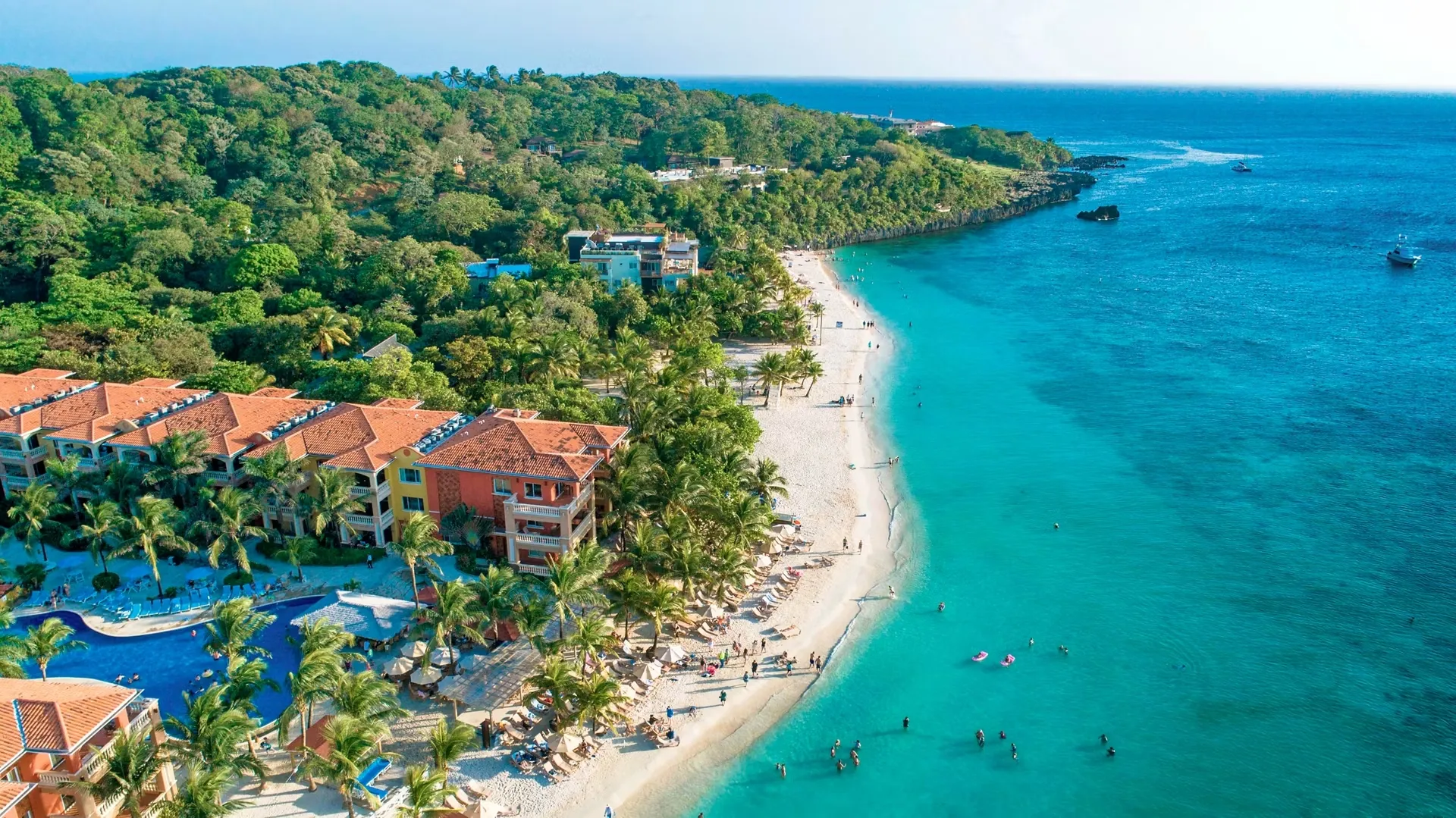
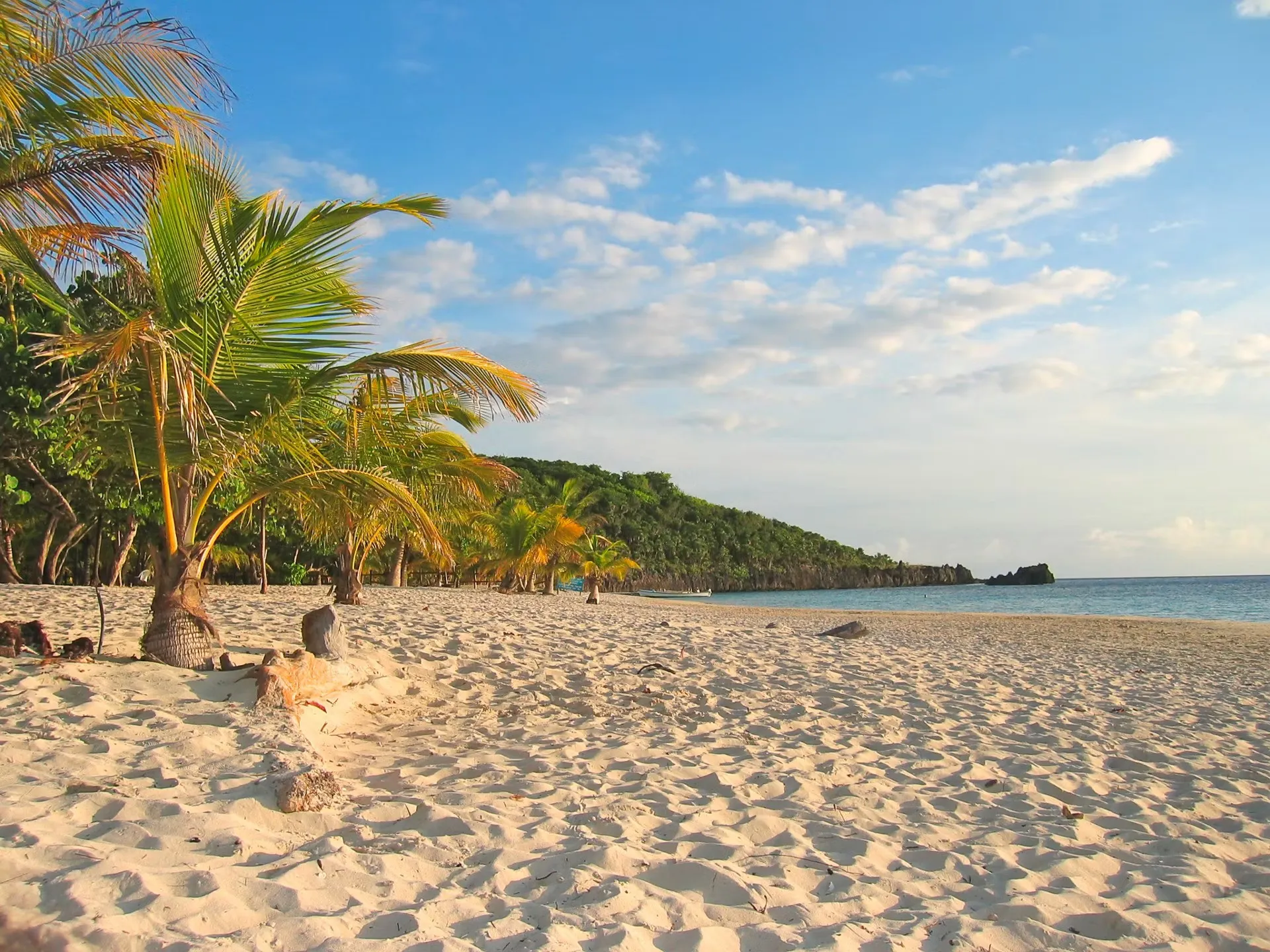
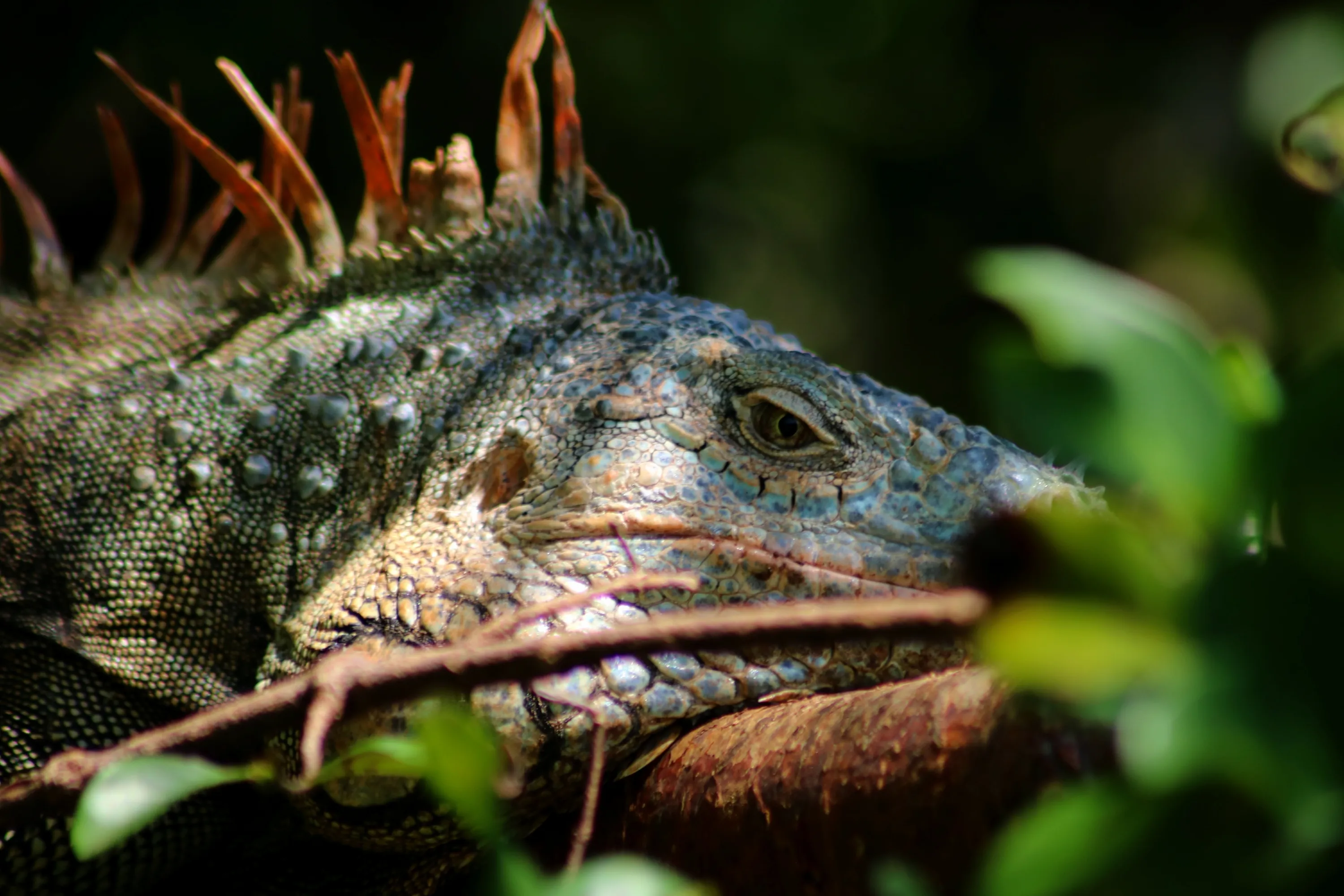
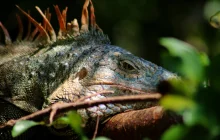
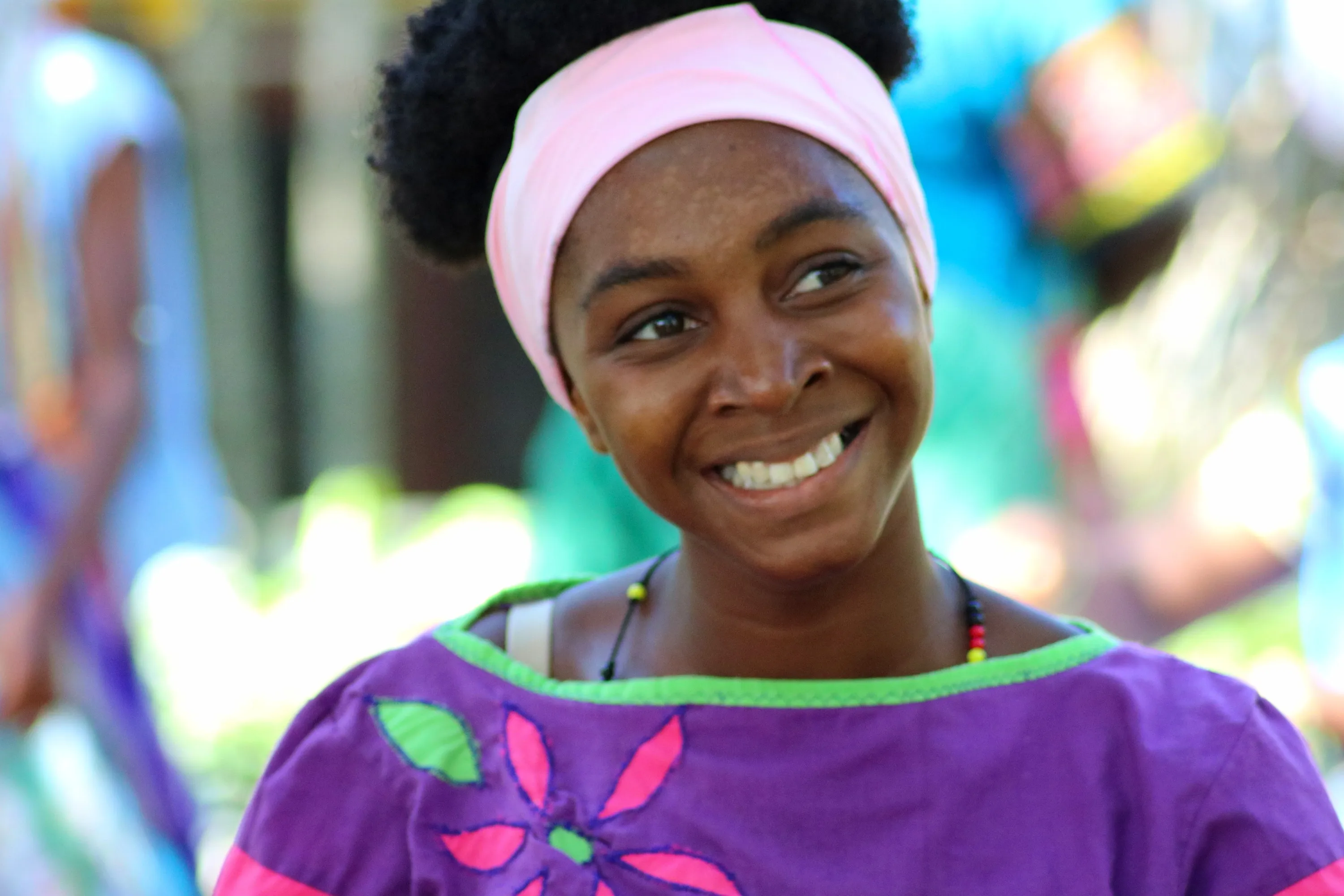
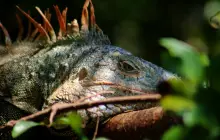
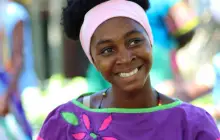
Long before European contact, the Paya people inhabited Roatán, living off the sea and tropical forests. Christopher Columbus landed here in 1502 during his fourth voyage, marking the island's first European encounter. Spanish colonizers soon enslaved or displaced the indigenous population, and by the 17th century, English and French pirates—including the infamous Henry Morgan—used Roatán's hidden coves as bases for raiding Spanish treasure ships.
In 1797, the British forcibly relocated thousands of Garifuna people from St. Vincent to Roatán, establishing a vibrant Afro-Indigenous culture that thrives today. The island changed hands between Britain and Honduras multiple times before permanently joining Honduras in 1861. For decades, Roatán remained a quiet fishing community until the 1990s, when its spectacular reef diving attracted international attention, transforming it into a premier Caribbean destination while maintaining its rich cultural heritage and natural beauty.
12. day
Belize Citythe former capital and bustling gateway to Central America, bears deep traces of Mayan civilization as well as pirate and British colonial history, serving as a strategic center for the export of rare mahogany wood. Today, this port city attracts visitors with its unique historic swing bridge Swing Bridge, which is still operated manually as one of the last in the world, and the oldest Anglican church in Central America, St. John’s Cathedral. However, the real rarity and main magnet for travelers is the city's location—it lies just a short distance from the Mayan pyramids Altun Ha hidden in the jungle and also serves as the main port for boats heading to the barrier reef and the famous coral islands of Caye Caulker and Ambergris Caye.
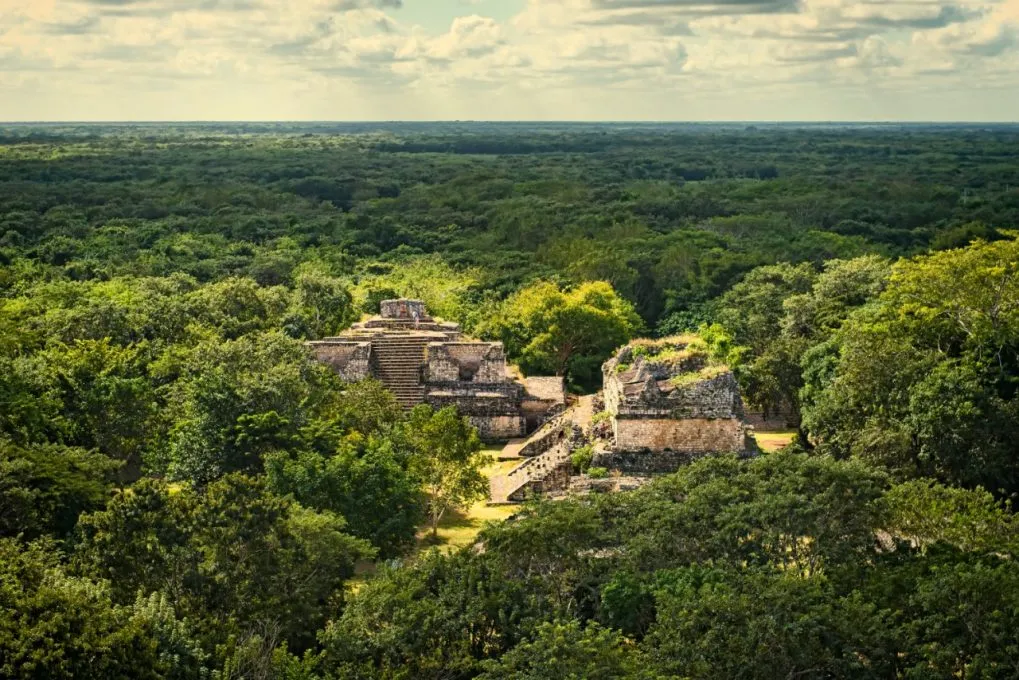
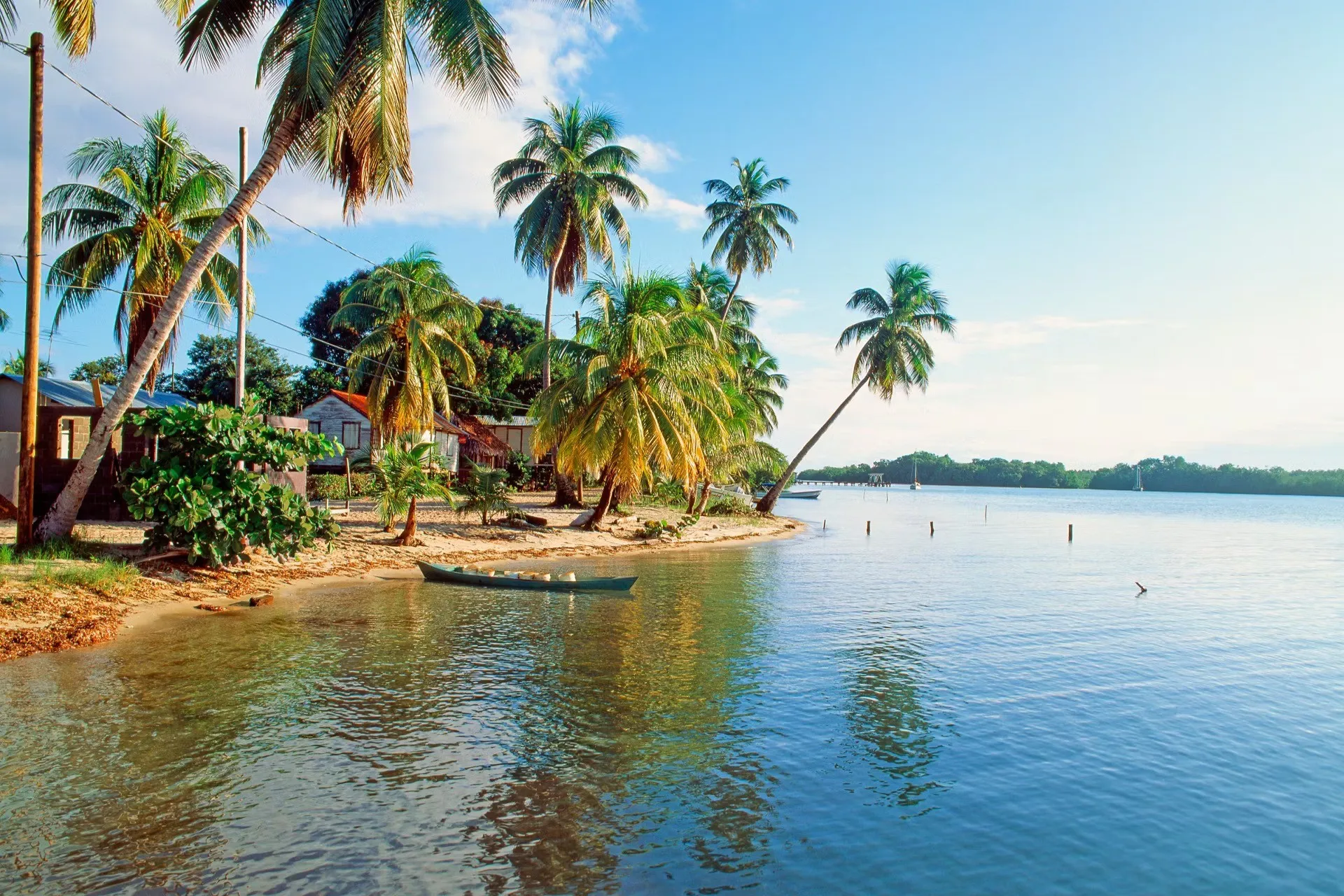
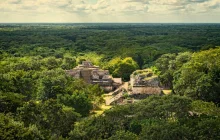


Belize City, the largest city in Belize, was founded in the 17th century as a British settlement to support the logging of logwood and mahogany. It quickly became the administrative and commercial center of British Honduras, relying on enslaved African labor to drive the colony’s economy. The city’s strategic location at the mouth of the Haulover Creek made it a critical port for trade, but it also left it prone to natural disasters, such as hurricanes. Devastation from the 1931 hurricane and Hurricane Hattie in 1961 highlighted its vulnerability, leading to the relocation of the capital to inland Belmopan in 1970.
Despite losing its capital status, Belize City remains the cultural and economic hub of the country. Its rich history is reflected in landmarks like St. John’s Cathedral, the oldest Anglican church in Central America, and Government House, a symbol of British colonial rule. Today, the city is a melting pot of cultures, blending Creole, Mestizo, Garifuna, and Maya influences. Known for its bustling markets and coastal charm, Belize City serves as a gateway for trade and tourism, offering visitors a glimpse of both its colonial past and its vibrant present.
13. day at sea
14. day
In the morning we will arrive in Miami. After breakfast, we will disembark, and immigration control will follow. Depending on time availability, we will visit the Dolphin Mall shopping center, where you can do some last-minute shopping or grab a snack before departing from the USA. Then we will transfer to the airport and fly home with a layover.
The Port of Miami, often referred to as the "Cruise Capital of the World," has a rich history that dates back to the early 20th century. The Port was officially opened in 1915, with dredging operations, completed in 1916, making it a deepwater port. It was initially used for shipping, particularly for the transportation of fruits and vegetables.
It wasn't until 1968 that the Port of Miami began to transform into the cruise capital we know today. The Miami-Dade County Board of Commissioners approved a resolution to build a modern passenger terminal, signifying a shift in the port's function. Today, the Port of Miami serves millions of passengers each year, making it one of the busiest cruise ports in the world.
15. day
Arrival and departure to your homes.

Tour description

Not just a cruise in the Caribbean... On our cruise, you will also experience life in the city of year-round holiday bliss, Miami. Included in our trip price is not only the cruise itself but also accommodation just 100 meters from the famous Miami Beach and a bus tour with our guide around Miami, where you will see the skyline of Miami skyscrapers, visit a café in the Cuban neighborhood, find out where world celebrities have their summer residences, check out the art deco style, and finally enjoy a great drink on the main street in Miami. If time permits, at the end of our cruise, we will also go shopping at the Dolphin Mall in Miami. This enticing offer is here just for you.

Petra Kubáčková
I am friendly, outgoing, fun and very communicative. I like teamwork and I like working in a team. I am an animal lover especially dogs and dolphins and my big dream is to see a killer whale in person. My favorite color is pink and turquoise blue. I love the sea and the sunshine which gives me positive energy. I love travelling, exploring new places, countries, cultures.
My favourite thing to do on my travels is to have direct contact with the locals and collect unforgettable experiences from my travels. I love airports, the hustle and bustle and the excitement of new adventures fills me with undying energy. I am very happy to be a part of Riviera tour because I can realize myself, learn new things, discover new places, communicate with people and accompany them on their travels and be a part of their journey to experience, which is often the fulfillment of their dreams.
And that's what I enjoy the most. My motto: S everything goes BETTER with a smile :-)