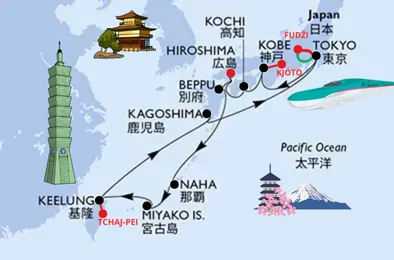
Port Hiroshima
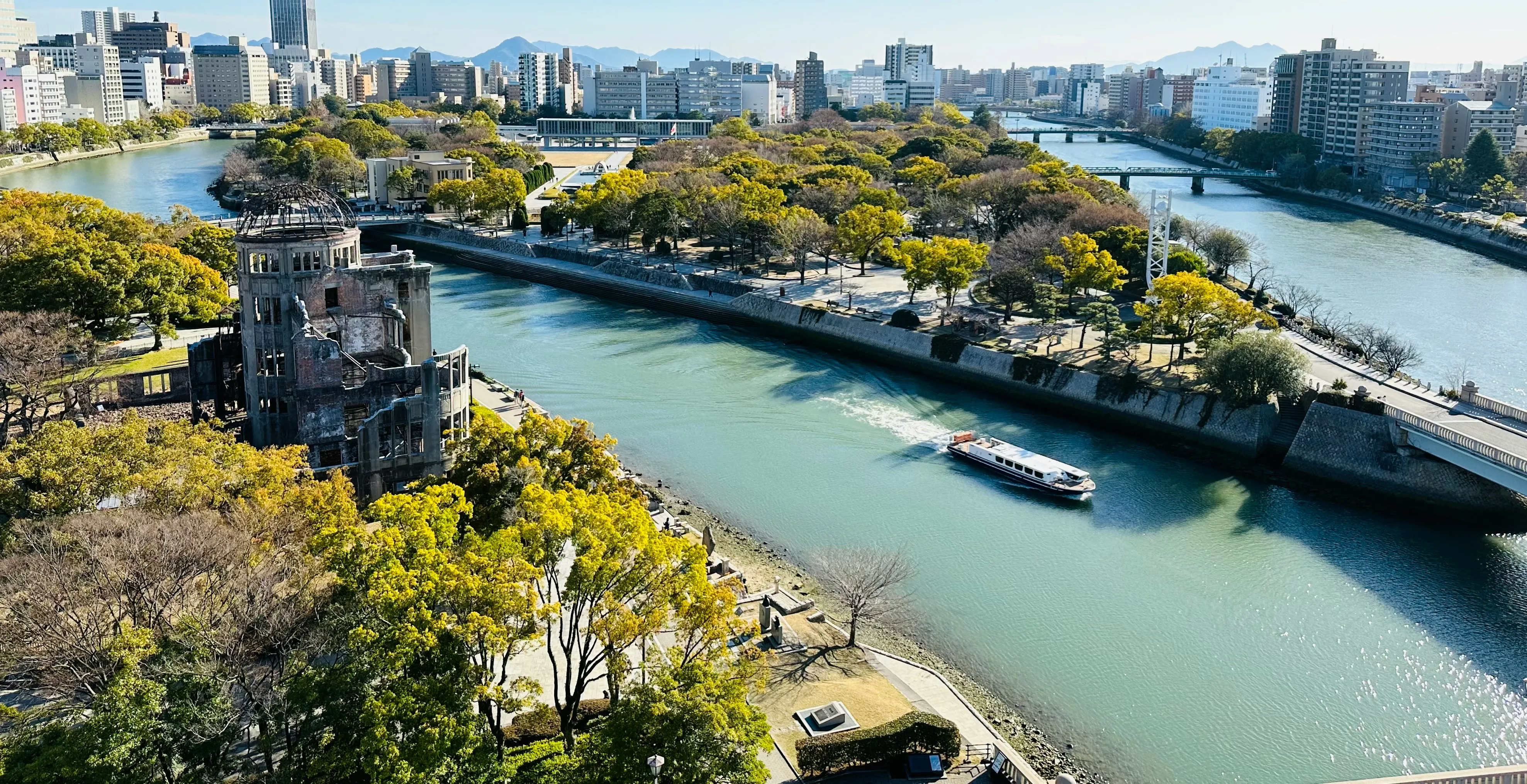
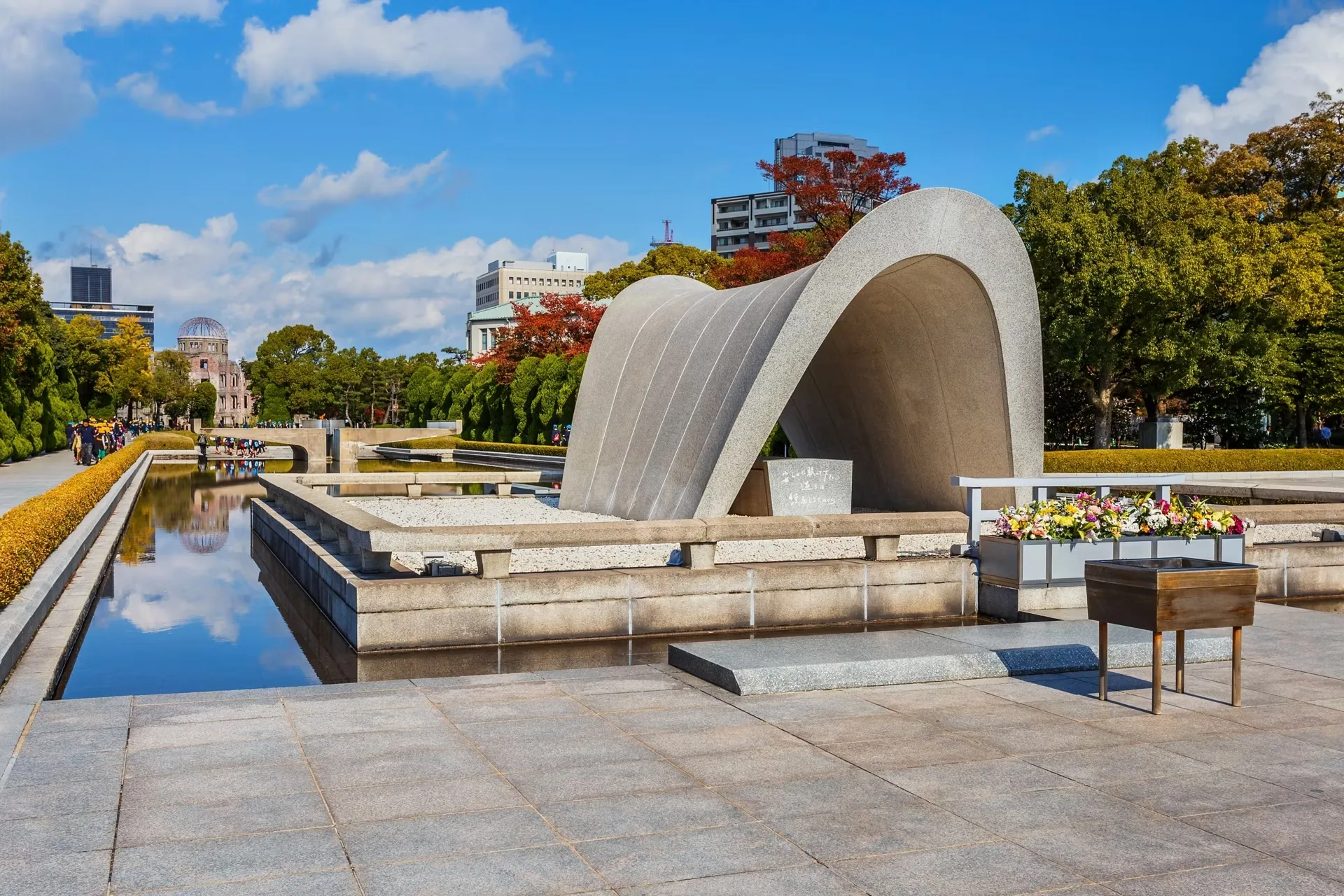
Hiroshima, located in the western part of Japan's Honshu Island, is a city known for its profound historical significance and vibrant modern culture. The city is perhaps most famous for its role in World War II as the first city to suffer an atomic bombing on August 6, 1945. The Hiroshima Peace Memorial Park stands as a poignant reminder of this history, featuring the Atomic Bomb Dome, a UNESCO World Heritage Site, and the Hiroshima Peace Memorial Museum, which educates visitors about the events of the bombing and advocates for global peace.
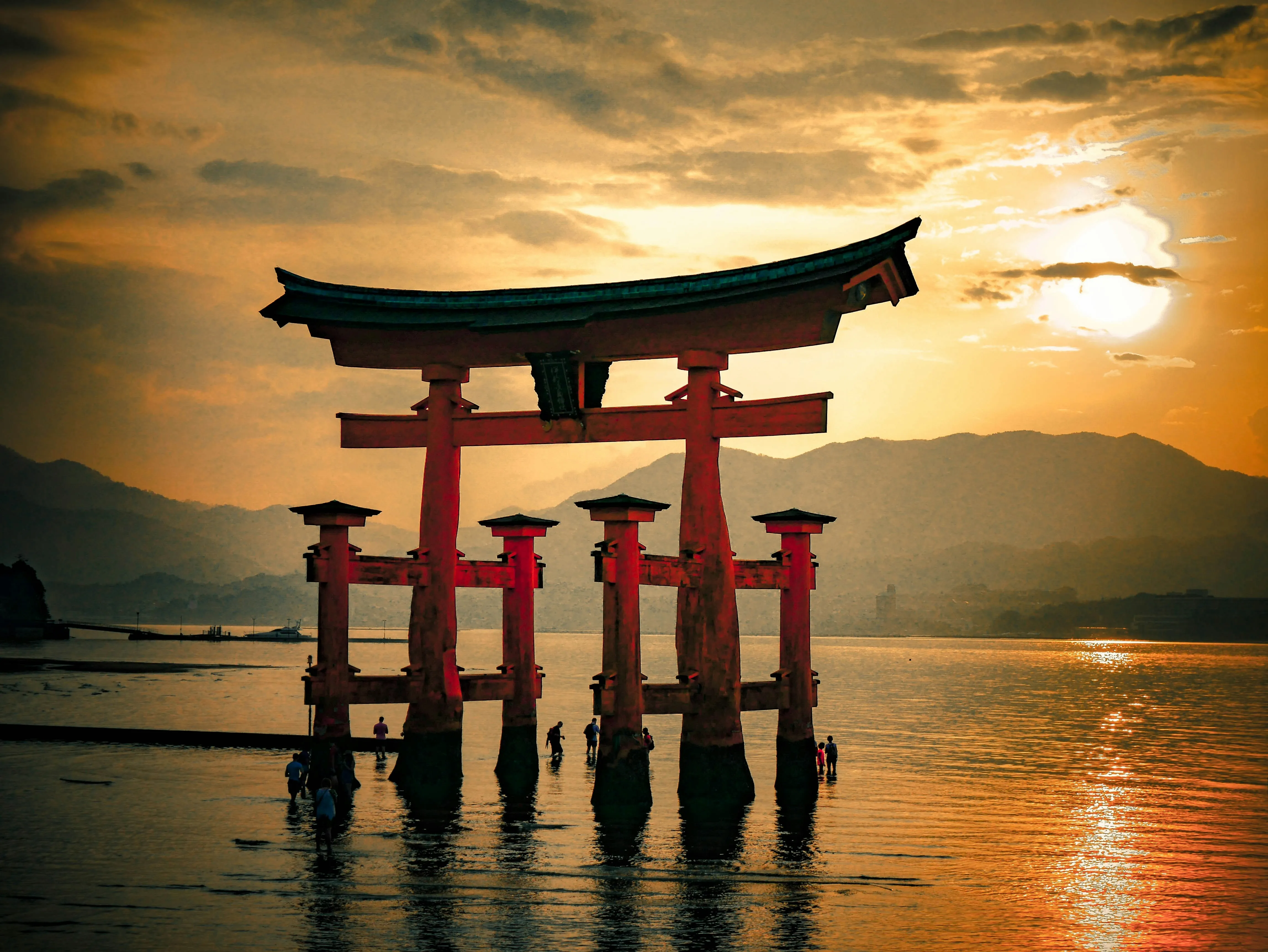
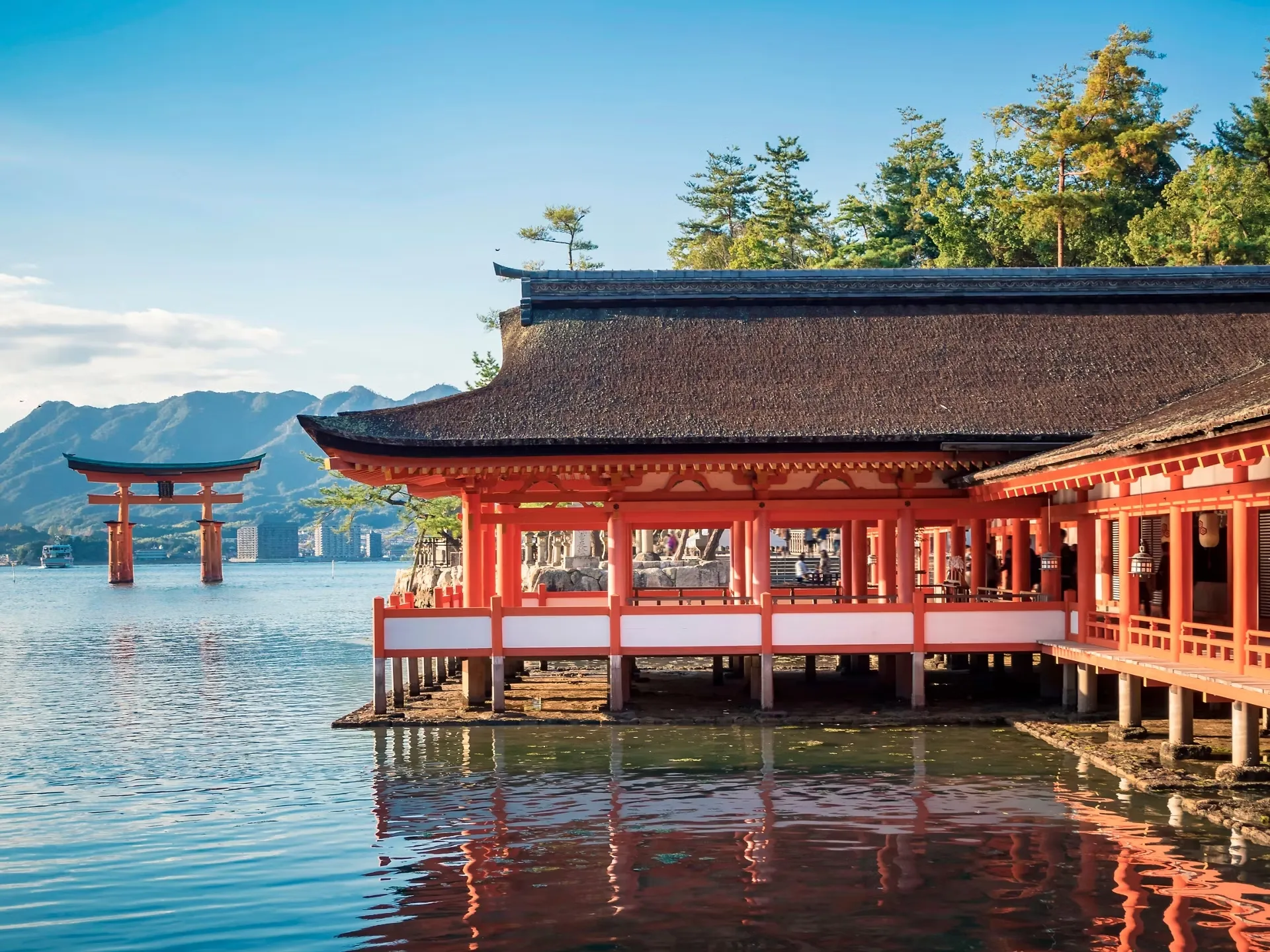
Beyond its historical sites, Hiroshima is a lively city with a rich cultural scene and beautiful natural surroundings. The city is known for its delicious local cuisine, particularly okonomiyaki, a savory pancake filled with various ingredients. Hiroshima also serves as a gateway to exploring nearby attractions such as Miyajima Island, famous for the iconic Itsukushima Shrine and its "floating" torii gate. With its mix of reflective historical sites, cultural richness, and natural beauty, Hiroshima offers a compelling experience for visitors looking to understand both the past and present of this resilient city.
History
Hiroshima was originally founded as a castle town in 1589 by Mori Terumoto, a prominent feudal lord of the time. The city's strategic location on the delta of the Ota River helped it grow into a vital center for commerce and governance during the Edo period. As Japan modernized during the Meiji Restoration, Hiroshima expanded its industrial base, becoming a key military supply and logistics hub. Its prosperity continued into the 20th century, making it one of Japan's major urban centers.
The course of Hiroshima's history changed dramatically on August 6, 1945, when it became the first city to endure an atomic bombing, marking a pivotal moment in World War II and global military history. The immediate impact was catastrophic, with tens of thousands killed instantly and many more suffering the effects of radiation. In the aftermath, Hiroshima dedicated itself to peace and recovery, symbolized by the creation of the Hiroshima Peace Memorial Park. The park includes the Atomic Bomb Dome—a UNESCO World Heritage Site—and serves as a poignant reminder of the past while promoting a future of peace and nuclear disarmament. Hiroshima's transformation and resilience have made it an enduring symbol of hope and recovery.
 With air transport to the port