Port Hamburg
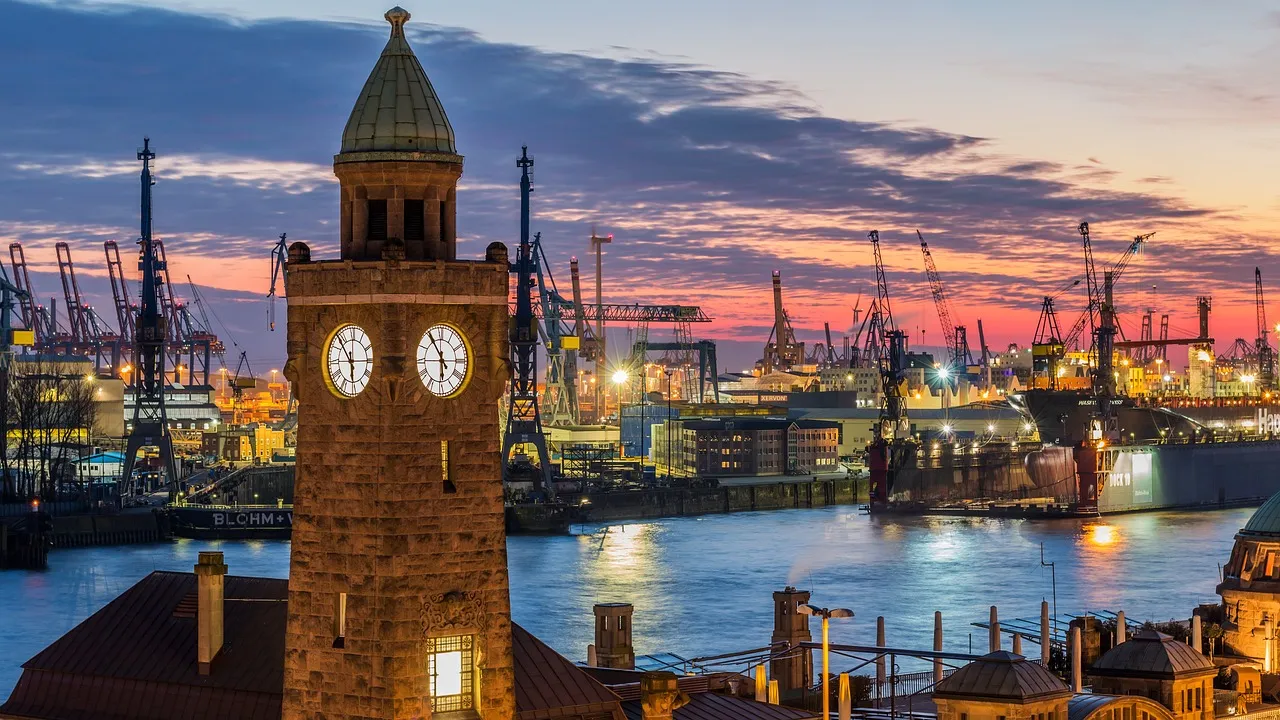
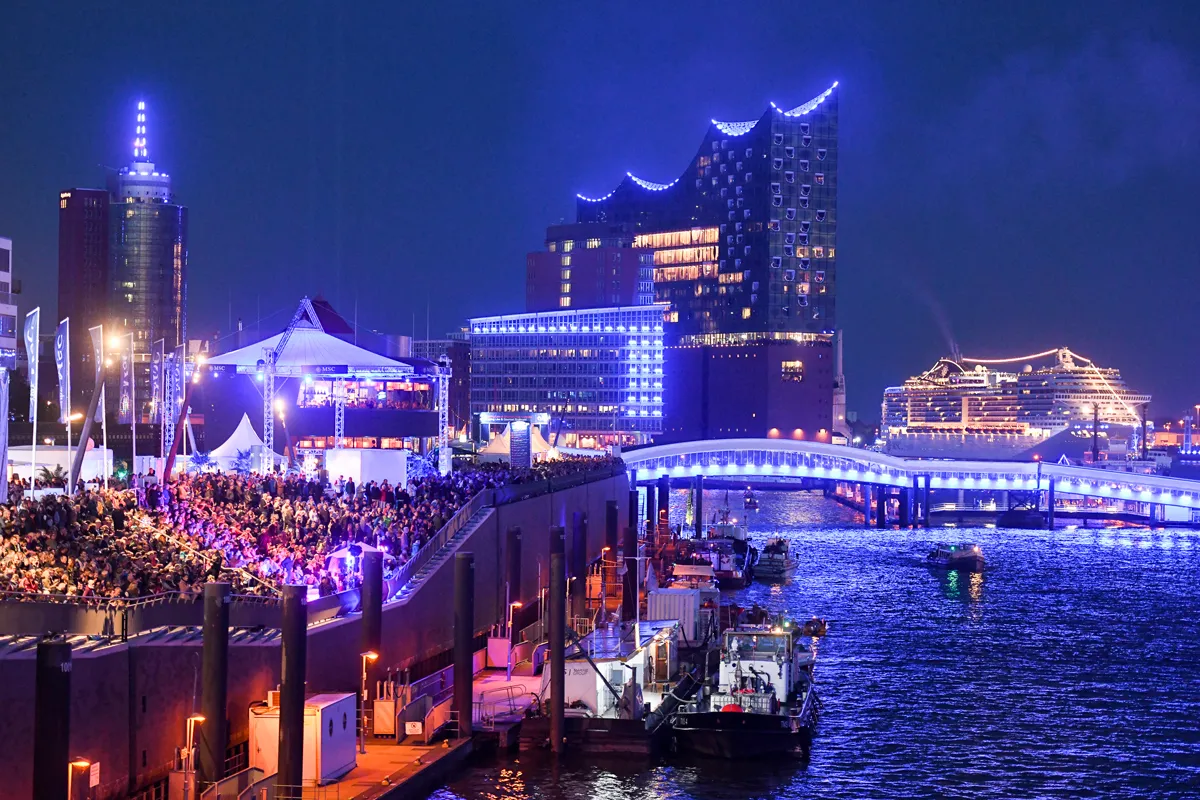


Hamburg, Germany's second-largest city, is a dynamic and historic port city known for its impressive architecture, vibrant cultural scene, and extensive waterways. The city is home to the Port of Hamburg, often referred to as the "Gateway to the World," which is among the busiest ports in Europe and offers fascinating harbor tours. Hamburg's iconic Elbphilharmonie, a striking concert hall with a cutting-edge design located atop an old warehouse, is a symbol of the city's blend of tradition and modernity, hosting world-class musical performances.
Hamburg is also renowned for its diverse neighborhoods, each offering unique experiences. The Speicherstadt, a UNESCO World Heritage site, is the largest warehouse district in the world, featuring stunning red-brick buildings on timber-pile foundations, perfect for exploring on foot or by canal boat. The St. Pauli district, home to the famous Reeperbahn, is known for its vibrant nightlife, theaters, and live music venues. With its rich history, bustling port, and lively urban culture, Hamburg is a captivating city that offers a wide range of experiences for both residents and visitors.
History
Hamburg, officially known as the Free and Hanseatic City of Hamburg, is Germany's second-largest city and has a rich history as a significant port and trading hub. Established as part of the Holy Roman Empire in the 9th century, Hamburg gained prominence in the medieval period as a key member of the Hanseatic League, a powerful commercial and defensive confederation of merchant guilds and market towns in Northwestern and Central Europe. The city's strategic location on the River Elbe, which flows into the North Sea, allowed it to flourish as a center for trade, attracting merchants from across Europe and facilitating the exchange of goods and culture.
Throughout its history, Hamburg has demonstrated resilience in the face of adversity. The city endured significant destruction during World War II, with extensive bombing raids causing widespread damage. Despite this, Hamburg rebuilt and modernized in the post-war period, restoring its status as a prominent global port and commercial center. The city's maritime heritage and economic prowess have continued to thrive, supported by its expansive port facilities, which are among the largest in Europe. Today, Hamburg is celebrated for its vibrant cultural scene, historic architecture, and enduring legacy as a free city that has maintained its independence and unique character throughout centuries of change.

 With bus transport to the port