923 - Cruise to Iceland on MSC Preziosa
Northern Europe, 8/19/2027 – 9/1/2027




923 - Cruise to Iceland on MSC Preziosa
Northern Europe , August 19, 2027 - September 1, 2027
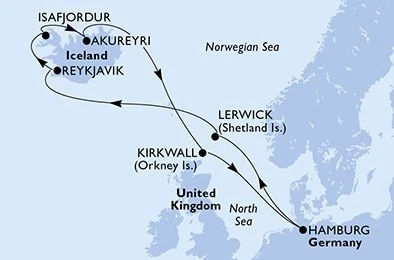
Your cruise route
1. day
Departure by RIVIERA TOUR coach to the port. On the way, our delegate will introduce you to life on board MSC Cruises ships, organizational instructions and the tour programme. During the journey, we have a cold dinner, hot breakfast and refreshments ready for you.
Boarding points: Vsetín, Nový Jičín, Frýdek-Místek, Ostrava, Hranice, Olomouc, Prostějov, Vyškov, Brno, Velké Meziříčí, Jihlava, Humpolec, Praha, Ústí nad Labem.

2. day
Upon arrival at the port, check-in and boarding follows. In the afternoon, a tour of the ship, accommodation and a safety drill before departure. Don't miss the first departure from the port. Also, don't miss the first served dinner to enjoy the superb Italian cuisine. After dinner, we will visit the ship's theatre and finish the evening with a drink at the bar.
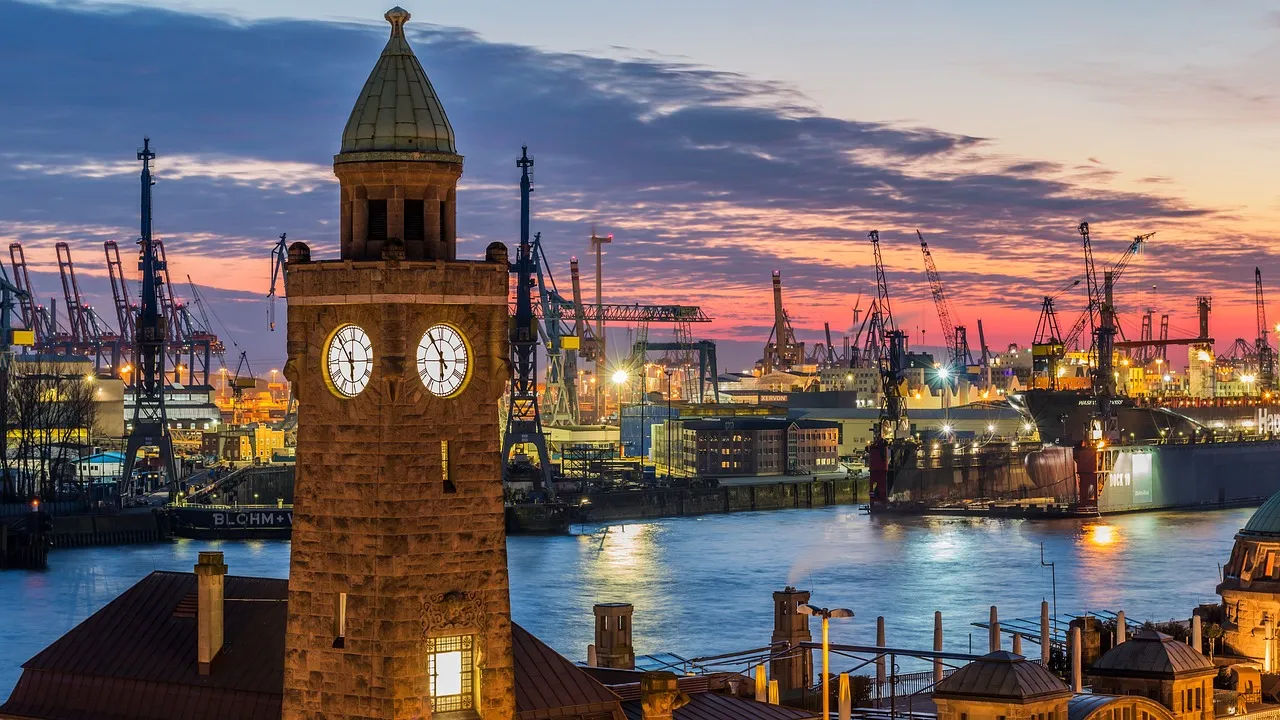
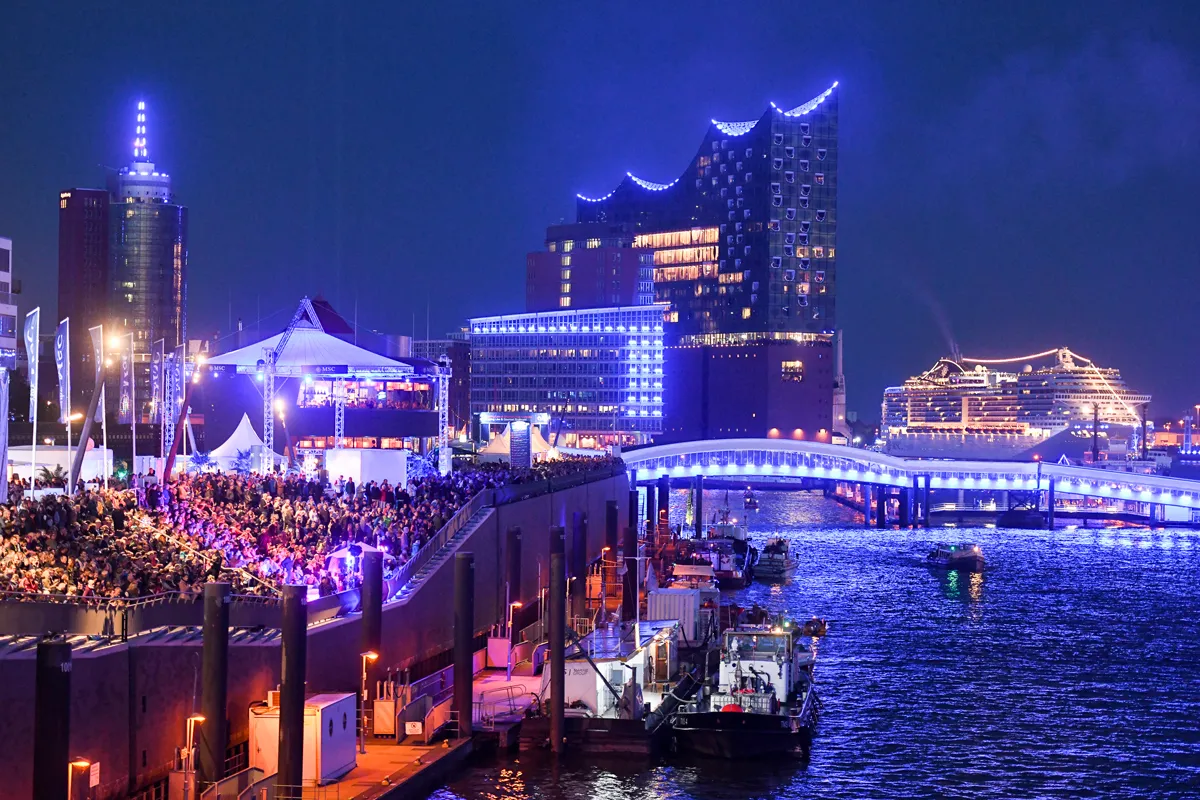


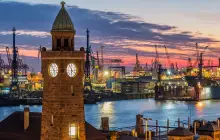
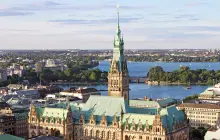
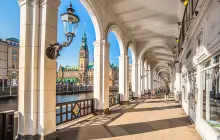
Hamburg, officially known as the Free and Hanseatic City of Hamburg, is Germany's second-largest city and has a rich history as a significant port and trading hub. Established as part of the Holy Roman Empire in the 9th century, Hamburg gained prominence in the medieval period as a key member of the Hanseatic League, a powerful commercial and defensive confederation of merchant guilds and market towns in Northwestern and Central Europe. The city's strategic location on the River Elbe, which flows into the North Sea, allowed it to flourish as a center for trade, attracting merchants from across Europe and facilitating the exchange of goods and culture.
Throughout its history, Hamburg has demonstrated resilience in the face of adversity. The city endured significant destruction during World War II, with extensive bombing raids causing widespread damage. Despite this, Hamburg rebuilt and modernized in the post-war period, restoring its status as a prominent global port and commercial center. The city's maritime heritage and economic prowess have continued to thrive, supported by its expansive port facilities, which are among the largest in Europe. Today, Hamburg is celebrated for its vibrant cultural scene, historic architecture, and enduring legacy as a free city that has maintained its independence and unique character throughout centuries of change.
3. day at sea
4. day
Lerwick, the capital of the Shetland Islands lying between Scotland and Norway, is the northernmost British town and offers a unique blend of Scottish and Scandinavian culture with a picturesque harbour, stone architecture and the renowned Up Helly Aa festival, where every January Viking heritage is celebrated with a giant fire procession and the burning of a replica Viking longship. Near the harbour, you can visit the imposing Clickimin Broch, a prehistoric stone tower over 2,000 years old, or take a trip to the archaeological site of Jarlshof, where you'll find remains of settlements from the Bronze Age through the Viking era to the Middle Ages. The Shetlands are a paradise for nature lovers – the island coastlines host thousands of seabirds including puffins, gulls and razorbills, while in the surrounding waters you may spot seals and, with a bit of luck, orcas, dolphins or whales. For those interested in traditional crafts, Lerwick offers the chance to purchase famous Shetland wool products hand-knitted from the wool of local sheep, or to visit the Shetland Museum and Archives with its rich historical exhibition.
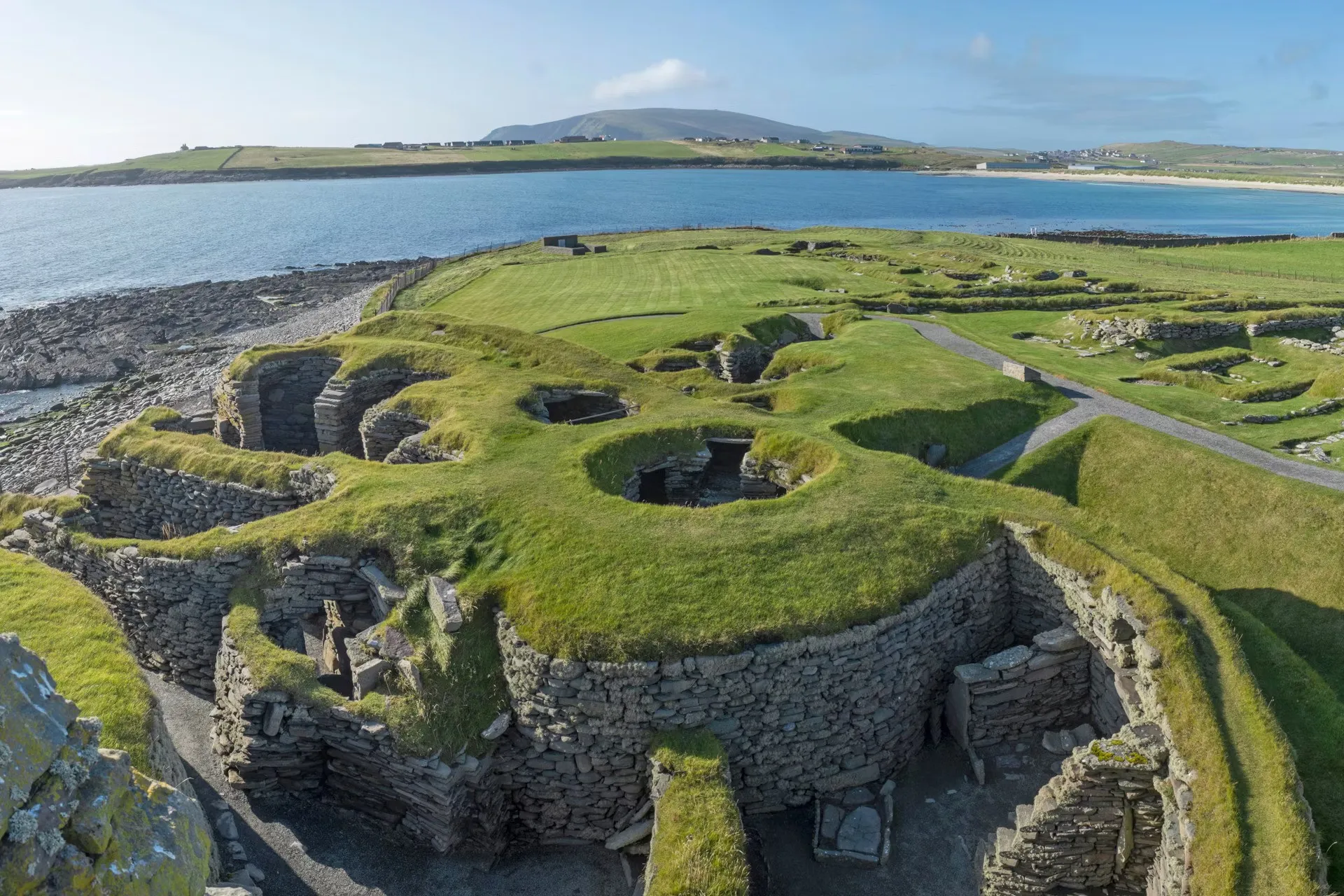

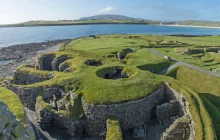
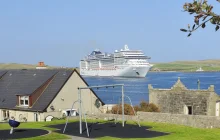
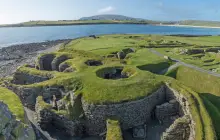
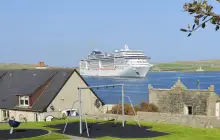
The port of Lerwick, located in the Shetland Islands of Scotland, United Kingdom, has a rich history dating back to the 17th century. Initially, it was a bustling center for the Dutch herring industry. However, it gained prominence in the 19th century as a hub for the British fishing industry due to its strategic location and deep-water harbor.
Over the years, the port of Lerwick has diversified and expanded its operations. It played a significant role during the World Wars as the Royal Navy established a base there. In the late 20th century, it evolved into an important service center for the North Sea oil and gas industry. Today, it continues to be a vital hub for maritime trade, fishing, and tourism.
5. day at sea
6. - 7. day
Reykjavík is the world's northernmost capital city and enchants visitors with a unique combination of modern culture, Nordic nature and a tranquil atmosphere. The city's landmarks include the iconic Hallgrímskirkja church with panoramic views of the surroundings, the modern Harpa concert hall with a glass façade inspired by Icelandic nature, the historic quarter with colourful houses and the harbour, from where whale-watching excursions depart, while nearby geothermal areas and hot springs are a reminder of the power of the Icelandic landscape. We will spend two days in port. We recommend the optional excursion with a delegate along the Golden Circle, to waterfalls and the black beach (approx. 4,990 CZK).


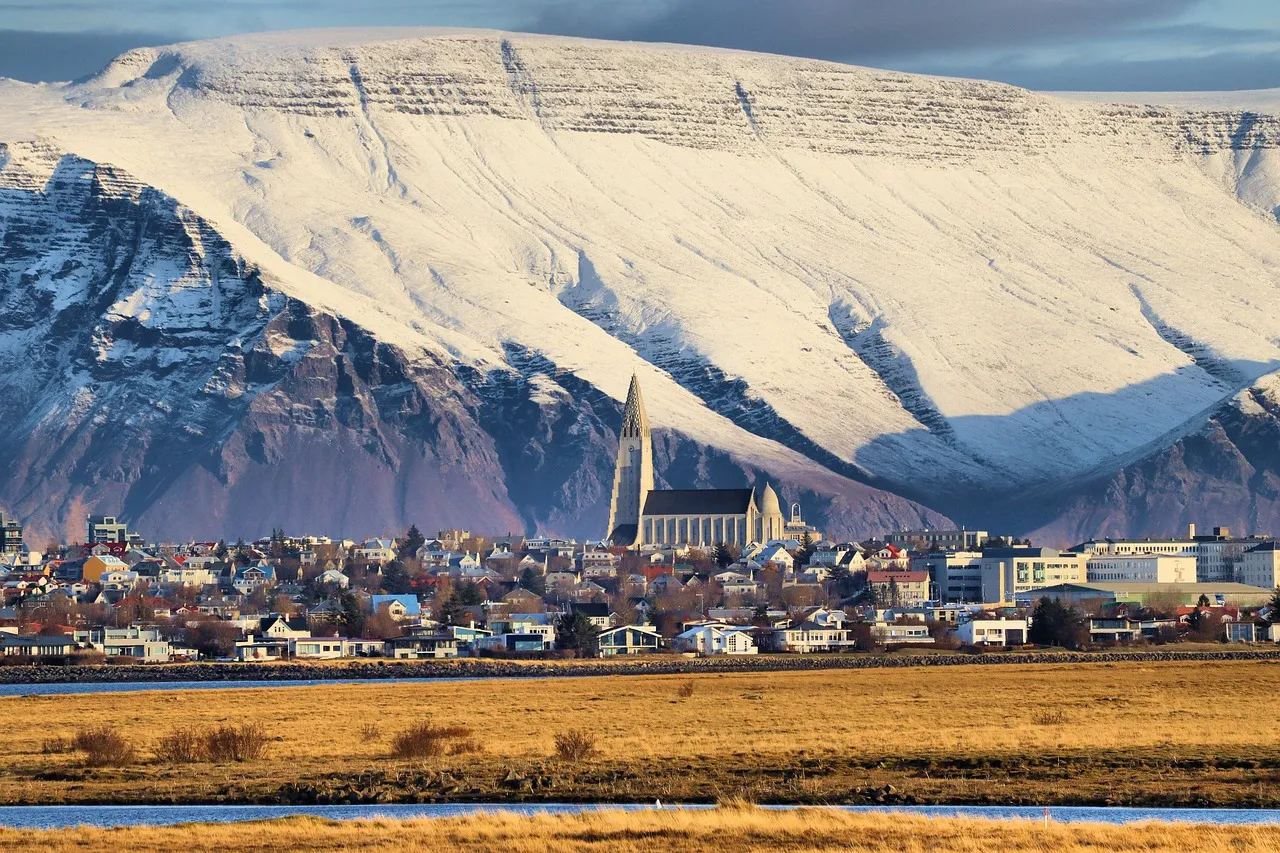
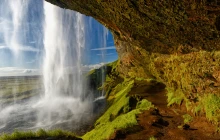
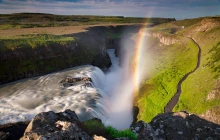
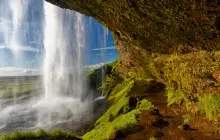
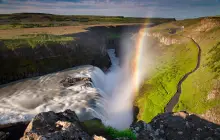
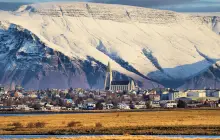
The history of Reykjavik's port, also known as the Old Harbour, dates back to the early 20th century when it was built between 1913 and 1917, just a few years after Reykjavik became a town. Its construction was a significant milestone for the town, marking its development into a modern trade and fishing hub. It enabled Iceland to operate international trade routes and establish its fishing industry, which remains a major part of the country's economy today.
In the 1980s, the port underwent a major transformation with the construction of Sundahöfn, a larger and more modern harbor located in the northeastern part of the city. Despite this, the Old Harbour retained its charm and continued to play a crucial role in the city's life. Today, it's a vibrant area packed with restaurants, museums, and tourist attractions, and it's also the main departure point for whale watching and puffin tours.
8. day
Ísafjörður is a picturesque town in north-west Iceland, nestled in the heart of the Westfjords, which captivates visitors with its rugged nature and peaceful atmosphere. Highlights include the well-preserved historic centre with wooden houses from the 18th and 19th centuries, the Maritime Museum showcasing the area's fishing heritage, the charming harbour surrounded by steep mountains, and nearby waterfalls and fjords that rank among the most beautiful and least touched parts of Iceland.
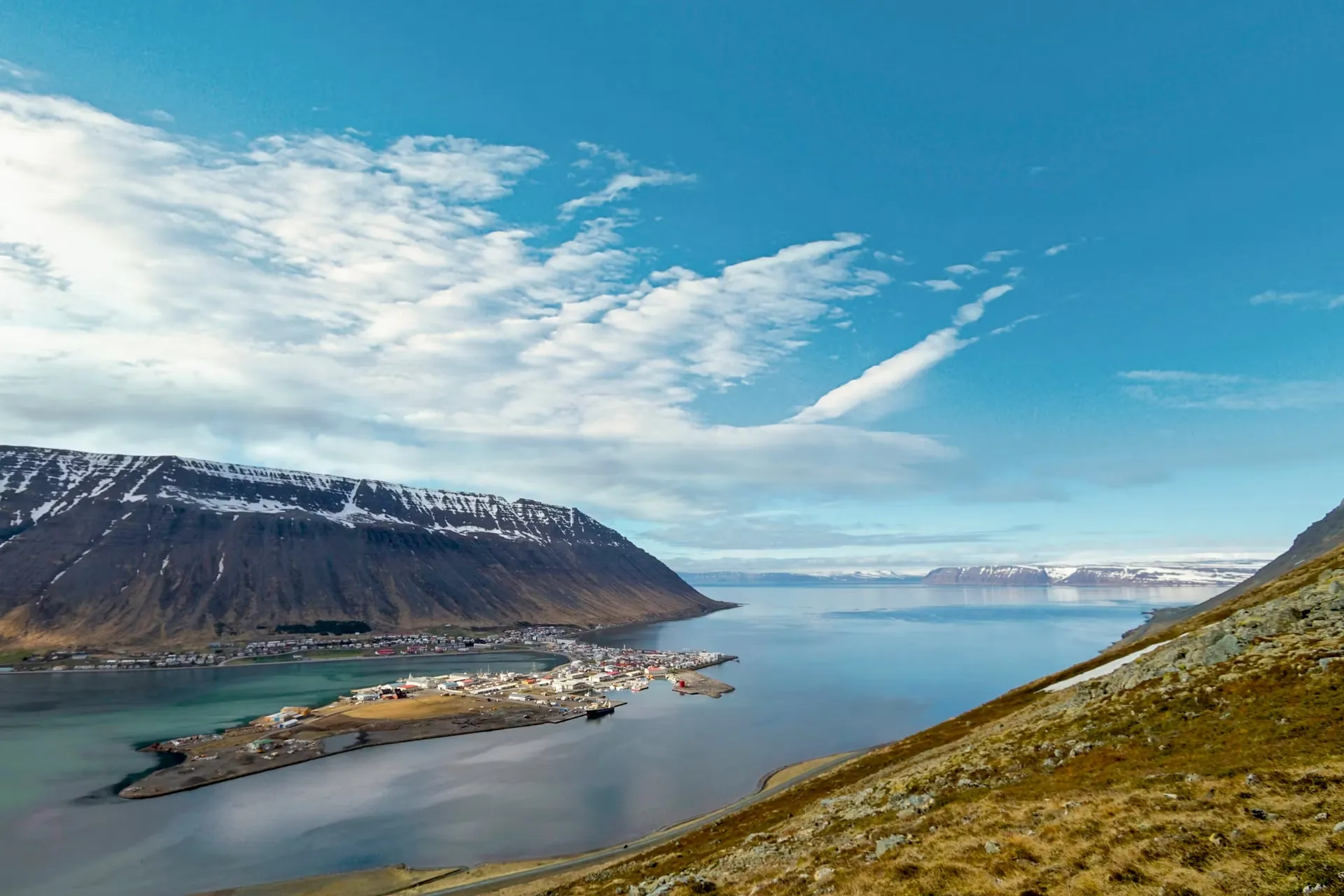
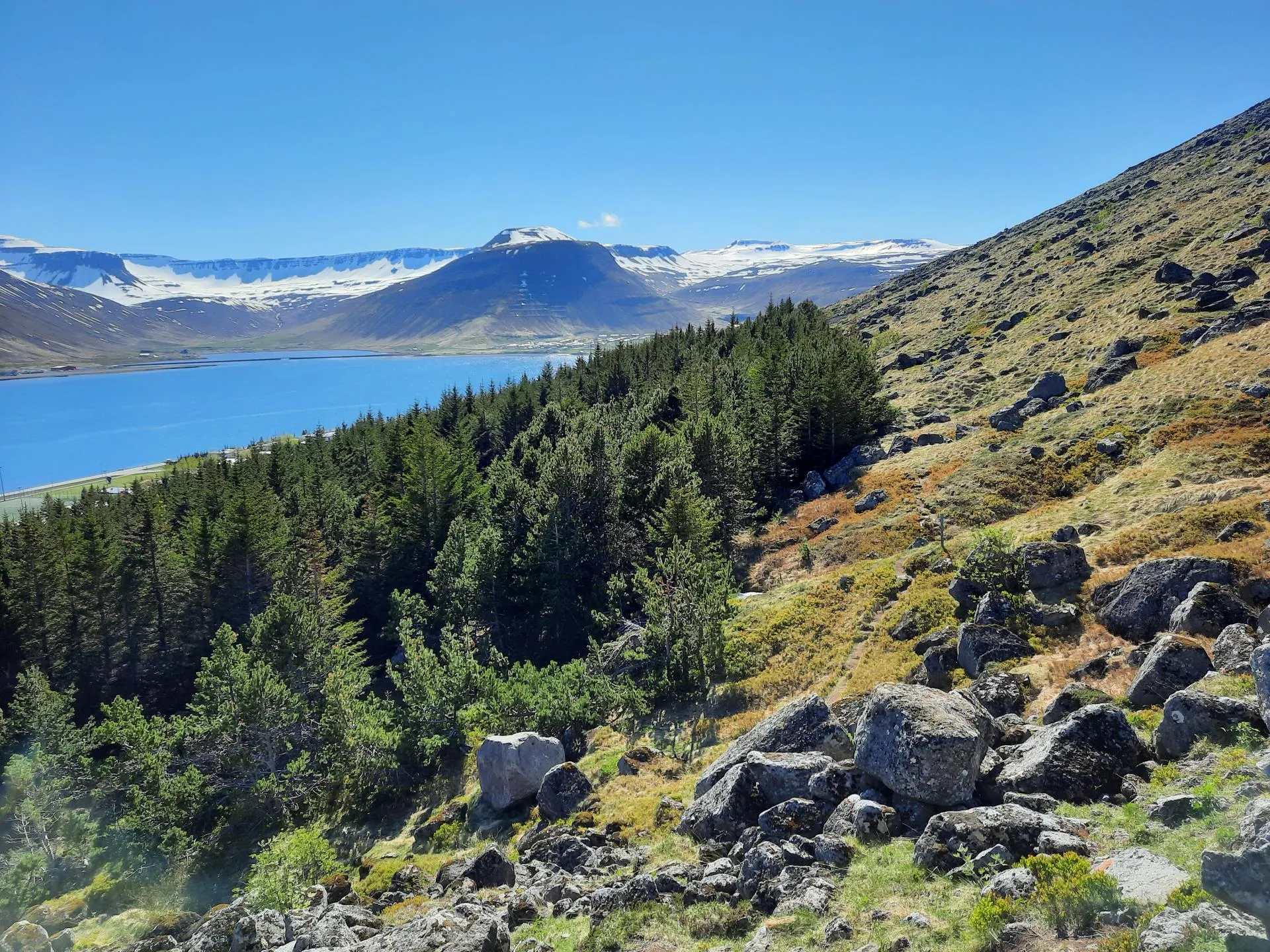

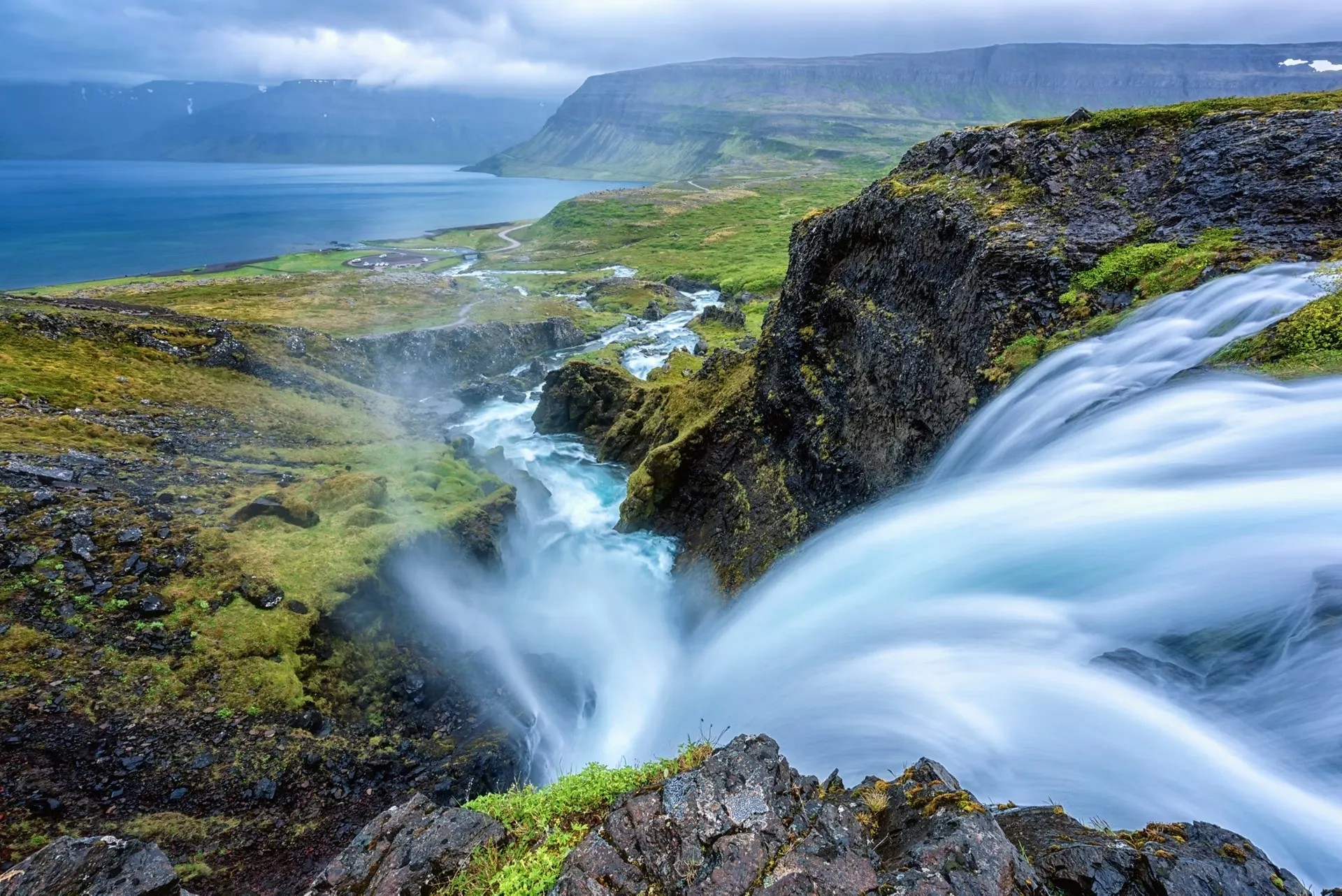
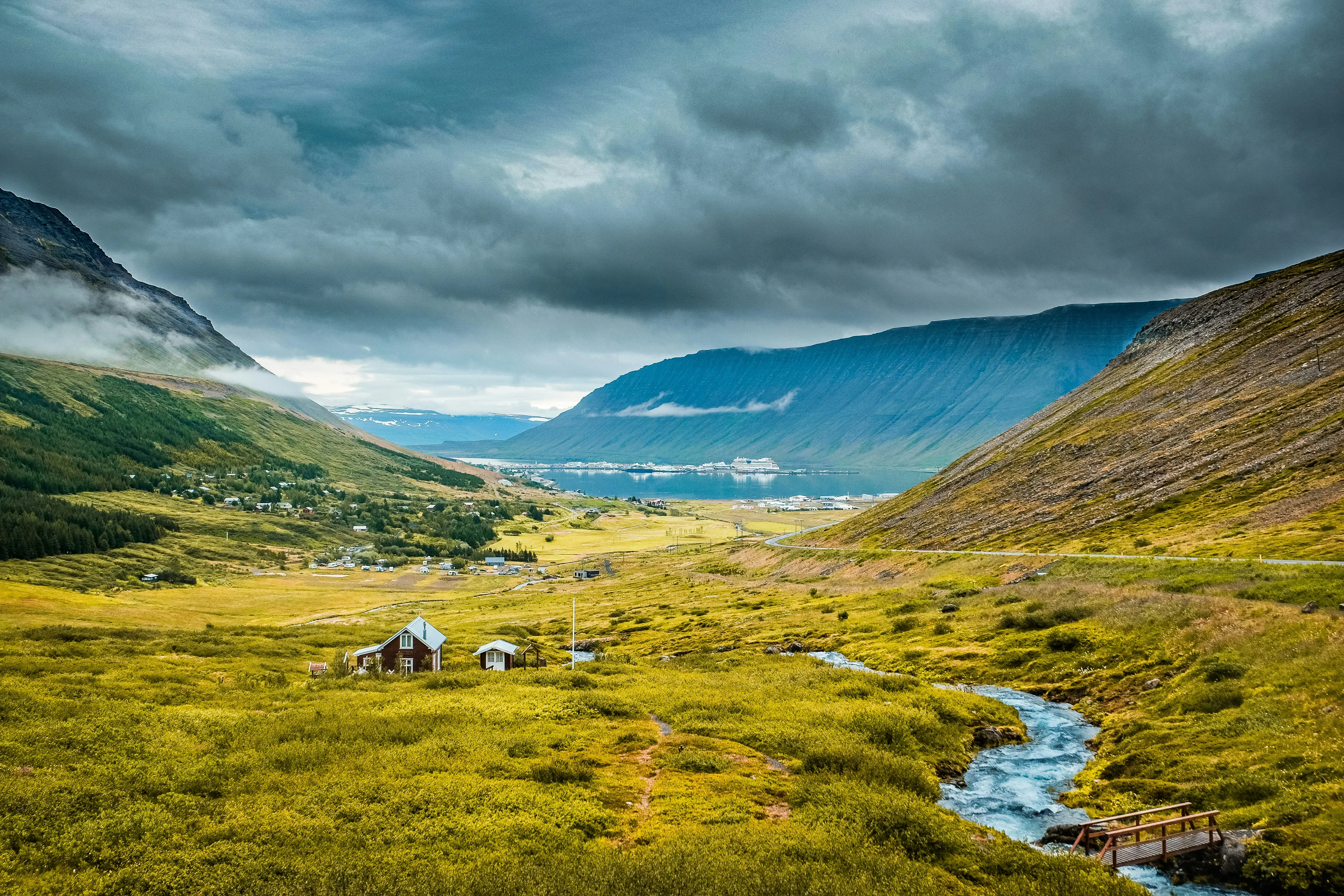
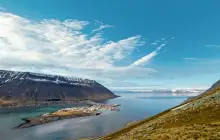
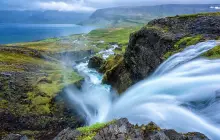
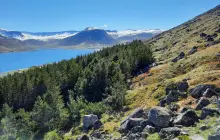
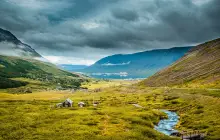
The Westfjords have been inhabited since Iceland's settlement era in the 9th century, when Norse Vikings like Helgi Magri Hrólfsson established farms along these remote shores. Ísafjörður itself grew from a 16th-century trading post, receiving its town charter in 1786, making it one of Iceland's oldest urban settlements. The town flourished as a fishing hub, with merchants building the distinctive wooden warehouses that still stand today.
During the 20th century, Ísafjörður became the economic heart of the Westfjords, though harsh winters and avalanche threats—including the devastating 1995 avalanche that claimed lives—shaped its resilient character. Modern protective barriers now shield the town. Despite Iceland's urbanization drawing people to Reykjavík, Ísafjörður has preserved its unique identity as a cultural stronghold, celebrating Westfjords traditions while welcoming travelers seeking Iceland's most dramatic and authentic Arctic landscapes.
9. day
Akureyri is Iceland's second largest city, situated on the shores of the picturesque Eyjafjörður fjord, where urban life meets stunning Nordic nature. The city's landmark is the modern Akureyrarkirkja church with its striking architecture; also popular is the world's northernmost botanical garden, the lively centre with cafés and the harbour, as well as proximity to natural wonders such as the Goðafoss waterfall, Lake Mývatn and the surrounding volcanic landscape. The first mention of settlement in this part of Iceland dates back to 890, when the Norwegian Viking Helgi Magri (Helgi the Lean) reportedly sailed here and founded a farm near present-day Akureyri. In the Middle Ages, the area had mostly trading buildings, warehouses and just a few houses. Gradually, the fishing industry flourished and today the town is bustling and cosmopolitan. The tallest structure and landmark of Akureyri is the Akureyrarkirkja church, designed by state architect Guðjón Samúelsson in 1940. Although Akureyri lies less than 100 km from the Arctic Circle, the local botanical garden boasts, thanks to a favourable microclimate, some plant species that would more typically belong to temperate or subtropical zones. We recommend the optional excursion with a delegate to the Godafoss waterfall and the botanical garden (surcharge approx. 3,490 CZK).



10. day at sea
11. day
The first mention of the town dates back to 1046. In 1486, it was elevated to a royal city, and in the same year the Orkney Islands became part of Scotland (previously Norway until 1486), as did the Shetlands. The town's name derives from the original Norwegian Kirkjuvagr, which was gradually corrupted to Kirkvoe and then Kirkwall. The town has an important harbour, with regular ferry services to Lerwick and Aberdeen. In the centre of Kirkwall stands St Magnus Cathedral, built between 1108 and 1117, alongside the ruins of the Earl's Bishop Palace. One of the best-preserved townhouses, dating from the 16th century, now houses a museum of historical artefacts dating back to prehistoric times. Next door is the Wireless Museum, dedicated to the history of sound recording. In the evening, after the theatre performance, we will pack our luggage for disembarkation, settle our accounts and let the waves carry us to the last day of our cruise.
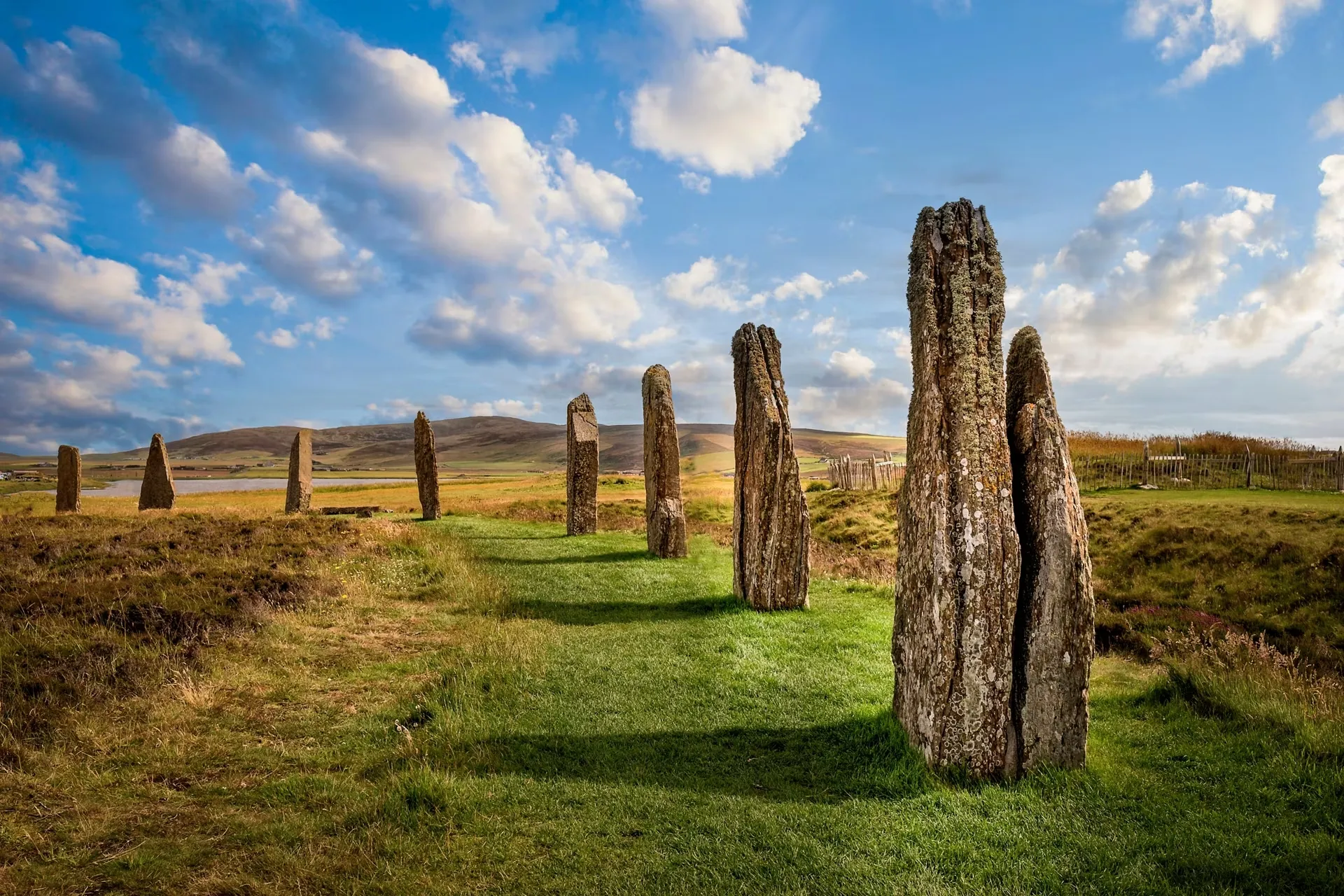
The port of Kirkwall, located in the Orkney Islands of the United Kingdom, has a long and rich history. It was originally established by the Vikings in the 11th century as a trading hub due to its strategic location between Scandinavia and mainland Scotland. The name Kirkwall itself is derived from the Norse 'Kirkjuvagr', meaning 'Church Bay', which refers to the town's ancient church, St Olaf's Kirk.
In the centuries following its establishment, Kirkwall continued to grow as a significant seaport. It played a crucial role in the Hanseatic League, an economic alliance of trading cities and their guilds that dominated trade along the coast of Northern Europe. During both World Wars, the port served as an important naval base due to its strategic location. In the modern era, the port has become a popular stop for cruise ships and remains a key component of the local economy.
12. day at sea
13. day
Breakfast in the morning, then disembarkation and departure from the port back to the Czech Republic. During the return journey, you will learn about new ships and upcoming destinations. The return transport includes two hot snacks, coffee, tea, cappuccino and hot chocolate. Arrival in the Czech Republic depending on the current traffic situation: Prague approx. 22:00.
Hamburg, officially known as the Free and Hanseatic City of Hamburg, is Germany's second-largest city and has a rich history as a significant port and trading hub. Established as part of the Holy Roman Empire in the 9th century, Hamburg gained prominence in the medieval period as a key member of the Hanseatic League, a powerful commercial and defensive confederation of merchant guilds and market towns in Northwestern and Central Europe. The city's strategic location on the River Elbe, which flows into the North Sea, allowed it to flourish as a center for trade, attracting merchants from across Europe and facilitating the exchange of goods and culture.
Throughout its history, Hamburg has demonstrated resilience in the face of adversity. The city endured significant destruction during World War II, with extensive bombing raids causing widespread damage. Despite this, Hamburg rebuilt and modernized in the post-war period, restoring its status as a prominent global port and commercial center. The city's maritime heritage and economic prowess have continued to thrive, supported by its expansive port facilities, which are among the largest in Europe. Today, Hamburg is celebrated for its vibrant cultural scene, historic architecture, and enduring legacy as a free city that has maintained its independence and unique character throughout centuries of change.
14. day
Arrival in the Czech Republic depending on the current traffic situation: Brno approx. 00:01, Olomouc 01:30, Ostrava 03:00.

Tour description
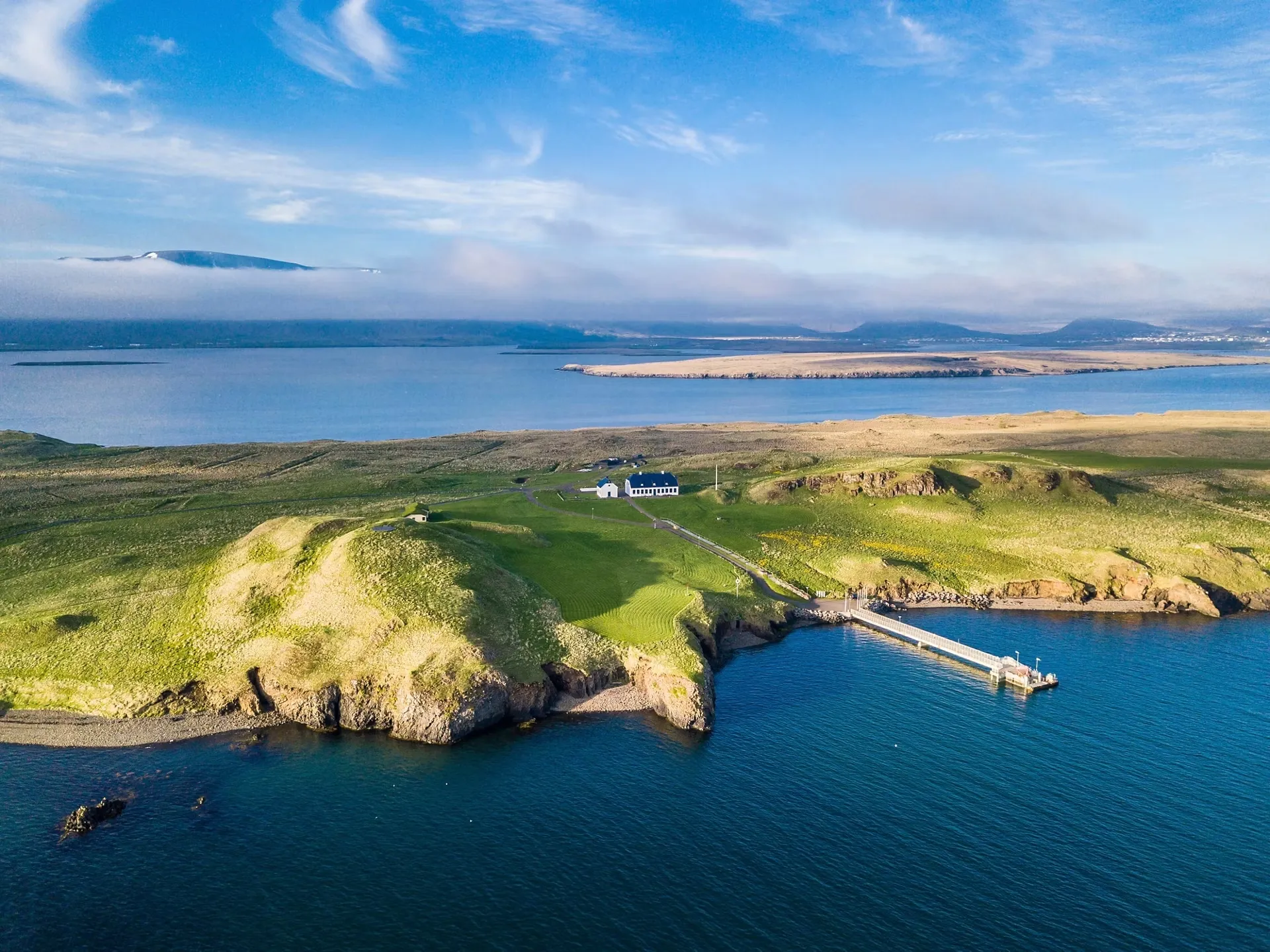

Experience a unique August cruise to Iceland via the Orkney Islands aboard the modern MSC Preziosa. Discover the beauty of British Lerwick, and in Iceland you'll be captivated by fascinating Reykjavik, picturesque Isafjordur and impressive Akureyri, while on the way back you'll visit charming Kirkwall in the Orkneys. The highlight of the cruise is Iceland, the land of fire and ice, which will enchant you with its untouched nature and unique atmosphere. The tour price includes coach transport to and from the port and the services of a Czech-speaking delegate at your disposal.
Explore Northern Europe with Riviera Tour!

Kateřina Kostková
My name is Kateřina and I have been working at the Riviera since 2019. Thanks to this job I have visited many beautiful places and met a lot of great people. I love travelling, good food and going to concerts. My favourite ships to go on are the smaller ones that have a friendlier atmosphere, some of my favourites are MSC Sinfonia and MSC Lirica.


DVD
Transport
Your cruise with Riviera Tour begins in the Czech Republic. Our modern, spacious coaches depart from major cities towards ports in the Mediterranean and the North Sea.
On board the coach, an experienced Czech delegate will take care of you, providing all the information you need about life on board and the places you will visit. Hot drinks, breakfast and snacks are included in the price of transport. Additional drinks can be purchased from our drivers at attractive prices.
Our aim is for you to enjoy your holiday from the very first moment. That is why we create a pleasant, family atmosphere already during the coach journey. Our delegate will make the trip more enjoyable with interesting stories from previous cruises and practical tips for your stay on board.
And as a bonus, a special "surprise" awaits you during the journey, one of the favourite hallmarks of Riviera Tour trips.
The cruise price includes
- RIVIERA TOUR delegate
- Coach transport to and from the port
- Sightseeing cruise on the MSC ship on the given date
- Accommodation in an interior cabin, BELLA category
- Full board for the entire stay on the ship
- Drinks from vending machines in the buffet restaurant
- Port taxes, service charges and porter services
- Daily cabin cleaning
- Themed evenings according to the cruise programme
- Insolvency insurance
- Animation and entertainment programmes on board
- Theatres, swimming pools, whirlpools, pool service
The cruise price does not include
- Optional excursions by the cruise company at destinations
- Drinks and alcoholic beverages at bars and restaurants
- Premium services for an extra charge (saunas, massages, cinema, circus...)
- Cruise company transfers in ports
- Tourist tax in Iceland (approx. 45 €, payable on board)
For an additional fee we offer
- Special travel and health insurance designed for sea cruises
- Higher cabin categories Fantastica, Aurea and MSC Yacht Club
- Window cabins, balcony cabins, suites and MSC Yacht Club
- Beverage packages and bundles at a pre-sale discount
- Internet packages at a pre-sale discount
- Seat reservation on the coach (surcharge 150 CZK)
- UK entry visa ETA (surcharge approx. 890 CZK)
- Optional excursion with delegate in Reykjavík (surcharge approx. 4,990 CZK)
- Optional excursion with delegate in Akureyri (surcharge approx. 3,490 CZK)
- Prices of all excursions will be confirmed approx. 40 days before departure
The organizer of the cruise is: MSC CRUISES S.A., Avenue Eugene Pittard 40, Geneva, Switzerland. Travel agency RIVIERA TOUR and shipping company is authorized to make operational changes to the program and services provided before the trip and during the trip, if it is not possible to maintain the originally agreed program and services. In the case of trips to regions where the current security situation may require a change in the route or cruise, there is no breach of the travel contract if a deviation in the route does not exceed 50% of the originally planned cruise route. The customer acknowledges that each such deviation from the originally planned cruise route is made to maintain his safety and is included in the price of the trip. These provisions also apply to this situation and related services.
With Riviera Tour you get more:
With us, the complete price - you don't pay anything extra, everything is in the Czech language - you will receive from us printed, fully processed departure instructions containing the boarding pass, information about countries, destinations, information about services on the ship, a translated menu*. We have a 24/7 assistance service for solving crisis situations, we will help you in case of unexpected events, communication with doctors, insurance company, we will help you with accommodation, transport, you can solve all complaints through our CK and note that RIVIERA TOUR sells all cruises as a travel agency - guarantee and security for you

A gift for you with your order
With Riviera Tour you get more:
With us, the complete price - you don't pay anything extra, everything is in the Czech language - you will receive from us printed, fully processed departure instructions containing the boarding pass, information about countries, destinations, information about services on the ship, a translated menu*. We have a 24/7 assistance service for solving crisis situations, we will help you in case of unexpected events, communication with doctors, insurance company, we will help you with accommodation, transport, you can solve all complaints through our CK and note that RIVIERA TOUR sells all cruises as a travel agency - guarantee and security for you