Brazil to Argentina - day 3: Rio de Janeiro - Karneval, Copacabana to Maracana
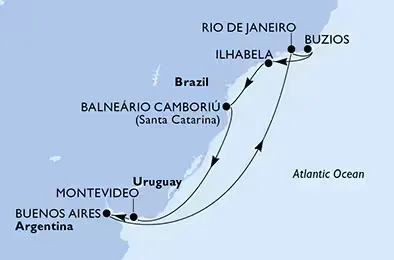
In today's article, we'll take you on the third day of our trip to Brazil, where we went to prepare for the February Carnival Cruise through Brazil and Argentina (link here). And since we'll be covering the Carnival of Samba on this cruise, we're going to talk about three things that define Brazil today - samba, beaches and football.
Let's do it.
Rio Carnival - the most famous festival in the world
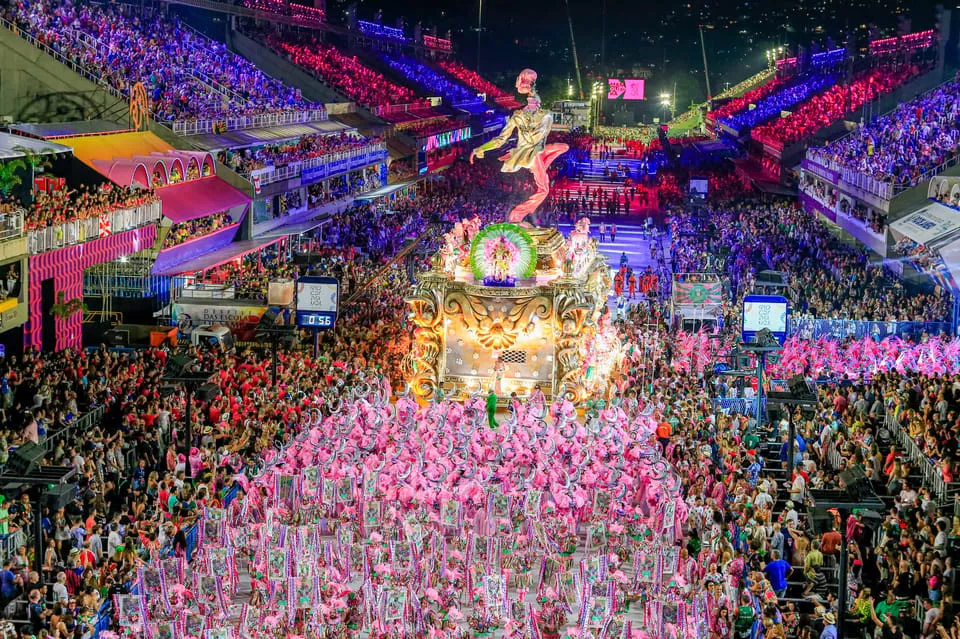
The Samba Festival, known as Rio Carnival, is one of the largest and most important cultural events in Brazil and the world. It is usually held every year 40 days before Easter, which means that its date changes every year.
The main events of the carnival take place at the Sambodromo, a specially designed stadium for samba shows that can accommodate tens of thousands of spectators. In addition to the parades at the Sambodromo, celebrations take place throughout the city, including celebratory parades and street parties known as "blocos". The Sambodromo is 750 metres long and you can buy tickets for a grandstand or even a box.
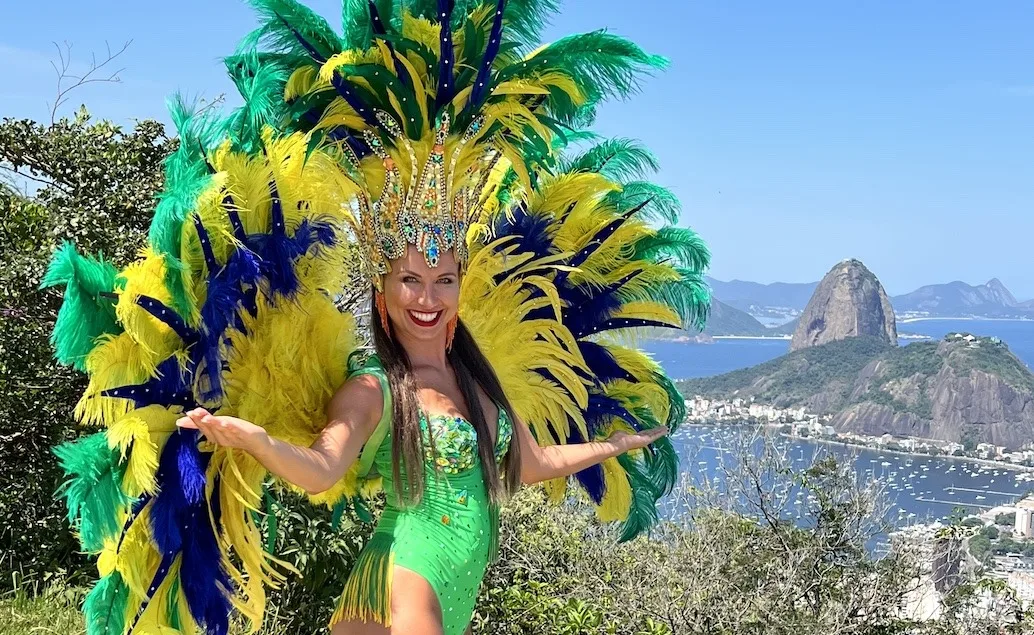
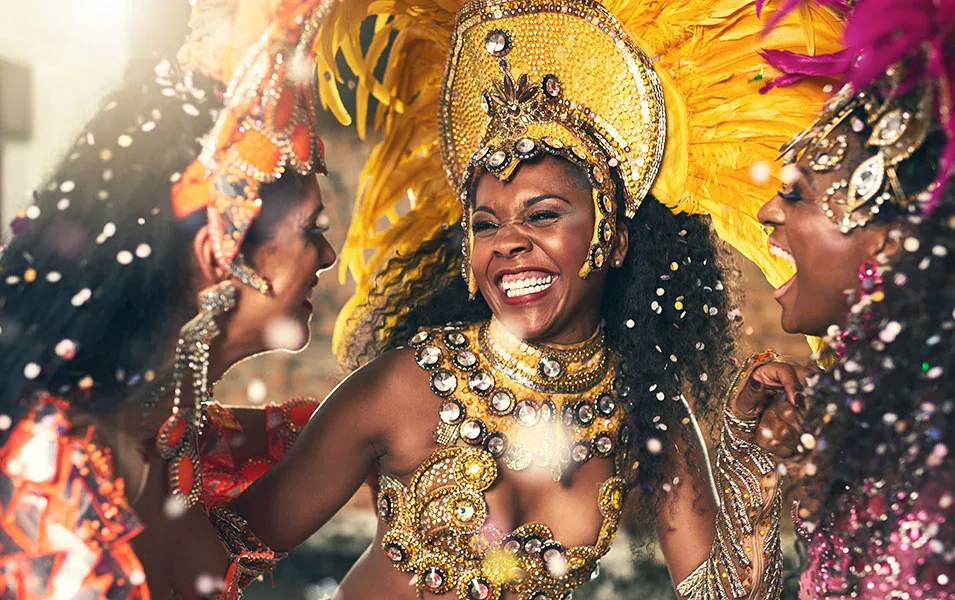
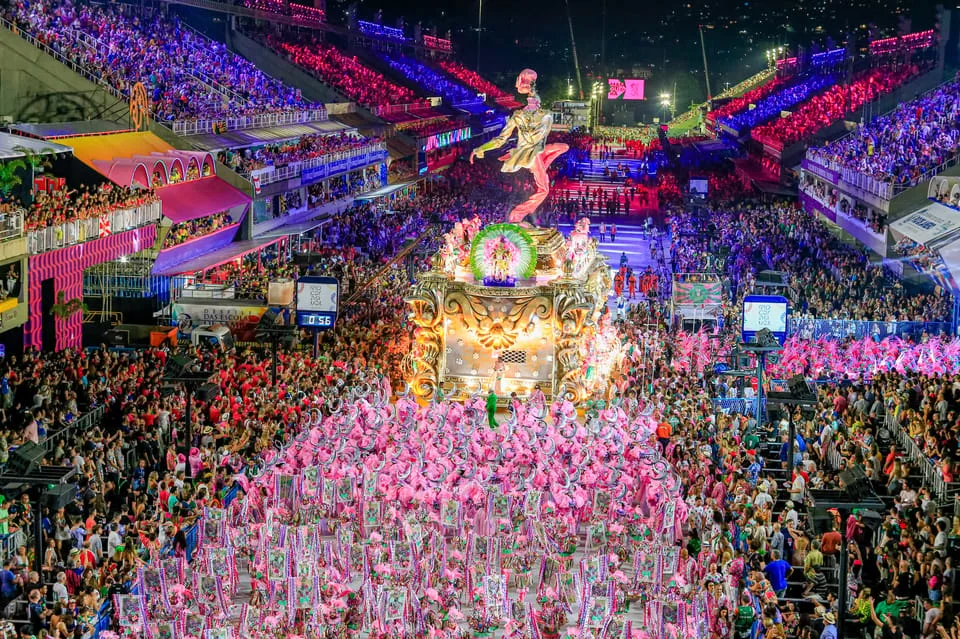
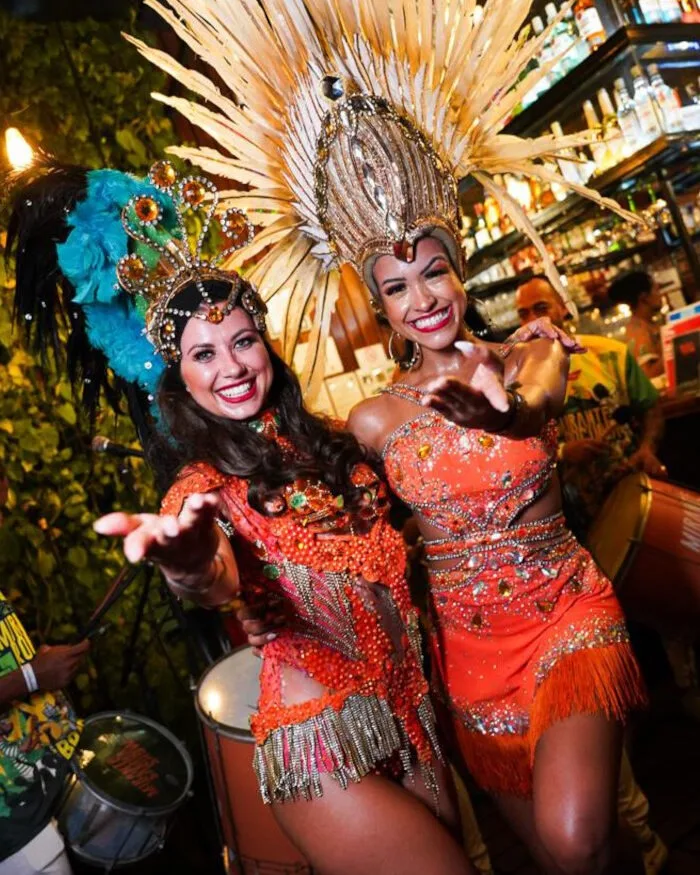
Carnival in Rio involves the participation of many samba schools, each representing a different community in Rio de Janeiro. Each school prepares its own theme, costumes, allegorical floats and choreography. The most famous schools, such as Mangueira, Beija-Flor and Portela, compete for the title of best school of the carnival.
Preparations for the carnival begin many months before the actual event. Samba schools work on choosing a theme, designing costumes and building the allegorical floats. Each school has hundreds of members who participate in rehearsals and preparations. The city of Rio de Janeiro is also preparing for the onslaught of tourists, improving infrastructure and providing security during the festival.
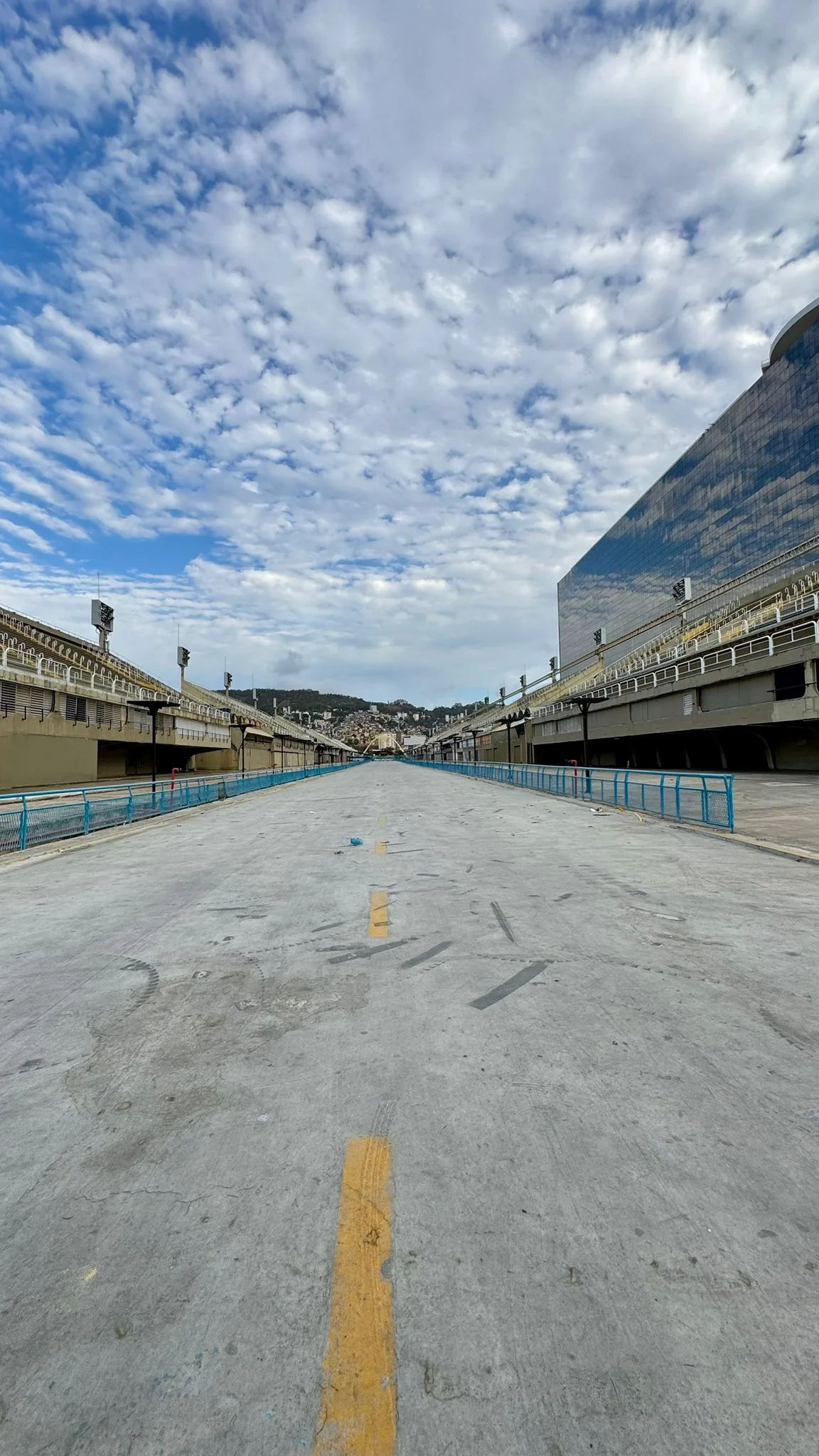
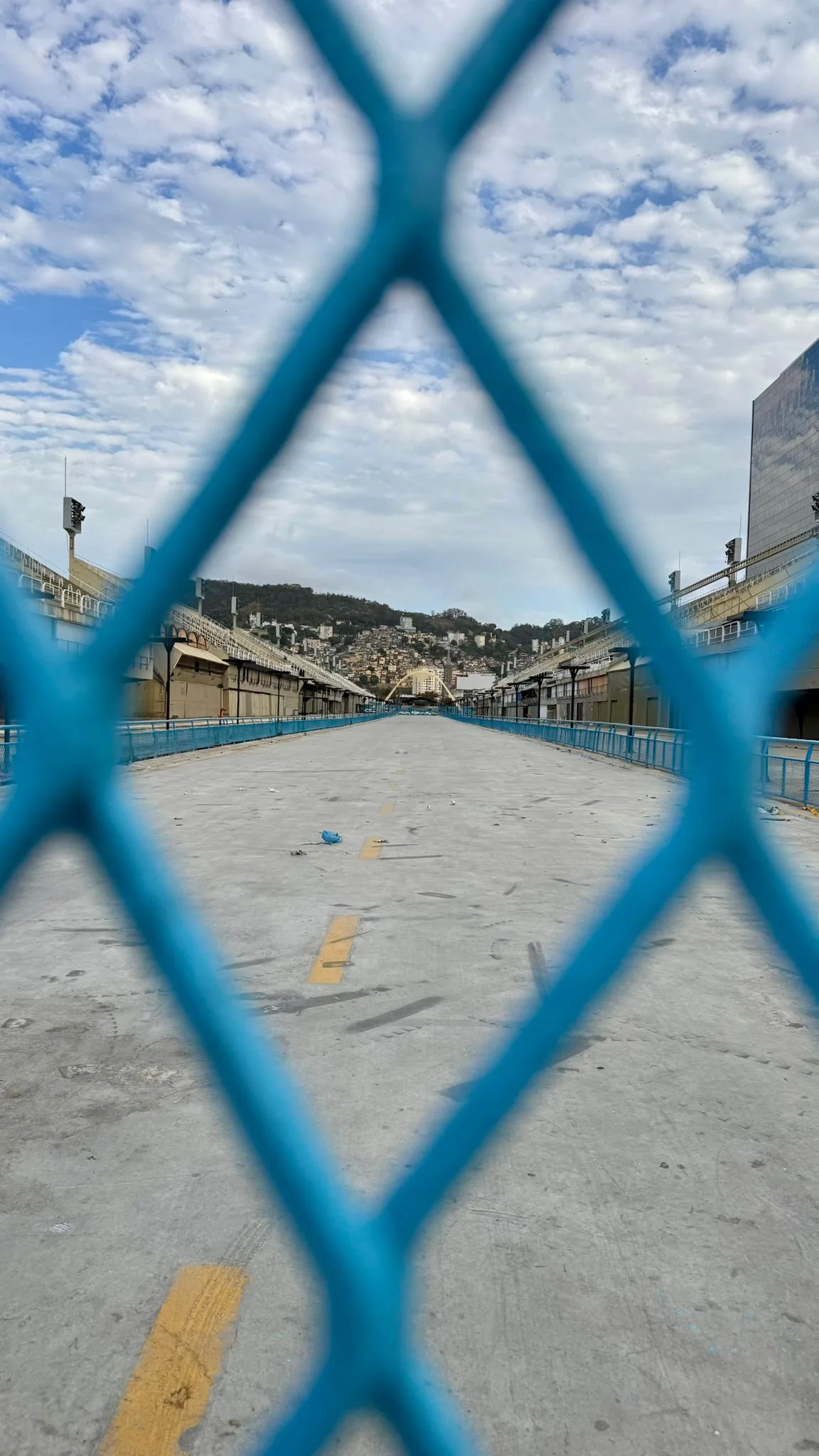
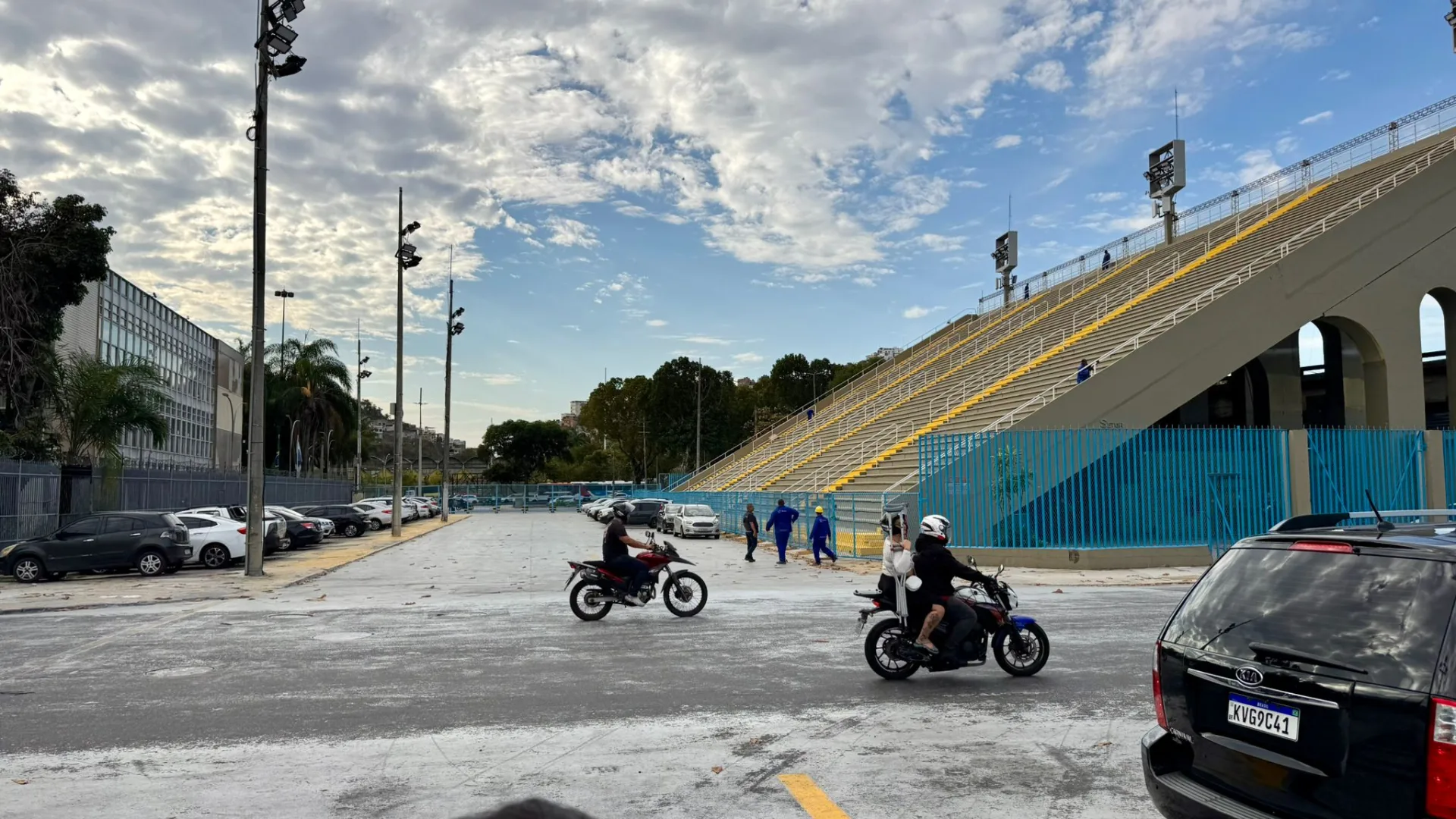
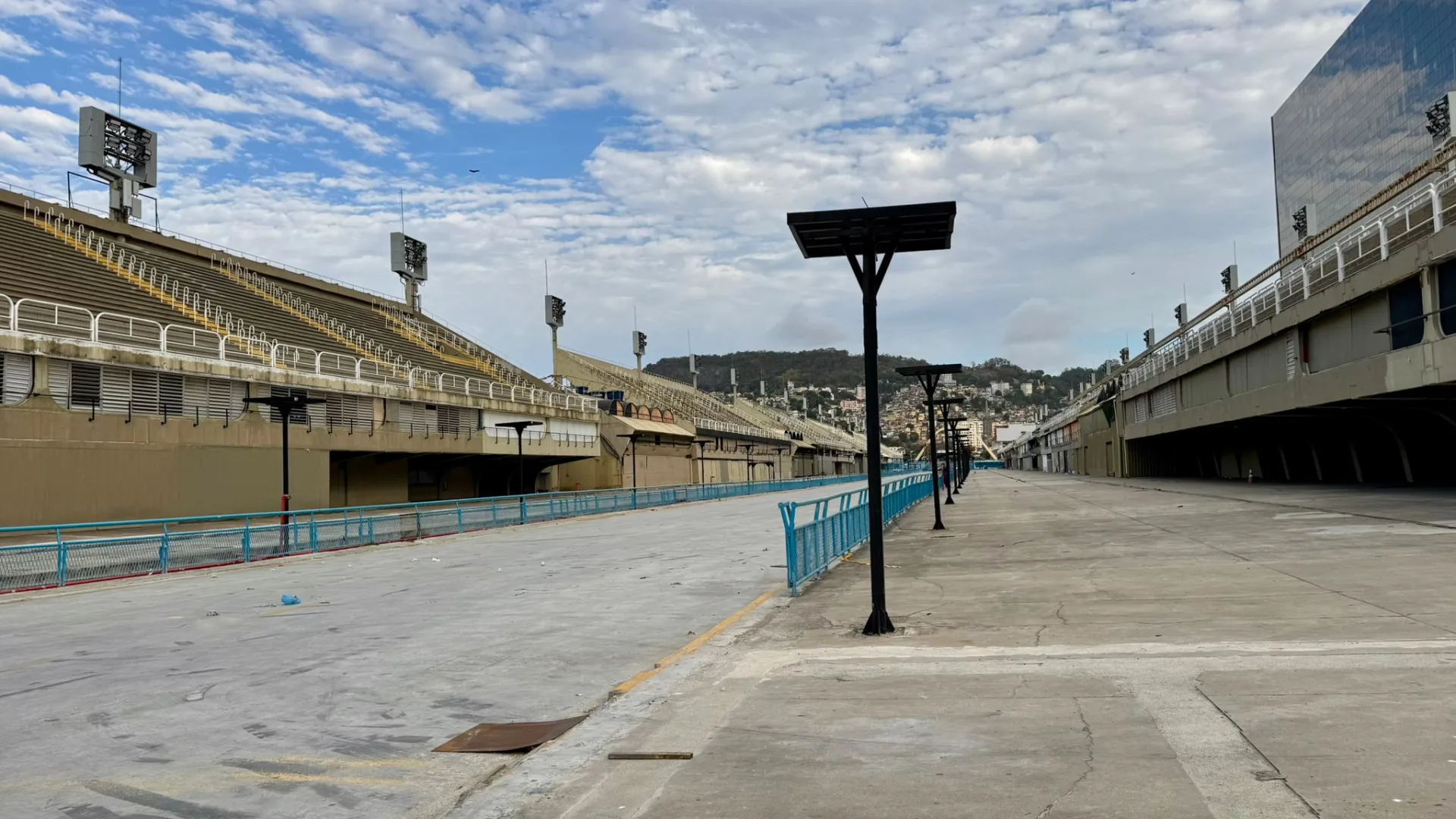
Carnival in Rio is not just about parades and competitions - it's also a time of celebration and joy for all. Locals and visitors alike take part in the aforementioned 'blocos', which take place in all parts of the city and include dancing, music and costumes. The Festival attracts tourists from all over the world, contributing significantly to the city's economy. And on our February cruise with RIVIERA TOUR, samba is definitely not to be missed. During our trip in Rio de Janeiro, we'll visit a samba school in the midst of preparing for Carnival - and some may even learn to dance the samba. It's going to be great, you have a lot to look forward to.
Pláž Copacabana
The most famous beach in the world. But why her?
This four-kilometre-long sandy beach is famous for its semicircular shape and the iconic mosaic pavement that lines it. The origin of the name "Copacabana" dates back to the period when the area was settled by Portuguese colonizers. The name is derived from the Bolivian village of Copacabana, which is famous for its statue of the Virgin Mary.
Copacabana Beach is not only a place for relaxation and sunbathing, but also the centre of social events. Every year, the famous New Year celebrations are held here, when millions of people gather on the beach to enjoy fireworks and live music. During the day you can see sports enthusiasts playing volleyball, football or surfing the waves of the Atlantic Ocean.
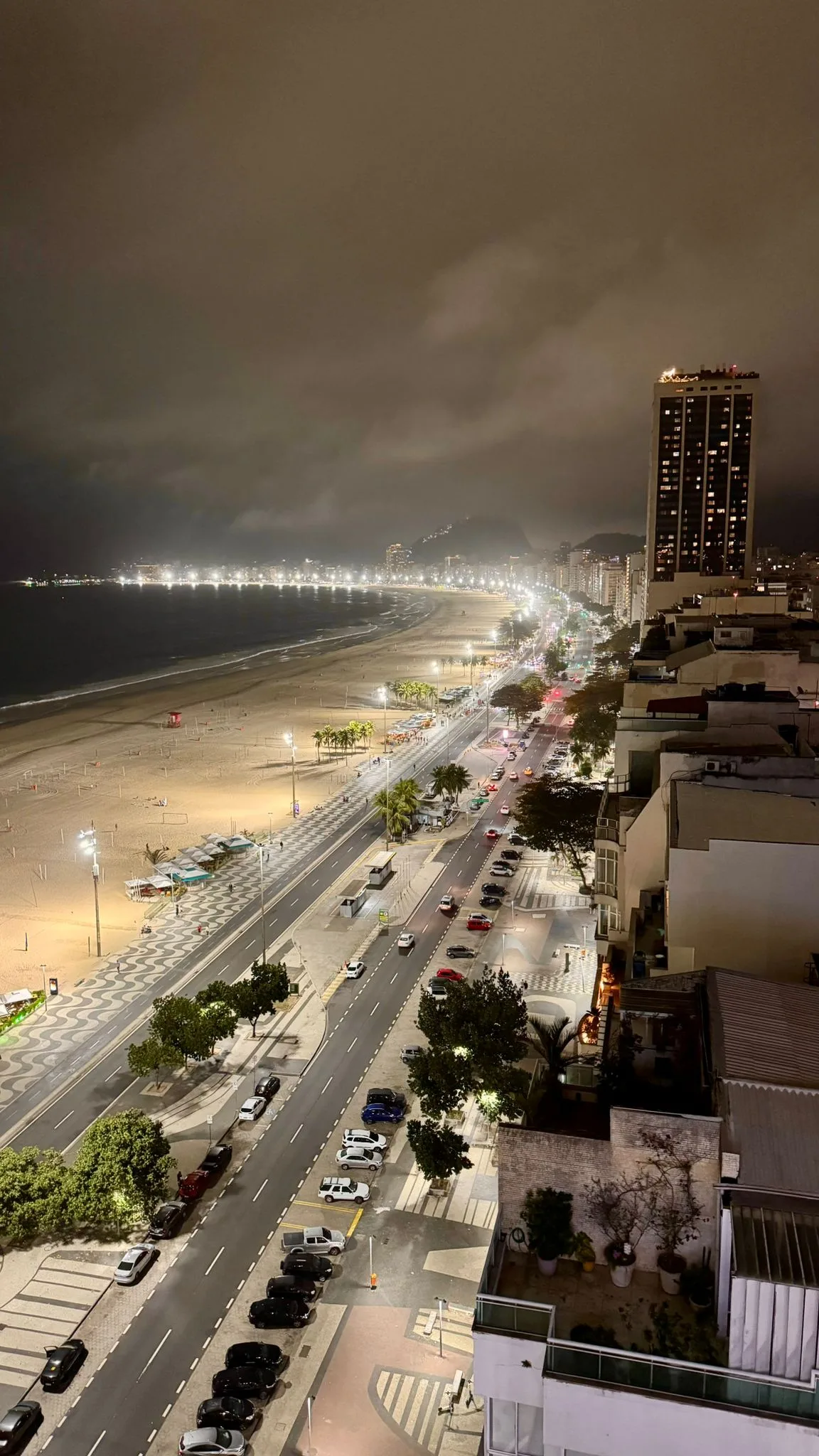
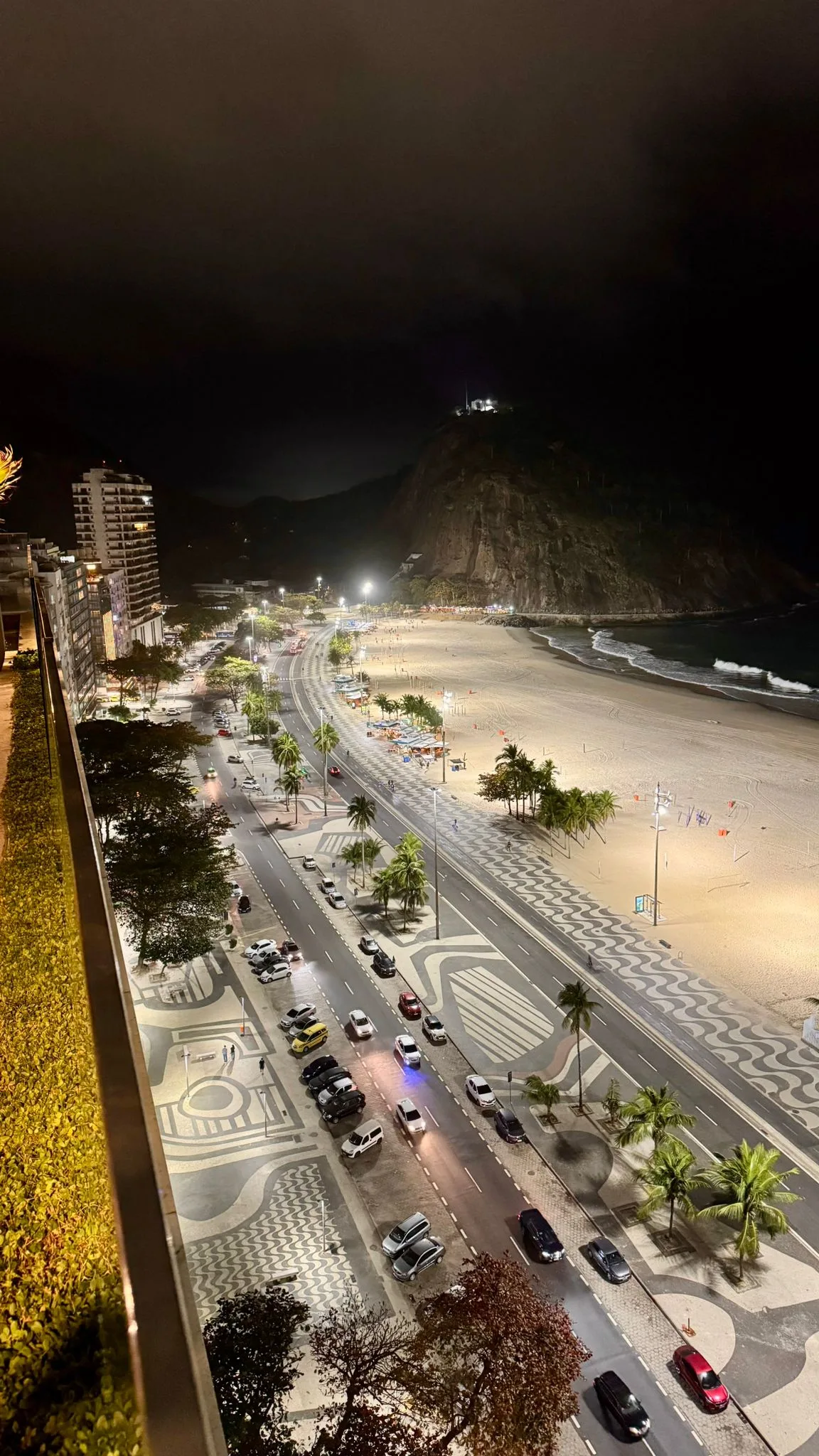
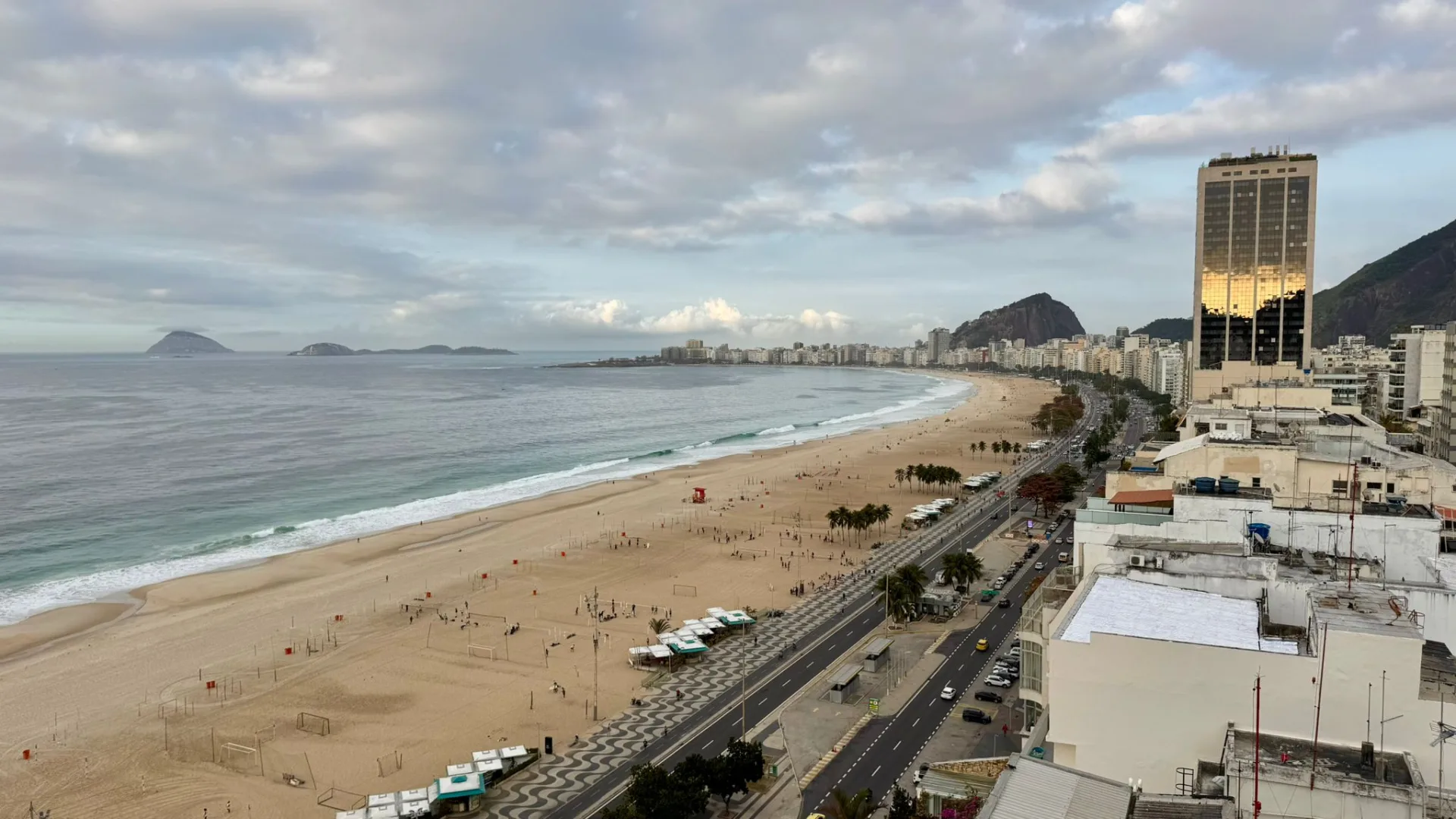
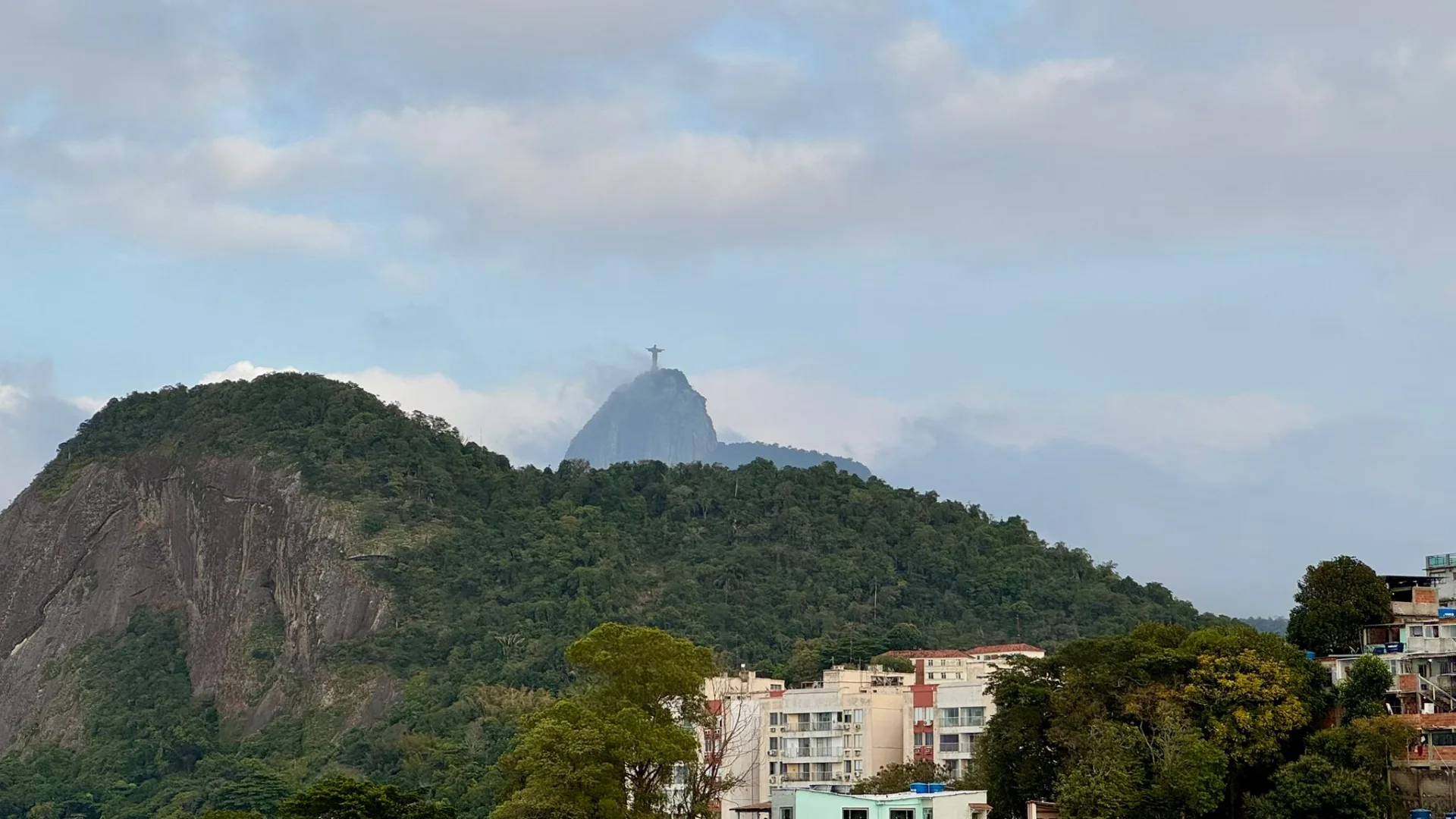
Another important place on Copacabana is the Hotel Copacabana Palace, a jewel among hotels that has hosted many celebrities, politicians and artists from all over the world since its opening in 1923. With its imposing architecture and elegant style, this luxury hotel offers guests an unforgettable experience combined with exceptional service and ocean views.
We had accommodation just a short walk from the famous Capacabana Palace Hotel and I must admit that we really enjoyed it. The excellent service at the hotel, and of course the terrace overlooking the beach and the statue of Jesus only add to the experience. There was no shortage of evening walks and what impressed us was the transport. Friends, we took the Uber, about 3 km for about 40 CZK. It was great.
Stadion Maracanã
The largest stadium in Rio de Janeiro is the Maracanã, officially known as the Estádio Jornalista Mário Filho. Opened in 1950 for the World Cup, it is one of the most iconic football stadiums in the world and our guide kept it as a cherry on top to end the tour.
The stadium can seat approximately 78,000 spectators, making it one of the largest stadiums in South America. The Maracanã is not only home to the Brazilian national football team, but also to major clubs such as Flamengo and Fluminense.
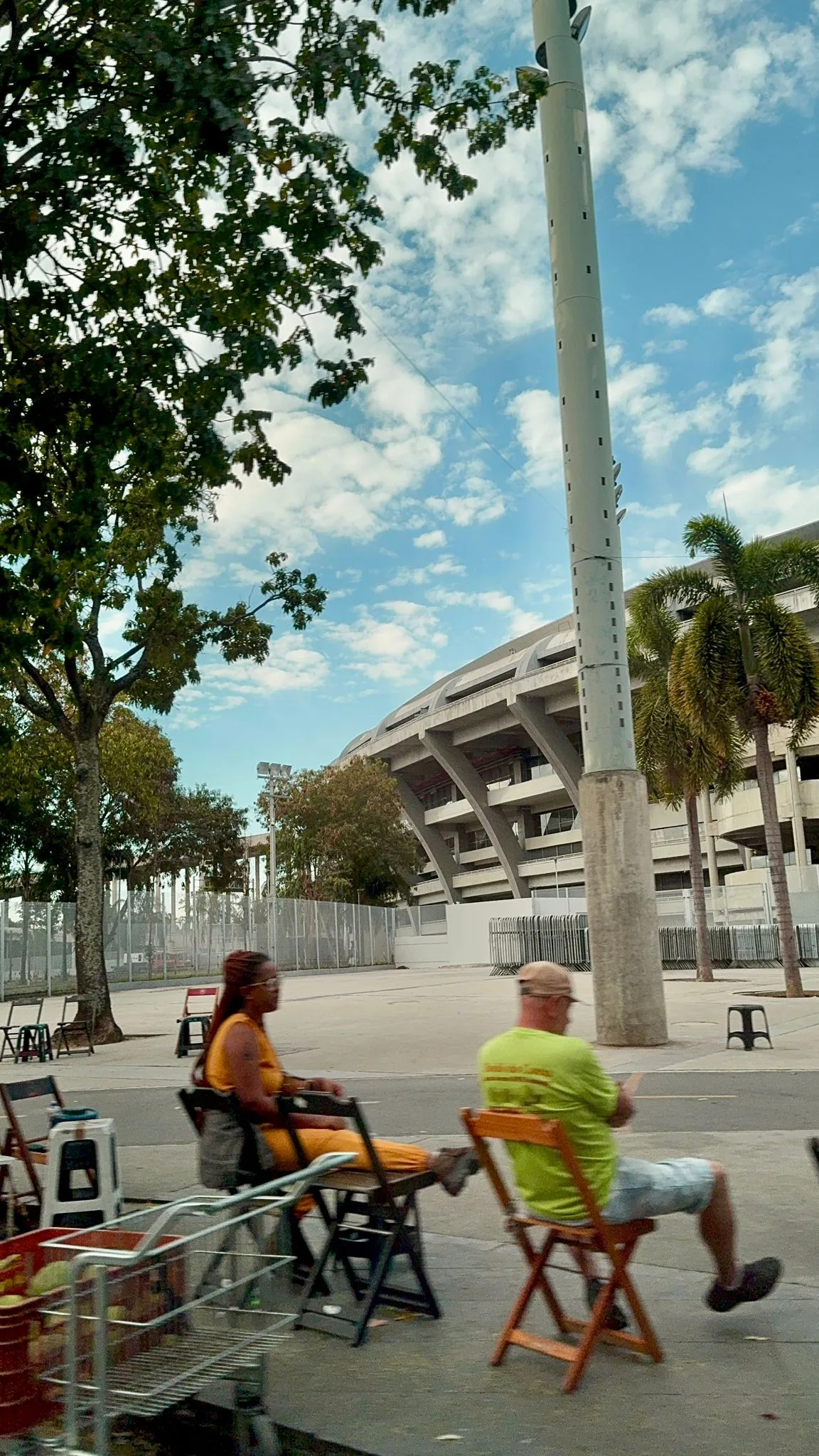
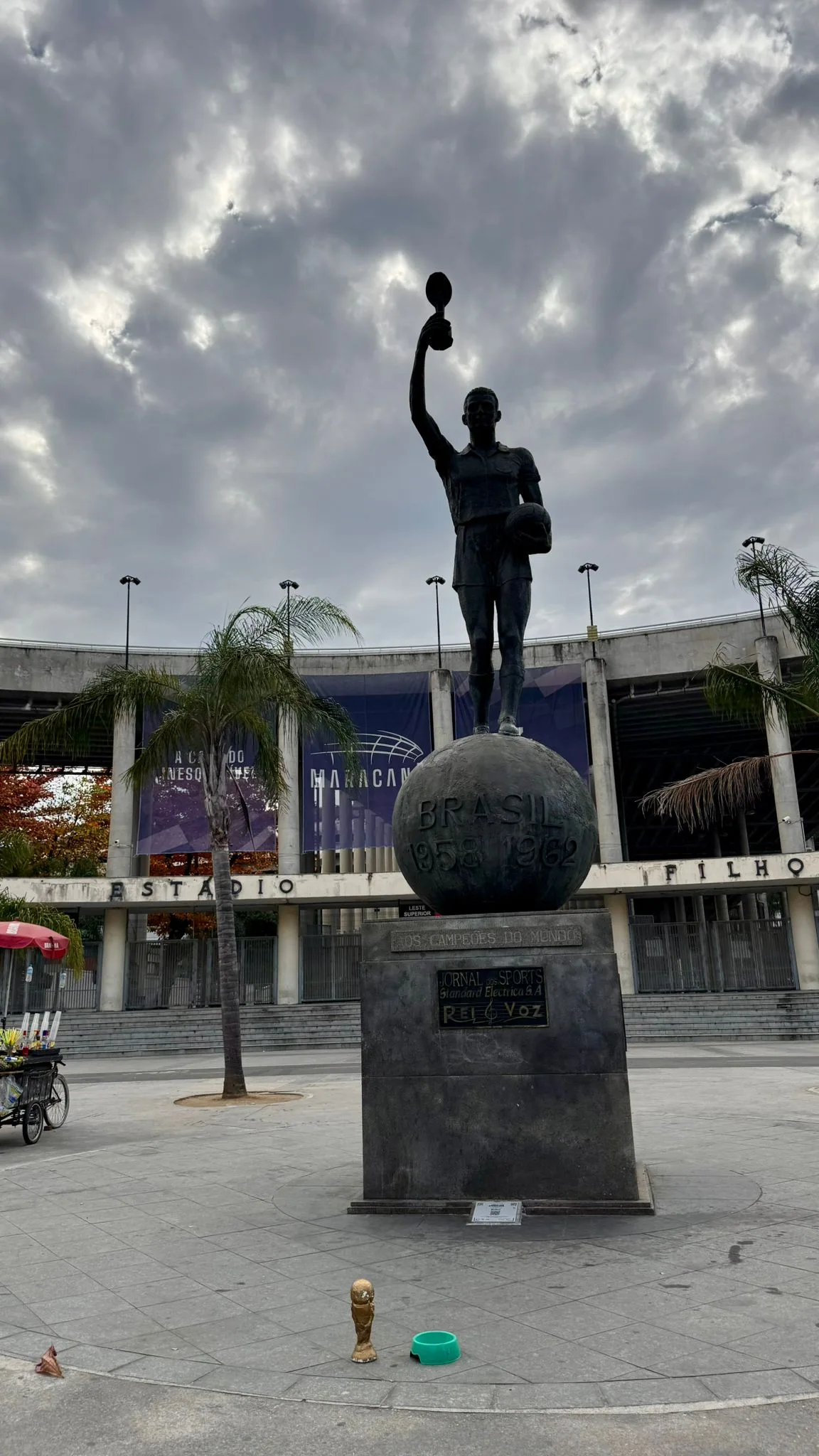
The opening of the stadium in 1950 was accompanied by the final World Cup match between Brazil and Uruguay. This match is known as "Maracanazo", with Uruguay surprisingly winning against Brazil. Maracanã also hosted the final matches of the 1950 and 2014 World Cups and the 2016 Olympics.
Many legendary footballers have played at the Maracanã, including Pelé, who scored his 1,000th goal here.
The stadium has also been visited by international celebrities from other areas such as the Rolling Stones, Madonna and Paul McCartney who have performed there.
Like many other large stadiums around the world, Maracanã has experienced problems with football hooligans, especially during important matches between local clubs. Security measures have been significantly strengthened over the years to ensure the safety of all visitors. And, as guide Cristiano says, if these groups are around you, take your feet on your shoulders and get away quickly because it is very, very dangerous. So I explained to him what the Banik was...
Continued tomorrow. You can read a previous post about the Christ the Savior statue's here.
782 - Carnival Brazil and Argentina🦜💃🏽
Date: February 5 - February 18, 2026