904 - Cruise Around Europe
Mediterranean, 4/11/2027 – 4/25/2027


904 - Cruise Around Europe
Mediterranean , April 11, 2027 - April 25, 2027
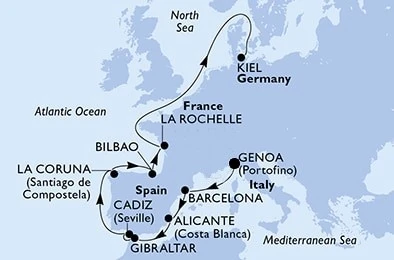
Your cruise route
1. day
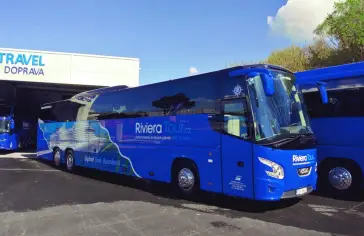
Departure by RIVIERA TOUR coach to the port. On the way, our delegate will introduce you to life on board MSC Cruises ships, organizational instructions and the tour programme. During the journey, we have a cold dinner, hot breakfast and refreshments ready for you.
Boarding points: Vsetín, Nový Jičín, Frýdek-Místek, Ostrava, Hranice, Olomouc, Prostějov, Vyškov, Brno, Bratislava. Feeder transfer (surcharge CZK 990): Prague, Humpolec, Jihlava, Velké Meziříčí.
2. day
Upon arrival at the port, we will explore this stunning ancient city, famous especially during the era of the Republic of Genoa and also linked to the birthplace of Christopher Columbus. This is followed by registration and check-in on the ship. In the afternoon, a tour of the ship, accommodation and a safety drill before departure. Don't miss the first departure from the port. Also, don't miss the first served dinner to enjoy the superb Italian cuisine. After dinner, we will visit the ship's theatre and finish the evening with a drink at the bar.

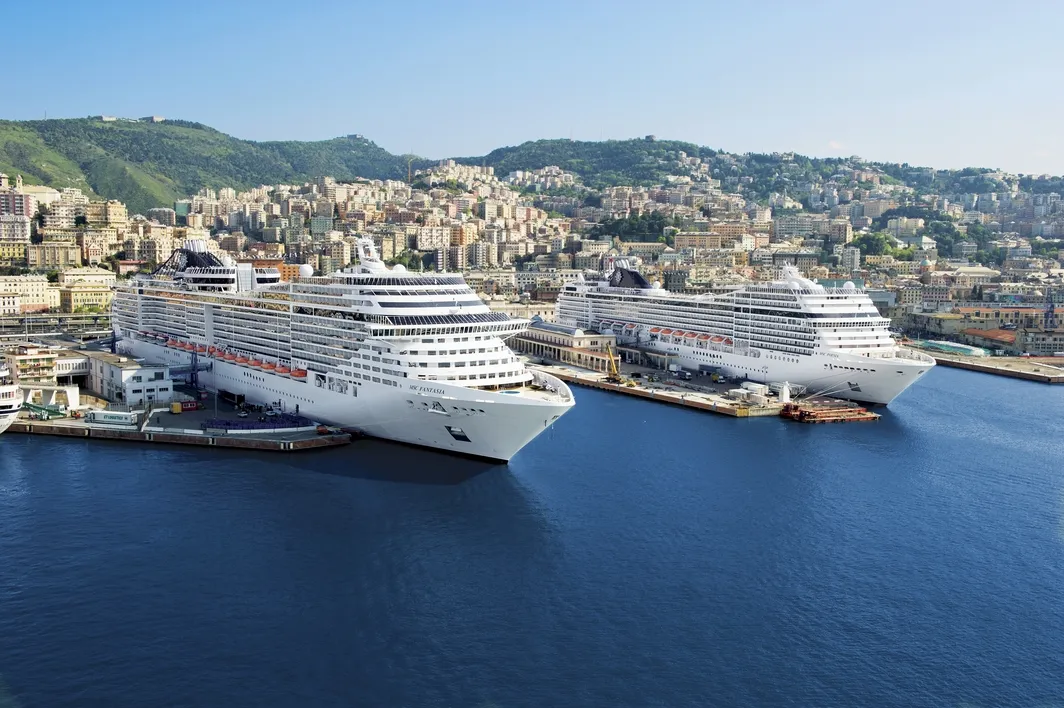
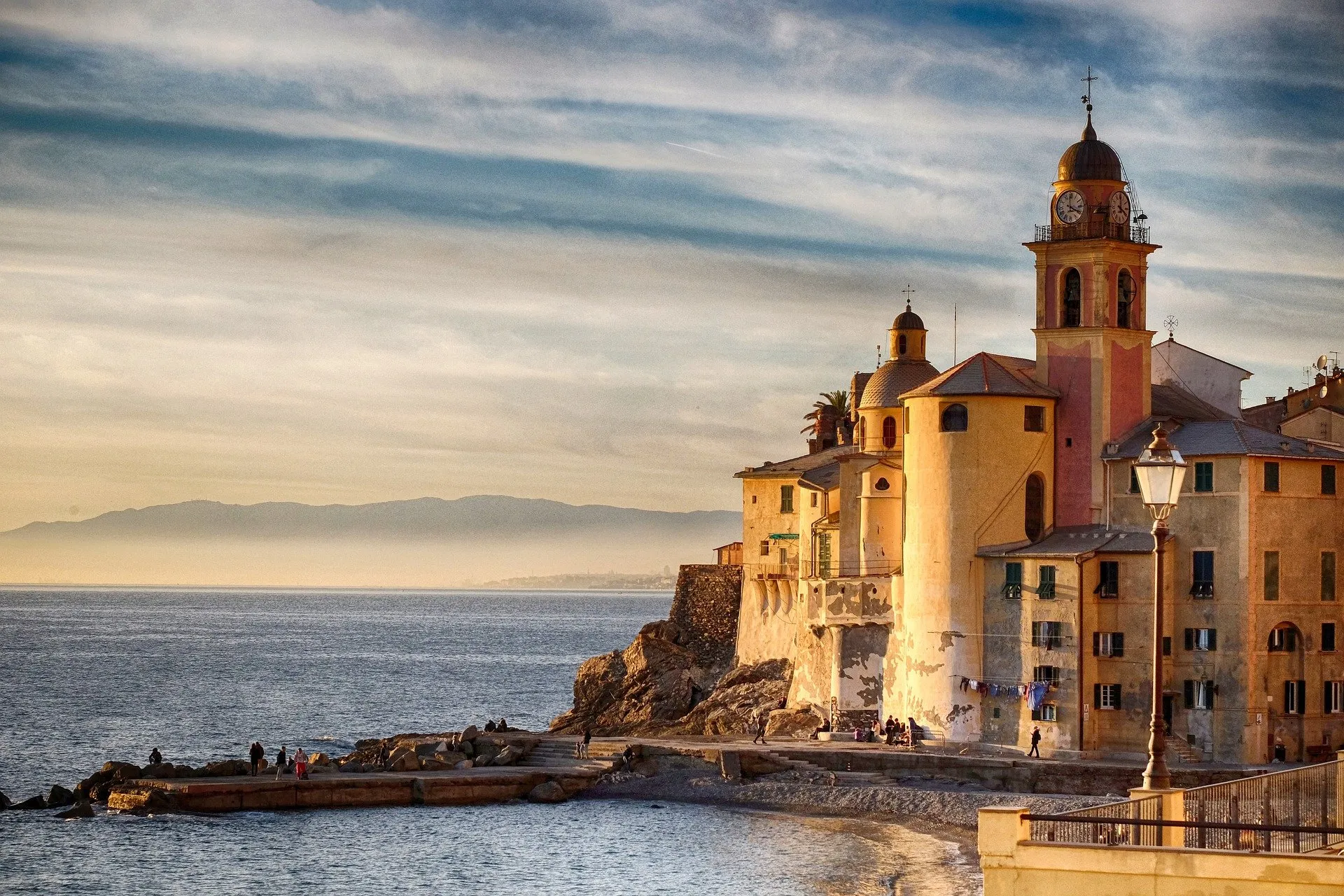
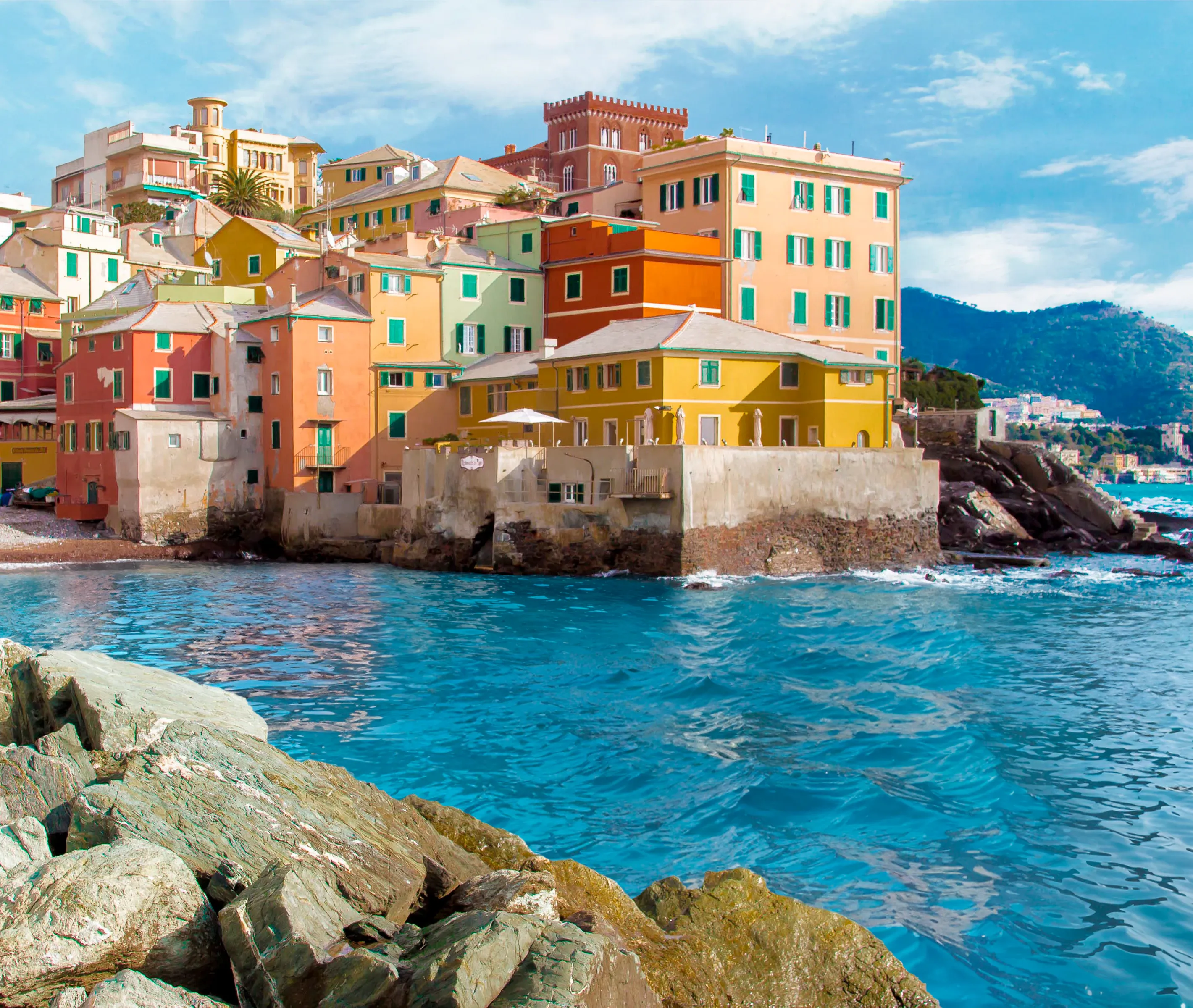
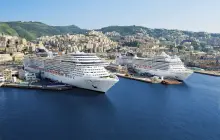
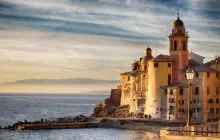
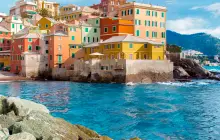
The Port of Genoa has a rich history that traces back to the Roman times, when it was established as a trade hub. However, its status of one of Europe's leading seaports was achieved in the Middle Ages, under the Genoese Republic. This bustling port city was a major player in the maritime trade routes, particularly with the East.
In the 19th century, the Port of Genoa underwent significant expansion under the Kingdom of Italy. Its geographical position and natural harbor made it a strategic point for commercial and military activities. Today, it continues to be a crucial port, serving as a major gateway for goods and passengers, and is considered one of the busiest ports in the Mediterranean Sea.
3. day at sea
4. day
In Barcelona, history blends with modern life, culture mingles with exquisite food, and every alleyway hides a story waiting to be heard. Don't miss the chance to experience Barcelona in all its glory — from the Gothic Quarter to world-famous landmarks such as the Sagrada Familia and Gaudí's houses, from sun-drenched beaches to gourmet experiences that will pamper your taste buds. We recommend the MSC Cruises transfer from the port to the city centre; it is truly essential at this destination (approx. €12).

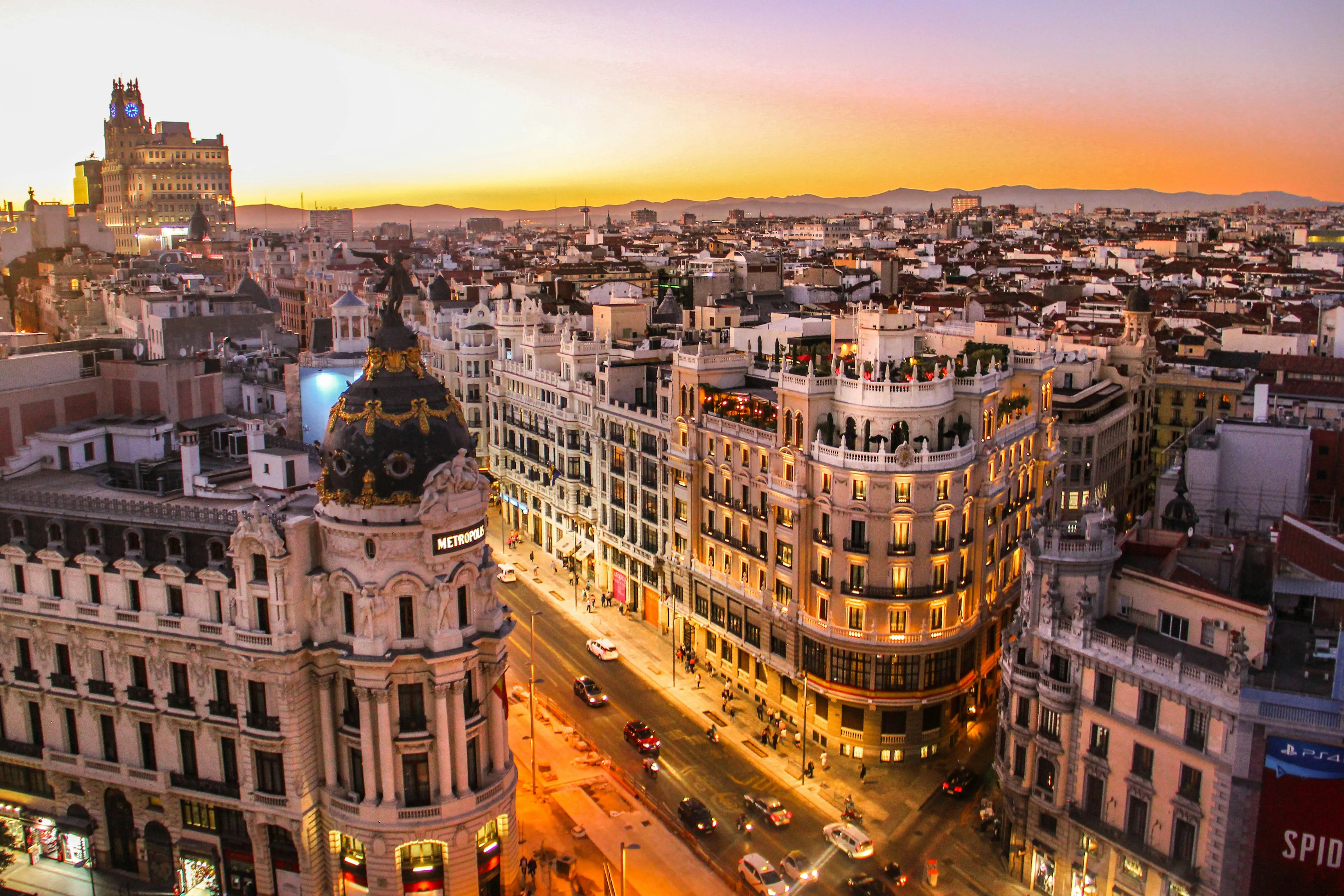
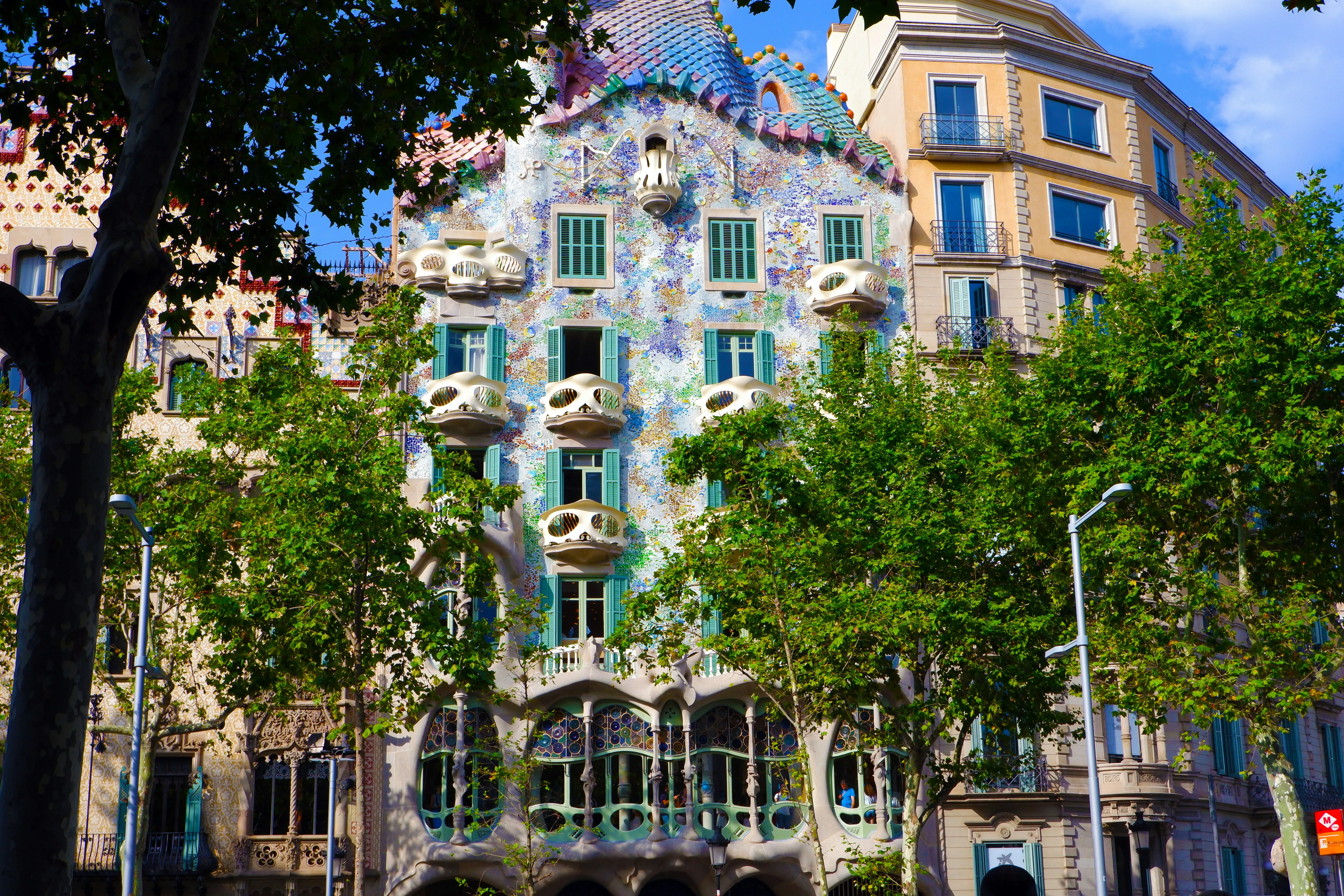
Barcelona, the capital of Catalonia, boasts a history that dates back over two millennia. Founded as a Roman colony called Barcino in the 1st century BCE, its early development is still visible in remnants such as Roman walls and structures in the Gothic Quarter. During the Middle Ages, Barcelona flourished as a major maritime power within the Crown of Aragon, becoming a vital center for trade and culture. The city's medieval landmarks, like the Barcelona Cathedral, reflect this period of growth and significance. However, political upheavals in later centuries, including the decline of Catalonia's independence, temporarily slowed its development.
The 19th century marked Barcelona’s cultural and architectural renaissance. The Catalan Renaissance and the Modernisme movement brought artists and architects like Antoni Gaudí, whose works, including Sagrada Família and Casa Batlló, transformed the city into a showcase of creativity. The 1992 Olympics further revitalized Barcelona, modernizing its infrastructure and boosting its global profile. Today, Barcelona is a thriving cultural, economic, and tourist hub, blending its rich history with modern urban life. Its iconic landmarks, Mediterranean coastline, and vibrant Catalan identity make it one of the world’s most beloved cities.
5. day
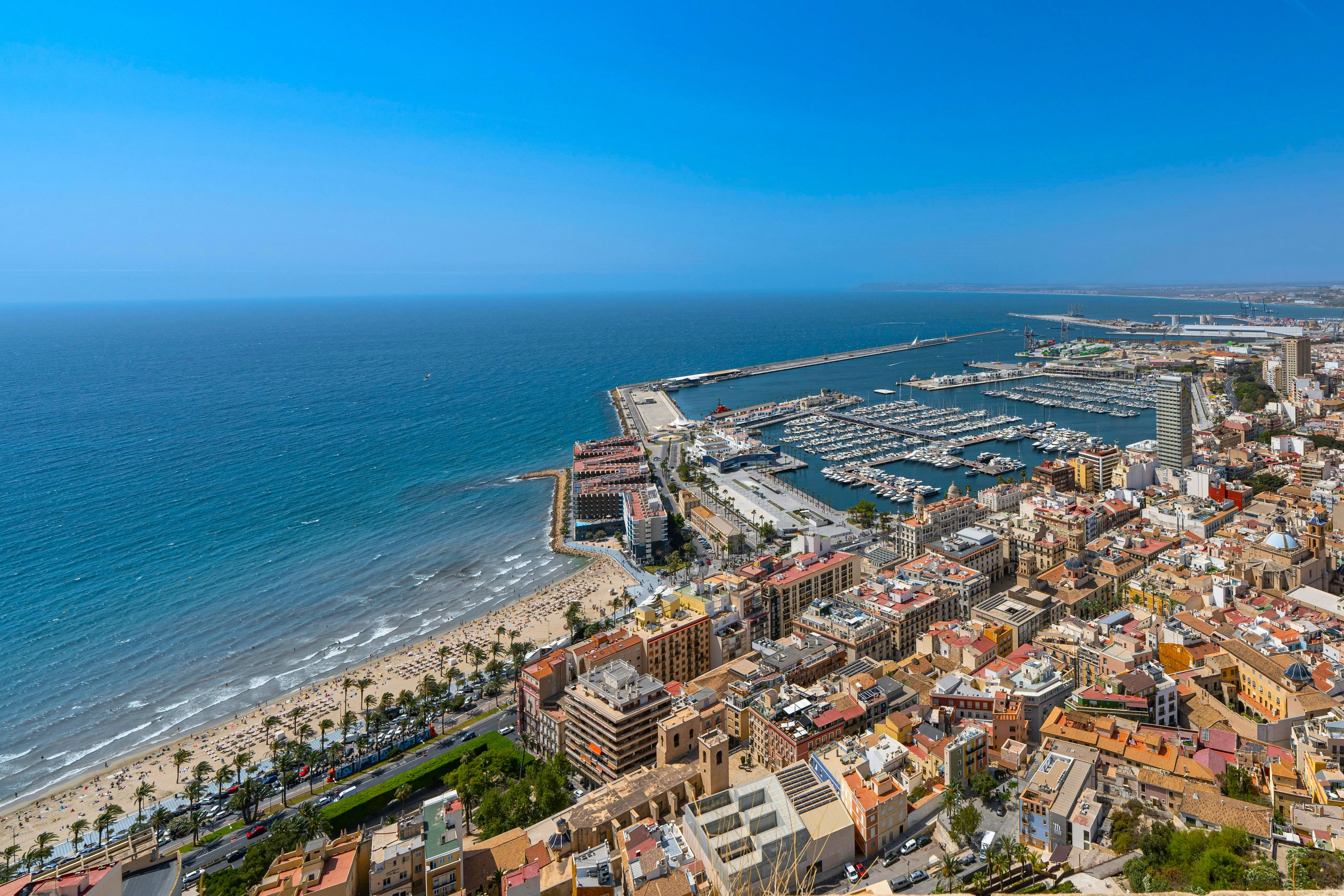
Alicante is a vibrant Mediterranean city on the Costa Blanca coast that captivates visitors with its blend of history, beaches and pleasant southern atmosphere. The most prominent landmark is the Santa Bárbara Castle perched atop Mount Benacantil, offering breathtaking views of the city and the sea, along with the historic El Barrio quarter with its narrow streets and colourful houses, the modern Explanada de España promenade lined with palm trees and marble mosaics, and the beautiful Postiguet Beach right next to the city centre.
6. day
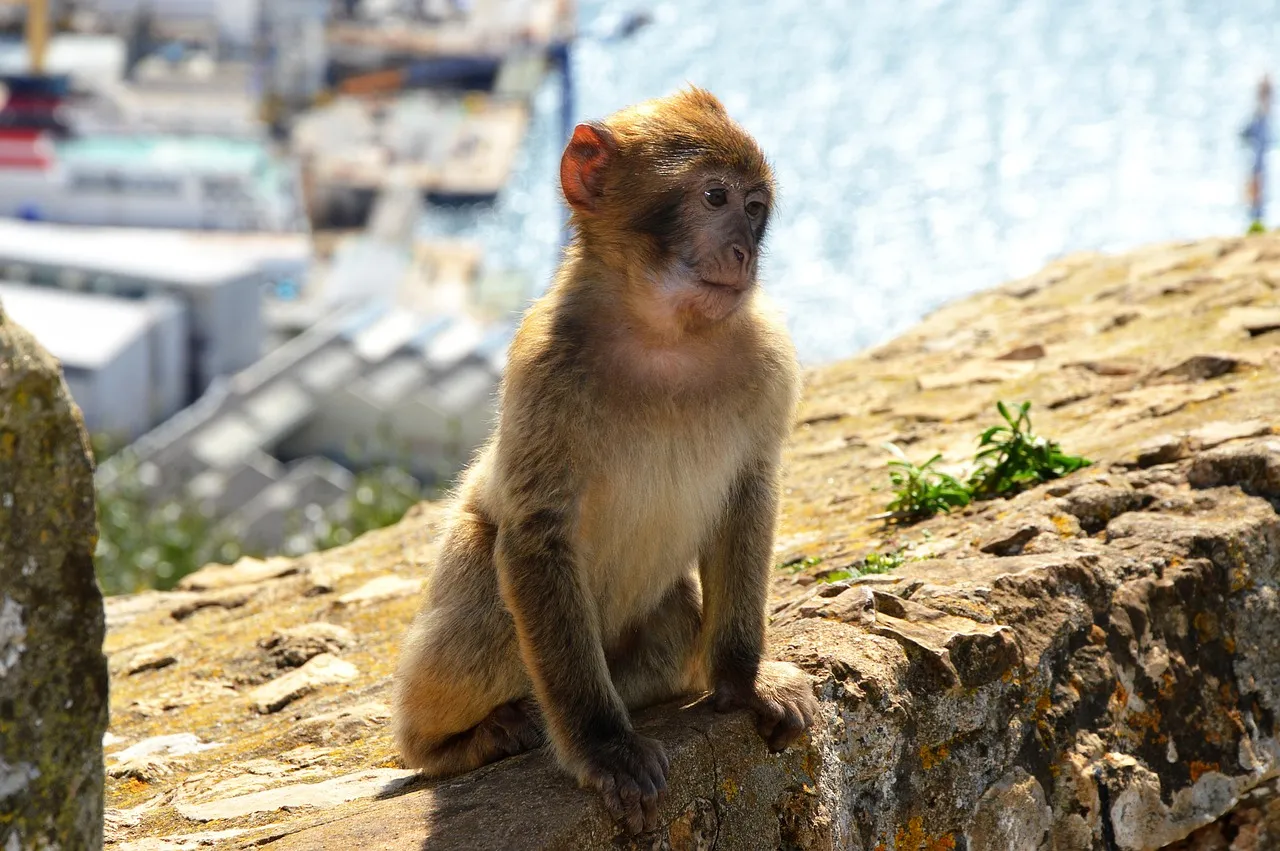
Gibraltar is a British Overseas Territory on the southern tip of the Iberian Peninsula, strategically jutting into the Strait of Gibraltar where the Mediterranean Sea meets the Atlantic Ocean. In antiquity, the strait was known as the Pillars of Hercules. According to mythology, the Rock of Gibraltar and the opposing Mount Jebel Musa were erected by the hero Heracles after completing his tenth labour — driving the cattle of the giant Geryon. The legendary Atlantis is also sometimes placed here. Today, the site is best known for the awe-inspiring Rock of Gibraltar and the only wild population of monkeys (Barbary macaques) in Europe.
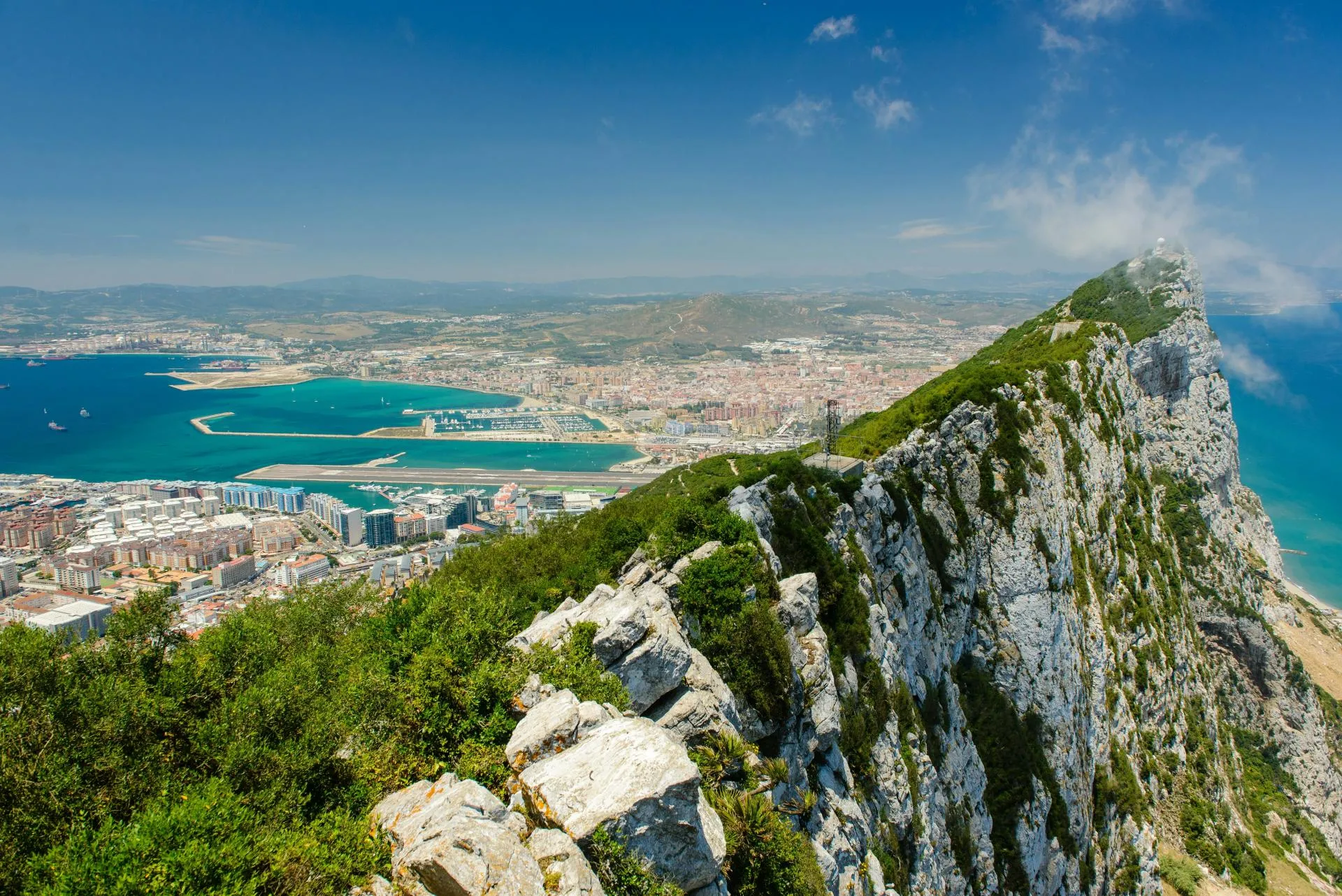
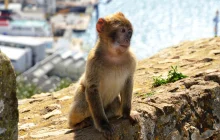
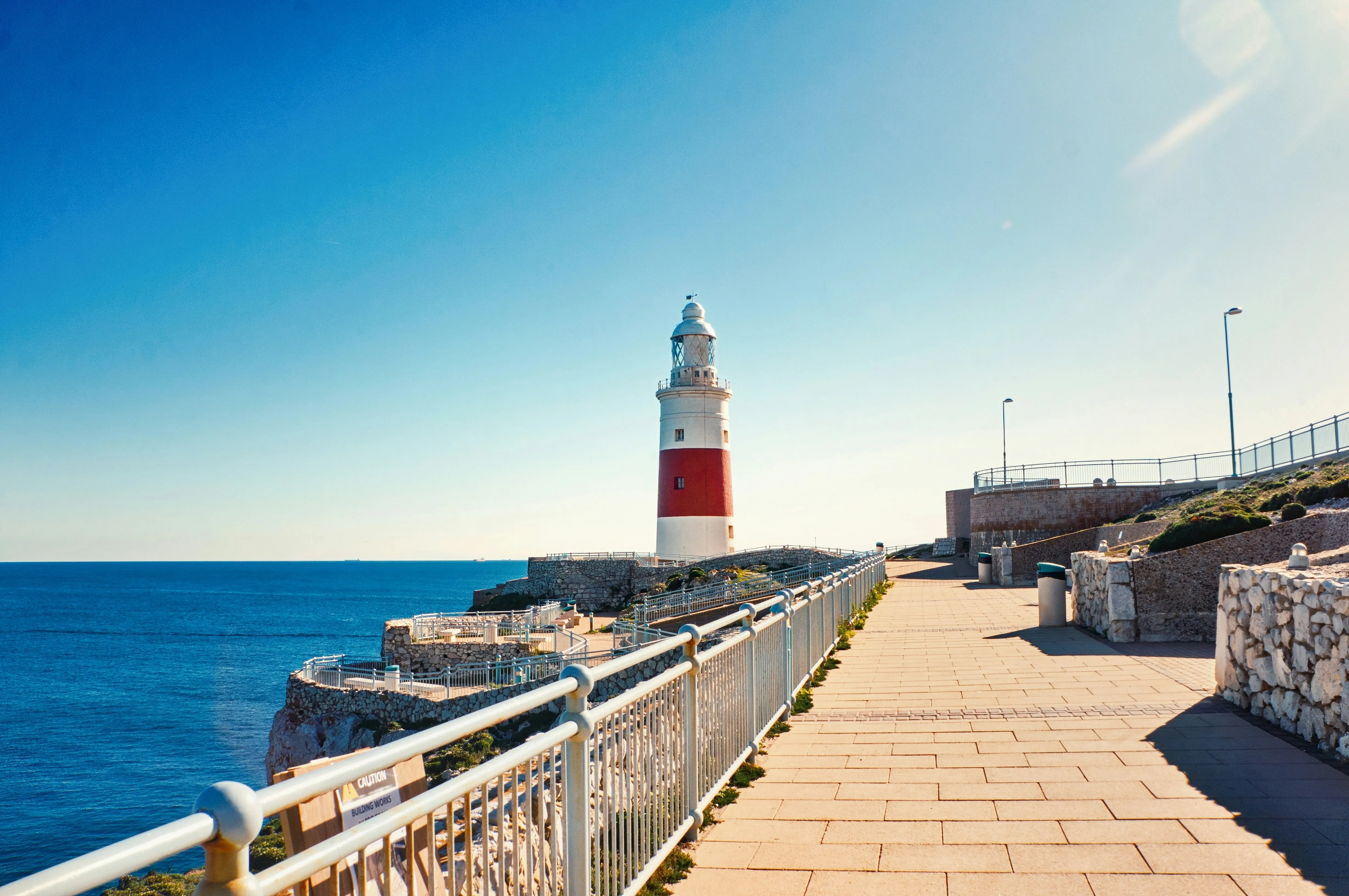
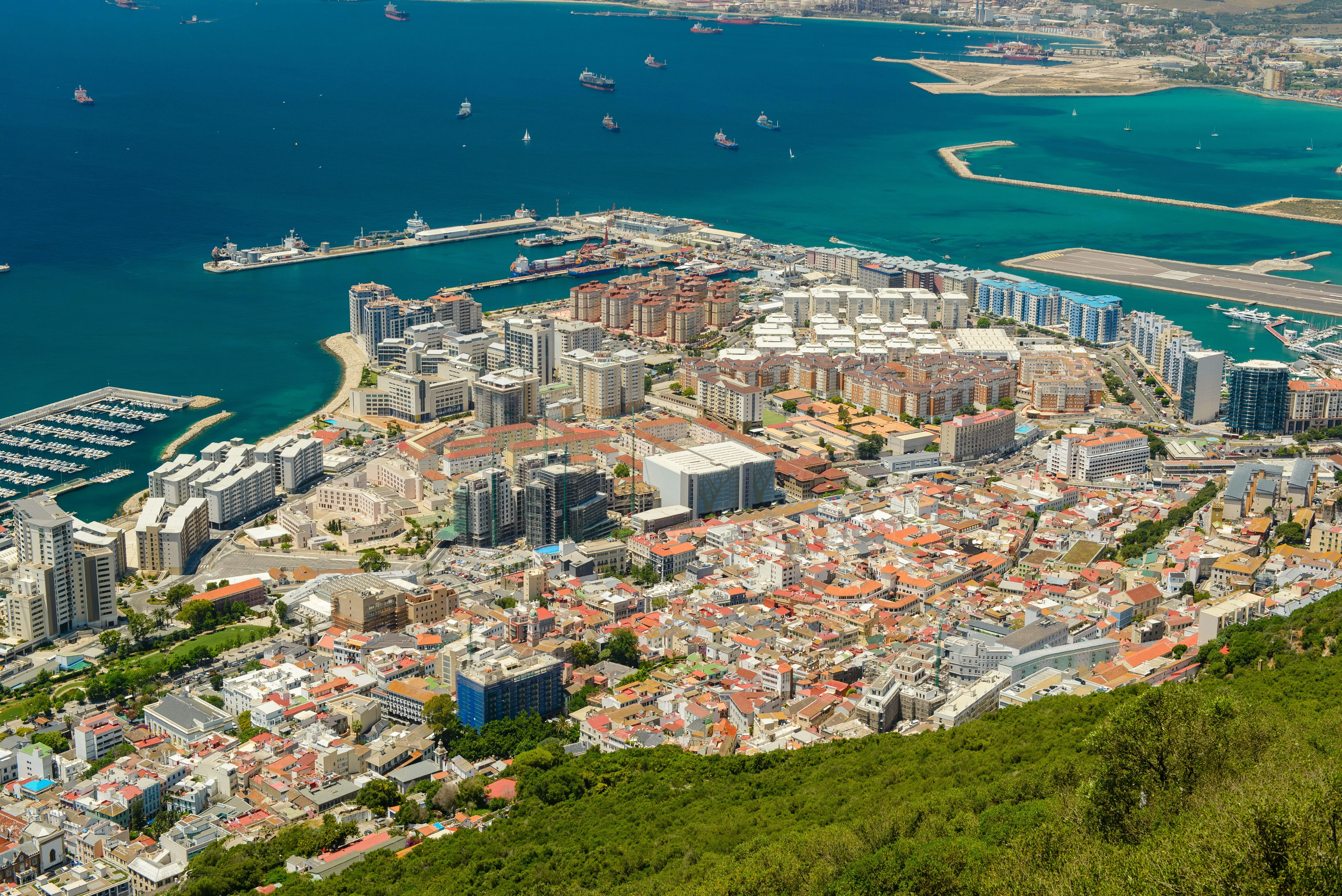
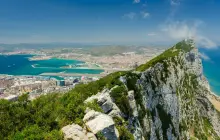
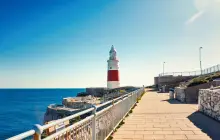
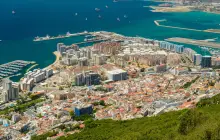

The Port of Gibraltar, often referred to as the 'Gateway to the Mediterranean', has a rich history that dates back to the ancient times. Gibraltar, strategically located at the southern tip of the Iberian Peninsula, has been coveted by many different civilizations over the centuries due to its strategic value in naval transportation and maritime trade.
In 711 AD, the Muslim general Tariq ibn-Ziyad used Gibraltar as a launching point for his invasion of Spain, and it was during the Muslim rule that Gibraltar's port was significantly developed. However, the most significant development of the port took place in the 18th and 19th centuries under British rule. The British transformed Gibraltar into one of the world's leading maritime hubs, bolstering its reputation as a key player in global shipping and trade.
7. day
Cádiz is one of the oldest cities in Europe and enchants visitors with the unique atmosphere of a city surrounded by the ocean. Its centrepiece is the Baroque-Neoclassical cathedral with its iconic golden dome, offering beautiful views of the Atlantic, along with the fortresses of Castillo de San Sebastián and Castillo de Santa Catalina guarding the coastline, the charming La Viña quarter with narrow streets and authentic local life, and the historic Torre Tavira tower providing a panoramic view of the entire city. Imagine starting your day savouring delicious Spanish coffee with a view of the azure waters of the Atlantic Ocean, followed by a tasting of the finest local delicacies such as fresh seafood, tapas and, of course, traditional Spanish wine.
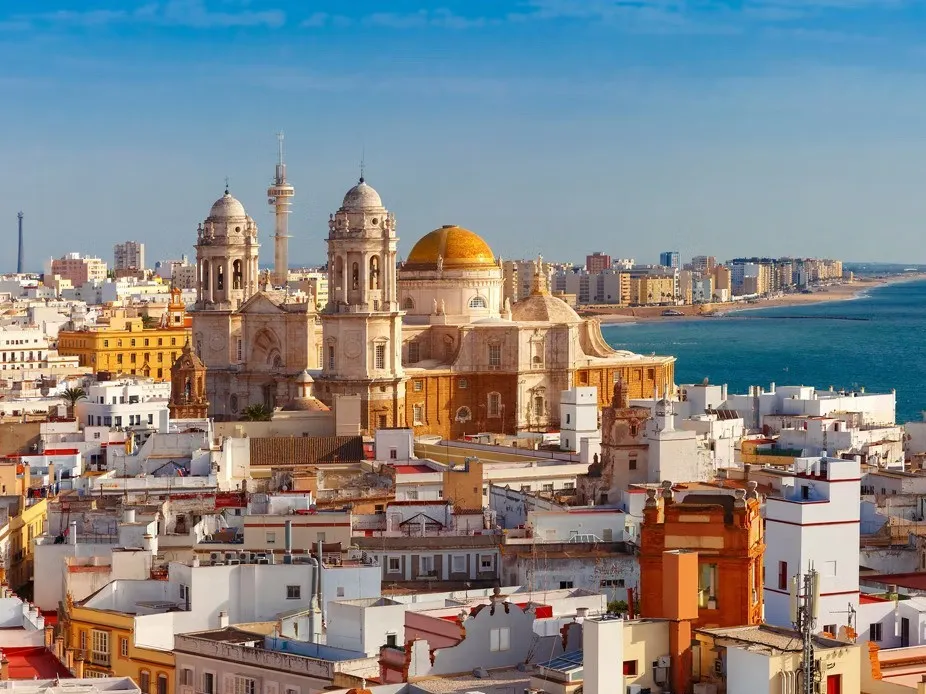
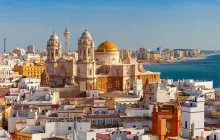

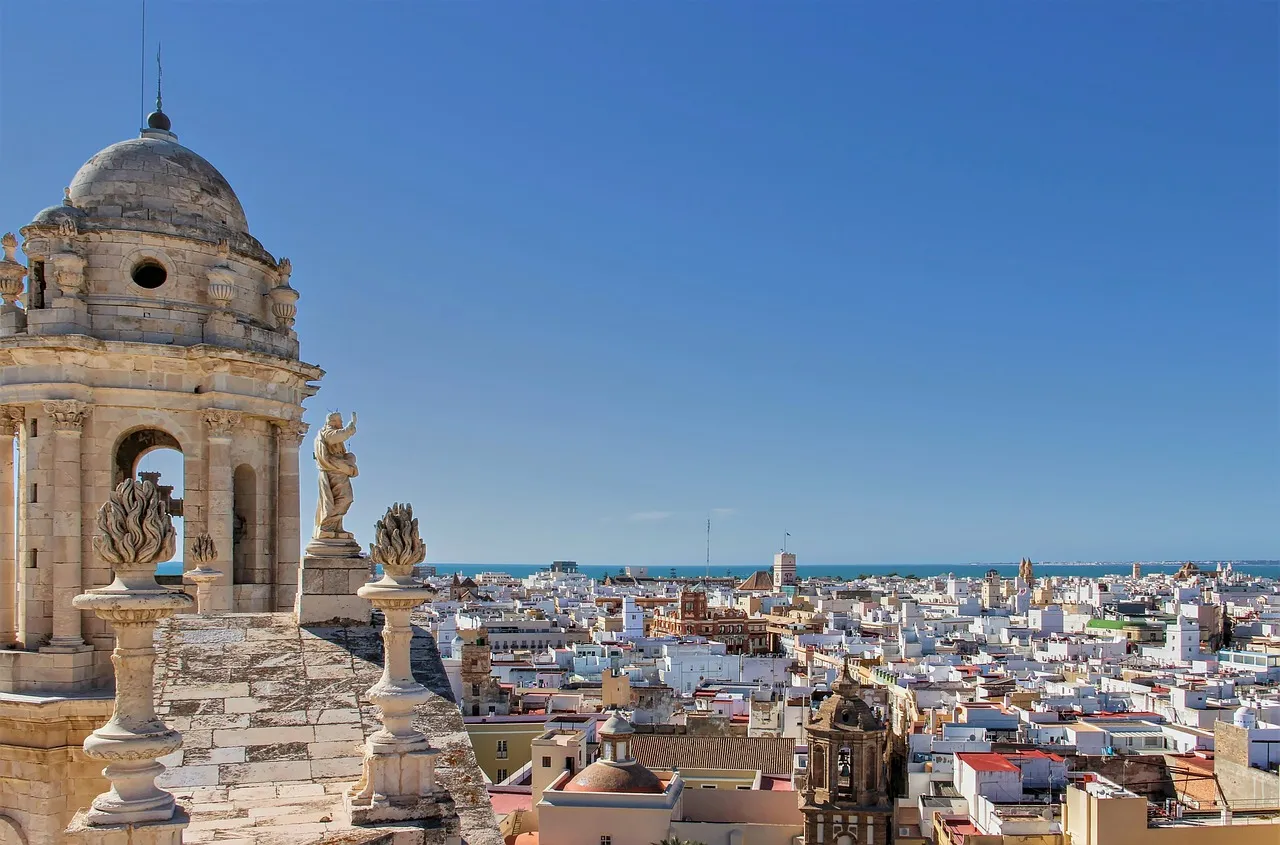
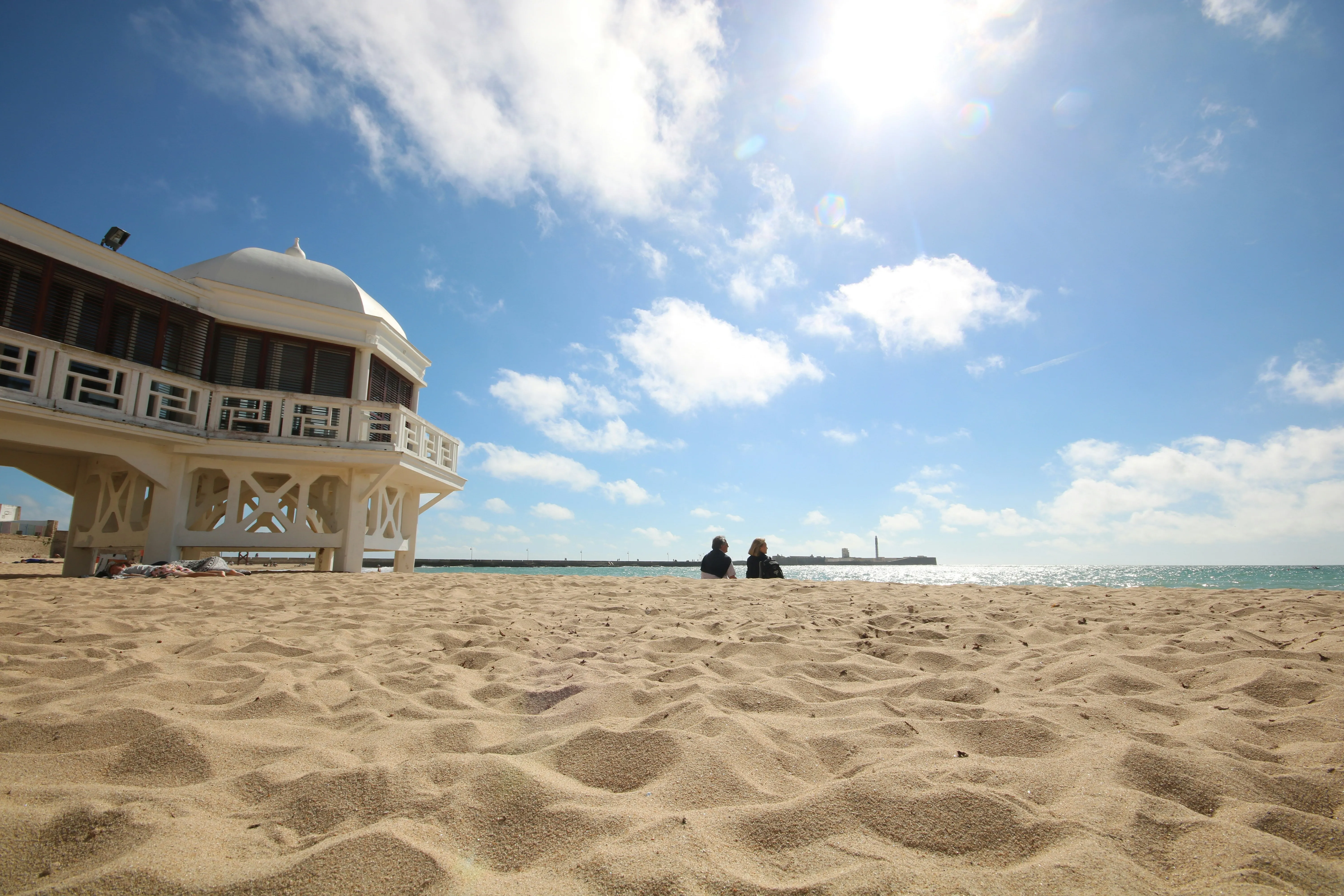
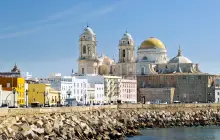
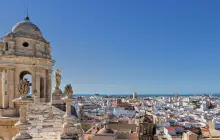
Cadiz was founded as Gadir or Agadir by the Phoenicians of Tyre and is often considered the oldest still standing city in Western Europe.It was an important trading centre founded to access various metals such as gold, silver, copper and iron.The Phoenicians established a port here in the 7th century BC.
Traditionally, the founding of Cadiz is dated to around 1100 B.C., although no archaeological layers at the site can be dated earlier than the 9th century B.C. One solution to this discrepancy is to assume that Cadiz was only a small seasonal trading station in the earliest times.
Ancient Gadir occupied two small islands - Erytheia, which was primarily a settlement, and Kotinoussa, which contained cemeteries and shrines outside the urban area - located near the mouth of the Guadalete River. Today, these islands are interconnected. While the ancient ruins of Gadir below the historic centre of modern Cadiz remain largely unexplored, excavations have been carried out at the southern burial sites.
In the 16th century, Cadiz became the home port of the Spanish treasure fleet and became the main link between Spain and its overseas territories. The port's golden age came in the 18th century, when it had a monopoly on trade with the Americas. During this period, Cadiz flourished as one of the richest and most cosmopolitan cities in Spain.
8. day at sea
9. day
La Coruña boasts the oldest functioning lighthouse in the world — the Tower of Hercules (Torre de Hércules), built by the Romans as early as the 2nd century AD and still guiding ships at sea to this day. The city is known for its unique glazed balconies (galerías) that cover the façades of buildings along the harbour, creating the characteristic white panorama of the city. La Coruña was the place from which the Spanish Armada set sail in 1588 on its fateful mission against England, and it was also where Mary Stuart first set foot on Spanish soil. The local Riazor Beach is a popular surfing spot offering stunning views of the Atlantic Ocean, while the coastal promenade is one of the longest in Europe. Nearby Santiago de Compostela is the final destination of the legendary Camino de Santiago (Way of Saint James), one of the most important Christian pilgrimage routes, walked by hundreds of thousands of pilgrims from around the world each year. According to tradition, the tomb of the Apostle James the Great is located here, whose remains were miraculously discovered in the 9th century, making the city the third most important pilgrimage site in Christendom after Jerusalem and Rome. The Cathedral of Santiago de Compostela is a masterpiece of Romanesque and Baroque architecture, where you can see the famous Botafumeiro — a giant censer weighing 53 kg that swings up to a height of 21 metres during solemn masses. The historic centre of the city is a UNESCO World Heritage Site, and its narrow medieval streets, stone buildings and squares create a magical atmosphere that transports you centuries back in time. The delegate will join the optional MSC Cruises excursion to Santiago de Compostela (the excursion offer will be sent to you approx. 3 months before departure).


The history of the Port of La Coruna in Spain dates back to the Roman period. Known for its strategic geographical position, it served as a significant link between the Mediterranean and Northern Europe. It was during the reign of Roman Emperor Hadrian that the port began to gain prominence, becoming an important hub for trade and commerce.
In the Middle Ages, the Port of La Coruna continued to thrive, with its economy mainly based on fishing, salt production, and wine export. The port was frequently targeted by foreign invaders due to its strategic importance, including Sir Francis Drake in the late 16th century. The port's modern era began in the 18th century, with the construction of its first dock, and has since evolved into one of the most important ports in Spain with its significant role in Spanish maritime trade.
10. day
Bilbao is the largest city in the Basque Country. The world-famous building that put the entire city on the map is the Guggenheim Museum by Frank Gehry, completed in 1997. This postmodernist structure with a brick and steel frame clad in metal panels and glass was finished in 2007, designed by architect Frank Gehry. In front of it stands a sixteen-metre concrete sculpture of a dog with hollows planted with rock plants and flowers. Bilbao is also home to a 14th-century Gothic cathedral and a number of other sacred buildings and monuments. From the cathedral, narrow streets lined with townhouses from the 15th to 19th centuries — full of bars and restaurants — and a stairway leading to the Archaeological Museum wind through the city.
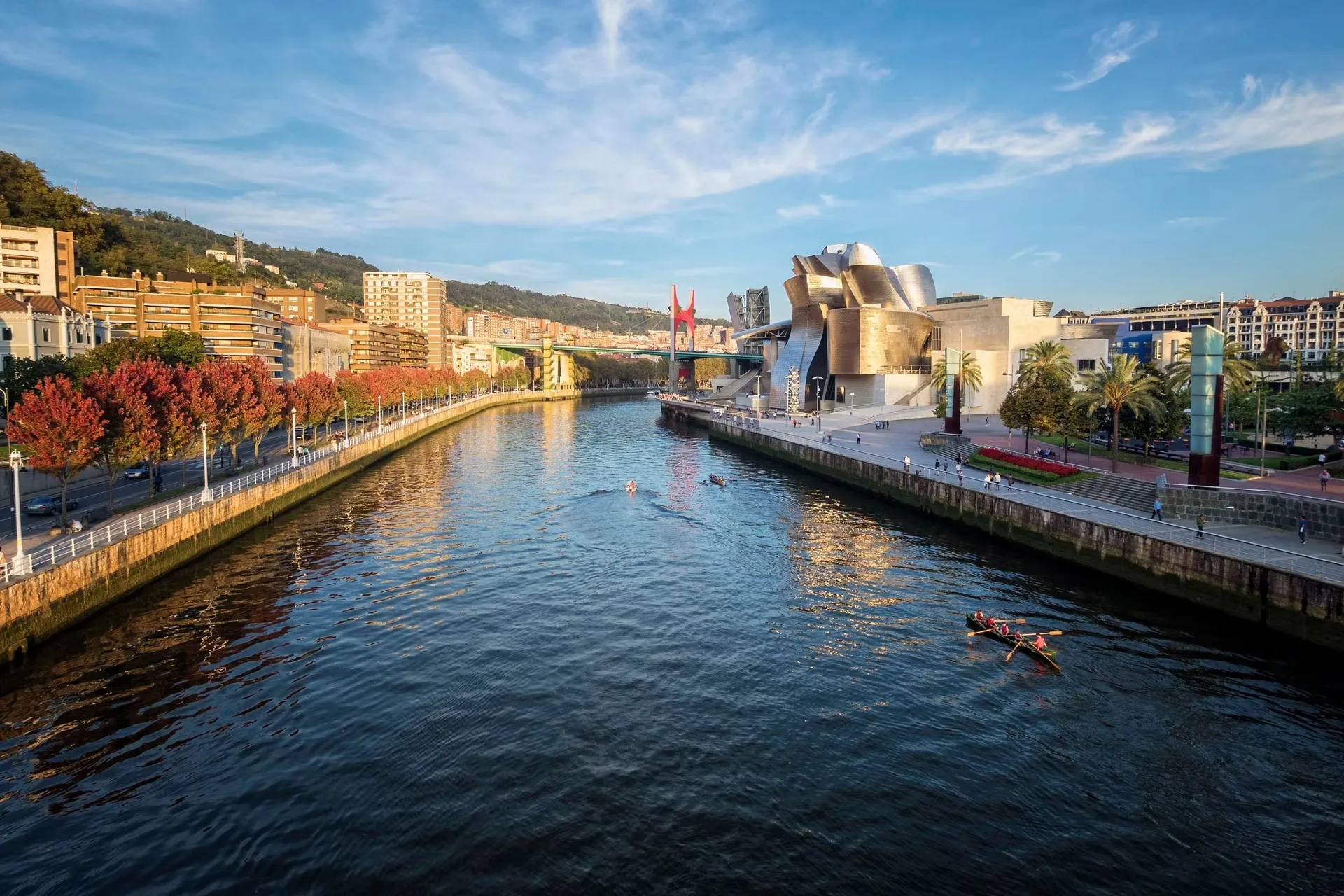


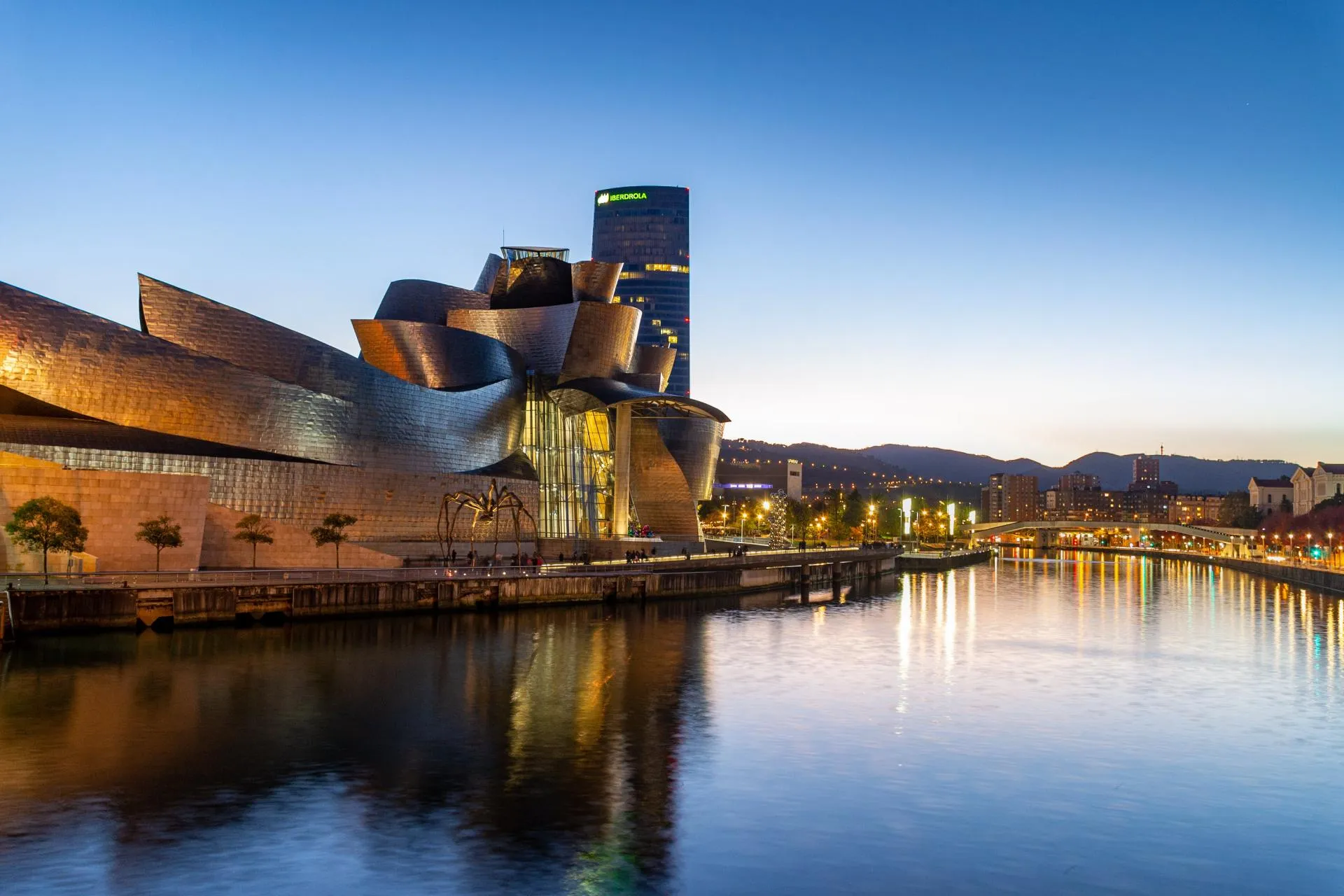
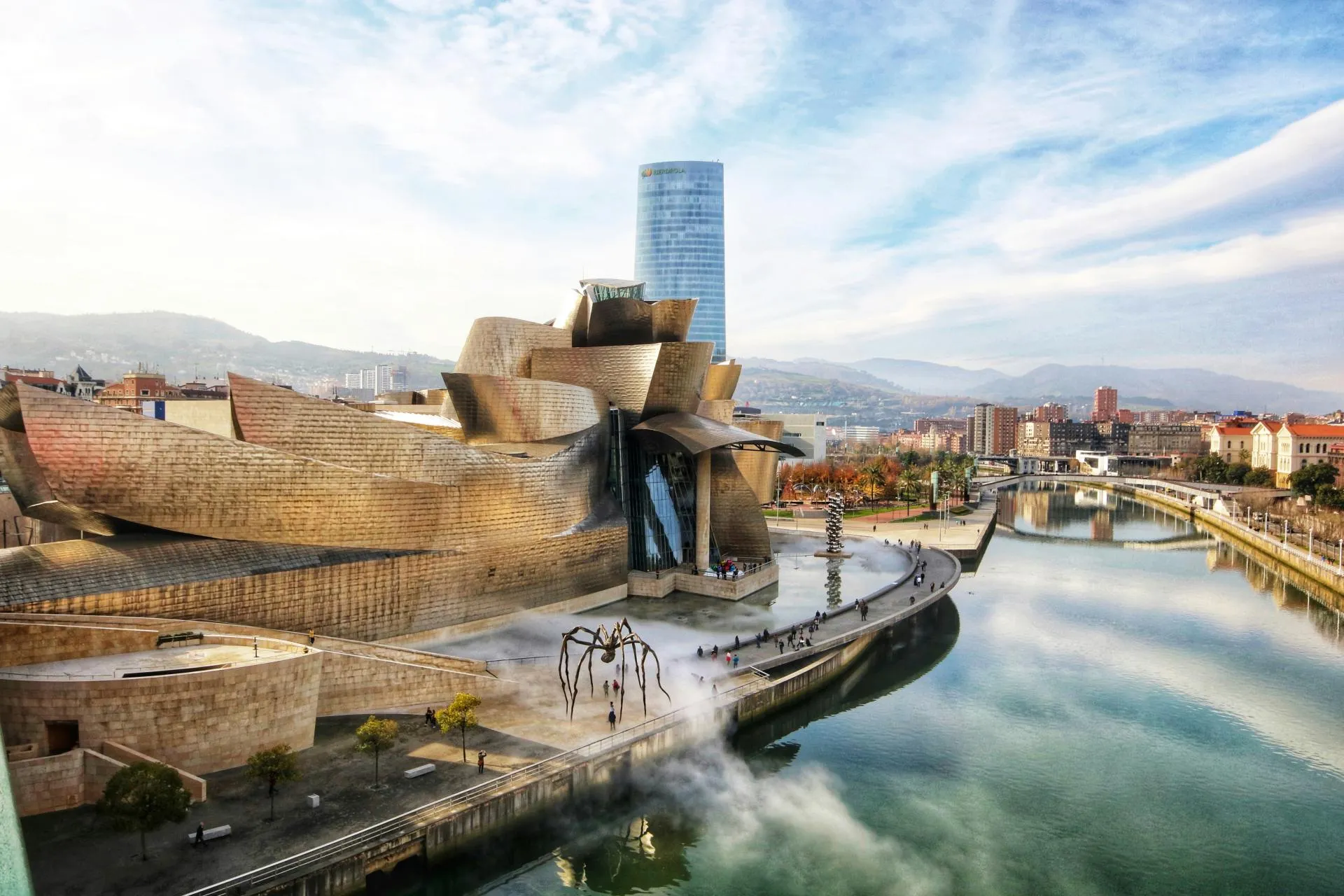
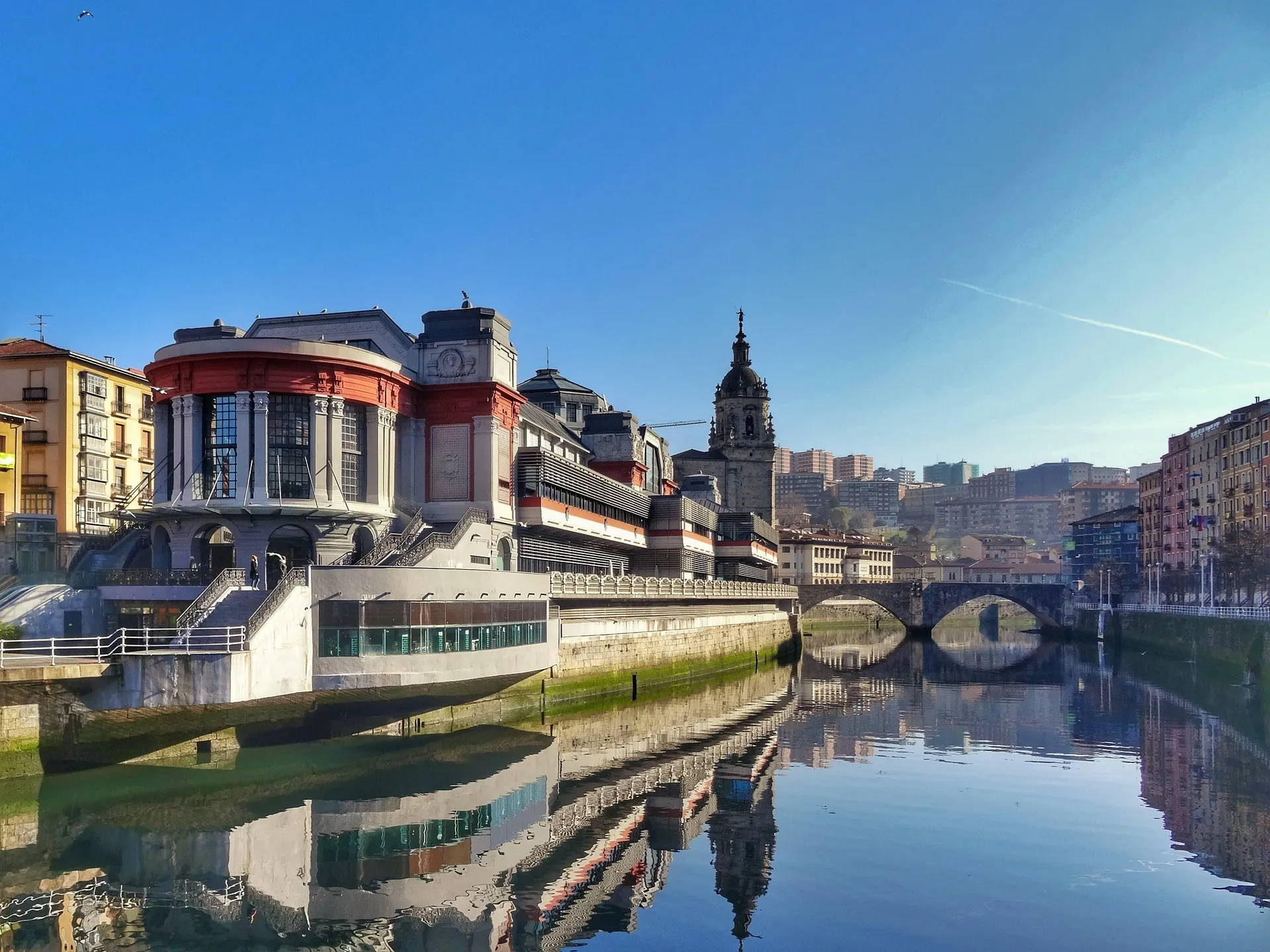
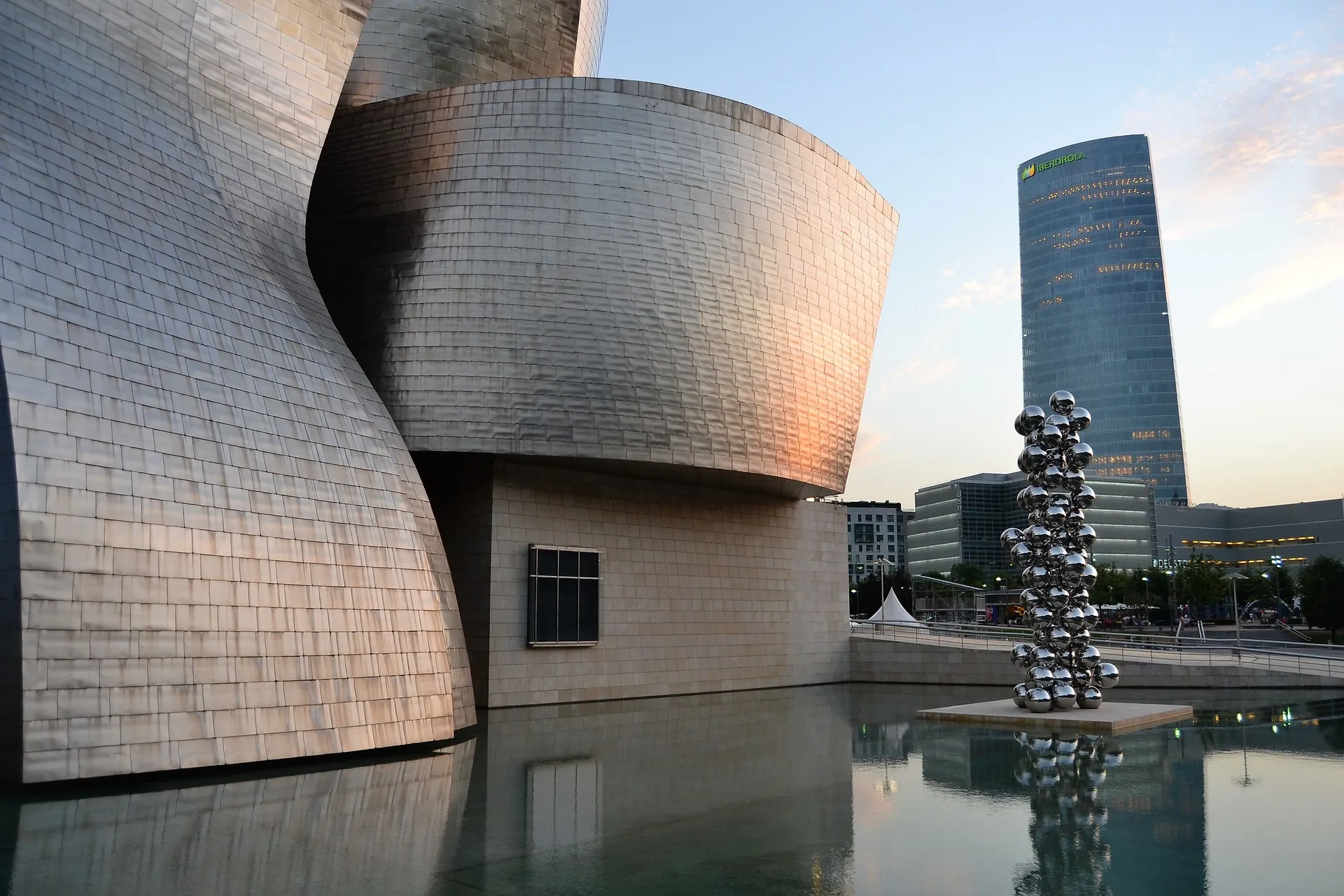
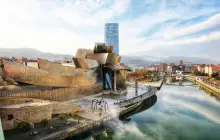
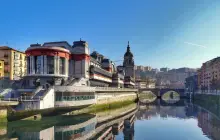
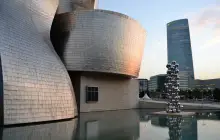
Bilbao, located in northern Spain within the Basque Country, has a history that blends maritime trade, industry, and cultural innovation. Founded in 1300 by Don Diego López de Haro, the city flourished as a port, benefiting from its strategic location along the Nervión River near the Bay of Biscay. During the 16th and 17th centuries, Bilbao became a critical hub for the export of iron ore and wool, solidifying its importance in trade. Over time, it grew into one of Spain's most important industrial cities, particularly during the 19th and early 20th centuries, when mining, shipbuilding, and steel production drove its economy.
In recent decades, Bilbao has undergone a dramatic transformation from an industrial center to a vibrant cultural and artistic capital. This shift is epitomized by the opening of the Guggenheim Museum in 1997, a landmark that sparked the city's urban renewal and global recognition. Today, Bilbao is celebrated for its mix of modern architecture, traditional Basque culture, and lively culinary scene. Iconic landmarks like the Casco Viejo (Old Town) and the Zubizuri Bridge reflect its blend of history and innovation, making it a dynamic and forward-looking city.
11. day
In antiquity, the La Rochelle area was part of Gaul. The Romans then occupied the region and began producing salt and wine, which they subsequently distributed throughout the empire. Roman houses and salt evaporation tanks from this era have been preserved. In the early 17th century, the city was an important Huguenot stronghold and still boasted considerable independence from the central government. In the 1620s, it twice participated in anti-government uprisings. During World War II, the city also housed one of the submarine bases of the German Navy (Kriegsmarine).
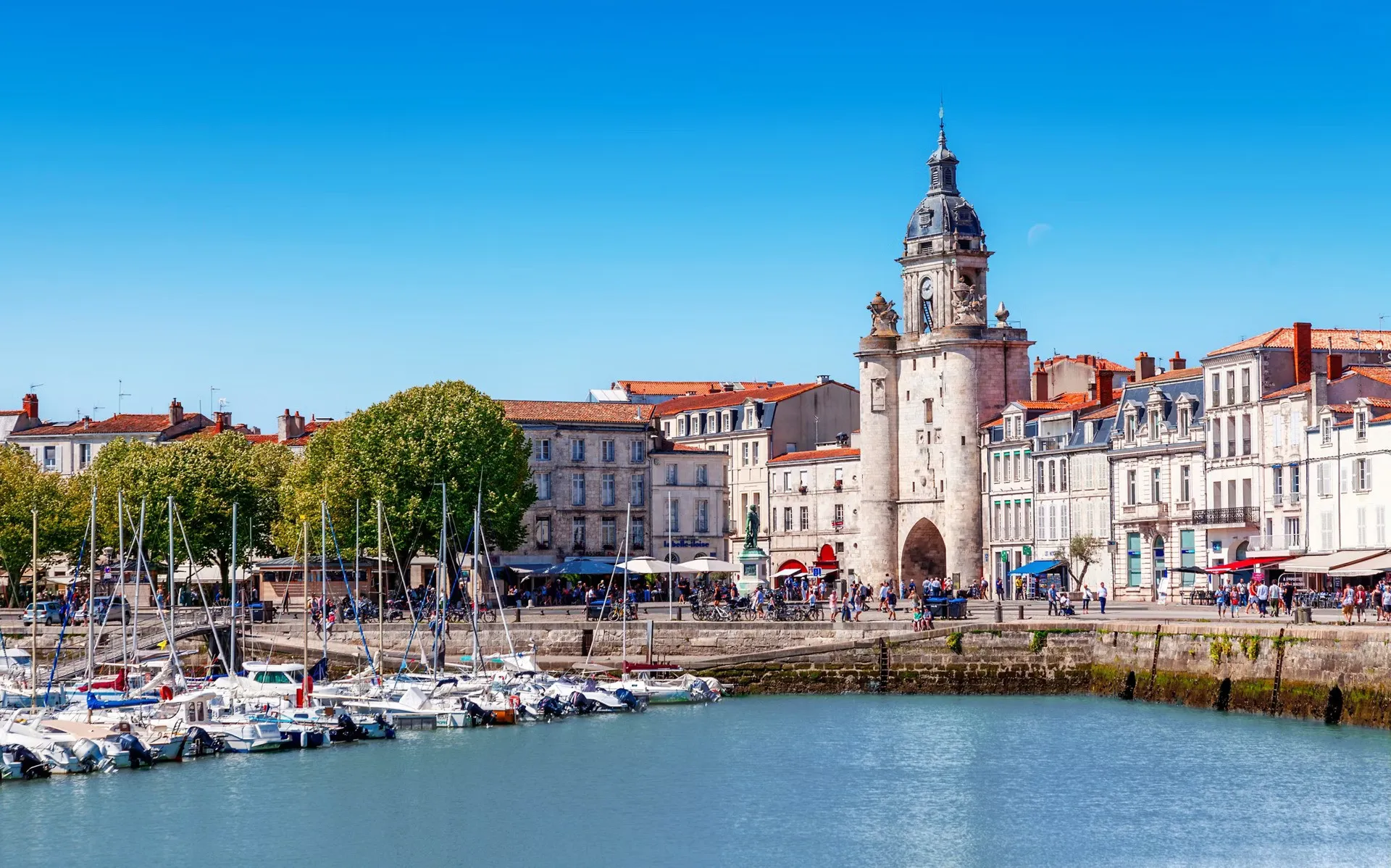
La Rochelle, a seaport on the Bay of Biscay in western France, has a long history that dates back to the 9th century. It was established as a fishing village but gained prominence in the 12th century when it became a free port. In the 14th and 15th centuries, it was one of the most significant ports in France, serving as a hub for trade with England, Spain, and the Netherlands.
During the 16th and 17th centuries, La Rochelle became a stronghold for the Huguenots, French Protestants who were persecuted by the Catholic monarchy. The city weathered two significant sieges during the Wars of Religion, including the infamous Siege of La Rochelle (1627-1628), where it held out for fourteen months against a royal siege led by Louis XIII and Cardinal Richelieu before finally surrendering. This marked a turning point in French history as it led to the decline of the Huguenots' power.
12. - 13. day at sea
14. day
Breakfast in the morning, then disembarkation and departure from the port back to the Czech Republic. During the return journey, you will learn about new ships and upcoming destinations. The return transport includes two hot snacks, coffee, tea, cappuccino and hot chocolate. Arrival in Prague approx. 21:00, Brno approx. 23:30.
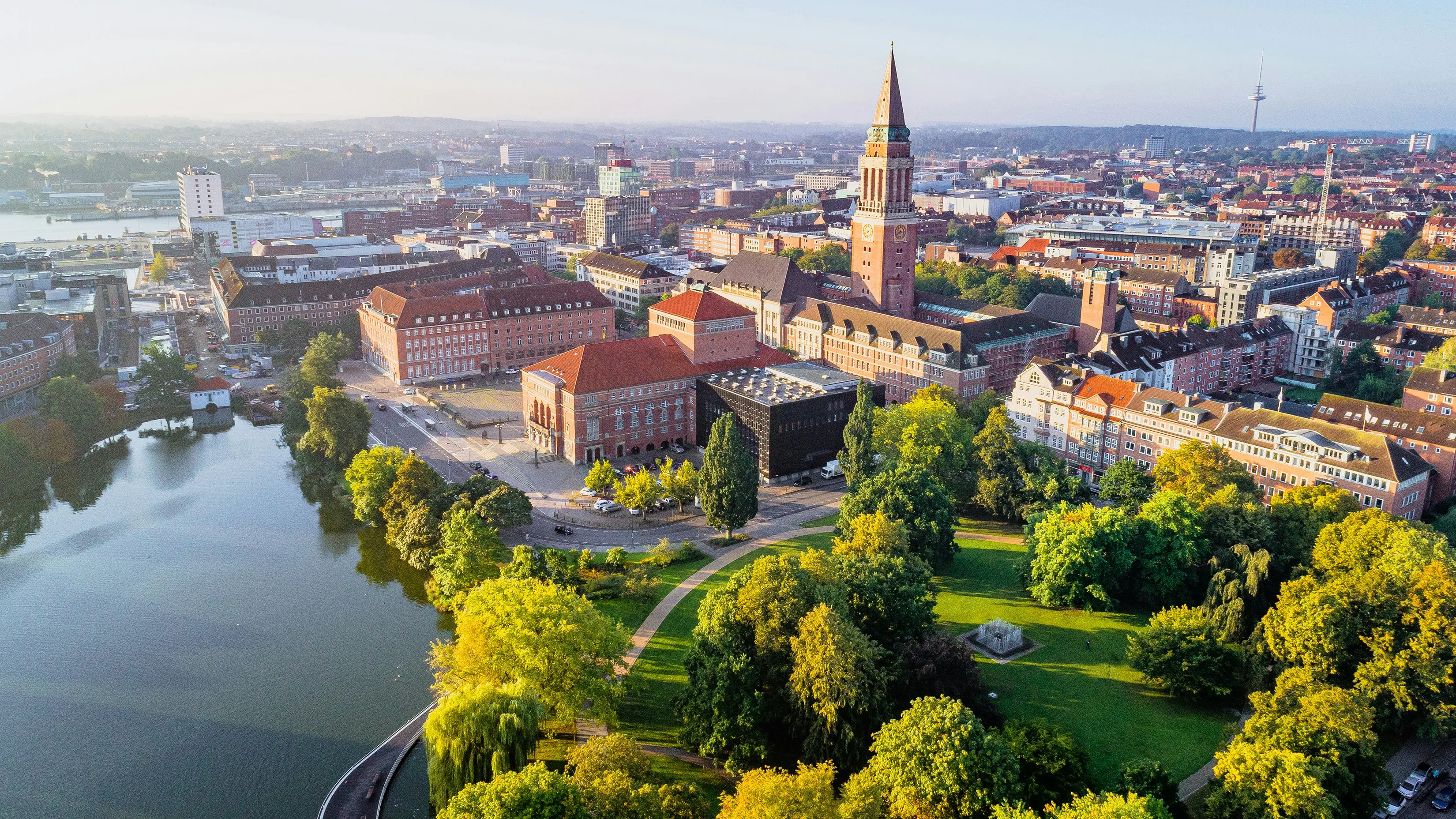
The port of Kiel in Germany, situated on the Baltic Sea, has a long and rich history. Its origins can be traced back to the 13th century when it was founded by Count Adolf IV of Holstein. In 1242, Kiel was granted city rights and quickly developed into a significant maritime and trade hub due to its strategic location.
In the 19th and 20th centuries, Kiel gained prominence as a major shipbuilding center. The city's port was home to the German Imperial Navy and later the Kriegsmarine of Nazi Germany. During World War II, the city and its port were severely damaged, but they were rebuilt in the post-war years. Today, the port of Kiel is one of the busiest in Germany, serving as a crucial gateway for cargo, passengers, and cruise ships.
15. day
Arrival in Olomouc 01:00, Ostrava 02:00.

Tour description
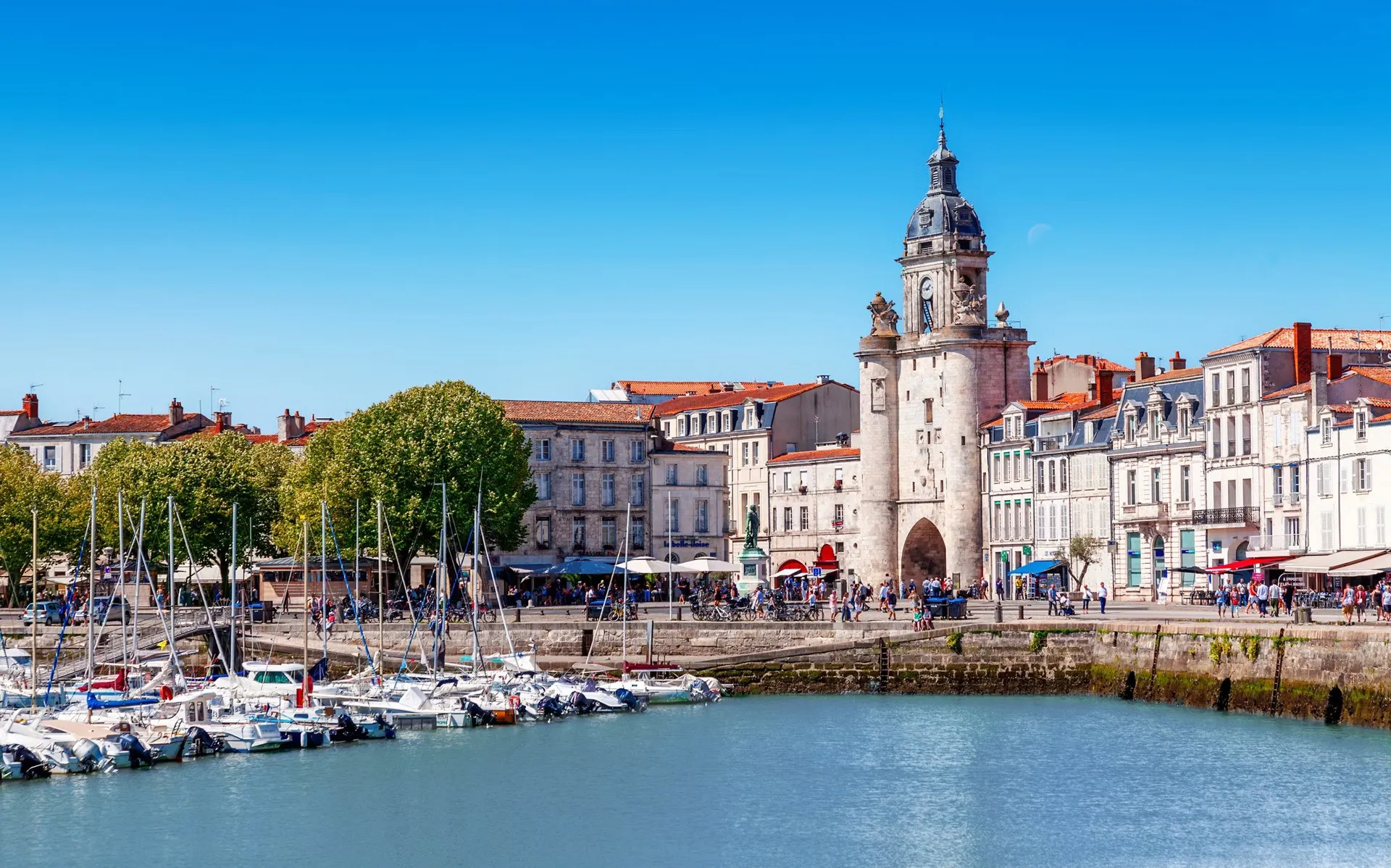
Join us on an exciting cruise along the western coast of Europe with a Czech-speaking delegate from RIVIERA TOUR on board the MSC Euribia. Our journey begins with comfortable coach transport to the Italian port of Genoa, from where we set sail towards the fascinating cities of the Mediterranean. During the cruise, we will visit cosmopolitan Barcelona with its unique architecture, sunny Alicante dominated by the Santa Bárbara Castle, the legendary British fortress of Gibraltar at the entrance to the Mediterranean Sea, the historic port of Cádiz, green Galicia with the city of A Coruña, Basque Bilbao renowned for its modern architecture, French La Rochelle with its picturesque old harbour, and the German port of Kiel, an important gateway to the Baltic Sea. The tour price includes coach transport to and from the port and the services of a Czech-speaking delegate who will take care of you throughout the cruise.
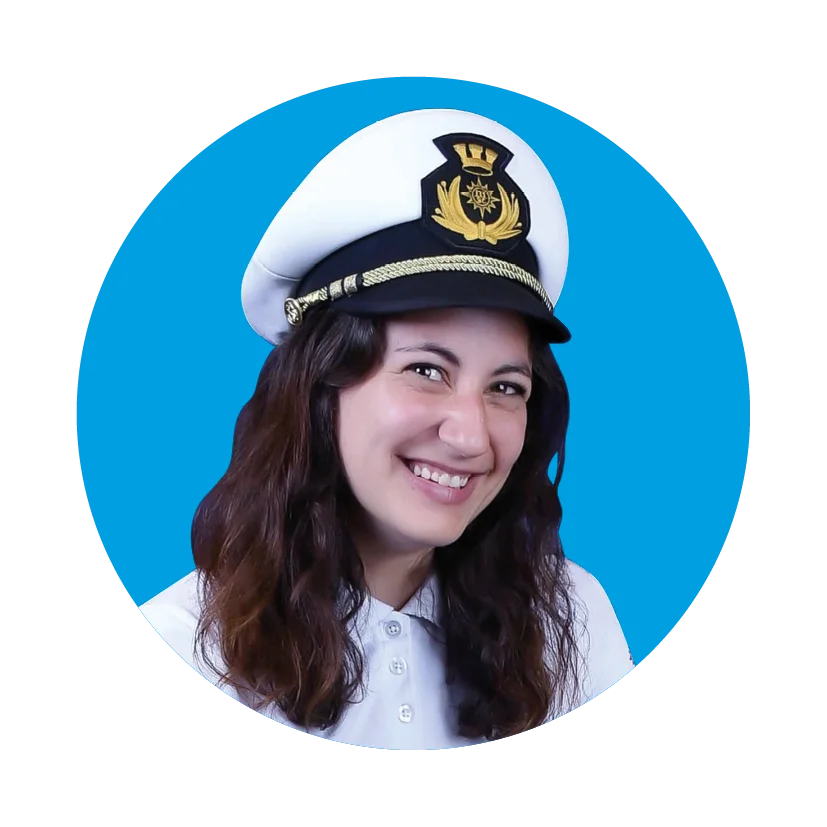
Veronika Mikulcová
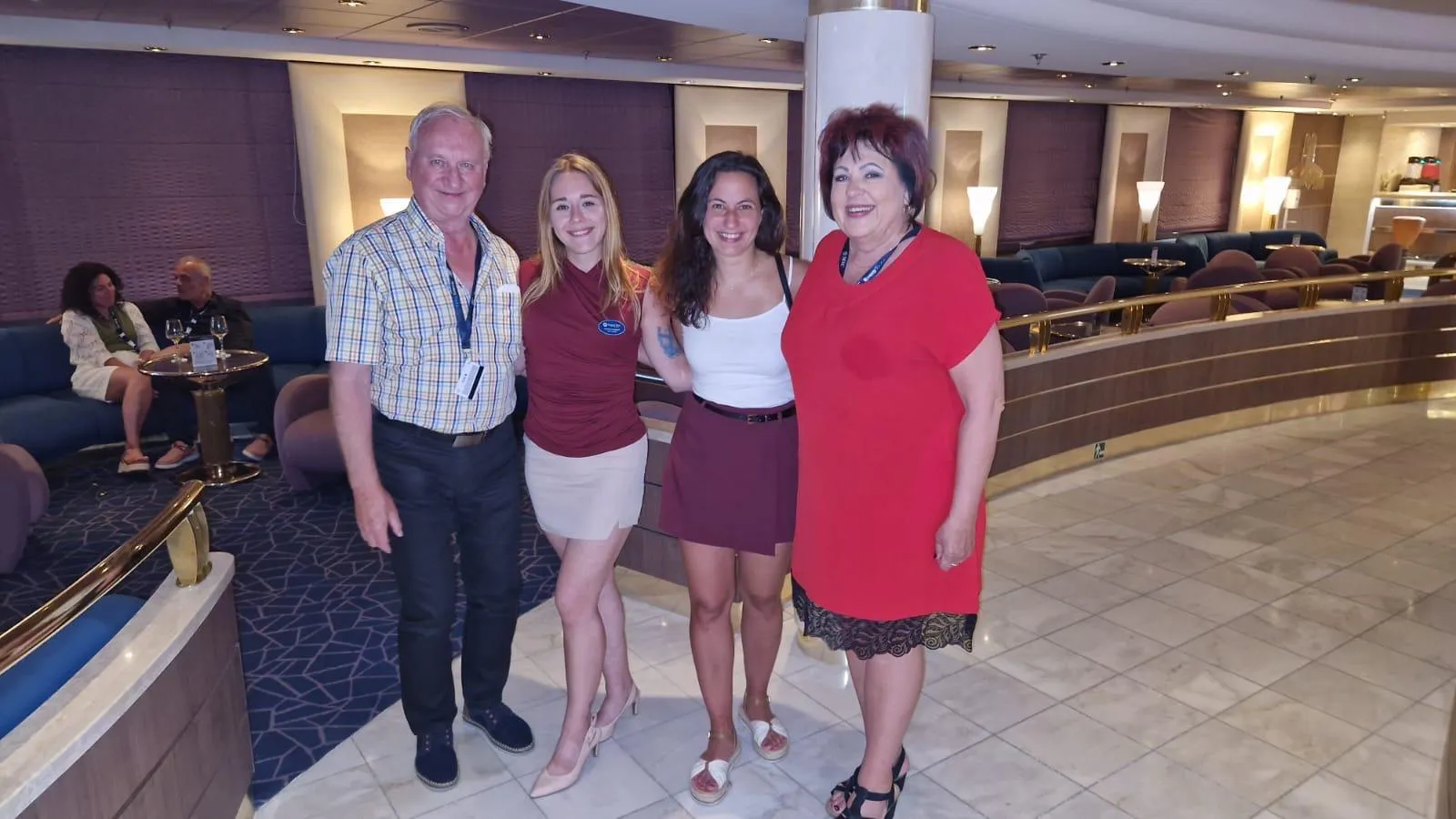
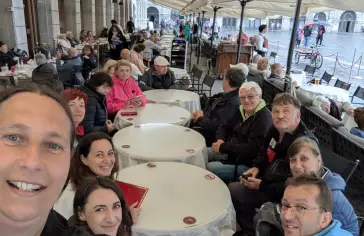
Ahoj, jmenuji se Veronika a cestování, cizí jazyky a objevování nových kultur mě provází celým mým profesním i osobním životem. Mám vystudovaný cestovní ruch a jazyky, což mě zavedlo mimo jiné do slunného Španělska, které se na čas stalo i mým domovem. Následně jsem strávila nádherných 6 let jako letuška, kde jsem získala obrovské zkušenosti v péči o lidi a naučila se řešit jakékoliv situace s klidem a úsměvem.
Ve volném čase mě najdete hlavně v přírodě. Miluji hory, turistiku a momenty, kdy se můžu jen tak dívat na mořskou hladinu – to je pro mě ten nejlepší relax. Když zrovna necestuji, ráda si odpočinu u dobré knihy nebo v obklopení mých blízkých. Vždy se snažím udržovat si pozitivní přístup k životu a šířit dobrou náladu kolem sebe. Na práci v Riviera Tour mě nejvíce fascinuje a baví to, s jak obrovskou láskou a precizností se stará o své klienty – je mi ctí být toho součástí. Moc se těším, až se s vámi potkám na palubě a společně zažijeme nezapomenutelnou plavbu! :)
DVD
Transport
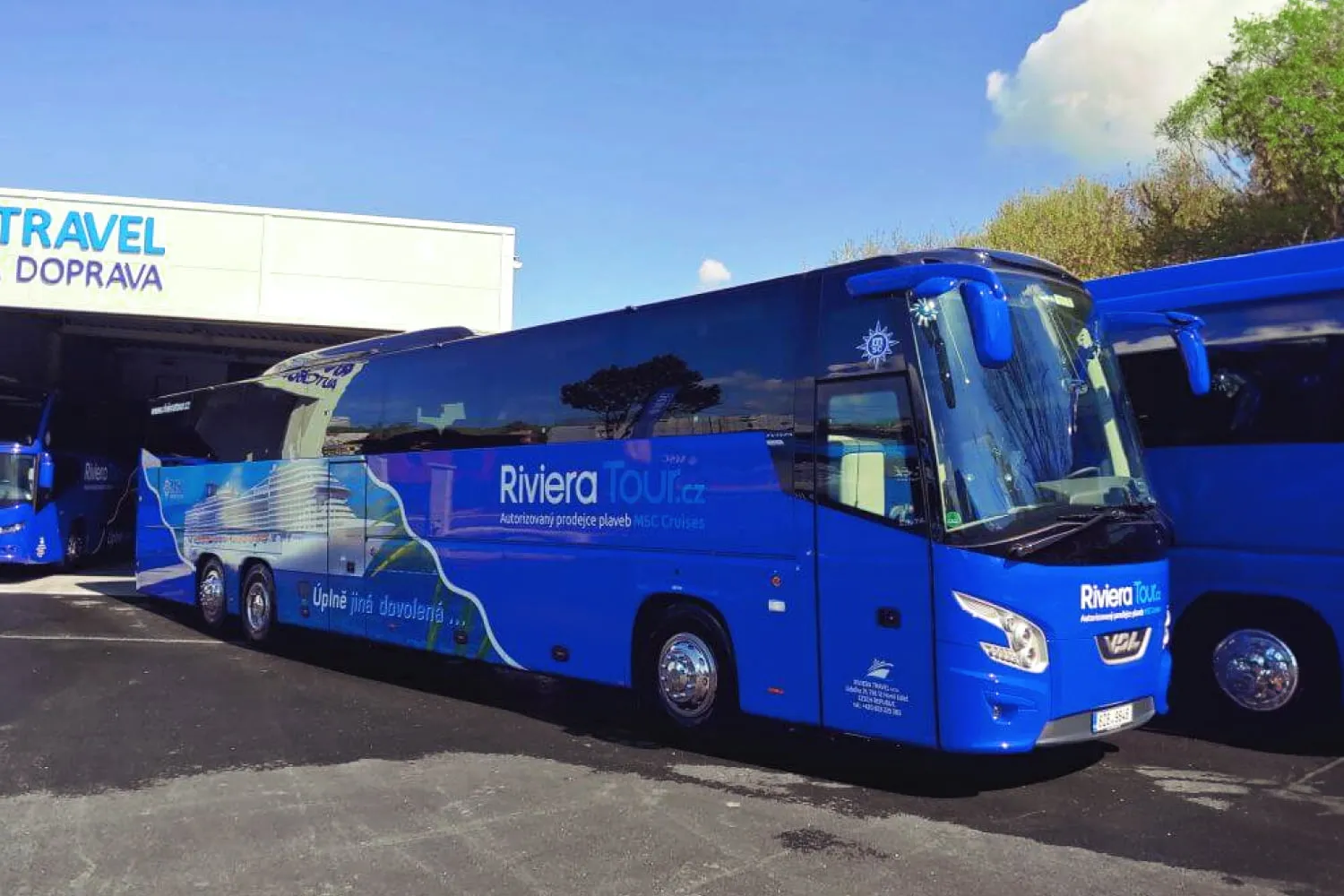
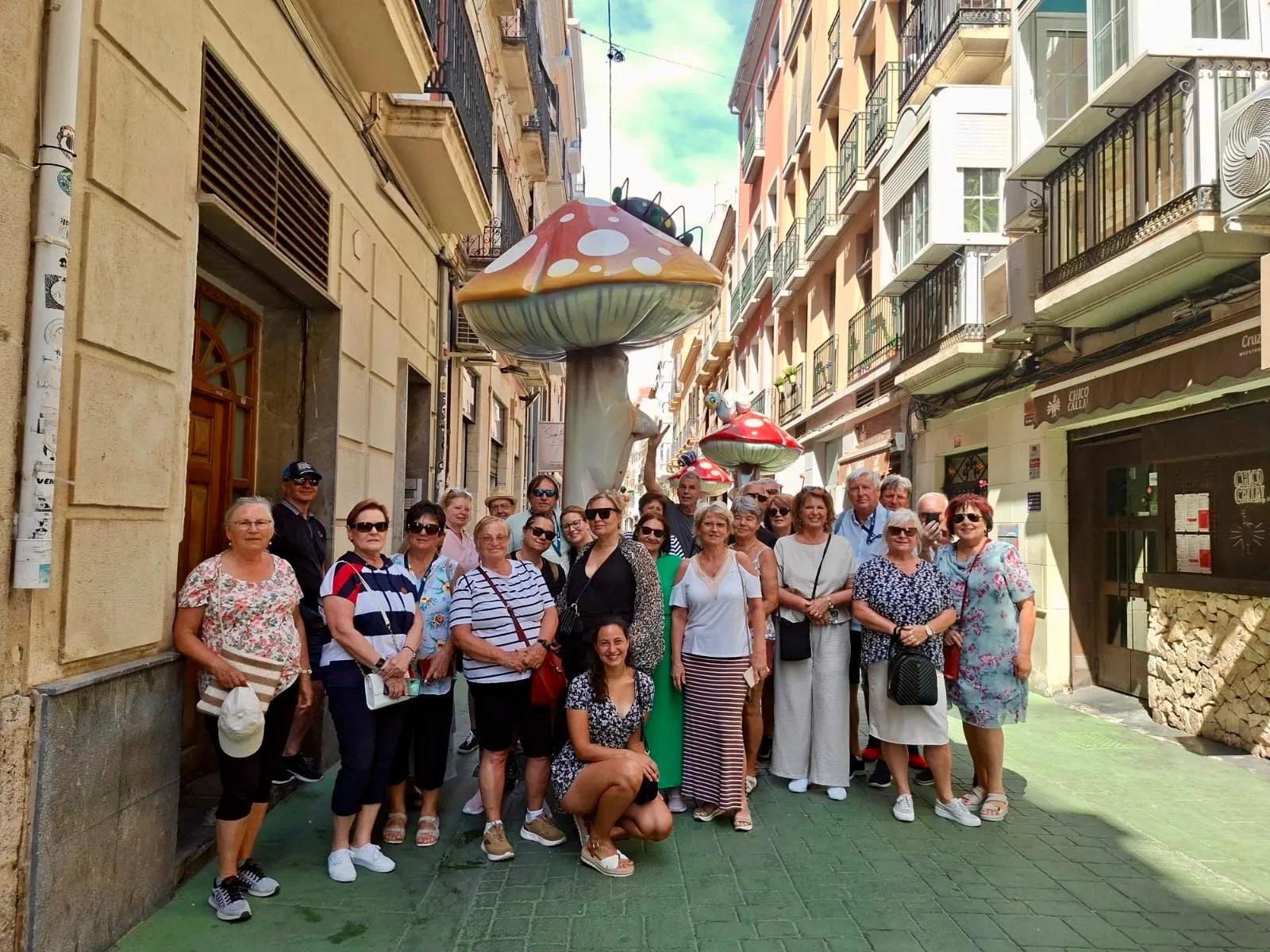
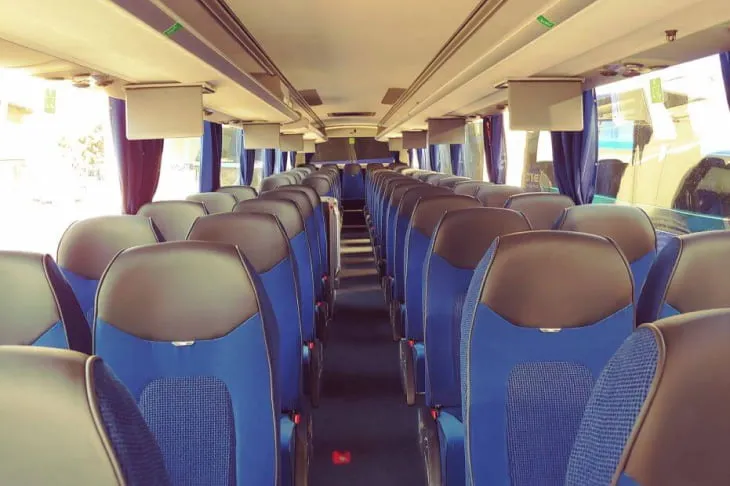
Your cruise with Riviera Tour begins in the Czech Republic. Our modern, spacious coaches depart from major cities towards ports in the Mediterranean and the North Sea.
On board the coach, an experienced Czech delegate will take care of you, providing all the information you need about life on board and the places you will visit. Hot drinks, breakfast and snacks are included in the price of transport. Additional drinks can be purchased from our drivers at attractive prices.
Our aim is for you to enjoy your holiday from the very first moment. That is why we create a pleasant, family atmosphere already during the coach journey. Our delegate will make the trip more enjoyable with interesting stories from previous cruises and practical tips for your stay on board.
And as a bonus, a special "surprise" awaits you during the journey, one of the favourite hallmarks of Riviera Tour trips.
The cruise price includes
- RIVIERA TOUR delegate
- Coach transport to and from the port
- Sightseeing cruise on the MSC ship on the given date
- Accommodation in an interior cabin, BELLA category
- Full board for the entire stay on the ship
- Drinks from vending machines in the buffet restaurant
- Port taxes, service charges and porter services
- Daily cabin cleaning
- Themed evenings according to the cruise programme
- Insolvency insurance
- Animation and entertainment programmes on board
- Theatres, swimming pools, whirlpools, pool service
- Service charges
The cruise price does not include
- Optional excursions by the cruise company at destinations
- Drinks and alcoholic beverages at bars and restaurants
- Premium services for an extra charge (saunas, massages, cinema, circus...)
- Cruise company transfers in ports
For an additional fee we offer
- Special travel and health insurance designed for sea cruises
- Higher cabin categories Fantastica, Aurea and MSC Yacht Club
- Window cabins, balcony cabins, suites and MSC Yacht Club
- Beverage packages and bundles at a pre-sale discount
- Internet packages at a pre-sale discount
- Feeder transfer (surcharge CZK 990): Prague – Humpolec – Jihlava – Velké Meziříčí
- Seat reservation on the coach (surcharge CZK 150)
- Prices of all excursions will be confirmed approx. 40 days before departure
The organizer of the cruise is: MSC CRUISES S.A., Avenue Eugene Pittard 40, Geneva, Switzerland. Travel agency RIVIERA TOUR and shipping company is authorized to make operational changes to the program and services provided before the trip and during the trip, if it is not possible to maintain the originally agreed program and services. In the case of trips to regions where the current security situation may require a change in the route or cruise, there is no breach of the travel contract if a deviation in the route does not exceed 50% of the originally planned cruise route. The customer acknowledges that each such deviation from the originally planned cruise route is made to maintain his safety and is included in the price of the trip. These provisions also apply to this situation and related services.
With Riviera Tour you get more:
With us, the complete price - you don't pay anything extra, everything is in the Czech language - you will receive from us printed, fully processed departure instructions containing the boarding pass, information about countries, destinations, information about services on the ship, a translated menu*. We have a 24/7 assistance service for solving crisis situations, we will help you in case of unexpected events, communication with doctors, insurance company, we will help you with accommodation, transport, you can solve all complaints through our CK and note that RIVIERA TOUR sells all cruises as a travel agency - guarantee and security for you

A gift for you with your order
With Riviera Tour you get more:
With us, the complete price - you don't pay anything extra, everything is in the Czech language - you will receive from us printed, fully processed departure instructions containing the boarding pass, information about countries, destinations, information about services on the ship, a translated menu*. We have a 24/7 assistance service for solving crisis situations, we will help you in case of unexpected events, communication with doctors, insurance company, we will help you with accommodation, transport, you can solve all complaints through our CK and note that RIVIERA TOUR sells all cruises as a travel agency - guarantee and security for you