911 - Western Mediterranean via Pisa and Lucca
Mediterranean, 5/24/2027 – 6/2/2027



911 - Western Mediterranean via Pisa and Lucca
Mediterranean , May 24, 2027 - June 2, 2027
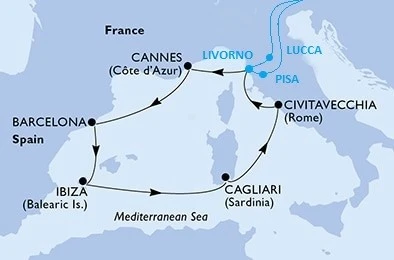
Your cruise route
1. day
Departure by RIVIERA TOUR coach to the port. On the way, our delegate will introduce you to life on board MSC Cruises ships, organisational instructions and the tour programme. During the journey, we have a cold dinner, hot breakfast and refreshments ready for you.
Boarding points: Vsetín, Nový Jičín, Frýdek-Místek, Ostrava, Hranice, Olomouc, Prostějov, Vyškov, Brno, Bratislava. Shuttle transfer (surcharge 990 CZK): Praha, Humpolec, Jihlava, Velké Meziříčí.

2. day
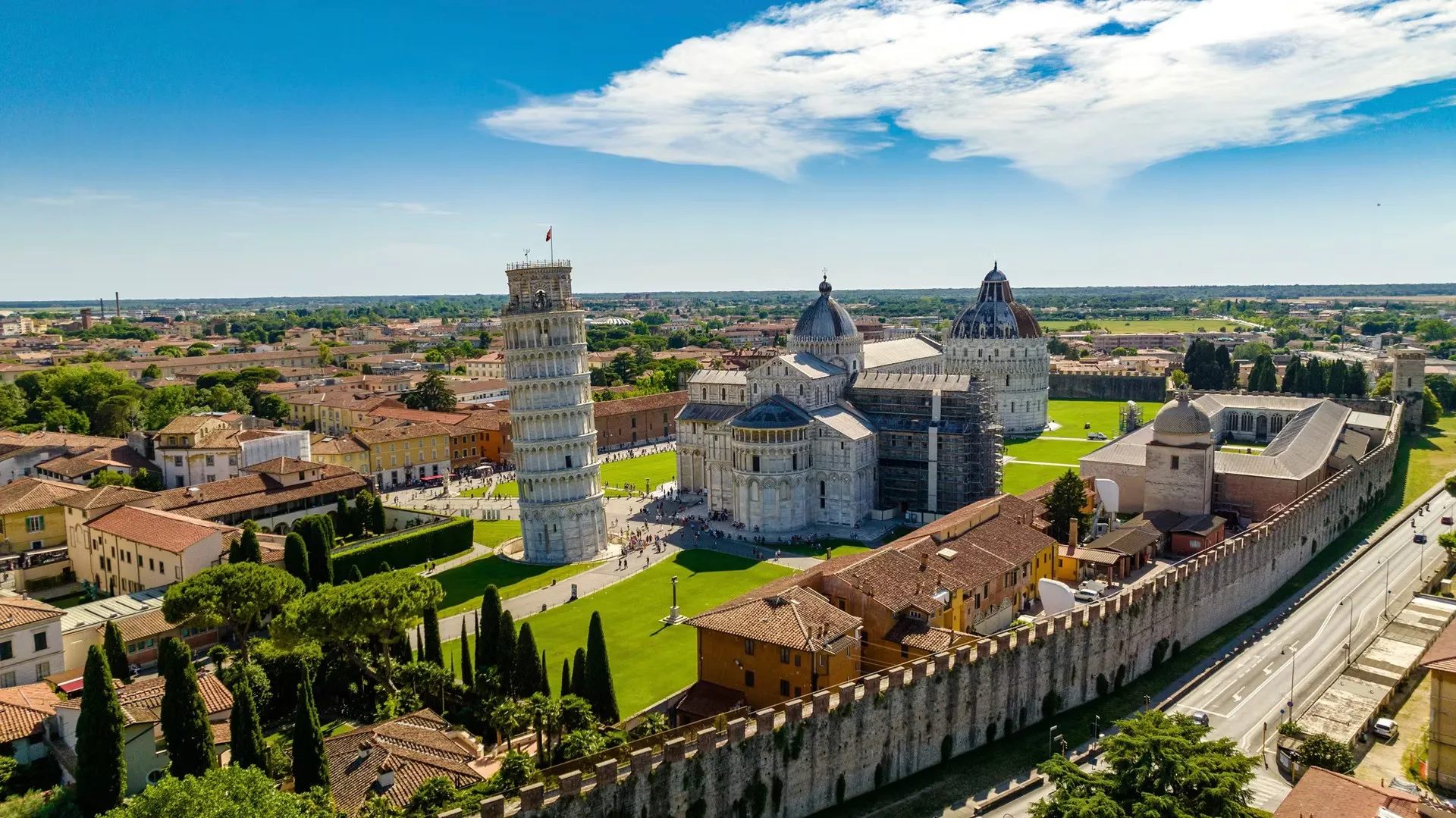
Pisa is known worldwide for its Leaning Tower (Torre Pendente) and other Romanesque buildings on Piazza dei Miracoli ("Square of Miracles"). Pisa was founded at the mouth of the River Arno, probably by the Greeks. According to Latin writers, it was established in the 13th century BC, 550 years before the founding of Rome. It temporarily belonged to the Etruscans; in 1991, an Etruscan necropolis was documented during archaeological excavations in the Garibaldi Arena area. In ancient Rome, Pisa was one of the centres of rule over the Mediterranean Sea. In the Middle Ages, the effectively independent Republic of Pisa was an important commercial port and one of the maritime republics.
2. day
Upon arrival at the port, check-in and boarding follows. In the afternoon, a tour of the ship, accommodation and a safety drill before departure. Don't miss the first departure from the port. Also, don't miss the first served dinner to enjoy the superb Italian cuisine. After dinner, we will visit the ship's theatre and finish the evening with a drink at the bar.

The port of Livorno, located in the region of Tuscany, Italy, has a rich history dating back to the Roman times when it was known as Portus Pisanus. In the late 16th century, under the Medici family's rule, the port was extensively developed and became an important hub for trade and commerce. The Medici Port, as it came to be known, attracted merchants from all over Europe.
In the 17th and 18th centuries, Livorno became a "free port", attracting a diverse population of people, including Greeks, Jews, Armenians and others who contributed to its cultural and economic growth. The port was heavily bombed during World War II, causing significant damage. However, it was rebuilt and today, it continues to be one of the major seaports in Italy, handling a wide range of cargo including oil, coal, and container traffic.
729. day
A stunning resort on the French Riviera. And just a short distance from the port – a place that attracts thousands of tourists. Film lovers in particular know the world-famous Cannes Film Festival. With our delegate, you will stroll through the town past the market and to the red carpet where movie stars arrive. But beware, Cannes is truly a vibrant city – and quite expensive. We will also visit places where shopping is perhaps best enjoyed just by looking, as the prices will astound you. You can also take a ride on the sightseeing train or visit the local citadel.
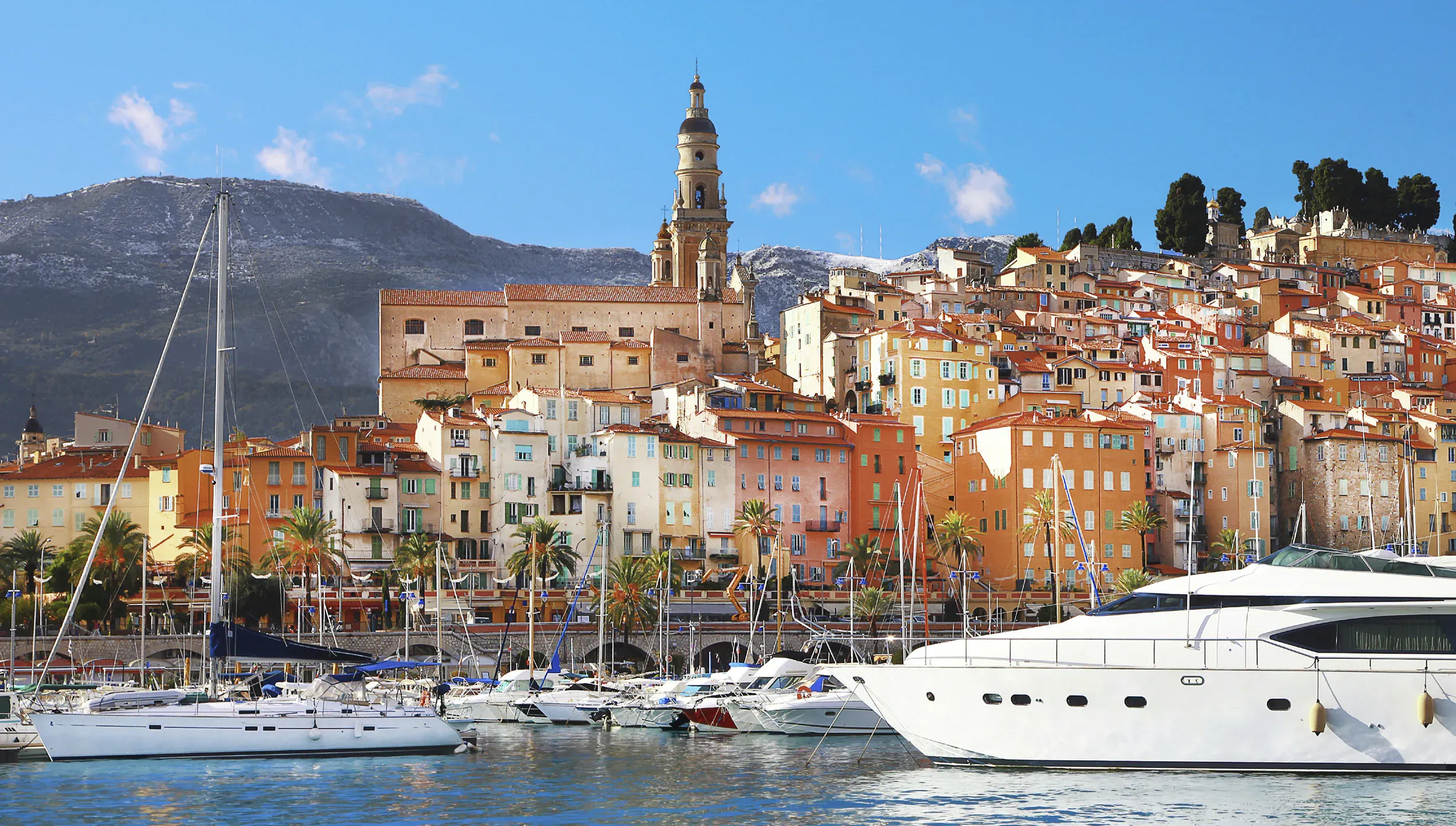
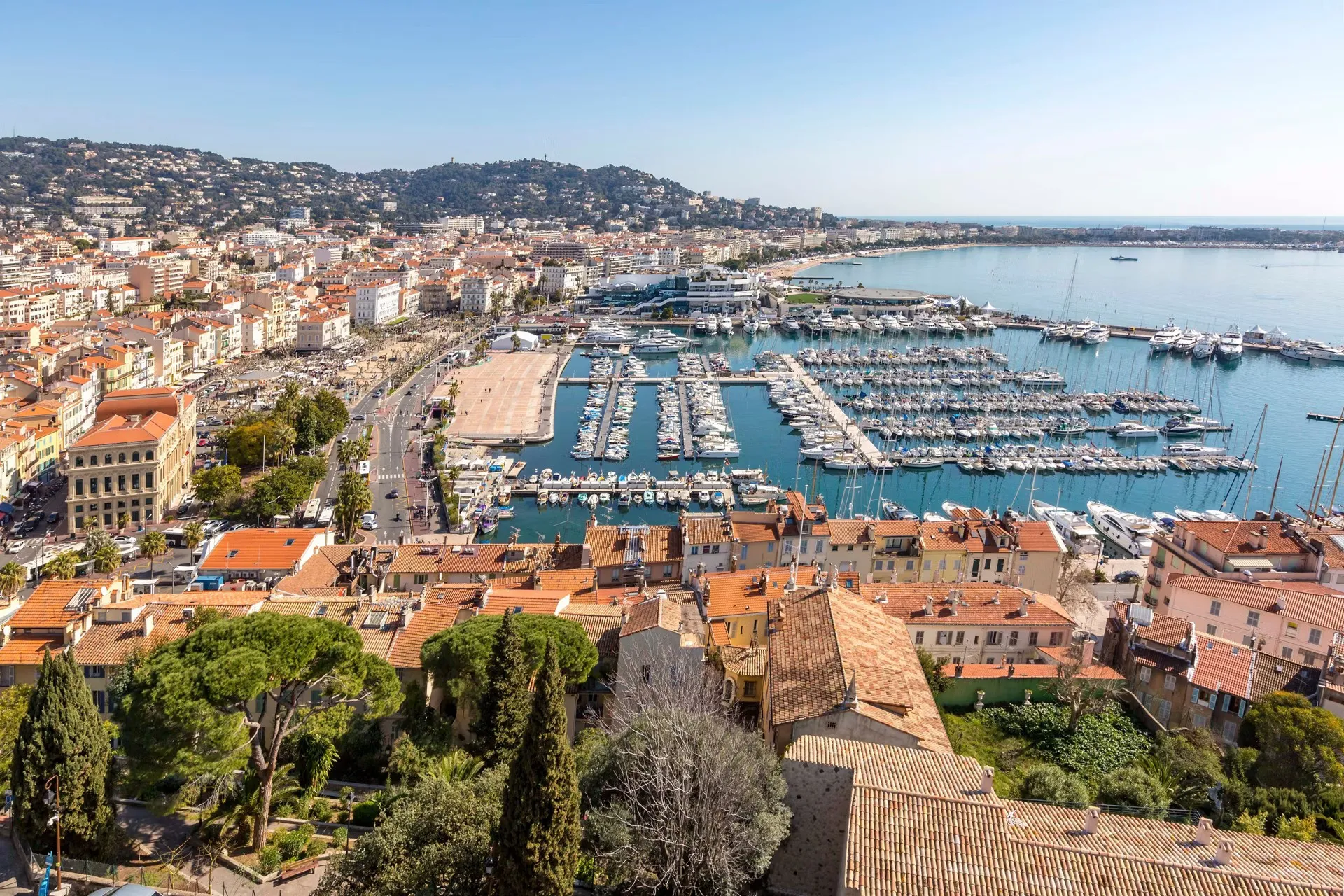


Cannes, located on the French Riviera, has a rich history that stretches back over two millennia. The area was first settled by the Ligurians and later became part of the Roman Empire. By the 5th century, the nearby Îles de Lérins played a significant role in the region's development, with the establishment of the Lérins Abbey, which brought religious and cultural influence to Cannes. During the Middle Ages, the town remained a small fishing village under the control of the monks of the abbey. Cannes endured centuries of relative obscurity and turbulence, including pirate invasions, until the modern period transformed its fortunes.
The turning point for Cannes came in the 19th century, when Lord Brougham, a British aristocrat, visited the area in 1834. Enthralled by its beauty, he built a holiday villa and inspired other wealthy Europeans to do the same, turning Cannes into a glamorous winter retreat for the elite. Over the following decades, Cannes grew into a world-famous resort town, particularly after the launch of the Cannes Film Festival in 1946. The festival cemented Cannes’ status as an international symbol of luxury, culture, and celebrity. Today, while celebrated for its glitz and glamour, Cannes retains remnants of its past, such as the Le Suquet old town and the historic abbey on Île Saint-Honorat, offering visitors a blend of history and modern sophistication.
4. day
In Barcelona, history blends with modern life, culture mingles with exquisite food, and every alley hides a story waiting to be heard. Don't miss the chance to experience Barcelona in all its glory – from Gothic quarters to world-famous landmarks such as the Sagrada Familia and Gaudí's houses, from sun-kissed beaches to gourmet experiences that will pamper your taste buds. We recommend the MSC Cruises transfer from the port to the city; in this destination it is truly essential (price approx. €12).

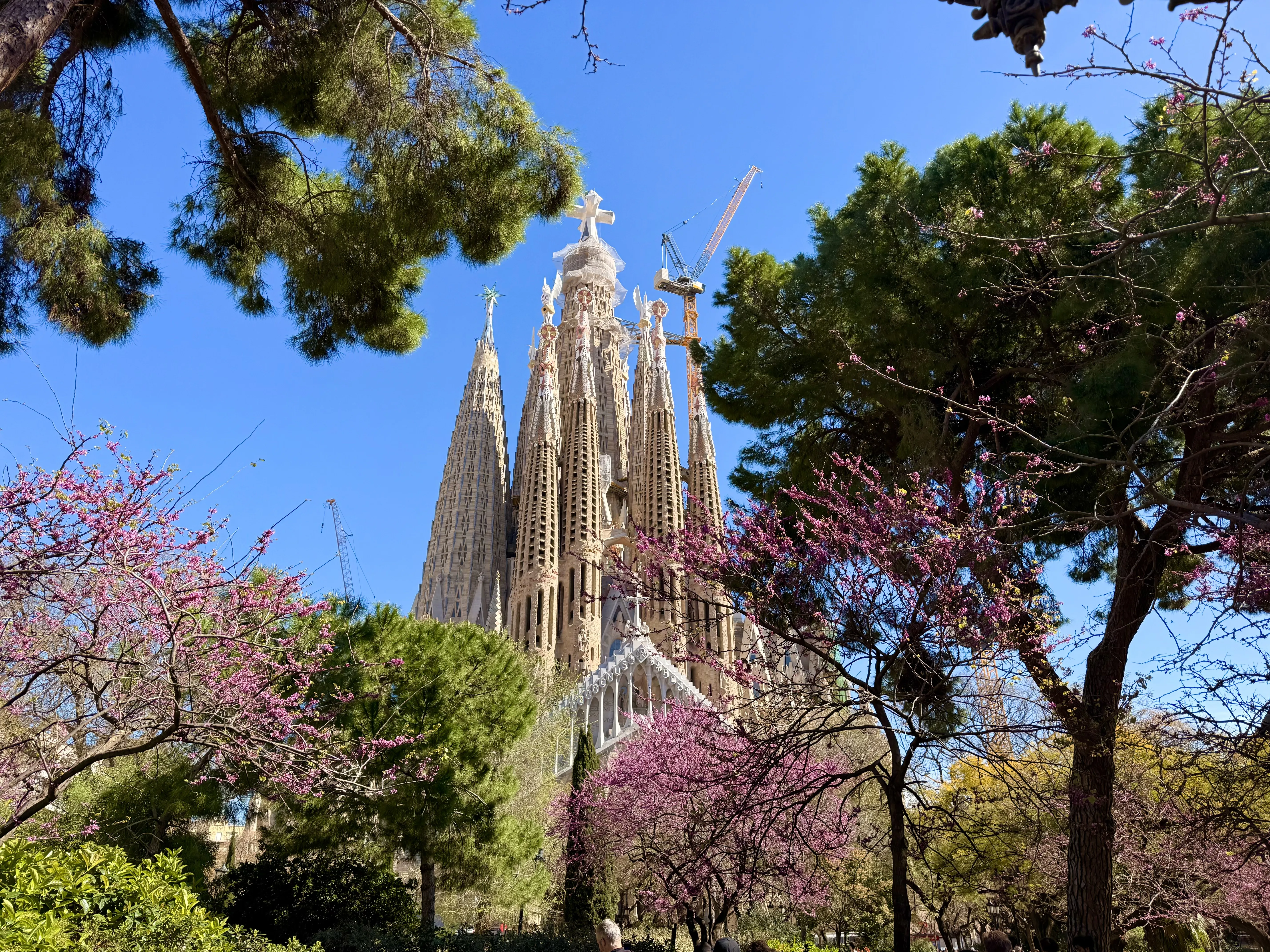
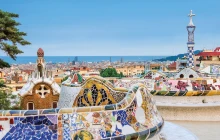
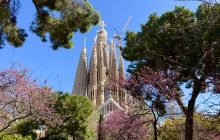


Barcelona, the capital of Catalonia, boasts a history that dates back over two millennia. Founded as a Roman colony called Barcino in the 1st century BCE, its early development is still visible in remnants such as Roman walls and structures in the Gothic Quarter. During the Middle Ages, Barcelona flourished as a major maritime power within the Crown of Aragon, becoming a vital center for trade and culture. The city's medieval landmarks, like the Barcelona Cathedral, reflect this period of growth and significance. However, political upheavals in later centuries, including the decline of Catalonia's independence, temporarily slowed its development.
The 19th century marked Barcelona’s cultural and architectural renaissance. The Catalan Renaissance and the Modernisme movement brought artists and architects like Antoni Gaudí, whose works, including Sagrada Família and Casa Batlló, transformed the city into a showcase of creativity. The 1992 Olympics further revitalized Barcelona, modernizing its infrastructure and boosting its global profile. Today, Barcelona is a thriving cultural, economic, and tourist hub, blending its rich history with modern urban life. Its iconic landmarks, Mediterranean coastline, and vibrant Catalan identity make it one of the world’s most beloved cities.
5. day
Dance parties with world-class DJs – that is Ibiza. The choice is yours. Beyond the pulsating club scene, the island also offers a calmer side with gorgeous turquoise-water beaches, picturesque white architecture, romantic sunsets and a spiritual atmosphere that attracts yogis and seekers of tranquillity. The historic centre of the capital, Ibiza Town, known as Dalt Vila, is a fortified city listed as a UNESCO World Heritage Site. We recommend the MSC Cruises transfer from the port to the city (price approx. €12).
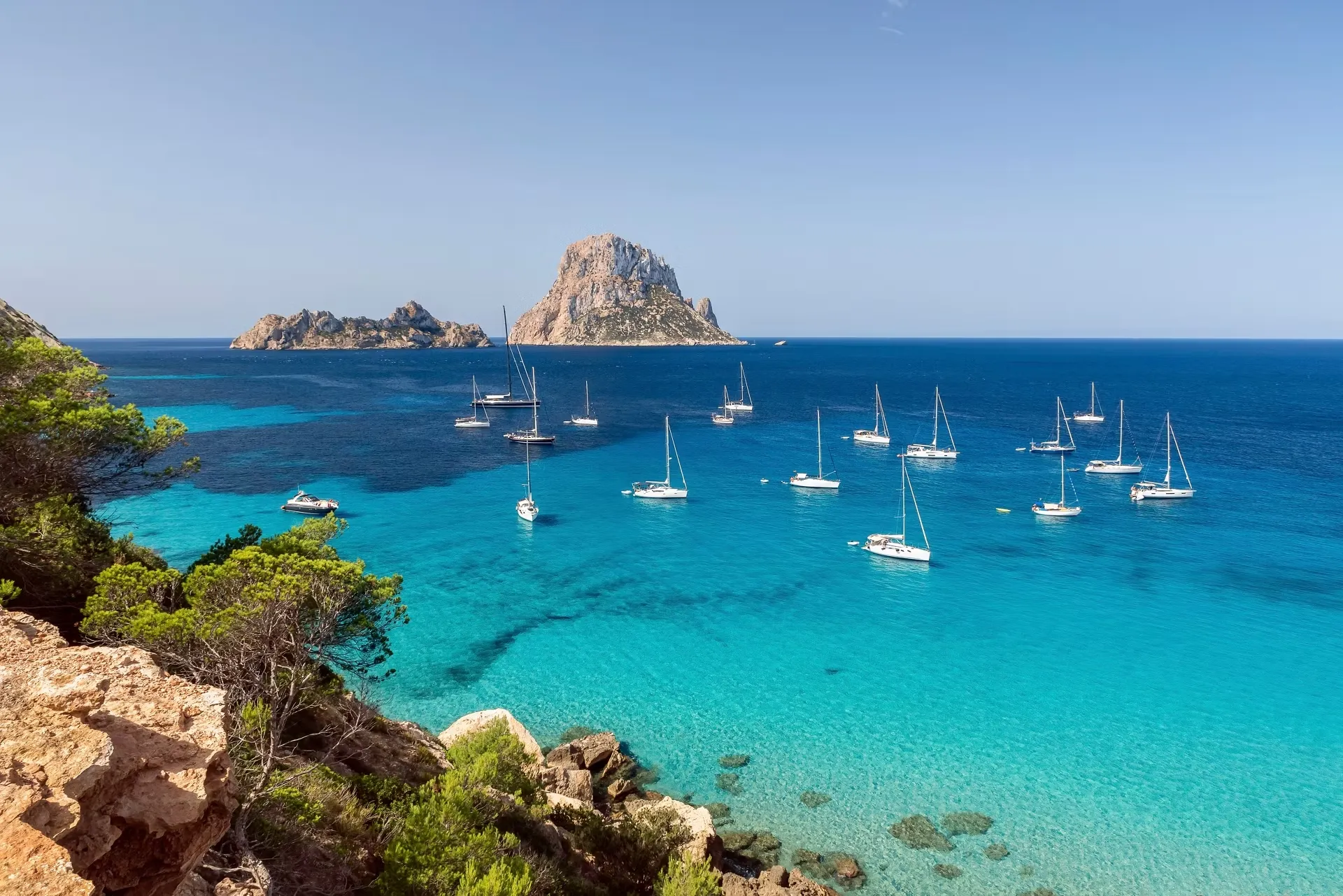
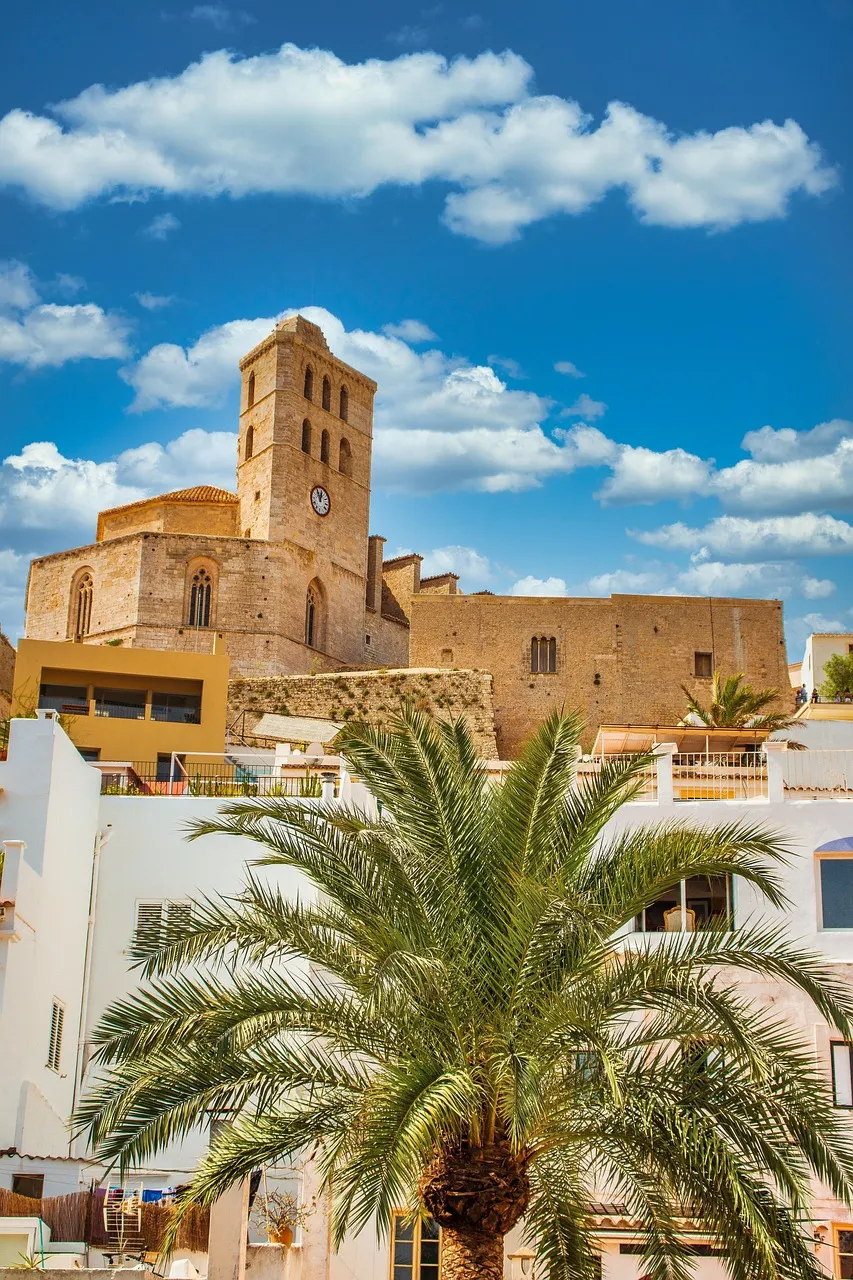
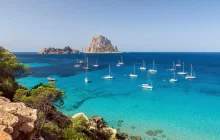
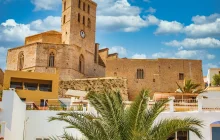
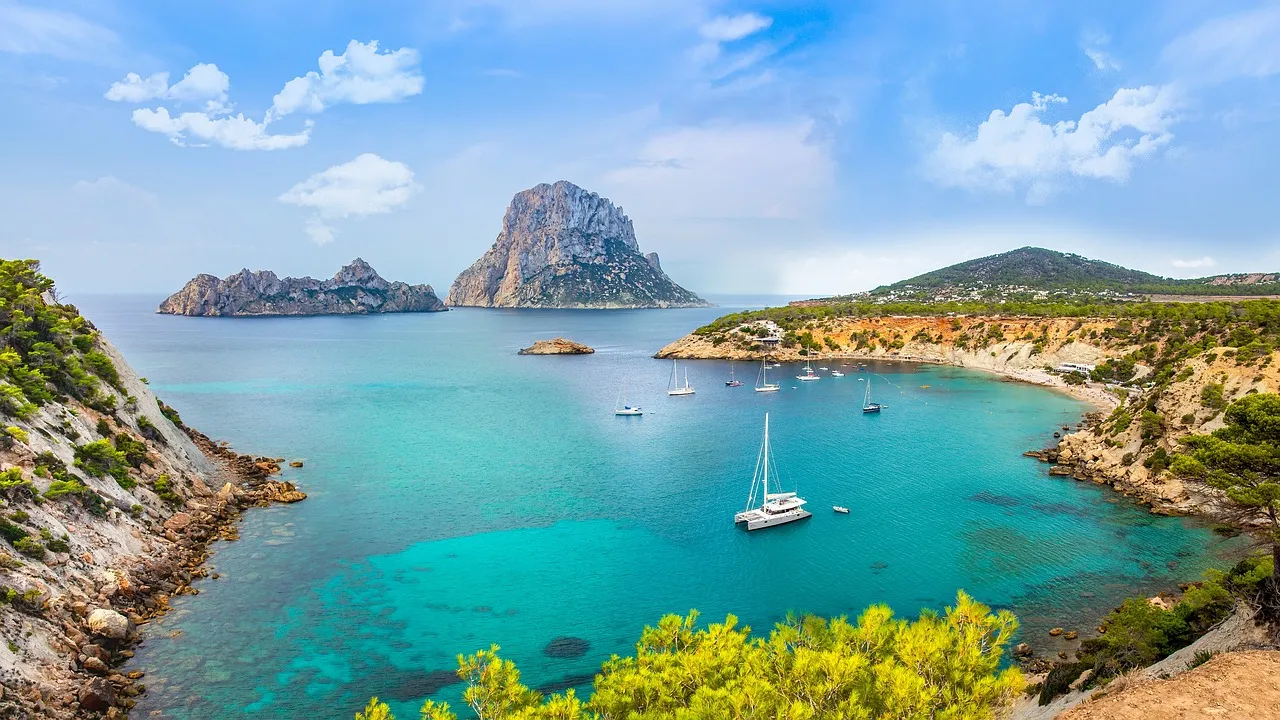
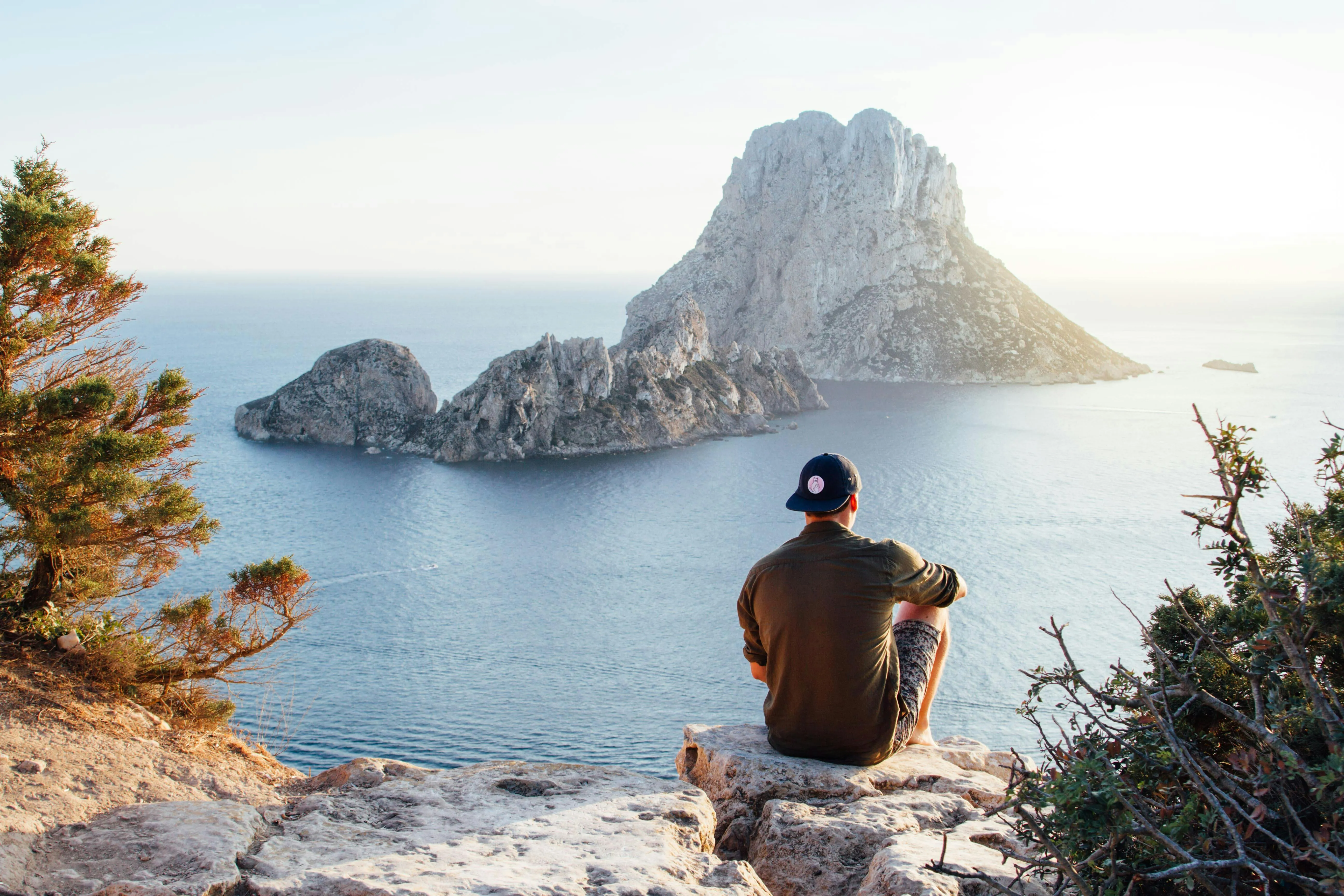
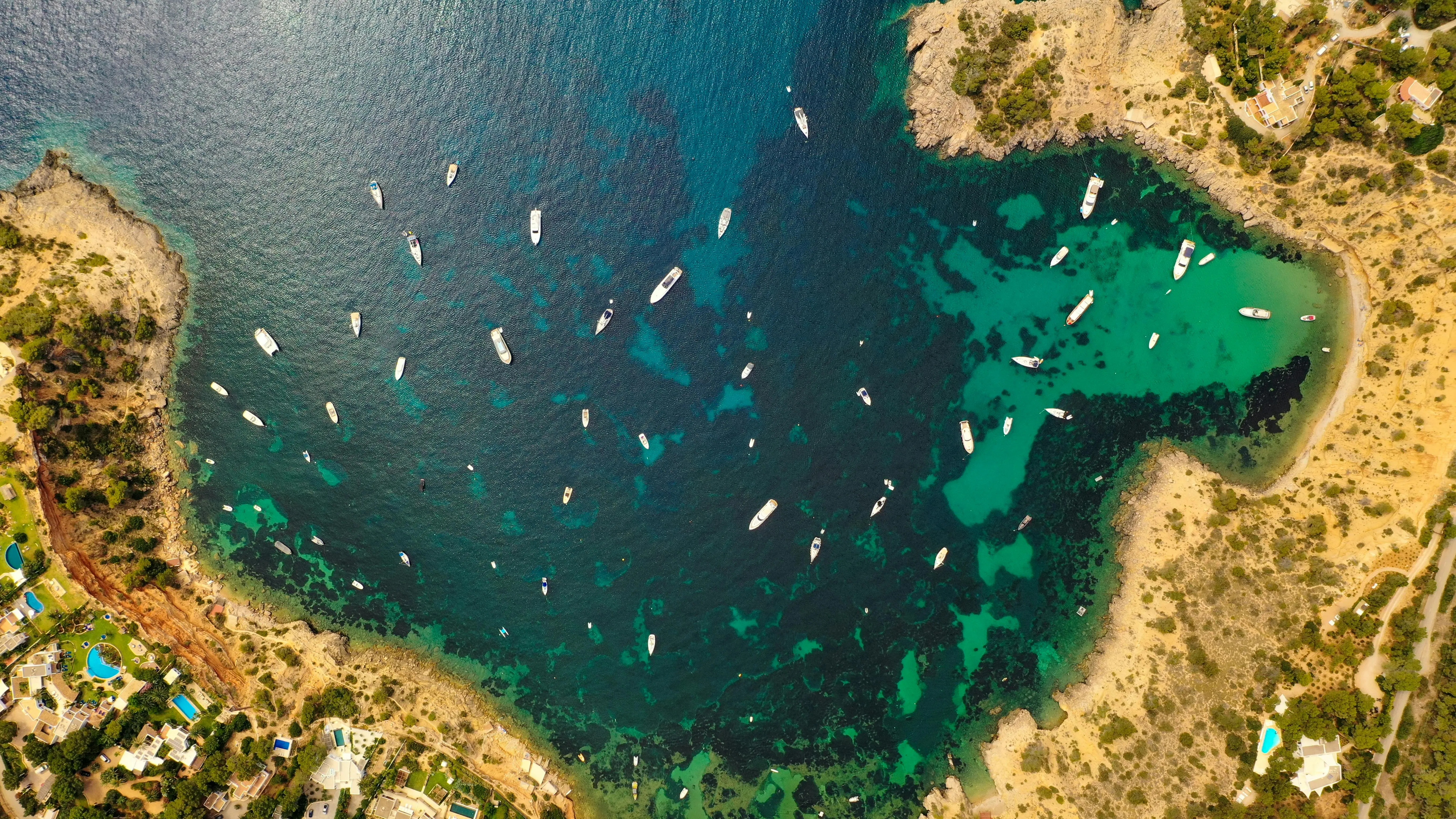
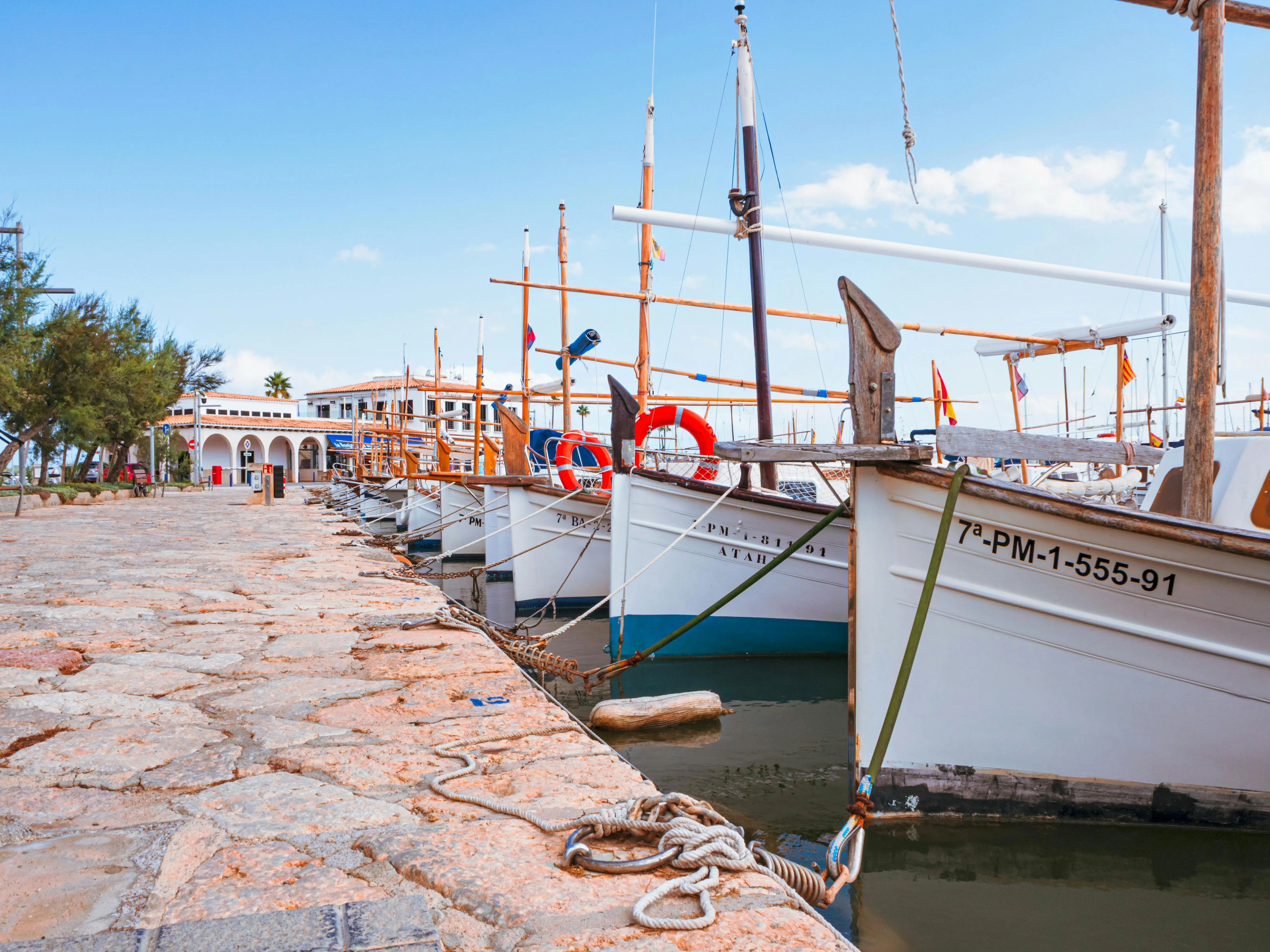
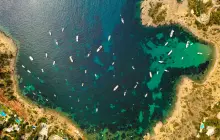
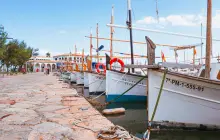
Ibiza's rich history stretches back to 654 BC, when Phoenician traders founded the settlement of Ibossim, making it one of the Mediterranean's oldest cities. The Carthaginians later developed it into a major port, and the island's Puig des Molins necropolis contains thousands of ancient tombs. After Roman conquest in 123 BC, Ibiza became part of the empire, followed by periods under Byzantine, Moorish, and Catalan rule.
The Crown of Aragon conquered Ibiza in 1235 under James I, and the magnificent fortifications of Dalt Vila were built in the 16th century to protect against pirate raids. In the 1960s, Ibiza transformed dramatically when international hippies discovered its beauty, establishing a bohemian culture that still thrives today. This counterculture movement eventually evolved into the island's world-renowned electronic music scene, making Ibiza a global clubbing capital while preserving its ancient heritage.
6. day at sea
7. day
The city of Cagliari stretches between two bays of a sea gulf, boasting an interesting medieval core, the beautiful Poetto beach and salt lakes with pink flamingos. The atmosphere of this city is captivating. Vibrant life, bustling traffic, history – in Cagliari you don't feel like a tourist; here everyone experiences a typical Sardinian day. The ancient city of Carialis has been almost entirely engulfed by later development, with only the remains of a Roman arena from the 2nd century AD surviving. A pleasant walk through the medieval quarter takes you between the Pisan walls with the towers of Torre di San Pancrazio (on Piazza Indipendenza) and the bastion of Santa Catarina. Gothic churches have been preserved in the city centre – most notably the Cathedral of Santa Cecilia (completed in 1312) with its remarkable Romanesque pulpit.
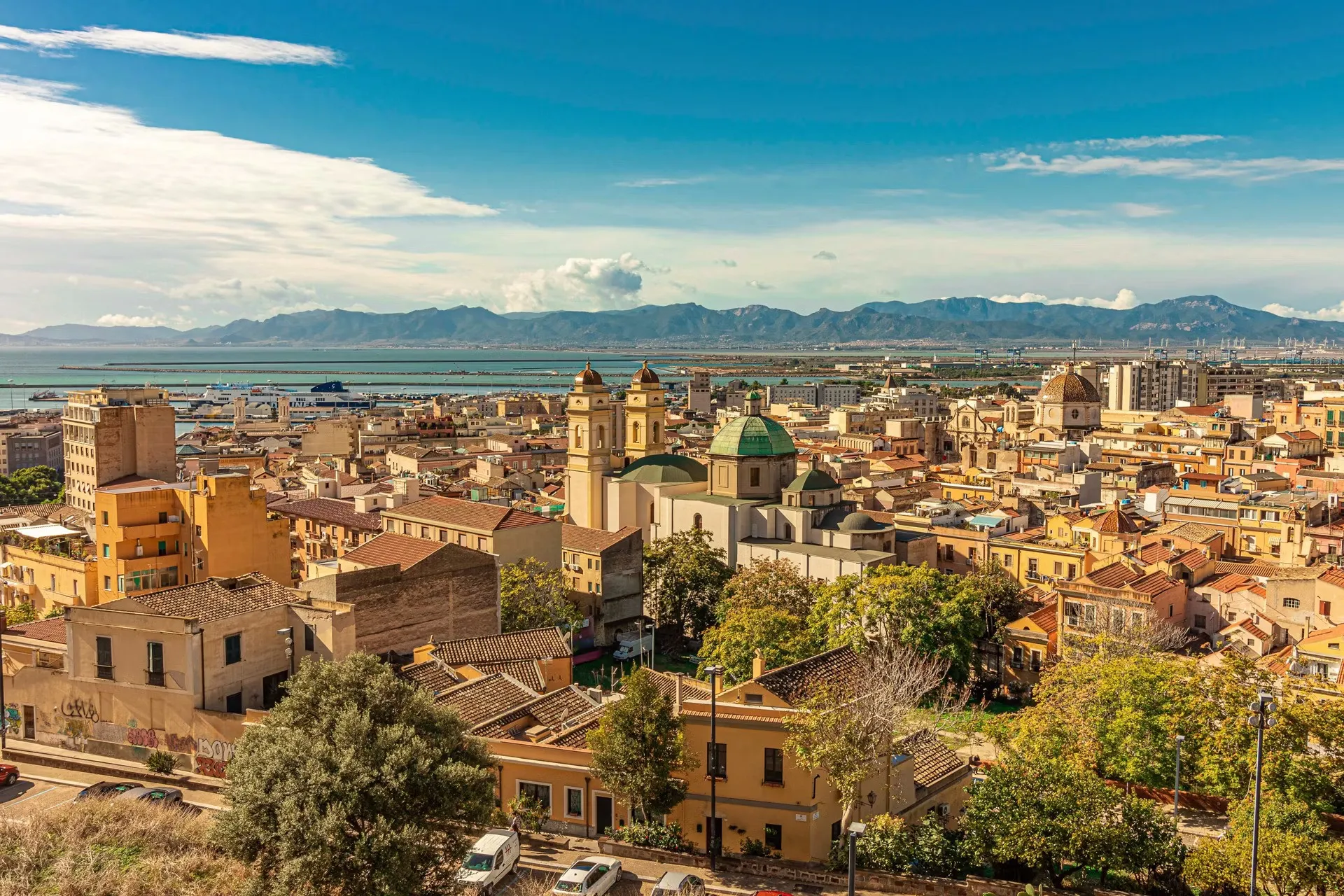

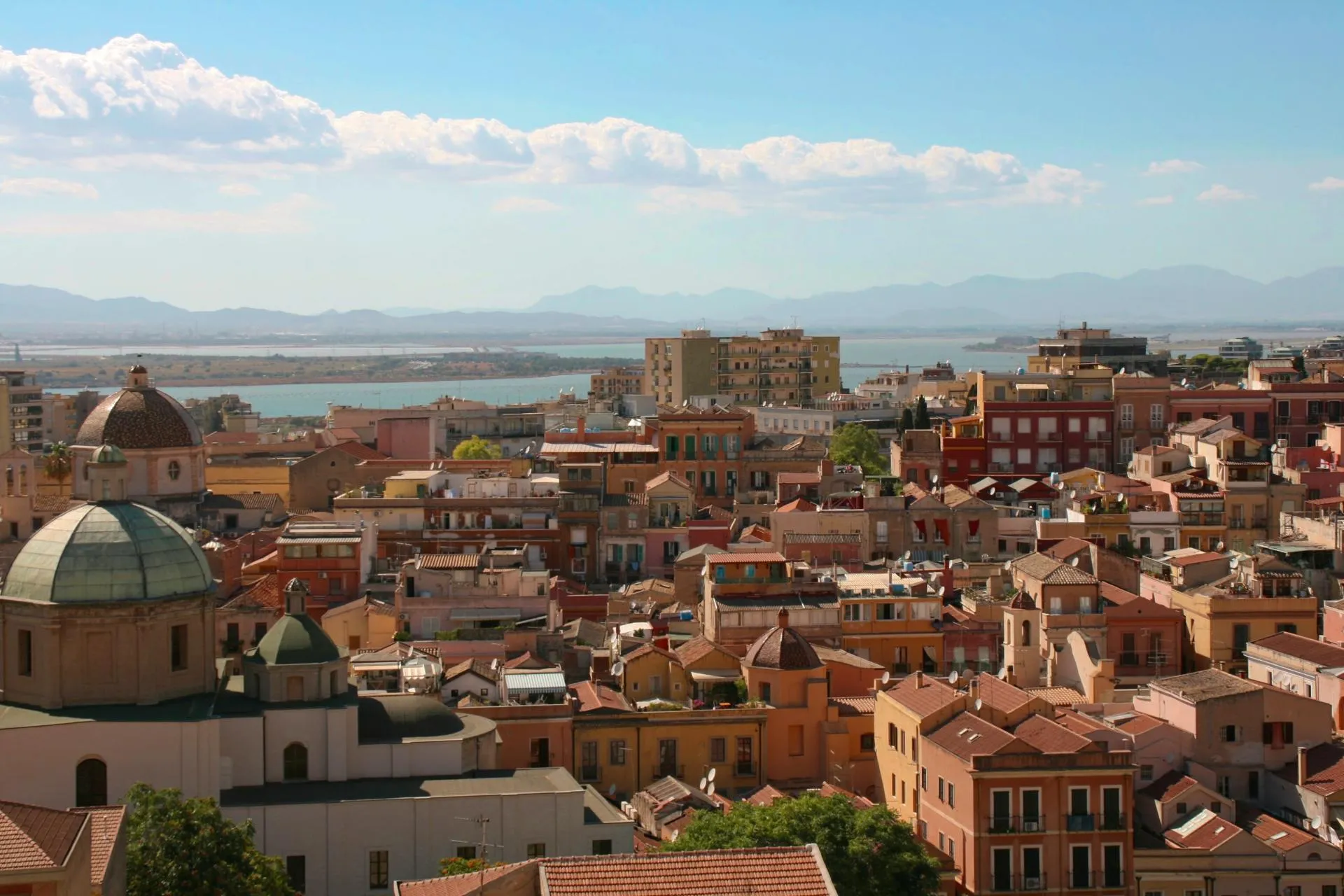




Cagliari, the capital of Sardinia, boasts a history stretching back thousands of years. Its origins lie with the Nuragic civilization, Sardinia's ancient inhabitants, who left behind distinctive stone towers called nuraghi. Later, in the 8th century BCE, the Phoenicians established a settlement due to its strategic location in the Mediterranean. Known as Karalis during the Carthaginian period, the city flourished as a trading post and military base. After the First Punic War, the Romans took control in 238 BCE, and Cagliari became an important urban center with infrastructure such as roads, aqueducts, and a still-standing amphitheater. Following the fall of Rome, the city experienced various rulers, including the Byzantines, Vandals, and Pisans, who fortified it with walls and towers in the medieval era.
Under Spanish rule in the 14th century, Cagliari became the administrative center of Sardinia under the Crown of Aragon, leaving a lasting imprint on its culture and architecture. In the 18th century, it shifted to Savoyard rule, solidifying its role as the island's political and cultural hub. The city faced destruction during World War II due to Allied bombings but was rebuilt in the postwar years. Today, Cagliari is a thriving blend of ancient and modern, with landmarks such as the Castello district, Bastione di Saint Remy, and Roman amphitheater showcasing its layered history. It remains a vibrant cultural and economic center, attracting visitors with its historical charm and Mediterranean beauty.
8. day
In the early morning hours, we arrive in Civitavecchia, the main Roman port in the central Italian region of Lazio. It is situated on the Tyrrhenian Sea, 80 km west-northwest of the capital city of Rome. The area was already settled in the Etruscan period. Civitavecchia ("Old City" in Italian) represents a prototype of a classic Italian settlement with roots in deep antiquity (it has been proven to have been inhabited since Etruscan times), which over its more than thousand-year existence has undergone rich development and changes whose traces are still visible today. Since the Middle Ages, it has been the main Roman port, and to this day you can visit over a hundred churches here.


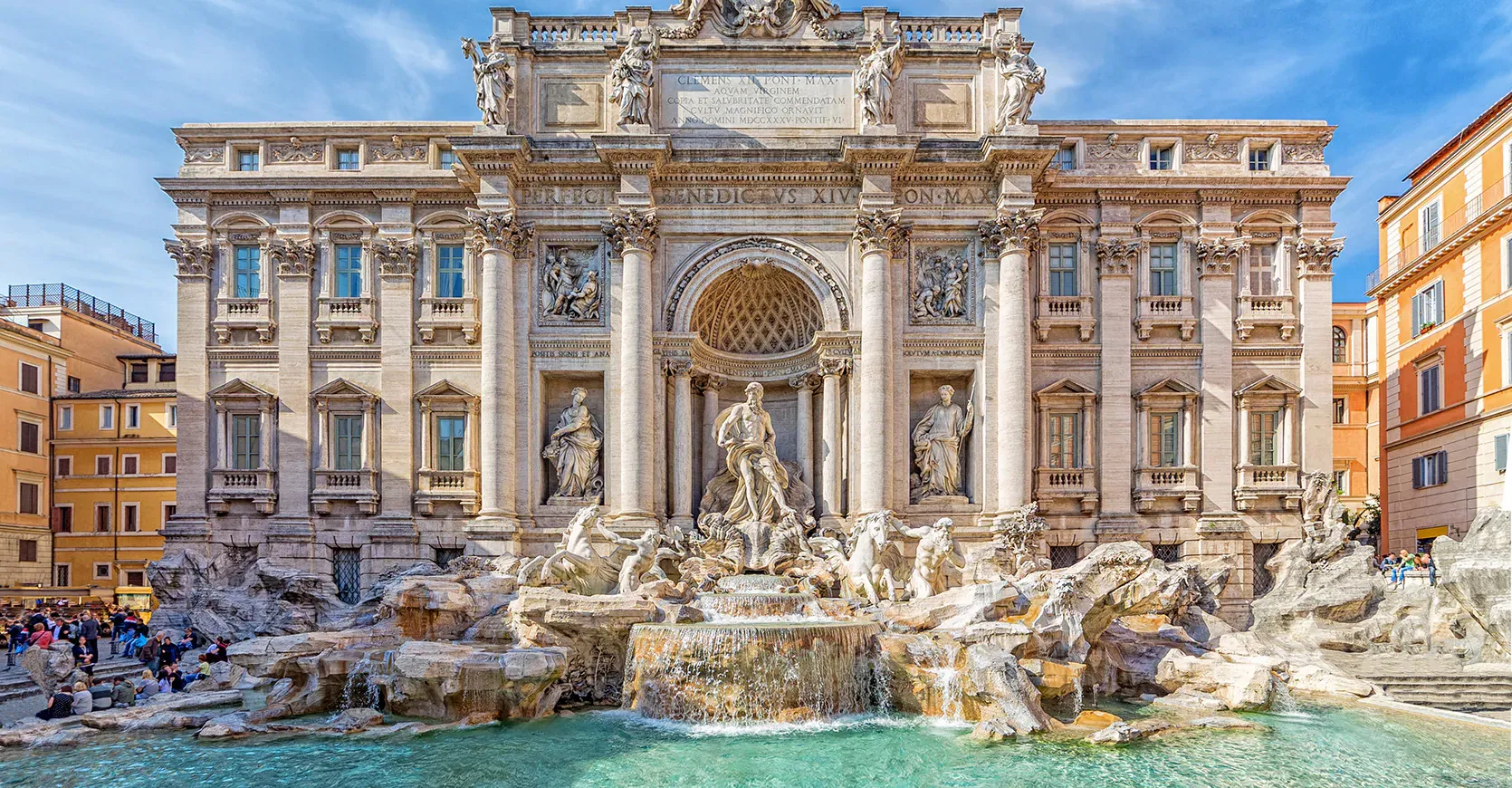


Civitavecchia, located on the western coast of Italy along the Tyrrhenian Sea, is a historic port city that has served as a vital gateway to Rome for centuries. Its name, meaning “ancient town” in Italian, reflects its origins, which date back to Etruscan times. However, it was during the Roman Empire that Civitavecchia gained prominence, when Emperor Trajan ordered the construction of the port in the early 2nd century CE to relieve congestion from Rome's main port at Ostia. The harbor, known as Centumcellae in ancient times, became an important hub for trade and naval operations. Remnants of this period, such as the Trajan's Arch and sections of the original Roman harbor, still exist today, showcasing the city’s deep historical roots.
Throughout the Middle Ages, Civitavecchia's strategic importance made it a contested site among various powers, including the Papal States, which controlled the city for much of its later history. It became heavily fortified, with landmarks such as the Forte Michelangelo, a formidable 16th-century fortress commissioned by Pope Julius II and partially designed by Michelangelo himself. In modern times, Civitavecchia remains a key port, serving as the main maritime link between Rome and the Mediterranean. It is also a popular departure point for cruises and ferries, connecting Italy to various islands and neighboring countries. With its rich history and ongoing role as a bustling port city, Civitavecchia continues to blend its ancient heritage with its modern significance.
9. day
After breakfast, we disembark and set off to discover more beautiful places in the Italian interior. The trip isn't over yet!
The port of Livorno, located in the region of Tuscany, Italy, has a rich history dating back to the Roman times when it was known as Portus Pisanus. In the late 16th century, under the Medici family's rule, the port was extensively developed and became an important hub for trade and commerce. The Medici Port, as it came to be known, attracted merchants from all over Europe.
In the 17th and 18th centuries, Livorno became a "free port", attracting a diverse population of people, including Greeks, Jews, Armenians and others who contributed to its cultural and economic growth. The port was heavily bombed during World War II, causing significant damage. However, it was rebuilt and today, it continues to be one of the major seaports in Italy, handling a wide range of cargo including oil, coal, and container traffic.
9. day
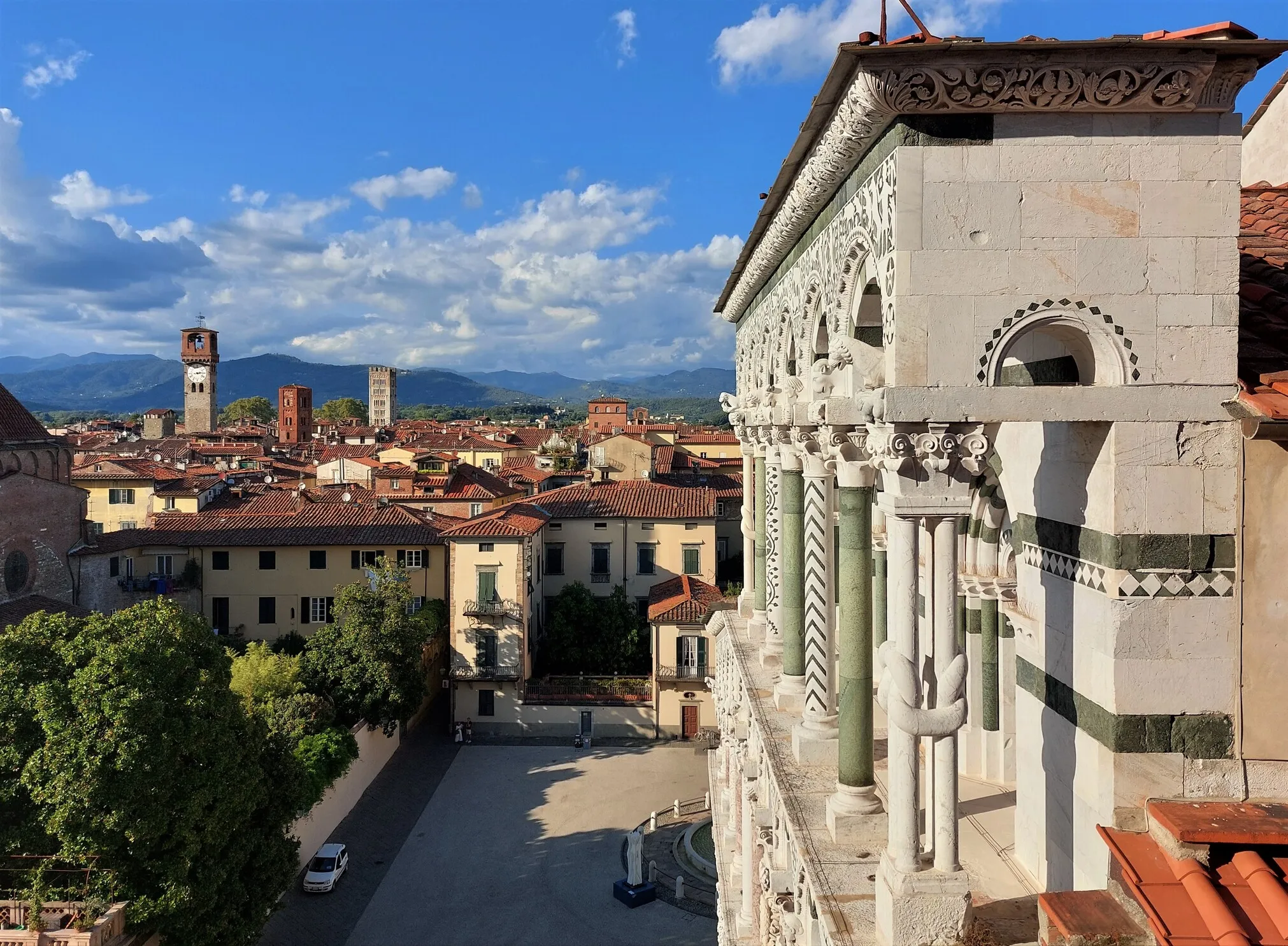
Lucca, right next to Pisa, is one of the gems of Tuscany. The city is relatively small, covering approximately 185 square kilometres with a population of around 86,000. The city is encircled by perfectly preserved 4 km long city walls. You can only enter the historic centre through one of the medieval gates. Particularly interesting is a walk along these walls, where you can admire a bird's-eye view of the entire city from tree-lined avenues, or a visit to the historic amphitheatre, which was transformed in the Middle Ages into an oval square with an unforgettable atmosphere. A truly amazing place. After the tour, departure back to the Czech Republic. During the return journey, you will learn about new ships and upcoming destinations. The return transport includes two hot snacks, coffee, tea, cappuccino and hot chocolate.
10. day
Arrival in the Czech Republic depending on the current traffic situation.

Tour description
Experience a unique adventure on a cruise through the Western Mediterranean to Ibiza aboard the luxurious MSC Fantasia. On the way to the port, we will visit the historic cities of Pisa and on the way back Lucca, where you will soak up the atmosphere of Tuscany. From the ship's deck, discover the beauty of renowned Cannes, enchanting Barcelona, sunny Ibiza, charming Cagliari and historic Civitavecchia. The price includes transport to the port and back as well as the services of a Czech-speaking delegate, who will be at your disposal throughout the entire trip.
Discover the Mediterranean with Riviera Tour!

Michaela Matušincová


DVD
Transport
Your cruise with Riviera Tour begins in the Czech Republic. Our modern, spacious coaches depart from major cities towards ports in the Mediterranean and the North Sea.
On board the coach, an experienced Czech delegate will take care of you, providing all the information you need about life on board and the places you will visit. Hot drinks, breakfast and snacks are included in the price of transport. Additional drinks can be purchased from our drivers at attractive prices.
Our aim is for you to enjoy your holiday from the very first moment. That is why we create a pleasant, family atmosphere already during the coach journey. Our delegate will make the trip more enjoyable with interesting stories from previous cruises and practical tips for your stay on board.
And as a bonus, a special "surprise" awaits you during the journey, one of the favourite hallmarks of Riviera Tour trips.
The cruise price includes
- RIVIERA TOUR delegate
- Coach transport to and from the port
- Sightseeing cruise on the MSC ship on the given date
- Accommodation in an interior cabin, BELLA category
- Full board for the entire stay on the ship
- Drinks from vending machines in the buffet restaurant
- Port taxes, service charges and porter services
- Daily cabin cleaning
- Themed evenings according to the cruise programme
- Insolvency insurance
- Animation and entertainment programmes on board
- Theatres, swimming pools, whirlpools, pool service
The cruise price does not include
- Optional excursions by the cruise company at destinations
- Drinks and alcoholic beverages at bars and restaurants
- Premium services for an extra charge (saunas, massages, cinema, circus...)
- Cruise company transfers in ports
For an additional fee we offer
- Special travel and health insurance designed for sea cruises
- Higher cabin categories Fantastica, Aurea and MSC Yacht Club
- Window cabins, balcony cabins, suites and MSC Yacht Club
- Beverage packages and bundles at a pre-sale discount
- Internet packages at a pre-sale discount
- Shuttle transfer (surcharge 990 CZK): Praha – Humpolec – Jihlava – Velké Meziříčí
- Seat reservation on the coach (surcharge 150 CZK)
- Prices of all excursions will be confirmed approx. 40 days before departure
The organizer of the cruise is: MSC CRUISES S.A., Avenue Eugene Pittard 40, Geneva, Switzerland. Travel agency RIVIERA TOUR and shipping company is authorized to make operational changes to the program and services provided before the trip and during the trip, if it is not possible to maintain the originally agreed program and services. In the case of trips to regions where the current security situation may require a change in the route or cruise, there is no breach of the travel contract if a deviation in the route does not exceed 50% of the originally planned cruise route. The customer acknowledges that each such deviation from the originally planned cruise route is made to maintain his safety and is included in the price of the trip. These provisions also apply to this situation and related services.
With Riviera Tour you get more:
With us, the complete price - you don't pay anything extra, everything is in the Czech language - you will receive from us printed, fully processed departure instructions containing the boarding pass, information about countries, destinations, information about services on the ship, a translated menu*. We have a 24/7 assistance service for solving crisis situations, we will help you in case of unexpected events, communication with doctors, insurance company, we will help you with accommodation, transport, you can solve all complaints through our CK and note that RIVIERA TOUR sells all cruises as a travel agency - guarantee and security for you

A gift for you with your order
With Riviera Tour you get more:
With us, the complete price - you don't pay anything extra, everything is in the Czech language - you will receive from us printed, fully processed departure instructions containing the boarding pass, information about countries, destinations, information about services on the ship, a translated menu*. We have a 24/7 assistance service for solving crisis situations, we will help you in case of unexpected events, communication with doctors, insurance company, we will help you with accommodation, transport, you can solve all complaints through our CK and note that RIVIERA TOUR sells all cruises as a travel agency - guarantee and security for you