957 - Madeira and the Canary Islands
Canary Islands and Madeira, 2/20/2027 – 3/2/2027



957 - Madeira and the Canary Islands
Canary Islands and Madeira , February 20, 2027 - March 2, 2027
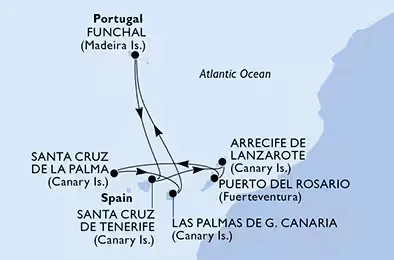
Your cruise route
1. day
Direct flight from Prague to Madeira. Arrival in Funchal, check-in, transfer to a 3* hotel, accommodation and dinner.

3. - 4. day
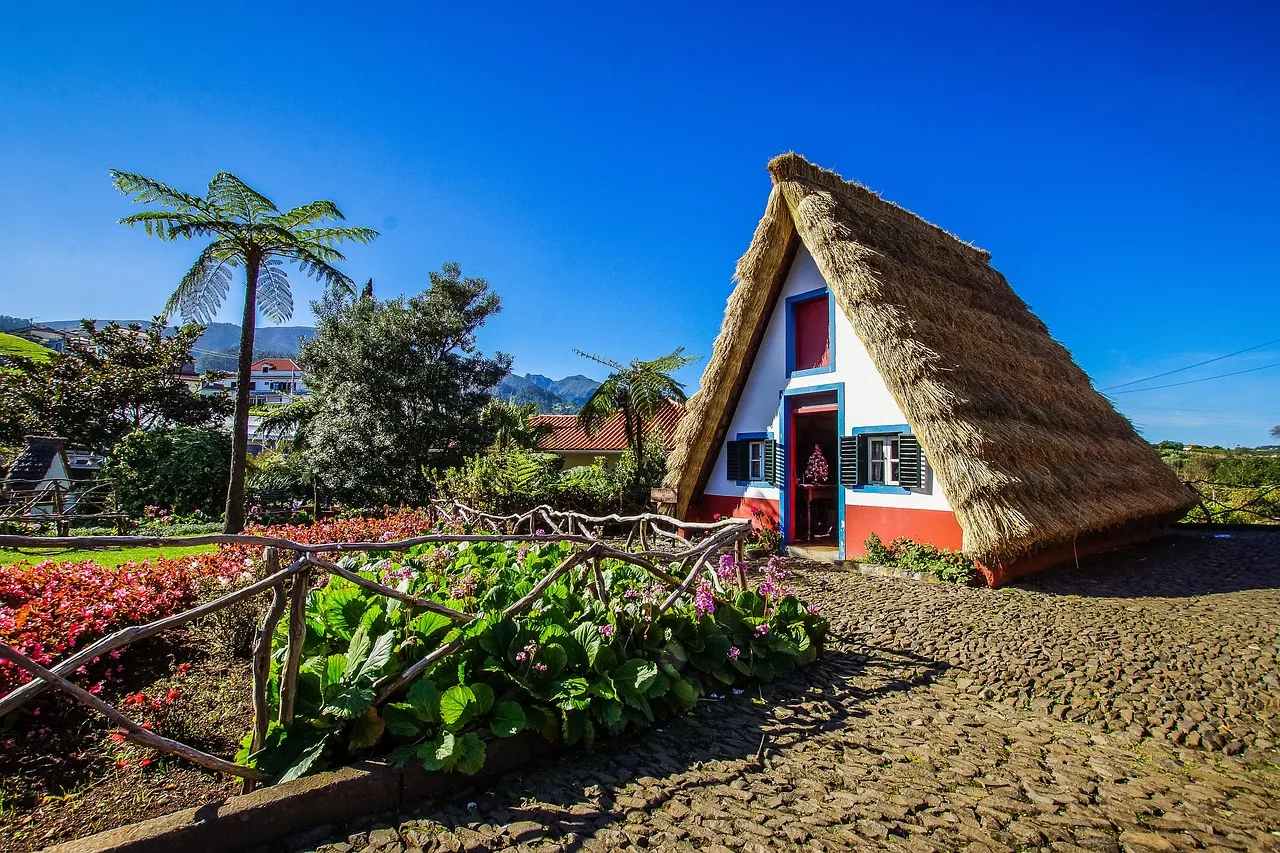
After breakfast, departure for a full-day tour of Madeira with a delegate and a local guide (included in the tour price). We will first head to the stunning viewpoints of Pico do Arieiro (1,818 m), the third highest peak on the island and the highest point accessible by vehicle. We will continue through the Ribeiro Frio forest park, with its native vegetation and typical levada channels in the heart of the original Laurissilva laurel forest, now a UNESCO World Heritage Site. We will then visit the typical farming village of Faial with lovely views of the terraced fields along the north-eastern coast and Eagle Rock (Penha D'Águia). Next, we will visit the town of Santana with its characteristic red-and-white thatched-roof cottages and the option for lunch. In the afternoon, we will cross to the southern side of the island to the Ponta de S. Lourenço promontory with magnificent views of the cliffs and the wild ocean. Our last stop will be Machico, Madeira's second most important town and also the place where Portuguese sailors first landed in the 15th century. Dinner at the hotel.


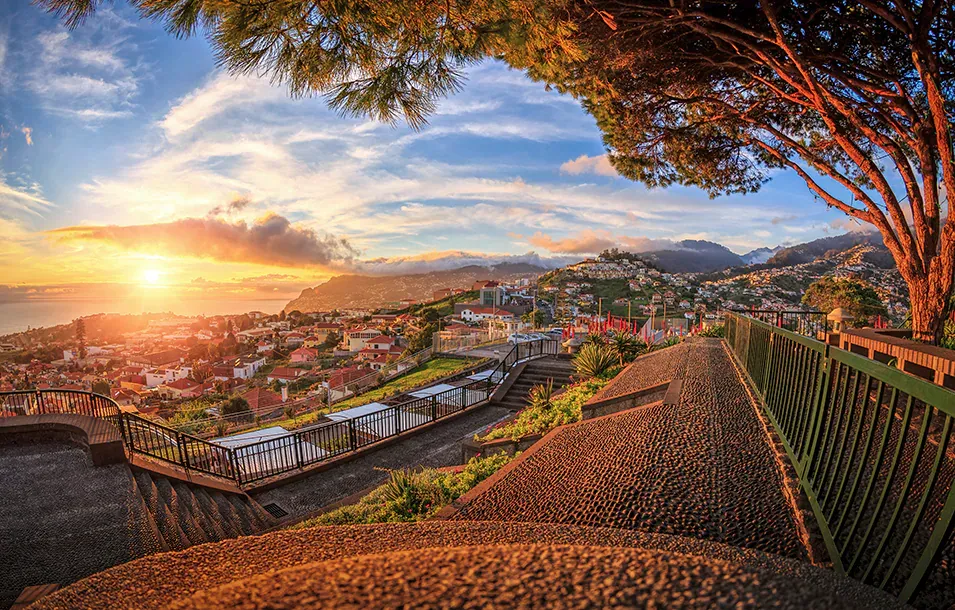
Funchal, the capital of Madeira, has a history deeply tied to Portugal's Age of Exploration. Established in 1421, shortly after Madeira's discovery in 1419 by João Gonçalves Zarco and Tristão Vaz Teixeira, the city was named after the wild fennel ("funcho") that grew abundantly in the region. During the 15th and 16th centuries, Funchal thrived as a key maritime hub, serving as a vital stopover for European ships traveling to Africa, the Americas, and Asia. The fertile volcanic soil of Madeira allowed sugarcane, known as "white gold," to flourish, driving Funchal's early wealth and making it one of Europe's first sugar trade centers. This economic boom attracted merchants, settlers, and pirates, prompting the construction of fortifications and grand religious structures such as the Sé Cathedral, completed in the late 15th century.
By the 17th century, Funchal shifted its focus to the production and global export of Madeira wine, which became a symbol of prestige in Europe and the Americas. The city gained further prominence in the 19th century as a health retreat and winter destination for European aristocracy, drawn to its mild climate and picturesque landscapes. Historical figures such as Empress Elisabeth of Austria and Winston Churchill visited Funchal, boosting its international reputation. Today, Funchal balances its rich heritage with modernity, boasting landmarks like the São Tiago Fortress and a vibrant harbor, while continuing to celebrate its legacy as a cultural and historical gem in the Atlantic.
3. day
Free day to explore the capital city of Funchal, optional group excursion to western Madeira (surcharge 2,590 CZK/person – 8 hours, lunch at extra cost).
During this excursion we will head to the area of banana plantations and from the village of Ponta do Sol we will climb towards the northern coast across the island's largest plateau, Paúl da Serra. In good weather and with clear visibility, you can enjoy views of the green Rabaçal valley, which attracts hikers to the island's pristine interior. We will make a stop at the Fanal forest park with its ancient laurel trees.
The next stop awaits us on the northern side of the island in Porto Moniz, where you can have lunch (approx. €25, not included in the tour price). This town is unique for its natural seawater pools formed in volcanic rock. You can enhance your visit with a stroll along the coastal promenade.
In the afternoon, our destination will be the fishing town of Câmara de Lobos, with the opportunity to taste the traditional drink called poncha, made from fruit juice and local sugarcane rum (tasting included). This place still retains its typical fishing atmosphere and is one of the main centres for catching the black scabbardfish (Espada preta), which you will find on every menu on the island. In 1950, even Winston Churchill, one of the island's visitors, could not resist the picturesque local bay and painted a picture here. The spot where the great statesman always set up his easel is marked with a commemorative plaque.
Funchal, the capital of Madeira, has a history deeply tied to Portugal's Age of Exploration. Established in 1421, shortly after Madeira's discovery in 1419 by João Gonçalves Zarco and Tristão Vaz Teixeira, the city was named after the wild fennel ("funcho") that grew abundantly in the region. During the 15th and 16th centuries, Funchal thrived as a key maritime hub, serving as a vital stopover for European ships traveling to Africa, the Americas, and Asia. The fertile volcanic soil of Madeira allowed sugarcane, known as "white gold," to flourish, driving Funchal's early wealth and making it one of Europe's first sugar trade centers. This economic boom attracted merchants, settlers, and pirates, prompting the construction of fortifications and grand religious structures such as the Sé Cathedral, completed in the late 15th century.
By the 17th century, Funchal shifted its focus to the production and global export of Madeira wine, which became a symbol of prestige in Europe and the Americas. The city gained further prominence in the 19th century as a health retreat and winter destination for European aristocracy, drawn to its mild climate and picturesque landscapes. Historical figures such as Empress Elisabeth of Austria and Winston Churchill visited Funchal, boosting its international reputation. Today, Funchal balances its rich heritage with modernity, boasting landmarks like the São Tiago Fortress and a vibrant harbor, while continuing to celebrate its legacy as a cultural and historical gem in the Atlantic.
5. day
Boarding the MSC ship in the morning. In the afternoon, a tour of the ship, accommodation and a safety drill before departure. Don't miss the first departure from the port. Also, don't miss the first served dinner to enjoy the superb Italian cuisine. In the evening, we will visit the ship's theatre and finish the night with a drink at the bar.
Funchal, the capital of Madeira, has a history deeply tied to Portugal's Age of Exploration. Established in 1421, shortly after Madeira's discovery in 1419 by João Gonçalves Zarco and Tristão Vaz Teixeira, the city was named after the wild fennel ("funcho") that grew abundantly in the region. During the 15th and 16th centuries, Funchal thrived as a key maritime hub, serving as a vital stopover for European ships traveling to Africa, the Americas, and Asia. The fertile volcanic soil of Madeira allowed sugarcane, known as "white gold," to flourish, driving Funchal's early wealth and making it one of Europe's first sugar trade centers. This economic boom attracted merchants, settlers, and pirates, prompting the construction of fortifications and grand religious structures such as the Sé Cathedral, completed in the late 15th century.
By the 17th century, Funchal shifted its focus to the production and global export of Madeira wine, which became a symbol of prestige in Europe and the Americas. The city gained further prominence in the 19th century as a health retreat and winter destination for European aristocracy, drawn to its mild climate and picturesque landscapes. Historical figures such as Empress Elisabeth of Austria and Winston Churchill visited Funchal, boosting its international reputation. Today, Funchal balances its rich heritage with modernity, boasting landmarks like the São Tiago Fortress and a vibrant harbor, while continuing to celebrate its legacy as a cultural and historical gem in the Atlantic.
6. day at sea
7. day
The history of the Spanish port of Arrecife de Lanzarote dates back to the 15th century. Originally a small fishing village known as El Charco, the port's strategic location made it a prime target for pirates and corsairs. Today, the port of Arrecife de Lanzarote is one of the busiest ports in the Canary Islands, serving as a key hub for trade and tourism in the region. It offers a wealth of cultural landmarks, including Castillo de San Gabriel and Charco de San Gines, a picturesque lagoon lined with whitewashed fishermen's cottages. Visitors are also drawn to the nearby Timanfaya National Park with its unique "lunar" landscape.

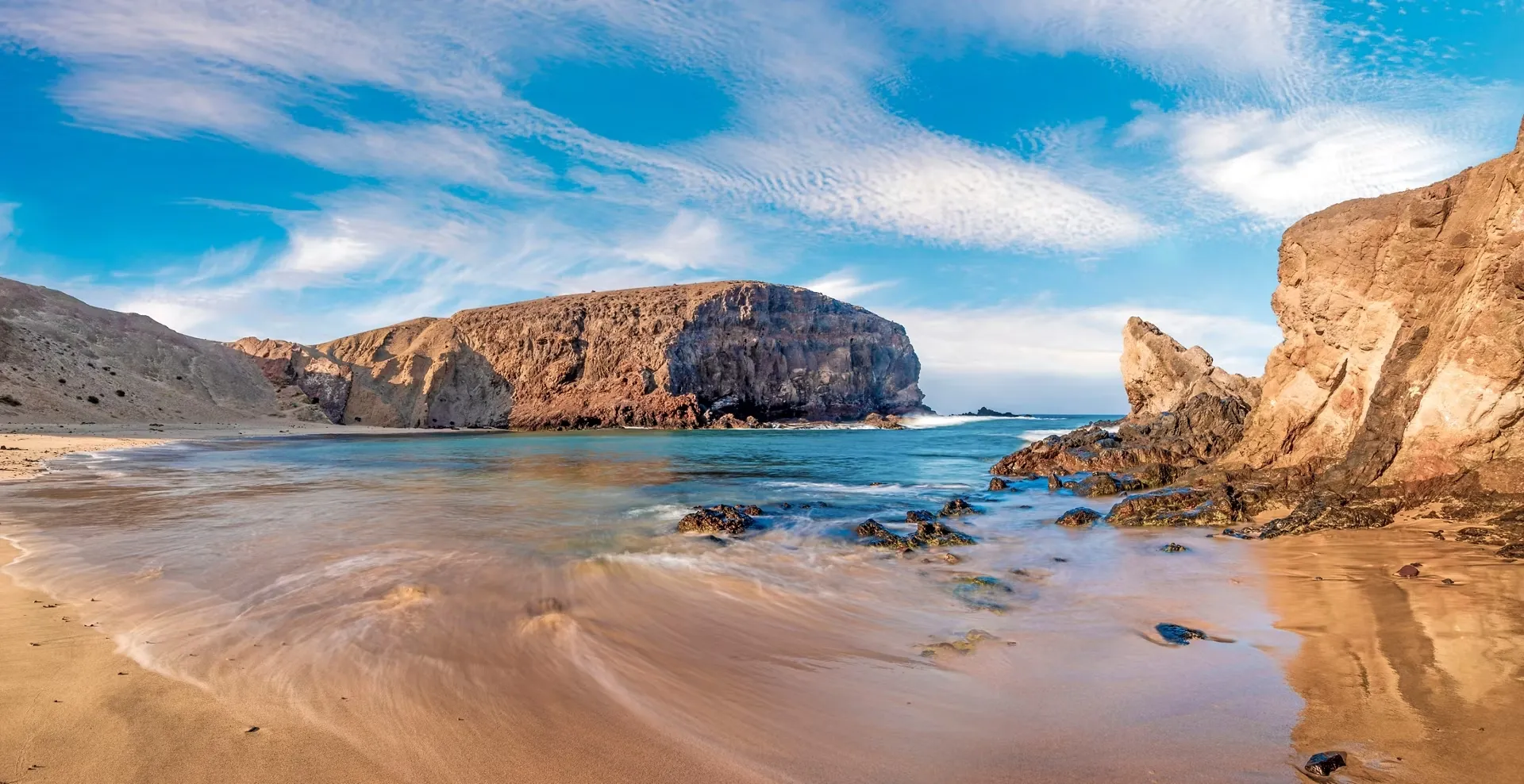

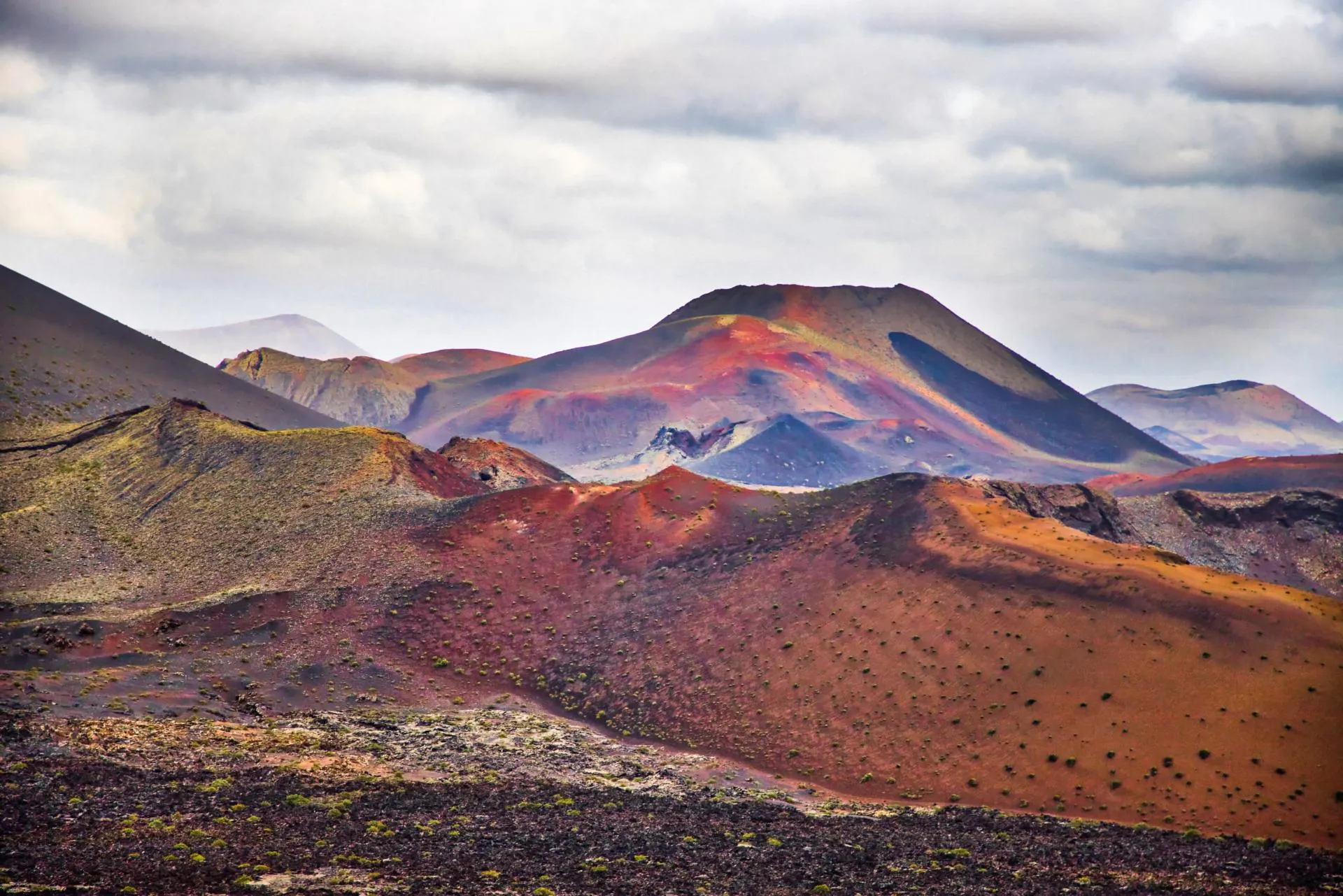


Arrecife, the capital of Lanzarote in the Canary Islands, has a history deeply connected to the sea. Originally a small fishing village, it grew in importance during the 15th century as a safe harbor for ships navigating the Atlantic. Its name, meaning "reef" in Spanish, comes from the volcanic reefs protecting its coastline. During the 16th and 17th centuries, Arrecife faced repeated pirate attacks, which led to the construction of defensive structures, such as the Castillo de San Gabriel and later the Castillo de San José, which now houses the Museum of Contemporary Art.
By the 19th century, Arrecife became the island’s capital due to its growing economic significance, replacing the inland town of Teguise. Its port facilitated trade, especially in salt and agricultural products, solidifying its role as Lanzarote’s commercial center. Today, Arrecife blends its maritime heritage with modern development, offering visitors historical landmarks, vibrant markets, and a scenic waterfront, making it the cultural and economic heart of the island.
8. day
The history of the port of Las Palmas de Gran Canaria in Spain dates back to the 15th century. Originally known as the Port of La Luz, it was founded as a key stopover for ships travelling from Europe to Africa and the Americas. Today, the city offers a blend of Spanish culture and beautiful beaches, providing visitors with unique experiences. Travellers can visit the historic Vegueta quarter, explore the natural beauty of the Canary Islands at Jardin Canario, or relax on the scenic Las Canteras beach. The city is also a popular destination thanks to its vibrant nightlife and excellent local cuisine.
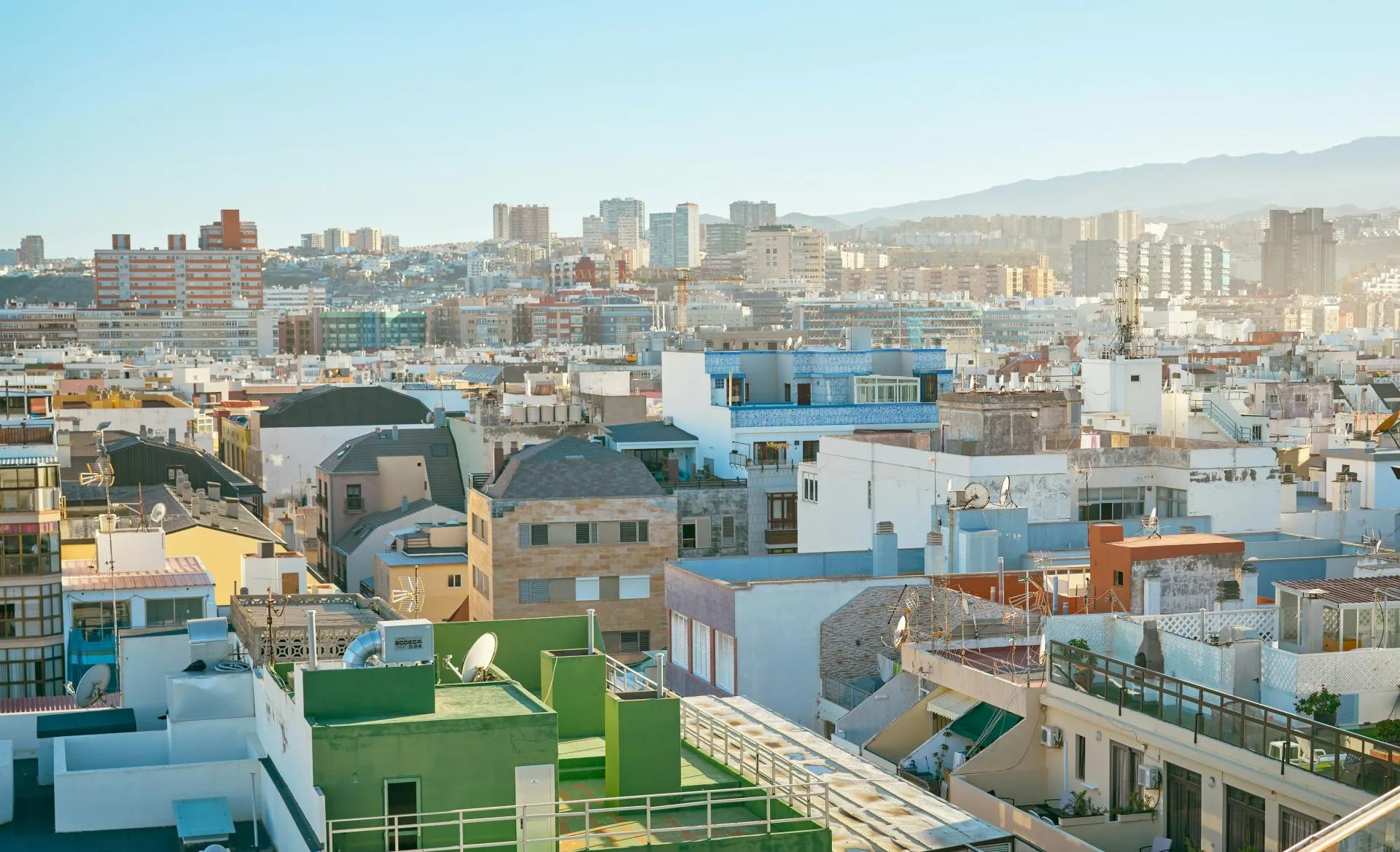
The history of the port of Las Palmas de Gran Canaria, Spain dates back to the 15th century. It was initially known as the Port of La Luz and was established as a key stopover point for ships traveling from Europe to Africa and the Americas. Over the centuries, it has played a significant role in maritime trade and navigation.
In the 19th century, the port underwent significant improvements and expansions in response to increasing trade demands. Coal bunkering became a major activity at the port, making it an important refueling station. In the 20th century, it grew further with the development of container terminals and facilities for handling bulk cargo. Today, Las Palmas de Gran Canaria is one of the busiest ports in Spain and a crucial hub in the mid-Atlantic region.
9. day
Santa Cruz de La Palma on the island of the same name has been known since the 15th century, when it served as an important trading centre between Europe and the New World. In the 16th and 17th centuries, it was frequently attacked by pirates, which led to the construction of fortifications around the historic centre. Despite these challenges, the port continued to thrive, particularly thanks to the prosperous sugar and wine industries. In addition to the historical landmarks mentioned above, it also offers excursions to the nearby Caldera de Taburiente National Park, a giant volcanic crater with forested slopes and deep ravines that are well worth a visit.
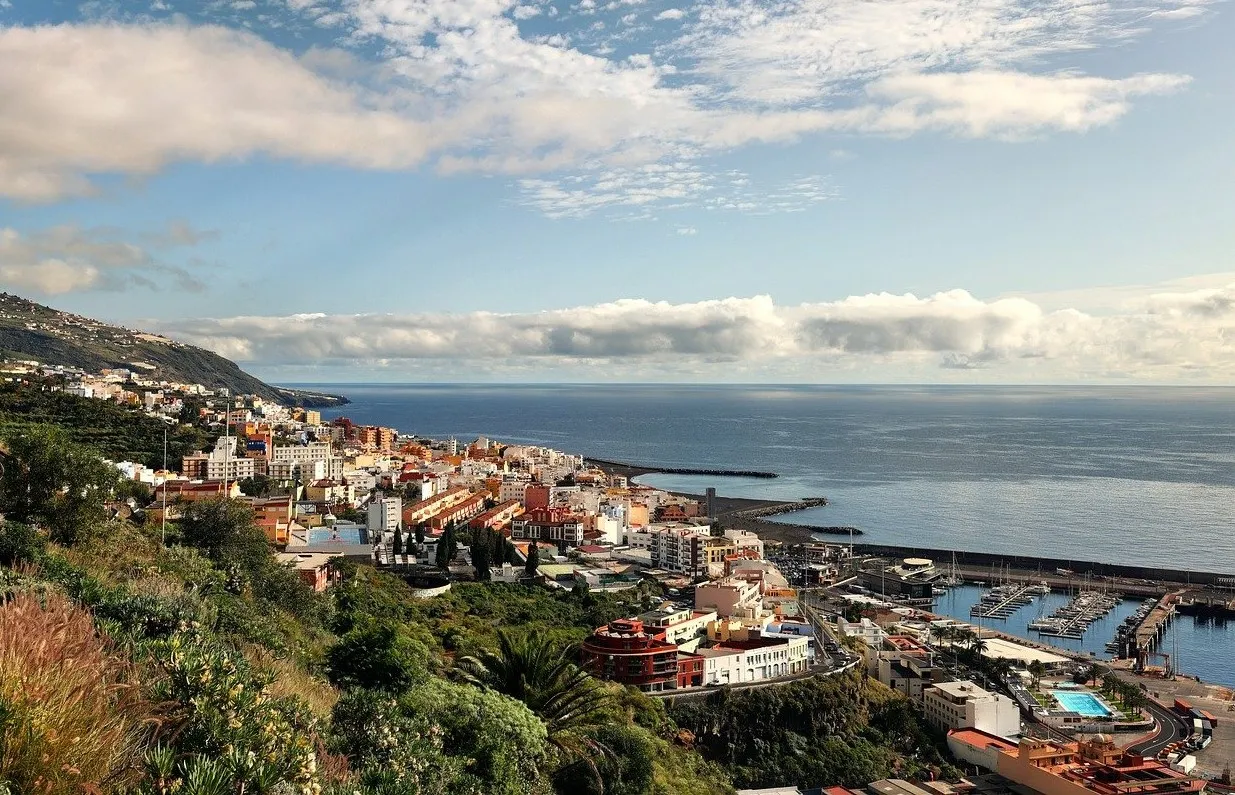
The port of Santa Cruz de La Palma, located on the eastern coast of La Palma in the Canary Islands, has a rich history dating back to the 15th century. It was established shortly after the Spanish conquest of the island in 1493, and served as a significant trading post between Europe and the New World during the Age of Discovery.
In the 16th and 17th centuries, the port of Santa Cruz de La Palma was frequently attacked by pirates and privateers, leading to the construction of various fortifications around the harbor. Despite these challenges, the port continued to flourish, largely due to the island's thriving sugar and wine industries. Today, it remains a vital part of the island's economy, serving as a hub for fishing, shipping, and tourism.
10. day
The port of Santa Cruz de Tenerife was originally used by the Spanish to transport goods and raw materials from the newly discovered Americas. Over time, it became one of the most important transatlantic maritime hubs in the world, attracting traders from across the globe. Thanks to its strategic location, it became a key link between Europe, Africa and the Americas. It offers a wealth of activities, from exploring historical landmarks and sampling local cuisine to adventurous pursuits such as snorkelling and hiking on Pico de Teide, the highest mountain in Spain.
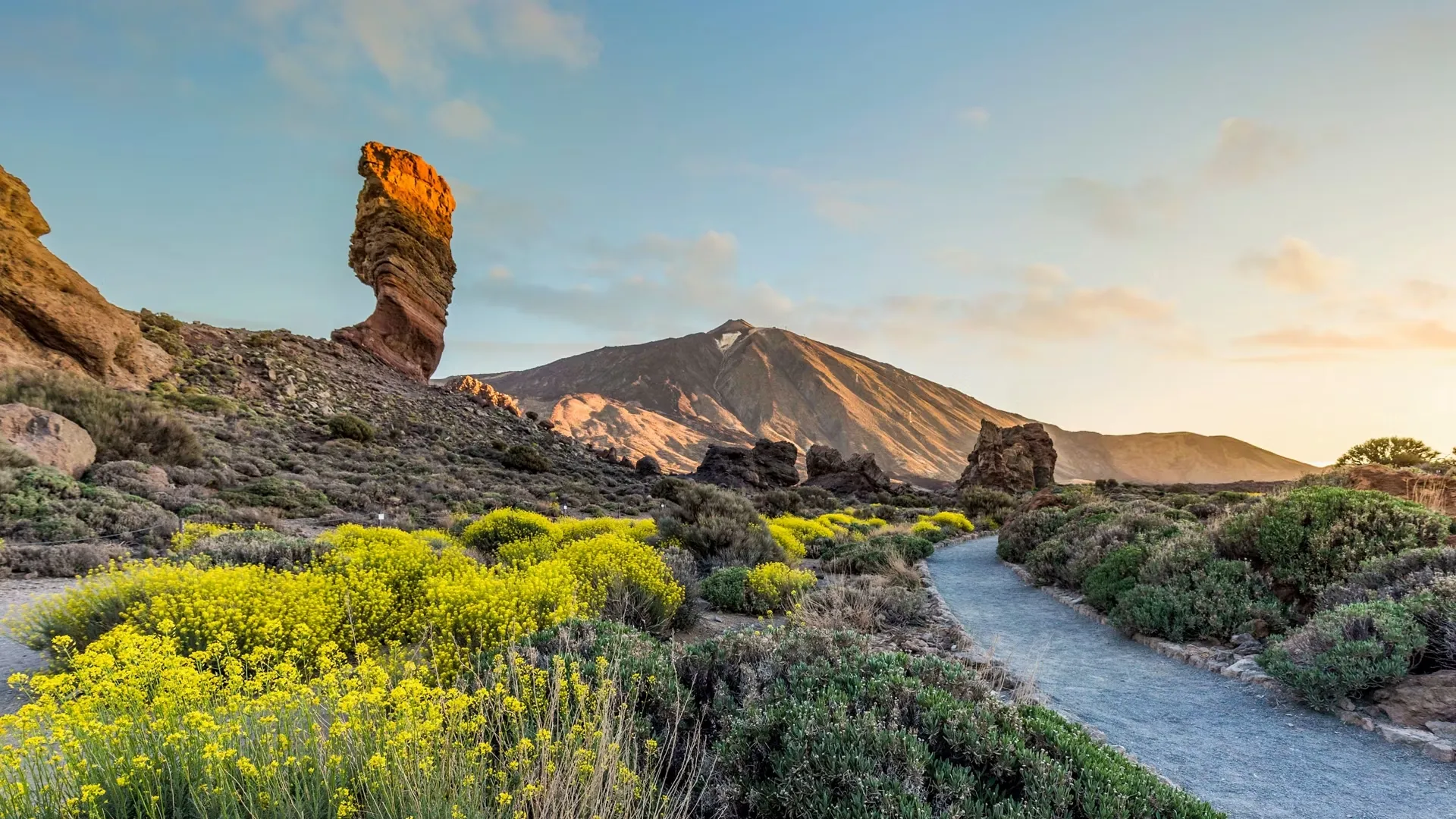
The Port of Santa Cruz de Tenerife has a rich history dating back to the 15th century. The port was initially used by the Spanish to ship goods and resources from the newly discovered Americas. Over time, it became one of the most important transatlantic shipping hubs in the world, attracting traders from across the globe. Its strategic location made it a key link between Europe, Africa, and the Americas.
In the 20th century, the port underwent a significant transformation, expanding its infrastructure and capabilities to accommodate larger vessels. The modernization of the port has enabled it to continue to play a vital role in global trade. Today, the Port of Santa Cruz de Tenerife is not only a crucial commercial and passenger port, but it is also a popular stop for cruise ships, contributing significantly to the local tourism industry.
11. day
Puerto del Rosario is a port on the eastern part of the island of Fuerteventura. It serves as the island's industrial, commercial and transport centre and is the starting point for excursions across the entire island. Visitors can explore historical landmarks, shop for local crafts and goods, or relax on beautiful beaches. For nature enthusiasts, the nearby Jandia Natural Park offers hiking and birdwatching opportunities. The town also hosts various cultural events and festivals throughout the year, giving visitors a unique insight into local traditions and customs.
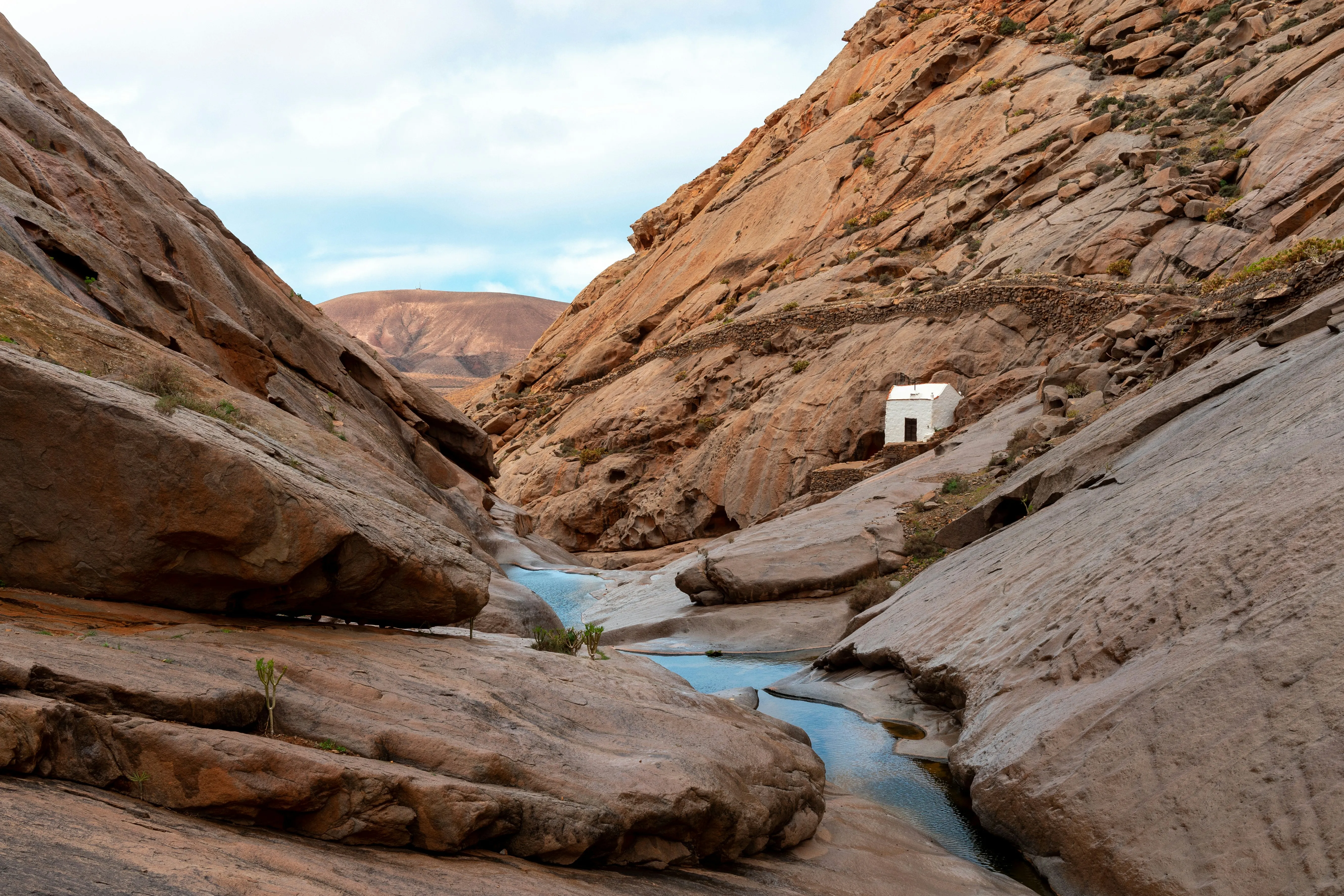
The Port of Puerto del Rosario in Spain, located on the island of Fuerteventura, has a rich history that dates back to the 19th century. The port was originally a small fishing harbor known as Puerto de Cabras (Port of Goats) and was not officially named Puerto del Rosario until 1956.
Over time, the port expanded and evolved, becoming an important hub for economic activities on the island. In the 20th century, it underwent significant improvements and expansions, including the construction of a new passenger terminal and the development of additional berthing areas. Today, the Port of Puerto del Rosario plays a crucial role in the island's tourism industry, serving as a popular destination for cruise ships from around the world.
12. day
We return to the capital of the island of Madeira, where disembarkation and a direct flight back to Prague await us.
Funchal, the capital of Madeira, has a history deeply tied to Portugal's Age of Exploration. Established in 1421, shortly after Madeira's discovery in 1419 by João Gonçalves Zarco and Tristão Vaz Teixeira, the city was named after the wild fennel ("funcho") that grew abundantly in the region. During the 15th and 16th centuries, Funchal thrived as a key maritime hub, serving as a vital stopover for European ships traveling to Africa, the Americas, and Asia. The fertile volcanic soil of Madeira allowed sugarcane, known as "white gold," to flourish, driving Funchal's early wealth and making it one of Europe's first sugar trade centers. This economic boom attracted merchants, settlers, and pirates, prompting the construction of fortifications and grand religious structures such as the Sé Cathedral, completed in the late 15th century.
By the 17th century, Funchal shifted its focus to the production and global export of Madeira wine, which became a symbol of prestige in Europe and the Americas. The city gained further prominence in the 19th century as a health retreat and winter destination for European aristocracy, drawn to its mild climate and picturesque landscapes. Historical figures such as Empress Elisabeth of Austria and Winston Churchill visited Funchal, boosting its international reputation. Today, Funchal balances its rich heritage with modernity, boasting landmarks like the São Tiago Fortress and a vibrant harbor, while continuing to celebrate its legacy as a cultural and historical gem in the Atlantic.

Tour description
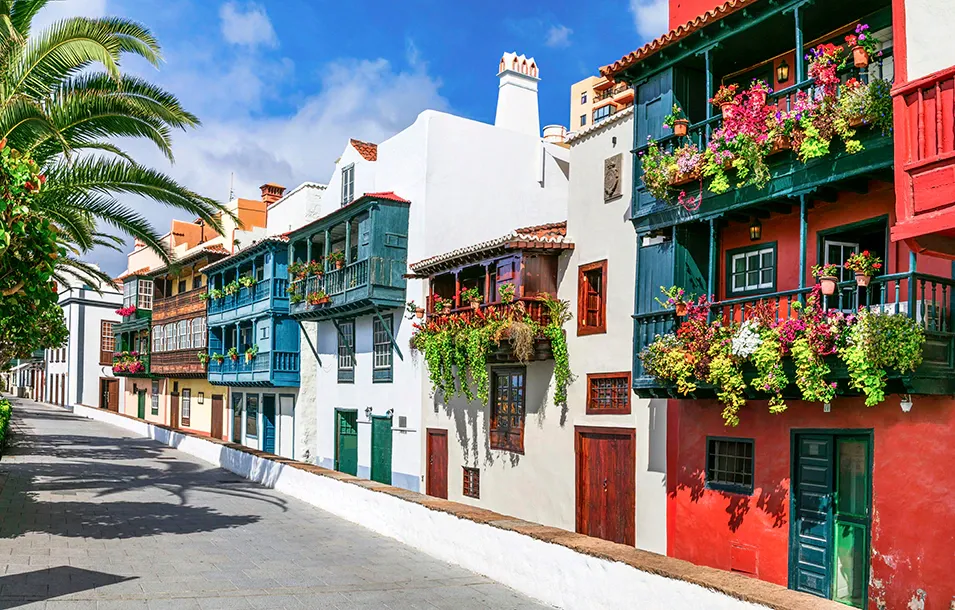
Join us on a sun-drenched cruise to the Canary Islands and Madeira with a Czech-speaking RIVIERA TOUR delegate on board MSC Fantasia. Our journey will take you into a world of volcanic landscapes, exotic vegetation and the pleasant subtropical climate of the Atlantic Ocean.
During the cruise we will visit the Portuguese island of Madeira with the port of Funchal, where a full-day island tour awaits you, exploring its stunning nature, mountain scenery and picturesque villages. We will then head to the Canary Islands – to the port of Arrecife on the volcanic island of Lanzarote, to the cosmopolitan Las Palmas de Gran Canaria, to the lush port of Santa Cruz de La Palma, to the island of Tenerife with its capital Santa Cruz de Tenerife and also to the port of Puerto del Rosario on the island of Fuerteventura. The tour includes the services of a Czech-speaking delegate who will take care of you throughout the entire cruise.

Petra Kubáčková
I am friendly, outgoing, fun and very communicative. I like teamwork and I like working in a team. I am an animal lover especially dogs and dolphins and my big dream is to see a killer whale in person. My favorite color is pink and turquoise blue. I love the sea and the sunshine which gives me positive energy. I love travelling, exploring new places, countries, cultures.
My favourite thing to do on my travels is to have direct contact with the locals and collect unforgettable experiences from my travels. I love airports, the hustle and bustle and the excitement of new adventures fills me with undying energy. I am very happy to be a part of Riviera tour because I can realize myself, learn new things, discover new places, communicate with people and accompany them on their travels and be a part of their journey to experience, which is often the fulfillment of their dreams.
And that's what I enjoy the most. My motto: S everything goes BETTER with a smile :-)




The cruise price includes
- RIVIERA TOUR delegate
- Scheduled Economy class air transport
- Airport–hotel–port–airport transfers
- Full-day tour of Madeira
- 3 nights in a hotel with breakfast and dinner
- Sightseeing cruise on the MSC ship on the given date
- Accommodation in an interior cabin, BELLA category
- Full board for the entire stay on the ship
- Drinks from vending machines in the buffet restaurant
- Port taxes, service charges and porter services
- Daily cabin cleaning
- Themed evenings according to the cruise programme
- Insolvency insurance
- Animation and entertainment programmes on board
- Theatres, swimming pools, whirlpools, pool service
- Service charges
The cruise price does not include
- Optional excursions by the cruise company at destinations
- Drinks and alcoholic beverages at bars and restaurants
- Premium services for an extra charge (saunas, massages, cinema, circus...)
- Cruise company transfers in ports
For an additional fee we offer
- Special travel and health insurance designed for sea cruises
- Higher cabin categories Fantastica, Aurea and MSC Yacht Club
- Window cabins, balcony cabins, suites and MSC Yacht Club
- Beverage packages and bundles at a pre-sale discount
- Internet packages at a pre-sale discount
- Shuttle transfer: FM–Ostrava–Olomouc–Brno (surcharge 1,390 CZK)
- Optional excursion with delegate – Arrecife de Lanzarote (surcharge approx. 4,290 CZK)
- Optional excursion with delegate – Puerto del Rosario (surcharge approx. 2,790 CZK)
- Optional excursion with delegate – Santa Cruz de la Palma (surcharge approx. 2,190 CZK)
- Prices of all excursions will be confirmed approx. 40 days before departure.
Other
- The airline will endeavour to seat clients according to their cabin accommodation; however, Economy class does not guarantee this service. If you require seats next to each other, you must choose a higher class for a surcharge. Please note that transport is provided on a scheduled flight. It is therefore not possible to change the passenger's name or cancel the flight free of charge.
The organizer of the cruise is: MSC CRUISES S.A., Avenue Eugene Pittard 40, Geneva, Switzerland. Travel agency RIVIERA TOUR and shipping company is authorized to make operational changes to the program and services provided before the trip and during the trip, if it is not possible to maintain the originally agreed program and services. In the case of trips to regions where the current security situation may require a change in the route or cruise, there is no breach of the travel contract if a deviation in the route does not exceed 50% of the originally planned cruise route. The customer acknowledges that each such deviation from the originally planned cruise route is made to maintain his safety and is included in the price of the trip. These provisions also apply to this situation and related services.
With Riviera Tour you get more:
With us, the complete price - you don't pay anything extra, everything is in the Czech language - you will receive from us printed, fully processed departure instructions containing the boarding pass, information about countries, destinations, information about services on the ship, a translated menu*. We have a 24/7 assistance service for solving crisis situations, we will help you in case of unexpected events, communication with doctors, insurance company, we will help you with accommodation, transport, you can solve all complaints through our CK and note that RIVIERA TOUR sells all cruises as a travel agency - guarantee and security for you

A gift for you with your order
With Riviera Tour you get more:
With us, the complete price - you don't pay anything extra, everything is in the Czech language - you will receive from us printed, fully processed departure instructions containing the boarding pass, information about countries, destinations, information about services on the ship, a translated menu*. We have a 24/7 assistance service for solving crisis situations, we will help you in case of unexpected events, communication with doctors, insurance company, we will help you with accommodation, transport, you can solve all complaints through our CK and note that RIVIERA TOUR sells all cruises as a travel agency - guarantee and security for you