913 - From Venice to Corfu via Montenegro
Mediterranean, 5/29/2027 – 6/7/2027

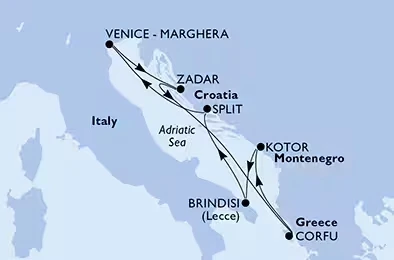



913 - From Venice to Corfu via Montenegro
Mediterranean , May 29, 2027 - June 7, 2027
Your cruise route
1. day
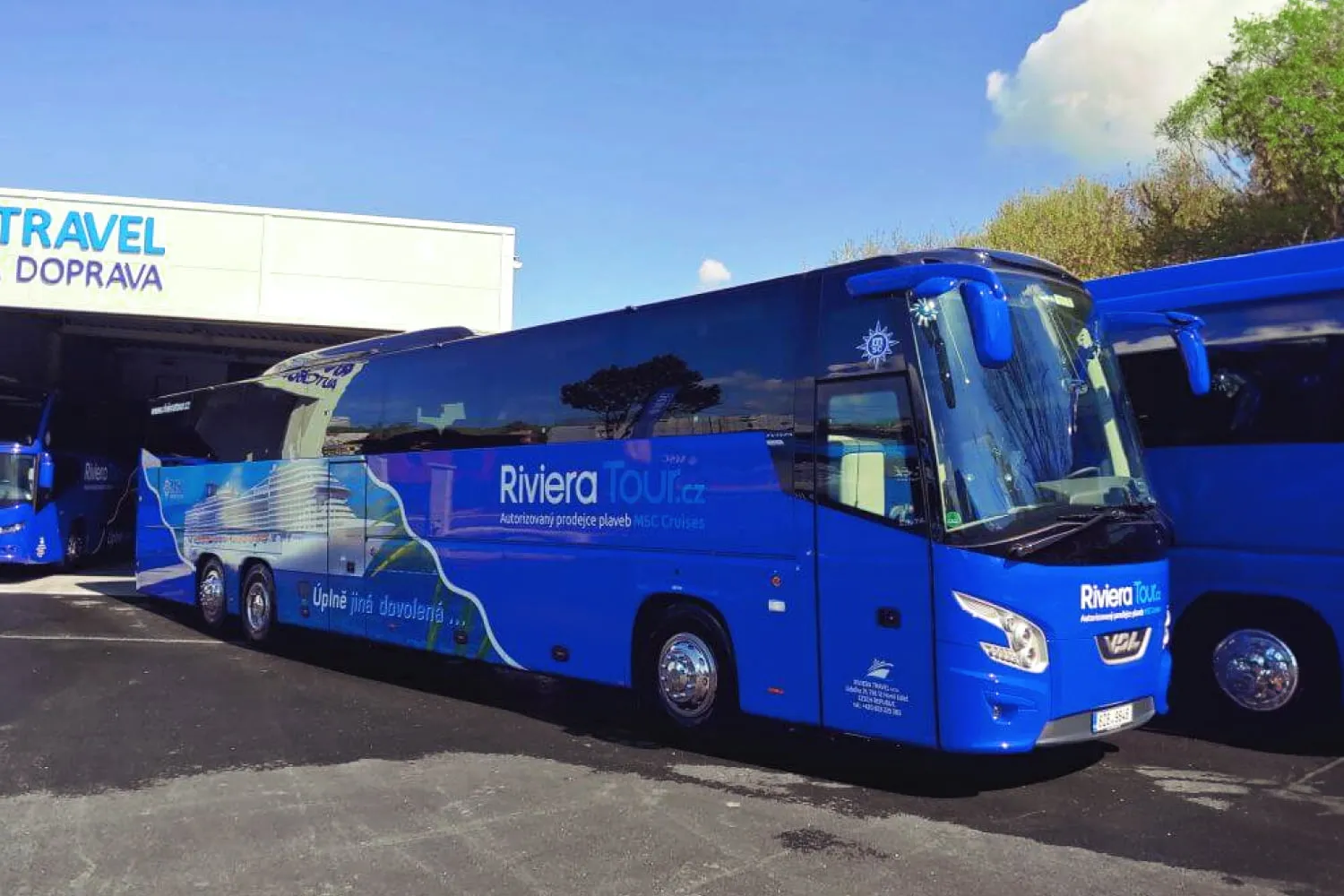
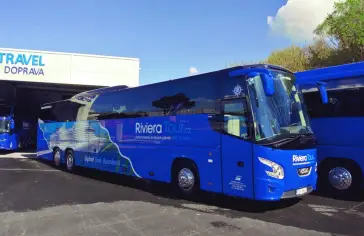
Departure by RIVIERA TOUR coach to the port. On the way, our delegate will introduce you to life on board MSC Cruises ships, organisational instructions and the tour programme. During the journey, we have a cold dinner, hot breakfast and refreshments ready for you.
Boarding points: Vsetín, Nový Jičín, Frýdek-Místek, Ostrava, Hranice, Olomouc, Prostějov, Vyškov, Brno, Bratislava. Feeder transfer (surcharge 990 CZK): Praha, Humpolec, Jihlava, Velké Meziříčí.
3. day
Upon arrival in Venice, we offer you an optional excursion by vaporetto to St. Mark's Square (surcharge approx. 990 CZK). Depending on the current situation, you can take a walk with the delegate to Ponte Rialto or enjoy free time. Clients who do not join the excursion can have a coffee at the port or check in on the ship independently.
After returning from the excursion, check-in on the ship follows. In the afternoon, a tour of the ship, accommodation and a safety drill before departure. Don't miss the first departure from the port. Also, don't miss the first served dinner to enjoy the superb Italian cuisine. After dinner, we will visit the ship's theatre and finish the evening with a drink at the bar.
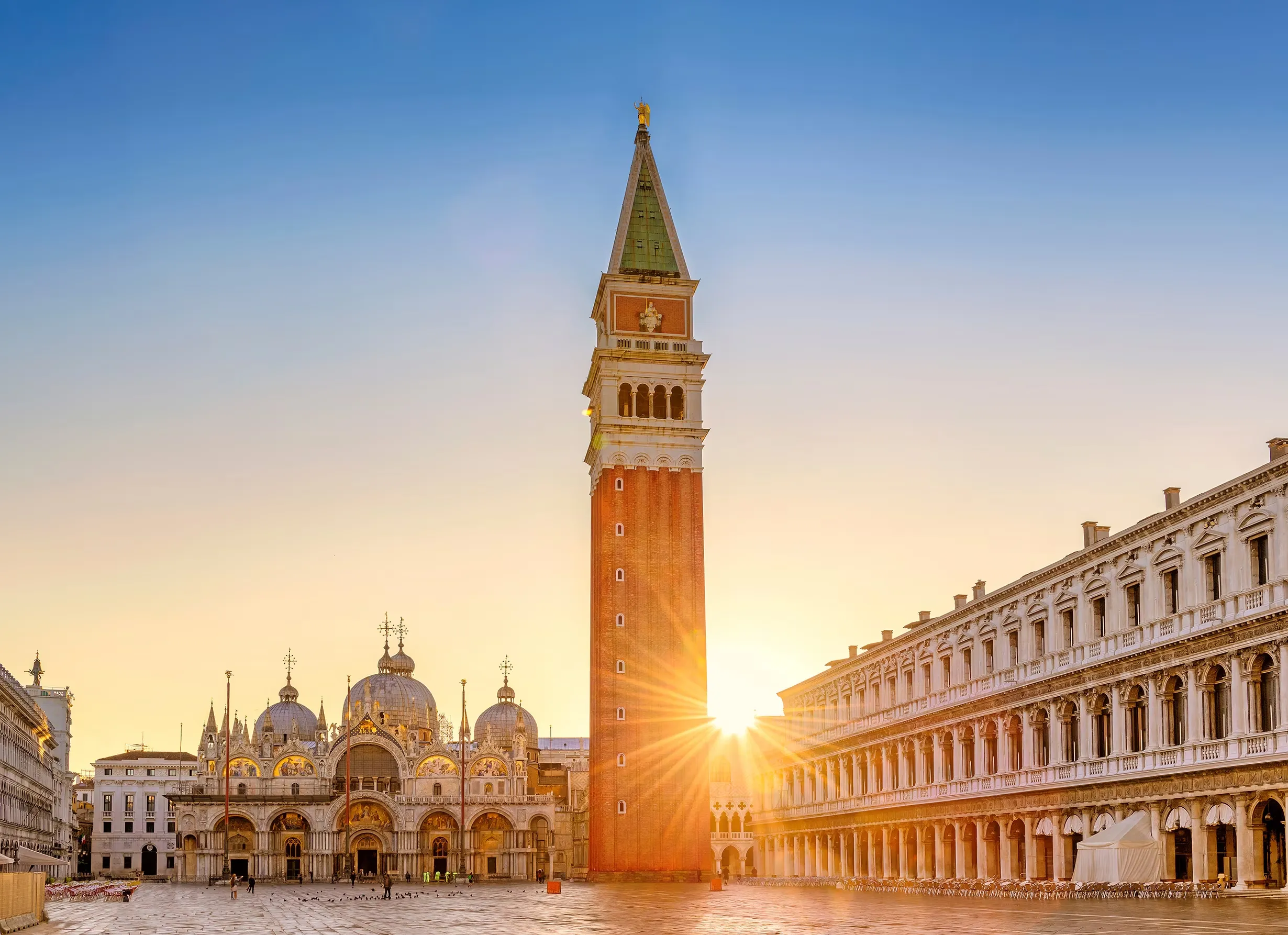
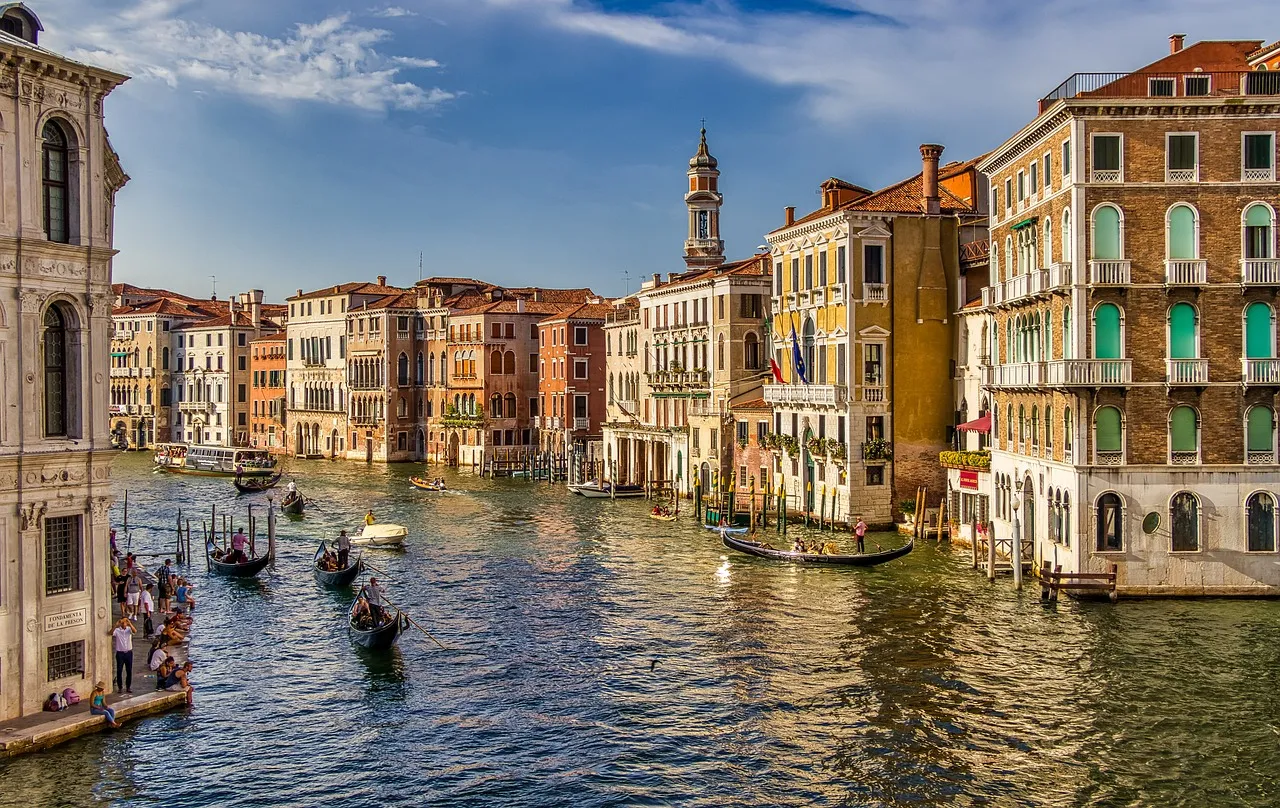
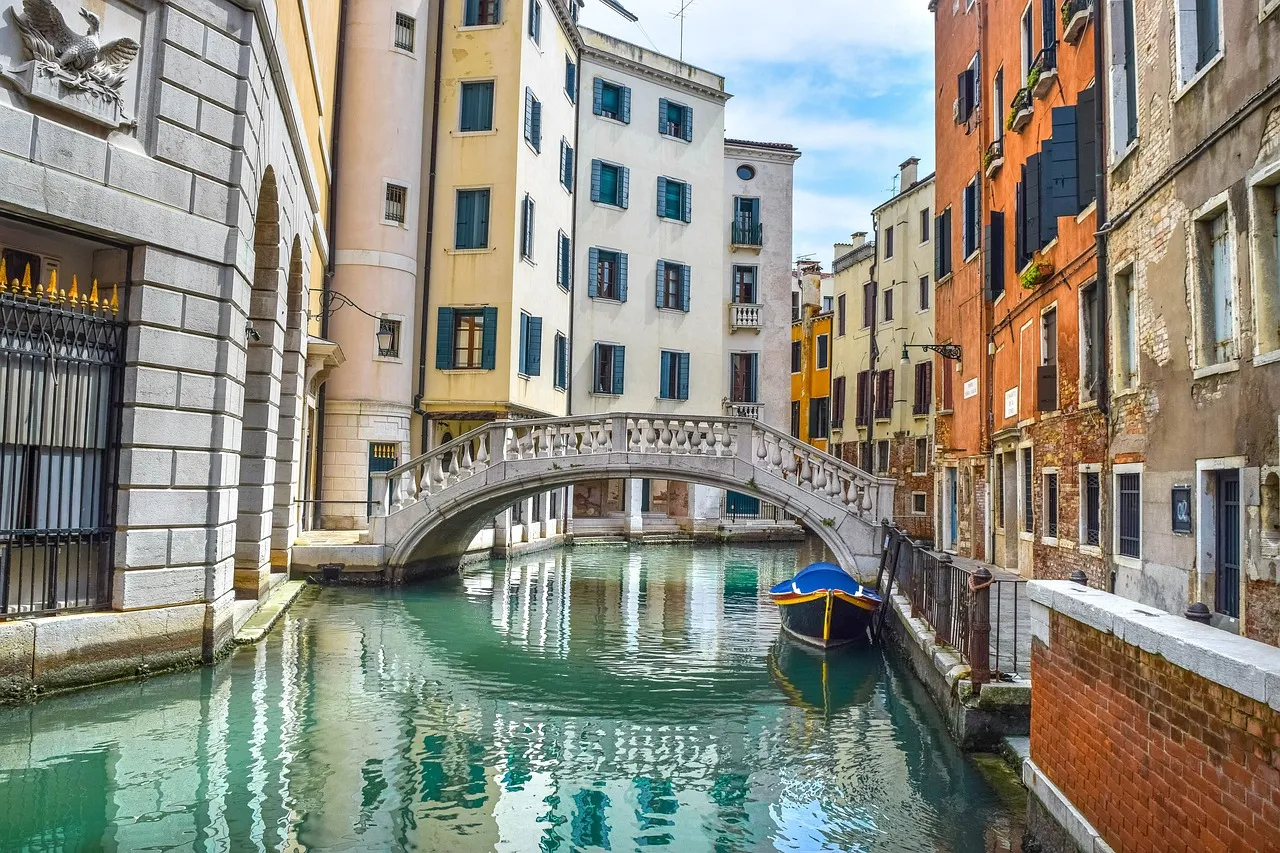
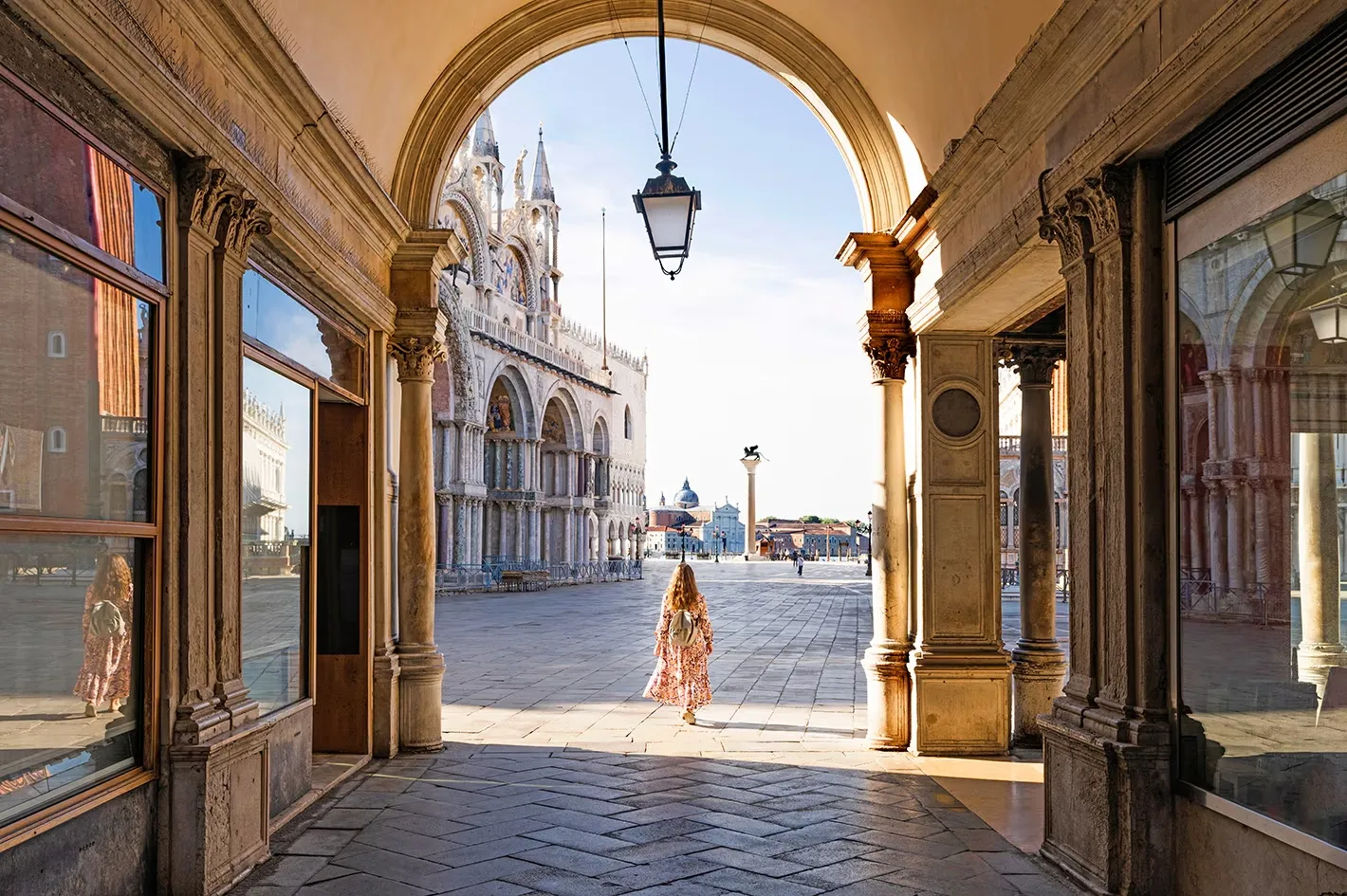
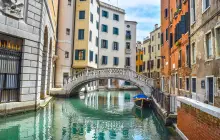
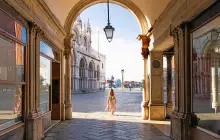
Venice, located in northeastern Italy, is a city renowned for its canals and unique history. It was founded around the 5th century CE by refugees fleeing invasions of the Italian mainland after the fall of the Western Roman Empire. Built on a series of small islands in the Venetian Lagoon, Venice became a powerful maritime republic by the Middle Ages, controlling trade routes between Europe and the East. Its wealth and influence grew through commerce in goods like spices, silk, and salt, making it one of the most prosperous cities during the Renaissance. Iconic landmarks such as St. Mark’s Basilica and the Doge’s Palace reflect this golden age.
By the 18th century, Venice's power declined as other European powers emerged, and it fell under the rule of the Austrian Empire and later Napoleonic France before becoming part of unified Italy in 1866. Today, Venice is a UNESCO World Heritage Site celebrated for its artistic heritage, architecture, and enduring charm. Known as the “Floating City,” it attracts millions of visitors annually, though it faces challenges such as rising sea levels and tourism. Venice remains a symbol of resilience, blending its rich history with modern efforts to preserve its cultural and environmental legacy.
Update on Venice entrance fee.
4. day at sea
5. day
Dubrovnik is a Croatian port city located in the south of Dalmatia. It is one of the most important tourist centres on the Adriatic coast and is often referred to as the "Pearl of the Adriatic". The city of Dubrovnik has always prospered from maritime trade. In the Middle Ages, it was the centre of the Republic of Ragusa, a maritime republic that rivalled similar city-states on the Adriatic coast. Dubrovnik is an exclave of Croatia, separated from the rest of the country by a narrow strip of coastline belonging to Bosnia and Herzegovina. In Dubrovnik, you will certainly be captivated by the city fortifications – walls that were built in various periods from the 13th to the 17th century. Their total length is 1,940 m and their height reaches up to 25 m. They are complemented by towers and smaller fortresses. MSC Cruises transfer from the port to the city centre is required (price approx. €15).

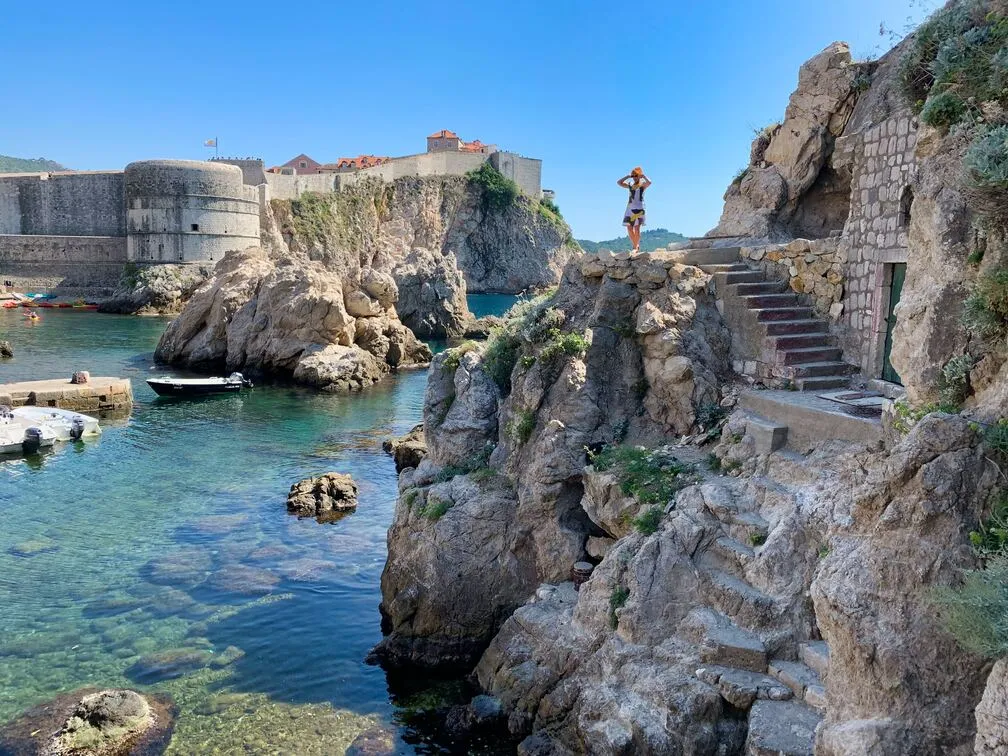
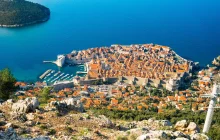
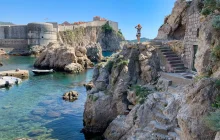

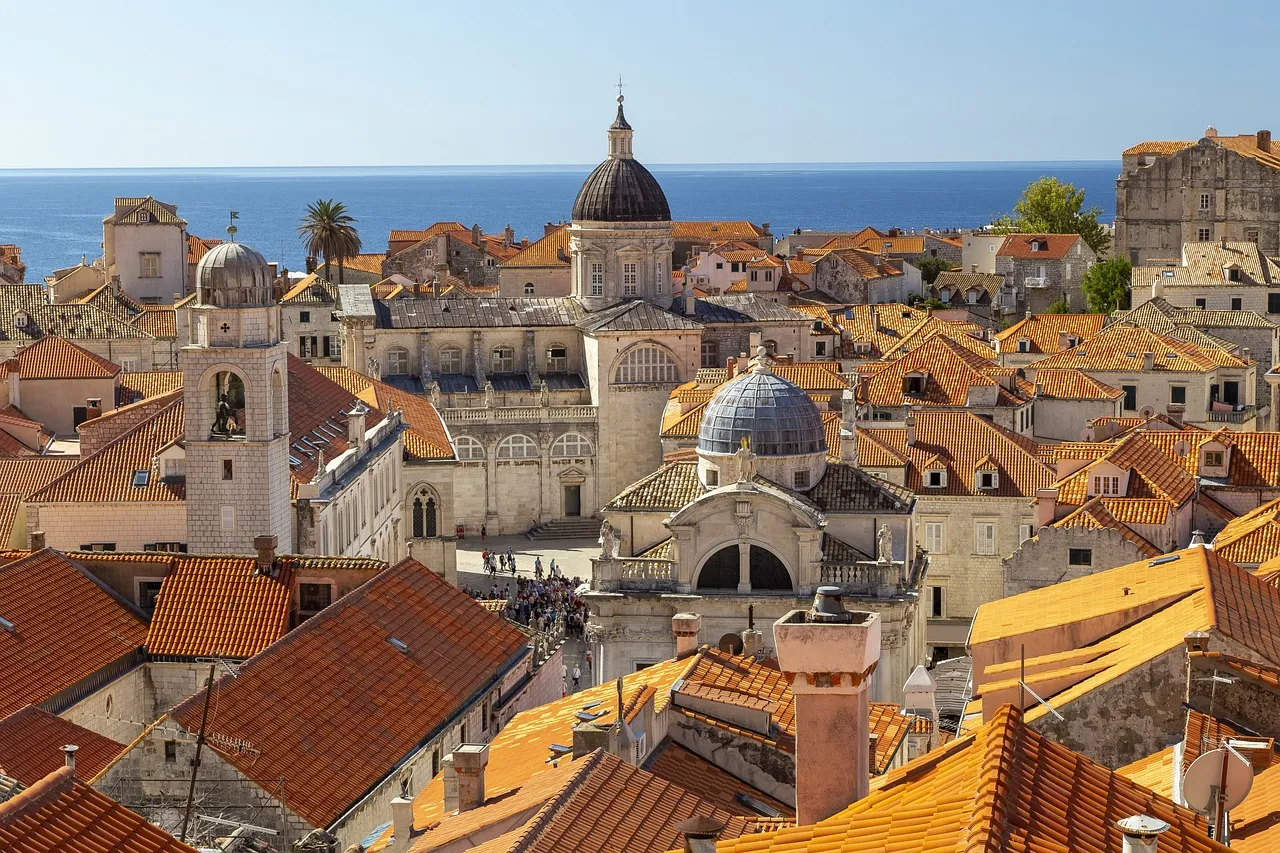
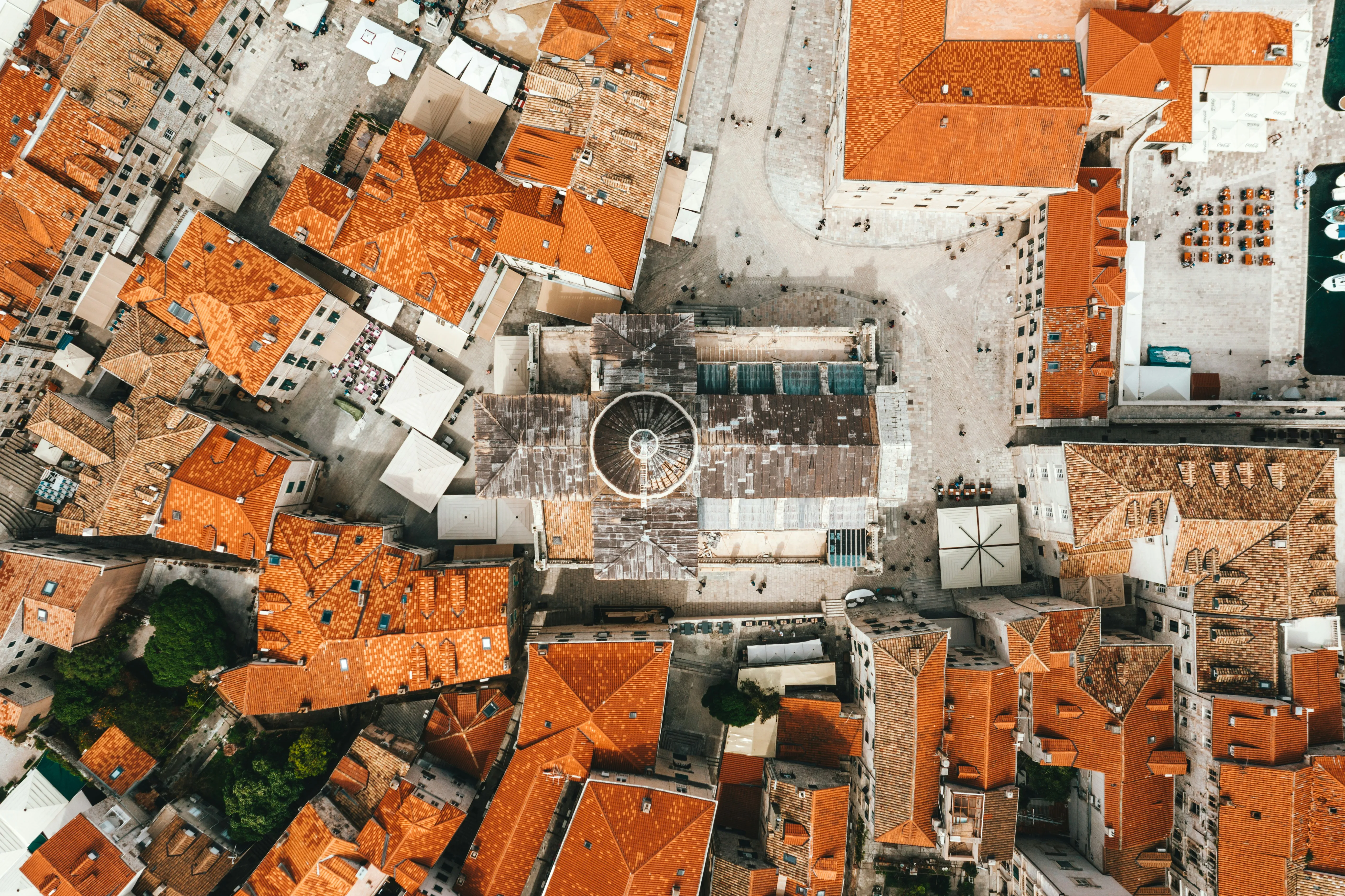
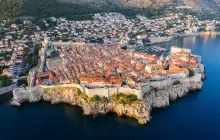
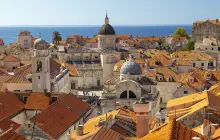
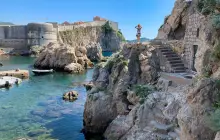
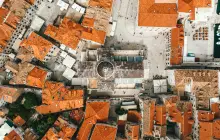
The history of Dubrovnik, a coastal city in modern-day Croatia, dates back to the 7th century, when it was founded by refugees fleeing the collapse of the Roman city of Epidaurum (modern-day Cavtat). Initially known as Ragusa, the city grew on a rocky island connected to the mainland by marshlands. By the Middle Ages, Dubrovnik became a prominent maritime power, rivaling other city-states such as Venice. Its strategic location on the Adriatic Sea allowed it to flourish as a hub of trade between the Mediterranean and the Balkans, fostering prosperity and cultural growth.
Under the protection of the Byzantine Empire, and later the Venetian Republic, Dubrovnik managed to maintain a high degree of autonomy. By the 15th and 16th centuries, the Republic of Ragusa reached its peak, known for its advanced diplomacy, skilled sailors, and progressive governance. However, the city's decline began after a devastating earthquake in 1667 and the rise of larger powers in the region. Eventually, Dubrovnik lost its independence in 1808 under Napoleonic rule. Today, Dubrovnik, often called the “Pearl of the Adriatic,” is a UNESCO World Heritage Site, celebrated for its well-preserved medieval walls, historic architecture, and its enduring legacy as a center of trade, culture, and diplomacy.
6. day
On the island of Corfu lies the capital city of the same name, often also called Kerkyra. The most visited part of the city is the historic centre, known as "Corfu Old Town". The monumental Esplanade promenade beautifully contrasts with the surrounding narrow streets and is lined with a number of interesting buildings. Behind this promenade is the city centre, covering an area of 0.5 × 0.5 km. At the opposite end of the square, there is a cliff dropping into the Ionian Sea, on which the Venetian fortress Palaio Frourio – the Old Fortress – was built in the past. MSC Cruises transfer from the port to the city centre is required (price approx. €9).
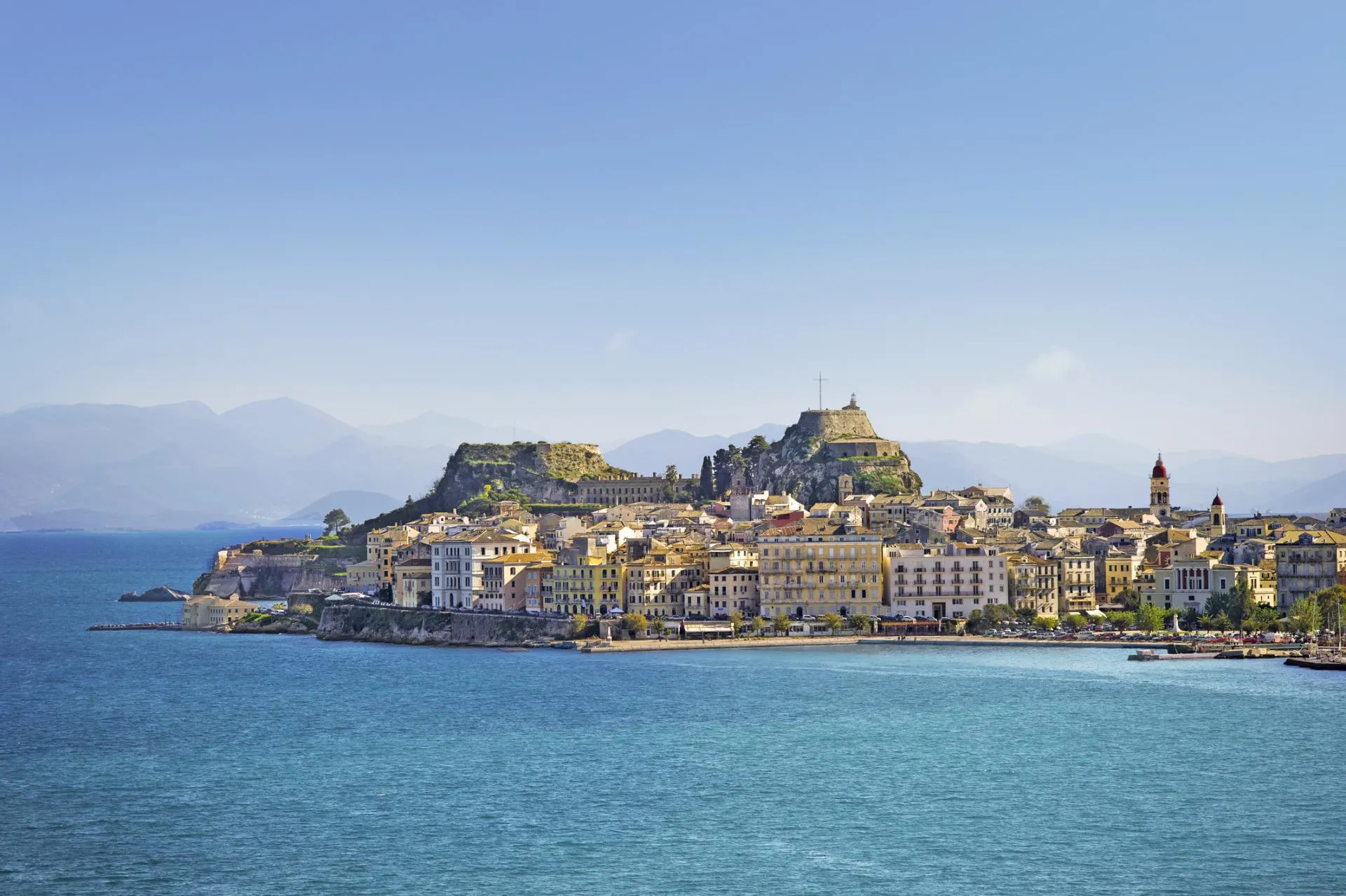
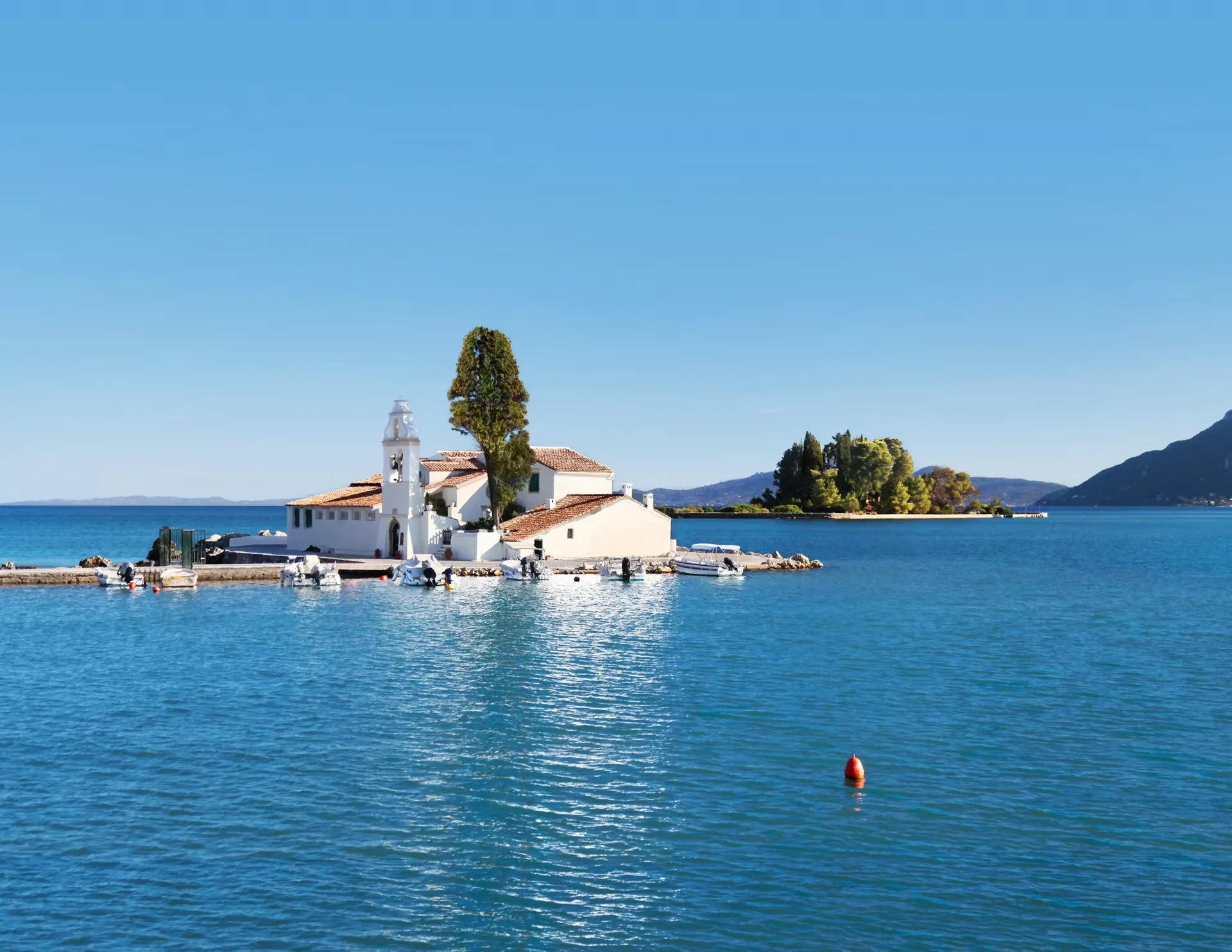
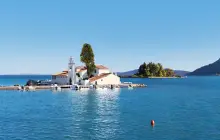
The port of Corfu, also known as Kerkira, has a rich and varied history that dates back to ancient times. It has been a pivotal maritime hub in the Mediterranean due to its strategic location, serving as a gateway between the east and the west. The port has been under the rule of various powers including the Byzantine Empire, the Venetians, the French, and the British.
During the Venetian rule (1386–1797), the port of Corfu was significantly fortified and its infrastructure was greatly enhanced. The Old Fortress, one of the most notable landmarks in Corfu, was built around the port during this period. In the 19th century, under British rule, the port was further developed and modernized. Today, the port of Corfu continues to be a major hub for trade, tourism, and transportation in the Ionian Sea.
7. day
In the morning, we will sail through the Bay of Kotor, one of the most beautiful bays in southern Europe. The sailing alone is worth the trip. Just imagine: you are sitting on the deck of the ship, your favourite drink in hand, enjoying the surrounding nature almost within arm's reach. Then we will arrive at the beautiful historic town of Kotor, where we highly recommend climbing the local fortification walls, from which there are incredibly beautiful views not only of the town but of the entire bay.

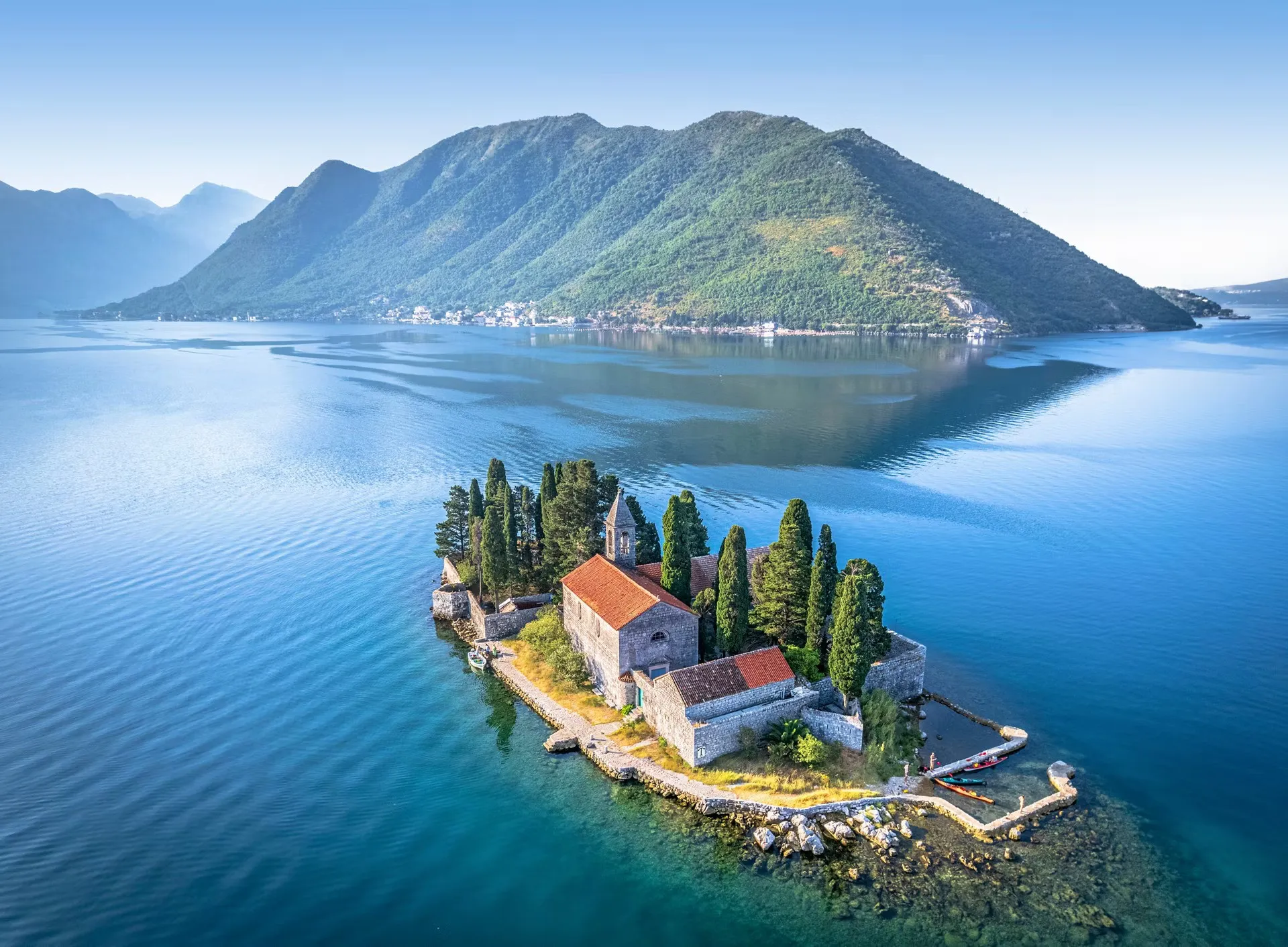
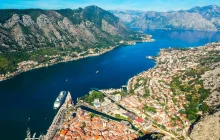
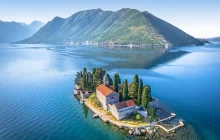
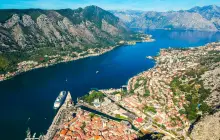
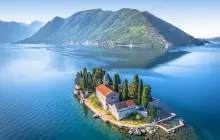
The history of the port of Kotor in Montenegro is rich and vast, dating back to ancient times. It was an important commercial and artistic center during the Middle Ages, with its own famous school of masonry which contributed to the distinct architecture of the city.
Throughout its history, Kotor has been under the rule of various forces including the Byzantine Empire, the Serbian state, and the Venetian Republic. Under Venetian rule, it became a significant maritime power. The intricate fortifications, a 4.5 km long city wall built by the Venetians, are a testament to its historical importance and are a UNESCO World Heritage site today.
8. day
Brindisi is a coastal city in southern Italy on the Adriatic Sea in the Apulia region. It has a permanent population of over 89,000. Thanks to its advantageous position on the Apennine Peninsula and its large natural harbour, the city has always played a very important role in trade, as well as in the transfer of culture and learning. To this day, Brindisi remains the main port for trade with Greece and the Middle East. The city has a very rich history dating back to antiquity. Legend has it that it was founded by the mythical hero Diomedes. In the Middle Ages, the city was mostly part of smaller principalities and duchies. It played an important role in the Crusades. Today's Brindisi is a very beautiful and photogenic city. The historic centre is surrounded by two long inlets that serve as a natural harbour.

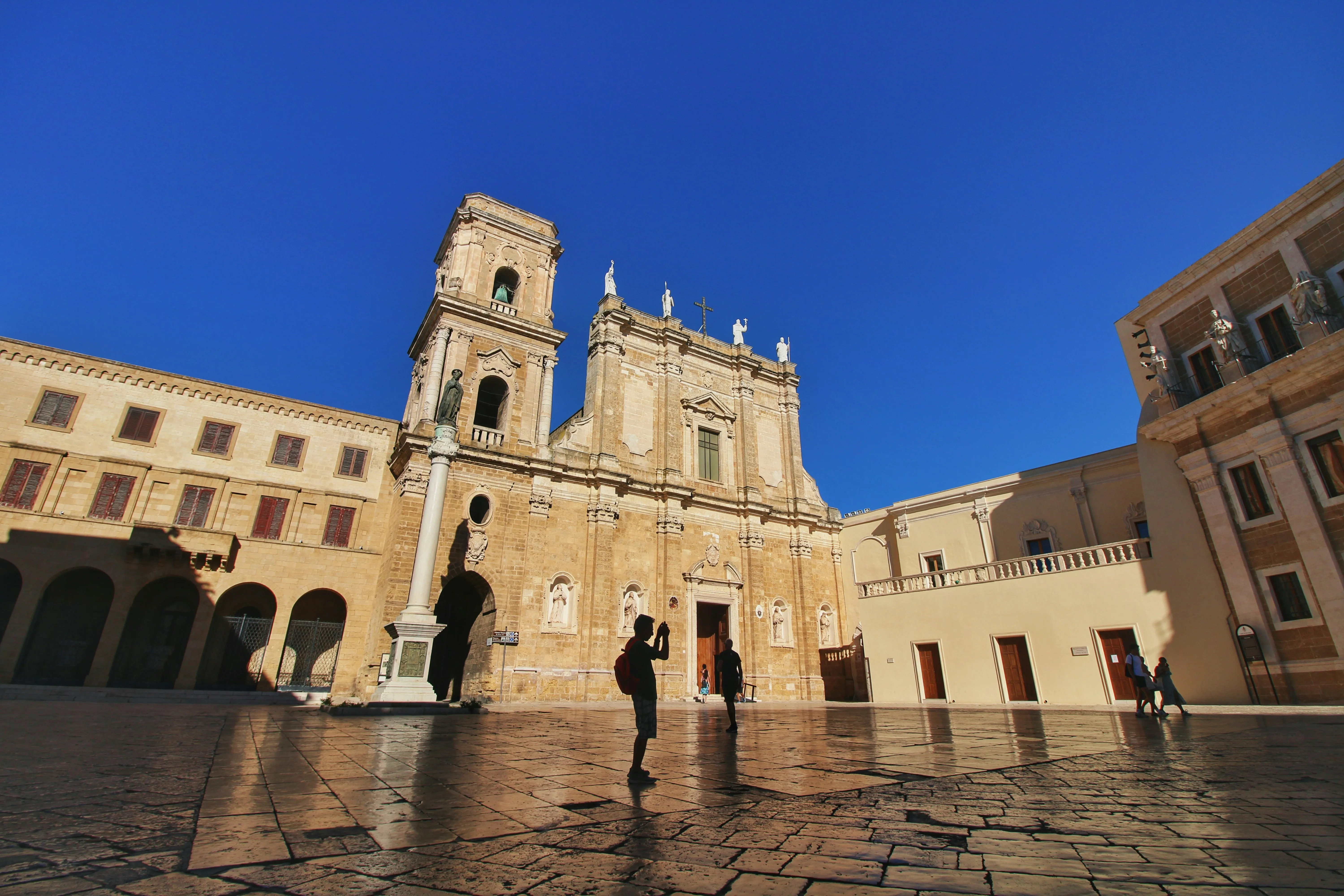
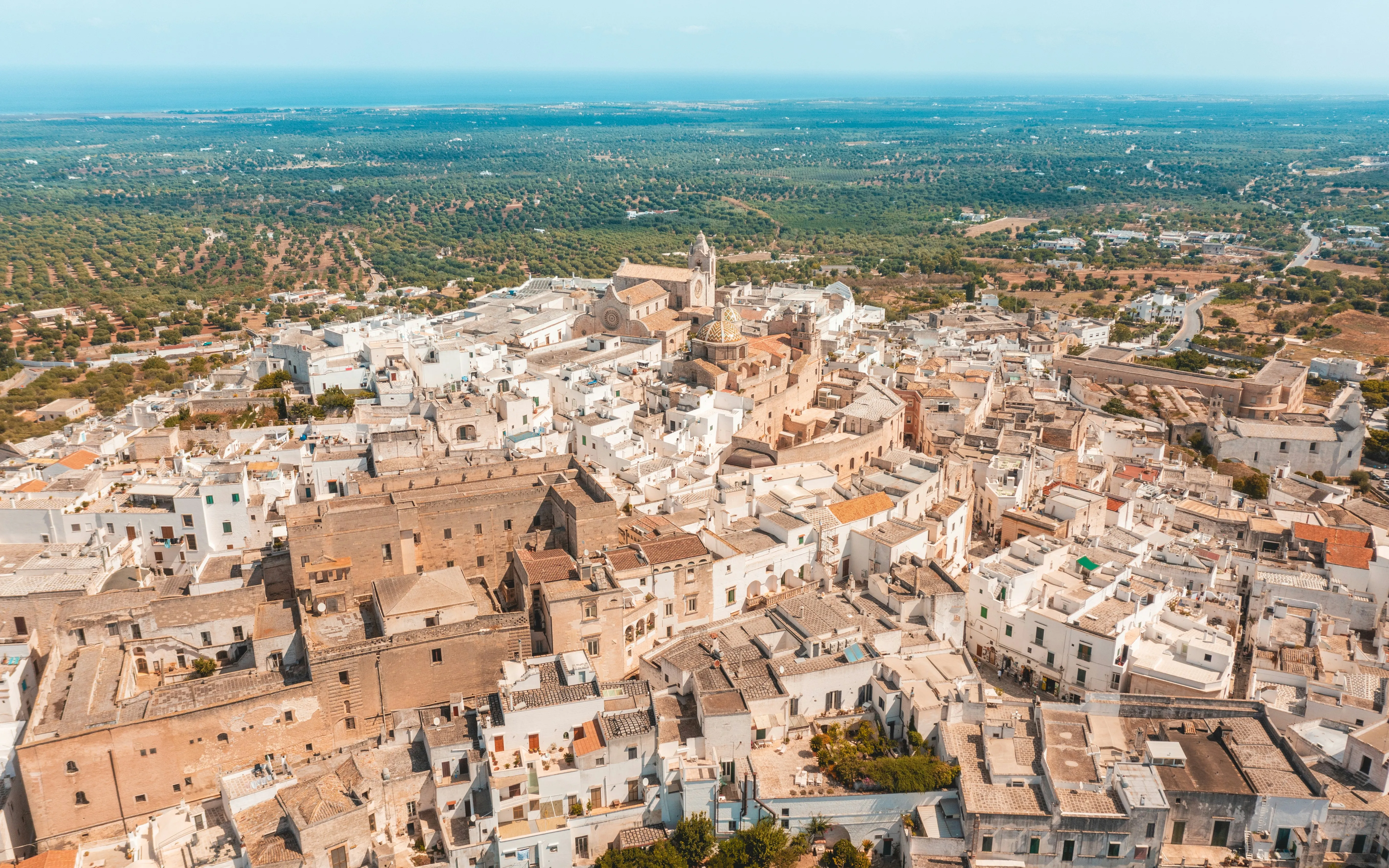
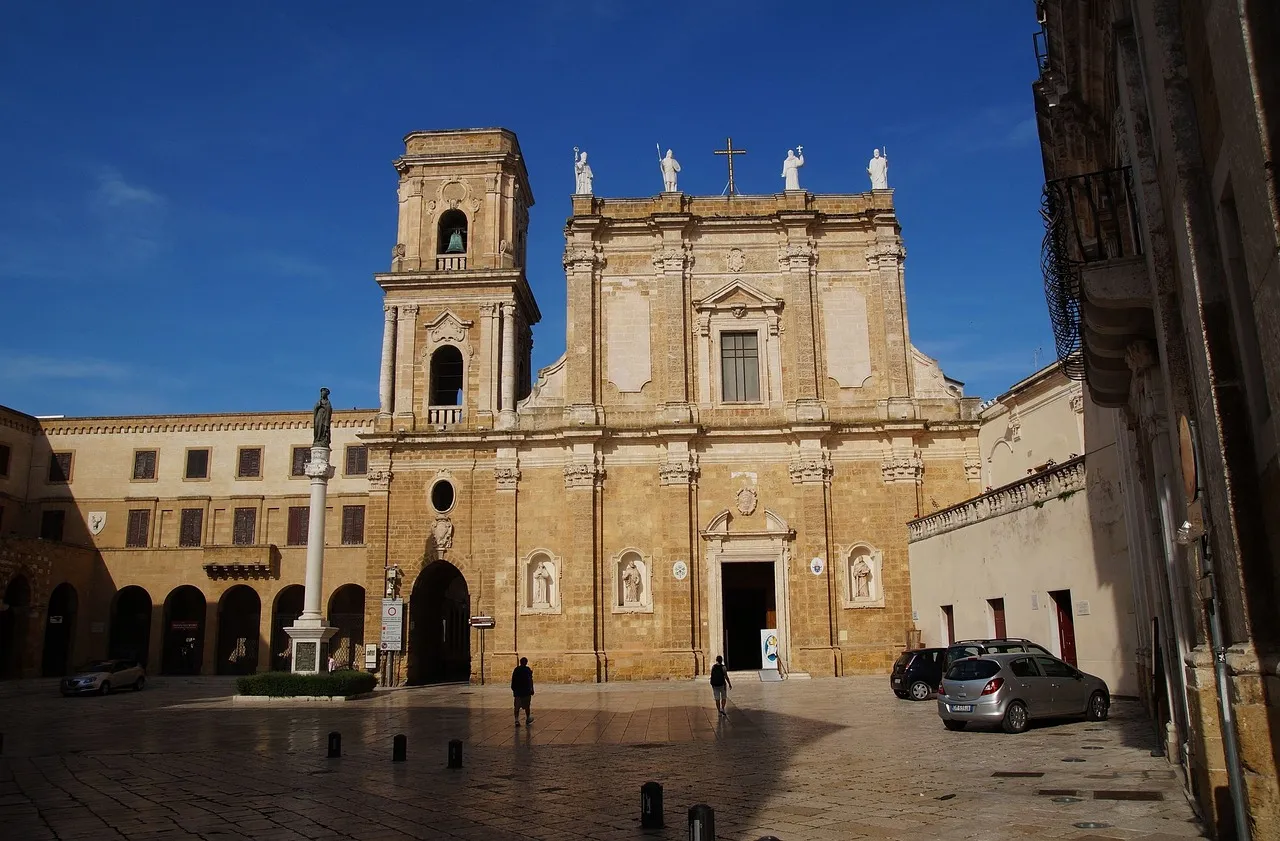
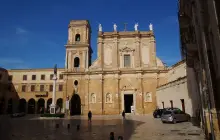
Brindisi, a historic port city in the Apulia (Puglia) region of southern Italy, has been a vital maritime hub since ancient times. Its name originates from the Messapian word "Brentesion," meaning "deer head," due to the shape of its natural harbor. During the Roman Empire, Brindisi flourished as a key gateway to the East, serving as the western terminus of the Via Appia, the famous Roman road connecting the city to Rome. The port was instrumental in trade and military expeditions to Greece and the Eastern Mediterranean, solidifying Brindisi's strategic importance in antiquity.
In the Middle Ages, Brindisi was contested by various powers, including the Byzantines, Normans, and Swabians, each leaving their mark on the city. The Cathedral of Brindisi and the Aragonese Castle are prominent reminders of its medieval heritage. During the 19th and 20th centuries, Brindisi regained significance as a naval and commercial port. Today, the city is celebrated for its historical landmarks, such as the Roman Columns marking the end of the Via Appia, and its modern role as a connection point to Greece and the Balkans, blending ancient legacy with contemporary relevance.
9. day
This Croatian resort is known to almost everyone. With our delegate, you will set out to explore the heart of Croatia's second-largest city – Diocletian's Palace (UNESCO), the Cathedral of St. Domnius, the Peristyle and the maze of stone alleyways that seamlessly transition into lively cafés and shops, while the nearby Riva promenade, the harbour and the surrounding beaches complete the typical Mediterranean atmosphere of the city. You will have plenty of time for personal leisure, as in Split almost everyone can communicate easily without needing to know foreign languages.
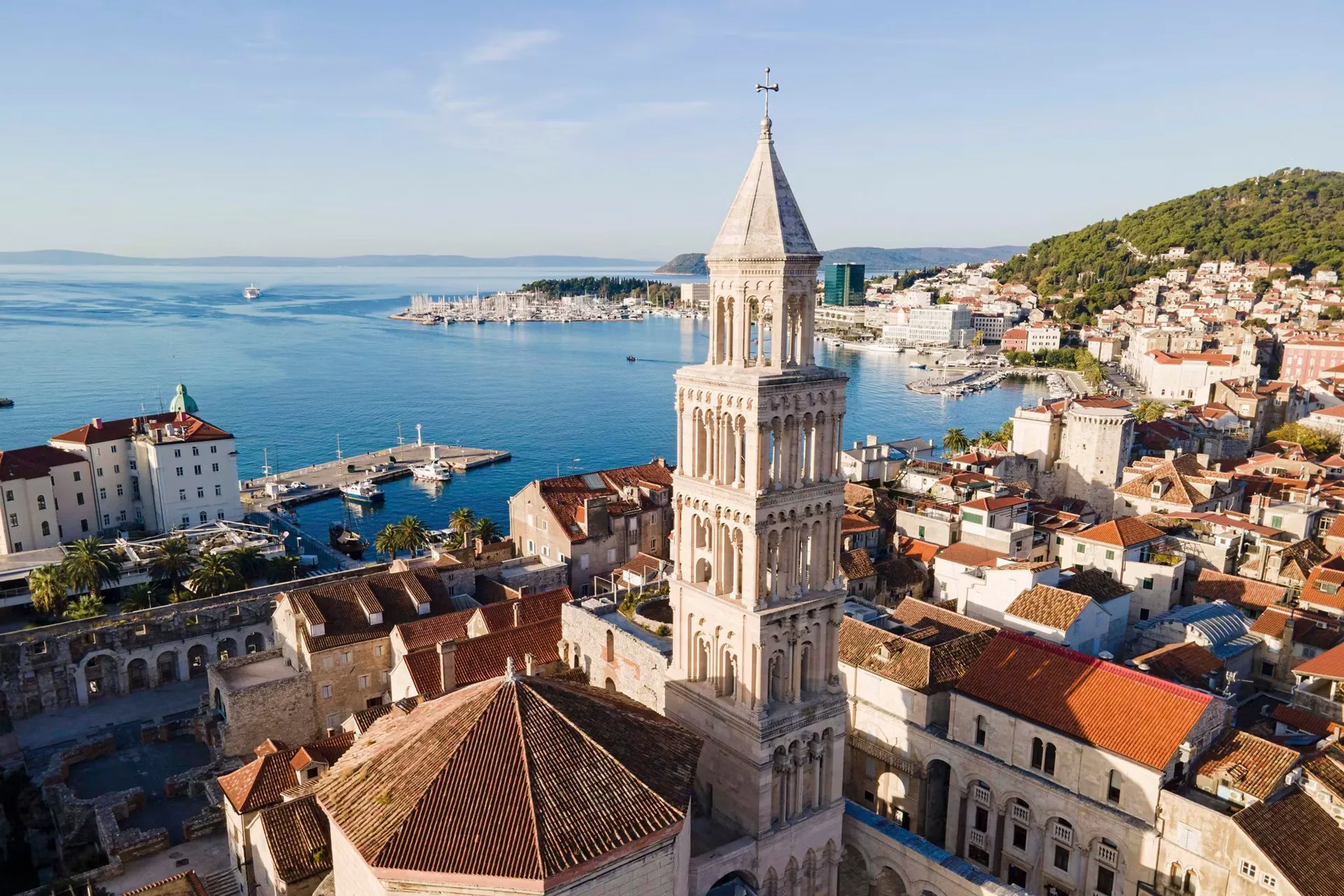
The history of the Port of Split in Croatia dates back to the Roman times when it was known as the port of Aspalathos. Its strategic location on the Adriatic Sea made it a crucial naval and trading point. However, it was in the Middle Ages that the port gained significant importance due to the growth of the Republic of Venice, which used Split as a critical point for its sea routes.
In the modern era, the Port of Split has become one of the busiest ports in the Mediterranean. Its central location and deep water make it ideal for both cargo and passenger ships. The port was significantly expanded in the 20th century, especially after World War II, to accommodate the growing maritime traffic. Today, it is not only a vital hub for Croatia's economy but also a significant tourist attraction, thanks to its rich history and the stunning beauty of the surrounding area.
10. day
Breakfast in the morning, then disembarkation and departure from the port back to the Czech Republic. During the return journey, you will learn about new ships and upcoming destinations. The return transport includes two hot snacks, coffee, tea, cappuccino and hot chocolate.
Venice, located in northeastern Italy, is a city renowned for its canals and unique history. It was founded around the 5th century CE by refugees fleeing invasions of the Italian mainland after the fall of the Western Roman Empire. Built on a series of small islands in the Venetian Lagoon, Venice became a powerful maritime republic by the Middle Ages, controlling trade routes between Europe and the East. Its wealth and influence grew through commerce in goods like spices, silk, and salt, making it one of the most prosperous cities during the Renaissance. Iconic landmarks such as St. Mark’s Basilica and the Doge’s Palace reflect this golden age.
By the 18th century, Venice's power declined as other European powers emerged, and it fell under the rule of the Austrian Empire and later Napoleonic France before becoming part of unified Italy in 1866. Today, Venice is a UNESCO World Heritage Site celebrated for its artistic heritage, architecture, and enduring charm. Known as the “Floating City,” it attracts millions of visitors annually, though it faces challenges such as rising sea levels and tourism. Venice remains a symbol of resilience, blending its rich history with modern efforts to preserve its cultural and environmental legacy.
Update on Venice entrance fee.
11. day
Arrival in the Czech Republic depending on the current traffic situation.

Tour description
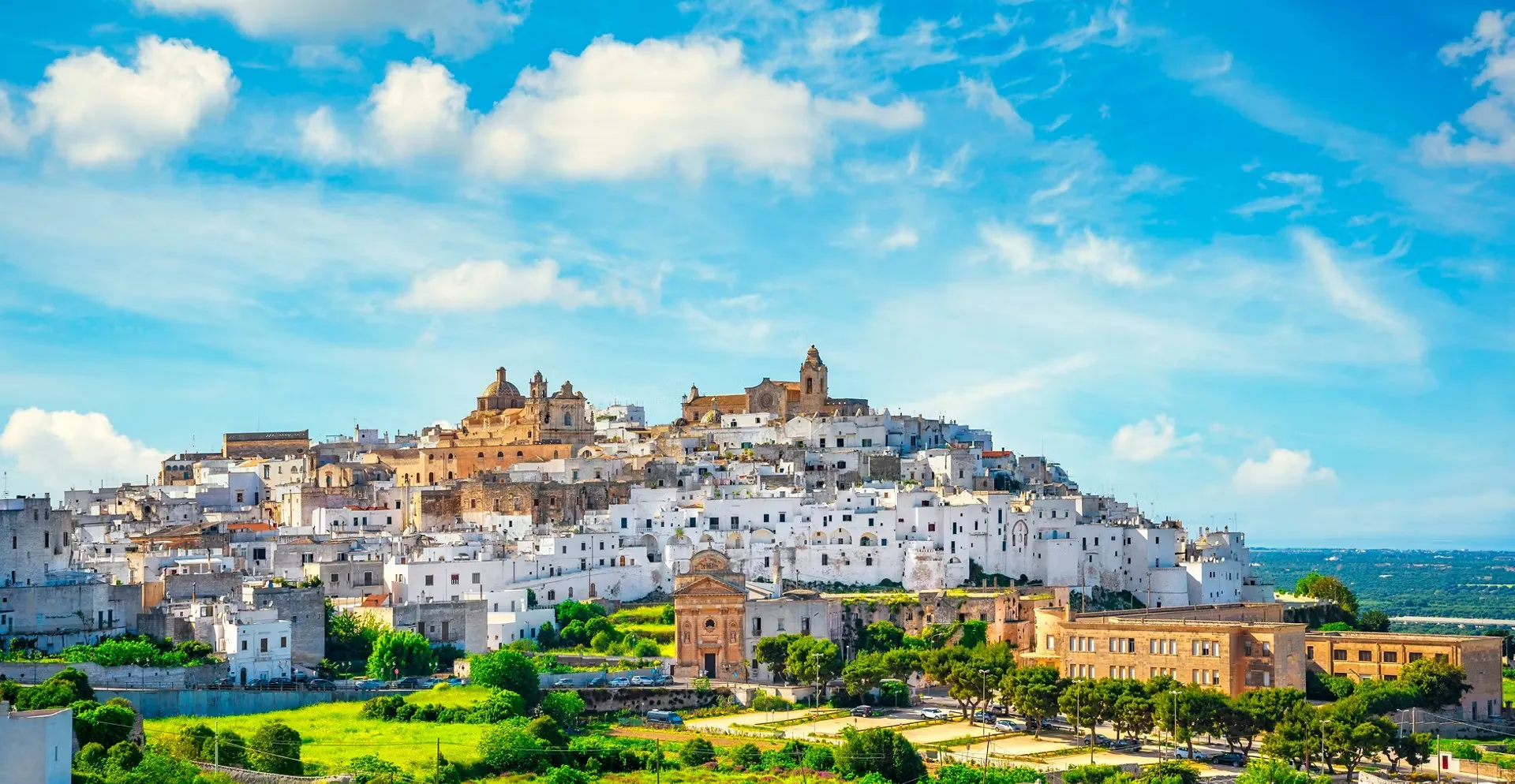
Experience an unforgettable Mediterranean cruise with Riviera Tour! We will comfortably transport you by coach from the Czech Republic to Venice, where you will board the luxurious MSC Cruises ship. During the cruise, you will discover the charm of the Adriatic pearls – Dubrovnik and Split, enchanting Corfu, historic Kotor and Italian Brindisi. Enjoy a day at sea with all the comforts, from swimming pools and whirlpools to gourmet experiences. An experienced delegate will take care of you throughout the trip, ensuring a carefree holiday full of adventures. Don't hesitate and set sail with us towards the sun, the sea and unforgettable adventures!

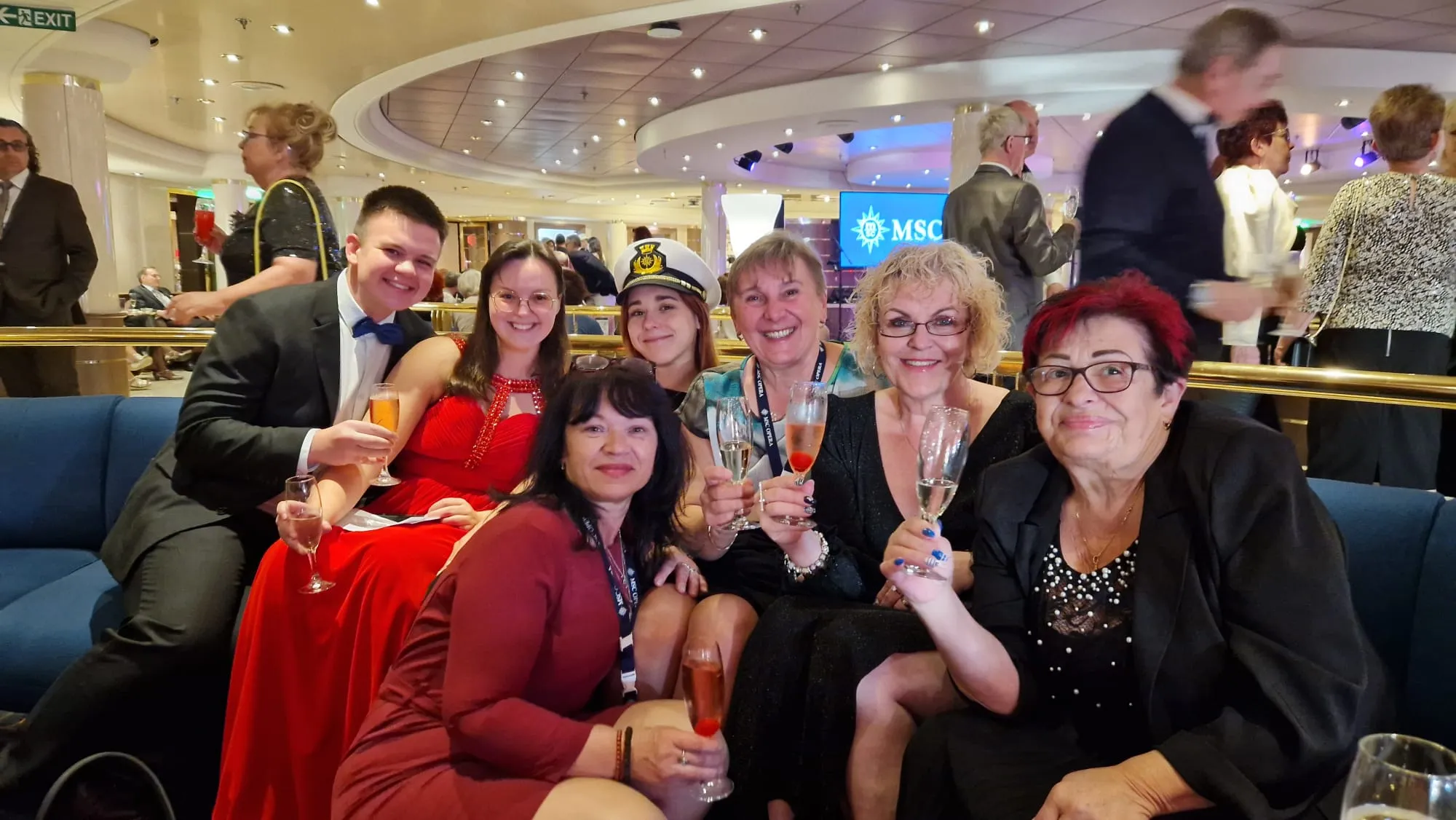
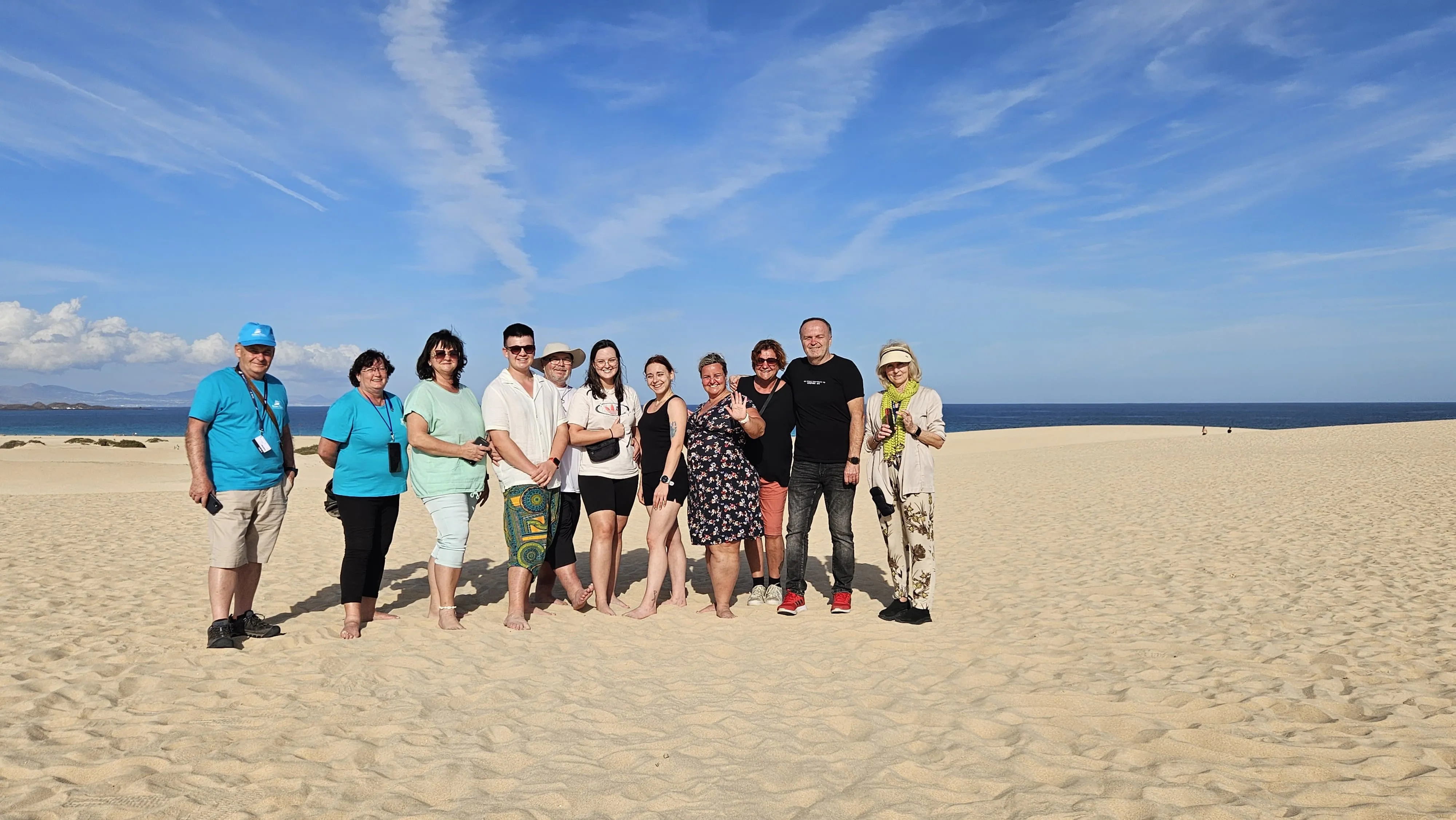
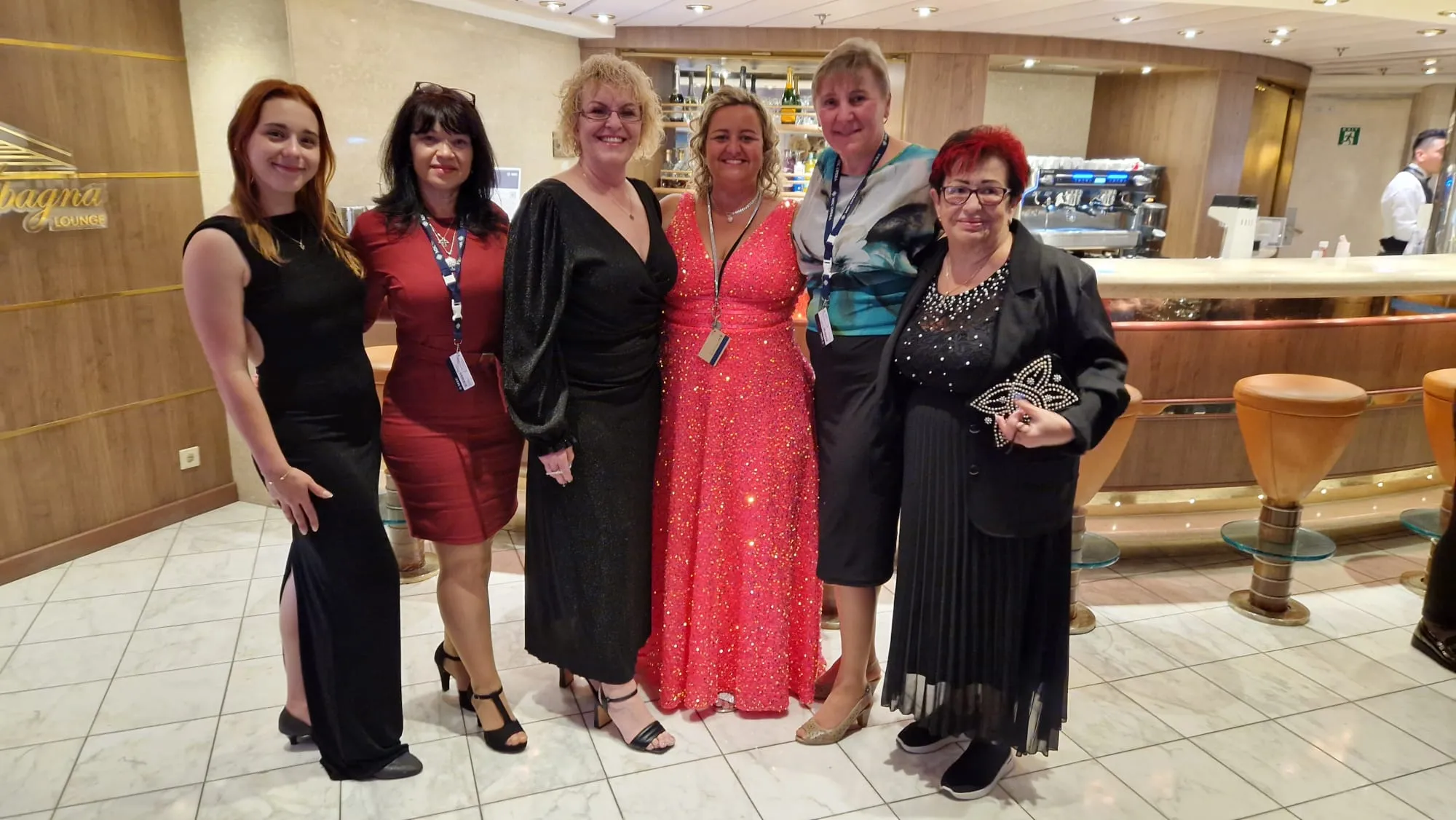
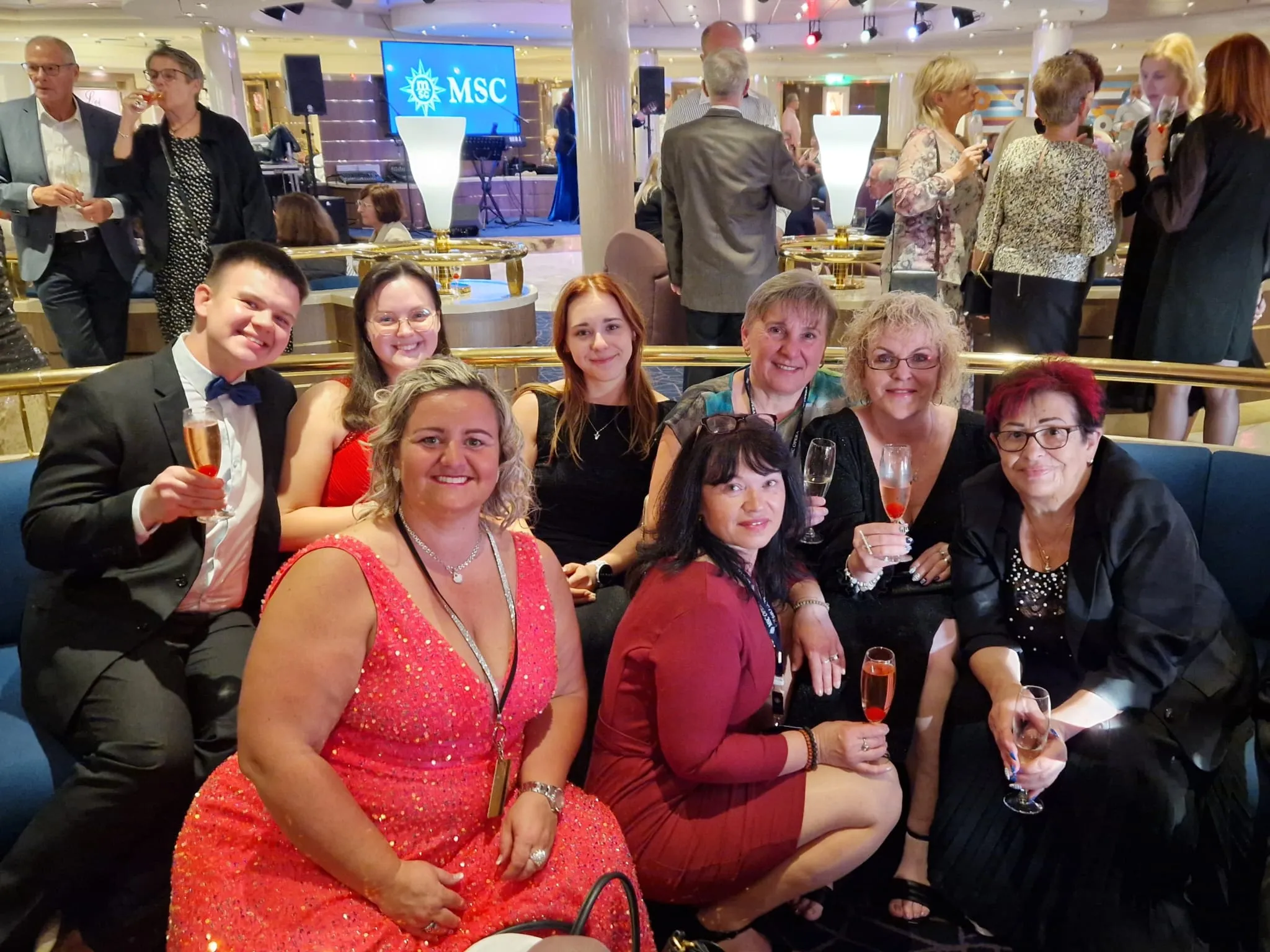
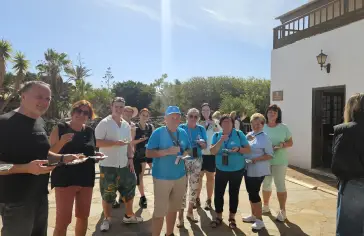
Veronika Stružková
My name is Veronika and I have a great passion for travelling, which has already taken me to different parts of the world. I am interested in studying languages and psychology, which helps me to understand human behaviour better. In addition, I love nature, gardening, animals and sports. Discovering new cultures and gaining life experiences constantly inspires and enriches me.






DVD
Transport
Your cruise with Riviera Tour begins in the Czech Republic. Our modern, spacious coaches depart from major cities towards ports in the Mediterranean and the North Sea.
On board the coach, an experienced Czech delegate will take care of you, providing all the information you need about life on board and the places you will visit. Hot drinks, breakfast and snacks are included in the price of transport. Additional drinks can be purchased from our drivers at attractive prices.
Our aim is for you to enjoy your holiday from the very first moment. That is why we create a pleasant, family atmosphere already during the coach journey. Our delegate will make the trip more enjoyable with interesting stories from previous cruises and practical tips for your stay on board.
And as a bonus, a special "surprise" awaits you during the journey, one of the favourite hallmarks of Riviera Tour trips.
The cruise price includes
- RIVIERA TOUR delegate
- Coach transport to and from the port
- Sightseeing cruise on the MSC ship on the given date
- Accommodation in an interior cabin, BELLA category
- Full board for the entire stay on the ship
- Drinks from vending machines in the buffet restaurant
- Port taxes, service charges and porter services
- Daily cabin cleaning
- Themed evenings according to the cruise programme
- Insolvency insurance
- Animation and entertainment programmes on board
- Theatres, swimming pools, whirlpools, pool service
The cruise price does not include
- Optional excursions by the cruise company at destinations
- Drinks and alcoholic beverages at bars and restaurants
- Premium services for an extra charge (saunas, massages, cinema, circus...)
- Cruise company transfers in ports
For an additional fee we offer
- Special travel and health insurance designed for sea cruises
- Higher cabin categories Fantastica, Aurea and MSC Yacht Club
- Window cabins, balcony cabins, suites and MSC Yacht Club
- Beverage packages and bundles at a pre-sale discount
- Internet packages at a pre-sale discount
- Feeder transfer (surcharge 990 CZK): Praha – Humpolec – Jihlava – Velké Meziříčí
- Seat reservation on the coach (surcharge 150 CZK)
- Prices of all excursions will be confirmed approx. 40 days before departure
The organizer of the cruise is: MSC CRUISES S.A., Avenue Eugene Pittard 40, Geneva, Switzerland. Travel agency RIVIERA TOUR and shipping company is authorized to make operational changes to the program and services provided before the trip and during the trip, if it is not possible to maintain the originally agreed program and services. In the case of trips to regions where the current security situation may require a change in the route or cruise, there is no breach of the travel contract if a deviation in the route does not exceed 50% of the originally planned cruise route. The customer acknowledges that each such deviation from the originally planned cruise route is made to maintain his safety and is included in the price of the trip. These provisions also apply to this situation and related services.
With Riviera Tour you get more:
With us, the complete price - you don't pay anything extra, everything is in the Czech language - you will receive from us printed, fully processed departure instructions containing the boarding pass, information about countries, destinations, information about services on the ship, a translated menu*. We have a 24/7 assistance service for solving crisis situations, we will help you in case of unexpected events, communication with doctors, insurance company, we will help you with accommodation, transport, you can solve all complaints through our CK and note that RIVIERA TOUR sells all cruises as a travel agency - guarantee and security for you

A gift for you with your order
With Riviera Tour you get more:
With us, the complete price - you don't pay anything extra, everything is in the Czech language - you will receive from us printed, fully processed departure instructions containing the boarding pass, information about countries, destinations, information about services on the ship, a translated menu*. We have a 24/7 assistance service for solving crisis situations, we will help you in case of unexpected events, communication with doctors, insurance company, we will help you with accommodation, transport, you can solve all complaints through our CK and note that RIVIERA TOUR sells all cruises as a travel agency - guarantee and security for you