Offer of cruises with transport and delegate
Destination
Departure date
More options
49
available sailings
Reset filter
Sort by:
 With bus transport to the port
 With air transport to the port

Mediterranean
780 - Grand Cruise to Istanbul
 With bus transport to the port
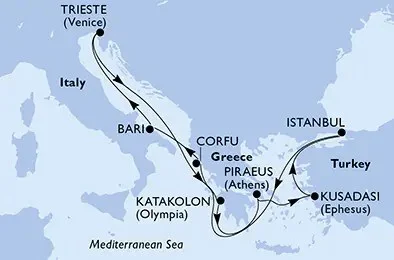
Mediterranean
780 - Grand Cruise to Istanbul
Transport: With Riviera Tour bus
MSC Fantasia

Boarding: Trieste,
Disembarking: Trieste
October 20, 2026 -
October 31, 2026
(11 nights)
SOLD OUT!
Caribbean and Antilles
798 - Great Caribbean cruise to Panama
 With air transport to the port
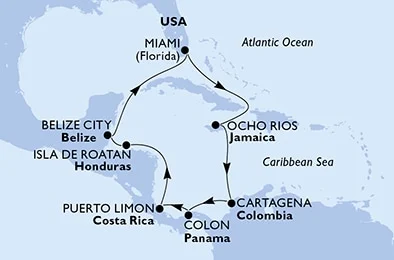
Caribbean and Antilles
798 - Great Caribbean cruise to Panama
Transport: By plane
MSC Poesia
Boarding: Miami,
Disembarking: Miami
October 30, 2026 -
November 13, 2026
(14 nights)
FIRST MINUTE PRICE!
Mediterranean
781 - Eastern Mediterranean to Egypt
 With bus transport to the port
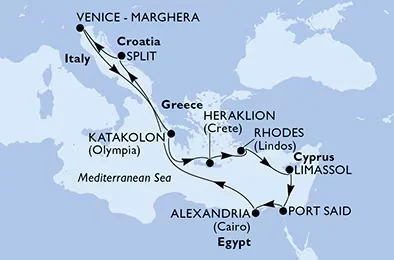
Mediterranean
781 - Eastern Mediterranean to Egypt
Transport: With Riviera Tour bus
MSC Lirica
Boarding: Venice-Marghera,
Disembarking: Venice-Marghera
November 3, 2026 -
November 16, 2026
(13 nights)
from: $1,586
Caribbean and Antilles
711 - Caribbean on the new MSC World America
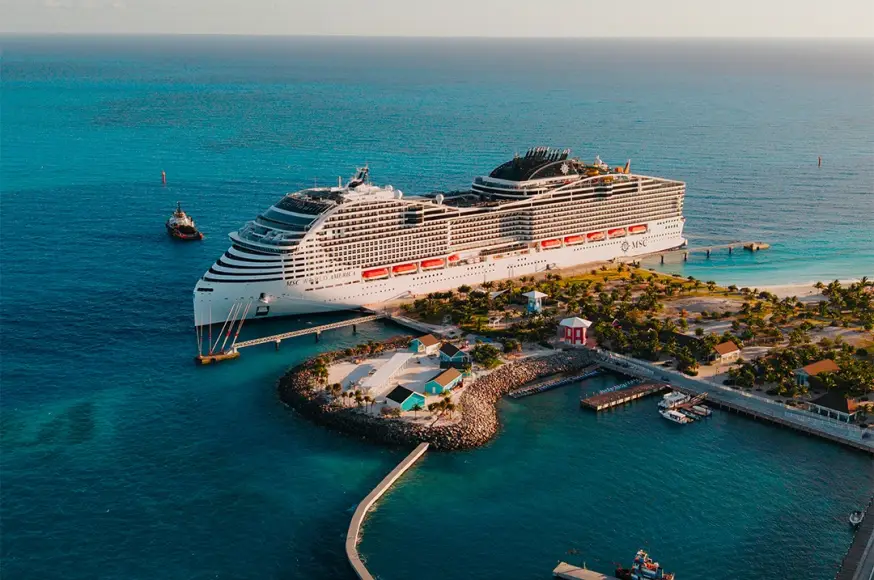 With air transport to the port
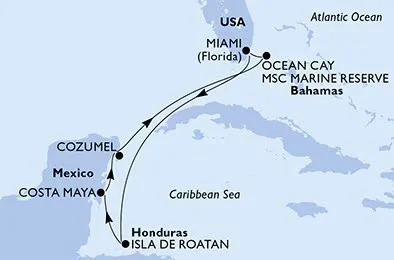
Caribbean and Antilles
711 - Caribbean on the new MSC World ...
Transport: By plane
MSC World America
Boarding: Miami,
Disembarking: Miami
November 5, 2026 -
November 15, 2026
(10 nights)
LAST 2 PLACES!
Caribbean and Antilles
713 - Caribbean on MSC World America mix
 With air transport to the port
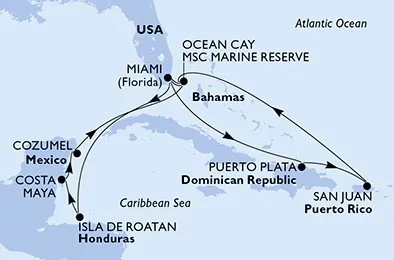
Caribbean and Antilles
713 - Caribbean on MSC World America mix
Transport: By plane
MSC World America
Boarding: Miami,
Disembarking: Miami
November 5, 2026 -
November 22, 2026
(17 nights)
LAST 2 PLACES!
Caribbean and Antilles
712 - Caribbean on the new MSC World America II
 With air transport to the port
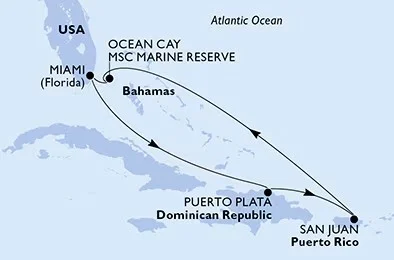
Caribbean and Antilles
712 - Caribbean on the new MSC World ...
Transport: By plane
MSC World America
Boarding: Miami,
Disembarking: Miami
November 12, 2026 -
November 22, 2026
(10 nights)
from: $2,292
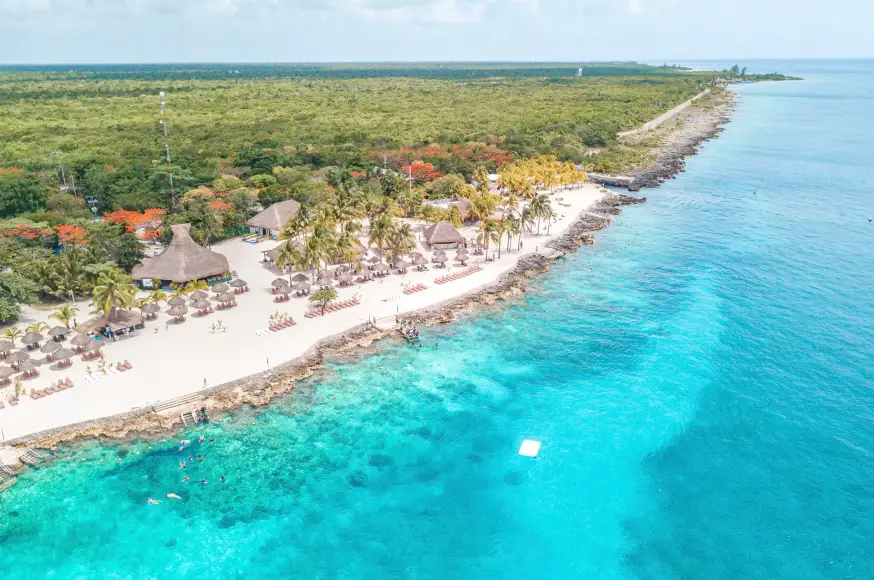
Caribbean and Antilles
954 - Caribbean on the New MSC World America
 With air transport to the port
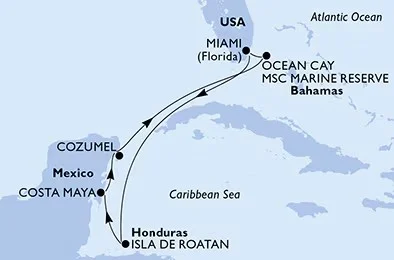
Caribbean and Antilles
954 - Caribbean on the New MSC World ...
Transport: By plane
MSC World America
Boarding: Miami,
Disembarking: Miami
January 14, 2027 -
January 24, 2027
(10 nights)
from: $2,336
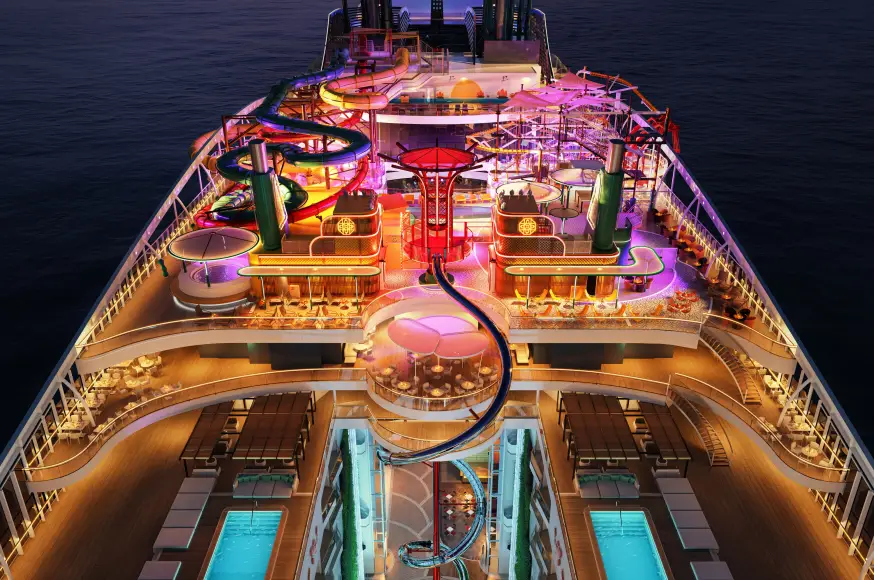
Mediterranean
982 - First cruise on the new MSC World Asia
 With bus transport to the port
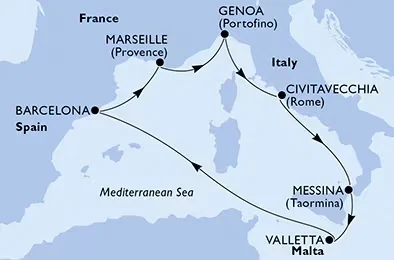
Mediterranean
982 - First cruise on the new MSC Wor...
Transport: With Riviera Tour bus
January 16, 2027 -
January 25, 2027
(9 nights)
FIRST CRUISE ON MSC WORLD ASIA!
Caribbean and Antilles
951 - Cruise to Panama in the Caribbean
 With air transport to the port
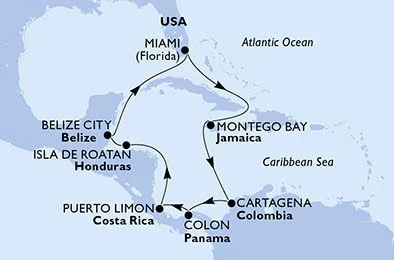
Caribbean and Antilles
951 - Cruise to Panama in the Caribbean
Transport: By plane
MSC Poesia
Boarding: Miami,
Disembarking: Miami
January 22, 2027 -
February 5, 2027
(14 nights)
LAST 2 PLACES!
South America
955 - Cruise through Argentina and Brazil 2027
 With air transport to the port
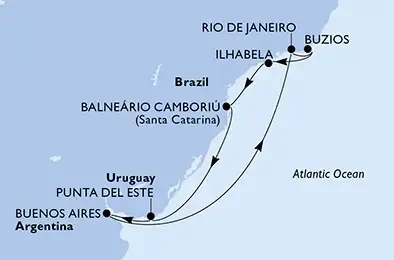
South America
955 - Cruise through Argentina and Br...
Transport: By plane
MSC Splendida
Boarding: Buenos Aires,
Disembarking: Buenos Aires
January 29, 2027 -
February 11, 2027
(13 nights)
LAST 4 PLACES!
Mediterranean
900 - Tunis a Sicílie na MSC Euribia I.
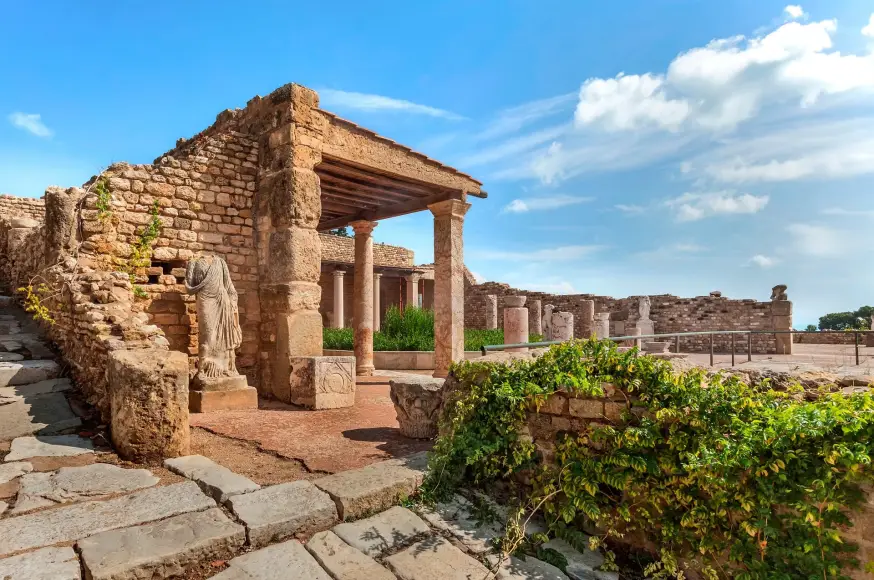 With bus transport to the port
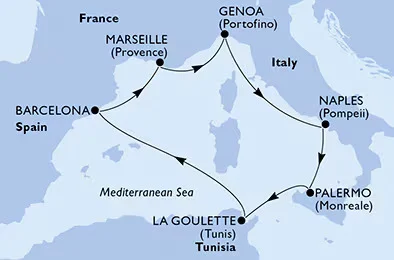
Mediterranean
900 - Tunis a Sicílie na MSC Euribia I.
Transport: With Riviera Tour bus
MSC Euribia
Boarding: Genoa,
Disembarking: Genoa
February 7, 2027 -
February 16, 2027
(9 nights)
VYPRODÁNO!
Mediterranean
927 - Tunisia and Sicily on MSC Euribia I.
With bus transport to the port
Mediterranean
927 - Tunisia and Sicily on MSC Eurib...
Transport: With Riviera Tour bus
MSC Euribia
Boarding: Genoa,
Disembarking: Genoa
February 7, 2027 -
February 16, 2027
(9 nights)
SOLD OUT!
Canary Islands and Madeira
957 - Madeira and the Canary Islands
 With air transport to the port
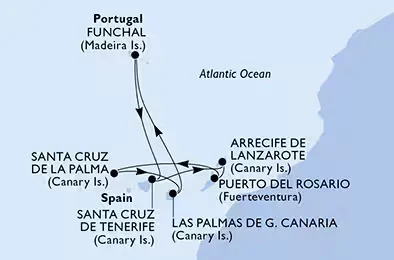
Canary Islands and Madeira
957 - Madeira and the Canary Islands
Transport: By plane
MSC Fantasia
Boarding: Funchal (Madeira),
Disembarking: Funchal (Madeira)
February 20, 2027 -
March 2, 2027
(10 nights)
from: $2,027
Mediterranean
903 - Tunisia and Sicily on MSC Euribia II.
 With bus transport to the port
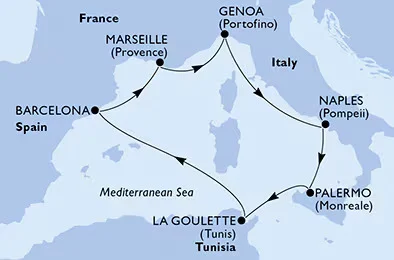
Mediterranean
903 - Tunisia and Sicily on MSC Eurib...
Transport: With Riviera Tour bus
MSC Euribia
Boarding: Genoa,
Disembarking: Genoa
April 4, 2027 -
April 13, 2027
(9 nights)
from: $1,102
Japan and Asia
952 - Spring cruise through Japan and South Korea
 With air transport to the port
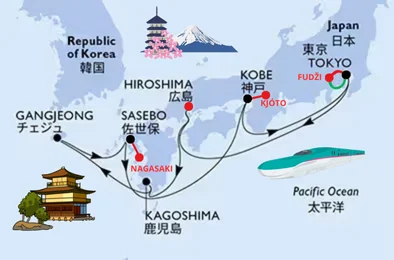
Japan and Asia
952 - Spring cruise through Japan and...
Transport: By plane
MSC Bellissima
Boarding: Tokyo,
Disembarking: Tokyo
April 6, 2027 -
April 21, 2027
(15 nights)
SOLD OUT!
Mediterranean
904 - Cruise Around Europe
 With bus transport to the port
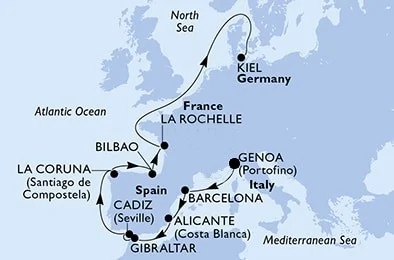
Mediterranean
904 - Cruise Around Europe
Transport: With Riviera Tour bus
MSC Euribia
Boarding: Genoa,
Disembarking: Kiel
April 11, 2027 -
April 25, 2027
(14 nights)
from: $2,071
Japan and Asia
953 - Grand Cruise from Japan to Taiwan
 With air transport to the port
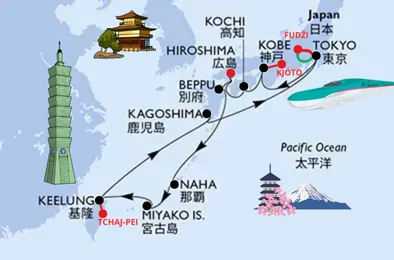
Japan and Asia
953 - Grand Cruise from Japan to Taiwan
Transport: By plane
MSC Bellissima
Boarding: Tokyo,
Disembarking: Tokyo
April 30, 2027 -
May 18, 2027
(18 nights)
TRIP TO MT. FUJI AND SHINKANZEN TRAIN RIDE INCLUDED!
Mediterranean
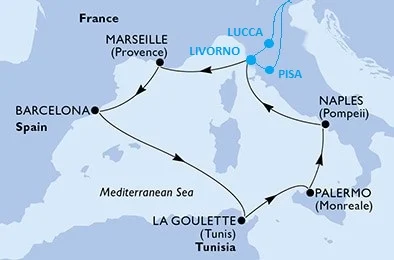
907 - Western Mediterranean to Tunisia
 With bus transport to the port
Mediterranean
907 - Western Mediterranean to Tunisia
Transport: With Riviera Tour bus
MSC Virtuosa
Boarding: Livorno (Pisa),
Disembarking: Livorno (Pisa)
May 1, 2027 -
May 10, 2027
(9 nights)
from: $1,102
Mediterranean
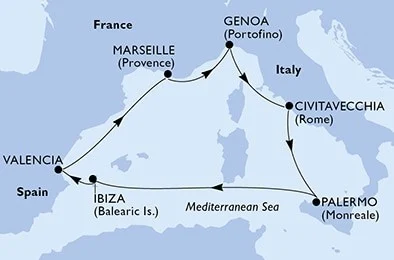
908 - Cruise to Ibiza on MSC Musica
 With bus transport to the port
Mediterranean
908 - Cruise to Ibiza on MSC Musica
Transport: With Riviera Tour bus
MSC Musica
Boarding: Genoa,
Disembarking: Genoa
May 7, 2027 -
May 16, 2027
(9 nights)
SOLD OUT!
Mediterranean
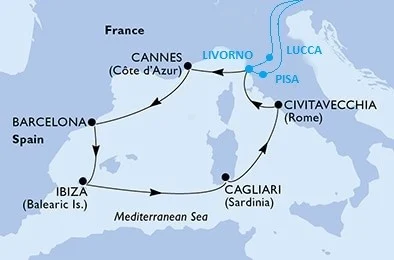
911 - Western Mediterranean via Pisa and Lucca
 With bus transport to the port
Mediterranean
911 - Western Mediterranean via Pisa ...
Transport: With Riviera Tour bus
MSC Fantasia
Boarding: Livorno (Pisa),
Disembarking: Livorno (Pisa)
May 24, 2027 -
June 2, 2027
(9 nights)
from: $1,410
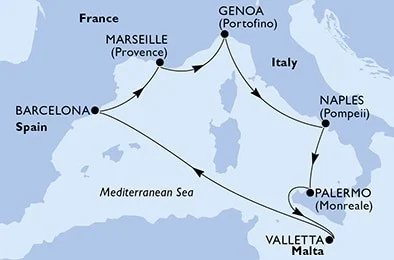
Mediterranean
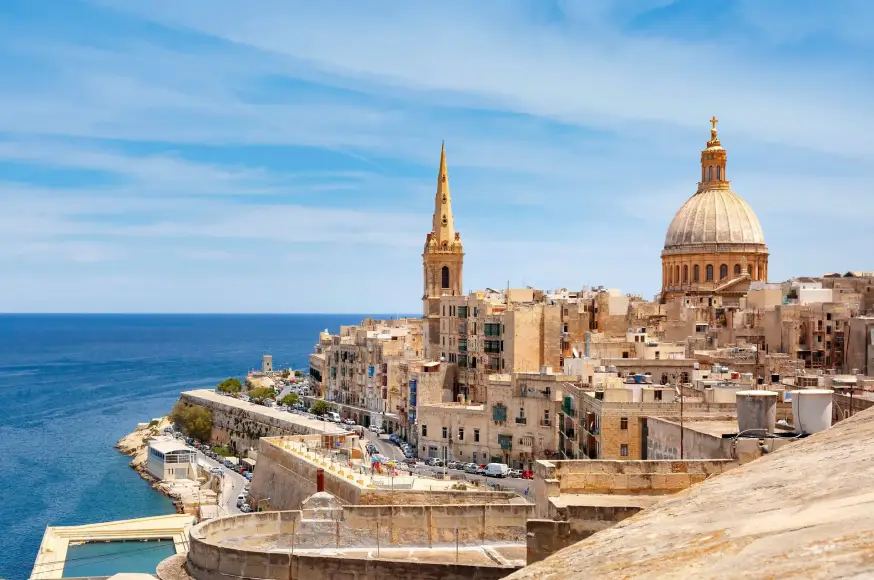
912 - Cruise to Malta on MSC Seaview
 With bus transport to the port
Mediterranean
912 - Cruise to Malta on MSC Seaview
Transport: With Riviera Tour bus
MSC Seaview
Boarding: Genoa,
Disembarking: Genoa
May 24, 2027 -
June 2, 2027
(9 nights)
from: $1,498
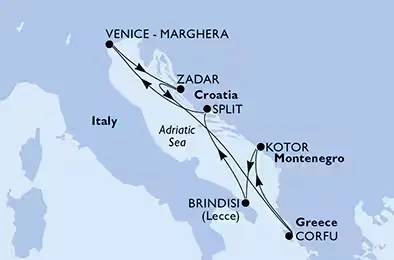
Mediterranean
913 - From Venice to Corfu via Montenegro
 With bus transport to the port
Mediterranean
913 - From Venice to Corfu via Monten...
Transport: With Riviera Tour bus
MSC Armonia
Boarding: Venice-Marghera,
Disembarking: Venice-Marghera
May 29, 2027 -
June 7, 2027
(9 nights)
from: $1,410
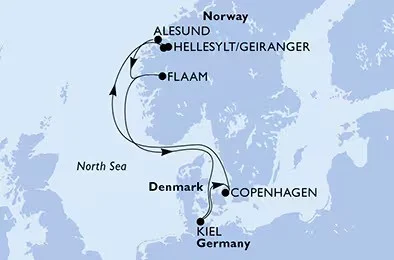
Northern Europe
914 - Norwegian Fjords on MSC Euribia
 With bus transport to the port
Northern Europe
914 - Norwegian Fjords on MSC Euribia
Transport: With Riviera Tour bus
MSC Euribia
Boarding: Kiel,
Disembarking: Kiel
June 4, 2027 -
June 13, 2027
(9 nights)
from: $1,719
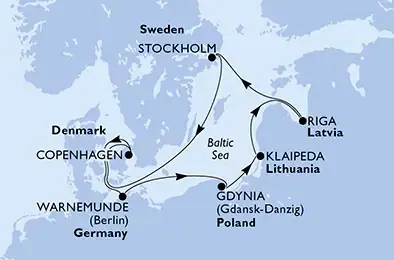
Northern Europe
916 - Beauties of the Baltic Sea
 With bus transport to the port
Northern Europe
916 - Beauties of the Baltic Sea
Transport: With Riviera Tour bus
MSC Magnifica
Boarding: Warnemunde (Berlin),
Disembarking: Warnemunde (Berlin)
June 12, 2027 -
June 21, 2027
(9 nights)
from: $1,631
Northern Europe
917 - Norwegian Fjords via Bergen
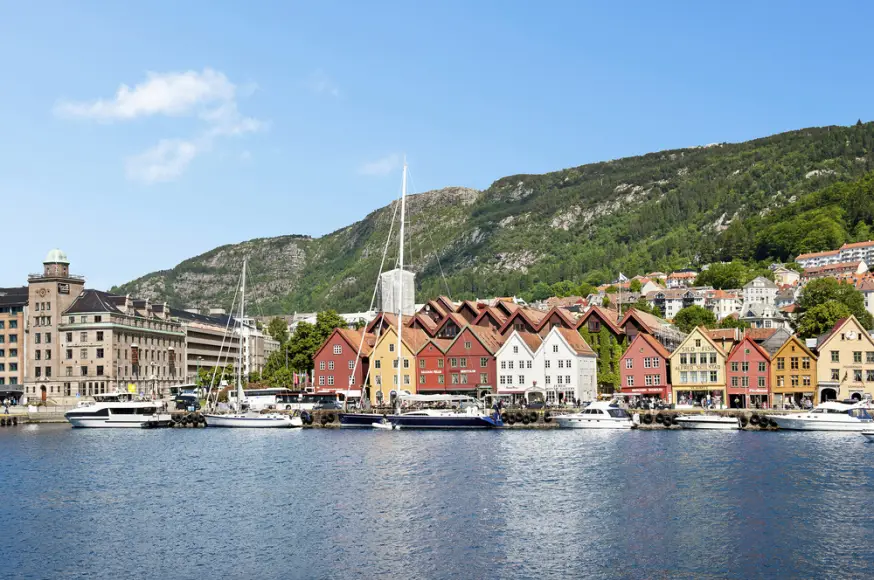 With bus transport to the port
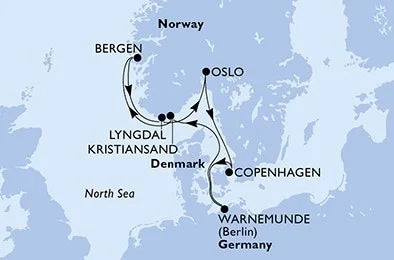
Northern Europe
917 - Norwegian Fjords via Bergen
Transport: With Riviera Tour bus
MSC Magnifica
Boarding: Warnemunde (Berlin),
Disembarking: Warnemunde (Berlin)
June 19, 2027 -
June 28, 2027
(9 nights)
from: $1,675
Mediterranean
918 - Cruise to Malta on MSC Seaview
With bus transport to the port
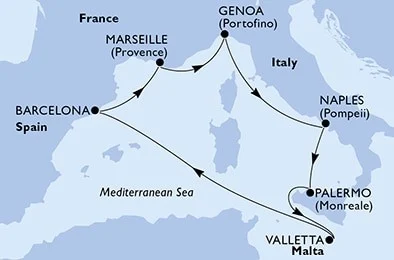
Mediterranean
918 - Cruise to Malta on MSC Seaview
Transport: With Riviera Tour bus
MSC Seaview
Boarding: Genoa,
Disembarking: Genoa
June 28, 2027 -
July 7, 2027
(9 nights)
VYPRODÁNO!
Mediterranean
925 - Západní Středomoří přes Pisu a Florencii
 With bus transport to the port
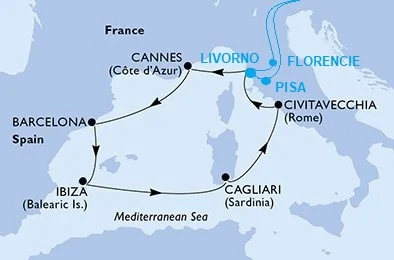
Mediterranean
925 - Západní Středomoří přes Pisu a ...
Transport: With Riviera Tour bus
MSC Fantasia
Boarding: Livorno (Pisa),
Disembarking: Livorno (Pisa)
July 5, 2027 -
July 14, 2027
(9 nights)
SOLD OUT!
Mediterranean
919 - Western Mediterranean via Pisa and Lucca
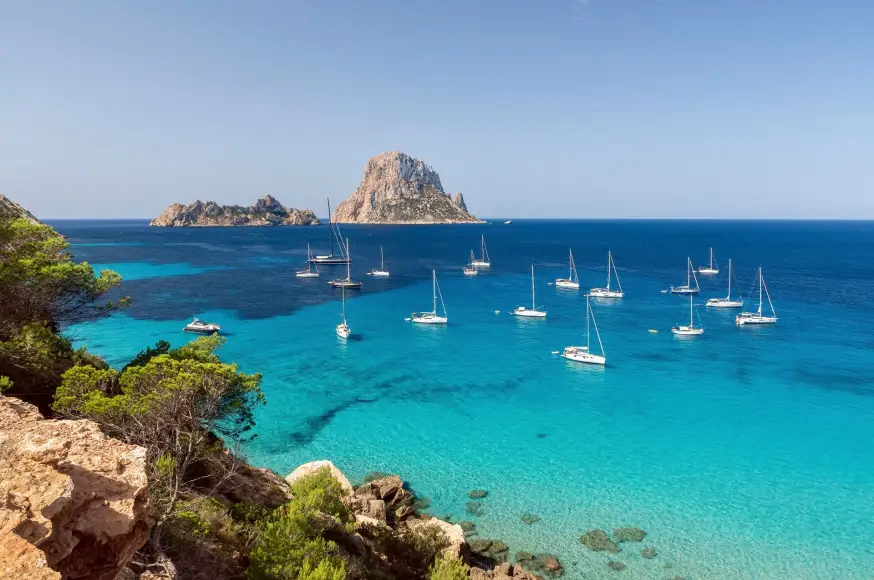 With bus transport to the port
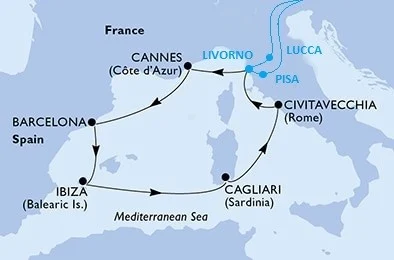
Mediterranean
919 - Western Mediterranean via Pisa ...
Transport: With Riviera Tour bus
MSC Fantasia
Boarding: Livorno (Pisa),
Disembarking: Livorno (Pisa)
July 5, 2027 -
July 14, 2027
(9 nights)
POSLEDNÍCH 6 MÍST! BALKON V CENĚ
Mediterranean
920 - From Venice to Corfu via Montenegro
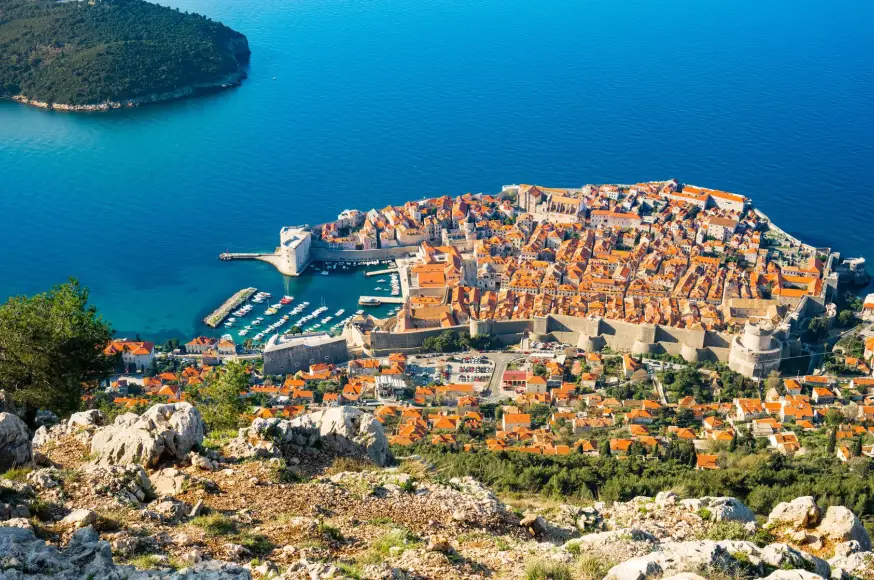 With bus transport to the port
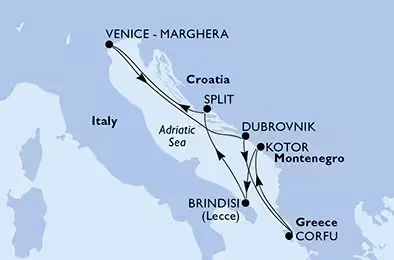
Mediterranean
920 - From Venice to Corfu via Monten...
Transport: With Riviera Tour bus
MSC Armonia
Boarding: Venice-Marghera,
Disembarking: Venice-Marghera
July 10, 2027 -
July 19, 2027
(9 nights)
from: $1,542
Northern Europe
921 - Norwegian Fjords via Bergen II
 With bus transport to the port
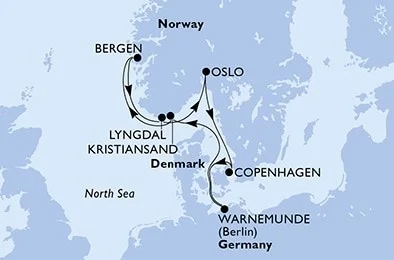
Northern Europe
921 - Norwegian Fjords via Bergen II
Transport: With Riviera Tour bus
MSC Magnifica
Boarding: Warnemunde (Berlin),
Disembarking: Warnemunde (Berlin)
July 17, 2027 -
July 26, 2027
(9 nights)
from: $1,719
Northern Europe
922 - Svalbard and the Arctic Circle
 With bus transport to the port
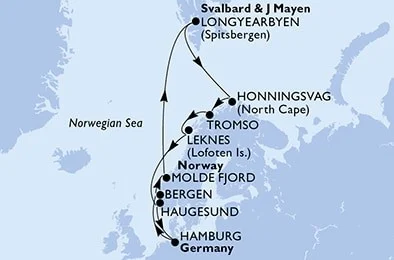
Northern Europe
922 - Svalbard and the Arctic Circle
Transport: With Riviera Tour bus
MSC Preziosa
Boarding: Hamburg,
Disembarking: Hamburg
August 5, 2027 -
August 21, 2027
(16 nights)
from: $3,085
Northern Europe
923 - Cruise to Iceland on MSC Preziosa
 With bus transport to the port
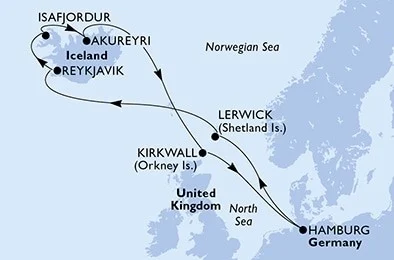
Northern Europe
923 - Cruise to Iceland on MSC Preziosa
Transport: With Riviera Tour bus
MSC Preziosa
Boarding: Hamburg,
Disembarking: Hamburg
August 19, 2027 -
September 1, 2027
(13 nights)
from: $2,380
Mediterranean
970 - From Venice to Corfu via Montenegro
 With bus transport to the port
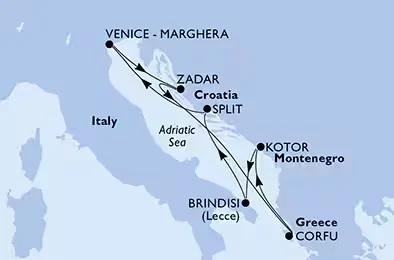
Mediterranean
970 - From Venice to Corfu via Monten...
Transport: With Riviera Tour bus
MSC Armonia
Boarding: Venice-Marghera,
Disembarking: Venice-Marghera
September 4, 2027 -
September 13, 2027
(9 nights)
from: $1,542
Mediterranean
971 - Cruise to Ibiza on MSC Musica
With bus transport to the port
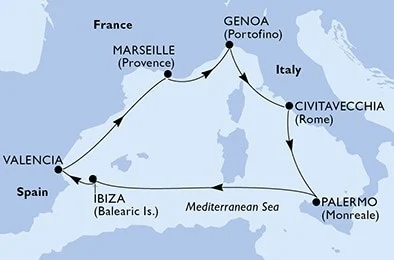
Mediterranean
971 - Cruise to Ibiza on MSC Musica
Transport: With Riviera Tour bus
MSC Musica
Boarding: Genoa,
Disembarking: Genoa
September 10, 2027 -
September 19, 2027
(9 nights)
SOLD OUT!
Northern Europe
972 - Cruise Around Scotland and England
 With bus transport to the port
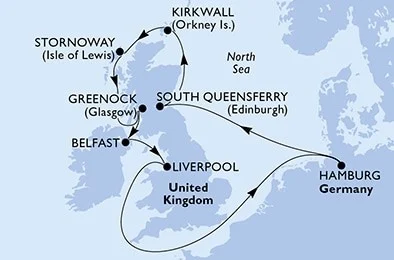
Northern Europe
972 - Cruise Around Scotland and England
Transport: With Riviera Tour bus
MSC Preziosa
Boarding: Hamburg,
Disembarking: Hamburg
September 11, 2027 -
September 23, 2027
(12 nights)
from: $2,204
Mediterranean
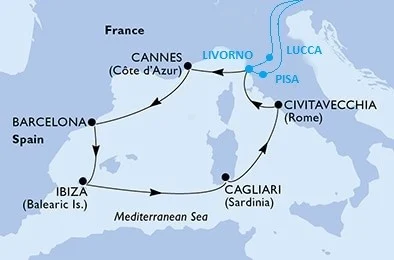
973 - Western Mediterranean via Pisa and Lucca
With bus transport to the port
Mediterranean
973 - Western Mediterranean via Pisa ...
Transport: With Riviera Tour bus
MSC Fantasia
Boarding: Livorno (Pisa),
Disembarking: Livorno (Pisa)
September 20, 2027 -
September 29, 2027
(9 nights)
from: $1,278
Mediterranean
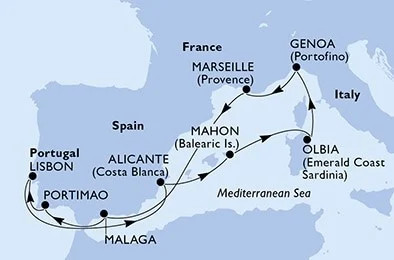
975 - Cruise to Lisbon on MSC Sinfonia
 With bus transport to the port
Mediterranean
975 - Cruise to Lisbon on MSC Sinfonia
Transport: With Riviera Tour bus
MSC Sinfonia
Boarding: Genoa,
Disembarking: Genoa
September 24, 2027 -
October 6, 2027
(12 nights)
from: $1,851
Mediterranean
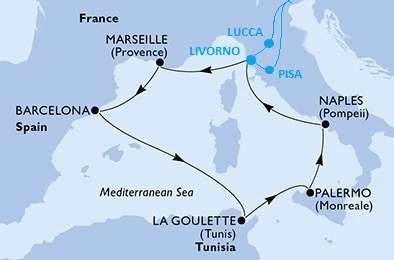
974 - Western Mediterranean to Tunisia
With bus transport to the port
Mediterranean
974 - Western Mediterranean to Tunisia
Transport: With Riviera Tour bus
MSC Virtuosa
Boarding: Livorno (Pisa),
Disembarking: Livorno (Pisa)
September 25, 2027 -
October 4, 2027
(9 nights)
SOLD OUT!
Mediterranean
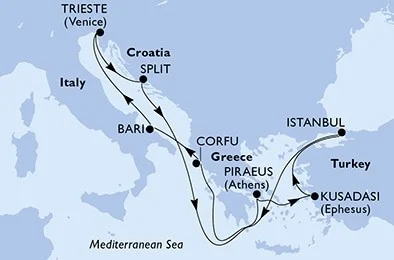
978 - Grand Cruise to Istanbul
With bus transport to the port
Mediterranean
978 - Grand Cruise to Istanbul
Transport: With Riviera Tour bus
MSC Splendida
Boarding: Trieste,
Disembarking: Trieste
October 9, 2027 -
October 20, 2027
(11 nights)
from: $1,763
Mediterranean
979 - To Turkey via Marmaris and Mykonos
 With bus transport to the port
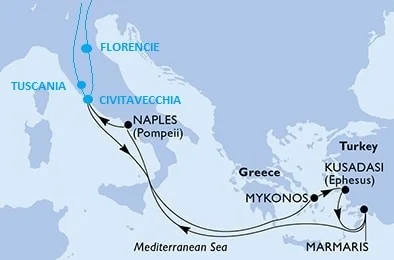
Mediterranean
979 - To Turkey via Marmaris and Mykonos
Transport: With Riviera Tour bus
MSC Divina
Boarding: Civitavecchia (Roma),
Disembarking: Civitavecchia (Roma)
October 21, 2027 -
October 30, 2027
(9 nights)
from: $1,410
Mediterranean
980 - Western Mediterranean via Pisa and Lucca
 With bus transport to the port
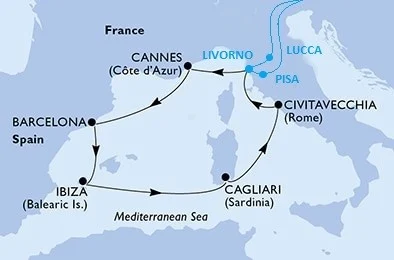
Mediterranean
980 - Western Mediterranean via Pisa ...
Transport: With Riviera Tour bus
MSC Fantasia
Boarding: Livorno (Pisa),
Disembarking: Livorno (Pisa)
October 25, 2027 -
November 3, 2027
(9 nights)
from: $1,190
Caribbean and Antilles
961 - Caribbean Dream on MSC Seashore
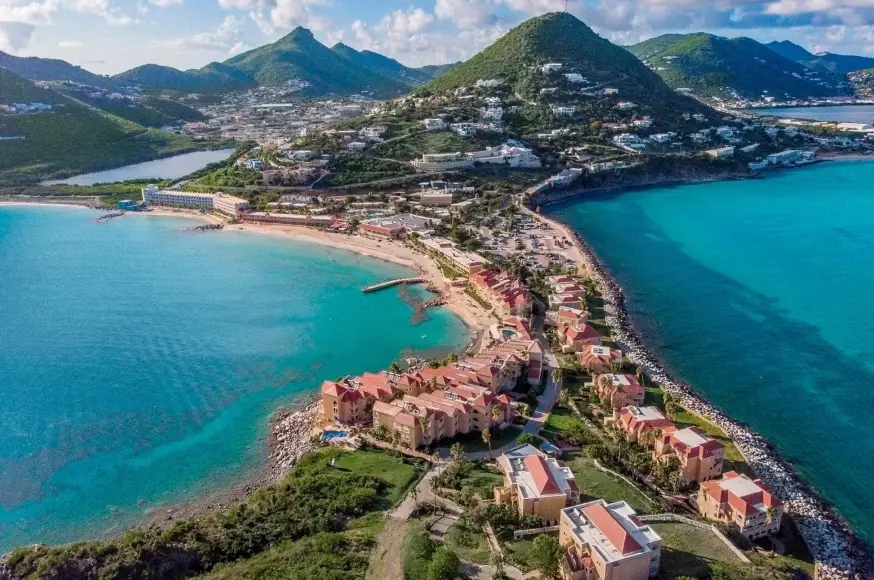 With air transport to the port
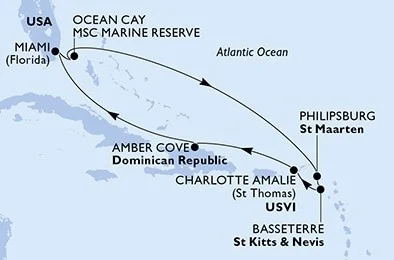
Caribbean and Antilles
961 - Caribbean Dream on MSC Seashore
Transport: By plane
MSC Seashore
Boarding: Miami,
Disembarking: Miami
November 2, 2027 -
November 15, 2027
(13 nights)
from: $2,644
Mediterranean
981 - Through the Eastern Mediterranean to Egypt
With bus transport to the port
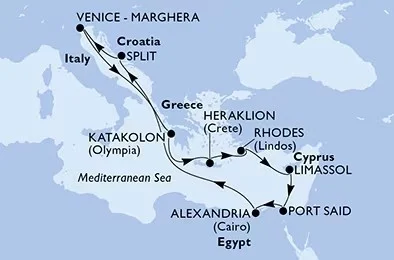
Mediterranean
981 - Through the Eastern Mediterrane...
Transport: With Riviera Tour bus
MSC Armonia
Boarding: Venice-Marghera,
Disembarking: Venice-Marghera
November 2, 2027 -
November 15, 2027
(13 nights)
from: $1,983
Caribbean and Antilles
962 - Caribbean Cruise to Panama
 With air transport to the port
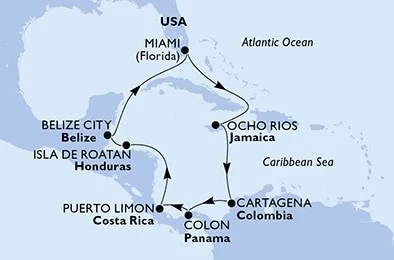
Caribbean and Antilles
962 - Caribbean Cruise to Panama
Transport: By plane
MSC Poesia
Boarding: Miami,
Disembarking: Miami
November 18, 2027 -
December 3, 2027
(15 nights)
from: $2,953
Caribbean and Antilles
800 - Western Caribbean on MSC World America
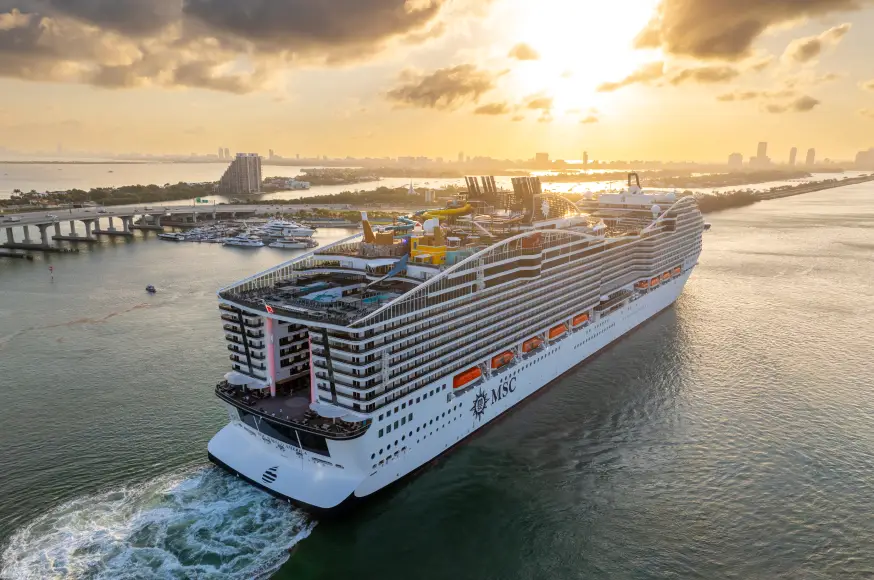 With air transport to the port
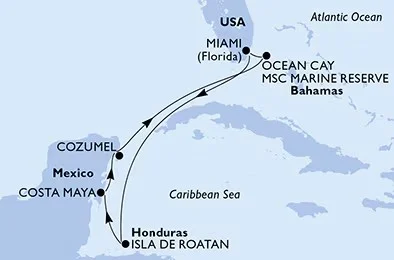
Caribbean and Antilles
800 - Western Caribbean on MSC World ...
Transport: By plane
MSC World America
Boarding: Miami,
Disembarking: Miami
January 12, 2028 -
January 23, 2028
(11 nights)
from: $2,556
Persian Gulf
801 - Arabian Emirates via Qatar I
 With air transport to the port
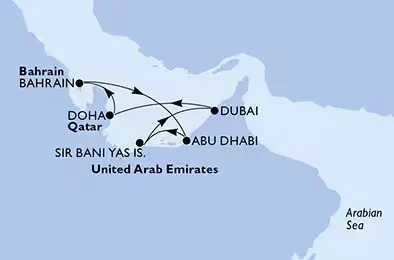
Persian Gulf
801 - Arabian Emirates via Qatar I
Transport: By plane
MSC World Europa
Boarding: Dubai,
Disembarking: Dubai
January 14, 2028 -
January 22, 2028
(8 nights)
from: $1,719
Caribbean and Antilles
802 - Caribbean Cruise to Panama
 With air transport to the port
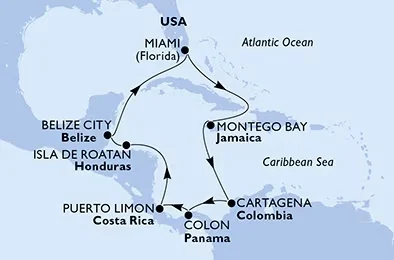
Caribbean and Antilles
802 - Caribbean Cruise to Panama
Transport: By plane
MSC Poesia
Boarding: Miami,
Disembarking: Miami
January 20, 2028 -
February 4, 2028
(15 nights)
from: $2,821
Persian Gulf
803 - Arabian Emirates via Qatar II
 With air transport to the port
Persian Gulf
803 - Arabian Emirates via Qatar II
Transport: By plane
MSC World Europa
Boarding: Dubai,
Disembarking: Dubai
February 11, 2028 -
February 19, 2028
(8 nights)
from: $1,851
Japan and Asia
804 - Jarní plavba Japonskem a Jižní Koreou 2028
 With bus transport to the port
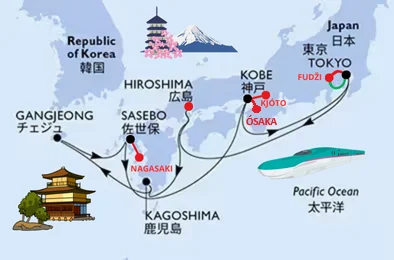
Japan and Asia
804 - Jarní plavba Japonskem a Jižní ...
Transport: With Riviera Tour bus
MSC Bellissima
Boarding: Tokyo,
Disembarking: Tokyo
March 28, 2028 -
April 12, 2028
(15 nights)
ZÁLOHA POUZE 20.000 KČ, 7 VÝLETŮ V CENĚ PLAVBY!